Best Beaches in Sardinia
I have spent more time than I can defend staring at water in Sardinia and trying to decide if it was turquoise, aquamarine, or some color that does not have a name yet. The hard part of choosing the best beaches in Sardinia is not scarcity. It is that there are around 1,800 kilometers of coastline and a frankly unfair number of beaches that all look like a screensaver.
So here is the short version. The best beaches in Sardinia are clustered by coast: La Pelosa in the northwest, the Costa Smeralda coves in the northeast, the Gulf of Orosei calas in the east, Chia and Tuerredda in the south, and the quartz sand of Is Arutas in the west. Pick a coast, base there, and beach-hop. This guide is for people who want the real names, the real access rules, and an honest read on crowds.
A quick comparison of Sardinia’s best beaches
I find a table sorts the noise out faster than any paragraph. Here is the lay of the land before we get into specifics.
| Beach | Coast / area | Sand or pebble | Access (car / boat / walk) | Best for |
|---|---|---|---|---|
| La Pelosa | NW / Stintino | Fine white sand | Car + booked entry | Shallow, family wading |
| Spiaggia del Principe | NE / Costa Smeralda | Soft white sand | Car + short walk | Postcard scenery |
| Cala Brandinchi | NE / San Teodoro | Fine white sand | Car or beach bus + booking | “Little Tahiti” shallows |
| Cala Goloritzé | E / Ogliastra (Baunei) | Pebble + sand | Walk (hike) or boat-anchor | Drama, hikers |
| Cala Mariolu | E / Gulf of Orosei | White pebbles | Boat from Cala Gonone | Snorkeling, color |
| Cala Luna | E / Gulf of Orosei | Sand + caves | Boat or long hike | Big-cove swimming |
| Tuerredda | S / Teulada | Fine white sand | Car + capped parking | Sandbar, families |
| Chia (Su Giudeu) | S / Domus de Maria | Sand + dunes | Car | Flamingos, sunsets |
| Porto Giunco | SE / Villasimius | Fine white sand | Car | Lagoon and sea views |
| Is Arutas | W / Sinis | Quartz grains | Car | Wild, unusual texture |
Note the “booked entry” entries. That is the single biggest change to plan around in 2026, and most of page one buries it. More on that below.
The thing nobody tells you first: Sardinia now caps and charges for its best beaches
Before you fall in love with a photo, know this. Several of the island’s marquee beaches now limit daily numbers, charge a small fee, require a QR-code booking, and in a few cases ban putting a towel straight on the sand. These rules exist to stop people quietly carrying the sand home jar by jar, which genuinely happened for decades.
It is not a scam and it is usually cheap. But it does mean the most beautiful beaches in Sardinia are no longer “just show up.” The other reality is parking: even at free beaches, the lots near the prettiest coves are small and fill by 9 or 10 a.m. in July and August, and roadside parking is often ticketed or simply impossible. Half of beach-going in Sardinia is really a parking strategy. If you are the type who likes to wing it, my honest advice is to build one or two booked beaches into a trip and keep the free ones as your daily default. Our Sardinia beaches travel guide goes deeper on the booking apps and the wider rules across the island.
Northwest: Stintino and La Pelosa
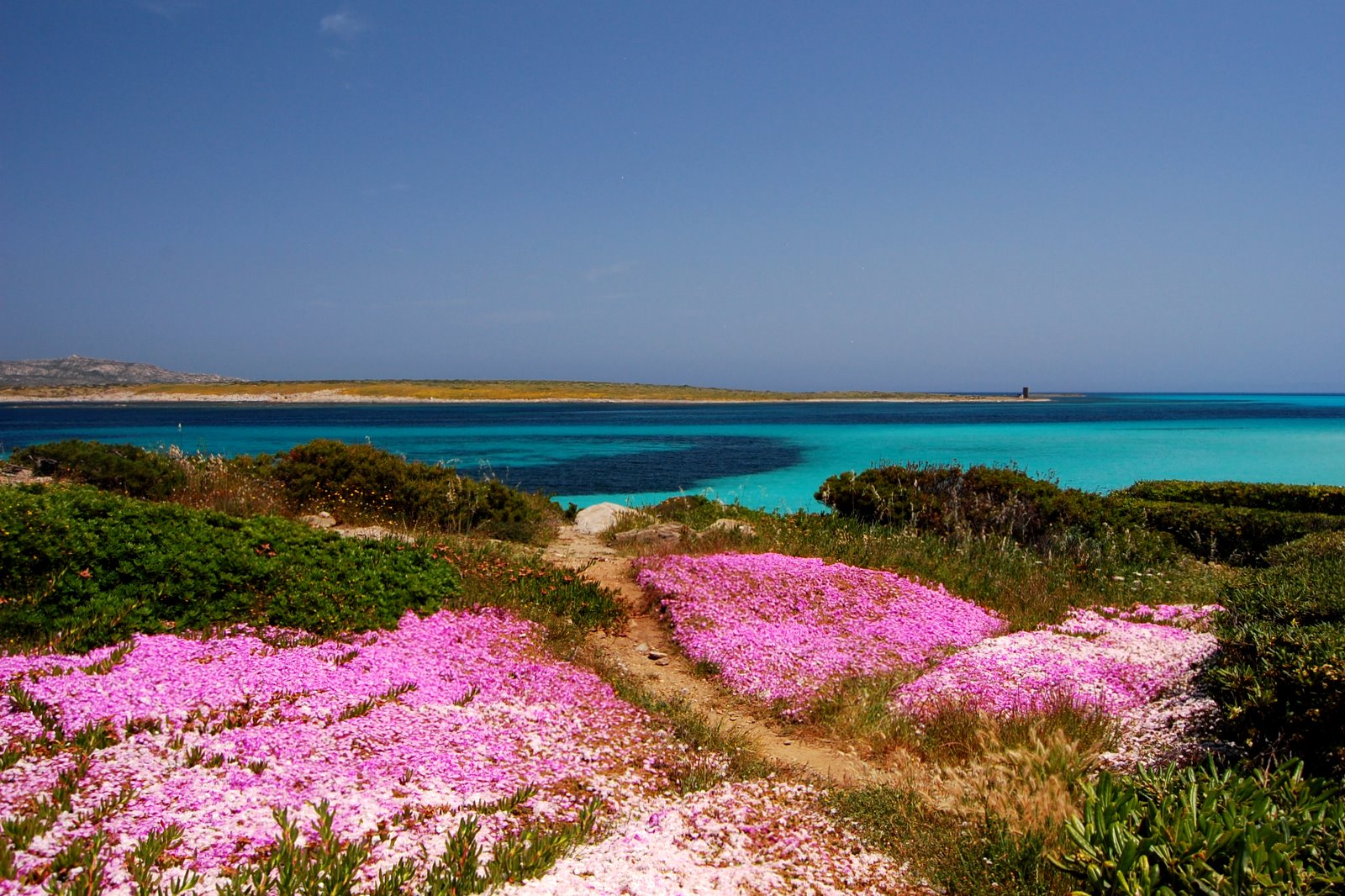
La Pelosa, near the village of Stintino on the far northwest tip, is the beach everyone has seen even if they did not know the name. The water is bath-shallow and almost luminous, with an old Aragonese watchtower sitting on its own islet just offshore. On a calm morning it does not look real.
It is also the poster child for Sardinia’s new access regime, so here are the specifics, hedged as of 2026 and drawn from the comune’s official booking site.
- There are around 1,500 daily places. Roughly 500 can be booked anytime; about 1,000 open no earlier than 48 hours before.
- The fee is about €3.50 per person, with children under 12 exempt from booking.
- You enter with a QR code shown at the walkways, with access control running roughly 8:00 to 18:00.
- You must use a rigid mat of straw, bamboo, or reed under you. A towel straight on the sand can draw a fine of around €100.
- No dogs, no smoking, no taking sand or shells, and there is a foot-wash you are expected to use.
My read: La Pelosa is worth the faff, but go early, book ahead, and treat the rules as non-negotiable rather than suggestions. The water is the draw and also the catch: it is so shallow that on a windy day the sand stirs up and the famous clarity goes flat, so you want a calm forecast as much as a booking. If it is fully booked, the nearby Stintino beaches like La Pelosetta and the views toward Asinara island are a soft landing, and the long Saline beach a few minutes away rarely turns anyone away. Alghero, about an hour south, makes a great base for this whole corner, and our Alghero travel guide covers where to sleep and eat.
Northeast: the Costa Smeralda and its coves
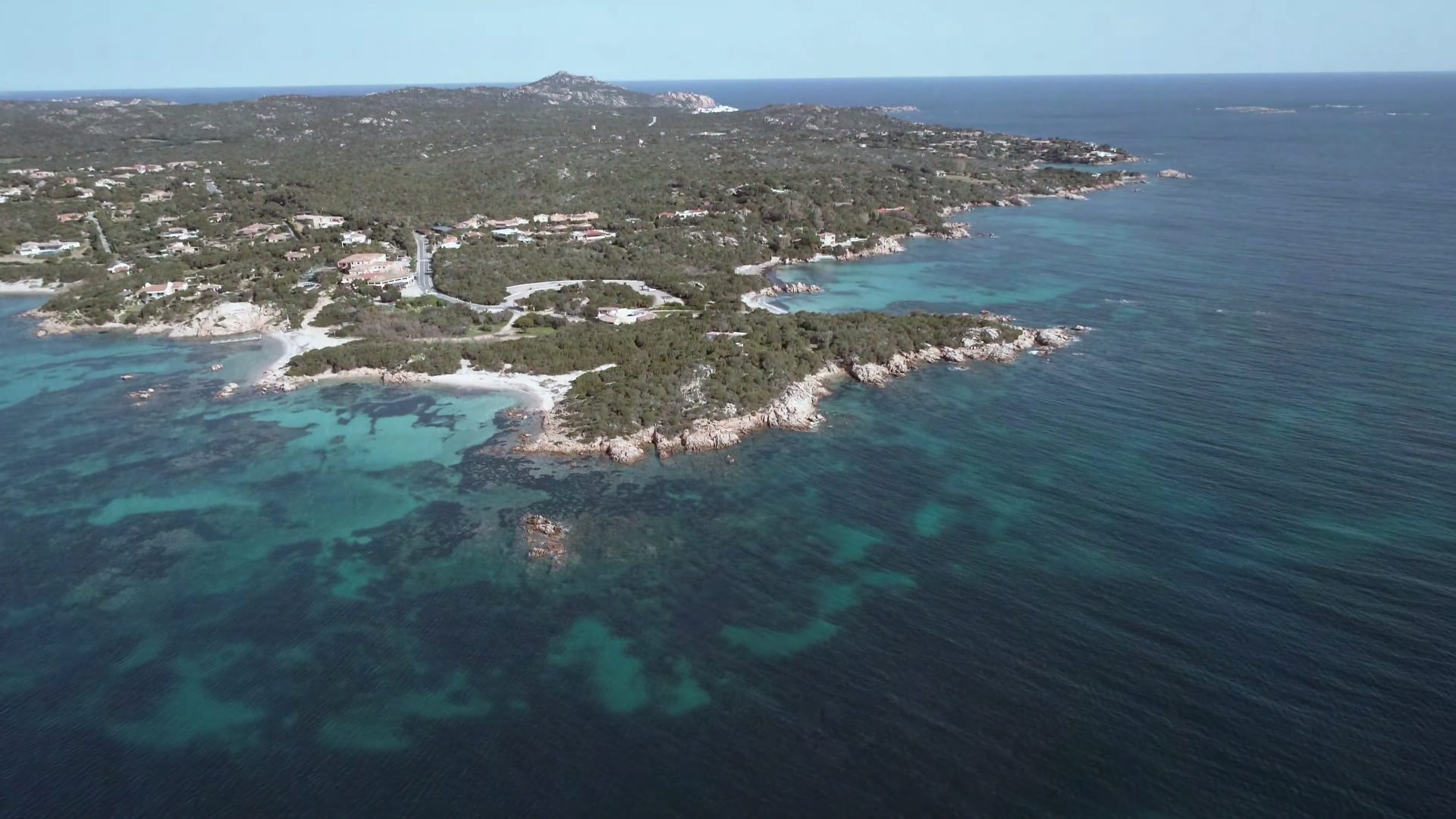
The Costa Smeralda is the famous one. Prince Karim Aga Khan IV started developing this stretch of the Gallura coast in the early 1960s, and it became Sardinia’s glossy address: Porto Cervo, late dinners, yachts you cannot afford to look at directly. The good news is that the Costa Smeralda beaches themselves are public, and several are genuinely among the best beaches in Sardinia regardless of the price tag attached to the postcode.
Spiaggia del Principe
Spiaggia del Principe, the “Prince’s beach,” is a small half-moon of soft sand and clear, shifting greens reached by a short walk down from the road. It is the one that lingers. It is also small and popular, so parking near the trailhead fills early and you will share it in August. Come before mid-morning or after about 4 p.m. and it transforms.
Pevero, Romazzino, Capriccioli and Liscia Ruja
A few more worth your time on this coast. Grande Pevero and Piccolo Pevero, just south of Porto Cervo, are easy and pretty. Romazzino is sheltered with shallow, family-friendly water. Capriccioli is tiny and beloved, with views toward the islands. Liscia Ruja is one of the longest beaches here, which makes it the practical pick when smaller coves are heaving.
These beaches reward an early start and a relaxed attitude to parking. For where to actually sleep around here versus the quieter south, see our notes on choosing a base in Sardinia.
“Little Tahiti”: Cala Brandinchi and Lu Impostu
Just south, near San Teodoro, sit two beaches that locals nicknamed “Little Tahiti”: Cala Brandinchi and its neighbor Lu Impostu. The sand is fine and pale, the water wades out forever in a flat sheet of pale blue, and on a still day the comparison earns itself.
Two practical notes for 2026. First, both require an online reservation in summer through the San Teodoro beaches portal, and they take separate tickets even though they share a parking lot. Second, you do not need a car: the San Teodoro Beach Bus runs to Brandinchi, La Cinta, Lu Impostu and the Porto Coda Cavallo beaches, with single tickets around €2 to €3. That makes this one of the easier marquee areas to do car-free, which I get into more in Sardinia without a car.
East: the Gulf of Orosei, home to the best beaches in Sardinia
This is my favorite stretch and, I will argue, where the best beaches in Sardinia actually live. The Gulf of Orosei is a long wall of white limestone cliffs with coves tucked into it like seams. Many are reachable only by boat or by a serious hike, which is exactly why the water stays so absurdly clear.
The hub is Cala Gonone, a small port town you reach by car from Dorgali. From its harbor, boats fan out to the calas. Expect tours from around €40 for a day on the water, more from farther ports like Arbatax or Santa Maria Navarrese. One important 2026 detail: since 2025, several Gulf of Orosei beaches require a QR-code reservation to land ashore, so a boat ticket alone may not be enough to set foot on the sand. Book the beach separately when the operator tells you to.
Cala Goloritzé
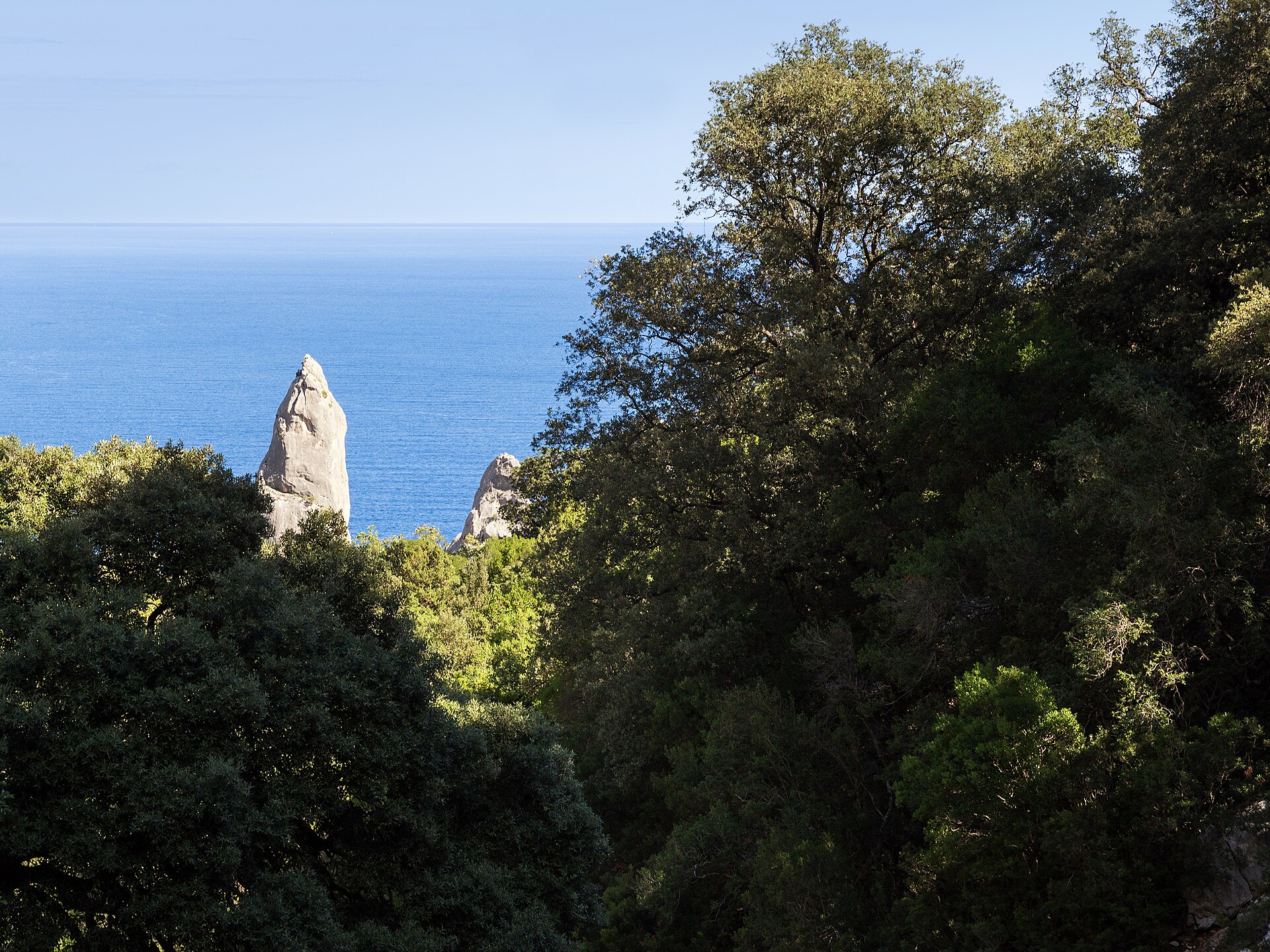
Cala Goloritzé, at the southern end of the gulf, was voted the world’s best beach in 2025, and in person it is hard to argue. There is a natural rock arch, a soaring limestone pinnacle called Punta Caroddi, and water in a green you will not quite believe.
It is also the most protected. Specifics, hedged as of 2026 from the Baunei coast’s official information:
- Access is on foot only, via a hike of about 1 hour 30 minutes down from the Golgo plateau above Baunei. Boats are not allowed to dock; they anchor at buoys about 300 meters out, and you can swim in from there if you are strong in open water.
- Booking is mandatory April to October, capped at 250 people at once, bookable from 72 hours before.
- The fee is about €7 per person (free under 6) and includes guarded parking at the trailhead.
- Entry window is roughly 7:30 to 14:00, and the beach closes around 17:00.
The hike is real: rocky, exposed, and hot by midday. Bring proper shoes, water, and shade, and start early. It is a National Monument and treated like one. If you only do one hard-access beach in Sardinia, make it this.
Cala Mariolu
Cala Mariolu, a little north, is the one a lot of locals quietly rank first. White pebbles the size of rice grains, a steep drop into water that glows pale blue and then deep sapphire, and snorkeling that is genuinely worth packing a mask for. It is reached by boat from Cala Gonone (or by a demanding hike that is not for casual walkers). Remember the land-ashore booking rule, bring water shoes for the pebbles, and pack everything you need for the day, because there is no shop, no bar, and no shade beyond what the cliff throws in the late afternoon. Mariolu has almost no facilities, and that is precisely why it still looks the way it does.
Cala Luna
Cala Luna, the “half-moon” beach, is the big, photogenic one with a wide arc of sand backed by caves and an oleander-lined valley behind it. You can reach it by boat or by a long coastal hike from Cala Gonone of a few hours each way. It is larger than the other calas, so it absorbs crowds better, and the caves give kids something to explore beyond the water. The whole region slots neatly into a road trip, which I map out in our Sardinia itinerary.
South: Chia, Tuerredda and the Villasimius beaches
The south coast, within easy reach of Cagliari, is where I would send a first-timer who wants beautiful beaches without boats and hikes. The driving is easy and the sand is excellent.
Tuerredda
Tuerredda, near Teulada, is a flawless curve of white sand with a tiny island offshore you can wade and swim toward across a shallow sandbar. It is family heaven. It is also capped: since 2020, access runs at around 1,100 people per day from June to September, split between the free beach and the beach clubs. Parking fills early, so arrive before mid-morning in peak season.
Chia
Chia, on the Domus de Maria coast, is less a single beach than a run of dunes and coves. Su Giudeu and Cala Cipolla are the standouts: pale sand, juniper-backed dunes, and shallow water. There are lagoons behind the beaches where you can spot pink flamingos, and the sunsets here are the kind people drive out for. No island-wide booking on most of Chia as of 2026, which makes it a relaxed default. Cagliari is an easy base for all of this, covered in our Cagliari travel guide.
Villasimius and Porto Giunco
Southeast of Cagliari, around Villasimius, the headline beach is Porto Giunco: fine white sand on a spit with the open sea on one side and the Notteri lagoon (more flamingos) on the other, with a watchtower above for the classic photo. Nearby Punta Molentis is gorgeous but tightly managed. Expect a daily cap (figures vary, but several hundred), a hard limit of around 200 cars, parking fees of roughly €10 per car plus €1 per person, and registration that has at times required a digital ID. If that sounds like a lot of admin for one beach, Porto Giunco and Simius are the easier wins next door.
West: Is Arutas and the Sinis peninsula
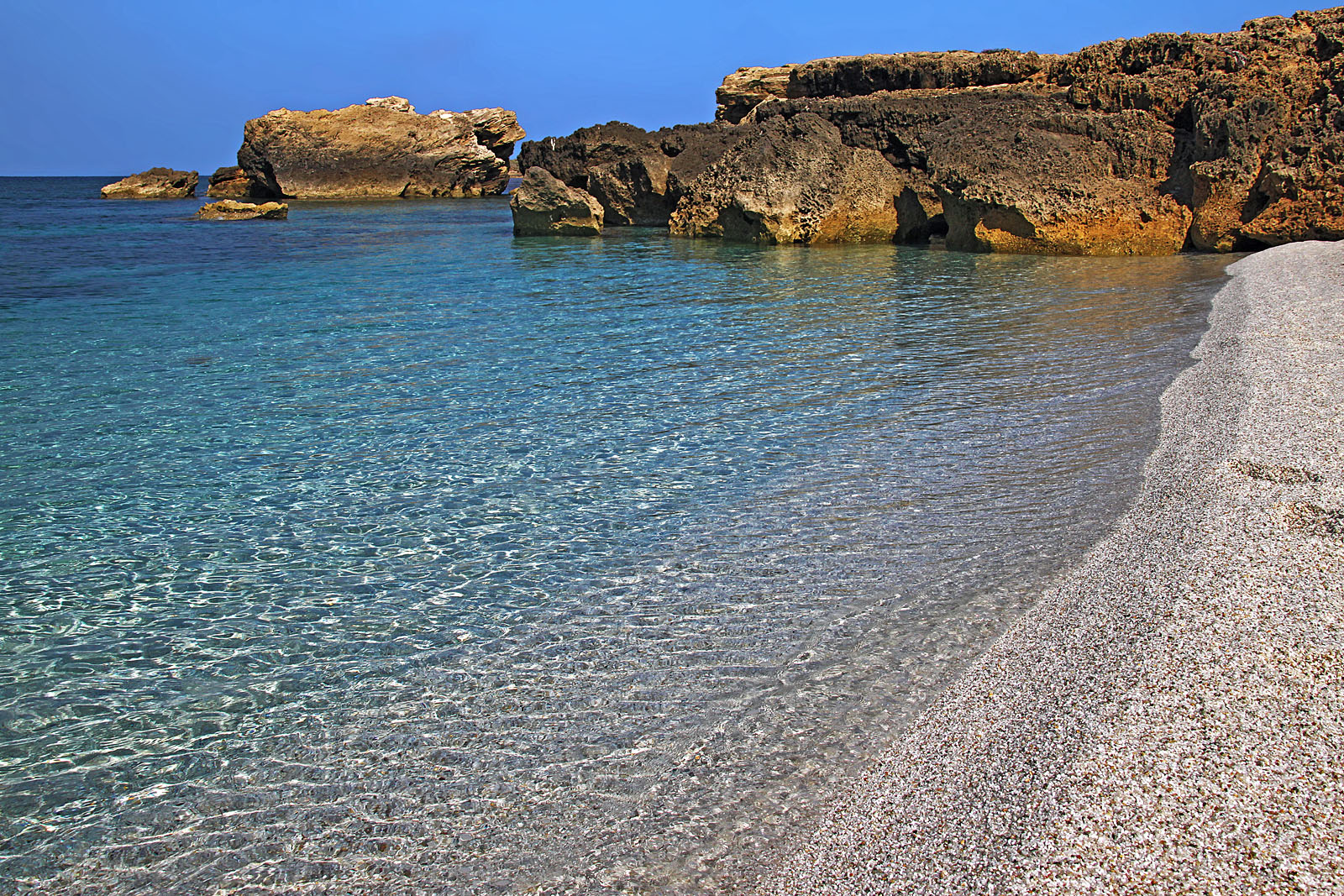
The west coast is the quiet one, and Is Arutas on the Sinis peninsula is its signature. The “sand” here is not sand at all: it is millions of tiny quartz grains in white, pale green, and faint pink, smooth as beads underfoot. Walk on it barefoot once and you will understand the fuss.
Two honest notes. First, taking the quartz home is strictly forbidden and fines are steep, because the grains do not replenish. Second, the Sinis coast catches the wind, so a day that is calm in the east can be choppy here. When it is calm, the water is glassy and the light is extraordinary. This whole peninsula is part of a broader story of Italian islands that I think gets overlooked.
How to choose: scenery picks versus family picks
If you came for sheer drama and clear water, go east: Cala Goloritzé, Cala Mariolu, Cala Luna. Accept the boats, the hikes, and the bookings as the price of that color.
If you came with kids or you just want easy, shallow, walk-in beaches with parking, go for La Pelosa, Cala Brandinchi, Tuerredda, and Porto Giunco. They are flat, sandy, and forgiving.
If you want the famous postcard with a side of glamour, the Costa Smeralda beaches deliver: Spiaggia del Principe first, then Pevero and Capriccioli. And if you want strange and quiet, Is Arutas in the west is unlike anything else on the island. For how all of this fits into a wider trip, our roundup of the best beaches in Italy puts Sardinia in context, and Sicily’s best beaches make the natural comparison.
When to go
June and September are the sweet spot: warm water, long days, and noticeably thinner crowds than the wall-to-wall heat of August. July is excellent but busy. May can be glorious for hiking the eastern coves with the best light and the fewest people, though the sea is still bracing. Avoid August if you can, or at least book your capped beaches the moment windows open. For the bigger seasonal picture across the country, see the month-by-month guide to Italy.
Getting around
Sardinia is built for a rental car, and honestly that is how you reach most of these beaches. Ferries and flights land you in Olbia, Cagliari, or Alghero; from there you drive. That said, the San Teodoro Beach Bus and a few city routes make parts of the northeast doable car-free, and I lay out the realistic options in Sardinia without a car. For the nuts and bolts of ferries, trains, and driving, our Italy transportation guide has you covered, and if you are watching costs, the Italy travel budget page will help you size the trip.
Final thoughts
Sardinia gives you a genuine choice: dramatic, hard-won coves in the east, or easy sandy crescents in the north and south, with the strange quartz of the west as a wildcard. Pick a coast, base there, book the beaches that now require it, and go early. Do that and the best beaches in Sardinia will more than live up to the photos that pulled you here.
Questions travellers ask
What is the most beautiful beach in Sardinia?
Most people, including a lot of locals, point to Cala Goloritzé or Cala Mariolu in the Gulf of Orosei on the east coast. Goloritzé won the world’s best beach title in 2025 for its rock arch and impossibly green water. If you prefer easy access over drama, La Pelosa in the northwest is the popular answer instead.
Do you need to book or pay to visit beaches in Sardinia?
For several marquee beaches, yes, as of 2026. La Pelosa charges around €3.50 with a daily cap; Cala Goloritzé is about €7 with a 250-person limit; Tuerredda and Punta Molentis cap numbers and parking. Most other beaches, including much of Chia and the Costa Smeralda, are free, though parking can still cost money in summer.
Where is the best beach water clarity in Sardinia?
The Gulf of Orosei coves on the east coast, like Cala Mariolu, Cala Goloritzé, and Cala Luna, have the clearest water because they are hard to reach and tightly protected. Clarity tends to track with access: the harder a beach is to get to by car, the more transparent the sea usually is, which is the trade-off you are choosing.
Can you reach Sardinia’s best beaches without a car?
Some, yes. The San Teodoro Beach Bus serves Cala Brandinchi, La Cinta, and Lu Impostu in the northeast for a couple of euros, and a few city buses reach beaches near Olbia. But most of the island’s best beaches realistically need a car or a boat tour. See our dedicated guide to visiting Sardinia car-free for the workable routes.
How do you get to Cala Mariolu and Cala Luna?
Both are reached by boat from Cala Gonone on the east coast, with day tours starting around €40. Cala Luna can also be reached on a long coastal hike of several hours each way. Since 2025, many Gulf of Orosei beaches require a separate QR-code reservation to actually land on the sand, so confirm that with your boat operator.
What is the “Little Tahiti” beach in Sardinia?
That is the nickname for Cala Brandinchi near San Teodoro in the northeast, sometimes extended to its neighbor Lu Impostu. The fine white sand and very shallow, pale turquoise water earn the comparison. Both require an online reservation in summer and take separate tickets, even though they share the same parking lot.
Which Sardinia beach is best for families?
For shallow, walk-in water and easy logistics, hard to beat La Pelosa in the northwest, Cala Brandinchi and Tuerredda for their sandbars, and Porto Giunco near Villasimius. They are flat and sandy rather than rocky, with gentle entries. Book the capped ones ahead in summer and arrive early for parking.
When is the best time to visit Sardinia’s beaches?
June and September are ideal: warm sea, long days, and thinner crowds than August. May is wonderful for hiking the eastern coves with great light, though the water is still cool. August is the busiest and hottest, so book any capped beaches the moment reservation windows open.