Italy Travel Budget: Realistic Costs, Money-Saving Tips and Trip Examples
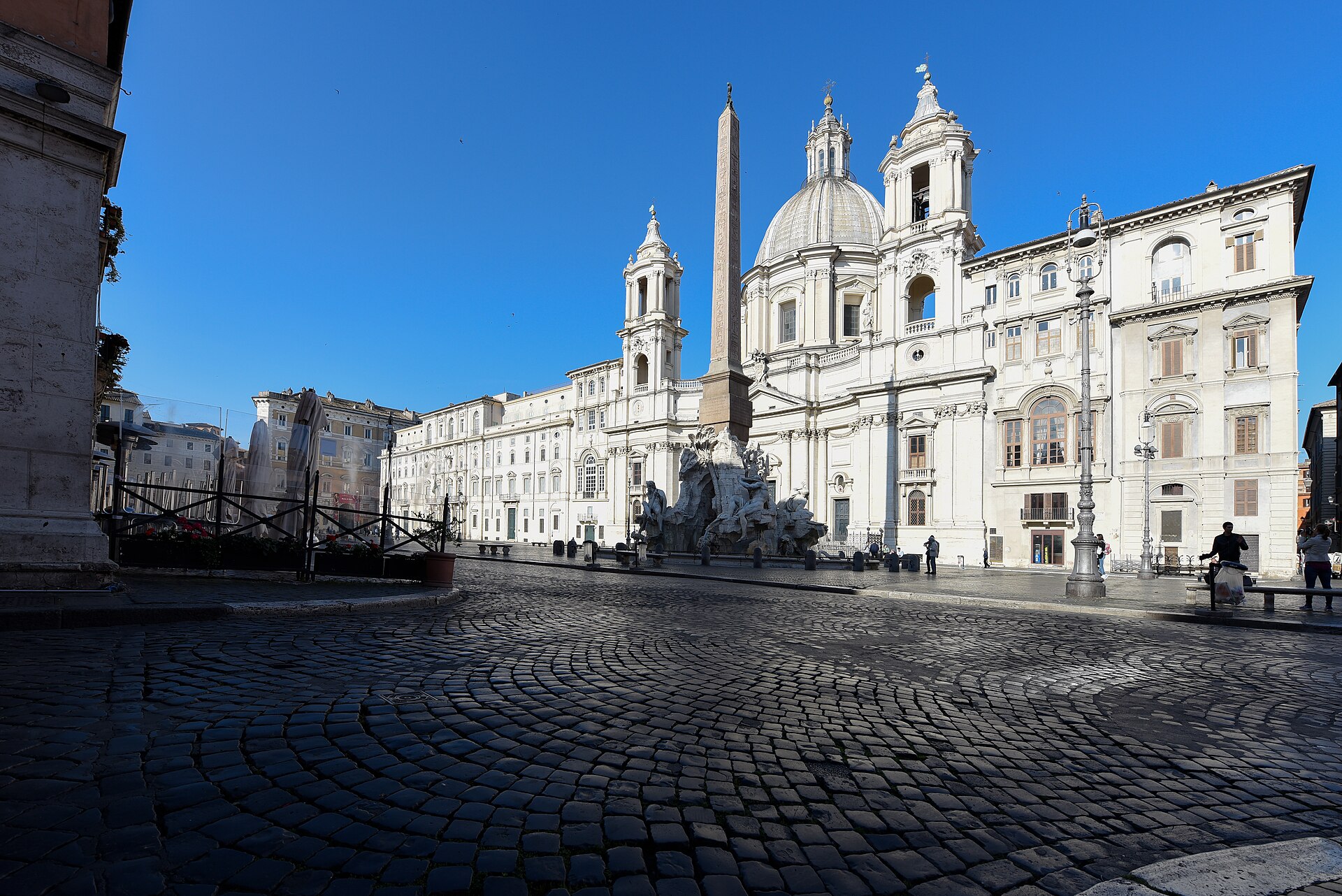
The honest answer to “How much does Italy cost?” changes with where you go, when you go, how fast you move, and whether your dream version of Italy includes a hostel bed in Naples, a simple guesthouse in Bologna, a canal-view hotel in Venice, a private driver on the Amalfi Coast, or a terrace dinner in Capri.
That answer is annoying because travelers need numbers. I understand that. A budget has to become a spreadsheet eventually. But the problem with many Italy travel budget guides is that they give a daily number without explaining what makes that number collapse. Italy is not expensive in one smooth national average. It is a country where a careful traveler can eat beautifully in Naples for less than a rushed traveler pays for a mediocre snack beside the Trevi Fountain. It is where a high-speed train booked early can feel like a bargain, while a last-minute private transfer on the Amalfi Coast can erase a week of small savings.
For most travelers, the useful number is not “Italy costs X per day.” The useful number is: “This route, in this season, with this lodging style, will probably cost this much, and here are the choices that will move it up or down.”
Use the daily ranges here as a starting point, then adjust them for hotel choice, season, city selection, train timing, attractions, food habits, cash, cards and tipping. If you are still shaping the full trip, keep our full guide to visiting Italy, Italy itineraries, Italy transportation guide, and best time to visit Italy open while you budget. The cheapest trip is not always the best trip. The best budget is the one that protects the experience you actually came for.
Quick Answer: How Much Money Do You Need For Italy?
For 2026 planning, excluding international flights, most independent travelers should budget roughly:
| Travel style | Daily budget per person | What it usually means |
|---|---|---|
| Careful budget traveler | EUR 80-130 | Hostel dorm or simple room share, bakeries, pizza, markets, public transport, mostly free or low-cost sights |
| Value private-room traveler | EUR 130-200 | Simple hotels or B&Bs, casual restaurants, trains booked sensibly, several major paid sights |
| Mid-range traveler | EUR 200-320 | Comfortable hotels, sit-down meals, high-speed trains, timed-entry tickets, occasional tours or taxis |
| Comfort traveler | EUR 320-550+ | Better hotels, prime locations, guided tours, nicer meals, private transfers or coast/lake splurges |
| Luxury traveler | EUR 600+ | Five-star hotels, private drivers, fine dining, boat days, premium views, peak-season coast or lake stays |
These are in-country estimates. They do not include international airfare, pre-trip shopping, travel insurance, checked-bag fees, credit-card interest, pet sitting, airport hotels at home, or the cost of taking time off work. They also assume you are planning independently rather than taking a fully escorted tour.
For couples sharing a double room, the per-person cost often drops because the hotel room is shared. For solo travelers, lodging hurts more. A EUR 160 room costs EUR 80 each for two people, but EUR 160 for one person. That is why a solo traveler with private rooms can spend like a mid-range traveler even while eating and sightseeing carefully.
If you want one broad estimate for a first-time private-room trip, I would plan around EUR 180-275 per person per day excluding flights for a comfortable but not lavish route through Rome, Florence and Venice. Lower is possible with careful lodging, fewer paid sights and slower travel. Higher is easy in Venice, Lake Como, the Amalfi Coast, Capri, the Dolomites in peak season, or any route with private transfers and guided tours.
For a deeper calculator-style breakdown, use How Much Does a Trip to Italy Cost?.
Italy Travel Budget at a Glance
| Budget question | Practical answer |
|---|---|
| Cheapest major region for classic sightseeing | Naples and parts of southern Italy are usually easier on the budget than Venice, Lake Como or the Amalfi Coast |
| Most expensive common first-trip stop | Venice for hotels and transport; Amalfi Coast/Capri for hotels and transfers; Lake Como for premium towns |
| Biggest cost category | Accommodation, especially in peak season and famous neighborhoods |
| Biggest avoidable cost | Badly chosen transfers, last-minute hotels, overpriced reseller tickets, taxis used because the base is wrong |
| Best simple savings move | Travel in shoulder season and reduce hotel moves |
| Best transport value | High-speed trains booked early for major routes; regional trains for short hops |
| Food budget sweet spot | Bakeries and cafes for breakfast, casual lunch, trattoria dinner, markets when useful |
| Most overrated savings tactic | Skipping every paid attraction after flying across the world to see Italy |
| Best budgeting principle | Spend where the experience changes, save where it does not |
The last line is the one I come back to most. Pay for the thing that changes the trip. A hotel inside Venice for two nights may be worth more than a cheaper mainland room if it gives you early and late access to the city. A guided Pompeii visit may be worth more than another average dinner. A private transfer to Positano after a long flight may be rational if the alternative is three stressful connections with luggage.
But Italy also invites a lot of lazy overspending. A hotel with a famous-view markup that you barely use, a rushed taxi because you booked the wrong base, a “skip the line” ticket from an unofficial site, a tourist-menu restaurant on the most obvious square, a rental car parked expensively for three days in Florence: those are costs that rarely make the trip better.
What Changes Your Italy Trip Cost Most?
Six factors move the budget more than everything else.
1. Season
Peak season makes the same itinerary more expensive before you buy a single museum ticket. Hotel rates rise, availability shrinks, trains and tours sell out earlier, and the cheapest good rooms disappear. Summer is especially expensive in Venice, coastal areas, islands, the lakes, the Dolomites and famous Tuscan countryside. Major cities can also be high in spring, early summer and September. If you can travel early, our guide to Italy in March covers the cheapest shoulder weeks.
Shoulder season is the budget sweet spot for many travelers. April, May, early June, September and October often cost less than peak summer while still giving good weather and full travel energy. Winter can be excellent for Rome, Florence, Naples, Bologna, Turin and museums, but not every coast or countryside stay feels like its best self. For the cheapest weeks of all, see Italy in December.
Use The Best Months for an Italy Trip before deciding that a July bargain flight is truly a bargain.
2. Region And City Choice
Venice, Lake Como, Capri, Positano, Amalfi, parts of Tuscany, Cinque Terre, central Florence and central Rome can push budgets up quickly. Naples, Bologna, Turin, Palermo, Catania, Lecce, Bari, Perugia, Padua, Verona, Lucca and some smaller towns can be much better value if they fit the route.
This does not mean you should avoid expensive places. It means you should not build a budget from Naples prices and spend the trip in Venice and Positano. The average will lie to you.
3. Accommodation Standard
Accommodation sets the tone of an Italy budget. A traveler who eats cheaply but insists on central boutique hotels in high season is not a budget traveler. A traveler who books modest rooms early and spends on food or museums may have a richer trip for less money.
Location matters as much as star rating. A cheaper room outside the area you actually want can cost more in taxis, time and irritation. This is especially true in Venice, Rome, the Amalfi Coast, the lakes and rural Tuscany.
If the lodging decision is still open, read Picking the Right Base in Italy.
4. Pace
Every hotel move has costs: train tickets, local transit, taxis, luggage storage, lost hours, laundry friction and arrival-day meals chosen while tired. A fast itinerary often looks affordable until you add the transfers.
Budget travelers do best with fewer bases. Three nights in Rome and four in Florence is usually cheaper and calmer than one night in Rome, two in Florence, one in Siena, one in Bologna, one in Venice and one in Milan. Movement is not free just because the train system is good.
5. Ticket And Tour Strategy
Italy’s major sights are not ruinously expensive one by one, but a museum-heavy route adds up. Colosseum, Vatican Museums, Borghese Gallery, Uffizi, Accademia, Doge’s Palace, Pompeii, guided tours, audio guides and reservation fees can easily become a major category. Our Colosseum ticket guide shows which tier is worth the upgrade.
The problem is not paid attractions. The problem is paying reseller prices when official tickets would have worked, or booking so late that only expensive tour inventory remains.
6. Transfer Style
Public transport keeps costs controlled. Private drivers, taxis, airport transfers, boat taxis, day tours and rental cars can be worth it, but they change the trip budget quickly.
This is most obvious in Campania and the Amalfi Coast. A traveler moving by train and ferry has a very different cost profile from a traveler using private drivers for Naples airport to Positano, Positano to Pompeii, and Positano to Rome. Both trips can be valid. They are not the same budget.
Accommodation Costs In Italy
Accommodation is the category where vague advice fails fastest. A “simple hotel” can mean EUR 80 in a smaller southern city in winter, EUR 180 in Rome in May, EUR 260 in Venice in September, or EUR 500 in Positano in July.

Typical Nightly Ranges
These are broad 2026 planning ranges for a room or bed, not promises for a specific date:
| Lodging type | Better-value cities or off-season | Major cities and shoulder season | Peak Venice/coast/lakes |
|---|---|---|---|
| Hostel dorm bed | EUR 25-55 | EUR 40-80 | EUR 55-100+ |
| Basic private room or guesthouse | EUR 65-120 | EUR 110-220 | EUR 180-350+ |
| Solid 3-star hotel or B&B | EUR 100-180 | EUR 160-300 | EUR 260-500+ |
| Boutique or 4-star hotel | EUR 170-300 | EUR 260-500 | EUR 450-900+ |
| Luxury hotel | EUR 350+ | EUR 600+ | EUR 900+ |
The biggest traps are late booking and poor base choice. A late-booked “budget” hotel in Venice can cost more than a good mid-range hotel booked early. A cheaper hotel far from transit may force taxis. A beautiful countryside agriturismo without a car may become impractical. A Positano room with a dramatic terrace may be worth it if that is the trip, but it should not be priced like a neutral base. Venice adds one more line for anyone not staying overnight: the access fee for day visitors.
Hotel Versus Apartment
Apartments can save money for families, longer stays and travelers who will actually cook. They can also add cleaning fees, check-in friction, stairs, legal uncertainty, tourist taxes and neighborhood tradeoffs. In cities with housing pressure, think carefully before assuming an apartment is automatically the ethical or practical choice.
Hotels and B&Bs often work better for short stays because breakfast, luggage storage, reception help and simpler check-in have real value. For longer stays, apartments can be useful if you want laundry, a kitchen and more space.
Tourist Taxes
Many Italian cities charge a local tourist tax, usually paid per person per night and often collected by the hotel or lodging platform. The amount varies by municipality, accommodation type, season and sometimes star rating. It is not usually a trip-ruining cost, but it is one of those small line items that surprises people because it may not be fully included in the headline room price.
Build a small buffer for city taxes rather than trying to memorize every municipality’s rule.
Food And Drink Costs In Italy
Food is where Italy can still feel generous. Not every meal needs to be a production. A coffee and pastry, a slice of pizza, a market sandwich, a bowl of pasta, a gelato, a glass of house wine, a picnic lunch, a neighborhood trattoria: these can be some of the best parts of the trip and not the most expensive.
Typical Food Costs
| Food or drink | Typical cost |
|---|---|
| Espresso or coffee at the bar | EUR 1.20-2.50 |
| Cappuccino | EUR 1.80-4 |
| Cornetto or simple pastry | EUR 1.50-3.50 |
| Panino, pizza slice or street-food snack | EUR 4-10 |
| Gelato | EUR 3-6 |
| Casual pizza or pasta | EUR 10-18 |
| Simple trattoria meal | EUR 20-40 per person |
| More polished dinner | EUR 45-90 per person |
| Tasting menu or destination restaurant | EUR 100+ per person |
| House wine by the glass | EUR 4-8 |
| Aperitivo drink with snacks | EUR 8-18 depending on city and setting |
These numbers move by city and setting. Naples pizza can be one of the best values in Europe. A mediocre cafe beside a famous square can be expensive because you are buying the location. Venice and Capri punish careless dining more than Bologna or Naples. Florence can be good value away from the obvious lanes and weak value in the busiest historic core.
Coperto, Servizio And Tipping
Many restaurants charge a coperto, a small per-person cover charge. It is normal when listed. Servizio means service charge and is less common as a separate line, but you may see it in tourist-heavy places. Read menus before sitting down in the most famous areas.
Do not tip in Italy like you are in the United States. Rounding up, leaving a few coins, or adding 5-10 percent for excellent service in a nicer restaurant is enough in many situations. Large American-style tipping is not expected as the default.
For the full money-etiquette version, use Cash, Cards and Tipping in Italy.
How To Eat Well Without Overspending
Eat your expensive meal at lunch when it makes sense. Use bakeries, markets and pizza for simple meals. Avoid restaurants with aggressive hosts, picture menus in six languages, or locations that are charging mainly for being within sight of a landmark. Reserve the meals that matter, especially in Rome, Florence, Venice, Bologna, Naples, Milan and the coast.
The goal is not to make every meal cheap. The goal is to stop wasting money on forgettable meals so you can spend on the ones you will remember.
For detailed food ranges, use Cost of Food in Italy for Tourists and pair it with Italy Food and Wine Travel Guide.
Transportation Costs In Italy
Transport is where planning pays. Italy can be very efficient by train, especially on the major high-speed spine: Rome, Florence, Bologna, Venice, Milan, Naples and Turin. It can also become expensive when you book late, move too often, use taxis as a substitute for good bases, or rent a car in cities where you do not need one.
High-Speed Trains
High-speed trains behave more like airline pricing. Trenitalia and Italo both sell high-speed tickets on major routes, with cheaper advance fares and more expensive flexible or last-minute fares. A Rome to Florence or Florence to Venice fare can feel very reasonable when booked early and painfully high when left until the last moment in peak periods. Our Trenitalia vs Italo comparison shows where the fare differences actually land.
Use the official Trenitalia and Italo sites or apps to compare. If you are doing a classic Rome, Florence, Venice and Milan route, trains are usually your best cost-to-comfort option.
For the full booking strategy, use Italy Train Costs: When to Book and How to Save and Italy Transportation Guide.
Regional Trains
Regional trains are often cheaper and simpler for shorter routes: Florence to Pisa or Lucca, Venice to Padua or Verona, Naples to Pompeii or Sorrento via local lines, Bologna to nearby Emilia-Romagna towns, or many Sicily and Puglia hops. They are usually less about early-bird discounts and more about correct validation, timing and route choice.
Do not use a high-speed train mindset for every journey. Sometimes the regional train is slower but perfectly sensible.
Local Transit
Local transit costs vary sharply by city.
Rome remains one of the best-value big-city transit systems for visitors. ATAC’s Tap & Go explanation says a single tap charges EUR 1.50 for a 100-minute BIT ticket, and the system can cap at the 24-hour ticket amount when repeated taps qualify under the same device. For many Rome travelers, walking plus occasional metro, tram or bus rides is inexpensive.
Venice is different. AVM/ACTV lists the standard 75-minute vaporetto ticket at EUR 9.50, with 24-hour, 48-hour, 72-hour and 7-day travel cards. Venice can be walked more than people expect, but if your trip includes several vaporetto rides or island visits, a pass may save money. Airport boat and airport bus rules are separate enough that you should check carefully.
Florence is mostly a walking city for visitors, though trams and buses help with the airport and outer areas. Autolinee Toscane lists Florence urban tickets as valid for 90 minutes and explains the wider regional fare structure.
Milan’s metro system is very useful, and staying near a station can save time and taxis. For Milan and northern routes, see Milan and Northern Italy Travel Guide.
Rental Cars
Do not rent a car for Rome, Florence, Venice, Milan or Naples unless you have a specific reason. City driving, parking, ZTL zones, fines and hotel garages can turn “freedom” into a bill. Cars make sense for rural Tuscany, parts of Sicily, Puglia countryside, the Dolomites, some lakes, wine regions and small towns without good transit.
The best budget strategy is often mixed: trains between cities, car only for the rural days that need it, then drop the car before the next city.
Attraction, Museum And Tour Costs
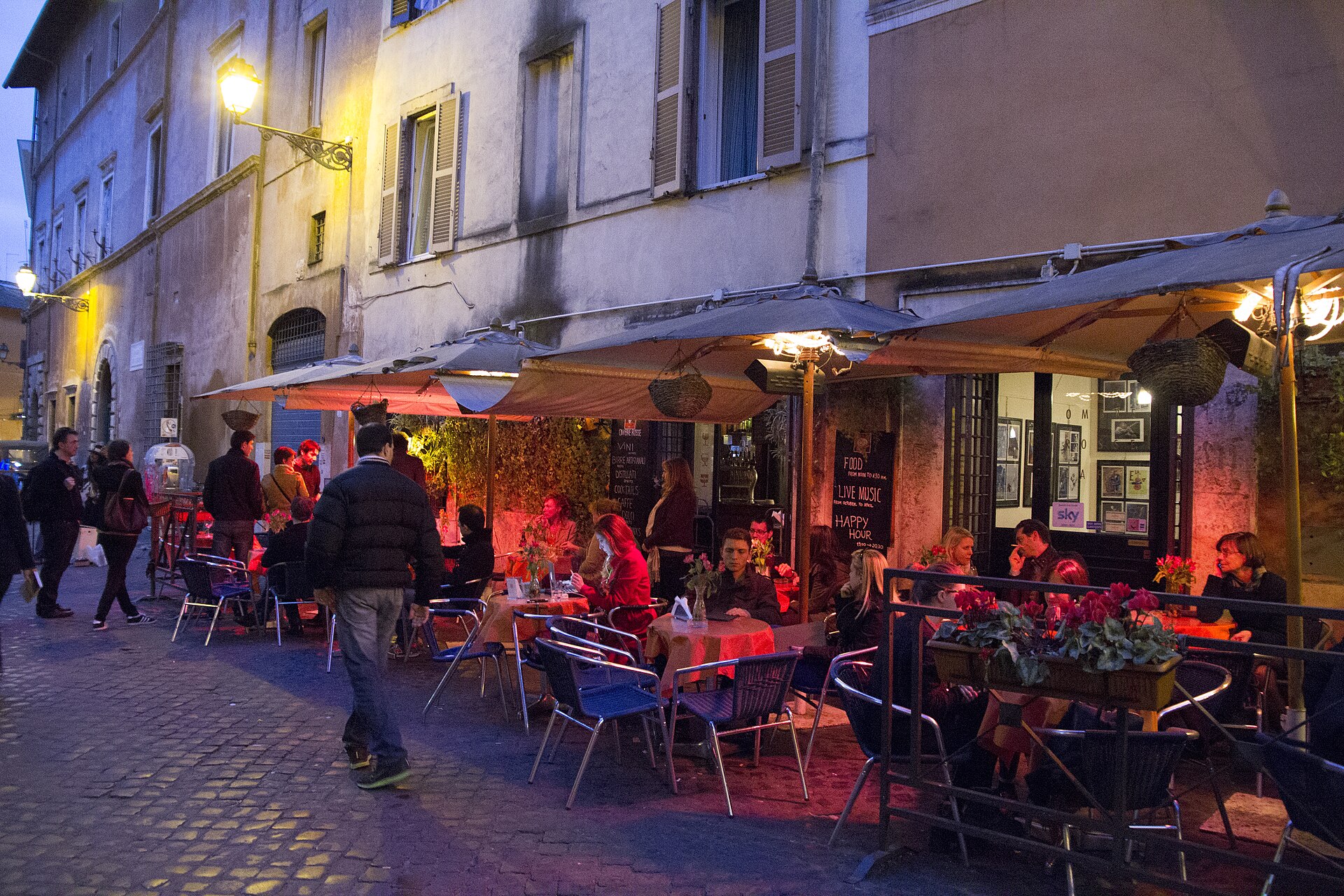
Italy’s attraction costs are not outrageous compared with the total cost of the trip, but they need a line in the budget. A traveler who wants the Colosseum, Vatican Museums, Borghese Gallery, Uffizi, Accademia, Doge’s Palace, Pompeii and two guided tours is not on the same sightseeing budget as a traveler who prefers churches, viewpoints, neighborhood walks and one major museum.
Official Ticket Examples
As of the May 25, 2026 fact check:
| Sight or service | Official cost note to verify |
|---|---|
| Vatican Museums | Official Vatican Museums ticket page lists full entry at EUR 20, or EUR 20 plus EUR 5 with official online reservation |
| Pompeii | Official Pompeii page lists Pompeii Express at EUR 20, Pompeii Plus at EUR 25, and a multi-site option at EUR 30 from January 12, 2026 |
| Venice vaporetto | AVM/ACTV lists the standard 75-minute ticket at EUR 9.50, 24 hours at EUR 25, 48 hours at EUR 35, 72 hours at EUR 45 and 7 days at EUR 65 |
| Rome transit | ATAC’s Tap & Go page lists EUR 1.50 for the 100-minute BIT and explains daily fare capping behavior |
| Uffizi | The official Uffizi ticket page publishes current prices and time/season variations; check it before booking |
| Colosseum | The official Colosseum page points travelers to the official ticketing platform and notes ticket sales with required Colosseum time slots opening 30 days before the visit |
| State museums | The Ministry of Culture’s Domenica al Museo program provides free admission to participating state sites on first Sundays, but crowds and participation details should be checked |
The point is not to memorize every price. The point is to use official pages first. Search results for famous sights are crowded with reseller sites that look official at a glance. Some resellers are legitimate; some add value through guided tours; some simply charge more for the same basic admission. Know which you are buying.
For a deeper attraction-cost list, use Italy Museum and Attraction Ticket Costs.
When A Guided Tour Is Worth It
Guided tours are not automatically budget mistakes. A good guide at the Vatican Museums, Colosseum, Pompeii, Uffizi, Doge’s Palace or a food market can change the experience. A poor tour can feel like paying extra to be herded. Our practical stuff nobody tells you about Italy cover how to tell a good guide from a herding operation.
Pay for a guide when context matters, logistics are difficult, official tickets are gone and the tour is the backup, or the experience would be meaningfully better with a specialist. Skip the tour when it is only a marked-up transfer or a weak package around something you could book directly.
Free And Low-Cost Sights
Italy has an enormous free layer: churches, piazzas, markets, viewpoints, historic neighborhoods, waterfronts, parks, some museums, public art, street life and architecture. Rome, Florence, Venice, Naples, Bologna, Palermo and Milan all have days where walking well is as important as paying for entrances.
But be careful with free-only planning. If this is your first time in Rome, skipping every major ancient site to save money may not be the best value. A great budget does not remove everything you came to see. It chooses deliberately.
Use Free Things to Do in Italy’s Major Cities to build the no-cost layer.
Which Places In Italy Are Most Expensive?
The expensive places are expensive for predictable reasons: limited space, high demand, short seasons, luxury positioning, or weak transport alternatives.
Higher-Cost Areas
Venice is expensive because lodging inside the historic city is limited and local water transport costs more than normal city transit. Staying in Mestre can save money, but it changes the experience. Use Venice and Veneto Travel Guide before deciding.
The Amalfi Coast, Capri and parts of Campania become expensive through hotels, transfers, boats and peak-season pressure. Naples and Salerno can soften the budget, while Positano and Capri can blow it open. Use Amalfi Coast, Naples and Campania Travel Guide for base strategy.
Lake Como, especially famous mid-lake towns and premium lakefront hotels, can be costly in warm months. The Italian Lakes more broadly vary a lot by lake and town, so compare Como, Garda, Maggiore, Orta and Iseo in Italian Lakes Travel Guide before assuming the whole region has one price level.
Florence and Rome are not always as expensive as Venice or the Amalfi Coast, but central hotels, major tickets and high-demand restaurant areas add up. See Rome Tourism Guide and Florence and Tuscany Travel Guide for route choices.
The Dolomites can be expensive in peak hiking and ski periods, especially when you need a car, parking, lifts or resort hotels. Use Dolomites and Italian Alps Travel Guide to decide whether the mountain segment deserves the extra budget.
Sardinia can be expensive in beach season, especially around Costa Smeralda, La Maddalena, San Teodoro, Villasimius, Chia and Stintino. The main budget pressure comes from summer lodging, rental cars, boat trips, parking and beach access logistics. Use Sardinia and Italy Beaches Travel Guide before assuming an island beach week will price like a mainland city route.
Better-Value Areas
Naples is one of the best value major cities in Italy for food and urban depth, though hotels in good areas still need planning. Bologna can be good value for food and rail access, though it is no longer a secret. Turin is often less expensive than Milan and has excellent museums, cafes and architecture. Palermo and Catania can be strong value if Sicily fits your route. Lecce, Bari, parts of Puglia, Perugia, Padua, Verona, Lucca and smaller Emilia-Romagna towns can stretch a budget.
Better value does not mean worse. Sometimes it means the trip gets more local because you stepped slightly outside the most obvious postcard loop.
For a focused list, use Best Value Cities and Towns in Italy.
Sample Italy Trip Budgets
These examples exclude international flights. They include lodging, food, local and intercity transport, paid sights and a modest buffer. They assume independent travel and a private-room couple unless noted.
7 Days: Rome And Florence
This is one of the easier first-trip budgets because the route is compact. Fly into Rome, spend four nights, take a high-speed train to Florence, spend three nights, fly home from Rome or continue by train.
| Style | Per person estimate | Couple estimate |
|---|---|---|
| Careful budget | EUR 850-1,250 | EUR 1,700-2,500 |
| Value private room | EUR 1,200-1,700 | EUR 2,400-3,400 |
| Mid-range | EUR 1,700-2,500 | EUR 3,400-5,000 |
| Comfort | EUR 2,800+ | EUR 5,600+ |
The budget moves up if you add Vatican, Colosseum, Borghese, Uffizi, Accademia, food tours and nicer dinners. It moves down if you travel in winter, stay slightly outside the most expensive zones, eat simply and use free sights well.
10 Days: Rome, Florence And Venice
This is the classic route. It is efficient by train, but Venice raises the average.
| Style | Per person estimate | Couple estimate |
|---|---|---|
| Careful budget | EUR 1,300-1,900 | EUR 2,600-3,800 |
| Value private room | EUR 1,800-2,700 | EUR 3,600-5,400 |
| Mid-range | EUR 2,600-3,900 | EUR 5,200-7,800 |
| Comfort | EUR 4,500+ | EUR 9,000+ |
The best savings move is not skipping Venice. It is giving Venice enough nights and choosing lodging carefully. One night in Venice can be bad value because you pay the transfer cost and high hotel rate without getting the early/late experience. Two or three nights often make more sense.
14 Days: Classic Italy Plus Campania
Rome, Florence/Tuscany, Venice and Naples/Amalfi Coast is a wonderful trip, but it is no longer a simple budget. Campania can be affordable if you base in Naples and Salerno. It becomes expensive with Positano, Capri, drivers and boat days.
| Style | Per person estimate | Couple estimate |
|---|---|---|
| Careful budget | EUR 2,000-3,000 | EUR 4,000-6,000 |
| Value private room | EUR 3,000-4,600 | EUR 6,000-9,200 |
| Mid-range | EUR 4,500-6,800 | EUR 9,000-13,600 |
| Comfort | EUR 8,000+ | EUR 16,000+ |
This is where route discipline matters. A Naples and Salerno version is very different from a Positano and Capri version. Neither is wrong. They are different trips.
14 Days: Better-Value Italy
A value route might combine Rome, Naples, Bologna, Padua, Verona, Turin, Palermo, Catania, Lecce or Bari depending on season and flights. You will still spend money, but hotels and food can be easier than the headline luxury areas.
| Style | Per person estimate | Couple estimate |
|---|---|---|
| Careful budget | EUR 1,700-2,600 | EUR 3,400-5,200 |
| Value private room | EUR 2,500-3,800 | EUR 5,000-7,600 |
| Mid-range | EUR 3,700-5,500 | EUR 7,400-11,000 |
| Comfort | EUR 6,500+ | EUR 13,000+ |
This kind of route is not just cheaper. It can also feel more personal because you are not spending every day in the same crowded first-trip corridor.
How To Save Money In Italy Without Ruining The Trip
There is a version of budget travel that makes Italy smaller: never sit down, never enter the museum, never take the boat, never order the regional dish, never stay where the city feels alive. I do not recommend that version unless the alternative is not going at all.
The better version is selective.
Travel In Shoulder Season
May, early June, September and October can still be expensive, but they often offer better value than peak summer. Winter is excellent for museum-heavy city trips. August can be lively but tricky: some city businesses close, coasts are crowded, and hotels in resort areas can surge.
Book The Big Things Early
Book high-demand hotels, high-speed trains and major timed-entry sights early. This matters most for Venice, Rome, Florence, Milan during major events, the Amalfi Coast, Lake Como, Capri, the Dolomites and summer Sicily or Sardinia.
Reduce Hotel Moves
Fewer bases usually mean less money and a better trip. Stay three or four nights instead of one or two when possible. Day trip by train where it makes sense. Do not change hotels for a place you can visit comfortably from the current base.
Use Official Ticket Sources First
For major sights, search for the official site before buying from a reseller. Official sites are not always the prettiest, but they are where you learn the base price, rules, release windows and real availability. Use resellers when they add a real tour, better timing, or a solution when official tickets are gone.
Spend On Location Strategically
A central hotel in Rome or Florence can save taxi costs and time. Sleeping in Venice can be worth it if it lets you experience the city outside peak day-trip hours. On the Amalfi Coast, a town with ferry access may be worth more than a cheaper room requiring awkward transfers.
Make Lunch Work Harder
Lunch can be cheaper, calmer and better value than dinner, especially in cities. Use dinner for atmosphere when it matters. Use simple lunches, markets, bakeries and pizza when it does not.
Do Not Rent A Car Too Early
Trains are better for many first-time routes. Rent a car only for the days that need it: rural Tuscany, countryside stays, parts of Sicily, Puglia beaches or villages, the Dolomites, wine regions. Avoid city pickups and drop-offs inside ZTL-heavy historic centers when possible.
Build A Buffer
Italy punishes budgets with no cushion. Add at least 10-15 percent for surprise costs: a taxi in rain, luggage storage, a replacement train, pharmacy items, city taxes, a second coffee, a restaurant you do not want to skip, or a ferry/tour change.
For a full budget-first strategy, use Italy on a Budget: How to Save Without Ruining the Trip.
Cash, Cards And Currency
Cards are widely accepted in Italy, especially in hotels, restaurants, shops, museums, train stations and larger businesses. Contactless payment is common. Still, carry some cash for small purchases, markets, tips, local buses in some areas, coin-operated bathrooms, small rural businesses or backup when a machine fails.
I would not arrive with a huge stack of cash. Use a debit card with reasonable ATM fees, withdraw from bank ATMs when needed, and decline dynamic currency conversion when a terminal offers to charge you in USD. Pay in EUR. Your bank or card network usually gives a better conversion than the merchant’s offered rate.
Tell your bank you are traveling if needed. Bring more than one card. Keep cards separated so one lost wallet does not end the trip.
Tipping is modest. Round up for coffee or taxis if you want. Leave a few coins or small bills for casual meals when service is good. Add 5-10 percent in nicer restaurants if you are genuinely pleased. Do not feel pressure to add 20 percent because that is normal at home.
Common Italy Budget Mistakes
The first mistake is underestimating hotels. Travelers often research food and train prices, then discover that the only good rooms left in Venice or Positano cost twice what the budget assumed.
The second mistake is mixing solo and couple math. A solo traveler in private rooms spends much more per person than two people sharing the same room.
The third mistake is choosing a cheap base that creates expensive movement. A room outside the historic center, away from train stations, or far above a coast town may cost less at booking and more every day after.
The fourth mistake is assuming all trains should be booked the same way. High-speed trains reward early booking. Regional trains are usually more flexible and less dramatic.
The fifth mistake is using taxis because the day was planned badly. Taxis are useful, but if every day requires one, the base or pace may be wrong.
The sixth mistake is buying from the first ticket site in Google. Official pages and reseller pages compete aggressively for famous sights. Know the difference.
The seventh mistake is saving on the wrong thing. Skipping the one museum, guide, boat or food experience that matters to you may make the trip cheaper and worse. Cut the forgettable expenses first.
The eighth mistake is forgetting local taxes, luggage storage, airport transfers, laundry and small cash costs. None is huge alone. Together they are the reason a budget needs breathing room.
Continue Planning Your Italy Budget
When the broad budget is clear, open the guide that matches the next money decision:
- How Much Does a Trip to Italy Cost?
- Italy on a Budget: How to Save Without Ruining the Trip
- Cash, Cards and Tipping in Italy
- Italy Train Costs: When to Book and How to Save
- Cost of Food in Italy for Tourists
- Best Value Cities and Towns in Italy
- Italy Museum and Attraction Ticket Costs
- Free Things to Do in Italy’s Major Cities
For route-specific budgeting, pair this with Our Italy Itinerary Library, Rome Tourism Guide, Florence and Tuscany Travel Guide, Venice and Veneto Travel Guide, Amalfi Coast, Naples and Campania Travel Guide, Puglia and Southern Italy Travel Guide, Sicily Travel Guide, and Sardinia and Italy Beaches Travel Guide.
Questions travellers ask
How much does a trip to Italy cost?
Excluding international flights, many travelers spend about EUR 130-200 per person per day for a value private-room trip, EUR 200-320 for a comfortable mid-range trip, and EUR 320+ for a comfort or splurge trip. Careful budget travelers using hostels and simple meals can spend less, while Venice, Amalfi Coast, Capri and Lake Como can push costs higher.
How much does a 10 day trip to Italy cost?
A 10 day Rome, Florence and Venice trip often costs about EUR 1,800-2,700 per person for a value private-room traveler, excluding international flights. A mid-range version may land around EUR 2,600-3,900 per person. Budget hostel travelers can spend less, while comfort travelers can spend much more.
Is Italy expensive to visit?
Italy is moderately expensive by European standards, but cost changes sharply by region and season. Naples, Bologna, Turin, Palermo, Catania, Lecce and many smaller cities can be good value. Venice, Capri, the Amalfi Coast, Lake Como and peak-season resort areas are much more expensive.
Can you visit Italy on a budget?
Yes, but the route has to support the budget. Use trains, stay in fewer bases, travel outside peak summer, book early, choose value cities, eat simply for some meals, and use free sights well. Budget Italy is harder if your route is Venice, Positano, Capri and Lake Como in July.
Should I bring cash to Italy?
Bring some cash, but not a large amount. Cards are widely accepted, and contactless payment is common. Cash is still useful for small purchases, markets, tips, rural businesses and backup. Use bank ATMs and decline dynamic currency conversion when offered.
Do you tip in Italy?
Tipping in Italy is modest. You can round up, leave a few coins or small bills, or add 5-10 percent for excellent service in a nicer restaurant. American-style 20 percent tipping is not expected as the default.
Are trains expensive in Italy?
High-speed trains can be inexpensive when booked early and expensive close to departure. Regional trains are usually cheaper and more stable. Use high-speed trains for major city pairs and regional trains for shorter day trips when they make sense.
Are Italy city passes worth it?
Sometimes. A city pass is worth it only if it covers sights you genuinely plan to visit and saves money or booking friction. Do the math against official ticket prices. Do not buy a pass just because it feels organized.