Italy Solo Travel Guide: Everything You Need to Know Before You Go

Italy Solo Travel Guide: Everything You Need to Know Before You Go
Italy is one of the best countries in the world for solo travel. The train network connects its greatest cities in a matter of hours, the food culture makes dining alone a pleasure rather than an ordeal, and the sheer density of things to see means you will never feel bored or isolated. If you are wondering whether solo travel Italy is right for you — first-timer or not — the short answer is yes. The longer answer is what this guide is for.
This is not a list of things to do in Rome or a breakdown of how many days to spend in Florence. Those questions have their own homes: the first-time Italy itinerary and how many days in Italy pages cover that ground. What this guide does is deal with the practical realities of going solo: safety (including honest guidance for women), the cities that suit lone travelers best, eating out alone, single-room costs, getting around, meeting people, and a concrete 10-day sample route.
Solo Travel Italy: A Quick Look at the Best Cities
Before we go deeper, here is a fast comparison of the cities that tend to work best for solo travel — and why.
| City | Solo-Friendly Vibe | Best For | Suggested Nights |
|---|---|---|---|
| Bologna | Relaxed, studenty, very walkable | Food lovers, meeting people, slow pace | 2–3 |
| Rome | Huge, buzzing, well-connected | First-timers, art, history | 3–4 |
| Florence | Compact, beautiful, tourist-dense | Art, culture, day trips | 2–3 |
| Naples | Raw, fast, electric | Adventurous travelers, food, Pompeii | 2 |
| Venice | Quiet at night, walkable, safe | Slow exploration, photography | 2 |
| Lecce | Southern warmth, low crowds | Experienced solos, baroque beauty | 2 |
Is Italy Safe for Solo Travelers?
The straightforward answer: yes, Italy is safe for solo travel. The U.S. State Department rates Italy at Level 2 — “Exercise Increased Caution” — as of 2026. That is the same rating applied to much of Western Europe and reflects general terrorism awareness rather than any specific or elevated danger to tourists in Italy. Millions of people visit every year without incident.
The crime most solo travelers actually encounter is petty theft. Pickpockets work crowded tourist corridors — near the Colosseum, around the Trevi Fountain, on packed metro lines in Rome, and at train stations. The fix is straightforward: carry a crossbody bag with a zip closure, keep your phone in a front pocket, and use a money belt for your passport and backup card when moving through busy areas. Use ATMs inside banks rather than street machines.
Violent crime against tourists in Italy is genuinely rare. The country has strong infrastructure, good healthcare, and a visible police presence at major sites. The main thing to do is stay alert in the places where you know crowds gather.
One more thing worth saying plainly: Italy is not a uniformly threatening or uniformly safe monolith. Rome’s train station area and parts of Naples near the central station tend to attract more petty crime than, say, the streets of Bologna or a Tuscan hilltop town. Being aware of your specific surroundings matters more than any blanket statement about the whole country.
For more practical safety advice alongside other things that catch travelers off guard, the Italy travel mistakes page is worth reading before you go.
Solo Female Travel Italy: Honest Guidance
Italy is a safe and manageable destination for women traveling alone. That said, the full picture includes one thing that many guides soft-pedal: catcalling and unsolicited attention from men, particularly in southern cities and heavily touristed areas, is more common in Italy than in northern Europe. It ranges from the mildly irritating (“Ciao Bella” as you walk past) to persistent following in a small number of cases.
The most effective response is the one Italian women use: ignore it entirely. Do not engage, do not make eye contact, do not react. In around 95% of cases the behavior does not escalate if there is no reaction. If someone does not stop, walk into a shop or café and ask for help. Locals know how to handle it.
A few practical points that make a real difference:
- Dress like you live there. Italians dress well and keep a low profile. A skimpy top and a short skirt together mark you out as a tourist and invite more attention. This is not victim-blaming — it is a practical observation about blending in. Tailored separates, good flats or sandals, and a leather jacket (even in summer evenings) work well.
- Avoid areas right around train stations at night. The neighborhoods immediately adjacent to major train stations — particularly Rome Termini — tend to attract more unsavory activity after dark. Book accommodation a few blocks away if you can.
- Limit alcohol consumption. Italy makes wine easy and wonderful. Keep it to a moderate amount, especially if you are on your own. Vino della casa is often homemade and can be stronger than it looks.
- Share your itinerary. Send your route and accommodation details to someone at home before each leg of the trip. It takes five minutes and gives you peace of mind.
None of this should scare you. Women travel solo in Italy every day, including solo female travelers on their very first trip abroad. The key is taking the same considered precautions you would in any large European city, not treating Italy as uniquely dangerous.
The Best Cities for Solo Travel in Italy
Rome: The Right Starting Point
Rome works well for solo travelers for a simple reason: there is always something to do, at any hour, for any budget. The major sites — the Colosseum, the Forum, the Vatican Museums, Trastevere’s piazzas — are all easily reached on foot or by metro. Hostels here are among the best-organized in Italy, with common rooms, walking tours, and evening events that make meeting people easy.
The downside of Rome for solo travel is size. It is a big, tiring city and the tourist corridors around the Colosseum and Vatican can feel overwhelming. Stay in Trastevere or Monti rather than right by the station to get a more human-scaled experience.
See the Rome tourism guide for site-by-site detail.
Bologna: The Solo Traveler’s Secret Weapon
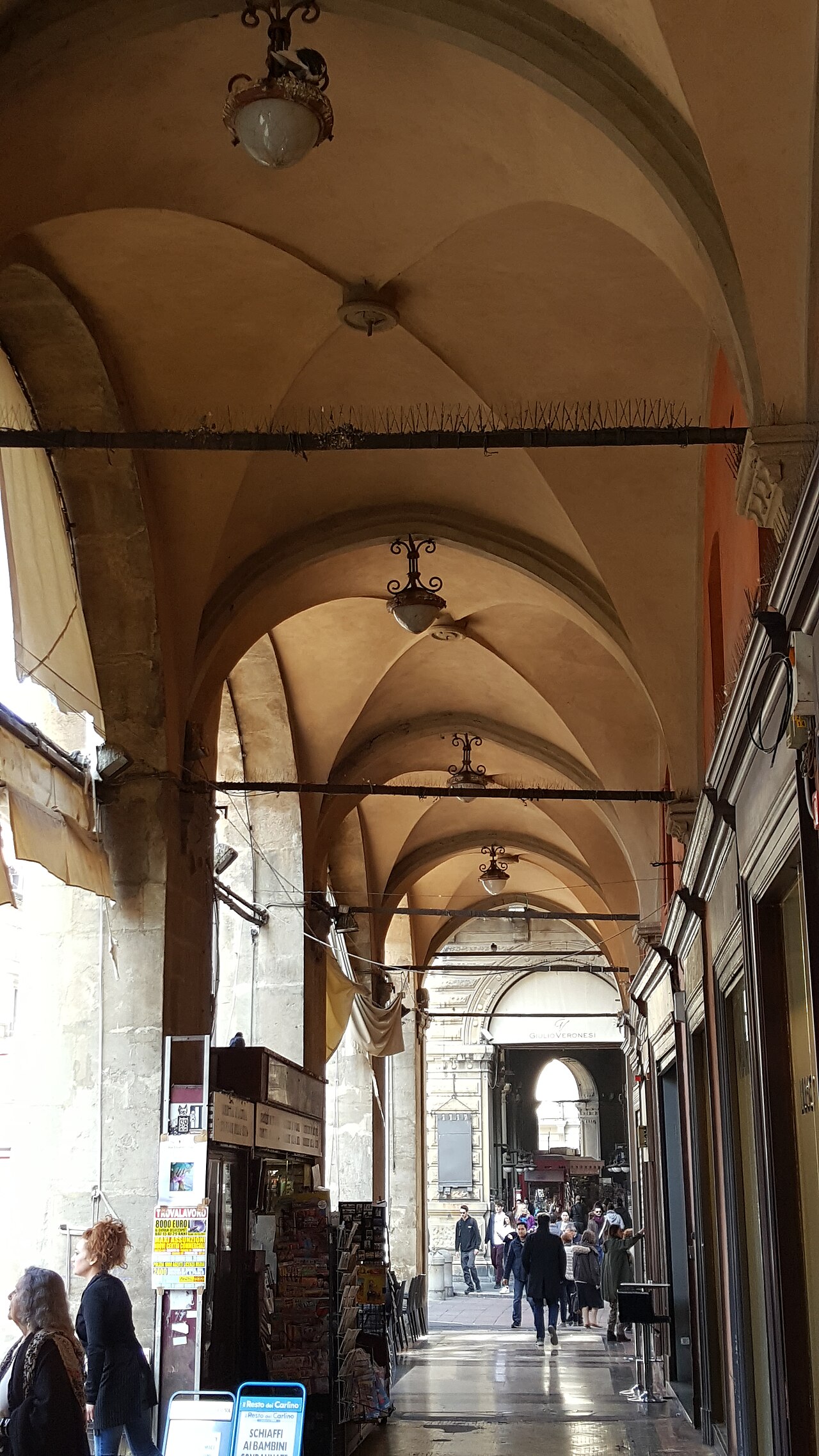
Bologna is the city I would recommend most confidently to a solo traveler who wants to eat well, move at their own pace, and actually connect with people. It is a university city — roughly one in four residents is a student — which means it has an easy, social energy. The porticoes (covered walkways that run for miles through the city center) mean you can walk everywhere regardless of weather.
Aperitivo culture is strong here. Order a spritz or a glass of Lambrusco at a bar around 6 or 7 p.m. and the bar almost always includes free snacks — sometimes an entire buffet. You will be surrounded by locals doing exactly the same thing, and conversations start naturally.
It is also the food capital of Italy by most honest reckonings. Eating alone in Bologna is a pleasure, not a solitary activity.
Florence: Compact, Walkable, Art-Dense
Florence is small enough to walk across in 20 minutes, which makes it one of the easiest Italian cities to navigate solo. The art is world-class (you could spend a day in the Uffizi alone), and the city works brilliantly as a base for day trips to Siena, San Gimignano, or the Chianti vineyards.
The tourist density can feel high in summer — the center gets genuinely packed around the Duomo. But Florence rewards the solo traveler who gets up early: the streets near the Arno before 8 a.m. are extraordinarily beautiful and quiet.
For what to do and where to stay in Florence, the guide to Florence and Tuscany goes deep.
Naples: Not for Everyone, But Rewarding
Naples is Italy turned up. It is louder, faster, less polished, and more alive than anywhere else on the peninsula. For experienced solo travelers who enjoy an edge, it is electric. For nervous first-timers, it can be overwhelming.
The practical things: the centro storico (historic center, a UNESCO site) is perfectly walkable and safe during the day. The Spaccanapoli street alone is worth the trip. The pizza is genuinely the best in Italy — not the best in the south, the best anywhere. And Naples puts you a short train or hydrofoil away from Pompeii, the Amalfi Coast, and the islands.
Venice: Surprisingly Solo-Friendly
Venice has a reputation as a couples-only city, and that is not entirely wrong. But it is also one of the safest cities in Italy — almost no cars, few crime hotspots, and impossibly easy to walk. Getting lost in Venice is the whole point. Solo travelers often find it one of the most meditative cities in the country.
It is expensive and best kept to two nights — longer than that and the costs (and crowds in peak season) start to bite.
Solo Travel Logistics
Eating Alone in Italy
Dining solo in Italy is easier than almost anywhere else in Europe. Italian café culture means it is completely normal to sit at a bar or small table alone for a long espresso or a glass of wine. Full-service restaurants accommodate solo diners without fuss — you will not be seated behind a pillar or given a pitying look.
A few tips that help:
- Sit at the bar when you can. In Italian bars and some trattorias, sitting at the counter puts you naturally in conversation with staff and other regulars. It is also cheaper at most places (standing or bar seating is often discounted versus table service).
- Lunch is the meal to splurge on. Many restaurants offer a fixed lunch menu (menù del giorno) for €12–18 that includes two courses and sometimes a drink. This is extraordinary value and works perfectly for a solo traveler who wants to eat well without the pressure of a full evening reservation.
- Bring a book or your phone. Nobody will care or stare. Half the people in Italian cafés are alone with something to read.
- Aperitivo as a social meal. In Bologna, Milan, and increasingly across northern Italy, the evening aperitivo means a drink plus a substantial free buffet for €7–12. You get a proper early dinner, and you are in a room full of people doing the same thing.
Single Supplements and Accommodation Costs
The honest truth about solo travel in Italy: accommodation is the area where you pay the most for going alone. Hotels almost universally charge by the room, not per person, so a double room priced at €120/night costs a solo traveler the same as it costs a couple. The single supplement in Italy is effectively the full room rate.
The practical solutions:
- Hostels in private rooms. Major Italian cities have excellent hostels that offer private en-suite rooms for €40–70/night — significantly cheaper than a hotel single, with the added bonus of common areas where you can meet people. Recommended: The Yellow in Rome, We_Bologna, Plus Florence, Generator Venice, Hostel of the Sun in Naples.
- B&Bs and guesthouses. Family-run B&Bs often have genuine single rooms at lower rates, and the personal attention can be one of the nicest parts of a solo trip.
- Agriturismi for a night. Staying at a farm stay outside a city for one or two nights is a completely different experience — quiet, personal, often with communal dinners. Not cheap, but a highlight for solo travelers who want to slow down.
- Travel off-peak. Prices drop significantly outside June–August and over Christmas. Shoulder season (April–May, September–October) gives you manageable crowds and noticeably lower room rates. See the best months to visit Italy page for a full breakdown.
For a comprehensive look at accommodation types and neighborhoods, the where to stay in Italy guide covers everything from city-center hotels to rural options.
Getting Around Italy Solo
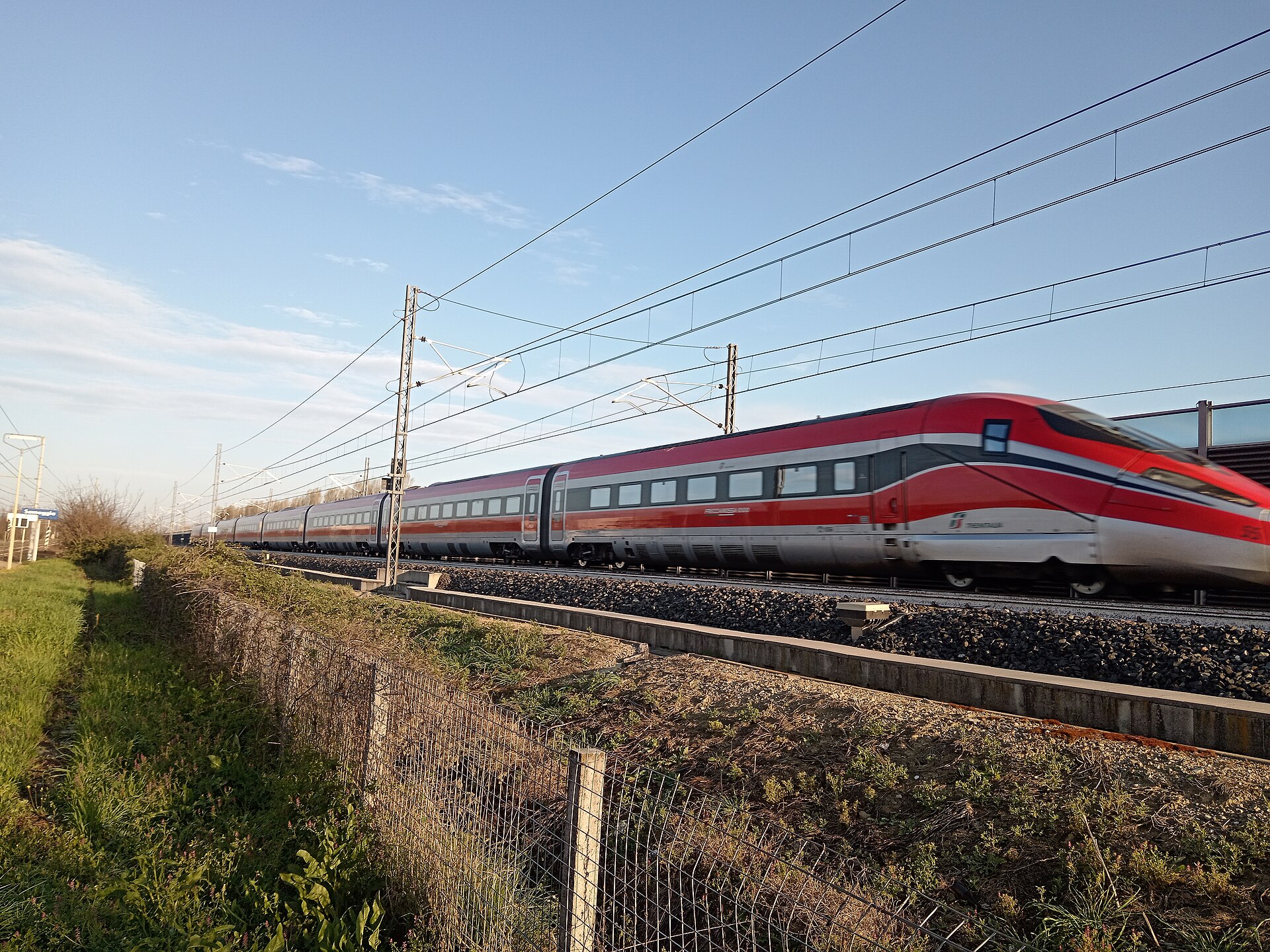
Italy’s train network is one of the genuine joys of solo travel here. The high-speed Frecciarossa connects Rome, Florence, Bologna, and Milan in under three hours; tickets booked in advance run around €29–50. Venice, Naples, and many secondary cities are on the same network. For a solo traveler, this means you can move freely and spontaneously without coordinating anyone else’s schedule.
Practical tips for trains:
- Book online in advance at Trenitalia or Italo for better prices. Last-minute walk-up tickets on popular routes can be significantly more expensive.
- Validate regional tickets. High-speed Frecciarossa and Italo tickets are tied to your specific train and don’t need stamping. Regional tickets (the slower, cheaper ones) must be validated in the yellow machines on the platform before boarding. Miss this and you risk a fine, even with a valid ticket.
- Read our full transport breakdown at Italy transportation for buses, ferries, and when renting a car actually makes sense.
The Italy travel tips page also covers the card vs. cash question and a few other logistics that catch solo travelers off guard.
How to Meet People While Traveling Solo in Italy
One of the biggest fears about solo travel is loneliness. Italy, in practice, makes this a much smaller problem than people expect. Here is what actually works:
Stay in social hostels. Even if you book a private room, the common areas, organized dinners, pub crawls, and walking tours that good hostels run are the fastest way to meet other travelers. A single evening in a hostel common room can produce a travel companion for the next two days.
Take a cooking class. Cooking classes in Italy typically run 3–4 hours, cost €60–100, and end with everyone eating the meal together. The groups are small (usually 8–12 people), the shared activity creates conversation naturally, and you walk away with a skill and a meal. Bologna, Florence, and Rome all have good options.
Join a free walking tour. Most major Italian cities have tip-based walking tours that run daily in English. They attract solo travelers disproportionately. Signing up for one in a new city on your first day is one of the most reliable ways to meet people and get oriented at the same time.
Use aperitivo hour strategically. Sitting at a bar during aperitivo (around 6–8 p.m.) with a drink and a book puts you in exactly the right place. Conversations start with bartenders, then with neighboring customers. This is especially true in Bologna and Milan, where the aperitivo culture is strongest.
Check Meetup and Facebook groups. Expat and traveler communities exist in most Italian cities and often organize dinners, hikes, and day trips open to visitors.
A Sample Solo Italy Itinerary (10 Days)
This route is designed for a first-time solo traveler who wants to cover Italy’s highlights without exhaustion. It runs north to south, starts in Venice (easy to fly into), and ends in Rome (great for flying home). For a longer trip or different angles, see the first-time Italy itinerary for alternative routes.
Days 1–2: Venice
Arrive, check in, get lost. Venice is low-stakes — it is almost impossible to be in danger, and wandering without a map is the best thing you can do. Sit at a cicchetti bar in Cannaregio in the evening for €1–2 small plates and a glass of wine. Book the Doge’s Palace or Accademia in advance to skip queues.
Days 3–5: Bologna
Take the high-speed train (around 1.5 hours). Bologna rewards slow exploration: the Mercato di Mezzo in the morning, the Two Towers at sunset, a long lunch of tortellini in brodo. Sign up for an evening cooking class or food tour on day 4 — this is the single best social activity in Italian solo travel. On day 5, consider a morning day trip to Modena (30 minutes, birthplace of balsamic vinegar and Ferrari).
Days 6–8: Florence
Forty minutes from Bologna. Florence is dense with things to do — book the Uffizi and the Accademia well in advance. Walk to Piazzale Michelangelo at golden hour for one of the best views in Italy. On day 7, do a day trip: Siena is 1.5 hours by bus and one of the most beautiful medieval cities in Europe. Day 8 is for whatever you missed, or a slower morning at a local café before moving on.
Days 9–10: Rome
Three to four hours by high-speed train. Two days is tight but manageable if you prioritize. Pre-book the Vatican Museums (skip-the-line tickets are non-negotiable in peak season). Spend an afternoon in Trastevere with no particular agenda. Eat at a neighborhood trattoria far from the main sites — the food is better and the bill is smaller.
This is a deliberately modest route. The complete Italy travel guide parent page links to deeper dives on each destination.
Final Thoughts
Solo travel in Italy is not about being brave. It is about deciding that the trip matters more than waiting for the perfect moment or the right companion. Italy gives you every tool you need: trains that work, food that makes eating alone a pleasure, cities that reward walking without a plan, and a culture that has been receiving travelers for centuries. Go to Bologna for a long lunch. Wander Rome’s Trastevere in the evening. Sit in a Venetian café and let a morning disappear.
For everything you need to plan the wider trip, start with the Italy travel guide. For the classic route, the first-time Italy itinerary lays it out day by day.
Questions travellers ask
Is Italy safe for solo female travelers?
Yes. Italy is a safe country for women traveling alone, with low rates of violent crime against tourists. The main things to be aware of are petty theft in crowded tourist areas and unsolicited attention from men, particularly in southern cities. Firm, silent non-engagement is the most effective response to catcalling. Dress to blend in, avoid poorly lit areas around train stations at night, and share your itinerary with someone at home. The U.S. State Department rates Italy Level 2, which applies to most of Western Europe.
Is it easy to travel alone in Italy?
Very. Italy has extensive high-speed rail, English widely spoken in tourist areas, and a tourism infrastructure that has been receiving solo travelers for decades. The country’s café culture means dining alone is never awkward, and cities like Bologna and Florence are compact enough to navigate entirely on foot. The main practical challenge is the single supplement on hotel rooms — hostels with private rooms solve this at a much lower price point.
What is the best city in Italy for solo travel?
Bologna is the most consistently recommended by experienced solo travelers. It is walkable, affordable relative to Rome or Florence, has a genuine local food and bar culture, and its university population keeps the social energy alive year-round. Rome is the best choice if this is your first trip and you want maximum things to do; Florence is the best base for day trips.
How do I meet people while traveling solo in Italy?
Staying in social hostels is the fastest route. Beyond that: cooking classes (groups of 8–12, always eat together), tip-based walking tours in the mornings, and aperitivo bars in the early evening. Bologna and Milan have the strongest aperitivo culture. Meetup and Facebook groups for expats and travelers also run events in major cities that welcome visitors.
What are the biggest safety risks in Italy for solo travelers?
Petty theft — pickpocketing specifically — in crowded tourist areas is the main practical risk. Focus points: Rome’s Colosseum and metro, the Trevi Fountain, Florence’s Duomo square, and busy train stations. A crossbody bag with a zipper and a money belt for your passport and backup card are sufficient precautions for most people. Violent crime against tourists is genuinely rare.
Should I worry about the single supplement in Italy?
It is worth budgeting for. Italian hotels price by room, not per person, so a double room at €100/night costs the same whether one person or two is staying. The practical workaround is using hostels with private en-suite rooms (€40–70/night in major cities), which offer real privacy without the full hotel markup. Traveling in shoulder season (April–May or September–October) also brings room rates down noticeably.
Do I need to speak Italian to travel solo in Italy?
No. English is spoken in most hotels, restaurants, museums, and tourist information offices across all major cities. Younger Italians especially are often fluent. That said, a handful of basic phrases — “buongiorno,” “grazie,” “un caffè, per favore” — go a long way and are received warmly. In smaller towns off the main tourist trail you will encounter less English, but a translation app on your phone covers most situations.
Is Italy good for solo travel as a first solo trip ever?
Yes, with some caveats. Italy has the infrastructure, the English-language coverage, and the familiar cultural context to be manageable for a first-timer. Stick to the main cities — Rome, Florence, Bologna — where resources and other travelers are plentiful. Avoid Sicily or the deeper south as a first solo destination; save those for when you have a trip or two under your belt. See also Italy for couples if you are traveling with a partner later.