Where to Stay in Rome: Best Neighborhoods for Tourists in 2026
Where to Stay in Rome: The Short Answer
If you only have three or four nights in Rome and this is your first visit, stay in Centro Storico — the historic center around the Pantheon and Piazza Navona. That puts you inside the living museum, walking distance from most major sights, and somewhere genuinely beautiful the moment you step outside. If your budget is tight, Monti is the next best call. If you want charm over convenience, Trastevere. And if the Vatican is your reason for coming, Prati makes more sense than any of them.
That is the short version. The longer version — which actually helps you choose — is below.
Figuring out where to stay in Rome is harder than it sounds, because the city’s neighborhoods are not interchangeable. Each one trades off differently: central versus affordable, atmospheric versus practical, walkable versus calm. Pick the wrong base and you will spend an hour on the bus every morning before you have even seen the Colosseum. Pick the right one and Rome feels like yours before breakfast on day one.
This guide covers every neighborhood worth considering for a tourist base, with honest pros, honest cons, and walking times to real landmarks — not vague phrases like “close to everything.”
For general advice on booking accommodation in Italy and comparing accommodation types, see our guide to where to stay in Italy. For getting from the airport into the city, the Rome airport to city center guide covers your options and costs.
Quick Comparison: Rome Neighborhoods at a Glance
| Neighborhood | Vibe | Best For | Price Feel (as of 2026) | Metro Access |
|---|---|---|---|---|
| Centro Storico | Grand, touristy, atmospheric | First-timers, short stays | $$$$ (highest) | Limited — nearest is Barberini (10–15 min walk) |
| Monti | Bohemian, village-y, young | Budget-conscious first-timers, solo travelers | $$ | Yes — Cavour (B line) |
| Trastevere | Medieval, romantic, lively nights | Couples, longer stays, food lovers | $$–$$$ | No metro; bus/tram only |
| Prati | Upscale, residential, calm | Families, Vatican visitors, older travelers | $$–$$$ | Yes — Ottaviano/Lepanto (A line) |
| Termini Area | Functional, gritty, transit-first | Budget travelers, early/late trains | $ | Yes — Termini (A + B lines) |
| Testaccio | Working-class, foodie, authentic | Repeat visitors, longer stays, culinary focus | $$ | Yes — Piramide (B line) |
Price feel is relative: $ = budget-friendly by Rome standards (around €80–120/night for a decent double), $$$$ = expect to pay around €200–300+ for anything that is not a closet.
Centro Storico: The Heart of Rome (Pantheon, Piazza Navona, Campo de’ Fiori)
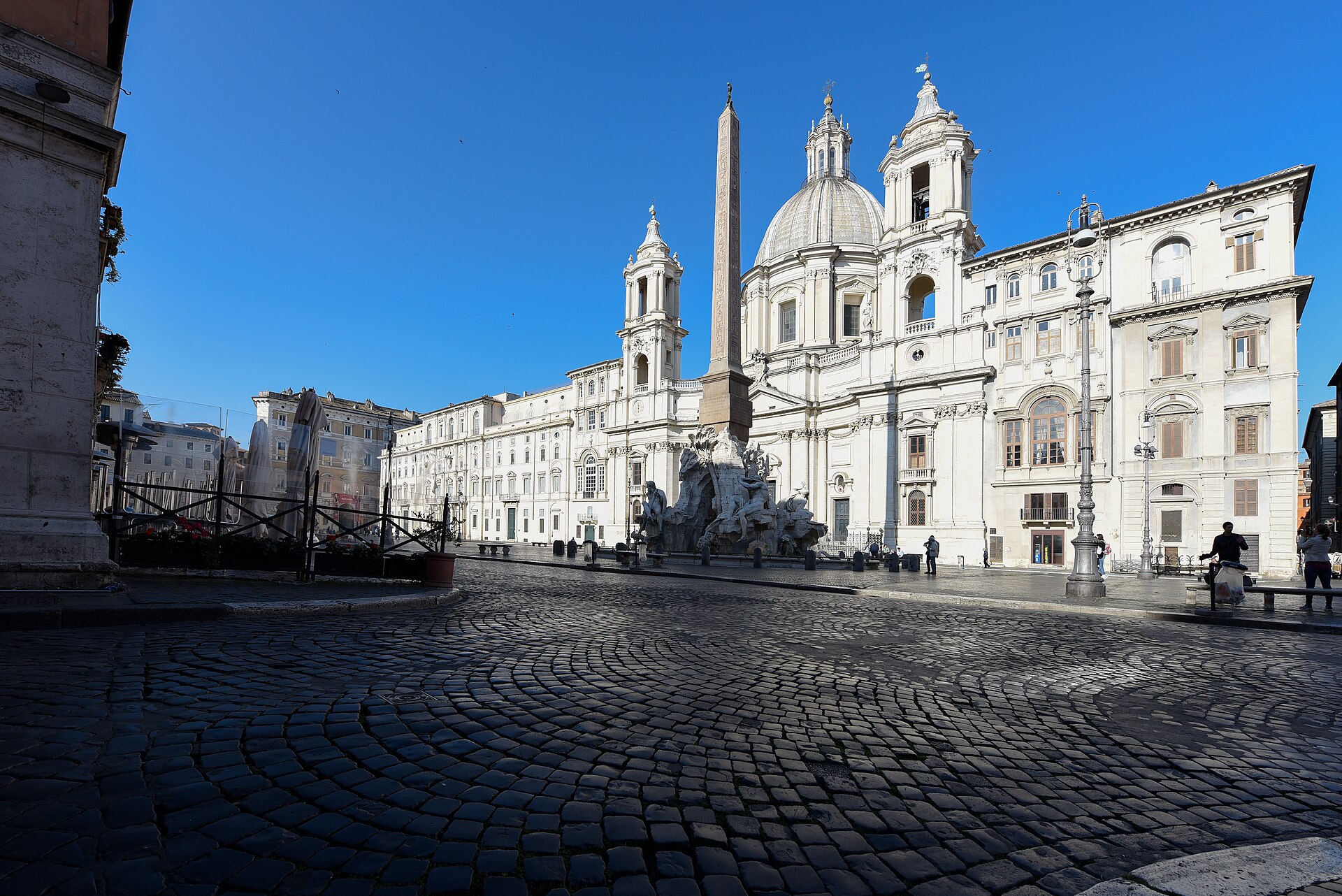
Centro Storico is the neighborhood that most people picture when they imagine Rome. It is the area bounded roughly by the Tiber to the west, the Trevi Fountain to the east, Piazza del Popolo to the north, and Campo de’ Fiori to the south. The Pantheon is dead center. Piazza Navona is a five-minute walk from it. The Trevi Fountain is another ten minutes east.
Staying here means you roll out of bed and are already inside the postcard. That matters more than people admit. Rome is exhausting — the heat, the crowds, the cobblestones — and being able to return to your hotel at noon for an hour’s rest, then go back out again, changes the quality of a trip. You can do that from Centro Storico. From Termini, it is a bus or metro ride away.
What Centro Storico is like: Busy during the day — very busy in summer. Narrow streets, grand piazzas, gelato shops every fifteen meters, and restaurants with outdoor tables that spill into alleyways. After about 10pm it quiets down significantly, which surprises a lot of visitors. The Campo de’ Fiori side stays livelier at night. Most streets are pedestrianized or traffic-restricted, which means no diesel fumes but also means your taxi will drop you at the edge of a zone and you will walk the last stretch.
Walkability: The Pantheon to the Trevi Fountain is about 15 minutes on foot. Piazza Navona to Campo de’ Fiori is 8 minutes. Getting to the Colosseum from here takes around 35–40 minutes on foot — doable once, but you will probably take a bus on day two. The Vatican is a 25-minute walk or a short bus ride across the Tiber.
Pros:
– Waking up inside the historic center, not commuting to it
– Walking distance to the Pantheon, Trevi Fountain, Campo de’ Fiori, Piazza Navona, Piazza del Popolo
– Dense concentration of good restaurants at every price point
– Safe by day; manageable by night if you stay aware of your bags
Cons:
– The most expensive accommodation in Rome — budget hotels are genuinely scarce here, and around €200–250/night for a basic double is not unusual
– Crowds, especially July and August, are relentless from 10am to sunset
– No metro station inside the heart of the neighborhood (nearest is Barberini, which can be a 15-minute walk depending on where you are staying)
– Taxi drop-offs are complicated by the pedestrian zones
Who should stay here: First-time visitors on a shorter trip (2–4 nights) who want maximum sightseeing efficiency and do not mind paying a premium. Also anyone for whom the atmosphere of Rome is the point — you came to feel the city, not just tick boxes.
Who should skip it: Budget travelers. Anyone whose main reason for coming is the Vatican or the Colosseum — you will be paying a location premium for sights that are not your priority. And anyone who finds crowds genuinely exhausting.
For ideas on what to do while you are based here, our things to do in Rome guide has the full rundown. If you are working with three days, the 3-day Rome itinerary is built specifically around a centro storico base.
Monti: The Best Neighborhood in Rome Nobody Argues About

If Centro Storico is Rome as a stage set, Monti is Rome as a place where people actually live — just barely, because it is also one of the most sought-after neighborhoods in the city. Tucked between the Roman Forum to the west and Termini to the east, Monti sits at Rome’s geographic and spiritual crossroads.
The neighborhood has one piazza that everyone ends up in: Piazza della Madonna dei Monti. Small, unassuming, lined with bars and trattorias, with a fountain at the center. On summer evenings, locals sit on the fountain steps with aperitivos. That is not a tourism fantasy — it is genuinely what happens.
What Monti is like: Bohemian without being precious about it. Vintage clothing shops, independent boutiques, great pasta, decent wine bars, and an age mix that runs from students to families who have lived here for decades. It has a village feel despite being meters from some of the most visited ancient ruins in the world.
Walkability: The Colosseum is a 10-minute walk. The Roman Forum and Palatine Hill are right there. Trevi Fountain is around 20 minutes on foot. Piazza Navona is a 25-minute walk. The metro station (Cavour, on the B line) puts you one stop from Termini — which means you can reach anywhere in the city quickly. The B line also connects directly to Termini, where you catch buses or national trains.
Pros:
– Genuinely walkable to the Colosseum and Roman Forum without fighting through tourist hordes
– Metro access via Cavour station for everything else
– Cheaper accommodation than Centro Storico — around €120–180/night for a good double
– Authentic Roman bar and restaurant scene; you eat alongside locals, not just other tourists
– Safe, well-lit streets even late at night
Cons:
– A 25-minute walk from Piazza Navona and the Pantheon — fine once, tiring if repeated daily
– No Vatican access without a metro or bus
– Can feel a little too “discovered” in peak season, though it is never overrun the way Centro Storico is
Who should stay here: First-timers who want something slightly more real than Centro Storico and do not want to pay peak prices. Solo travelers, couples, anyone whose priority is eating and drinking well. If the Colosseum is top of your list, this is simply the best base in Rome.
Pair a Monti base with our Rome food guide and you will eat better than anywhere else in the city.
Trastevere: The Most Beautiful Base That Costs You Convenience
Trastevere sits across the Tiber from the historic center, on the western bank — which sounds minor until you realize that “across the Tiber” in Rome means there is no metro line and the bus routes feel indirect. Once you are in Trastevere, you do not want to leave, which is both its greatest strength and its quiet drawback.
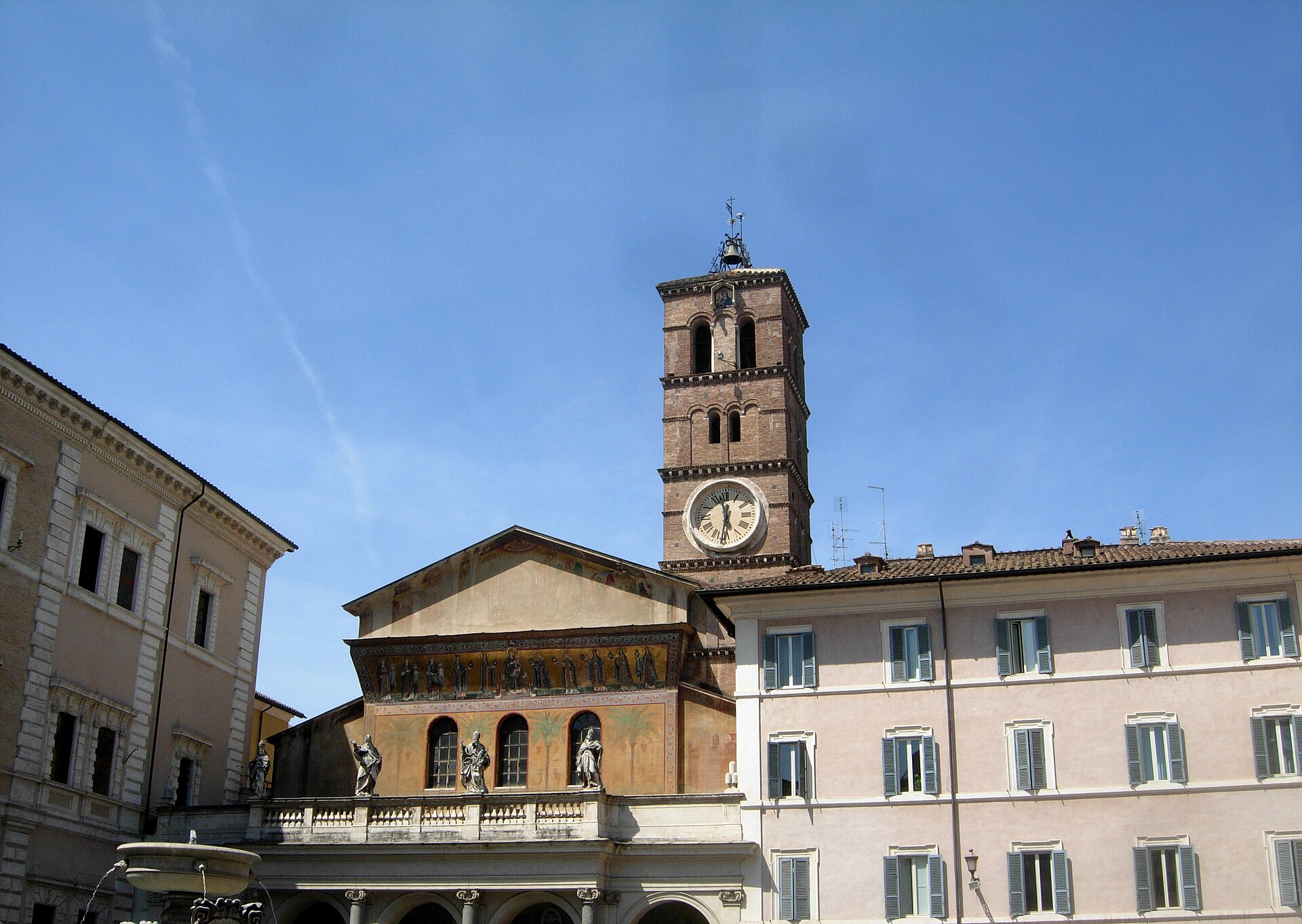
The neighborhood itself is genuinely beautiful. Orange and terracotta buildings pressed close together on narrow streets that feel medieval because they are. Piazza di Santa Maria in Trastevere is one of the loveliest public squares in the city — quieter than Navona, more local, lit at night in a way that makes you want to sit there and do nothing for two hours. That sounds like a waste of time until you try it.
The food scene here is excellent. Not because every restaurant is a masterpiece — some are tourist traps, and checking reviews before committing is worth the two minutes it takes — but because there is enough density of good options that eating well is effortless. The nightlife is livelier than you might expect from a medieval quarter: cocktail bars, aperitivo spots, and trattorias where tables stay full until midnight.
Walkability: Trastevere is eminently walkable within itself — the neighborhood is largely pedestrianized. Getting out requires more effort. Piazza Navona is around a 20-minute walk over the bridge. The Colosseum is 40+ minutes on foot. The Vatican is about 30 minutes walking north. For everything beyond Trastevere, you rely on buses (the 8, 23, and H lines are your friends) or a tram. There is no metro station in or near Trastevere.
Pros:
– The most atmospheric neighborhood in Rome — medieval lanes, no traffic, genuinely beautiful at night
– Strong local restaurant and bar scene
– Less frantic than Centro Storico even in peak season
– Good for longer stays — once you know it, you stop wanting to leave
– The Gianicolo hill above Trastevere has the best panoramic view in the city, and almost no crowds
Cons:
– No metro access — you are bus-dependent for anything outside the immediate area
– A deliberate journey to reach the Colosseum, Termini, or the Spanish Steps
– Some parts of the neighborhood can be noisy at night — good if you like that, bad if you do not
Who should stay here: Couples. Repeat visitors who already know Rome’s main sights and want to just be in Rome for a few days. Anyone on a longer trip (5+ nights) who wants a base with real neighborhood character. Food-obsessed travelers.
Who should think twice: Anyone on a tight schedule trying to pack in every major sight — you will spend too much time in transit. Anyone who wants to get around Rome on foot alone.
Prati: The Smart Choice Near the Vatican
Prati is the neighborhood immediately north of the Vatican, on the same western bank of the Tiber as Trastevere but further upstream. It is not a sightseeing destination in itself — it does not have the cobblestone romance of Trastevere or the ancient-ruins proximity of Monti. What it has is calm, space, good value, and a metro line.
The streets here are wider than in the historic center — the neighborhood was built in the late 19th century, which means proper pavements, rational street grids, and buildings with working lifts. After a few days of climbing stairs in a converted Renaissance palazzo in Centro Storico, that sounds more appealing than it probably should.
What Prati is like: Residential and upscale without being stiff. There is a serious restaurant scene, particularly on Via Cola di Rienzo, which runs through the neighborhood. Locals do their shopping here; you can find a real supermarket, which is almost impossible to locate in Centro Storico. The Vatican crowds spill into Prati on Wednesday and Sunday mornings for Papal audiences — something to factor into your walking route those days.
Walkability: The Vatican Museums and St. Peter’s Basilica are a 10–15 minute walk from most hotels in Prati. The Castel Sant’Angelo — which connects nicely to the broader Rome tourism circuit — is about 5 minutes walk. Getting to Centro Storico takes about 20–25 minutes on foot or a quick bus ride. The Colosseum is 40+ minutes from Prati — the metro is the answer here (Ottaviano on the A line to Termini, then change to the B line toward Colosseo).
Pros:
– Walking distance to the Vatican, Rome’s single most visited site
– Quieter streets and calmer atmosphere than the historic center
– Mid-range pricing — solid doubles around €120–180/night
– Better value restaurants than Centro Storico
– Safe neighborhood with a genuinely residential character, which means less petty crime than tourist-heavy zones
– Two nearby metro stations (Ottaviano and Lepanto on the A line)
Cons:
– Not an “experience” neighborhood — you would not stay here for atmosphere
– Getting to eastern Rome (Colosseum, Monti, Termini) requires public transport
– Vatican crowd spillover on busy religious days
Who should stay here: Families, who benefit from calmer streets, bigger rooms at lower prices, and easy Vatican access. Older travelers who prefer a quieter base. Anyone whose primary reason for visiting Rome is the Vatican. Budget-conscious travelers who still want a comfortable, safe neighborhood.
Termini Area: Functional, Honest, and Worth Understanding
Let’s be direct about the Termini area, because most guides either oversell it or dismiss it entirely. The truth sits in the middle.
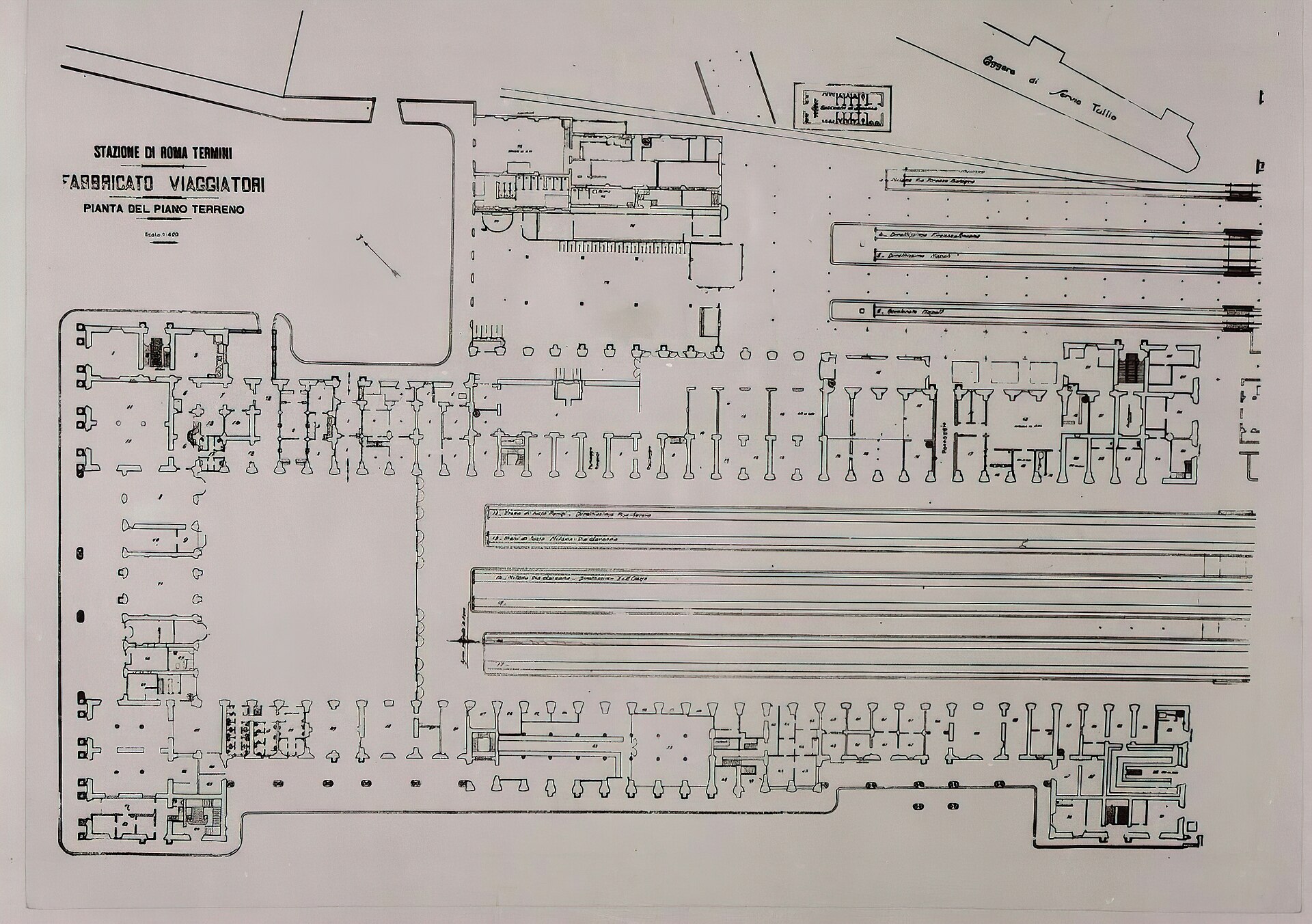
Termini itself — Rome’s main train and metro station — is a perfectly functional hub. The station connects the A and B metro lines, which means you can reach anywhere in the city without changing transport mode. Budget hotels cluster here because the area is less desirable than the historic center, which keeps prices down. If you arrive by train at midnight and leave at 6am, staying near Termini makes complete logical sense.
The problem is the blocks around the station, particularly to the east (the Esquilino neighborhood). This area has a higher concentration of street crime, particularly pickpocketing and petty scams, than any other part of central Rome. Not dangerous in an absolute sense — Rome is not a dangerous city — but meaningfully less comfortable than Monti, which is a 15-minute walk away and feels like a different city.
The recommendation: If your budget demands this area, pick a hotel on the western side of the station, closer to Monti, rather than east toward Esquilino. Or consider whether Monti itself might stretch your budget by around €20–30 a night and save you the daily friction.
Walkability: The Colosseum is about 25 minutes on foot from Termini. Piazza Navona is 30–35 minutes. The metro compensates for a lot of that — both lines run frequently and are cheap (around €1.50 per journey as of 2026). See the Italy transportation guide for how Rome’s transit system fits into broader Italy travel.
Pros:
– Cheapest area for accommodation — around €70–120/night for decent options
– Unbeatable transit connectivity (A + B metro lines, national trains, airport buses)
– Useful for multi-city Italy trips requiring easy onward connections
Cons:
– The area around the station, particularly east of it, is grimier and less safe than the rest of central Rome, especially at night
– Not recommended for solo female travelers staying on the eastern side of Termini
– No ambient charm — you are in a transit zone, not a neighborhood
Who should stay here: Very budget-conscious travelers. Anyone taking early trains or arriving very late. Those comfortable with urban grittiness and confident navigating public transit.
Testaccio: Rome’s Culinary Heartland as a Tourist Base
Testaccio is the neighborhood that food writers love and tourists still underestimate. It sits south of the Aventine Hill, bordered by the Tiber to the west, and it has the unmistakable feel of a neighborhood that was blue-collar before it became fashionable — and has not fully decided which it is yet.
The neighborhood’s identity comes from two things: its history as Rome’s slaughterhouse district (the old mattatoio is now an arts and events space), and its food. Testaccio is where Roman cuisine — the offal-heavy, nose-to-tail, nothing-goes-to-waste tradition that gave the world cacio e pepe, coda alla vaccinara, and rigatoni con la pajata — was born and is still practiced seriously. Mercato Testaccio is one of the best food markets in the city. The trattorias here are not performing Romanness for tourists; they simply are Roman.
For tourists on short city breaks, Testaccio is a harder sell as a primary base — it is a 35–40 minute walk from the Pantheon and there are no headline tourist sights within the neighborhood itself. But for longer stays — five nights or more — or for anyone who has already done Rome’s main circuit and is coming back for the pleasure of it, Testaccio is genuinely rewarding.
Walkability: The Colosseum is about 25 minutes on foot. Circus Maximus is a 10-minute walk — one of Rome’s underrated ancient sites and worth a detour. Getting to Centro Storico requires a bus or metro (Piramide station on the B line). The Gianicolo viewpoint can be reached on foot in about 30 minutes via the Aventine Hill.
Pros:
– The best food neighborhood in Rome, without serious argument
– Genuinely local atmosphere — less tourist-oriented than Trastevere or Centro Storico
– Metro access via Piramide station (B line)
– Moderate pricing — around €100–160/night for a solid double
Cons:
– Not practical as a first-time base if you want to walk to most tourist sights
– No major tourist attractions within the neighborhood itself
– Slightly removed from the main sightseeing circuit
Who should stay here: Repeat visitors, food travelers, people on longer stays who want a local base and do not mind daily transit to the main sights.
Check our Rome food guide before staying here — Testaccio warrants its own eating itinerary and rewards travelers who plan by restaurant first.
Areas to Approach Carefully
Rome is not a dangerous city by European standards. Violent crime against tourists is rare. What you need to know is more granular than a blanket “safe vs. unsafe” verdict.
Esquilino (east of Termini): The blocks immediately east and southeast of Termini station have Rome’s highest concentration of pickpocketing and street scams. You can stay there — people do — but it is the one area in central Rome where being streetwise matters more than anywhere else.
Far-peripheral neighborhoods: Tor Bella Monaca and Corviale, in Rome’s outer ring, are locally known for more serious crime issues. As a tourist, you have no reason to be there. If you are browsing extended-stay apartments on the city’s fringes, these are names to avoid.
The rest of Rome — Prati, Monti, Trastevere, Aventine, Pigneto, Ostiense — is all navigable with normal urban awareness. Keep your phone out of your back pocket, watch your bag in crowded metro carriages, and do not let anyone press a rosemary sprig into your hand near the major tourist sites.
How to Choose: A Decision Framework by Trip Type
You have 3 nights and this is your first time in Rome.
Stay in Centro Storico. The price premium is worth it for the experience density. You will not regret waking up in the historic center. You may find the crowds frustrating, but that is Rome, not your neighborhood choice.
You have 3 nights, first time, and your budget is firm.
Stay in Monti. You will walk a little further to Piazza Navona, but you will have the Colosseum on your doorstep, a real neighborhood restaurant scene, and around €60–80 more per night to spend on food.
You have 5+ nights.
Seriously consider Trastevere or Testaccio. A longer stay means the initial transit inconvenience becomes routine, and the neighborhood character pays dividends over time in ways that a hotel on a tourist-heavy piazza does not.
You are traveling with kids or elderly family members.
Prati. Wider streets, quieter atmosphere, good restaurants, and Vatican access. It is the practical choice, and practical is not a compromise — it is the right call.
The Vatican is your main reason for coming.
Prati, unambiguously. Staying on the other side of the city to visit the Vatican every day is a waste of transit budget and energy.
You are on a tight budget and know your way around cities.
Termini, western side. Use the metro, pick a hotel with good recent reviews for safety, and spend the money you save on food.
You are coming to Rome primarily to eat.
Testaccio for a longer stay; Monti as a backup if your trip is shorter.
For context on how to budget your overall Rome trip — accommodation, food, transit, entry fees — see our Italy travel budget guide. For inspiration on building a broader Italy journey around your Rome base, the complete Italy travel guide covers how Rome fits into the full picture.
Final Thoughts
Rome does not reward ambivalence about where to stay. The city is large enough that a bad base genuinely costs you — in transit time, in energy, in the slow frustration of spending 40 minutes reaching the thing you came to see. The good news is that the right base is almost always findable within your budget if you understand what each of Rome’s best neighborhoods is trading off.
For most first-time visitors, the decision comes down to this: Centro Storico if budget allows and experience is the priority, Monti if budget is tighter or the Colosseum is the main event, Prati if family logistics or the Vatican matter most. Trastevere and Testaccio reward the return visitor who wants to go deeper into what Rome actually is — past the famous ruins and into the quieter, more persistent life of the city.
Whichever neighborhood you choose, give yourself time to walk without a plan on at least one afternoon. The best version of Rome is not the one on the itinerary. It is the one you find when you make a wrong turn somewhere between Piazza della Madonna dei Monti and a glass of Frascati you did not expect.
For inspiration on what to do once you have chosen your base, start with things to do in Rome. And for building your Rome visit into a broader Italy journey, the 3-day Rome itinerary is the fastest way to plan the city before stepping back to see the rest of the country.
Questions travellers ask
Is the historic center actually the best area to stay in Rome?
For most first-time visitors, yes — but with a budget caveat. Centro Storico puts you inside the living museum from the moment you step out of your accommodation, and that immediacy matters on a short trip. If your budget is under around €150/night, Monti gets you 80% of the experience for significantly less money, and you are still walking to the Colosseum in 10 minutes. The gap between the two neighborhoods is smaller than the price difference suggests.
Is Monti good for first-time visitors to Rome?
Monti is arguably the best area to stay in Rome for a first-time visitor who does not want to pay centro storico prices. You have the Colosseum and Roman Forum a 10-minute walk away, a metro station for everything else, a genuinely good local food scene, and a neighborhood that feels like a real place rather than a tourist stage. The only trade-off is proximity to Piazza Navona and the Pantheon, which is a 25-minute walk from Monti rather than 10.
Is Trastevere safe for tourists?
Yes. Trastevere is one of the safer neighborhoods in Rome — the streets are largely pedestrianized, the area is well-lit at night, and it has a residential character that keeps opportunistic crime lower than the heavily trafficked tourist zones. The usual caveats apply: watch your bag in crowds, keep your phone in a front pocket. But Trastevere is not an area that demands heightened vigilance.
Is the area around Termini station safe?
It depends on which side. The western edge of Termini, toward Monti, is fine. The eastern side — Esquilino and the streets behind the station — has a higher rate of petty crime and is less comfortable at night. If you must stay near Termini, look for hotels on the Via Nazionale or Via Cavour side rather than Via Giolitti or around Piazza Vittorio. Solo female travelers are generally better served by Monti or Prati.
Should I stay near the Vatican in Prati?
If the Vatican is your primary attraction, absolutely. Prati puts you within a 10–15 minute walk of St. Peter’s Basilica and the Vatican Museums, which saves real transit time and money every morning. It is also the calmest major neighborhood in central Rome — good for families and anyone who finds the frenetic energy of Centro Storico wearing. The trade-off is that reaching the Colosseum or the east side of the city requires a metro trip.
What is the best neighborhood in Rome for families?
Prati is the consensus answer, and a sound one: wider streets, more residential calm, mid-range accommodation that tends to offer larger rooms than historic-center hotels, and easy Vatican access. Monti is a strong second for families with older children — it is safe, walkable to the Colosseum, and has a neighborhood character that engages kids more than a hotel on a tourist piazza. Both neighborhoods are covered in detail in the sections above.
Can I walk between Rome’s main neighborhoods?
More than you might expect, but not without planning. Monti to the Colosseum is 10 minutes. Monti to Centro Storico is 25 minutes. Trastevere to Centro Storico is 20 minutes across the Tiber. Prati to the Vatican is 15 minutes. Where it falls apart: Termini to the Pantheon (35 minutes), or Testaccio to Piazza Navona (45 minutes). Rome’s metro and bus network is reliable and cheap — around €1.50 per journey as of 2026 — and the complete guide to Italian transport covers how to use it efficiently.
How far in advance should I book a hotel in Rome?
For peak season (June through August), book at least 6–8 weeks out for the historic center, where supply is genuinely constrained. Monti, Prati, and Trastevere have more flexibility, but good-value properties fill early in summer regardless. Shoulder season (April–May, September–October) allows more last-minute latitude, though the best-value rooms still go quickly. The guide to where to stay in Italy guide covers broader accommodation-booking strategy for planning around a multi-city Italian trip.