The Best Day Trips from Rome (And Exactly How to Do Each One)
Rome has a problem. Not a bad problem, but a real one: it sits at the centre of so much of Italy’s most compelling history that every direction you point leads somewhere worth seeing. You could spend your whole trip inside the walls and still feel shortchanged on time. Add a spare day or two and suddenly the question isn’t whether to leave — it’s which direction to go. Before you leave the city, our dishes worth seeking out in Rome is worth a read.
The best day trips from Rome suit different kinds of travellers. For ancient history, Pompeii and Ostia Antica are your options, at very different distances and effort levels. For effortless scenery and wine, the Castelli Romani deliver in under an hour. For a genuine city day, Florence by high-speed train is one of Europe’s great train journeys. Tivoli from Rome is the single best value day trip on this list — two UNESCO sites, half the crowds of Pompeii, and home by dinner. Pompeii is the one that needs planning ahead: which Pompeii ticket you buy makes a real difference to the day.
This guide covers seven destinations in detail: how to get to each one, how long you actually need, and a candid verdict on who it’s really for.
At a Glance: Best Day Trips from Rome
| Destination | Getting There | Journey Time | Time Needed | Best For |
|---|---|---|---|---|
| Tivoli | Bus (COTRAL) or regional train | 40–60 min | 5–7 hrs (both villas) | First-timers, history lovers, garden fans |
| Pompeii | Trenitalia to Naples + Circumvesuviana | ~2 hrs each way | Full day (6–7 hrs there) | Ancient history buffs, families |
| Florence | Frecciarossa high-speed train | 1 hr 30 min | Full day | Art lovers, first Italy trip |
| Orvieto | Trenitalia direct from Termini | 1 hr 15 min | 4–5 hrs | Easy half-day, wine drinkers |
| Ostia Antica | Metro B + Rome–Lido train | 45 min | 3–4 hrs | Budget travellers, archaeology fans |
| Castelli Romani | Regional train to Frascati or Albano | 30–40 min | 3–5 hrs | A relaxed lunch day, wine |
| Civita di Bagnoregio | Bus from Viterbo (train + bus) | ~2 hrs | 3–4 hrs | Photographers, slow-travel fans |
Tivoli from Rome: Two UNESCO Sites, One Perfect Day

Tivoli sits 30 kilometres east of Rome in the Tiburtine hills, and it contains two of the finest ancient and Renaissance sites in all of Italy on the same day. That combination — Hadrian’s Villa in the morning, Villa d’Este in the afternoon — makes Tivoli from Rome the most rewarding day trip on this list per hour of effort.
Getting there: The most direct option is the COTRAL bus from Ponte Mammolo (Metro B, Line B). Buses run frequently and the journey takes around 50 minutes; as of 2026, the fare is a few euros each way. You can also take a regional train from Tiburtina to Tivoli in about 40–50 minutes. Driving is possible but parking near Villa d’Este can be difficult in summer.
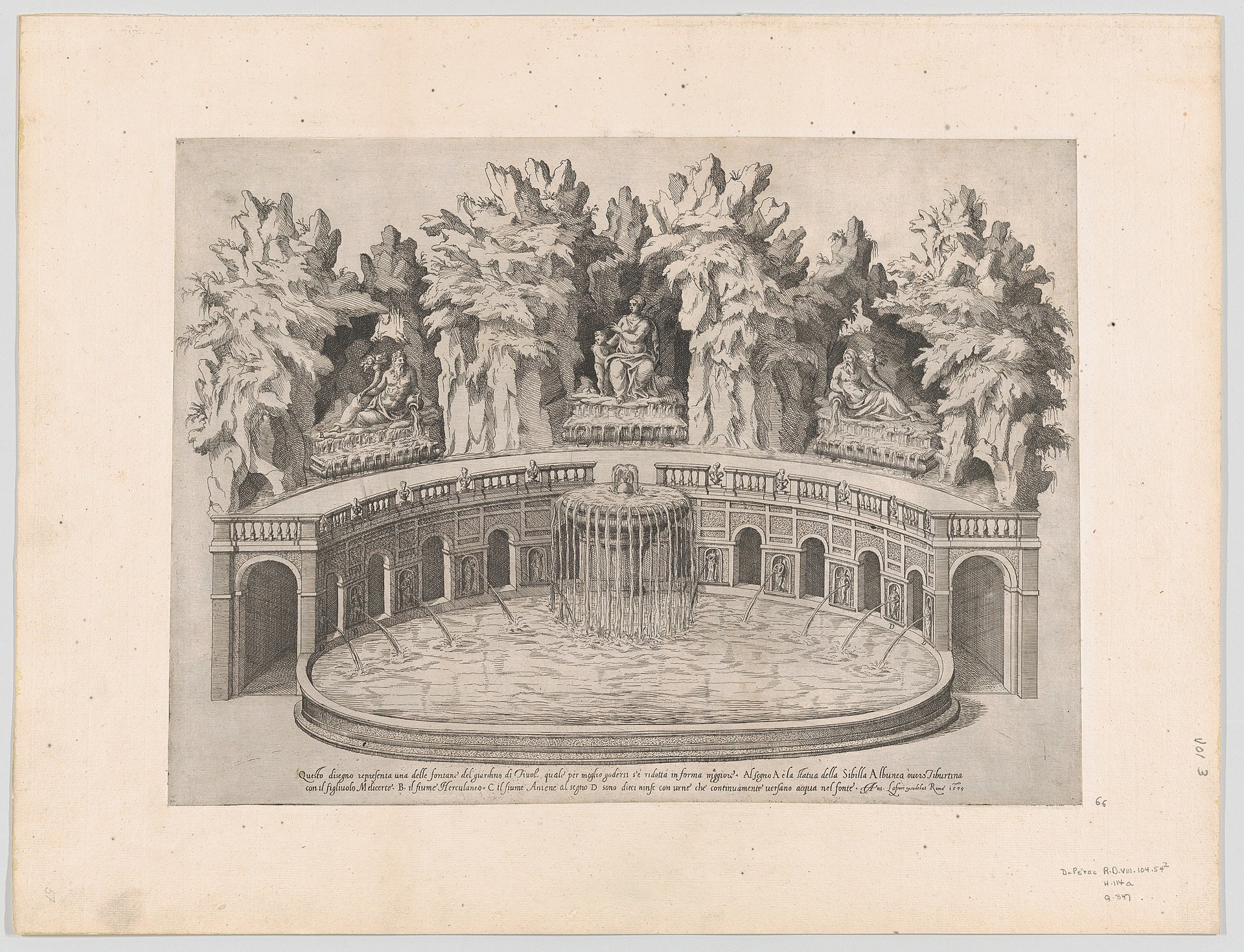
The plan: Start at Hadrian’s Villa (Villa Adriana), which is a few kilometres from Tivoli town centre — a taxi or local bus from the stop will get you there. This was the emperor Hadrian’s personal retreat built between around 118–134 AD, and it sprawls across 120 hectares. Give it two to three hours minimum. Then head into town for lunch and spend your afternoon at Villa d’Este, the 16th-century cardinal’s palace famous for its extraordinary tiered garden of fountains, grottoes, and water-organ — a UNESCO World Heritage Site since 2001. Allow two hours here.
Logistics note: Book tickets for both sites in advance online, especially in summer. Hadrian’s Villa is operated by the Italian Ministry of Culture; Villa d’Este charges a separate entry fee. Neither is expensive.
Honest verdict: Tivoli from Rome is the best day trip on this list for most visitors. It combines Roman imperial history with Renaissance garden design, requires no train transfers, and is genuinely manageable in a day without feeling rushed. Quieter than Pompeii, closer than Florence, and far more layered than Orvieto.
Who it suits: History and architecture fans, first-time visitors who want an efficient day out, anyone travelling with slightly older children.
Who should skip it: If ancient ruins aren’t your thing and you’ve already seen plenty of Renaissance gardens, Castelli Romani will feed you better for less effort.
Pompeii Day Trip from Rome: The Logistics, Honestly
A Pompeii day trip from Rome is one of the most popular excursions in Italy, and also one of the most badly planned by first-time visitors who underestimate the journey. Let’s fix that.
The route: Take a Trenitalia Frecciarossa or Italo high-speed train from Roma Termini to Napoli Centrale — the fastest trains take around 70 minutes and cost from around €19.90 each way if you book ahead (base fare on the day is around €44). At Naples Centrale, follow the signs downstairs to the Circumvesuviana station. This is an underground local railway network, and it feels nothing like the high-speed concourse above — older trains, no air-con on most services, no seat reservations. Circumvesuviana trains to Pompeii Scavi – Villa dei Misteri run every 30 minutes and take 36 minutes; the fare is around €3.20 each way. Walk out of the station and the main entrance to the ruins is across the road and 100 metres to your right.
The Campania Express shortcut: If the regular Circumvesuviana trains feel daunting, Campania Express runs up to four daily air-conditioned tourist services between Naples Garibaldi and Pompeii (and Ercolano for Herculaneum). Fares are around €15 and seats are reserved. Worth considering in peak summer.
Summer Sundays: In recent summers, Trenitalia has run a direct Frecciarossa from Roma Termini to Pompeii station — departing around 08:53 and arriving 10:40 — but this is only on Sundays and limited months. Check Trenitalia’s site for current schedules.
At the ruins: Pompeii covers 44 hectares. Do not arrive without a plan. Book entrance tickets in advance at pompeiisites.org to skip the queue. A good audio guide or a pre-booked licensed guide (usually €70–100 for a small group, including ticket) will transform the experience — without context, the scale of the place can feel overwhelming. Give yourself at least three hours inside, ideally four.
Total time: Leave Termini by 8am to arrive by 10:30, spend four hours at the ruins, eat lunch near the site, and catch an afternoon Circumvesuviana back to Naples for a 6–7pm return to Rome. It’s a full day, not a gentle half-day.
Honest verdict: Pompeii is extraordinary — there is genuinely nothing else like it. But the round trip is about four hours of travel for a day where you’ll also walk 10km around the ruins. Plan for it, and it pays back everything. Go in unprepared and you’ll be exhausted and underwhelmed by 2pm.
Who it suits: Anyone with a serious interest in Roman history, families with older children who have studied the eruption, travellers who want one iconic tick.
Who should skip it: Anyone who finds ruins abstract without context, anyone trying to combine it with Naples or Herculaneum in a single day trip from Rome — that is too much. Pick one. For deeper coverage of the region, see our Amalfi Coast and Naples guide.
Florence by High-Speed Train: The Classic Art Day

Florence is 1 hour 30 minutes from Roma Termini on the Frecciarossa. That sentence alone makes it one of the most extraordinary easy day trips in Europe. You leave Rome after breakfast and walk out of Firenze Santa Maria Novella station with the entire city in front of you.
Getting there: Both Trenitalia and Italo operate high-speed services on the Rome–Florence route throughout the day, typically from 6am onwards. Fares start from around €19–25 each way if booked well ahead; prices rise as the train fills. The journey is scenic in places — the train passes through the Apennines — and the station in Florence is central.
The honest case for a day trip: Florence is genuinely one of the world’s great walking cities. The Duomo, the Ponte Vecchio, the Piazzale Michelangelo viewpoint, and the Uffizi Gallery all sit within 20 minutes of each other on foot. A single focused day — say, the Accademia to see Michelangelo’s David (book in advance), a walk across Ponte Vecchio, lunch in the Oltrarno neighbourhood, an afternoon in the Boboli Gardens — is entirely satisfying.
The honest caveat: Florence deserves two or three days, not one. If you’ve never been, a day trip gives you the shape of the city and the main highlights, but you’ll leave wanting more. If that’s fine with you — and for many visitors it is — this is an effortless and memorable excursion. If you’re already planning to visit Tuscany separately, skip the day trip and do it properly.
Honest verdict: The train ride alone is worth it. Florence by high-speed is the most logistically frictionless day trip from Rome and the one most visitors feel most confident planning independently.
Who it suits: Art lovers, first-time Italy visitors who want a taste, anyone who has already seen most of Rome’s major sites.
Who should skip it: Travellers with limited mobility (Florence involves a lot of walking and hills), anyone who plans a separate Tuscany trip — the day trip format shortcuts a city that deserves more time.
For full destination detail, see our complete guide to Florence and Tuscany.
Orvieto: The Easiest Half-Day from Rome
Orvieto is the most frictionless day trip from Rome. One direct train from Termini, 75 minutes, and you step off at the bottom of a volcanic cliff topped by a medieval city. A small funicular (or a longer walk) takes you up. The Gothic cathedral — begun in 1290 — stops you in your tracks the moment you round the corner into the piazza.
Getting there: Regional Trenitalia trains run from Roma Termini to Orvieto roughly every hour or two; the journey takes around 1 hour 15 minutes. No high-speed booking required — you can buy on the day. The funicular from the station to the town runs frequently and the combined ticket with a city bus pass costs just a couple of euros.
What to do: The cathedral (Duomo di Orvieto) is the centrepiece — go inside for the Cappella di San Brizio frescoes, which influenced Michelangelo. The town is small enough to walk entirely in a couple of hours. There are good wine bars (Orvieto Classico is a well-regarded local white), a small Etruscan museum, and the underground city tunnels if you’re curious about what’s beneath the streets.
Time needed: Four to five hours is plenty for a relaxed visit. You could do Orvieto as a morning half-day and be back in Rome for an early dinner. It also works as a stop on the way north if you’re heading to Florence or Umbria.
Honest verdict: Orvieto rewards low expectations beautifully. It doesn’t try to be Pompeii or Florence. It’s a well-preserved hilltop town with one genuinely world-class church, decent wine, and almost no stress to get to. If you have half a day free and you’re not sure what to do with it, go to Orvieto.
Who it suits: Anyone with a spare half-day, wine travellers, visitors who want beauty without logistics.
Who should skip it: Travellers looking for a full day of activities — Orvieto is wonderful but compact. Pair it with a Civita di Bagnoregio visit if you want a more complete day in the region.
Ostia Antica: Rome’s Other Ancient City
Most visitors to Rome know Pompeii is out there, but many don’t realise that a remarkably preserved ancient port city sits 30 kilometres southwest of the city centre, reachable in under an hour on public transport with no train transfers.
Getting there: Take Metro B to Laurentina, then switch to the Roma–Lido commuter train towards Cristoforo Colombo and get off at Ostia Antica station. Total journey time is around 40–50 minutes from central Rome. The site entrance is a short walk from the station. As of 2026, the combined Metro and Roma–Lido ticket is inexpensive — check current fares on the ATAC website.
What you get: Ostia was Rome’s ancient harbour city, active from around the 4th century BC until the city silently declined as the harbour silted up. What remains is extraordinary: streets of apartment blocks (insulae), temples, a theatre that still hosts summer performances, mosaics covering the floors of the Baths of Neptune, and an ancient bakery with its stone mills still standing. The site covers around 150 hectares, and unlike Pompeii, you can often have entire streets to yourself.
Time needed: Three to four hours for a good visit, though dedicated archaeology fans could spend a full day.
Honest verdict: Ostia Antica is one of the best-kept secrets in the Rome area. It is more atmospheric than Pompeii for solitary exploration, significantly less crowded, and easier to reach. The trade-off is that it lacks Pompeii’s dramatic backstory and the preserved human casts. But the mosaics are stunning, and the lack of crowds makes it easier to actually imagine the city as it was.
Who it suits: Budget travellers, archaeology fans, anyone who has already done Pompeii, visitors who prefer fewer crowds.
Who should skip it: Travellers who need narrative drama and visual spectacle to engage with ruins — Pompeii’s story is harder to beat.
Castelli Romani: A Lazy Lunch Day in the Alban Hills

The Castelli Romani — a cluster of hilltowns built on the rim of an ancient volcanic crater southeast of Rome — are where Romans themselves go to eat and drink on a Sunday. Frascati is the most accessible and the most famous for its white wine. Castel Gandolfo, the traditional papal summer residence perched above Lake Albano, is the most scenic.
Getting there: Regional trains from Roma Termini to Frascati run regularly and take around 30–35 minutes; the fare is a few euros. For Castel Gandolfo, take the regional train to Albano Laziale and pick up a local bus, or continue to Castel Gandolfo station. Both towns are also accessible by COTRAL bus from Anagnina (end of Metro A).
What to do: Frascati is most rewarding around lunchtime — the town has excellent trattorias serving grilled meats, porchetta, and the local Frascati Superiore DOCG white wine. Wander up to Villa Aldobrandini (the gardens are sometimes open) for views back over Rome on a clear day. In Castel Gandolfo, the Papal Villas and gardens — now open to the public after decades of private use — are the draw, along with the lake views.
Time needed: Three to five hours, depending on how long you linger over lunch. This is not a site-focused day trip — it is a food, wine, and scenery day.
Honest verdict: The Castelli Romani are best understood as a Roman Sunday, not a sightseeing excursion. The pleasure here is slow: a long lunch, good wine, a walk through a village that hasn’t changed much since the 1970s, and a train home. If you’ve been grinding through major sites for days, this is the antidote.
Who it suits: Food and wine travellers, people who need a slow day, couples, anyone who wants to see where Romans actually go on their days off.
Who should skip it: Visitors on a tight schedule who need maximum cultural return per hour — go to Tivoli instead.
Civita di Bagnoregio: Italy’s Most Photogenic Village
Civita di Bagnoregio is one of those places that photographs circulate endlessly on travel social media and then, when you arrive, somehow still exceeds expectations. The village sits on an eroding tufa rock island above a valley, connected to the modern town of Bagnoregio by a single pedestrian footbridge. The population as of recent counts is under twenty permanent residents. It is, by most definitions, a dying town — and that is precisely what makes it extraordinary.
Getting there: This is the most logistically involved day trip on this list. Take a Trenitalia regional train from Roma Ostiense or Roma Termini to Viterbo (around 1 hour 40 minutes to 2 hours, depending on the service). From Viterbo, take a COTRAL bus to Bagnoregio (around 30–40 minutes). From Bagnoregio, it’s a 10-minute walk to the footbridge, then a short uphill walk to the village itself. Alternatively, a few tour operators run day trips from Rome directly to Civita, which removes the transfer logistics entirely.
Time needed: The village is tiny — you can walk every street in an hour. But you’ll want two to three hours there to absorb the atmosphere, have lunch at one of the handful of restaurants, and photograph the light on the valley at different times. Budget a full day for the return travel.
Honest verdict: Civita di Bagnoregio is not for everyone. The logistics are real, and the village itself takes about five minutes to understand physically. What rewards the journey is atmosphere: the strange quietness, the crumbling walls, the views from the edge over the badlands below. For photographers, travel writers, and slow-travel devotees, it belongs near the top of any Lazio list. For travellers who measure a day by sites ticked and hours of walking, it will feel underwhelming.
Who it suits: Photographers, slow-travel fans, anyone who wants something genuinely off the main track.
Who should skip it: First-time visitors with limited days who haven’t yet covered Tivoli, Pompeii, or Florence — do those first.
Tours vs DIY: How to Choose
Most of the trips on this list are entirely manageable as solo rail journeys — Italy’s train network from Rome is genuinely excellent, Trenitalia and Italo are easy to book online, and the stations are well-signed. For Tivoli, Orvieto, Ostia Antica, Florence, and Castelli Romani, independent travel is straightforward and costs a fraction of a guided tour.
Pompeii is the one destination where a guide genuinely changes the experience. The ruins cover nearly 44 hectares and without context they can feel like a very long walk through old rubble. A licensed local guide (booked through the official guides’ association or a reputable operator) brings the city to life in a way that a printed map cannot. You can still do the train journey independently and hire a guide at the site, or book a complete guided day from Rome.
For Civita di Bagnoregio, a small-group tour from Rome eliminates the Viterbo transfer and often includes a wine tasting in the Lazio countryside — worth considering if logistics feel daunting.
A note on cost: Most guided day tours from Rome run from around €80–200 per person depending on group size, distance, and what’s included. DIY costs for train travel alone are typically €10–50 per person round trip for the destinations in this guide. The financial gap is significant; the convenience gap is real too. Decide based on how comfortable you are navigating Italian stations.
For general guidance on travelling around Italy by rail, see our Italy transport guide.
How to Plan Multiple Day Trips
If you have two or three days available for excursions from Rome, the most common question is sequencing. A few honest suggestions:
If you have one day: Tivoli. The combination of two UNESCO sites and a short, easy journey makes it the best single-day option for most visitors. And if you haven’t planned your Rome days yet, start with what to do in Rome first.
If you have two days: Tivoli plus Pompeii. The contrast is sharp — Renaissance gardens versus ancient catastrophe — and together they cover two very different chapters of Italian history.
If you have three days: Add Florence, or add the Castelli Romani for a slower day between two intensive ones.
Ostia Antica works well as a half-day addition to a morning in Rome’s southern neighbourhoods. Orvieto is a natural first or last stop if you’re travelling by train between Rome and Florence or Umbria.
For itinerary planning beyond these day trips, see our 3 days in Rome itinerary and the broader Italy itineraries guide.
Final Thoughts
The best day trip from Rome depends entirely on what kind of traveller you are. If you want ancient history and maximum return for minimum effort, go to Tivoli. If you want the most viscerally unforgettable experience on the list and you’re prepared for a full travel day, go to Pompeii. If you want to cover a second major Italian city with almost no planning, Florence by high-speed train is the answer.
What makes day trips from Rome so good is that the base itself — Rome’s hotels, restaurants, Metro, and Termini’s train connections — is so solid. You can leave confidently in the morning and come back to familiar streets at night. That’s a rare thing. Use it.
For help planning your full time in the capital, the Rome tourism guide is your starting point. And if you’re still deciding on the broader shape of your trip around Italy, the guide to planning a trip to Italy covers the whole country.
Questions travellers ask
How far is Pompeii from Rome?
Pompeii is approximately 240 kilometres south of Rome. By high-speed train from Roma Termini to Naples Centrale (around 70 minutes), then the Circumvesuviana local train to Pompeii Scavi – Villa dei Misteri (36 minutes), the total one-way journey is around two hours. It is a long day when you add four or more hours at the ruins, but it is entirely do-able without a tour.
Is Tivoli worth a day trip from Rome?
Yes — and it’s arguably the best value day trip from Rome on the entire list. Hadrian’s Villa and Villa d’Este together cover Roman imperial architecture and Renaissance garden design in a single day, both within a few kilometres of each other. The COTRAL bus from Ponte Mammolo runs frequently, the journey takes under an hour, and crowds are significantly lighter than at Pompeii. Most visitors do Tivoli in five to seven hours and are back in Rome well before dinner.
Can you do Florence as a day trip from Rome?
You can, and many people do. The Frecciarossa high-speed train covers the distance in around 90 minutes, and trains run throughout the day from around 6am. A full day in Florence — arriving by 9am and returning by 8pm — gives you enough time for the Accademia or Uffizi (book in advance), the Duomo, Ponte Vecchio, and a good lunch. Florence deserves two or three days if you want to go beyond the highlights, but a day trip is satisfying and logistically straightforward.
What is the easiest day trip from Rome?
Ostia Antica is the most effortless in terms of getting there — it requires only a Metro ride and a short commuter train, no booking, and costs very little. Orvieto is the easiest if you want a traditional town experience: one direct train from Termini, no transfers, and a small, walkable destination. Both are significantly less logistically demanding than Pompeii or Florence.
Is Naples a good day trip from Rome?
Naples as a standalone day trip from Rome is possible but slightly uncomfortable. The city rewards at least one overnight to do justice to its street food, underground tunnels, Museo Nazionale, and the Quartieri Spagnoli neighbourhood. That said, the train is only 70 minutes and the city is viscerally alive in a way that makes even a brief visit worthwhile. Most people who plan a half-day in Naples end up wishing they had stayed longer. For the full picture of southern Italy — Naples, Pompeii, Herculaneum, and the coast — see our Amalfi Coast, Naples and Campania guide.
How many day trips can you do from Rome in a week?
Realistically, two or three, if you also want time to properly explore Rome itself. A week in Rome — say, five full days in the city and two day trips — is a strong structure. If day trips are a priority, the balance can shift, but Rome’s own neighbourhoods, food scene, and less-visited sites (the Aventine keyhole view of St Peter’s, the Baths of Caracalla, the Protestant Cemetery) are worth protecting time for. See how to fill your days in Rome for what to prioritise inside the city.
Do you need to book day trips from Rome in advance?
For Pompeii and Florence (Uffizi, Accademia), advance booking for entrance tickets is strongly recommended, especially between April and October. Trains on the Rome–Naples and Rome–Florence routes should be booked ahead to get lower fares, even if seats are usually available on the day at higher prices. For Tivoli, Orvieto, Ostia Antica, and the Castelli Romani, advance booking is helpful but not essential outside peak summer.
Is a rental car useful for day trips from Rome?
For most of the destinations on this list, no — the train and bus options are faster, cheaper, and less stressful than driving. A car becomes useful for Civita di Bagnoregio (cuts the journey significantly), for combining multiple Castelli Romani towns in a single day, and for reaching wine estates in the Lazio hills. Rome’s city-centre ZTL restricted zones mean you won’t want a car parked in the city anyway. For advice on driving in Italy more broadly, see the complete Italy travel guide.
1 comment
Comments are closed.