Where to Stay in Sardinia
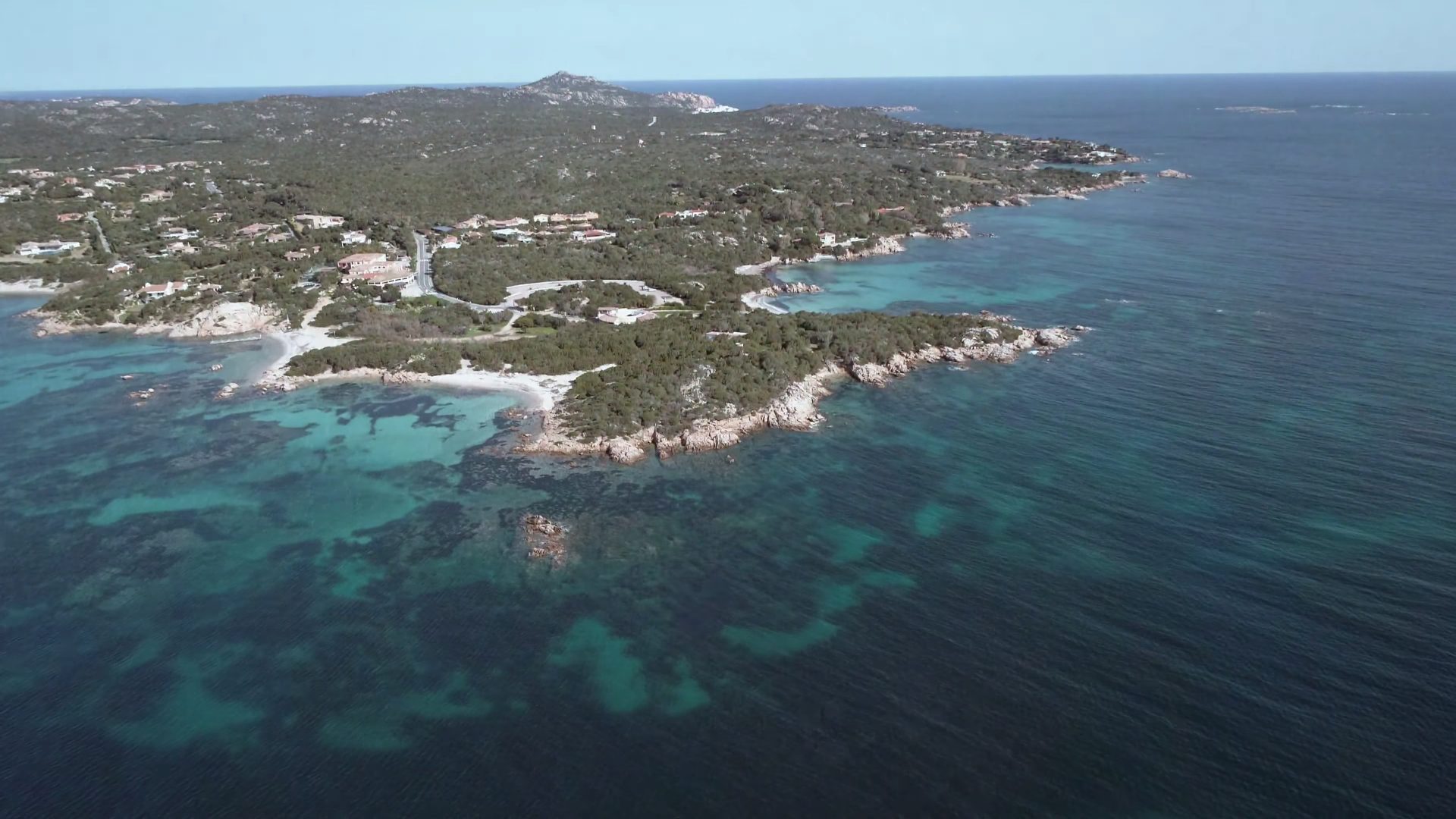
Sardinia is bigger than you think, and the single biggest mistake I see people make is treating it like one place you can “see” from one hotel. You can’t. So let’s sort out where to stay in Sardinia based on the kind of trip you actually want.
Short version: pick Alghero in the northwest for first-timers who want an old town plus beaches, Costa Smeralda and Olbia in the northeast for glamour and the prettiest coves, and Cagliari in the south if you want a real city and the easiest car-free base. The “best” base is the one that matches your trip, not a ranking.
I’ll go region by region below, but here’s the at-a-glance version first, because most people just want the table.
Where to stay in Sardinia: quick comparison table
| Area / Base | Vibe | Best for | Need a car? | Nearest airport |
|---|---|---|---|---|
| Costa Smeralda / Porto Cervo | Polished, glamorous, expensive | Couples, splurge, sailing | Yes | Olbia (OLB) |
| Olbia & Gallura coast | Practical, well-connected, cheaper base | Value-minded north explorers | Helpful (walkable town) | Olbia (OLB) |
| Alghero & Riviera del Corallo | Catalan old town + beaches | First-timers, no-car travelers | No (beaches easier with one) | Alghero (AHO) |
| Cagliari & the south | Real city, history, food, Poetto | First-timers, city lovers, no car | No (great car-free) | Cagliari (CAG) |
| Villasimius / Costa Rei / Chia | Calm sand, resort-beach | Families, beach-only | Yes | Cagliari (CAG) |
| Ogliastra / Cala Gonone (east) | Wild, dramatic, fewer crowds | Couples, hikers, escape | Yes (strongly) | Cagliari or Olbia |
| Oristano & Sinis (west) | Quiet, quartz beaches, local | Slow travel, repeat visitors | Yes | Cagliari or Alghero |
| Interior / agriturismo | Rural, food, mountains | Add-on nights, road-trippers | Yes (essential) | Any |
Skim that, find your row, then read the section that matches. If you want the wider Italy picture, the where to stay in Italy guide zooms out, and the Sardinia travel guide is the parent for everything island-specific.
The one decision that changes everything: a car
Before you book a single night, answer this: are you renting a car?
Because Sardinia rewards drivers and punishes those who assume the buses will save them. The best beaches and the wild coves are not on a train line, and outside the main towns, public transport thins out fast. If you want to beach-hop, move between bases, or reach the famous coves, a car is essentially required.
There are exactly two bases where you can have a genuinely good trip without one: Cagliari and Alghero. Both are walkable, both have an airport, and both let you reach at least one swimmable beach by city bus, plus day-trip beaches by organized boat tour. Everywhere else, plan on driving. I get into the no-car strategy in detail in Sardinia without a car, and the Italy transportation guide covers ferries and the wider logistics.
So as you read each area below, watch the “car” note. It matters more here than almost anywhere else in Italy.
Costa Smeralda, Olbia & Gallura (northeast): glamour and the famous coves
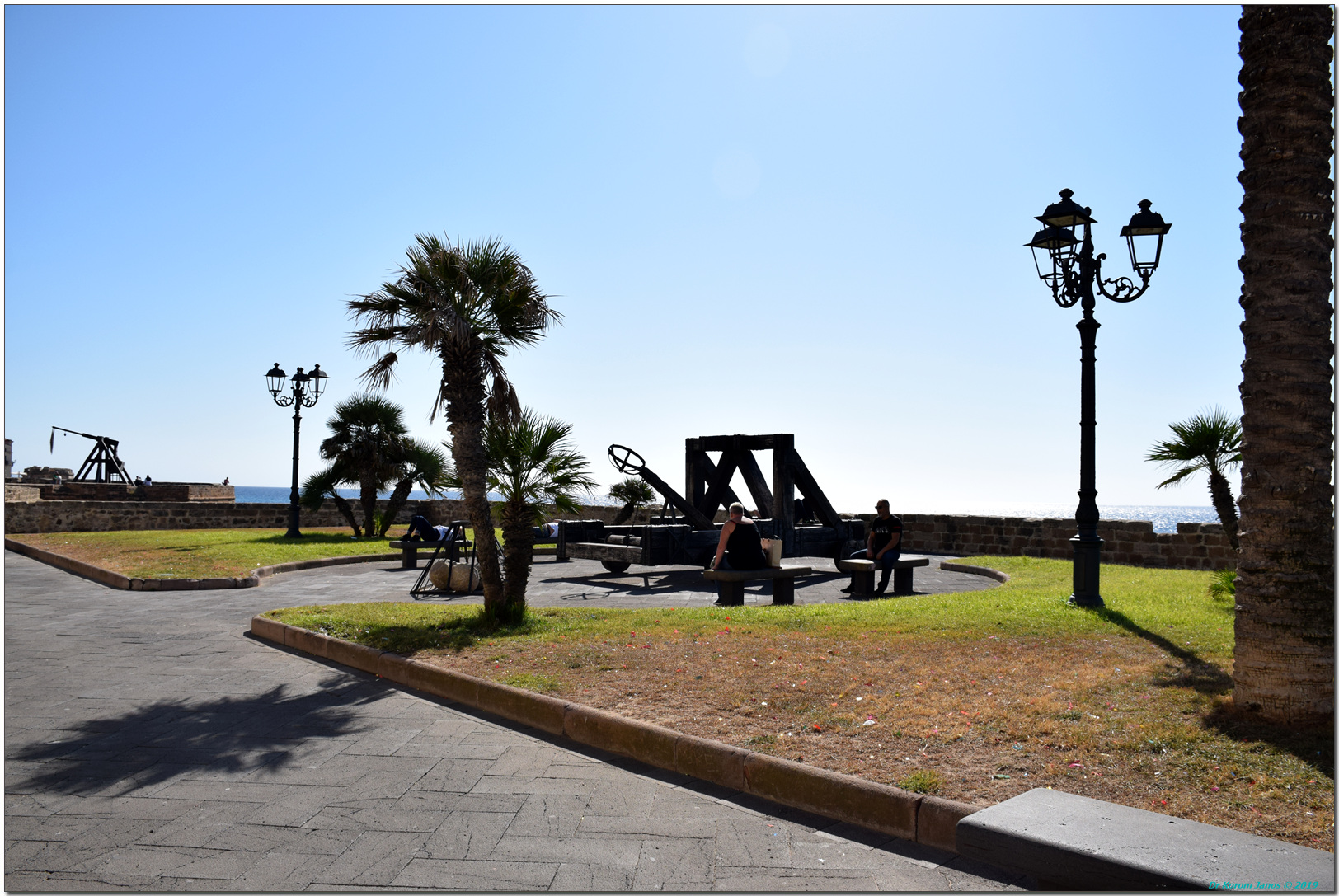
This is the Sardinia from the postcards. The northeast, around the Costa Smeralda, is where the water turns that improbable mint-green over white sand, where mega-yachts park off Porto Cervo, and where a lot of Italy’s beautiful-people summer happens.
If you want the dream version and you don’t mind paying for it, base here. The coves between Porto Cervo, Baja Sardinia, and the Capriccioli beaches are genuinely as good as the photos. It’s also the natural launch pad for sailing and for boat trips out to the La Maddalena archipelago, which for my money is the single prettiest day on the island.
What the Costa Smeralda is not is authentic, working Sardinia. The resorts were master-planned in the 1960s, the prices are aimed at a yacht crowd, and in August the whole strip can feel like a velvet-rope version of the island rather than the island itself. I love a day here. I’m less sure about a week, unless beach-club glamour is precisely the holiday you’re after.
The catch is price. Costa Smeralda is the most expensive corner of Sardinia, full stop. Around 2026, a good mid-range hotel elsewhere on the island runs roughly €100 to €160 a night, and the Costa Smeralda area can easily run double that in July and August. Peak-season rooms here sell out months ahead, so this is not a wing-it region.
Where to stay in the northeast on a normal budget
Here’s the move most savvy travelers make: sleep in Olbia and drive to the glamour. Olbia is the workaday town with the airport (OLB) and the main ferry port, it’s perfectly pleasant, it’s walkable, and hotels run noticeably cheaper than the resort strip 30 minutes north. You rent a car, you do the famous beaches by day, and you’re not paying Porto Cervo prices to sleep.
For a quieter family-friendly version of the northeast, look at San Teodoro just south, where the sand is soft and shallow and the vibe is calmer. And for couples who want pretty without the full circus, Santa Teresa di Gallura on the northern tip is lovely and a touch more relaxed.
- Vibe: glamorous coast, practical town hub in Olbia
- Best for: couples, splurge trips, sailors, beach-hoppers
- Lodging: resorts and boutique hotels on the coast; cheaper hotels and apartments in Olbia
- Car? Yes, for everything outside Olbia town
- Airport: Olbia (OLB)
Alghero & the Riviera del Corallo (northwest): the easy first-timer pick
If you asked me where one base does the most for a first trip, I’d point northwest to Alghero. It’s the rare spot that gives you a real, walkable old town and good beaches and its own airport.
Alghero was founded by Catalans in the 14th century, and that history still shows up everywhere, in the street signs, the sandstone walls you walk along at sunset, the seafood-forward food. People call it “little Barcelona,” which oversells it slightly, but the feel is right. You can spend an evening just wandering the bastioni with a gelato and feel like you’ve arrived somewhere with a soul.
The town’s own beach is fine but not the showpiece. The good swimming is a short hop away at Le Bombarde and Lazzaretto, and the wider Riviera del Corallo gives you the dramatic Capo Caccia cliffs and Neptune’s Grotto by boat. With a car you can also reach the spectacular La Pelosa beach near Stintino on a day trip.
Crucially, Alghero is one of the two best car-free bases on the island. You fly into Alghero (AHO), bus or taxi into the center, and you can reach a swimmable beach by local bus. You won’t get to every cove without wheels, but you can have a great, relaxed week without ever driving. Pair this section with the dedicated Alghero travel guide for the on-the-ground detail.
- Vibe: historic Catalan old town with beaches attached
- Best for: first-timers, couples, no-car travelers, history-plus-beach
- Lodging: old-town boutique hotels and B&Bs, apartments, a few resort hotels just outside
- Car? No for the town and nearest beaches; yes to roam the coast
- Airport: Alghero (AHO)
Cagliari & the south: the best city base and the smartest no-car choice
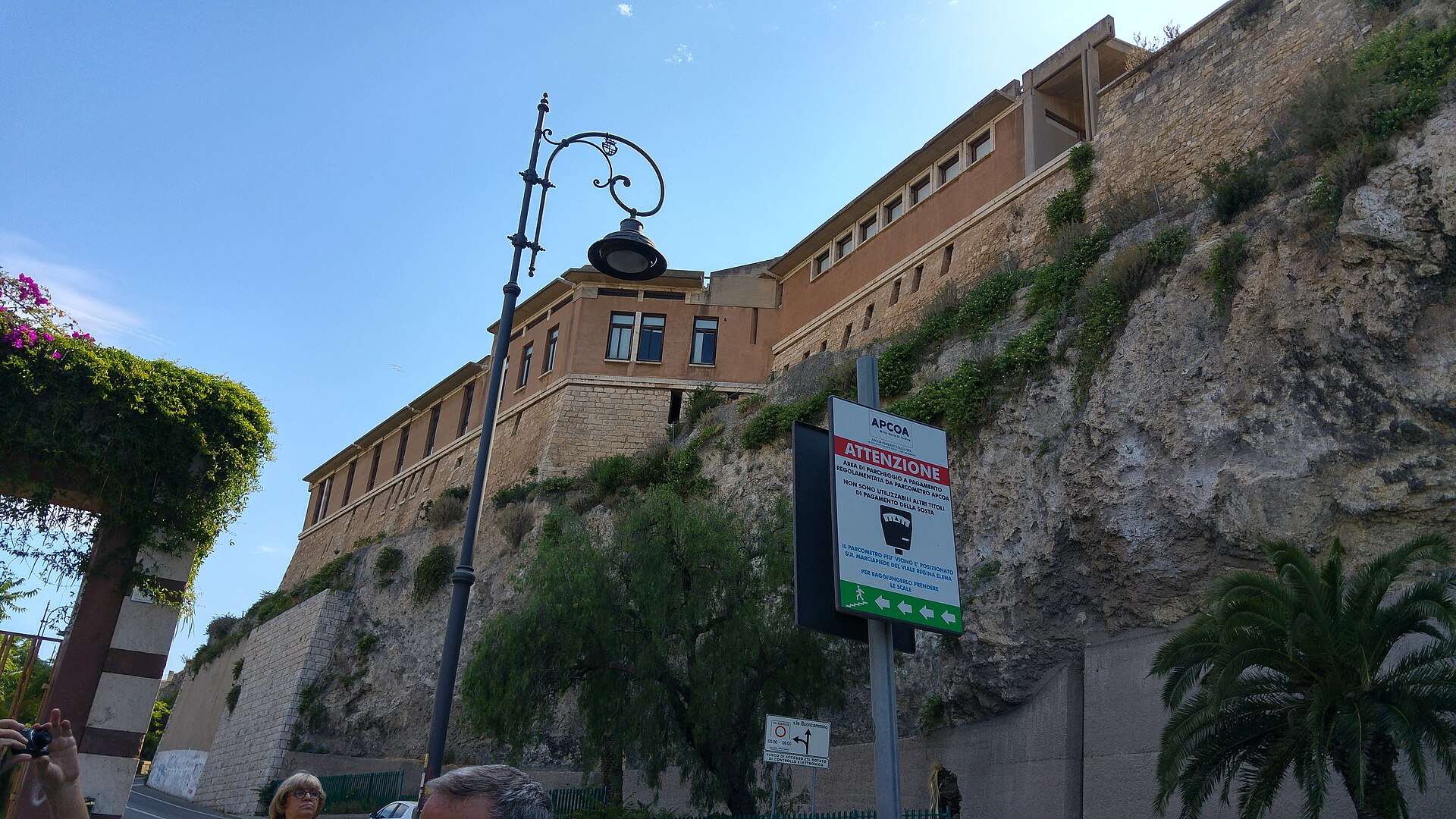
Cagliari is Sardinia’s capital and, honestly, the most underrated base on the island. People treat it as the place they land and leave. Don’t. It’s a proper city with a layered old quarter (the Castello district climbing the hill), serious food, a buzzy aperitivo scene, and an actual city beach.
That beach is the headline for car-free travelers: Poetto runs for kilometers right at the edge of town and you can reach it on a city bus in minutes. No other Sardinian capital-level base hands you a beach that easily. Add the airport (CAG, the island’s biggest) and the ferry port both right there, and Cagliari becomes the most convenient place to stay in Sardinia if you’re not renting a car.
It’s also the gateway to the south’s best day trips. With a car (or in some cases a seasonal bus or boat tour), you can reach Villasimius and the Capo Carbonara beaches to the east, and Pula, Nora’s Roman ruins, and the Chia dunes to the southwest. You sleep in a real city at night and hit gorgeous beaches by day.
On budget: Cagliari is generally kinder to your wallet than the Costa Smeralda, with a wide spread of hotels, B&Bs, and apartments. It’s the base I’d hand a nervous first-timer or anyone who wants culture and food alongside the sand. For the deep dive, see the Cagliari travel guide.
Villasimius, Costa Rei & Chia: where families and beach-only travelers should sleep
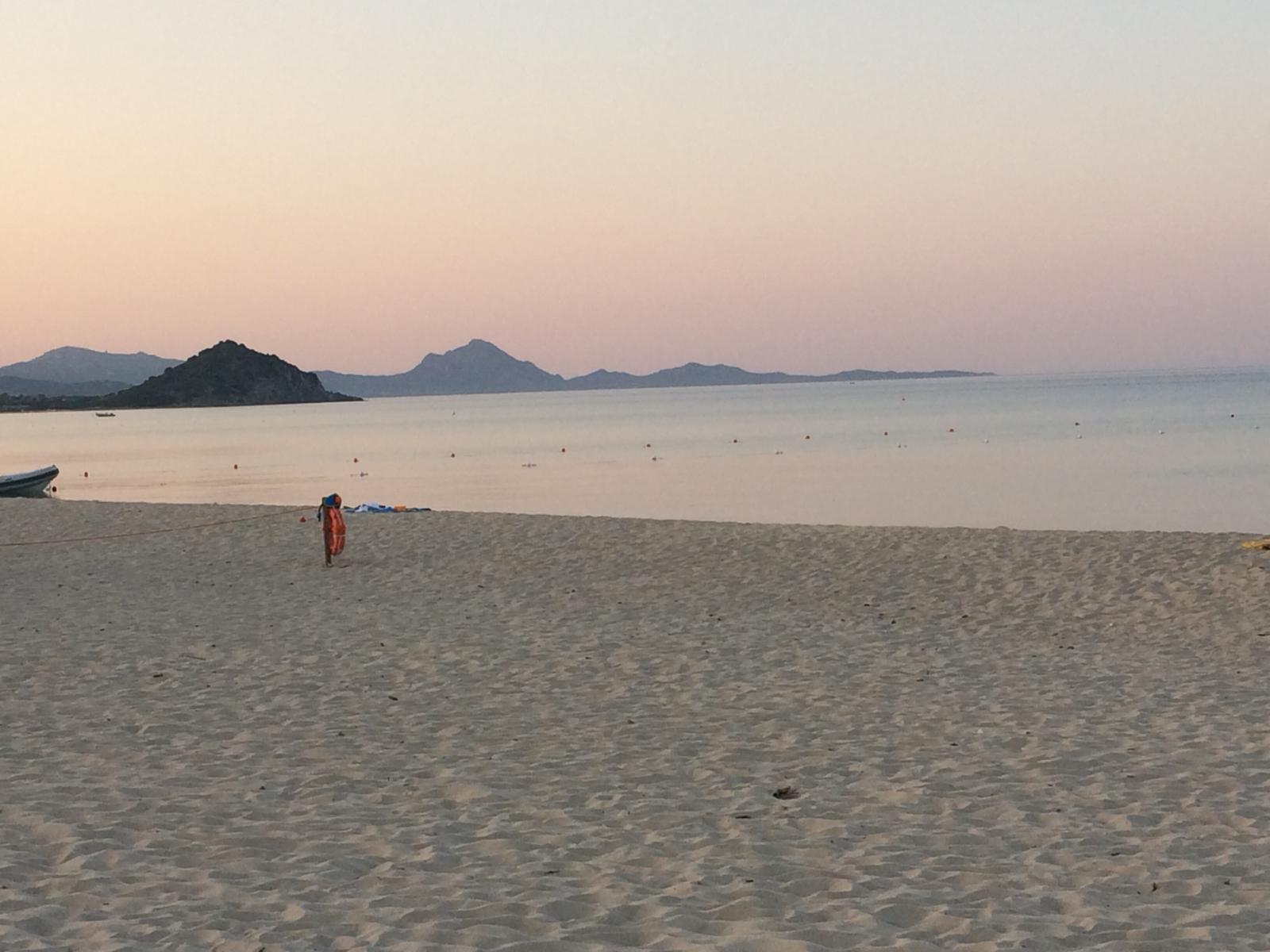
If your trip is mostly about the kids and the water, don’t base in the city. Base on the beach, in the south.
Villasimius is the family favorite for good reason: long stretches of soft sand, shallow calm water, and a low-key town with enough restaurants and gelato to keep everyone happy. Costa Rei nearby is similar, a long sandy run that’s made for buckets and spades. To the southwest, Chia gives you dunes and turquoise shallows with a slightly more upscale resort feel.
These are car places. There’s no efficient public-transport version of a beach-resort holiday out here, so plan on driving the roughly hour from Cagliari airport and using the car to vary which beach you hit. The trade-off is worth it: this is the part of the south where you can walk out of your hotel and onto sand. If you’re choosing your stretches of sand carefully, my best beaches in Sardinia roundup ranks them.
- Vibe: calm resort-beach, family-paced
- Best for: families, beach-only trips, swimmers
- Lodging: beach resorts, aparthotels, holiday apartments
- Car? Yes
- Airport: Cagliari (CAG)
Ogliastra & the east coast (Cala Gonone, Arbatax): wild and uncrowded
Now for my sentimental favorite. The east coast, the province of Ogliastra and the area around the Golfo di Orosei, is the wild Sardinia, where limestone cliffs drop into water so clear it looks fake and the most famous beaches, like Cala Luna, Cala Mariolu, and Cala Goloritzè, are reachable only by boat or by a proper hike.
Base in Cala Gonone or down near Arbatax if you want dramatic landscapes, fewer crowds than the northeast, and a slower, more local rhythm. Cala Gonone is a small cliffside town that exists to launch you onto boats into the gulf. Arbatax and the surrounding Ogliastra coast is where Italians-in-the-know go for a laid-back week of coves and good, unfussy seafood.
This is firmly car country, and even with a car, the headline beaches are a boat ride away. That’s the deal here: you trade convenience for scenery and elbow room. For couples who find the Costa Smeralda too glossy, this coast is the antidote. It’s also the most spectacular driving on the island, which feeds nicely into a two-base Sardinia itinerary.
- Vibe: rugged, cinematic, quieter
- Best for: couples, hikers, repeat visitors, scenery over convenience
- Lodging: small hotels, B&Bs, agriturismi, apartments
- Car? Yes, strongly, plus boats for the famous coves
- Airport: Olbia (OLB) for the north end, Cagliari (CAG) for the south end
Oristano & the Sinis peninsula (west): quiet, quartz-white beaches
The west-central coast around Oristano is where you go when you’ve “done” Sardinia once and want the version without the crowds. The Sinis peninsula has those famous quartz-pebble beaches, Is Arutas being the star, where the sand is made of tiny white-and-pink grains, plus flamingo lagoons and the Phoenician ruins of Tharros on a windswept point.
It’s quiet here, genuinely. Fewer big resorts, more agriturismi and simple seaside apartments, more Sardinians than tourists. The town of Oristano itself is a workmanlike provincial capital, pleasant rather than pretty, so most people sleep closer to the coast at Cabras or out on the peninsula.
This is not a first-timer base and it’s not a no-car base. But for slow travel, for surfers and windsurfers (the west coast catches the mistral), and for anyone allergic to crowds, it’s a quietly wonderful place to spend a few nights.
- Vibe: local, low-key, distinctive beaches
- Best for: repeat visitors, slow travel, wind sports
- Lodging: agriturismi, B&Bs, seaside apartments
- Car? Yes
- Airport: Cagliari (CAG) or Alghero (AHO)
The interior & agriturismo: the option everyone forgets
Almost every guide tells you to stick to the coast, and for a first trip, that’s right. But Sardinia’s interior, the mountains of the Barbagia and the Supramonte, the shepherd villages, the Bronze Age nuraghe scattered across the hills, is the island’s real heart.
You won’t base your whole trip here. What you might do is add a night or two at an agriturismo, a working farm that puts you up and feeds you a long, ridiculous dinner of their own pork, cheese, bread, and wine. It’s the best-value, most memorable food you’ll eat in Sardinia, often for a fraction of coastal restaurant prices.
This is purely a car play, the whole point is being out in the rural quiet. Slot it between two coastal bases on a road trip and it becomes the night people talk about afterward. For the broader money picture across lodging types, the Italy travel budget guide is useful.
One base or two? And which lodging type?
For a trip of a week or less, I’d keep it to one or at most two bases. Sardinia is large and the drives are scenic but real, so hopping nightly just means you spend your holiday packing. A classic split: a few nights in the northeast for the famous coves, a few in Alghero for the old town and northwest beaches. Or, going south: Cagliari for the city, then a beach base like Villasimius.
With ten days to two weeks, you can comfortably run two or three bases, and that’s when adding the east coast or the south alongside the north really pays off. One thing to internalize: the island looks compact on a map but the drives are long, and the coast roads are slow and winding rather than fast motorway. Reckon on three to four hours to cross from the far south to the far north, so building your trip around two anchored bases beats chasing a new town every night.
On lodging type, quick guidance:
- Resorts make sense on the Costa Smeralda and the southern beach strips (Chia, Villasimius), where the hotel itself is part of the holiday.
- B&Bs and boutique hotels shine in old-town Alghero and Cagliari, where you want to walk out the door into the town.
- Apartments are the value play for families and longer stays, especially in the beach areas.
- Agriturismi are for the interior and the quieter coasts, and for anyone who travels on their stomach.
Best time to go, and what it does to where you stay
Quick seasonal reality check, because it changes both price and which base makes sense.
High season is roughly June through August, with the warmest water and everything open, and also the biggest crowds and the steepest prices. August is the peak of the peak, when Italians take their own holidays, the Costa Smeralda goes full circus, and rooms get scarce and pricey across the island. If you’re set on August, book early and expect to pay for it, especially in the northeast.
The shoulder seasons, around May and late September into October, are my pick: water still swimmable in many spots, prices softer, towns breathing again. Spring and autumn also make the city bases of Cagliari and Alghero shine, since you’re not relying solely on beach weather. For the wider seasonal calendar, see best time to visit Italy.
Final thoughts
Stop trying to find the one perfect base, and start matching the base to your trip. First-timers who want everything: Alghero. City lovers and no-car travelers: Cagliari. Glamour and the best coves: Costa Smeralda, sleeping in Olbia if you’re watching the budget. Families: the southern beaches. Couples chasing wild scenery: the east coast.
Whatever you choose, rent a car unless you’re committed to a Cagliari or Alghero base, and if you’re going in August, book early and brace for the prices. Get that right and Sardinia delivers one of the best beach trips in the Mediterranean. For the bigger island picture, the Italian islands overview and the best beaches in Italy guide are good next reads.
Questions travellers ask
Is it better to stay in north or south Sardinia?
For a first trip of under ten days, I lean north: it has the easiest mix of showpiece beaches and efficient bases, with Alghero and the Costa Smeralda area as anchors. The south, built around Cagliari, is the better call if you want a real city, great food, and a slower pace, or if you’re traveling car-free.
Is Alghero or Cagliari better?
Different trips. Alghero is the smaller, prettier, more atmospheric old-town stay, with Catalan character and beaches close by, ideal for couples and first-timers. Cagliari is a bigger, livelier capital with more nightlife, food, and the city beach at Poetto. For car-free travelers, both are excellent; pick Alghero for charm, Cagliari for city energy and the easiest beach access.
Where should I stay in Sardinia without a car?
Cagliari and Alghero, comfortably. Both are walkable, both have airports, and both let you reach a swimmable beach by city bus, with day-trip beaches reachable by organized boat tour. Cagliari edges it for sheer convenience thanks to Poetto beach and the island’s main airport. Everywhere else, you’ll really want a rental car.
Where is the best place to stay in Sardinia for families?
The southern beach towns: Villasimius, Costa Rei, and Chia, where the sand is soft and the water is shallow and calm. San Teodoro in the northeast is the equivalent up north. These are car-based stays where you can walk from your hotel onto the beach, which is exactly what you want with kids.
Which part of Sardinia has the best beaches?
The northeast (Costa Smeralda and the La Maddalena archipelago) and the east coast’s Golfo di Orosei (Cala Luna, Cala Mariolu, Cala Goloritzè) get the most acclaim, the latter reachable mainly by boat or hike. The south around Villasimius and Chia and the quartz beaches of the western Sinis peninsula are also stunning, with fewer crowds.
How many days do you need in Sardinia?
A week is the sensible minimum, and with seven days I’d stick to one region, north or south, rather than trying to circle the island. Ten days to two weeks lets you run two or three bases and combine, say, the northeast coves with Alghero, or Cagliari with a beach base and the east coast. Less than five days, just pick one base and relax.
Is Costa Smeralda worth it?
If you want glamour, sailing, and the most photogenic coves, and the budget isn’t the deciding factor, yes. The beaches genuinely live up to the hype. If you’re price-sensitive, base in Olbia or San Teodoro instead and drive in for the famous beaches, because around 2026 the Costa Smeralda’s peak-season rooms can run roughly double the rest of the island.