Practical Information, Safety & Etiquette
Pharmacies, Health Care and Travel Insurance in Italy
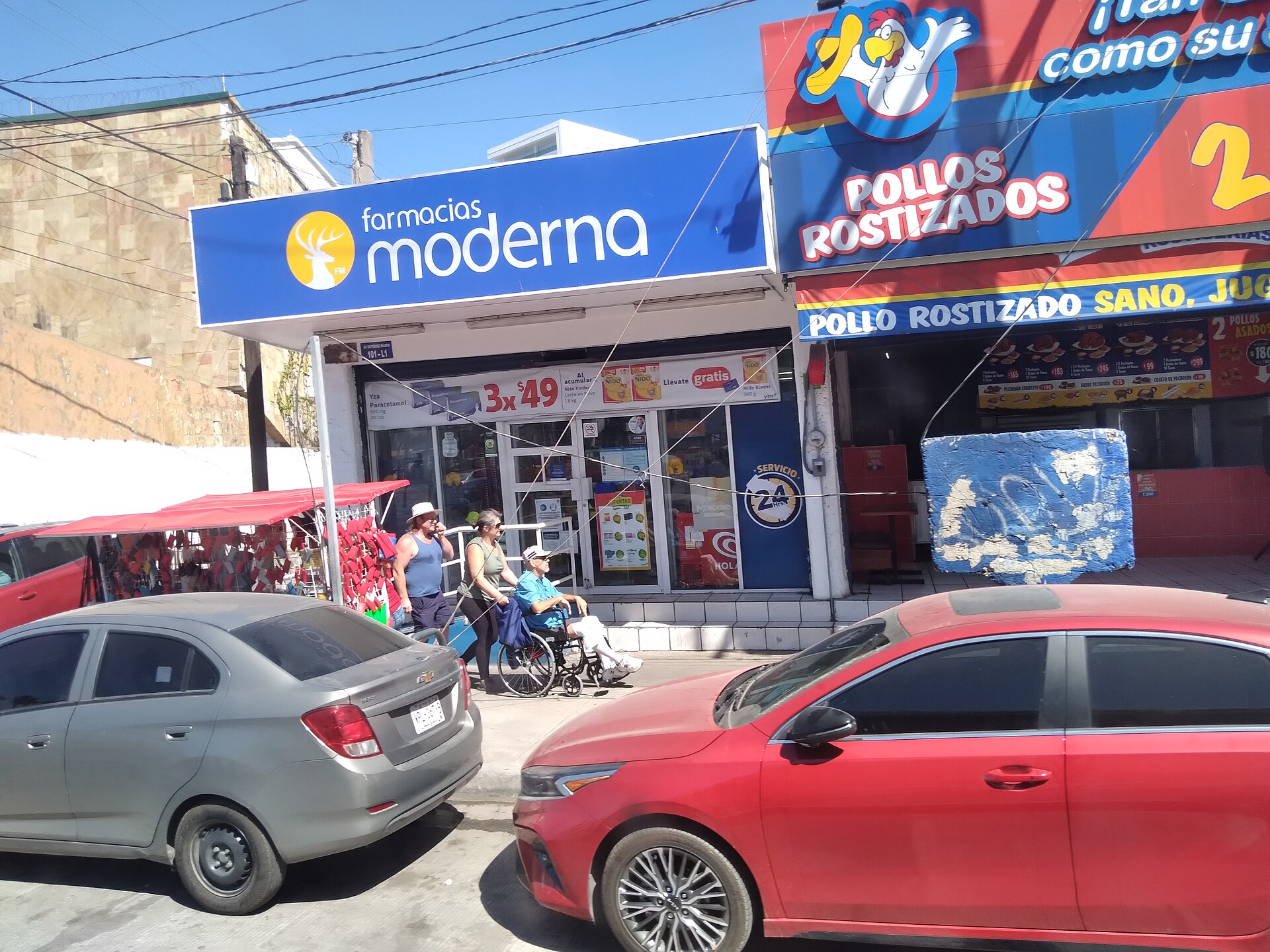
The first time I needed help on a trip to Italy, it was nothing dramatic. A sinus headache, a museum afternoon turning to a slog, and no pills left in my bag. So here’s the short answer up front. Italy pharmacies (called farmacie, each marked by a glowing green cross) are excellent first stops for minor problems: the pharmacists are highly trained, can listen to your symptoms, advise you, and sell you a wide range of remedies without a prescription. Save the hospital for the serious stuff: anything frightening or life-threatening goes to pronto soccorso (the ER) or a call to 112.
That headache proves the point. I walked into the nearest farmacia, said three broken words and pointed at my forehead, and the pharmacist handed me a box, told me the dose, and charged me a few euros. I was out the door in four minutes. No appointment, no doctor, no drama, the small moment that taught me how this whole system works.
This guide is for the traveler who wants to know, before something goes wrong, exactly where to go for a headache versus a high fever, what a pharmacist can actually do, how your home health cover does (or does not) follow you here, and why travel insurance is worth it. I’ll keep costs and insurance specifics framed as approximate, because they shift and they vary by region. Confirm anything that matters with official sources and your own insurer before you rely on it. And to say it plainly up front: nothing here is medical advice. For anything beyond a minor, familiar complaint, see a professional.
Where do I go? A quick decision table
Before any of the detail, here’s the whole map in one place. This is the single thing I wish someone had handed me on my first trip: a clear answer to “I feel bad, where do I actually go?” Treat it as a starting point, not a diagnosis.
| Situation | Where to go | Notes |
|---|---|---|
| Headache, cold, sore throat, mild fever, blister, sunburn, heartburn, hay fever | Farmacia (pharmacy) | No prescription needed for most of this. Describe your symptoms; the pharmacist advises and sells you something. |
| Need a refill of a regular medication you take | Farmacia, but you’ll usually need an Italian prescription | Bring a doctor’s note and the generic drug name. A pharmacist can advise; a prescription may require a doctor. |
| Minor issue at night or on a Sunday | Farmacia di turno (the on-duty/night pharmacy) | Every pharmacy posts the rota on its door. One in the area is always open. |
| Non-emergency illness after hours (fever that won’t break, ear infection, bad UTI) when pharmacies can’t help | Guardia medica (out-of-hours doctor) or call 116117 | The European non-urgent medical number. Connects you to a health professional; can direct you to the on-call doctor. |
| Possible broken bone, deep cut, persistent high fever, anything you’d take seriously at home | Pronto soccorso (hospital ER) | Walk in or get there. You’ll be triaged by colour code. Minor cases wait; serious cases are seen fast. |
| Chest pain, stroke signs, severe bleeding, trouble breathing, unconsciousness, major accident | Call 112 (or 118) immediately | Free, works from any phone, connects to ambulance dispatch. Care is given to everyone regardless of nationality or insurance. |
Notice the shape of this. Most travel ailments never leave the pharmacy. The hospital is for genuine emergencies, and there’s a useful middle layer (the out-of-hours doctor) for the times you’re too unwell for a pharmacist but it isn’t a 112 situation. Get those three tiers straight and you’ve solved most of what this article is about.
How the farmacia system works
Let me start with the place you’re most likely to use, because for the vast majority of visitors the pharmacy is the health care system they’ll touch.
The green cross and what it means
Every pharmacy in Italy is marked by the same standardized green cross, usually illuminated and often blinking, mounted over the door or jutting out into the street. Once you’ve clocked it, you’ll start seeing them everywhere, in big cities and small towns alike. It’s one of the most useful symbols to learn before you go, because it works the same in Rome, in a Sicilian village, and up in a mountain resort.
That green cross signals a full farmacia: a shop run by a licensed pharmacist (farmacista) who has completed a five-year university degree. This is not a checkout clerk. The person behind the counter is a trained health professional, and in Italy they function as genuine community advisors. You can walk in, describe how you feel, and they’ll point you to the right product, even when you don’t know what it’s called.
Opening hours and the rotating night pharmacy
Standard pharmacy hours run roughly 8:30 a.m. to 1:00 p.m. and then 3:30 p.m. to 7:30 p.m., Monday through Saturday, with reduced or no hours on Sundays. That midday gap trips up a lot of visitors: walk up at 2 p.m. and you may find the shutter down for the lunch break. In bigger cities and tourist centers, plenty of pharmacies now stay open through the day (orario continuato), but don’t count on it in smaller places.
Here’s the part that genuinely matters at 11 p.m. when your kid has a fever: Italy runs a rotating duty system called the farmacia di turno. At any given hour, including overnight and on holidays, at least one pharmacy in the area is open on a rota. So even when “the” pharmacy you saw earlier is closed, another one nearby is on duty.
How to find the on-duty one:
- Check the door of any closed pharmacy. By law they post the rota (turni) listing which pharmacies are open and when, with addresses. Even a dark, shuttered farmacia will tell you where to go.
- Search online. Sites like farmaciediturno.org let you search the on-duty and open pharmacies near an address for a given time. A quick search for “farmacia di turno” plus your town, or “farmacia notturna” (night pharmacy), usually surfaces it.
- Use a map app. Typing “farmacia” or “farmacia vicino a me” into a maps app shows nearby pharmacies and often whether they’re open right now.
- Ask your hotel. Reception almost always knows the nearest open pharmacy and can point you there.
One practical note: some night pharmacies serve you through a window or hatch rather than letting you wander the shop after hours, and a small after-hours surcharge can apply. That’s normal, not a scam.
What pharmacists can do without a doctor (Italy pharmacies for minor problems)
This is the section to internalize, because it’s where Italy pharmacies quietly outperform the equivalent shop back home. An Italian pharmacist can do a lot more than ring up a box of something off an open shelf.
Walk in with everyday complaints (a headache, a sore back, a cold, hay fever, heartburn, a mild fever, a blister, traveler’s stomach, a sunburn) and you generally do not need a prescription. You describe the problem and the pharmacist recommends and sells you something appropriate. Many of these medicines live behind the counter rather than on open shelves, which surprises visitors used to grabbing painkillers off a supermarket aisle. That’s not a hurdle; it’s the system working as designed, with a professional between you and the product.
Two categories are worth knowing by name. Farmaci da banco (often shortened to OTC) are true over-the-counter medicines. Farmaci SOP (senza obbligo di prescrizione) are medicines sold without a prescription but kept behind the counter, where the pharmacist hands them over. For you as a traveler, the practical effect is the same: ask, and you’ll likely get it without a doctor.
What a pharmacist will commonly help with, no prescription required:
- Pain and fever relief (paracetamol, ibuprofen)
- Cold, cough, and congestion remedies, throat lozenges, decongestant sprays
- Antihistamines for hay fever and mild allergic reactions
- Antacids and heartburn relief
- Anti-diarrheal medicine and oral rehydration salts for stomach upsets
- Motion-sickness tablets
- Antiseptics, plasters, blister care, bandages, basic wound supplies
- Sunscreen and after-sun care
- Insect-bite relief and repellent
Where the line sits: a pharmacist can advise and sell non-prescription remedies, but they cannot diagnose a serious condition or hand out prescription-only drugs (most antibiotics, for instance) without a valid prescription. If your problem is beyond a minor, familiar complaint, a good pharmacist will tell you to see a doctor or go to the ER, and you should take that seriously.
Common medicine names in Italian
Half the battle at the counter is knowing what to ask for, because brand names differ from what you use at home. Here’s a cheat sheet of the ones I find most useful. (These are general identifiers to help you communicate, not dosing guidance. Always follow the pharmacist’s instructions and the label.)
| What you might call it | In Italy, ask for | Common brand names you’ll see |
|---|---|---|
| Acetaminophen / Tylenol / paracetamol | paracetamolo | Tachipirina, Efferalgan |
| Ibuprofen / Advil / Nurofen | ibuprofene | Moment, Nurofen, Brufen |
| Antihistamine (allergy) | antistaminico | various; describe “hay fever” / allergia |
| Antacid / heartburn relief | antiacido / per il bruciore di stomaco | various |
| Anti-diarrheal | antidiarroico | various |
| Oral rehydration salts | sali reidratanti | various |
| Plasters / bandages | cerotti | various |
A genuinely useful phrase: “Mi può consigliare qualcosa per…” (“Can you recommend something for…”) followed by pointing at the body part or miming the problem. Pharmacists in tourist areas often speak some English, but don’t assume it, and a little Italian effort goes a long way.
Bringing your own prescription medication
If you take regular medication, the safe move is to bring enough for your whole trip in its original, labeled packaging, and to carry a copy of your prescription or a letter from your doctor listing the generic drug names (not just the brand). Brand names vary country to country; the generic name is what a pharmacist anywhere can recognize.
The thing to understand: a prescription from home is generally not valid in Italy. An American or other non-EU prescription won’t be honored at the counter, so you can’t simply walk in and refill a prescription-only drug on the strength of your home paperwork. If you run out or lose your supply, you’ll typically need to see a doctor in Italy to get an Italian prescription, then fill it at a pharmacy. For EU/EEA travelers, a cross-border prescription system exists, but it’s smoother to bring your own supply. The exact rules and what counts as the documentation you need to carry sit with entry and customs guidance, so check the details in my Italy entry requirements rundown and confirm with your own pharmacist before you fly. A few medicines that are routine elsewhere are controlled in Italy, which is another reason to carry the doctor’s note.
For what to physically pack so you don’t get caught short in the first place, I keep a separate, detailed our Italy packing rundown that covers assembling a small personal medical kit, so I won’t duplicate it here.
Parafarmacia vs farmacia
You’ll also see parafarmacie, often marked with a blue cross rather than green. It’s worth knowing the difference so you don’t waste a trip.
A farmacia (green cross) is the full pharmacy: it can dispense prescription medicines, sell the behind-the-counter SOP medicines, and give professional advice. A parafarmacia (typically blue cross) sells over-the-counter products, vitamins, supplements, cosmetics, and some non-prescription medicines, but it cannot dispense prescription drugs. Supermarkets, too, may carry a small range of basic non-prescription items.
For a tourist, the rule of thumb is simple: for anything beyond the most basic remedy, and for anything that might need a prescription, head for the green cross. A parafarmacia is fine for vitamins and a packet of plasters; a farmacia is the safer default.
Health care for tourists in Italy: how access actually works
Now the bigger picture, because eventually someone reading this will have a problem a pharmacist can’t solve. Italy’s public health system is the Servizio Sanitario Nazionale (SSN), and how it treats you as a visitor depends a lot on where you’re from. Let me split it the way it actually breaks down.
EU/EEA and Swiss visitors (EHIC)
If you’re covered by an EU or EEA country (or Switzerland), your European Health Insurance Card (EHIC) is the key. It entitles you to medically necessary state-provided treatment in Italy on the same terms, and at the same cost, as an Italian resident. “Medically necessary” means care that can’t wait until you get home: a sudden illness, an accident, the flare-up of a chronic condition, pregnancy-related care.
Two honest caveats. First, the EHIC does not make everything free; it gives you resident-equivalent terms, and Italians themselves often pay a co-payment (the ticket) for certain services and prescriptions. Second, it only covers you within the public system and providers accredited with the SSN, not private clinics. Present the card (a paper copy is wise) along with photo ID when you’re treated. The official EU healthcare guidance is the authority here, and it’s worth a look before you travel.
UK visitors (GHIC)
Post-Brexit, UK travelers use the UK Global Health Insurance Card (GHIC), which replaced the old EHIC for most people. (If you still hold a valid UK EHIC, you can use it until it expires.) The GHIC gives UK visitors access to state-provided care in Italy at the same cost as a local resident, much like the EHIC.
Here’s the limitation the UK government itself is blunt about, and that page-one travel articles tend to gloss over. In the NHS’s own words, a UK EHIC or GHIC “is not a substitute for travel insurance. It may not cover all health costs and never covers repatriation costs.” It also doesn’t cover private treatment, or things like a fit-to-fly certificate or being flown home. The card is free to apply for through the official NHS service; ignore any site that charges a fee. So the GHIC is genuinely useful, but think of it as the floor, not the whole house. The UK government’s Italy hospitalisation guidance spells out how it works on the ground, right down to needing to give your card details to the hospital admin office before you leave to avoid a surprise bill.
Non-European visitors (US, Canada, Australia and others)
If you’re coming from the United States, Canada, Australia, or anywhere without a reciprocal health agreement with Italy, this is the most important paragraph in the article for you. You have no automatic cover. There’s no card that gets you resident rates. Italian medical facilities generally do not accept US (or other home-country) health insurance, and you’ll often be asked to pay upfront and claim back later.
That doesn’t mean you’ll be turned away in a true emergency: emergency care is provided to everyone, and the system will treat you first and sort out payment after. But for anything non-trivial you are, in effect, a private payer, and bills for hospital stays and especially for medical evacuation can be very large. This is exactly why travel insurance is non-negotiable for non-European visitors, and I’ll get to what to look for below.
Going to the doctor or the ER as a tourist
Pronto soccorso (the ER) and triage colours
For an accident or anything you’d treat as urgent at home, the hospital emergency department, pronto soccorso, is your destination, and it’s open to everyone regardless of nationality or insurance. When you arrive, a nurse or doctor assesses you and assigns a colour code (triage), which determines how fast you’re seen. Per the UK government’s Italy guidance, the codes run: Red (most urgent, immediate), Yellow, Blue, Green, and White (least urgent).
The practical reality: if you turn up with something genuinely serious, you’ll be seen quickly. If you turn up with something minor (a white or green code), be prepared to wait, sometimes many hours, in a busy city ER, because you’re correctly being deprioritized behind heart attacks and serious trauma. White-code, non-urgent cases are also generally charged a fee. The lesson isn’t “don’t go,” it’s “don’t use the ER for things a pharmacist or out-of-hours doctor should handle.” That’s what the decision table up top is for.
Guardia medica and the after-hours middle ground
Between “pharmacy” and “emergency room” sits the guardia medica, the out-of-hours/territorial medical service that covers nights, weekends, and holidays when family doctors aren’t working. It’s the right call for a non-emergency that’s still too much for a pharmacist, say a fever that won’t come down, a suspected ear or urinary infection, a child who’s unwell overnight.
Some regions, particularly in tourist-heavy areas and during peak seasons, also run a guardia medica turistica aimed specifically at visitors, often for a modest fee. Availability varies region to region, so it’s not guaranteed everywhere. The simplest way in is the European non-urgent medical number, 116117, which connects you to a health professional, can advise you, and can route you to the on-call doctor where the service exists. It’s the number to keep in your phone for the “I’m unwell but it’s not 112” situations.
Emergency numbers
Memorize these. 112 is the single European emergency number; it works from any phone, free, and connects you to police, fire, or ambulance. 118 is Italy’s dedicated medical emergency / ambulance line and also works. For a life-threatening situation (chest pain, stroke signs, severe bleeding, breathing trouble, a serious accident), call without hesitation. Emergency medical care is given to everyone, and you sort out the paperwork afterward.
Rough costs for tourists
Costs are genuinely hard to pin down because they vary by region, by hospital, and by what’s wrong, so treat every figure here as a ballpark to confirm, not a quote.
- Pharmacy remedies are cheap. Common items like paracetamol or ibuprofen typically run a few euros a box.
- A non-urgent (white-code) ER visit generally carries a fixed co-pay; figures in the rough range of around €25 to €50+ get cited, varying by region. Genuine emergencies are treated regardless.
- The out-of-hours tourist doctor (guardia medica turistica), where it exists, is usually modest, often cited around €20 or so for a visit.
- A private doctor’s visit or private clinic costs more and is paid by you (or your insurer); reckon on tens of euros and up.
- Hospital admission and, above all, medical evacuation/repatriation are where the numbers get serious. Evacuation in particular can run into the tens of thousands.
For EU/EEA and UK visitors with an EHIC/GHIC, the public-system costs you face are the resident-level co-pays (the ticket), not the full price, for accredited public care. For non-Europeans, you’re looking at the full cost unless insurance covers it. None of this should panic you; it should simply make the case for insurance, which is the next section. For broader trip budgeting beyond health, my Italy travel budget guide puts these numbers in context.
Why travel insurance matters, and what to look for
I’ll be candid: for a non-European visitor, travel insurance for Italy isn’t optional in my book, and even for EU/UK travelers it covers the gaps the EHIC/GHIC leaves wide open, most importantly repatriation. The card gets you state care at resident rates; it does not fly you home or cover a private hospital. Insurance does.
The two coverages that genuinely protect you are emergency medical treatment and medical evacuation/repatriation. A bad fall while hiking in a remote area, or an illness that needs you transported to a better-equipped hospital or flown home, is exactly the scenario that produces eye-watering bills, and it’s the scenario the EHIC/GHIC explicitly won’t touch. That’s why the repatriation line is the one I check first on any policy.
What I look for in a policy:
- Solid emergency medical coverage. Commonly cited guidance suggests at least the tens of thousands of dollars/euros; many travelers aim for $50,000+ in emergency medical.
- High medical evacuation/repatriation coverage. This is the expensive one. Figures of $100,000+ get recommended for evacuation, because air ambulance and repatriation of remains are genuinely costly.
- Coverage that includes repatriation of remains. Grim to think about, but it’s a standard, important line, and it’s a requirement for a Schengen visa (where applicable, the minimum is typically €30,000 of cover including emergency treatment, hospital care, and repatriation).
- A 24/7 assistance line you can actually call from Italy when something goes wrong.
- Clarity on pre-existing conditions. Insurers can deny claims if you didn’t disclose a prior condition, so declare everything honestly when you buy.
- Adequate trip length and limits for your itinerary, with the ability to add cover if you need it.
One practical habit that pays off: keep every receipt, prescription, and doctor’s note. That paperwork is what gets you paid, both for a travel-insurance claim and for any reimbursement an EU/UK traveler might seek later. Buy the policy before you travel, read the exclusions, and confirm the specifics with the insurer directly, because the details and limits vary a lot between providers. (For the entry-document side of insurance, like Schengen proof-of-cover, see Italy entry requirements.)
General health notes for Italy
A few things that aren’t about pharmacies or hospitals but quietly keep most travelers out of them.
Tap water is safe to drink across most of Italy. City supplies meet EU safety standards, and in Rome the famous street fountains (nasoni) flow with clean, cold mountain-spring water you can drink and refill a bottle from. In remote mountain villages, supplies can be more variable in taste and mineral content, but it’s broadly safe; if a fountain is non-potable it’ll be marked acqua non potabile. Bring a reusable bottle. While we’re on the practical side of being out and about, my guide to public bathrooms in Italy covers the other thing your body will need on a long sightseeing day.
Summer heat and sun are the real risk, far more than any disease. July and August heatwaves are genuinely serious, especially in inland cities like Rome and Florence where afternoon temperatures can be brutal. Hydrate constantly, use the midday lull the way Italians do, wear sun protection, and don’t try to power through the hottest hours. Heat exhaustion sends more travelers looking for a pharmacy than almost anything else. My best time to visit Italy guide goes deeper on dodging the worst of it.
Tick awareness in the mountains. If you’re hiking in northern Italy, particularly the Dolomites, be tick-aware: parts of northern Italy carry a risk of tick-borne illness, and the standard precautions (cover up, use repellent, check yourself after walks) apply. I cover the trails and seasons in detail in my Dolomites and Alps travel guide. A pharmacy can sell you repellent and a tick-removal tool before you head up.
No vaccinations are required to enter Italy. There are no mandatory jabs for ordinary travel. Public-health bodies do sensibly recommend being up to date on your routine vaccines (things like MMR and tetanus), and depending on your plans and where you’re from, a doctor might suggest others, but that’s a conversation for a travel-health professional well before departure, not something Italy demands at the border.
Before you go: a short health checklist
Pull these together a couple of weeks before you fly, and you’ve covered the bases:
- Buy travel insurance with strong medical and repatriation cover. Non-negotiable for non-Europeans; smart for everyone.
- EU/EEA/Swiss: check your EHIC is valid and pack it (plus a paper copy). UK: apply for a free GHIC via the official NHS site if you don’t have one.
- Pack enough of your regular medication for the whole trip, in original labeled packaging.
- Carry a doctor’s note listing your medications by generic name, in case you’re questioned or need a refill.
- Save the key numbers in your phone: 112 (emergency), 118 (ambulance), 116117 (non-urgent medical).
- Know the green cross, and how to search “farmacia di turno” for the on-duty pharmacy.
- Assemble a small personal medical kit (see the Italy packing list).
- Check entry and customs rules for any medications you’re bringing (Italy entry requirements).
- Note your insurer’s 24/7 assistance number and keep it separate from your phone in case the phone dies.
A little of this is its own reward: knowing where to go halves the stress if something does happen. For the wider picture of staying well and out of trouble, it slots in alongside the rest of my Italy travel tips, and the practical machinery of getting around when you’re not feeling your best lives in the Italy transportation guide.
Final thoughts
Here’s what I’d leave you with. Italy makes it genuinely easy to look after yourself, and most of the time the answer is “walk into the nearest green cross and ask.” The pharmacists are excellent, the emergency system is world-class and open to everyone, and there’s a sensible middle layer of out-of-hours care for the in-between moments. Learn the three tiers, save the numbers, and you’ve removed most of the worry.
The two things to actually do before you go are small and they matter: sort travel insurance with real repatriation cover, and carry your regular medication plus a note with the generic names. Do those, keep your receipts if anything happens, and you can stop thinking about it and get back to the part of the trip you c
Questions travellers ask
Can I buy antibiotics over the counter in Italy?
No. Antibiotics are prescription-only medicines in Italy, and a pharmacist cannot legally sell them without a valid prescription, just as at home. A prescription from your home country generally won’t be accepted either. If you genuinely need antibiotics, you’ll need to see a doctor in Italy (or use the out-of-hours service) to get an Italian prescription, then fill it at a pharmacy.
Do Italian pharmacists speak English?
Often, but don’t assume it, especially outside major tourist areas. In cities and resorts many pharmacists speak some English, and pharmacies are well used to helping visitors. A few Italian words help enormously: learn paracetamolo, ibuprofene, and “Mi può consigliare qualcosa per…” (“Can you recommend something for…”), then point or mime. Pharmacists are good at reading symptoms even across a language gap.
Is the GHIC or EHIC enough, or do I still need travel insurance?
You still need travel insurance. The UK GHIC (and the EU EHIC) gets you state-provided care in Italy at resident rates, but in the NHS’s own words it never covers repatriation costs, doesn’t cover private treatment, and may not cover every cost. Travel insurance fills those gaps, most importantly flying you home or to a better hospital. Carry the card and a policy; they do different jobs.
What do I do if I get sick at night in Italy?
For something minor, find the farmacia di turno, the on-duty night pharmacy; every closed pharmacy posts the rota on its door, or search “farmacia di turno” plus your town online. For a non-emergency that’s beyond a pharmacist (a fever that won’t break, a suspected infection), call 116117 for non-urgent medical help or reach the guardia medica. For anything serious or frightening, call 112 right away.
How much does it cost to see a doctor or go to the ER in Italy?
It varies by region, so treat figures as approximate. A non-urgent (white-code) ER visit typically carries a fixed co-pay, often cited in the rough range of around €25 to €50+. The tourist out-of-hours doctor, where available, is usually modest, often around €20. EU/UK visitors with an EHIC/GHIC pay resident-level co-pays for public care; non-Europeans pay the full cost unless insured. True emergencies are treated regardless of ability to pay.
Can US travelers use their health insurance in Italy?
Generally no. Italian medical facilities usually don’t accept US health insurance, and you’ll often be asked to pay upfront and claim reimbursement later, if your home policy even covers overseas care (many don’t). There’s no reciprocal health agreement giving US visitors resident rates. This is precisely why dedicated travel insurance with strong medical and evacuation coverage is essential for American travelers.
Are there 24-hour pharmacies in Italy?
Yes, in effect, through the rotating farmacia di turno system rather than every pharmacy staying open. At any hour, including overnight and on holidays, at least one pharmacy in an area is on duty. Big cities often have a few that are reliably open late or around the clock. Find the on-duty one via the rota posted on any pharmacy door, a maps app, or by searching “farmacia notturna” for your location.
Is tap water safe to drink in Italy?
Yes, in most of the country. City tap water meets EU safety standards, and Rome’s street fountains run with clean mountain-spring water you can refill from. In remote mountain villages the taste and minerals can vary, but it’s broadly safe; anything non-potable is marked acqua non potabile. Bring a reusable bottle, and you’ll save money and plastic while staying hydrated, which matters most in the summer heat.