Practical Information, Safety & Etiquette
Public Bathrooms, Water Fountains and Everyday Logistics in Italy
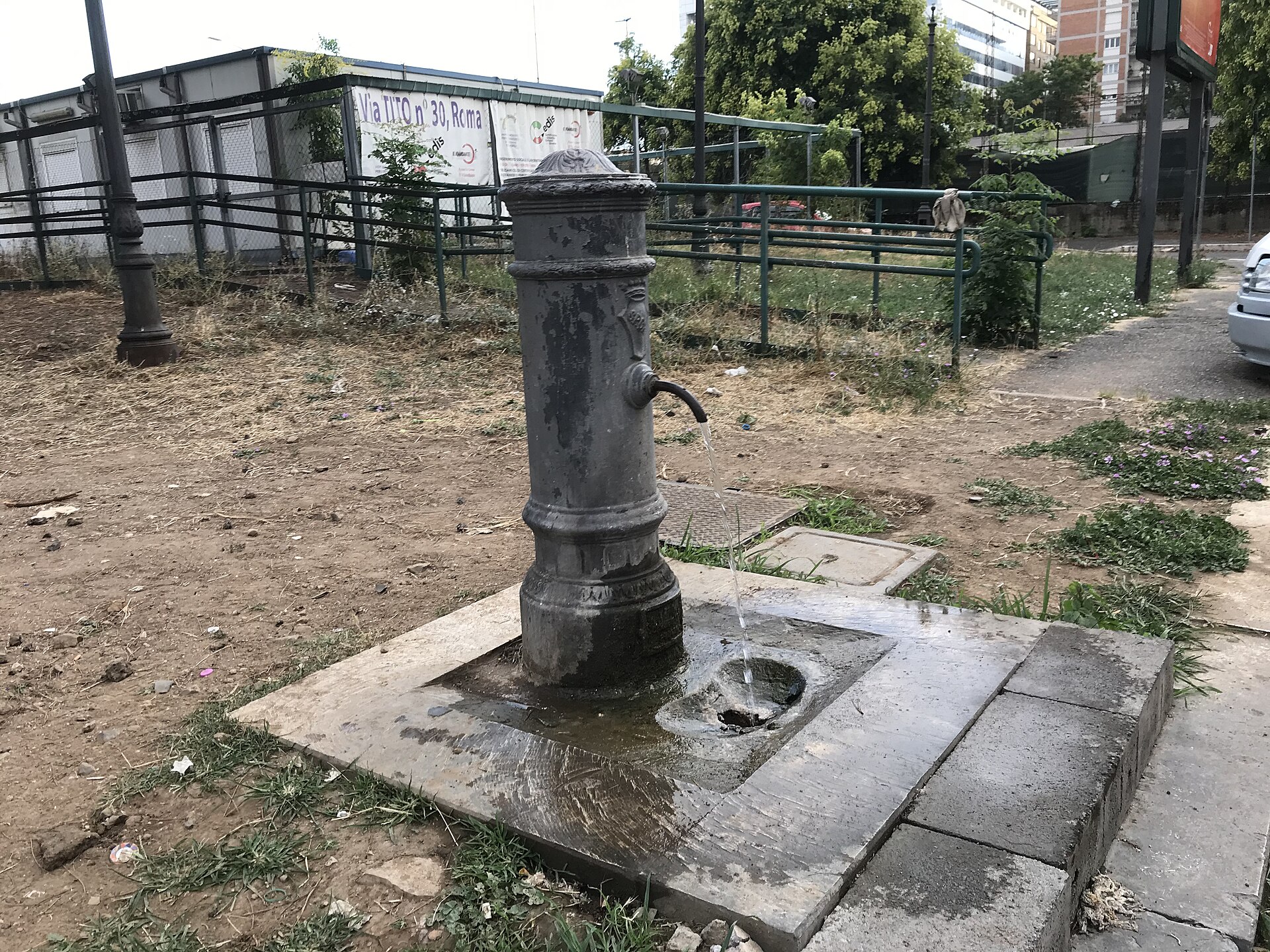
The first time I really needed a toilet in Rome, I was standing in a piazza with a gelato melting down my wrist, scanning every doorway for a little blue figure that did not exist. Here is the thing nobody tells you before your trip: free, standalone Italy public bathrooms are genuinely rare. You will not stumble onto a clean municipal restroom on every corner the way you might back home.
So here is the short, honest answer up front.
Italy public bathrooms are scarce as free standalone facilities. Your reliable options are bars and cafés, museums, department stores, and train stations, usually for a small fee or a quick purchase. Carry a few coins and a pack of tissues, because paid turnstiles and missing toilet paper are both common. Once you know the system, it stops being stressful.
This guide is for anyone spending real time on their feet in Italy: first-timers, families wrangling kids who announce emergencies at the worst moment, and slow travelers who want to understand how the day actually works. I am going to cover where to go, what it costs, how the toilets themselves behave (no seats, the occasional squat toilet, the famous bidet), the vocabulary so you can ask without panic, and then the other half of the equation almost no one ties together: Italy’s wonderful free drinking water. We will finish with the broader everyday logistics, the closures and small-change traps that catch good travelers off guard. For the bigger picture on planning, it sits alongside our Italy travel tips hub.
Where to actually find a toilet: the quick-reference table
Before the detail, here is the cheat sheet I wish I’d had. Prices are approximate and “as of 2026”; nobody publishes a national rate card, and small fees drift.
| Where | Typical cost | Notes |
|---|---|---|
| Bar / café | Free with a small purchase | Most reliable option everywhere. Buy an espresso or water; ask for the key. |
| Museum / gallery | Free with your ticket | Usually the cleanest. Some have toilets before the ticket gate. |
| Train station | Around €1 (sometimes €1.20+) | Turnstile or attendant. Quality varies wildly station to station. |
| Autogrill / highway stop | Free (you usually buy a coffee) | Lifesaver on road trips. Generally clean and busy. |
| Department store | Free | Rinascente, Coin, large COIN-style stores. Head for an upper floor. |
| Fast food (McDonald’s etc.) | Free | Sometimes a door code printed on your receipt. |
| Paid public WC / “P-Stop” | Around €1 | Limited hours, often roughly 10am–6pm. Free with some city passes. |
Keep that table in mind and you will rarely be caught out. Now the why and how.
The bar and caffè custom (your number one move)
In Italy a “bar” is not a pub; it is the everyday café where people stand at the counter for an espresso. And here is the rule that quietly saves tourists every single day: by their licensing conditions, bars and food places must let paying customers use the toilet. That word, customers, matters. You do not have an automatic right to walk in off the street and use it, but becoming a customer costs almost nothing.
So you step in, you buy the cheapest thing on offer (an espresso is often around €1.20 at the counter, a small water even less), and then you ask. The magic phrase is:
“Posso usare il bagno?” — “May I use the bathroom?” (POSS-oh oo-ZAR-eh eel BAHN-yoh)
Often the toilet is locked and the key, or a code, lives behind the counter, so it is always better to ask than to go wandering toward the back like you own the place. In my experience nobody is precious about it once you have ordered. And honestly, standing at the bar for a quick coffee is one of the small pleasures of the country anyway, so you are not really losing anything. If café culture is new to you, our Italian food and wine guide explains the counter-versus-table pricing too.
Traveling with a small child changes the math entirely. Point at the kid, ask nicely, and most places will wave you through without insisting you buy a thing. Italians are warm about children’s emergencies.
Museums, galleries, and major sights
If you are already inside a museum, monument, or major attraction, use the toilet there before you leave. These are almost always the best facilities you will find all day, kept clean because only ticket-holders use them. The catch in Italy is scale: the Vatican Museums, the Uffizi, the Colosseum complex are enormous, and the restrooms can be a long walk from where you are standing. My habit is to locate them on arrival rather than at the desperate moment.
A useful trick: some museums place toilets before the ticket barrier, in the entrance lobby. If you are passing one and just need a quick stop, it is worth poking your head in.
Train stations, Autogrill, and the road
Train stations almost always have toilets, typically behind a turnstile that takes around €1, or staffed by an attendant. Standards swing from genuinely nice (newer concourses) to grim and paper-free (older platforms), and because no single company runs them, you never quite know which you will get. Larger hubs like Milano Centrale or Roma Termini lean toward the pricier, better-maintained end. There are also toilets on most long-distance trains, usually with a foot-pedal sink to save water; more on those below.
On a road trip, the Autogrill is your friend. These highway service-area stops, slung over or beside the autostrada, have toilets that are generally free, clean, and open long hours, and you will probably end up buying a coffee or a panino anyway. Build your bathroom breaks around them. While you are mapping a drive, our Italy transportation guide covers tolls, ZTL zones, and the rest.
Department stores, fast food, and paid public WCs
A few more dependable bolt-holes worth memorizing:
- Department stores. La Rinascente, Coin, and similar large stores have free public bathrooms, usually tucked on an upper or basement floor. In a city center this is an underrated, civilized option, and the air conditioning in July is a bonus.
- Fast food. McDonald’s and the like reliably have toilets. Some lock the door with a code printed on your receipt, so hang onto it.
- Paid public toilets. Free-standing public WCs do exist, including Rome’s attended “P-Stop” cabins, which cost around €1 and tend to keep limited hours (often roughly 10am to 6pm because someone staffs them). They are scattered near major sites and squares. Quality has no national standard, so treat them as a backup rather than a plan.
If you are truly stuck, open your maps app and search bagno pubblico or WC. It is not perfectly reliable (some pins are closed or rough), but it surfaces nearby options in a pinch.
What to expect inside Italy public bathrooms
Knowing where to go is half of it. The other half is not being thrown by what you find when you open the door. Here is where these single-topic pages usually stop at “buy a coffee,” and where I want to go further, because the inside of an Italian toilet has its own small rituals.
Carry coins and tissues, always
Two things will quietly rescue you over and over.
First, small change. Paid toilets and turnstiles want coins, generally somewhere around €0.50 to €1, and in my experience they do not take cards. Keep a little stash of €0.50 and €1 coins specifically for this. (You will want coins for other things too, which we will get to.)
Second, a pack of tissues. Free public toilets very often have no toilet paper, and even paid ones run out, especially the unstaffed ones. Italians don’t carry a roll around in their day bag, and you needn’t either, but a slim pack of pocket tissues solves the problem completely. Toss one in your bag every morning. Our Italy packing list folds this into the day-bag essentials so you never leave the hotel without them.
Seatless toilets, and why
Walk into a public toilet in Italy and there is a fair chance the bowl has no seat. This surprises everyone the first time, and there is a logical, slightly grim reason. Because public toilets are not always spotless, people climb up and squat with their shoes on the rim rather than sit. That snaps the seats, and the maintenance company, taking the path of least effort, simply stops replacing them. So you are left with a seatless bowl and the hovering technique we all know. It is normal. It is not a sign the place is broken.
The occasional squat toilet (bagno alla turca)
Less common, but you will eventually meet one: the squat toilet, which Italians call a bagno alla turca (“Turkish toilet”). It is a porcelain pan set into the floor with two ridged footplates, and you, well, squat. There is usually a handhold on the wall to steady yourself, and you flush exactly like any other toilet when you are done. They turn up in older bars, some highway stops, and aging public facilities. Not glamorous, but harmless once you know what it is. If you are with little kids who find them alarming, going in to hold their hands makes the whole thing a non-event.
The bidet
In hotel rooms and apartments you will find a second porcelain fixture beside the toilet that looks like a low sink: the bidet. It is for washing your nether regions after using the toilet (and it is handy for rinsing feet or soaking tired ankles after a day of cobblestones, too). You straddle it facing the taps; the rest is intuitive. Check the water temperature before committing. There is usually a dedicated small towel on a ring nearby, and the etiquette is that each person uses their own. It is not a toilet and not for children to pee in, however much it looks like a kid-sized throne. Once you have lived with one for a week, you may find yourself oddly resentful that they never caught on at home.
The gender-sign trap
This one trips up confident travelers, so read it twice. Italian toilet doors are often labelled with words, not pictures, and the words are a near-mirror pair designed (it feels) to confuse foreigners:
- Donne = Women. Signore (ending in -e) = Ladies.
- Uomini = Men. Signori (ending in -i) = Gentlemen.
The dangerous pair is Signore versus Signori. One little vowel at the end is the entire difference, and under pressure it is desperately easy to march into the wrong one. My memory hook: signorE for the ladiE**s. You may also see a skirted figure or a trousered figure on the door, which is easier, but when it is words only, slow down for a half-second.
The vocabulary that unlocks everything
You do not need fluent Italian, just a handful of words. Here are the ones that matter for finding and using a toilet:
- Bagno — the everyday word for bathroom. Dov’è il bagno? (“Where’s the toilet?”, DOH-veh eel BAHN-yoh) is your workhorse phrase.
- WC — written on most signs and doors; Italians pronounce it “VOO-chee.” This is what you will physically follow on street signs.
- Toilette — the older, French-flavored word; understood everywhere, sometimes seen on signage.
- Servizi or Servizi igienici — literally “facilities,” common on signs.
- Gabinetto — another word for toilet you may see written.
- Guasto / Fuori servizio — “broken” / “out of order.” Worth recognizing before you queue.
- Solo per clienti — “customers only.” The sign that confirms the buy-something rule.
Pair Scusi (“excuse me”) with dov’è il bagno? and you are completely equipped. For the wider social niceties, like greetings and how not to accidentally be rude, lean on our Italy etiquette guide rather than me duplicating it here.
Accessibility, baby changing, and toilets on trains
A few realities to plan around:
- Accessibility. Look for Disabili signage for accessible toilets. Big museums, newer stations, and major attractions are your best bet; older bars and tiny cafés frequently have cramped facilities up or down a tight staircase. If mobility matters, prioritize the larger venues.
- Baby changing. Do not count on changing tables. Museums and family-oriented attractions sometimes have them; free public toilets and many cafés do not, partly because seatless bowls leave no surface anyway. Most parents I know simply recline the stroller, turn it away from the crowd, and change the baby there with a portable mat. Pack accordingly.
- Trains. Long-distance trains (Frecce, Intercity) have toilets onboard, generally with a foot-pedal sink. They range from fine to well-used depending on how far into the journey you are; go earlier rather than later in the trip. Regional trains are more variable, and some short hops have toilets that are best avoided. A tissue pack earns its place here again.
Water fountains in Italy: free, safe, and everywhere if you look
Here is the upside that balances the toilet hunt, and the part of this story the thin “buy a coffee” articles skip entirely. While free toilets are scarce, free drinking water in Italy is abundant, excellent, and woven right into city life. Learning to use the water fountains in Italy is the single best way to stay hydrated, save money, and stop buying plastic bottles.
Is the tap water safe? Yes
Let me answer the question everyone quietly wonders: Italian tap water is generally safe to drink. It is regulated to strict European Union standards and monitored by the Ministry of Health, and Italy ranks near the very top of global indexes for drinking-water and sanitation quality. In big cities, Rome, Milan, Florence, Naples, Venice, the tap water is consistently safe and frequently very good.
Two honest caveats. The taste varies by region; parts of Tuscany and Umbria run “hard” with high mineral content, so it can taste different from what you are used to, which is a flavor thing, not a safety thing. And in remote rural spots or on a creaky old boat, use a bit of judgment. But as a rule, fill your glass from the tap without a second thought. Italians do.
The nasoni of Rome (and fountains beyond)
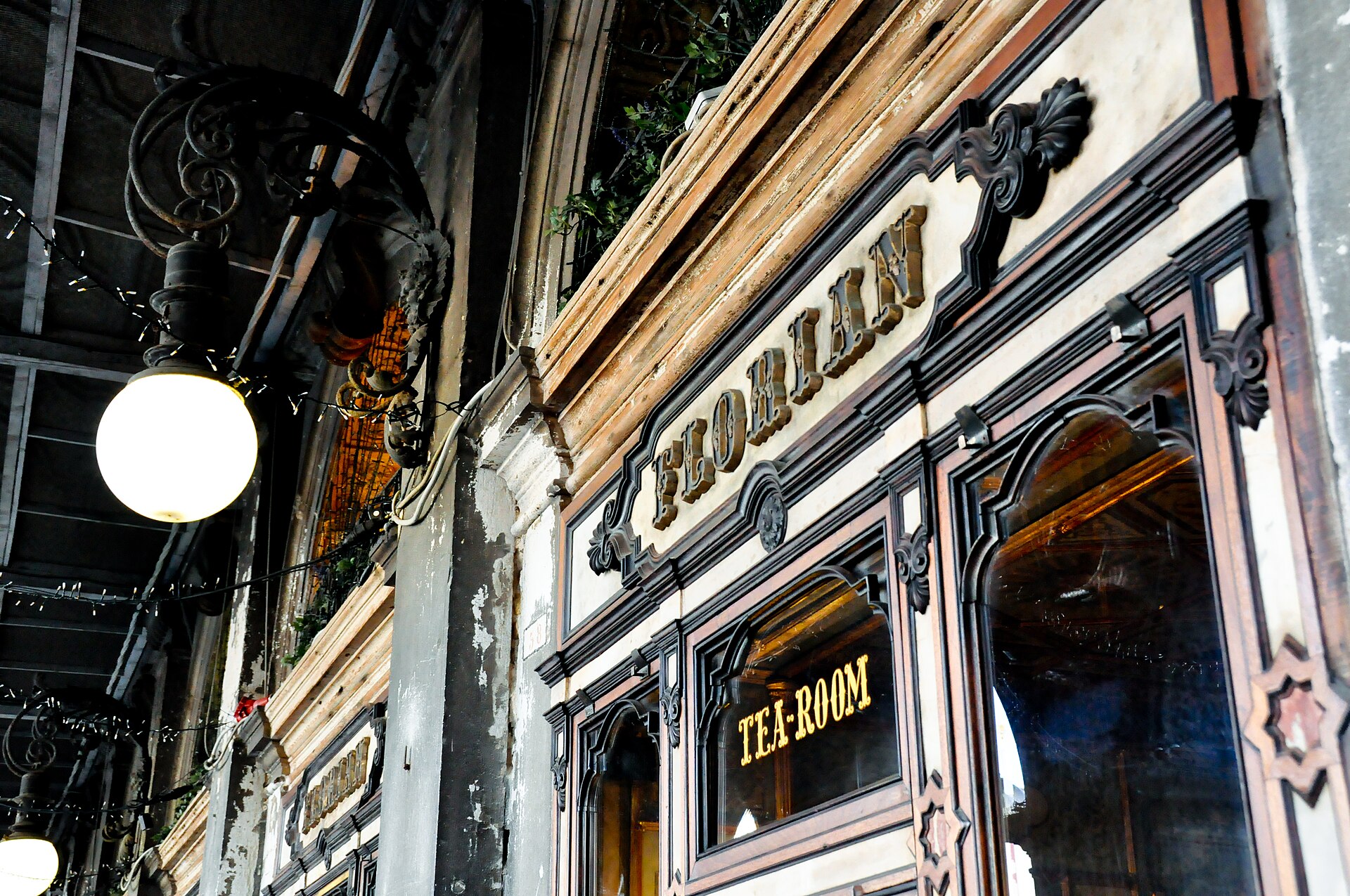
Rome’s signature contribution to thirsty tourists is the nasone (plural nasoni), a sturdy cast-iron drinking fountain with a curved spout shaped like, and named after, a big nose. The city began installing them in 1874 to give everyone free, clean water, and there are roughly 2,500 of them still flowing today across the city. The water is the same supply that feeds Roman homes, kept fresh precisely because it runs continuously.
There is a charming local trick to drinking from one without soaking yourself or folding in half. Stand to the side, then block the bottom of the spout with your fingers. The water, with nowhere else to go, jets up through a small hole on top of the spout in a neat little arc, like a built-in water fountain. Now you sip from the arc, no lips on iron, no aching back. Watch a Roman do it once and you will feel absurdly pleased the first time you pull it off.
Rome also has the fontanelle rionali, a set of artful neighborhood fountains designed in the 1920s, each themed to its district (books near the old university, amphorae in Testaccio, a barrel in Trastevere). These are usually drinkable too, but always glance for signage. And this culture is not Rome-only; fountains flow across Italy, in piazzas, parks, mountain villages, and Alpine trailheads, often pouring cold, delicious water all day. Our Rome tourism guide is the place to go deeper on the city itself.
“Acqua potabile” vs “non potabile”
One small phrase keeps you safe at any fountain:
- Acqua potabile = drinking water. Safe. (Plain taps and standard fountains with no sign at all are generally fine too.)
- Acqua NON potabile = NOT drinking water. Skip it.
You will see non potabile on some decorative monumental fountains, garden taps, and old wells. The grand sculptural fountains (think Trevi) are emphatically not for drinking; look for a humble nasone nearby instead. When a small fountain has no warning sign, it is almost always drinkable, but the moment you spot non potabile, move along.
Refill your bottle and travel lighter
Bring a refillable bottle and Italy rewards you all day long. You will save a small fortune over buying bottled water, you will cut plastic, and with fountains this common you may barely need to plan around water at all, just top up whenever you pass one. A bottle with a built-in filter is overkill given the water quality, but a simple sturdy one is genuinely one of the highest-value things in your bag. We make the case in the Italy packing list, which also flags that summer heat makes constant refilling non-negotiable.
A quick note for parents and pet owners: rinsing hands at a fountain is fine, but do not bathe a baby in one, and resist the urge to let it become a paddling pool. Beyond being too cold, full-on washing in public fountains can earn you a fine in cities that police it.
The broader everyday logistics nobody warns you about
Toilets and water are the urgent stuff. But the reason this guide exists, the gap on page one, is that the rhythm of an Italian day has a few quirks that quietly derail well-planned itineraries. Here is the everyday-logistics layer that makes the difference between fighting the country and flowing with it. This is my lane; for the deep dives I will point you onward rather than repeat them.
Riposo and shop hours
Many smaller shops, and businesses in smaller towns, still observe riposo, the afternoon closure. A shop might open around 9 or 10am, shut from roughly 1pm to 3:30 or 4pm, then reopen into the evening. In the south and in summer the midday break can stretch longer. Big-city chain stores and tourist-zone shops increasingly stay open all day (orario continuato), but do not assume it. If there is a specific little shop, pharmacy, or deli you are counting on, plan around the early afternoon or you will arrive at a shuttered door and a handwritten torno subito (“back soon”) sign that means anything but.
This matters for our topic too: that café you were banking on for a toilet may be closed at 2:45pm in a quiet town. Have a backup, and remember department stores and bars in busier areas keep longer hours.
Sunday and Monday closures
Two soft-closure days to internalize. Sundays see many shops, and some restaurants, closed or on reduced hours, though tourist centers stay livelier. Mondays are the sneaky one: lots of museums close on Mondays, and some restaurants take Monday as their rest day. Always check opening days for any museum before you build a day around it. Pharmacies rotate so there is always one open (the farmacia di turno); our Italy pharmacies guide explains how to find it and what they can help with, which is more than you would expect.
ZTL zones, coins, and the coperto
Three last small things that punch above their weight:
- ZTL (Zona a Traffico Limitato). Historic city centers are ringed with camera-enforced limited-traffic zones, and driving into one without a permit means an automatic fine in the mail, often weeks later. If you are renting a car, this is the rule most likely to cost you real money. We unpack it properly in the Italy transportation guide; for now, do not drive into an old-town center.
- Coins for trolleys. Supermarket shopping carts usually need a €1 coin (or a token) to unlock, refunded when you return the cart. Yet another reason to hoard those €1 coins alongside your toilet change.
- Coperto and tipping. Sit-down restaurants commonly add a small per-person coperto (cover charge) for the table, bread, and service setup; it is normal and printed on the menu. It is not a tip, and tipping in Italy is modest and optional, nothing like the US. The full breakdown lives in our Italy etiquette guide so you are not over- or under-doing it.
None of this is hard. It is just invisible until someone tells you, and then it is obvious. Knowing the rhythm is what separates a smooth trip from a string of small frustrations, and it pairs naturally with staying alert to the usual pitfalls in our Italy tourist scams rundown and the reassuring reality check in is Italy safe.
What to carry: the everyday-logistics kit
Pull it all together and your daily bag wants a tiny, specific survival kit. None of this is bulky; all of it earns its place.
- A pack of tissues (toilet paper roulette).
- A small hand sanitizer (soap and dryers are hit-or-miss).
- A coin stash of €0.50 and €1 coins for paid toilets and supermarket trolleys.
- A refillable water bottle for the fountains.
- A few wet wipes if you have a baby, plus a portable changing mat.
- A mental note of the gender words: signorE = ladies, signorI = men.
Stage it by the door each morning and toilets and water stop being a daily worry. For the complete day-bag and suitcase rundown, the Italy packing list is the companion to this piece, and the overall Italy travel guide ties the regions together.
A couple of city-specific notes, since logistics shift by place. In car-free Venice, you will lean heavily on paid public toilets (around €1.50 in spots) and café stops, because the usual department-store and station options are thinner on the ground; our Venice and Veneto guide has the lay of the land. Florence packs its sights tightly, so museum toilets and central cafés cover most of your day, detailed in the Florence and Tuscany guide. And wherever you base yourself, picking a central, well-located room cuts down the mid-day scramble entirely, which is part of why choosing where to base yourself in Italy matters more than people think.
Final thoughts
Once you stop expecting a free public restroom on every corner and lean into the café-and-coins system instead, Italy’s bathroom logistics become a non-issue, just a small habit you run on autopilot. Pair that with the country’s brilliant free fountains and a refillable bottle, keep a few coins and tissues in your bag, and respect the rhythm of riposo and the quiet closures. Do that, and you are free to stop managing logistics and start actually enjoying the place, which is the whole point. Buon viaggio.
Questions travellers ask
Are there free public toilets in Italy?
Some exist, but they are not common. You will find occasional free municipal toilets in well-run, tourist-friendly small towns in regions like Tuscany, Umbria, and Liguria. In most cities, though, your free options are really museums (with your ticket), department stores, and fast-food places. The most dependable free-with-purchase choice is a café: buy an espresso and ask to use the bagno.
How much do public toilets cost in Italy?
Plan for roughly €1 as of 2026, with paid facilities generally falling somewhere around €0.50 to €1.50. Train-station turnstiles often sit near €1 (a little more at major hubs), and attended public WCs like Rome’s P-Stops run about €1. These are approximate; nobody sets a national price, and small fees creep up. Carry coins, because cards usually are not accepted.
Why do Italian public toilets have no seat?
It is a maintenance cycle, not poor hygiene per se. Because some public toilets are not spotless, people climb up and squat with their shoes on the rim instead of sitting. That breaks the seats, and rather than keep replacing them, the operators simply leave the bowl seatless. It is extremely common, especially in bars and stations, so the hover technique is your friend. A tissue pack helps too.
Can you drink tap water in Italy?
Yes, as a general rule. Italian tap water meets strict EU standards and is closely monitored, and the country ranks near the top globally for water quality. Cities like Rome, Florence, and Milan have consistently safe, good-tasting tap water. The mineral taste varies by region (Tuscany and Umbria run “hard”), and you should use judgment in very remote areas, but normally you can fill your glass freely.
What are the nasoni in Rome?
The nasoni are Rome’s iconic cast-iron street fountains, named for their nose-shaped spout (nasone means “big nose”). The city has installed them since 1874 and runs around 2,500 of them, all pouring free, safe drinking water that is the same supply feeding Roman homes. To drink neatly, block the bottom of the spout with your fingers and water arcs up through a hole on top, like a built-in fountain.
What does “acqua non potabile” mean?
It means “not drinking water,” and you should not drink from a fountain or tap marked that way. You will see it on some decorative fountains, garden taps, and old wells. The opposite, acqua potabile, means it is safe to drink. Standard small fountains and taps with no sign at all are generally drinkable; the moment you spot non potabile, find a different source.
How do I ask for the bathroom in Italian?
The everyday phrase is Dov’è il bagno? (“Where’s the toilet?”), and in a café you would say Posso usare il bagno? (“May I use the bathroom?”). Start with Scusi (“excuse me”) to be polite. On signs, follow WC, Servizi, or Toilette. And remember the door words: Donne/Signore for women, Uomini/Signori for men.
What should I do if I can’t find a toilet quickly?
Head to the nearest bar or café, buy something cheap, and ask, this works almost anywhere. If you are near a museum, station, or department store, those are reliable too. Failing that, search bagno pubblico or WC in your maps app, accepting that results are imperfect. The real fix is prevention: go before you leave any museum, café, or station while you have the chance.