Amalfi Coast, Naples & Campania
Amalfi Coast, Naples and Campania Travel Guide: Where to Stay, Routes, Pompeii and Capri
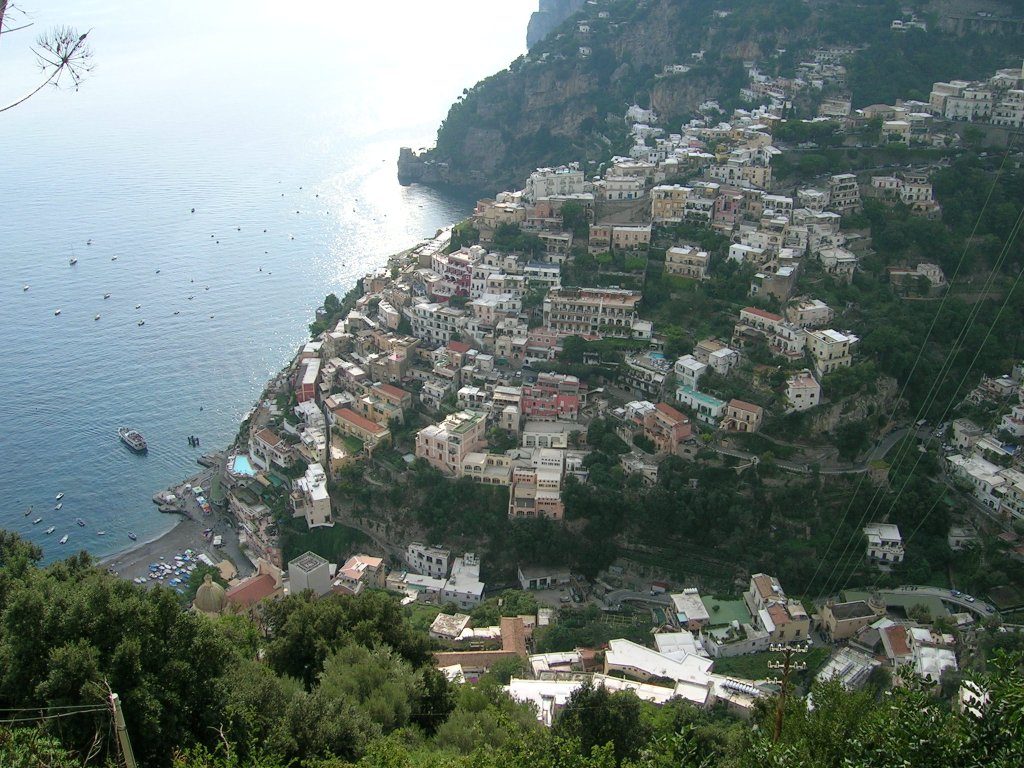
This Amalfi Coast travel guide covers the wider Campania region too, because the coast makes more sense when you understand what surrounds it. The Amalfi Coast is the reason many travelers start dreaming about Campania, but it is not the only reason to come here, and it is almost never the only place you need to understand. The trip usually begins as a simple fantasy: Positano balconies, blue water, lemon trees, a boat to Capri, maybe a quick stop at Pompeii. Then the planning starts. Suddenly you are choosing between Naples, Sorrento, Positano, Amalfi, Ravello, Salerno and Capri. You are reading about ferries, buses, private drivers, hairpin roads, luggage, cruise crowds, official Pompeii tickets, Naples safety, and whether anyone should rent a car here.
That is where Campania gets interesting. This region is not a single resort strip. It is a layered place: Naples on the bay, Pompeii and Herculaneum under Vesuvius, Sorrento on its peninsula, Capri offshore, the Amalfi Coast falling into the Gulf of Salerno, and Salerno quietly solving problems that more famous towns create. If you plan those pieces together, Campania can feel rich, generous and surprisingly workable. If you plan them separately, it can feel like a beautiful machine built entirely out of bottlenecks.
The biggest lesson is this: do not choose your base only by the prettiest photo. Choose it by the trip you actually want to take. Positano is gorgeous, but it is not always the smartest base. Sorrento is not technically on the Amalfi Coast, but it can be the easiest hub for Pompeii, Capri and the coast. Naples is louder and more intense than the postcard towns, but it may be the best food city in Italy and the most practical gateway to the region. Salerno does not have Positano’s fame, but it has trains, ferries, value and breathing room.
Start with the base, then the season, then the transport plan. Naples, Pompeii, Capri, Sorrento and the Amalfi Coast only fit together well when those decisions agree. If Campania is one chapter in a wider trip, use our complete guide to visiting Italy, Italy itineraries, best time to visit Italy and Italy transportation guide before locking hotels.
Amalfi Coast Travel Guide at a Glance
| Planning question | Best answer for most visitors |
|---|---|
| Ideal first trip length | 5 to 7 nights if you want Naples, Pompeii, Capri and the Amalfi Coast without rushing |
| Minimum worthwhile coast trip | 3 nights, usually based in Sorrento, Salerno, Amalfi or Positano |
| Best first-time base | Sorrento for practical variety, Naples for food and archaeology, Salerno for value and ferries, Amalfi/Atrani for central coast access |
| Big splurge stay | Positano, especially for couples and travelers prioritizing views over cost and logistics |
| Most underrated base | Salerno, because it has trains, ferries, a real city center and easier prices |
| Best ancient site for first timers | Pompeii if you have time and stamina; Herculaneum if you want smaller and more concentrated |
| Best island day trip | Capri from Sorrento, Naples, Positano, Amalfi or Salerno depending on season and base |
| Biggest mistake | Trying to combine Pompeii, Positano, Amalfi and Capri as quick checkmarks with no allowance for transport friction |
Campania has three UNESCO World Heritage anchors that explain why this trip is more than a coast escape: the Costiera Amalfitana, the archaeological areas of Pompeii, Herculaneum and Torre Annunziata, and the historic center of Naples. Those official labels matter less than the feeling on the ground. You can eat pizza in a street that follows ancient patterns, walk through Roman houses under Vesuvius, then watch the evening light hit a coast town built into cliffs.
That combination is rare. It is also easy to mishandle. Campania asks for more planning than Florence or Venice because the distances are short but the movement is not always simple. A map makes Naples to Positano look close. A summer bus queue, ferry cancellation or traffic jam can make it feel very far.
How Campania Fits Together
The easiest way to plan Campania is to stop treating every famous name as a separate destination and start grouping the region into travel zones.
Naples is the urban gateway. It has the airport, high-speed rail connections, ferries, food culture, major museums, and the strongest access to Pompeii and Herculaneum. It is the place many travelers are told to skip and later wish they had understood.
Pompeii, Herculaneum, Oplontis and Vesuvius form the archaeological layer. Pompeii is vast, hot, famous and emotionally powerful. Herculaneum is smaller, more compact and often easier to absorb. Vesuvius adds landscape and drama, but it is more weather dependent and less essential than the sites below it.
Sorrento is the practical peninsula hub. It has rail access from Naples via the Circumvesuviana and Campania Express, ferries to Capri and Naples, tour departures, hotels at many price points, and bus or car connections toward the Amalfi Coast. It is not on the Amalfi Coast, despite how often brochures blur that line. It faces the Bay of Naples, not the Gulf of Salerno. Still, for many first-time travelers, it is the easiest base.
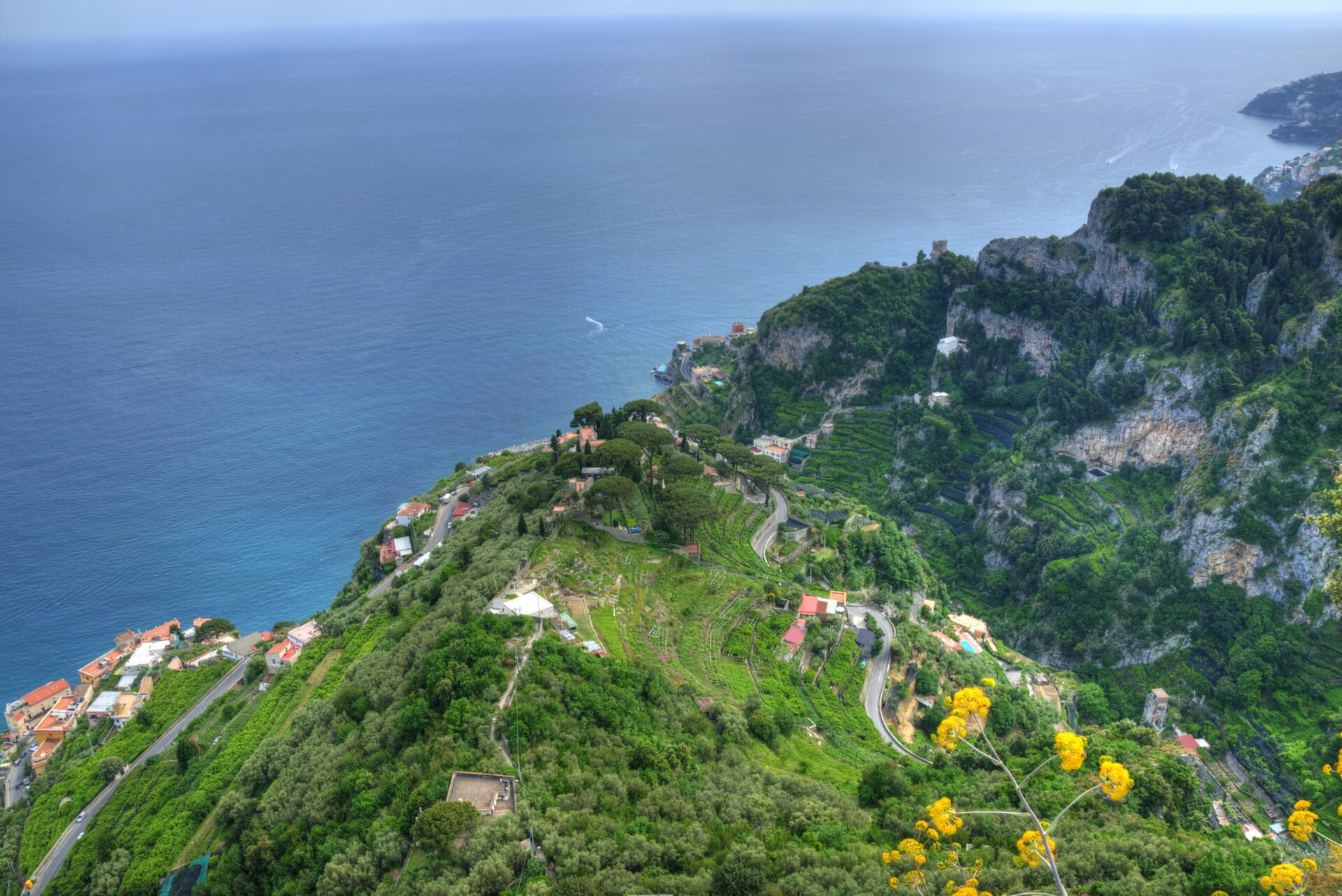
The Amalfi Coast is the cliff-and-sea layer: Positano, Praiano, Amalfi, Atrani, Ravello, Minori, Maiori, Cetara, Vietri sul Mare and smaller hamlets. The official UNESCO site recognizes the coast not just for beauty, but for its long-settled landscape, terraced agriculture, towns, mountains and sea culture. In practical terms, it is striking and constrained. Roads are narrow. Parking is scarce. Buses fill. Ferries are seasonal and weather dependent.
Capri is a separate island decision. It can be a day trip, an overnight splurge, or a source of regret if you squeeze it into a route that already has too much movement. Capri is busiest in the middle of the day and far more pleasant early or late. Anacapri is calmer than Capri town. The Blue Grotto is famous, but it is never guaranteed because sea conditions decide.
Salerno is the eastern gateway. It has high-speed and regional rail, a pleasant historic center, lower hotel prices than the famous coast towns, and seasonal ferries to Amalfi Coast ports. It is especially useful for travelers coming from Rome, continuing south, or wanting coast access without sleeping in a vertical luxury town.
Once you see those layers, the trip gets clearer. You are not asking, “How do I see everything?” You are asking, “Which base lets me see the right pieces with the least wasted motion?”
How Many Days Do You Need For Naples And The Amalfi Coast?
For a first trip that includes Naples, Pompeii, Capri and the Amalfi Coast, I would plan 5 to 7 nights. You can do less, but you will start dropping pieces or accepting rushed days. You can easily do more, especially if you want beaches, hikes, islands, long meals and slower mornings.
| Time available | What works best | What to avoid |
|---|---|---|
| 2 nights | Naples plus Pompeii or Sorrento plus Capri/coast taste | Pretending this is a full Amalfi Coast trip |
| 3 nights | Sorrento or Salerno base with one coast day, one Pompeii or Capri day | Moving hotels more than once |
| 4 nights | Naples plus Sorrento, or Salerno plus Amalfi Coast and Pompeii | Trying to include Naples, Pompeii, Capri and every coast town equally |
| 5 nights | Strong first trip: Naples, Pompeii, Sorrento or coast, Capri and Amalfi towns | Day-tripping too far every day |
| 7 nights | Best balance: Naples, archaeology, Sorrento/Amalfi Coast, Capri, Ravello, beach or hike time | Keeping a rental car in coast towns without a clear reason |
| 10+ nights | Add Ischia, Procida, Paestum, Cilento, deeper Naples, Path of the Gods and slower coast stays | Using Positano as the only base for everything |
Three nights is enough for a taste if you are disciplined. For example, base in Sorrento, visit Pompeii on arrival or departure, spend one day on Capri, and spend one day on the Amalfi Coast. That is efficient, but it is not relaxed. It gives you a strong overview, not a deep trip.
Five nights is where the region starts to open. I like one or two nights in Naples, then three or four nights in Sorrento, Salerno, Amalfi, Atrani or Positano. You can eat properly in Naples, visit Pompeii without racing, take a coast day, and still choose between Capri, Ravello, beach time or a boat.
Seven nights is the sweet spot for many travelers. You can split the trip between Naples and the coast, or between Sorrento and Amalfi/Salerno, without feeling as if every morning starts with a luggage problem. If this is part of a larger Italy trip with Rome, Florence and Venice, use our collection of Italy itineraries to decide whether Campania gets a quick taste or a real week.
Where To Stay In Campania
The base decision shapes everything. It affects what you can see before crowds arrive, whether dinner feels easy, how much you spend, how you handle luggage, and whether transport becomes the story of the trip.
| Base | Best for | Tradeoffs |
|---|---|---|
| Naples | Food, museums, budget, Pompeii/Herculaneum, airport and rail access | Intense city feel, not a coast resort, some areas need careful choice |
| Sorrento | First-time hub, Capri, Pompeii, tours, broad hotel choice | Not the Amalfi Coast, busy in high season, some beach expectations disappoint |
| Positano | Iconic views, romance, luxury stays, boat days | Expensive, steep, crowded, weaker for Pompeii/Naples logistics |
| Amalfi/Atrani | Central coast access, Ravello, ferries, less vertical friction than Positano | Still crowded, limited rail access, hotels book early |
| Ravello | Views, gardens, quiet evenings, honeymoon energy | Above the sea, no beach base, needs bus/taxi/walking connections |
| Salerno | Value, trains, ferries, real city, easier arrival/departure | Less glamorous, farther from Positano by road, ferry season matters |
| Capri | Overnight atmosphere, early/late island access, splurge | Expensive, luggage logistics, not a practical base for Pompeii or Naples |
| Ischia | Thermal spas, beaches, longer stays, lower-key island feel | Not a simple Amalfi Coast base, ferry planning required |
Naples As A Base
Naples is the base for travelers who want food, museums, archaeology, and easy transport more than cliffside glamour. It is also the best gateway if you are arriving by train from Rome or flying into Naples airport. From Naples, you can reach Pompeii, Herculaneum, Sorrento, Capri, Ischia, Procida and Salerno, though not all with equal ease.
Stay in Naples if you want to understand Campania beyond the postcard. Stay near the historic center, Chiaia, Santa Lucia, Toledo, Piazza Municipio, or other well-connected central areas. I would not choose a random bargain far from transit just because the room is larger. Naples rewards location discipline.
For a deeper city plan, use Naples Travel Guide: Food, History and Safety.
Sorrento As A Base
Sorrento is the practical compromise. It works for travelers who want one base for Pompeii, Capri and an Amalfi Coast day. It has enough restaurants, hotels, ferries and tours to reduce friction. It is also easier with luggage than Positano or Ravello.
The tradeoff is atmosphere. Sorrento is handsome and useful, but it is not the cliffside Amalfi Coast fantasy. If your dream is waking up above Positano, Sorrento may feel too practical. If your goal is an efficient first trip with fewer transport headaches, it may be exactly right.
For the full base decision, use Sorrento Travel Guide: Best Base for Campania?.
Positano As A Base
Positano is beautiful in a way that feels almost unfair. The vertical stack of houses, the dome of Santa Maria Assunta, the beach, the boats, the evening light, the hotel terraces: it is famous for a reason.
But Positano is not a neutral choice. It is expensive, steep, and busy. Many rooms involve stairs. Luggage can be annoying. Restaurants should be reserved. Buses may pass full in peak periods. Day-trippers pour in. If you stay here, stay because you want Positano itself, not because you assume it is the obvious base for Pompeii, Naples and the whole region.
Positano is best for couples, special occasions, travelers who want boat days, and people who are willing to pay for location. It is weakest for budget trips, heavy sightseeing schedules, mobility concerns, and travelers who want an easy rail connection.
Amalfi, Atrani And Ravello As Bases
Amalfi is more central for coast exploration than Positano. It has ferry connections in season, bus links, the cathedral, a working town center, and access up to Ravello. It is still crowded, but it is practical.
Atrani, next door, is tiny and atmospheric. For travelers who want to sleep close to Amalfi but in a quieter setting, it can be one of the coast’s nicest compromises. You can walk between Atrani and Amalfi, though stairs and road awareness still matter.
Ravello is different. It sits high above the sea and trades beach convenience for calm, gardens and views. Stay here if you want quiet evenings, Villa Rufolo, Villa Cimbrone, music, terraces and a slower romantic base. Do not stay here if your main goal is spontaneous beach hopping.
For the full town-by-town comparison, use Where to Stay on the Amalfi Coast: Positano, Amalfi, Sorrento or Salerno.
Salerno As A Base
Salerno is the base I wish more first-time travelers considered. It is not as photogenic as Positano and not as famous as Sorrento, but it solves real problems. You can arrive by train, sleep at more reasonable prices, eat in a real city, and use seasonal ferries to Amalfi, Positano, Minori, Maiori, Vietri and other coast ports.
Salerno is especially good if you are coming from Rome by train and want a simpler arrival. It also works well if you plan to continue south toward Paestum, Cilento, Calabria, Puglia or Sicily. The main caveat is seasonality. If ferries are not running, the base becomes less convenient for coast-hopping.
Naples: Do Not Treat It Only As A Transfer Point
Naples is messy, alive, historic, delicious, loud and sometimes exhausting. It is also one of the great reasons to visit Campania. I understand why travelers get nervous about it. The internet can make Naples sound like either a dangerous mistake or a misunderstood masterpiece. The truth is more useful than either extreme.
Naples is a big southern city with intense street life, traffic, graffiti, narrow lanes, petty-theft risk in busy areas, and neighborhoods where a casual visitor should use normal judgment. It is also packed with churches, museums, markets, street food, sea views, underground history and some of the best eating in Italy. I would not skip it automatically.
If you have five or more nights in Campania, spend at least one night in Naples. If you love food, archaeology or cities with a pulse, spend two. If you only have three nights total and your dream is the coast, it is reasonable to pass through. But do that as a choice, not because someone scared you out of the city.
What To Do In Naples
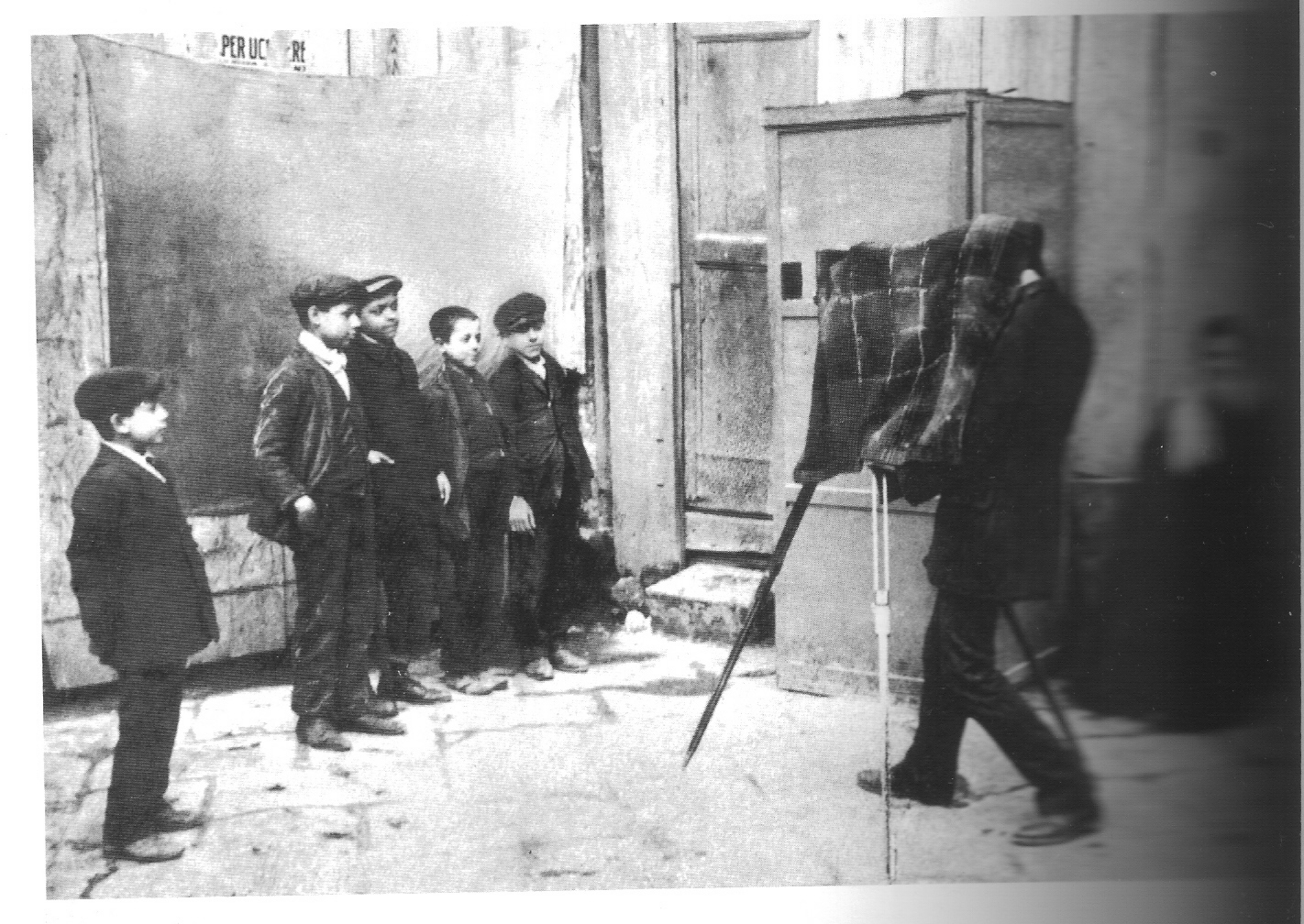
Start in the historic center. Spaccanapoli is not a single attraction so much as a line through the old city: churches, courtyards, pastry shops, shrines, scooters, laundry, booksellers and food. Nearby, Sansevero Chapel is one of the city’s most in-demand small museums, famous for the Veiled Christ. The official Sansevero site listed daily opening hours with Tuesday closure during the latest fact check, but tickets can sell out, so check before assuming you can walk in.
Santa Chiara gives you cloisters and quiet. The Duomo connects to San Gennaro. Via dei Tribunali and the surrounding lanes are pizza territory, though good pizza in Naples is not limited to one famous queue. The National Archaeological Museum of Naples, usually called MANN, is essential if you care about Pompeii or Roman art. The official museum page lists opening hours and ticket details, and it is the best place to verify closures before you build your day around it.
For a different Naples, walk the waterfront around Santa Lucia and Castel dell’Ovo, or base yourself in Chiaia for a more polished evening. Take the funicular up toward Vomero for views from Castel Sant’Elmo. Use taxis at night if that makes the evening easier. Keep your phone and wallet controlled in crowded streets and stations. Do not wander into empty areas late because a blog told you Naples is “perfectly safe” in every context. Also do not reduce the city to fear.
Naples Safety Framing
The practical Naples safety advice is boring because it is the right advice. Stay central. Watch your belongings in train stations, crowded streets and public transport. Do not carry your passport in a back pocket. Avoid flashy distraction. Use licensed taxis or reputable transfers when tired or arriving late. Choose accommodations with strong recent reviews and a location that makes sense after dinner.
Most travelers who dislike Naples are reacting to intensity, not danger. The city is not polished for you in the way some resort towns are. It asks you to pay attention. If that sounds exciting, give it time. If it sounds like the wrong mood for your trip, use Naples efficiently for food, museums and transit, then sleep elsewhere.
Pompeii, Herculaneum And Vesuvius
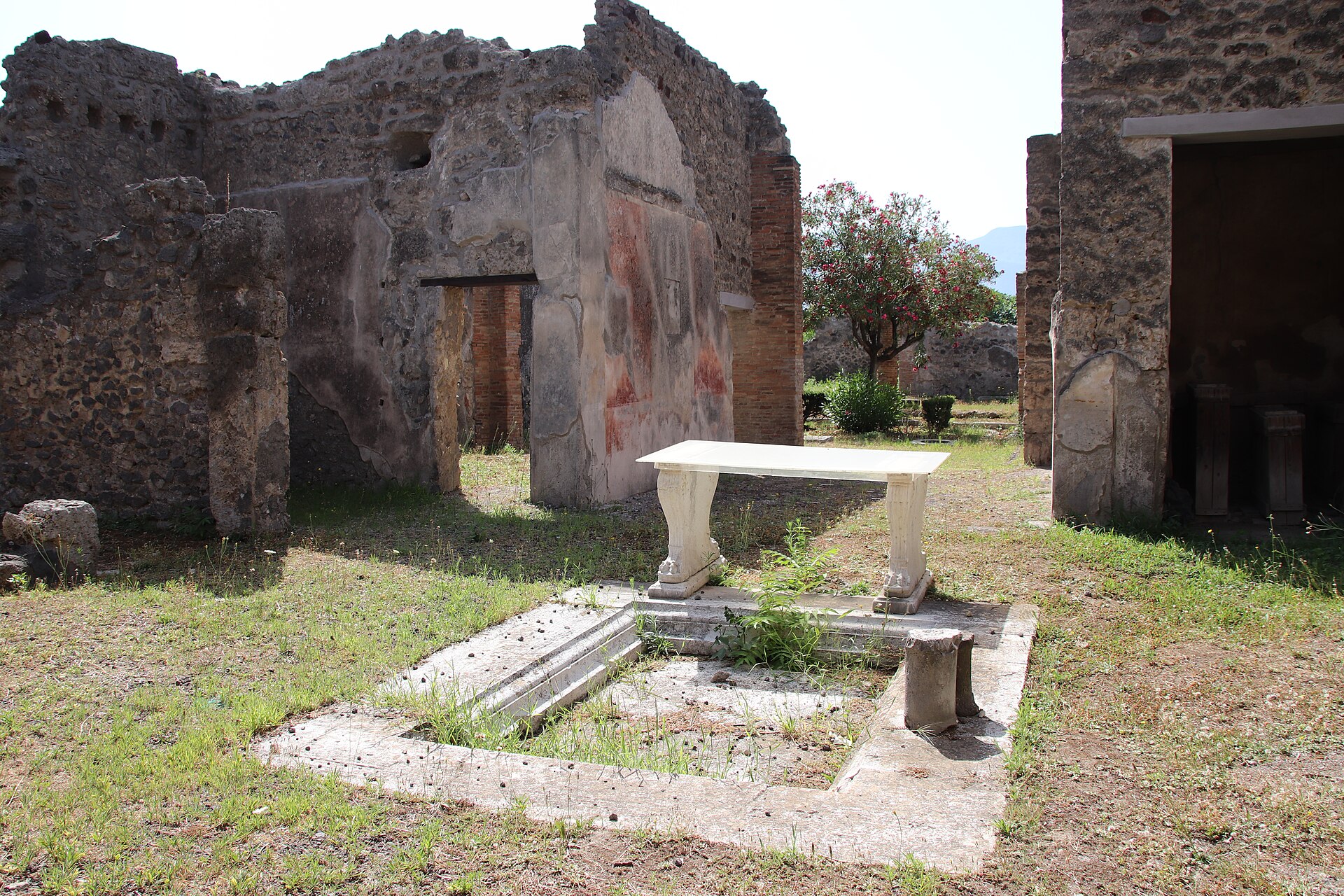
Pompeii is one of the most important travel experiences in Italy, but it is not a casual “pop in for an hour” sight unless you are truly constrained. It is a city, not a room. You need water, shade strategy, comfortable shoes, and a realistic route.
The official Pompeii site is the source to use for current hours, ticket types, entrances and rules. As of the May 25, 2026 fact check, the official page lists seasonal hours, named ticket types, and VivaTicket for online purchases from March 2, 2026. It also notes that the official ticket offices are within the archaeological area at Porta Marina, Piazza Anfiteatro and Piazza Esedra. That matters because reseller pages and unofficial “ticket offices” can confuse visitors before they even enter.
Pompeii Or Herculaneum?
Choose Pompeii if this is your first visit, you want the famous scale, and you can give it at least three to four hours. With a guide, Pompeii becomes much easier to read. Without one, use a mapped route and do not try to see every named house.
Choose Herculaneum if you want a smaller site, more compact preservation, and a visit that feels manageable in two to three hours. Herculaneum is excellent for travelers who are not sure they want a full Pompeii day, or for people staying in Naples who want a strong half-day ancient site.
Do both only if archaeology is a real priority. They are different enough to justify it, but not everyone needs both on a short trip.
Should You Add Vesuvius?
Vesuvius is tempting because the volcano explains the story. The crater visit can be memorable, especially in clear weather. But it is not always the best use of limited time. Transport takes effort. Weather can ruin the views. In summer, heat adds fatigue. If you have one day for archaeology, I would rather give Pompeii or Herculaneum the time they deserve than force Vesuvius into the afternoon just to say you did it.
If you have a full day, a guided Pompeii plus Vesuvius trip can work. If you are traveling independently, check current transport, trail access and weather before committing.
For the deeper ticket and route breakdown, use Pompeii Visiting Guide: Tickets, Route and Day Trip Tips.
Amalfi Coast Towns: Which Ones Matter Most?
The Amalfi Coast is not one town. Choose the town by what you want most: views, transport, beaches, quiet, food, hikes or value. You do not need to visit every town. In fact, trying to do that is one of the easiest ways to make the coast feel like a line.
Positano
Positano is the icon: vertical, expensive, photogenic, romantic, and crowded. It is worth seeing if you have never been. It is also worth sleeping in if the image of a terrace above the sea is central to the trip. But Positano is not where I would send a budget traveler or someone trying to use public transport heavily every day.
Visit early or late if day-tripping. Book restaurants if staying. Accept stairs. Pack lighter than you think you need. Positano rewards travelers who lean into the setting rather than using it as a commuter base.
Amalfi And Atrani
Amalfi is more central and more functional. The cathedral gives it a strong landmark, the waterfront gives it ferry access in season, and its position makes Ravello, Atrani, Minori and Maiori easier than from Positano. Amalfi can be very busy in the middle of the day, but it still works as a practical coast anchor.
Atrani is one of the loveliest small bases for travelers who want to be near Amalfi without sleeping in the busiest part of town. It is tiny, tucked into the coast, and atmospheric after day-trippers move on. It is not a secret, but it still feels more intimate than the headline towns.
Ravello
Ravello is for views, gardens and calm. Villa Rufolo and Villa Cimbrone are the obvious draws, but the real pleasure is the feeling of being above the coast rather than pressed against it. Ravello is a strong half-day from Amalfi and a beautiful overnight for travelers who do not need beach-first convenience.
The tradeoff is movement. You are up the hill. That means buses, taxis, walking routes, or hotel shuttles depending on the plan. Choose Ravello for stillness and perspective, not for frictionless coast-hopping.
Praiano, Minori, Maiori, Cetara And Vietri
Praiano sits between Positano and Amalfi and can be a calmer alternative for travelers who want views without Positano’s intensity. It is still vertical and transport needs thought, but it can be excellent for a more residential coast stay.
Minori and Maiori are easier for travelers who want flatter waterfronts, more beach practicality, and access to the Path of Lemons. They feel less glamorous than Positano and that can be the point. They are especially good if you want a coast stay that does not revolve entirely around one famous photo.
Cetara is known for anchovies and a fishing-village feel. Vietri sul Mare is close to Salerno and famous for ceramics. Both make sense for travelers exploring the eastern side or using Salerno as a base.
For beach planning, use Best Beaches on the Amalfi Coast. Beaches here are often small, pebbly, busy and partly organized with paid lidos. That does not make them bad. It does mean you should not imagine endless empty sand.
Capri: Day Trip Or Overnight?
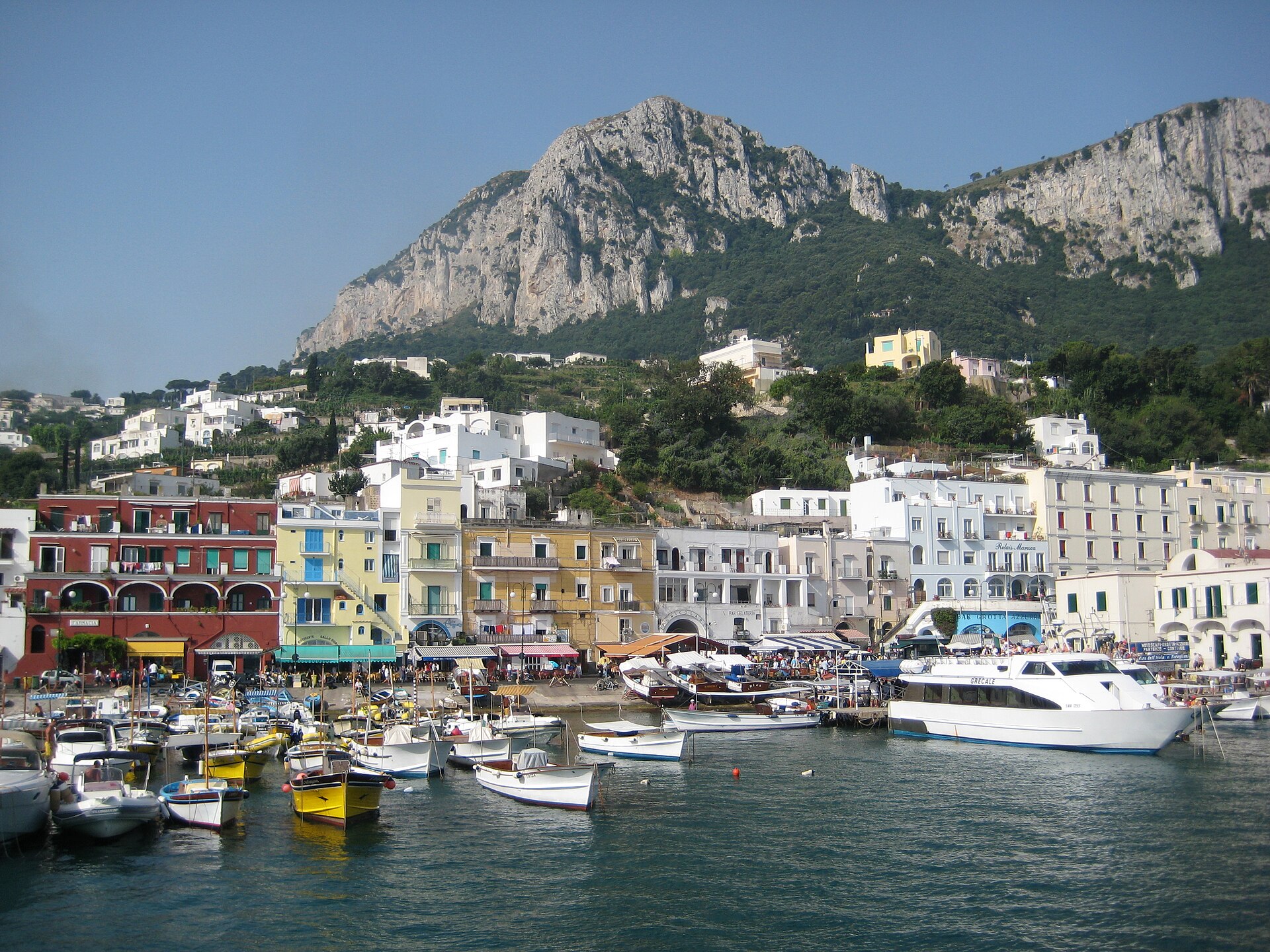
Capri is beautiful, busy and often misunderstood. The island is not just the Blue Grotto. It is also Capri town, Anacapri, the chairlift to Monte Solaro, gardens, boat rides, swimming spots, designer streets, small lanes, and some very expensive terraces.
Most first-time travelers visit Capri as a day trip from Sorrento, Naples, Positano, Amalfi or Salerno, depending on season and ferry routes. Sorrento is usually the easiest mainland base for Capri because the crossing is short and frequent in season. Naples is also straightforward. Amalfi Coast departures can be seasonal, and routes shift, so verify ferries close to travel.
How To Make A Capri Day Work
Arrive early if you can. Decide whether the day is about a boat ride, Anacapri, the Blue Grotto, walking and views, or a slow lunch. Do not assume you can do all of it gracefully in one day, especially in high season.
The Blue Grotto is famous but conditions matter. Boats may not enter when seas are rough or access is unsafe. Treat it as a possibility, not the entire reason for the trip. Anacapri often feels calmer than Capri town and gives you a better chance of escaping the thickest crowds. If you want a more polished, relaxed Capri, stay overnight and enjoy the island before and after day boats.
For a focused route, use Capri Day Trip Guide: Ferry, Blue Grotto and Routes.
How To Get Around Campania
Campania transport is not impossible. It is just unforgiving when you make optimistic assumptions. The smartest plan uses trains for long links, ferries when seasonal and weather-appropriate, buses when necessary, and private drivers for specific high-friction transfers.
Rome To Naples, Sorrento And The Amalfi Coast
From Rome, the cleanest first step is usually a high-speed train to Naples or Salerno. Naples is best if you are staying in Naples, heading to Pompeii/Herculaneum, or continuing to Sorrento. Salerno is best if you are staying on the eastern Amalfi Coast or using ferries to Amalfi and nearby towns in season.
To reach Sorrento from Naples, use the Circumvesuviana commuter line or the Campania Express when it is operating and fits your schedule. EAV’s official Campania Express page describes the 2026 tourist service with reserved seating and stops including Naples, Pompeii and Sorrento. The regular Circumvesuviana is cheaper and more frequent, but it is also a commuter train and can be crowded.
To reach Positano or Amalfi from Rome, many travelers do: Rome to Naples by high-speed train, then train to Sorrento, then bus/driver/ferry onward, or Rome to Salerno by train, then ferry or bus/driver. Your exact town, season, arrival time and luggage decide which version makes sense.
Use How to Get from Rome to Amalfi Coast when you are ready to pick the route.
Ferries
Ferries can make the coast feel easy. They also come with asterisks. Routes are seasonal, weather dependent, and more robust from some ports than others. Travelmar is one of the key operators for ferry connections between Salerno, Amalfi, Positano, Maiori, Minori, Cetara and Vietri sul Mare. The Visit Amalfi page for Travelmar describes its fast ferry service connecting main Amalfi Coast villages, plus some combined services for hikers and Pompeii.
Ferries are especially useful when moving between Salerno, Amalfi and Positano in season. They avoid road traffic, give you views, and can turn transport into part of the experience. But they are not a universal solution. If you are traveling in winter, late at night, during bad weather, or with a schedule that depends on one final boat, build a backup.
For broader ferry planning, use Italy Ferries: Routes, Tickets and When Boats Beat Trains.
Buses
SITA buses are the backbone of Amalfi Coast public transport, especially between Sorrento, Positano, Amalfi, Ravello and Salerno-side towns. They are useful, scenic and inexpensive. They can also be crowded, delayed, hot and stressful with luggage.
If you are using buses in high season, start early, avoid the last possible return, and understand that a full bus may not solve your problem just because the timetable says it exists. Timetables are planning tools, not promises of comfort. For short coast stays, I like ferries where possible and buses for specific links like Amalfi to Ravello.
Private Drivers And Tours
Private drivers are expensive but sometimes rational. A driver can make sense for:
- Naples airport to Positano after a long flight.
- A hotel transfer that includes a Pompeii stop.
- A coast day when buses would consume too much time.
- Travelers with mobility constraints or heavy luggage.
- Families where four individual tickets, stress and delays narrow the price gap.
A private driver is not necessary for everyone. But on the Amalfi Coast, paying to remove one high-friction movement can improve the whole trip. Be strategic rather than purist.
Should You Rent A Car?
Most first-time travelers do not need a rental car for Naples, Pompeii, Capri and the Amalfi Coast. In many cases, a car makes the trip worse. Naples traffic is not relaxing. Amalfi Coast roads are narrow and busy. Parking is limited and expensive. Some hotels charge for parking or do not have it nearby. ZTL rules in Italian towns can create fines if you are careless.
A car can make sense if you are exploring rural Campania, Cilento, inland villages, wineries, or a villa stay with parking. It can also work in shoulder season for confident drivers who understand the route. But if your trip is Naples, Pompeii, Sorrento, Positano, Amalfi, Ravello and Capri, build the plan without a car first.
For a car-free plan, use How to Visit the Amalfi Coast Without a Car, and pick your base with where to stay on the Amalfi Coast without a car.
Best Time To Visit The Amalfi Coast, Naples And Campania
The best overall months are May, early June, September and early October. You get warmer weather, longer days, more ferry service, open hotels and restaurants, and less pressure than peak summer. These months are not empty. They are simply more humane.
July and August are hot, crowded and expensive. The sea is appealing, the atmosphere is lively, and everything is open, but you pay for it in crowds, heat, traffic and hotel rates. If summer is your only option, plan early starts, book stays carefully, choose ferries when possible, and do not overload the day.
April can be lovely but less predictable for swimming and ferries. Late October can be excellent for Naples and archaeology, with more variable coast weather. Winter is underrated for Naples, Pompeii and museums, but the Amalfi Coast becomes a quieter, more limited destination. Some hotels and restaurants close, ferry routes reduce, and beach expectations should be adjusted.
For Pompeii, heat matters as much as crowds. In summer, go early, carry water, wear a hat, and do not schedule a long site visit after a late lunch. For Naples, winter and shoulder season can be excellent. For Capri and the coast, the seasonality of ferries and hotels matters more.
For month-by-month Italy strategy, use Best Time to Visit Italy.
First-Time Itinerary Frameworks
These are not the only possible routes, but they are realistic. The point is to show how Campania works when you stop cramming every famous name into every day.
3 Nights: Practical Sorrento Hub
Day 1: Arrive in Naples or Rome, transfer to Sorrento. If arriving early, stop at Pompeii on the way only if luggage is handled and you have enough time. Otherwise, settle in and keep the evening easy.
Day 2: Capri day trip. Start early, choose Anacapri or a boat ride as the main focus, and avoid trying to do every island highlight.
Day 3: Amalfi Coast day. Visit Positano and Amalfi by ferry if schedules work, or use a guided small-group coast tour. Add Ravello only if the day does not become frantic.
Day 4: Depart via Naples. If you skipped Pompeii and have a late departure, visit Pompeii on the way.
This route is efficient. It is not slow. It works best for travelers who value variety over depth.
5 Nights: Naples Plus Sorrento Or Amalfi
Day 1: Arrive in Naples. Eat, walk the historic center, and sleep centrally.
Day 2: Naples morning plus MANN or Sansevero Chapel. In the afternoon, continue to Sorrento, Salerno, Amalfi or Positano depending on your base.
Day 3: Pompeii or Herculaneum. If based in Sorrento, Pompeii is straightforward by train. If based on the coast, consider a driver or guided trip.
Day 4: Amalfi Coast towns. Choose Positano plus Amalfi, or Amalfi plus Ravello, rather than racing every town.
Day 5: Capri, beach time, Path of the Gods, or a slower coast day.
Day 6: Depart via Naples or Salerno.
This is the route I would choose for a first Campania trip if the traveler also wants a larger Italy itinerary with Rome and Florence. It gives Naples enough respect and the coast enough time to feel real.
7 Nights: Balanced Campania
Day 1: Arrive in Naples. Stay central, eat well, and adjust.
Day 2: Naples deep day: historic center, Sansevero Chapel, MANN, Santa Chiara, waterfront or Vomero.
Day 3: Pompeii or Herculaneum, then transfer to Sorrento, Salerno, Amalfi, Atrani or Positano.
Day 4: Capri day trip or overnight if you want to splurge.
Day 5: Amalfi Coast towns: Positano, Amalfi and Ravello, with ferries where possible.
Day 6: Slow day: beach, Path of the Gods, Minori/Maiori, boat day, cooking class, or Ravello gardens.
Day 7: Flexible day for what weather and energy suggest: Herculaneum, Ischia, Procida, Paestum, another coast town, or simply staying put.
Day 8: Depart.
This is the first itinerary length where I would be comfortable adding a true rest day. Campania needs one because transport can drain energy even when distances are short.
For the detailed day-by-day version, use Amalfi Coast Itinerary: 3, 5 and 7 Days.
Food And Drink In Campania
Campania is a food trip even if you came for scenery. Naples is pizza, of course, but also fried snacks, pastries, seafood, ragu, coffee rituals and street food. Do not spend the whole visit in one famous pizza queue unless that is part of the fun. There are many good meals here.
On the coast, expect lemons, seafood, anchovies, pasta with clams, scialatielli, delizia al limone, local wines, granita, and long lunches that make more sense than another transfer. In Cetara, anchovies and colatura are part of the identity. Around Sorrento, lemons and limoncello appear everywhere, sometimes beautifully and sometimes as tourist theater. Capri has excellent food if you leave the most obvious lanes or commit to paying for setting.
Budget matters. A simple pizza in Naples can be one of the best values of the trip. A terrace dinner in Positano can be one of the biggest splurges. Both can be worth it if you understand what you are buying. Reserve special meals, especially in Positano, Capri, Ravello and Amalfi during high season.
For broader regional food planning, use Italy Food and Wine Travel Guide.
Budget Expectations
Campania can be cheap, expensive, or both on the same day. Naples can be good value for hotels and food compared with Venice, Florence or the Amalfi Coast. Salerno can also be reasonable. Sorrento is mid-to-high depending on season and location. Positano, Capri and high-end Amalfi Coast hotels can be extremely expensive.
The hidden cost is not only the hotel room. It is transfers. A cheaper hotel far from ferry docks, train stations or bus routes can cost more in taxis and stress. A beautiful clifftop stay with no easy transport can make every day more complicated. A private driver may be worth it for one transfer, but using drivers daily changes the budget quickly.
If budget is tight, consider:
- Naples plus Salerno instead of Positano.
- Sorrento instead of a luxury coast town.
- Atrani, Minori, Maiori, Vietri or Cetara instead of Positano.
- Shoulder season instead of July or August.
- Fewer hotel moves.
- One paid boat/driver experience instead of several.
For broader planning, use Italy Travel Budget: Costs, Splurges and Where to Save.
Common Mistakes To Avoid
The first mistake is treating Sorrento, Positano, Amalfi, Ravello and Capri as if they are all quick neighborhood stops. They are close on the map and not always close in lived travel time. Pick priorities.
The second mistake is using Positano as the default base. Positano may be perfect for you, but it should be chosen for a reason. If you mainly want Pompeii, Naples and Capri, Sorrento or Naples may work better. If you want ferries and value, Salerno may work better. If you want central coast access, Amalfi or Atrani may work better.
The third mistake is planning Pompeii as leftover time. Pompeii is hot, huge and meaningful. Give it a morning, a guide or a route, and enough water.
The fourth mistake is renting a car because it feels more flexible. On the Amalfi Coast, a car can remove one problem and create three more. Think about parking before you think about freedom.
The fifth mistake is trusting static transport advice. Ferry schedules, bus timing, ticket platforms and seasonal services change. Use current official operator pages close to your travel date.
The sixth mistake is skipping Naples out of fear and then spending the whole trip in expensive tourist towns. Naples is not for every traveler, but it is one of the region’s great strengths. If you like cities, food and history, give it a real chance.
Go Deeper On Campania
Once the broad shape is set, use these guides for the next decision:
- Amalfi Coast Itinerary: 3, 5 and 7 Days
- Where to Stay on the Amalfi Coast: Positano, Amalfi, Sorrento or Salerno
- How to Get from Rome to Amalfi Coast
- Pompeii Visiting Guide: Tickets, Route and Day Trip Tips
- Naples Travel Guide: Food, History and Safety
- Capri Day Trip Guide: Ferry, Blue Grotto and Routes
- Sorrento Travel Guide: Best Base for Campania?
- Best Beaches on the Amalfi Coast
If you are connecting this region to the rest of the country, the most useful next reads are Rome Tourism Guide, Italy Transportation Guide, Where to Stay in Italy, and Italy Itineraries.
Questions travellers ask
Where should I stay for the Amalfi Coast on a first trip?
Sorrento is the easiest first-time hub if you want Pompeii, Capri and an Amalfi Coast day from one base. Amalfi or Atrani are better if you want to sleep on the coast with central access. Positano is best for famous cliffside views and a splurge. Salerno is best for value, trains and seasonal ferries.
Is Sorrento on the Amalfi Coast?
No. Sorrento is on the Sorrento Peninsula facing the Bay of Naples. It is not part of the Amalfi Coast, but it is one of the most practical bases for visiting Pompeii, Capri and the coast.
Is Naples safe for tourists?
Naples is generally workable for tourists who use normal city precautions, stay in sensible central areas, and watch belongings in crowded places. It is intense and can feel rough-edged, but it should not be dismissed automatically. Choose location carefully and use taxis when tired or arriving late.
Can you visit Pompeii and the Amalfi Coast in one day?
You can with a private driver or a structured tour, but it is usually a rushed day by public transport. Pompeii deserves several hours, and the Amalfi Coast has road, bus and ferry constraints. If possible, give Pompeii its own morning or day.
Do you need a car on the Amalfi Coast?
Most first-time visitors do not need a car for Naples, Pompeii, Sorrento, Capri and the Amalfi Coast. Trains, ferries, buses and occasional drivers usually work better. A car can help for rural Campania or off-season exploration, but parking and traffic are serious drawbacks on the coast.
How do you get from Rome to the Amalfi Coast?
The usual route is high-speed train from Rome to Naples or Salerno, then onward by local train, ferry, bus, private driver or a combination. Naples works well for Sorrento and Pompeii. Salerno works well for Amalfi Coast ferries in season.
Is Capri worth a day trip?
Yes, Capri is worth a day trip if you start early and choose priorities. Sorrento is usually the easiest base for a Capri day, though Naples and Amalfi Coast ports also work depending on ferry schedules. Stay overnight if you want to experience the island outside peak day-trip hours.
What is the best month to visit the Amalfi Coast?
May, early June, September and early October are usually the best balance of weather, ferry service and manageable crowds. July and August are lively but hot, expensive and crowded. Winter is better for Naples and Pompeii than for a classic coast holiday.