Best Italy Itineraries: 7, 10, 14 and 21 Day Routes
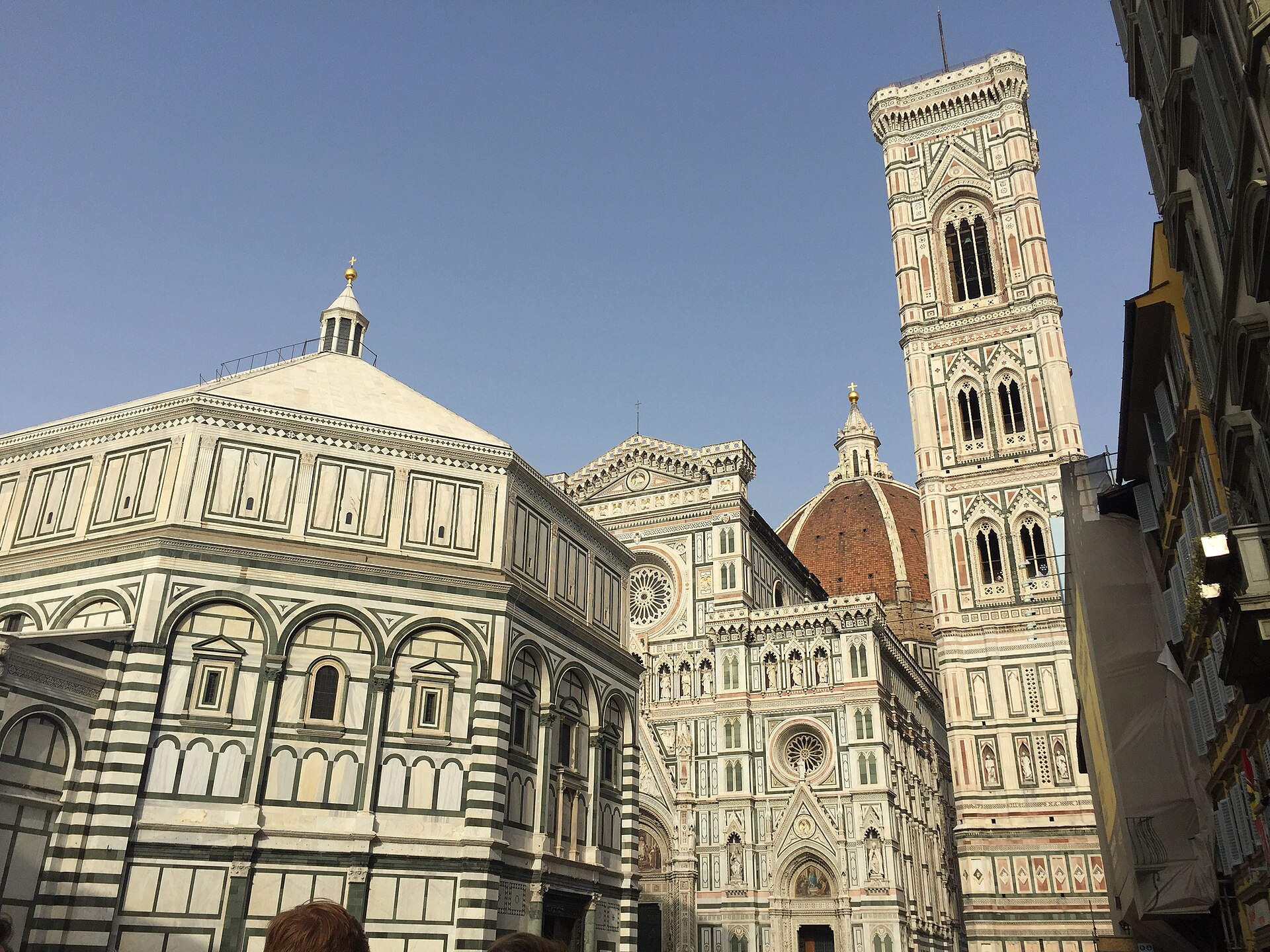
The best Italy itinerary is not the one with the most famous names. It is the one that gives each place enough time to matter. Rome, Florence, Venice, Amalfi, Cinque Terre, Lake Como, Tuscany, Puglia, Sicily, and the Dolomites can all be right answers, but they are not all right answers for the same trip.
If this is your first visit, start with a simple base: Rome, Florence or Tuscany, and Venice. With 7 days, keep it tight. With 10 days, the classic three-city route works well. With 14 days, add one meaningful extension, such as Amalfi Coast, Naples, Lake Como, Cinque Terre, Bologna, or deeper Tuscany. With 21 days, you can build a true grand tour, but even then you should resist changing hotels every other night.
Choose the route before you book the rooms. For the broader planning context, read our main Italy planning guide first. Then use this page to pick the route shape, and move into the deeper guides for a 10 day Italy itinerary, 2 week Italy itinerary, 7 day Italy itinerary, or Italy itinerary by train.
Quick Route Selector
If you are still staring at a blank map, start here. This is the route logic I would use before choosing hotels.
| Trip length | Best first-time route | Pace | Best for | What to avoid |
|---|---|---|---|---|
| 7 days | Rome + Florence, or Rome + Florence + Venice if you accept a faster pace | Tight | First-timers with limited time | Adding Amalfi, Cinque Terre, Lake Como, or Sicily |
| 10 days | Rome + Florence/Tuscany + Venice | Balanced if you use trains | Classic first trip, art, history, food | Trying to add both a coast and all three major cities |
| 14 days | Venice + Florence/Tuscany + Rome + Naples/Amalfi, or Rome + Florence/Tuscany + Venice + Lake Como | Comfortable but still active | First-timers who want a major extension | Adding Amalfi, Cinque Terre, lakes, and Dolomites in the same two weeks |
| 21 days | Northern cities + Tuscany + Rome + Campania, with either Puglia or Sicily as a deeper extension | Rich, flexible | Grand tour, return travelers, slower planners | Treating every extra day as permission for another hotel |
For most travelers, the route should be point-to-point. Fly into one city and out of another if the fare difference is reasonable. Backtracking to the same airport can be cheaper on paper and expensive in time.
The Rules I Use To Build An Italy Itinerary
Before the day-by-day routes, a few rules make everything easier.
1. Count nights, not days
A “10-day Italy itinerary” is usually 9 nights if you arrive on day 1 and fly home on day 10. Arrival day is soft. Departure day is almost never useful. Transfer days are half-days unless the ride is very short and you pack light.
When someone says they have 10 days and wants Rome, Florence, Venice, Amalfi Coast, Cinque Terre, and Lake Como, the real question is not whether Italy has trains. It does. The question is whether they want their vacation to feel like stations, bags, and check-ins.
2. Give every base a job
Each overnight base should solve a problem. Rome is for ancient history, the Vatican, food neighborhoods, and the first big arrival. Florence is for Renaissance art and Tuscany access. Venice is for canals, lagoon atmosphere, and a completely different urban rhythm. Naples is for food, Pompeii, and Campania. Sorrento is for practical Amalfi and Capri access. Milan is for northern gateways, design, and the lakes. Bologna is for food and rail connections. For the city itself, our list of things to do in Florence shows what each base actually buys you.
If a base does not give you at least one full day, ask why you are sleeping there.
3. Respect the transfer tax
A two-hour train is not a two-hour travel day. You also pack, check out, reach the station, find the platform, ride, exit, reach the hotel, check in or store bags, and reorient yourself. A three-hour train leg often costs half a day. A train plus ferry plus bus leg can cost most of a day.
This is why the order of places matters. A route that looks glamorous on a map can feel clumsy if you keep crossing the country diagonally.
4. Use trains for cities, cars for countryside
Italy’s high-speed rail network is one of the reasons a first trip can work without a car. Trenitalia’s Frecciarossa services connect major corridors and, according to Trenitalia, can run up to 300 km/h into the centers of important cities. Italo also operates high-speed routes between major Italian cities. For city-to-city routes such as Rome, Florence, Bologna, Venice, Milan, Verona, and Naples, trains are usually the right default.
Cars are useful for rural Tuscany, parts of Umbria, Puglia, Sicily, Sardinia, the Dolomites, and scattered countryside stays. Cars are a headache in Rome, Florence, Venice, Naples, and Milan. They also introduce parking, tolls, ZTL restricted traffic zones, and luggage risk.
For the detailed logistics, use our Italy transportation guide.
5. Let the season change the route
The same itinerary can be wonderful in May and annoying in August. Rome and Florence can be very hot in summer. The Amalfi Coast, Cinque Terre, lakes, islands, and beach towns are more seasonal. The Dolomites are a different trip in hiking season than in ski season. Venice has its own crowd and access-fee considerations, so check the official Venice access fee page if you are visiting as a day traveler on controlled dates.
For timing decisions, use Italy Season by Season.
Best Italy Itinerary For 7 Days
Seven days in Italy is enough for a satisfying trip, but only if you choose. I would not use a week for a national grand tour. I would use it for one clean route with two or three bases.
Option A: Rome And Florence, The Better-Paced Week
This is my favorite one-week route for first-timers who would rather enjoy Italy than prove they can move quickly.
| Day | Overnight | Plan |
|---|---|---|
| 1 | Rome | Arrive, settle in, gentle historic center walk |
| 2 | Rome | Colosseum, Roman Forum, Monti or centro storico |
| 3 | Rome | Vatican, Prati, Trastevere or Testaccio |
| 4 | Florence | Morning train to Florence, Duomo area, sunset viewpoint |
| 5 | Florence | Uffizi or Accademia, markets, Oltrarno |
| 6 | Florence | Siena, Lucca, Pisa, Chianti, or a slower Florence day |
| 7 | Rome or Florence | Departure positioning or final city morning |
This route works because Rome and Florence are both deep enough for several days, and the transfer is simple. You can add a Tuscany day trip without renting a car if you choose Siena, Pisa, Lucca, or a guided Chianti day. If your flights work better, you can fly into Rome and out of Florence or Pisa, though many travelers will still return to Rome for the flight home. If you would rather stay put and range outward, see our day trips from Rome.
Option B: Rome, Florence And Venice, The Fast Classic Week
This is the route people want when they have one week and cannot imagine skipping Venice.
| Day | Overnight | Plan |
|---|---|---|
| 1 | Rome | Arrive and walk the historic center |
| 2 | Rome | Colosseum and Roman Forum |
| 3 | Florence | Morning train, Florence highlights |
| 4 | Florence | Uffizi/Accademia or a short Tuscany day trip |
| 5 | Venice | Train to Venice, evening canals |
| 6 | Venice | St. Mark’s area, Doge’s Palace, quieter neighborhoods |
| 7 | Venice or airport city | Departure or final Venice morning |
This can work, but it is fast. You get one real full day in Rome, one real full day in Florence, and one real full day in Venice. If your arrival day is lost to jet lag, the route becomes thinner. I would only choose this version if Venice is non-negotiable and you can fly out of Venice or nearby.
For a full one-week breakdown, use 7 Days in Italy: Realistic First-Time Route.
Best Italy Itinerary For 10 Days
Ten days is the classic first-trip length because it can hold Rome, Florence, and Venice without turning every day into a transfer. The trick is not adding too much around the edges.
The Classic 10-Day Italy Itinerary
| Day | Overnight | Plan |
|---|---|---|
| 1 | Rome | Arrive, settle in, easy walk through the historic center |
| 2 | Rome | Colosseum, Roman Forum, Capitoline or Monti |
| 3 | Rome | Vatican Museums, St. Peter’s, Prati or Trastevere |
| 4 | Rome | Borghese Gallery, Appian Way, food tour, or a slower neighborhood day |
| 5 | Florence | Train to Florence, Duomo area, Piazza della Signoria |
| 6 | Florence | Uffizi, Accademia, San Lorenzo, Oltrarno |
| 7 | Florence | Tuscany day trip: Siena, Lucca, Pisa, Chianti, or Val d’Orcia by tour |
| 8 | Venice | Train to Venice, evening canals |
| 9 | Venice | St. Mark’s, Doge’s Palace, Cannaregio, Dorsoduro, or lagoon islands |
| 10 | Venice or Milan | Depart, or position to Milan/Venice airport |
This is the route I would recommend to most first-time travelers. It gives Rome the most time, Florence enough time for art and a day trip, and Venice enough time to be more than a crowded afternoon. It is also easy by train and does not require a car.
If you want to slow it down, remove the Tuscany day trip and spend three full nights in Florence. If you want a food-focused alternative, replace Venice with Bologna and add a day trip to Modena, Parma, Ravenna, or Verona. If you want a romantic alternative, keep Venice and upgrade the hotel rather than adding another stop.
Can You Add Amalfi Coast To 10 Days?
You can, but something gives. A 10-day Rome, Florence, Venice, and Amalfi itinerary is usually too rushed for a first trip. A 10-day Rome, Florence, and Amalfi itinerary can work better, especially if you fly out of Naples or Rome and save Venice for another trip.
The cleaner coastal version is:
| Nights | Base |
|---|---|
| 3 | Rome |
| 3 | Florence |
| 3 | Sorrento, Naples, or Amalfi Coast |
That route gives up Venice but adds Pompeii, Naples food, Capri, Sorrento, or the Amalfi Coast. It is not less Italian. It is just a different Italy.
For variations and tradeoffs, use 10 Days in Italy: Rome, Florence, Venice and Alternatives.
Best Italy Itinerary For 14 Days
Two weeks is where Italy opens up. You can do the classic cities and add one major extension without feeling irresponsible. The word “one” is important. Two weeks is not enough for every region that sounds beautiful.
My Favorite 2-Week Italy Itinerary
For a first trip with variety, I like this route:
| Day | Overnight | Plan |
|---|---|---|
| 1 | Venice | Arrive, easy canals, early dinner |
| 2 | Venice | St. Mark’s, Doge’s Palace, Rialto, Dorsoduro or Cannaregio |
| 3 | Venice | Murano/Burano, lagoon day, or quieter Venice |
| 4 | Florence | Train to Florence, Duomo and Oltrarno |
| 5 | Florence | Uffizi, Accademia, food markets |
| 6 | Florence | Siena, Pisa, Lucca, or Chianti day trip |
| 7 | Tuscany or Florence | Slow Tuscan day, cooking class, wine town, or extra Florence |
| 8 | Rome | Train to Rome, evening historic center |
| 9 | Rome | Ancient Rome |
| 10 | Rome | Vatican and Prati |
| 11 | Rome | Borghese, Appian Way, Testaccio, or flexible day |
| 12 | Sorrento or Naples | Train south, Pompeii or Naples food evening |
| 13 | Sorrento or Amalfi Coast | Capri, Amalfi Coast, or Pompeii/Herculaneum |
| 14 | Naples/Rome | Final morning and departure positioning |
This route is deliberately point-to-point: northeast to central Italy to Rome to Campania. It works best if you can fly into Venice and out of Naples or Rome. If flights make that expensive, reverse it or build a Rome round trip with a final night back in Rome.
Why start in Venice? Because ending a southern route in Venice before a Naples or Rome flight often causes backtracking. Venice is a lovely arrival if flights work, and Rome is a stronger pre-departure anchor for many long-haul travelers.
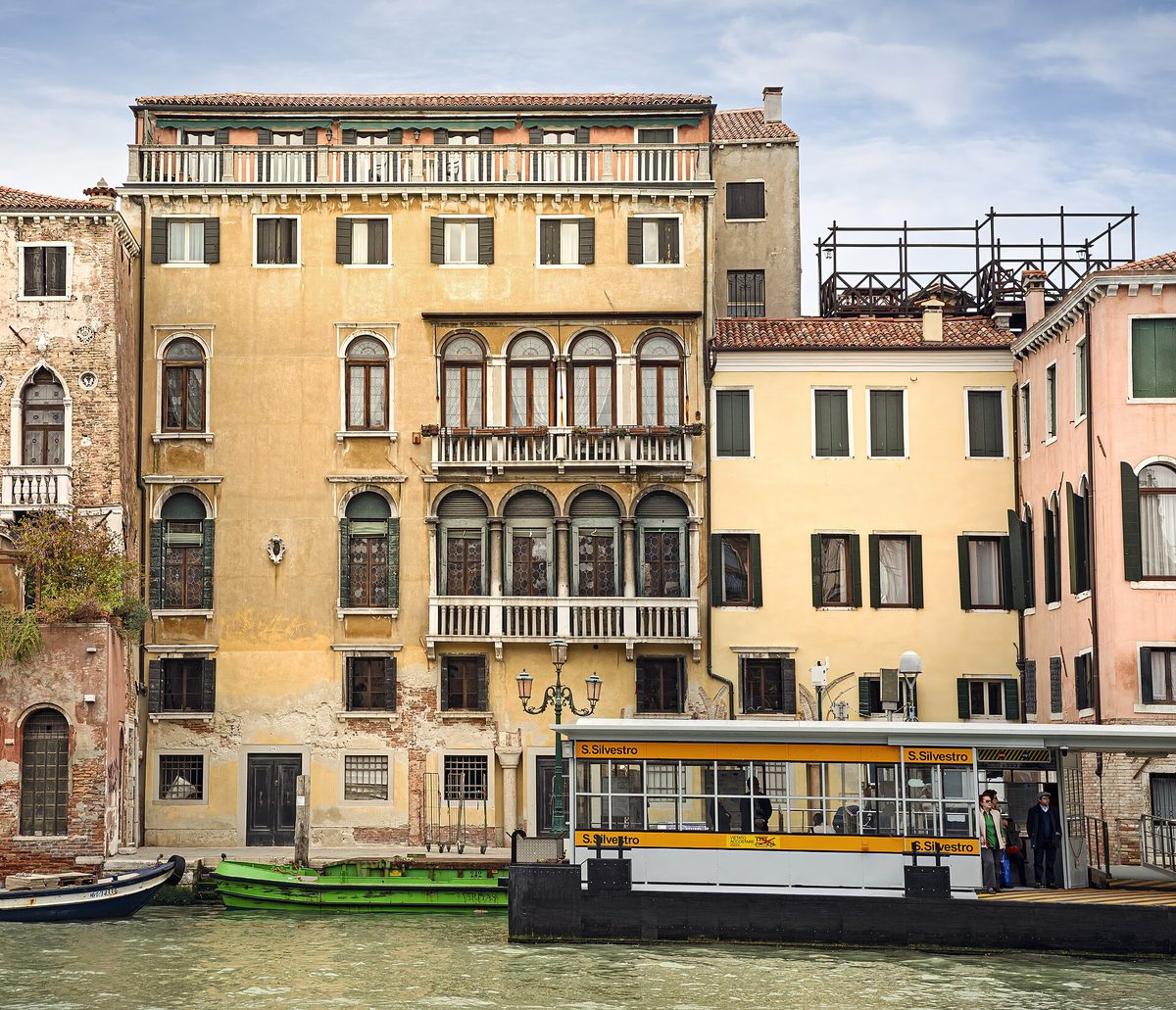
2-Week Alternative: Classic North And Lakes
If you do not want Amalfi logistics, this is a smoother northern route:
| Nights | Base | Why it works |
|---|---|---|
| 3 | Rome | Ancient sites, Vatican, food neighborhoods |
| 4 | Florence/Tuscany | Art plus countryside |
| 2 | Venice | Canals, lagoon, islands |
| 2 | Verona or Bologna | Easier food/culture stop with strong train links |
| 2 | Lake Como or Milan | Scenic finish or practical airport access |
This is better for travelers who want scenery and trains without the extra friction of Campania. Lake Como pairs naturally with Milan. Verona pairs naturally with Venice. Bologna pairs naturally with Florence and Venice. The route is less dramatic than Amalfi but often calmer.

For the full two-week route, use 14 Days in Italy: Classic Two-Week Route.
Best Italy Itinerary For 21 Days
Three weeks in Italy sounds like endless time until you start adding islands, mountains, beaches, and hill towns. The best 21-day itinerary should still have a spine. I would build it as a grand tour with several slower bases, not as a string of one-night stops.
21-Day Grand Tour Route
| Days | Base | Route logic |
|---|---|---|
| 1-3 | Venice | Start with a unique city and recover from arrival |
| 4-5 | Verona, Bologna, or Milan | Choose romance/history, food, or northern gateway |
| 6-9 | Florence and Tuscany | Art, countryside, Siena/Lucca/Pisa/Chianti |
| 10-13 | Rome | Ancient Rome, Vatican, neighborhoods, flexible recovery |
| 14-17 | Naples, Sorrento, or Amalfi Coast | Pompeii, food, Capri, coast |
| 18-21 | Puglia or Sicily, or return north for lakes/Dolomites | Choose one deeper extension based on season |
This route gives you a national arc without pretending that every region is close. It also gives Rome four nights, which I think is appropriate on a longer trip. Too many itineraries treat Rome as a two-night obligation and then spend days chasing smaller stops. Rome can take the time.
Choosing The Final Extension
For the last four nights, choose based on trip style:
| Extension | Choose it if… | Watch-outs |
|---|---|---|
| Puglia | You want beaches, whitewashed towns, food, and a road-trip feel | A car helps; distances are wider than they look |
| Sicily | You want a major island, ancient sites, beaches, street food, and a full second-trip feel | Four nights is short; better with a week or more |
| Dolomites | You want hiking, alpine scenery, lifts, and mountain villages | Season and weather matter; a car helps |
| Lake Como/Garda | You want a scenic northern finish and Milan airport access | Less logical after Campania unless you fly or use a long train day |
| More Tuscany/Umbria | You want the trip to slow down rather than expand | Best with a car or carefully chosen rail bases |
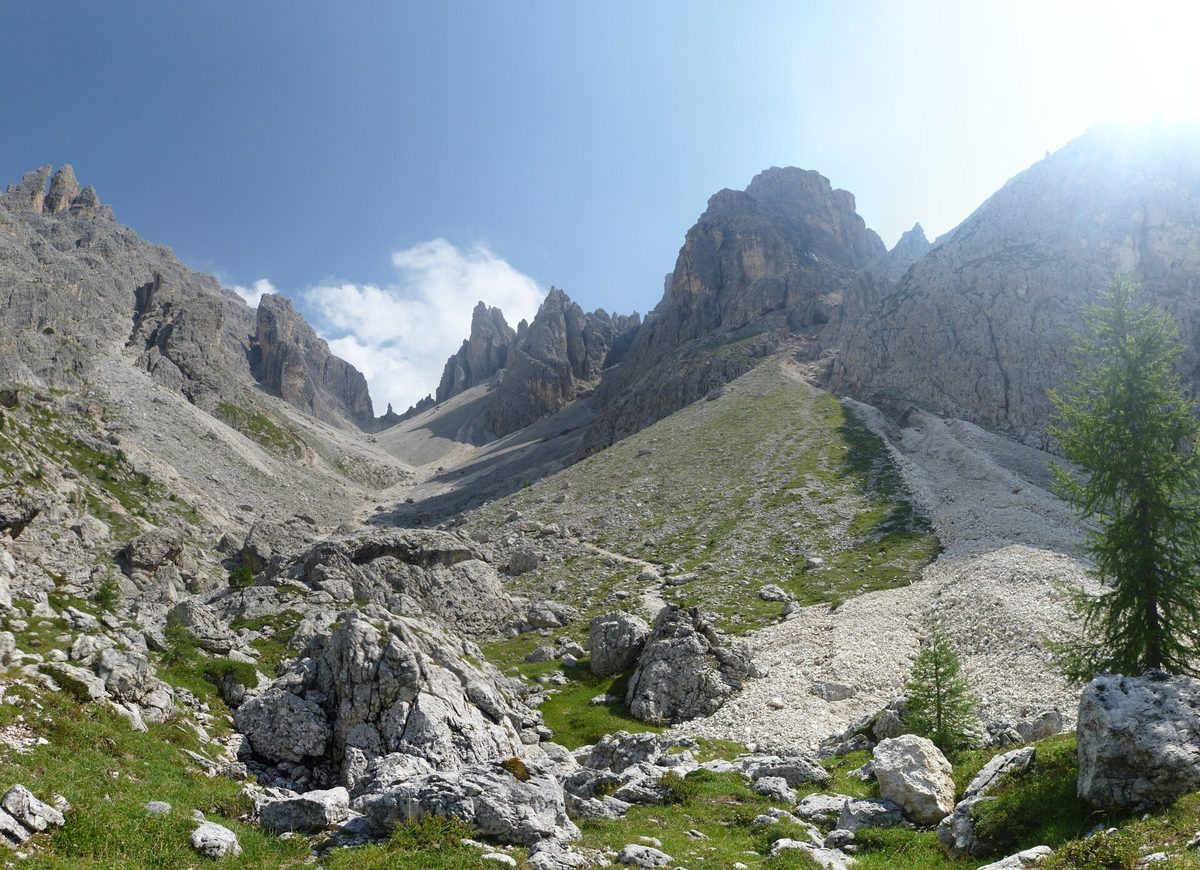
For a dedicated long-route plan, use 21 Days in Italy: Grand Tour Route.
Best Italy Itinerary Without A Car
Italy is one of the easiest European countries for a no-car first trip, as long as you choose the right places. The classic cities are exactly where you do not want a car anyway.
10-Day Train-Only Route
| Day | Overnight | Train logic |
|---|---|---|
| 1 | Rome | Arrive |
| 2 | Rome | No car needed |
| 3 | Rome | No car needed |
| 4 | Florence | High-speed train |
| 5 | Florence | Walkable city |
| 6 | Florence | Train day trip to Pisa, Lucca, Siena by bus/train combination, or guided tour |
| 7 | Bologna | Short train, food city, porticoes |
| 8 | Venice | Train to Venice |
| 9 | Venice | Vaporetto and walking |
| 10 | Venice/Milan | Depart or train to airport city |
This is a cleaner no-car route than trying to force rural Tuscany, deep Amalfi, or scattered villages into public transport. You can still see a lot, but you pick places where trains are an advantage.
Where No-Car Travel Gets Harder
No-car travel is possible in many regions, but it becomes more constrained in:
- Rural Tuscany and Val d’Orcia.
- Small Umbrian hill towns.
- Puglia beaches and countryside masserie.
- Sicily beyond the main city-to-city rail and bus routes.
- Sardinia beaches.
- Dolomites trailheads and scenic passes.
- Some Amalfi Coast combinations outside ferry season.
For train and regional-ticket rules, always check current official operator information. Trenitalia’s digital regional ticket page says digital regional tickets are now automatically validated for the selected train at scheduled departure and remain valid for the validated train or trains, but details can vary by ticket type and region.
The full support page is Italy Itinerary Without a Car.
Northern Italy Itinerary
Northern Italy is not just “Italy plus Lake Como.” It has a different rhythm: efficient cities, alpine edges, lake ferries, food capitals, design, and excellent rail corridors. It is also a smart route if flights to Milan are cheaper or if you want to combine Italy with Switzerland, Austria, or southern France.
10 To 14 Days In Northern Italy
| Nights | Base | Best use |
|---|---|---|
| 2 | Milan | Arrival, Duomo, Last Supper, design, fashion, airport access |
| 2 | Lake Como or Lake Garda | Scenery, ferries, villas, lake towns |
| 2 | Verona or Bologna | Verona for romance/history, Bologna for food and trains |
| 2 | Venice | Canals, lagoon islands, architecture |
| 3 to 4 | Dolomites | Hiking, lifts, alpine scenery, road trip |
If you have 10 days, choose either lakes or Dolomites, not both, unless you move quickly. If you have two weeks, you can include both with a more careful route. If you are traveling outside hiking season, the Dolomites may still be beautiful but some lifts, hotels, and trails can be limited.
For the dedicated route, use Northern Italy Itinerary: Lakes, Venice, Milan and Dolomites. For deeper destination planning, use Milan and Northern Italy, Italian Lakes, and Dolomites and Italian Alps.
Southern Italy Itinerary
Southern Italy is a different kind of trip: warmer, more chaotic in places, deeply food-driven, and sometimes less frictionless by train. It is also where some travelers fall hardest for Italy because it feels less like a museum route and more like a lived-in world.
14-Day Southern Italy Route
| Nights | Base | Best use |
|---|---|---|
| 3 | Rome | Arrival, ancient sites, Vatican, food neighborhoods |
| 2 | Naples | Food, archaeology museum, street life, Pompeii/Herculaneum access |
| 3 | Sorrento or Amalfi Coast | Capri, Amalfi, Ravello, coastal day |
| 4 | Puglia | Bari, Monopoli, Polignano a Mare, Alberobello, Ostuni, Lecce |
| 1 to 2 | Matera or return city | Cave city stop or departure positioning |
This route works best if you are comfortable with a car for Puglia or use guided transfers and rail bases carefully. It is not the route I would suggest for someone who wants the easiest first trip. It is the route I would suggest for someone who cares about food, southern landscapes, beaches, and a little grit.
Do not casually add Sicily to this unless you have more than two weeks or you are willing to cut Puglia or Amalfi. Sicily is big. It deserves time.
For the full support article, use Southern Italy Itinerary: Naples, Amalfi, Puglia and Sicily. For regional hubs, see Amalfi Coast, Naples and Campania, Puglia and Southern Italy, Everything You Need to Know About Sicily, and Sardinia and Italy Beaches Travel Guide when the trip is beach-first.
Italy Honeymoon Itinerary
A honeymoon itinerary should not be a normal itinerary with nicer hotels. It should be slower, more atmospheric, and less punishing. You can absolutely include Rome and Florence, but I would be careful about building a honeymoon around lines, early trains, and every famous museum.
Romantic 12 To 14 Day Route
| Nights | Base | Why it works |
|---|---|---|
| 3 | Venice | A memorable arrival, quiet mornings, lagoon evenings |
| 3 | Florence or Tuscan countryside | Art, wine, views, villas, slower meals |
| 3 | Rome | History, food, beautiful evening walks |
| 3 | Amalfi Coast, Lake Como, or Sicily | Choose sea cliffs, lake villas, or island atmosphere |
The choice of final base should match the season. Amalfi is wonderful in late spring, summer, and early fall but expensive and crowded at peak. Lake Como is strongest from spring through early fall and works well with Milan. Sicily can be beautiful for food, beaches, and ancient sites, but it is better with more time and often a car.
For the dedicated support guide, use Italy Honeymoon Itinerary: Romantic Routes by Season. For couple-specific planning beyond route structure, use Italy for Couples.
Best Itinerary By Arrival Airport
Flight price matters, but airport choice also shapes the route. I like to check open-jaw flights before I commit to any Italy itinerary. Sometimes flying into Rome and home from Venice, Milan, or Naples costs a little more than a round trip, but saves a full backtracking day. Sometimes the round trip is cheap enough that you build around it. The point is to compare the route cost, not just the airfare. Our guide to Italy’s airports sets out which hubs pair well for an open-jaw route.
| Arrival airport | Best route shape | Good departure pair | Planning note |
|---|---|---|---|
| Rome Fiumicino | Rome -> Florence/Tuscany -> Venice, or Rome -> Naples/Amalfi -> Florence | Venice, Milan, Naples, or Rome | Rome is the easiest all-purpose gateway for first trips and central/southern routes. |
| Venice Marco Polo | Venice -> Florence/Tuscany -> Rome -> Naples/Amalfi | Rome or Naples | Excellent for a north-to-south two-week route if flights are reasonable. |
| Milan Malpensa or Linate | Milan -> Lake Como -> Verona/Venice -> Florence -> Rome | Rome, Venice, or Naples | Best for northern Italy, lakes, Dolomites, Switzerland add-ons, and some cheaper long-haul fares. |
| Naples | Naples/Amalfi -> Rome -> Florence -> Venice | Venice, Milan, or Rome | Strong if Campania is a priority, but long-haul flight options may be more limited. |
| Florence or Pisa | Tuscany -> Rome -> Venice, or Tuscany -> Cinque Terre -> Milan/Venice | Rome, Venice, or Milan | Useful for travelers prioritizing Tuscany, though not always the best international gateway. |
| Bologna | Bologna -> Florence -> Rome, or Bologna -> Venice -> Verona/Milan | Rome, Venice, or Milan | Underrated for food-focused travelers and rail connections. |
| Catania or Palermo | Sicily-focused route | Same island airport or mainland connection | Treat Sicily as its own itinerary unless you have a long trip. |
If you land in Rome after an overnight flight, I usually do not plan an immediate complicated transfer unless there is a strong reason. A simple train to Florence can be fine if arrival is early and you travel light. A same-day chain of flight, train, ferry, and bus is where trips start to fray before they begin.
Seasonal Route Swaps
Do not choose an Italy itinerary in isolation from the calendar. The route that feels perfect in late May can feel too hot in August, too quiet on the coast in January, or too weather-dependent in the mountains in October.
| If you travel in… | Strong route choices | Be careful with |
|---|---|---|
| March and April | Rome, Florence, Venice, Bologna, Naples, Sicily cities | Beach expectations, early-season ferries, Easter crowds |
| May and early June | Classic Rome-Florence-Venice, Tuscany, lakes, Amalfi, Puglia | Hotel prices and popular museum tickets |
| July and August | Dolomites, lakes, islands, beaches, coastal routes | Rome/Florence heat, Venice crowds, peak Amalfi prices |
| September and October | Classic routes, Tuscany, food and wine routes, Amalfi, Sicily, Puglia | Rain risk later in October, reduced coastal services as season ends |
| November to February | Rome, Florence, Venice, Bologna, Naples, museums, food cities | Beach towns, ferries, rural closures, short daylight |
For summer, I would rather build in more water, mountains, or slower mornings than pretend July sightseeing feels the same as October sightseeing. For winter, I would lean into cities, food, museums, opera, markets, and lower-pressure walks. For spring and fall, I would still book the famous anchors early because “shoulder season” is now popular, especially in Rome, Florence, Venice, Tuscany, and the Amalfi Coast.
Which Direction Should You Travel?
Route direction is not just aesthetic. It affects flight options, train efficiency, and how tired you are when you reach the most logistically demanding areas.
Rome To Venice
Rome -> Florence -> Venice is the classic northbound route. It is simple, train-friendly, and works well if you fly into Rome and out of Venice or Milan. It is best for 7 to 10 days.
Venice To Rome
Venice -> Florence -> Rome is just as good and sometimes better. Rome is a strong final city because it has major flight connections and enough depth for a flexible last day. This direction also works well if you are continuing south to Naples or Amalfi.
North To South
Venice or Milan -> Florence/Tuscany -> Rome -> Naples/Amalfi is my preferred two-week shape if flights cooperate. It reduces awkward backtracking and puts the more logistically complex coast near the end.
South To North
Naples/Rome -> Florence/Tuscany -> Venice/Milan works if you find good flights into Naples or Rome and out of Venice or Milan. It can be especially useful for travelers who want to finish with the lakes or Venice.
Round Trip Rome
Rome round trips are common because flights can be cheaper. If you use Rome round trip, consider spending your Rome nights at the end, not the beginning and end. For example, land in Rome and immediately train to Florence if arrival time allows, then work back to Rome. This avoids splitting Rome into fragments.
What To Book First
For itinerary planning, the booking order matters.
| Step | Book or decide | Why |
|---|---|---|
| 1 | Trip length and route type | Prevents overbuilding the map |
| 2 | Gateway airports | Determines route direction |
| 3 | Overnight bases | Locks the skeleton of the trip |
| 4 | Hotels in high-demand places | Venice, Rome, Florence, Amalfi, lakes, islands, and small towns can fill early |
| 5 | Long-distance trains | High-speed fares can reward early booking |
| 6 | Major timed-entry sights | Colosseum, Vatican Museums, Uffizi, Accademia, Borghese, Last Supper, and similar |
| 7 | Local tours and restaurants | Add selectively; do not schedule every meal |
I would rather have a solid route and average restaurant reservations than a messy route with perfect restaurant plans. The structure comes first.
Use Italy Trip Planner: Step-by-Step Booking Timeline for the full planning sequence and What to Sort Before You Fly before departure.
Common Itinerary Mistakes
The mistakes are predictable because the temptations are predictable.
Mistake 1: Adding both Amalfi Coast and Cinque Terre to a short trip
They are both beautiful coastal areas, but they sit in different parts of the country and add transfer friction. With 14 days, you can technically do both. With 10 days, I would not. With 7 days, absolutely not.
Mistake 2: Treating Venice as a midday stop
Venice is at its worst when you arrive with every other day visitor and leave before evening. If you include it, sleep there or nearby and walk early or late.
Mistake 3: Renting a car for the classic cities
A car does not improve Rome, Florence, Venice, or Milan. It usually makes them worse. Rent for the countryside section and return before the next city.
Mistake 4: Choosing bases by hotel price alone
A cheaper hotel far from the center can cost you time, taxis, and energy. Location is part of the itinerary, not just the budget.
Mistake 5: Ignoring museum and ticket timing
Some sights require timed entry or careful booking. Do not wait until you are in Italy to start thinking about the Colosseum, Vatican Museums, Uffizi, Accademia, Borghese Gallery, Last Supper, or high-demand guided tours.
For the fuller prevention guide, read Italy Travel Mistakes to Avoid.
Child Route Guides
Use these deeper itinerary guides when you know your length or travel style:
| Guide | Best for |
|---|---|
| 10 Days in Italy: Rome, Florence, Venice and Alternatives | The classic first trip with realistic swaps |
| 14 Days in Italy: Classic Two-Week Route | First-timers who want the major cities plus one extension |
| 7 Days in Italy: Realistic First-Time Route | Travelers with one week who need strict prioritization |
| Italy Itinerary Without a Car | Train-first planners and visitors avoiding rental cars |
| A Suggested Route Through Northern Italy | Milan, lakes, Venice, Verona, Bologna, and Dolomites |
| 21 Days in Italy: Grand Tour Route | Longer trips with room for a true regional arc |
| Southern Italy Itinerary | Naples, Amalfi, Puglia, Matera, Sicily decisions |
| Our Italy Honeymoon Route | Romantic routes by season and pace |
Final Advice
If you are choosing between two versions of an Italy itinerary, choose the one with fewer bases and better evenings. You will remember the walk after dinner, the second morning in a city, the unplanned church, the market lunch, and the day that did not begin with repacking a suitcase.
For a first trip, Rome, Florence/Tuscany, and Venice are still the cleanest route. For a second trip, go deeper: Sicily, Puglia, Dolomites, lakes, Bologna and Emilia-Romagna, Naples and Campania, or a slow countryside route. Italy is not one itinerary. It is a country worth returning to.
Next, pair this route page with the broader Italy travel guide, the logistics-focused Italy transportation guide, and the seasonal best time to visit Italy guide before booking.
Questions travellers ask
What is the best Italy itinerary for a first trip?
For most first-time visitors, the best Italy itinerary is Rome, Florence or Tuscany, and Venice. With 10 days, spend about 4 nights in Rome, 3 in Florence, and 2 in Venice. With 14 days, add one major extension such as Amalfi Coast, Naples, Lake Como, Bologna, or deeper Tuscany.
Is 7 days enough for Italy?
Seven days is enough for a good Italy trip if you keep the route narrow. Rome and Florence is the better-paced one-week route. Rome, Florence, and Venice can work, but it is fast. Seven days is not enough for Rome, Florence, Venice, Amalfi, and Cinque Terre.
What is the best 10 day Italy itinerary?
The best 10 day Italy itinerary for most first-timers is Rome, Florence/Tuscany, and Venice by train. Give Rome the most time, use Florence as the art and Tuscany base, and sleep in Venice for at least two nights if possible.
Is 2 weeks enough in Italy?
Two weeks is enough for a strong first Italy trip. You can visit Rome, Florence/Tuscany, Venice, and one major extension such as Amalfi Coast, Naples, Lake Como, Cinque Terre, Bologna, or a deeper countryside stay. It is not enough to do every famous region well.
Can you travel Italy without a car?
Yes. A no-car Italy itinerary works very well if you focus on major cities and train-friendly bases such as Rome, Florence, Bologna, Venice, Milan, Verona, Naples, and parts of the lakes. A car becomes more useful for rural Tuscany, Puglia, Sicily, Sardinia, the Dolomites, and some countryside or beach stays.
Should I start in Rome or Venice?
Both work. Rome is often easier for long-haul arrivals and departures. Venice can be a beautiful start if flights are convenient. For a two-week route that includes Campania, Venice -> Florence -> Rome -> Naples/Amalfi is often cleaner than placing Venice near the end before a southern departure.
Should I include Amalfi Coast on a first Italy trip?
Include Amalfi Coast if you have at least 12 to 14 days, care deeply about coastal scenery, and accept the extra logistics and cost. If you have 7 to 10 days, Amalfi usually means cutting Venice, Cinque Terre, or another major stop.
Is Cinque Terre or Amalfi Coast better?
Cinque Terre is better for a shorter Ligurian coastal stop with trains and village-to-village movement. Amalfi Coast is better for dramatic sea cliffs, boat days, Capri, Pompeii, and a more southern Italy route. Both can be crowded. Choose based on route logic, not just photos.
How many bases should I have in Italy?
For 7 days, use 2 bases or 3 at most. For 10 days, use 3 bases. For 14 days, use 4 bases, maybe 5 if the transfers are easy. For 21 days, 5 to 7 bases can work, but include longer stays so the trip does not become constant packing.
Are trains in Italy easy for tourists?
Trains are usually straightforward between major cities. High-speed trains connect many core itinerary stops, and regional trains handle shorter routes. The important part is reading the ticket rules: high-speed trains are tied to specific reserved services, while regional ticket rules can differ by format and region.