Italian Lakes Itinerary: 3, 5 and 7 Day Routes
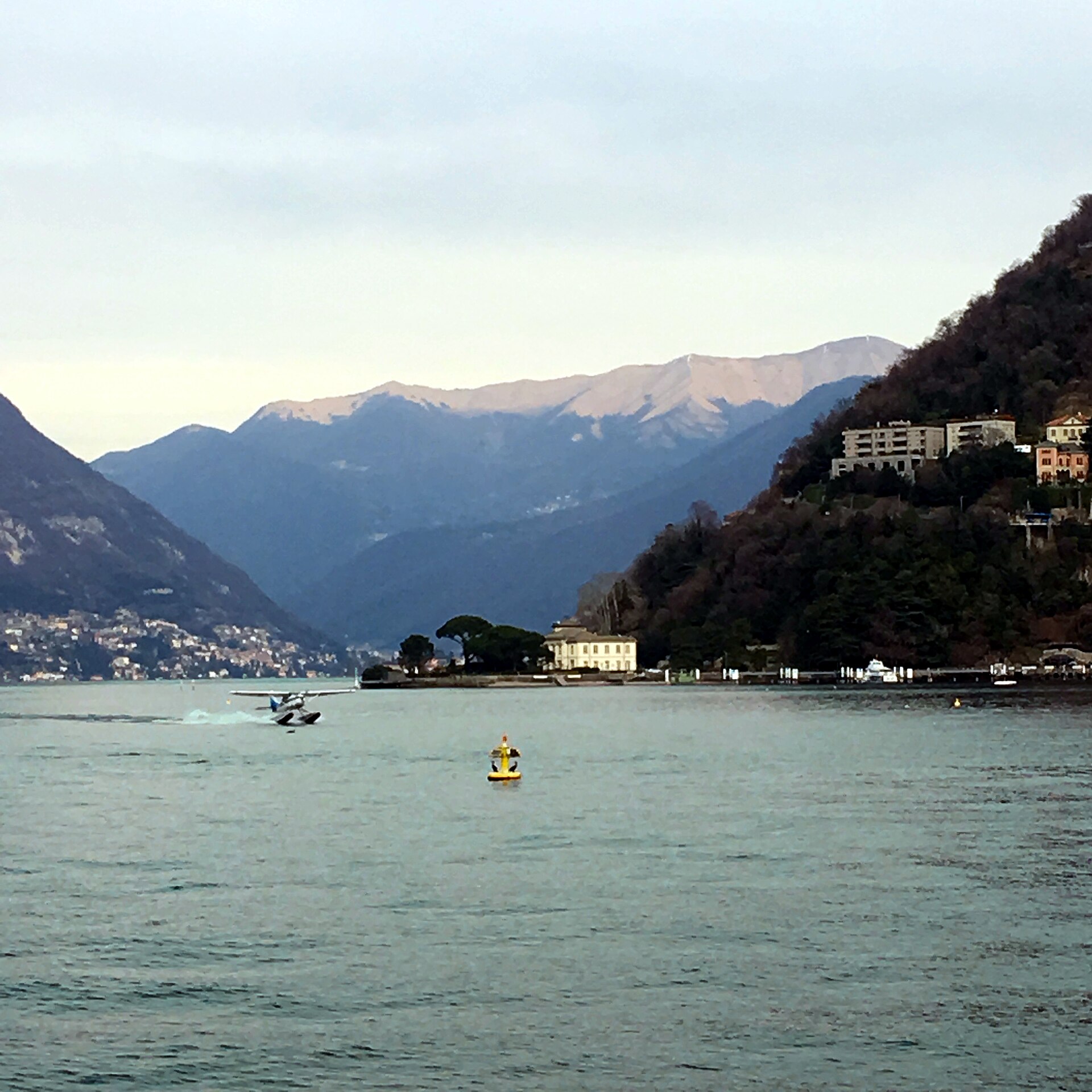
The thing nobody tells you when you start planning an Italian Lakes itinerary is that “the Italian Lakes” aren’t really one place. They’re a string of lakes spread across about 160 km of northern Italy, and the two most famous ones — Como and Garda — sit at opposite ends of that string with Milan in the middle. So the single best decision you can make is to stop trying to “do the lakes” and instead pick a sensible route.
Here’s the 40-second version. Don’t try to see all the lakes in one trip. Como and Maggiore (plus tiny Orta) cluster together in the west and pair beautifully. Garda sits well to the east, near Verona and on the road to Venice. Pick one base for a short trip, or do a deliberate two-lake route over 5 to 7 days. That’s the whole secret, and the rest of this guide is just the how.
This is for the planner who wants the real geography before booking — which lakes actually combine, how far apart they sit, whether to drive or take the train, and what a 3, 5 or 7-day plan looks like without a death march. I’ll send you to the individual lake guides for the deep town-by-town detail. My job here is the route.
Pick your route first: the at-a-glance table
Before anything else, get this into your head. The mistake on page one is treating Como, Maggiore and Garda as three stops on one tidy loop. They’re not. Two of them are close; one is a real transfer away. Here’s how the days actually shake out.
| Days | Route | Best for | Car or train |
|---|---|---|---|
| 3 days | One lake only — Como, or Garda, or Maggiore + Orta | First-timers, weekenders, a relaxed pace | Train + ferry (easiest) |
| 5 days | Como + Maggiore (the western pair, + a half-day at Orta) | The classic combo, gardens and grand villas | Either; car helps for Orta |
| 5 days (east) | Garda + Verona as a base | Beaches, castles, wine, a great city nearby | Train, then bus/ferry |
| 7 days | Como + Maggiore + Garda (one long transfer mid-trip) | Seeing the “big three” without rushing | Mixed: train west, transfer east |
| 2–3 day add-on | Lakes bolted onto a Milan or Venice trip | Tasting the lakes without a dedicated trip | Train (Milan→Como; Venice→Garda) |
Notice what’s missing: there’s no “see four lakes in four days” row. That’s deliberate. Every extra lake costs you a hotel change and a transfer, and the lakes reward slowness, not box-ticking. If your route has you sleeping somewhere new every single night, you’ve over-packed it.
The geography, honestly: which lakes actually combine
This is the part most guides hand-wave, so let me be blunt about the map.
Picture northern Italy with Milan roughly in the middle. To the northwest of Milan sit Lake Maggiore and, just beside it, the small and lovely Lake Orta. A short hop east of those is Lake Como. These three — Maggiore, Orta, Como — are genuinely close. Como to Stresa on Maggiore is around 1.5 hours by car. Stresa to Orta San Giulio is about 40 minutes. This is the western cluster, and it’s why a Como + Maggiore route works so well: you’re never far, the scenery is all grand villas and garden islands, and you can even string in Orta as a half-day.
Then there’s Lake Garda, sitting well to the east, between Milan and Venice, right next to Verona. And this is the bit page one buries: Garda is not a casual add-on to Como. Como to Garda’s south shore is roughly 120–130 km — about 2.5 to 3 hours of driving, or around 2 to 2.5 hours by train (almost always routed back through Milan, because the lakes sit on different rail spokes and there’s no direct line between them). That’s a half-day of your trip, gone to transit.
So the honest groupings are:
- West: Como + Maggiore + Orta. Tight, scenic, easy. The natural pairing.
- East: Garda + Verona (+ onward to Venice). Also tight and easy — but it’s a different trip from the western lakes.
- Both? Only if you have 7+ days and accept one deliberate long transfer in the middle. More on that below.
If someone hands you a “7-day lakes loop” that bounces Maggiore → Como → Garda → back, look closely at the driving. They’ve usually glossed over two or three hours behind the wheel that you’ll feel in your legs. For the bigger regional picture, the complete guide to the Italian Lakes is the parent overview, and each lake gets its own deep dive: the complete guide to Lake Como, the Lake Maggiore travel guide, and the Lake Garda travel guide.
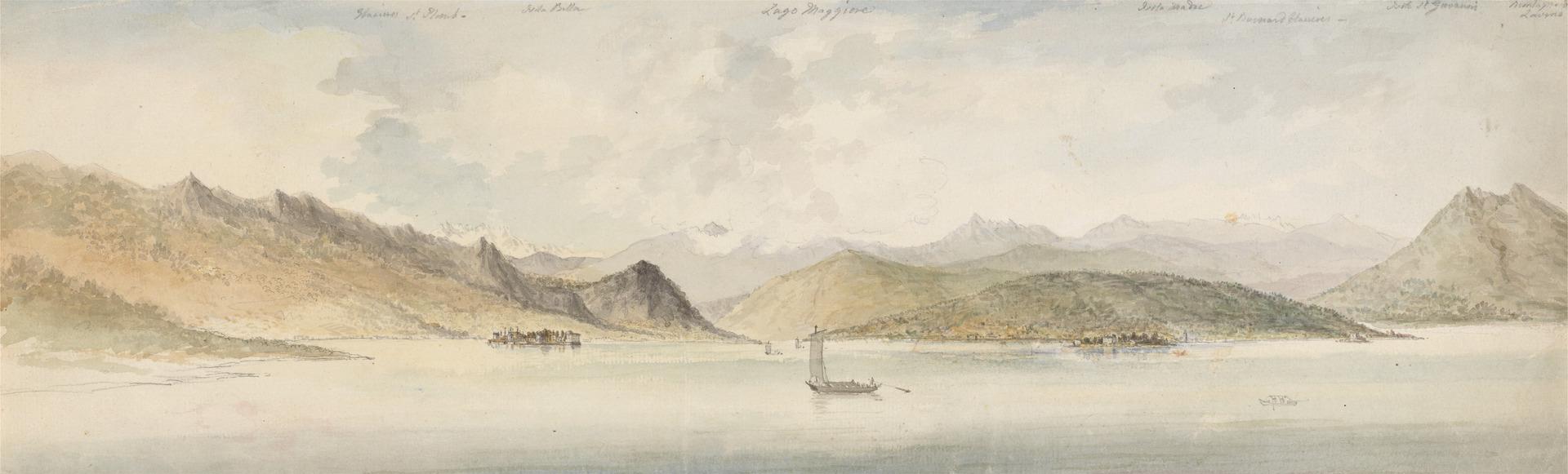
Car or train? The trade-off that shapes everything
Almost every route decision flows from this one question, so settle it early.
The case for the train. The big lakes all have ferry networks, and that’s the trick: you take a train to a lakeside town, then let the ferries do the sightseeing. You never park, you never sit in lake-road traffic, and you can have a glass of wine at lunch. Milan to Como town is around 40 minutes to an hour by train. Milan to Stresa on Maggiore is roughly an hour. Milan to Desenzano or Peschiera on Garda’s south shore is around 1 to 1.5 hours. For a single-lake trip, the train wins easily.
The catch: trains connect the lakes via Milan, not directly to each other. And once you’re at a lake, you’re tied to ferry and bus timetables, which thin out in the shoulder season and stop early in the evening. If you want to chase a specific sunset village or sleep somewhere remote, that’s friction.
The case for the car. A car shines for one job: linking lakes that ferries can’t, and reaching the small ones. Orta has no train station on the lake itself; a car makes it trivial from Maggiore. Hopping between Maggiore and Como overland is far smoother with your own wheels. And the lake roads, traffic aside, are genuinely beautiful to drive.
The catch is real, though. Italian lake towns are riddled with ZTL zones — limited-traffic areas where driving in without a permit triggers a fine in the post weeks later. Many of the prettiest centers (Bellagio, Sirmione’s old town, Orta San Giulio) are partly or fully closed to cars. Parking is never free, often scarce, and maddening in summer. So a car that’s a joy on the open road becomes a liability the moment you arrive somewhere popular. You end up parking on the edge of town and walking in anyway.
My rule of thumb: single lake, or the eastern Garda trip → train. Western multi-lake with Orta, or you love driving → car, but park outside the centers and use ferries on the water. For the full breakdown of fast trains versus regionals and how the ferry passes work, see Italy transportation. And if you’re flying in, Milan is the gateway for the western lakes and Garda’s south; the complete guide to Milan and Northern Italy covers the airports and onward connections.
The 3-day single-lake Italian Lakes itinerary
With three days, do one lake. I know it’s tempting to grab two, but a single transfer eats a third of your trip and you’ll spend it stressed rather than relaxed. Pick the lake that matches your mood.
Option A — Lake Como (the iconic one). Base yourself in Varenna or Menaggio rather than Como town; you’ll be in the scenic heart of the lake where the ferries crisscross. Day one, settle in and walk your home village at golden hour. Day two, ferry the “golden triangle”: Varenna, Bellagio and one of the villa towns like Tremezzo (for Villa Carlotta) or Lenno (for Villa del Balbianello). Day three, a slower morning — a garden, a lakeside swim, a boat hour — before you leave. Como town itself is worth a half-day if you arrive or depart through it. For where to sleep, the where to stay in Lake Como guide breaks down the villages, and the best towns on Lake Como piece helps you choose between them.
Option B — Lake Garda (the varied one). If you want beaches, castles and a bit of buzz, Garda over three days is great. Base in Sirmione or Desenzano in the south if you’re on the train and want easy access; base near Riva del Garda in the north if you want mountains and wind. Day one, your home shore. Day two, ferry-hop to a couple of towns — Sirmione’s Roman ruins and castle, Malcesine’s cable car. Day three, a wine afternoon around Bardolino or a beach. Garda is big, so resist circling the whole thing; the guide to visiting Lake Garda explains why each shore is basically a different lake.
Option C — Maggiore + Orta (the quiet one). This is the underrated pick. Base in Stresa on Maggiore. Day one, the lakeside promenade and a Belle Époque dinner. Day two, the Borromean Islands — Isola Bella’s baroque palace and gardens, Isola Madre, the fishermen’s island. Day three, drive or bus over to Orta San Giulio, walk the car-free village, and boat the five minutes to the island of San Giulio. It’s the gentlest of the three options and the least crowded.
The 5-day Como + Maggiore route (the western classic)
This is the sweet spot for most people, and it’s the route I’d push you toward if you have five days and want the postcard lakes without a long eastern transfer. Both lakes are reachable from Milan, they sit close together, and the vibe — grand villas, garden islands, ferries gliding past mansions — is consistent. You can do this by train and ferry, though a car makes the Orta half-day painless.
Days 1–2: Lake Maggiore. Arrive into Milan, head to Stresa (around an hour by train, or a similar drive). Spend the first afternoon easing in along the promenade. Full day two for the Borromean Islands — give them the whole day, palaces and gardens included — and, if you have a car and energy, slip over to Orta San Giulio for the late afternoon. If you’re carless, save Orta or do it as a guided half-day. Sleep both nights in or near Stresa.
Day 3: transfer to Lake Como. This is the short, easy hop — the good kind of transfer. By car it’s around 1.5 hours over to the Como villages. By train you’ll likely route via Milan; budget a relaxed half-day and treat it as a travel morning. Aim to land in Varenna or Menaggio by early afternoon so you get one evening on Como before the real sightseeing starts.
Days 4–5: Lake Como. A full day for the golden triangle — Bellagio, a villa town, and the ferry rides between them, which are half the pleasure. Your last day, go slower: a garden, a swim off the rocks, a boat hour, an unhurried lunch. Then out via Como town or back to Milan. Two lakes, four nights, exactly one transfer, and it’s the easy one. That restraint is the whole point.
The 7-day Como + Maggiore + Garda route (the honest big-three)
You can absolutely do the “big three” in a week — but only if you’re honest about the cost: one genuinely long transfer in the middle, and a willingness to keep each lake’s days tight. Here’s the version that actually works.
Days 1–2: Lake Maggiore. As above — Stresa, the promenade, a full day on the Borromean Islands, Orta if you can.
Days 3–4: Lake Como. Short hop east (the easy one). One full golden-triangle day, one slower day. Don’t try to also “see” all of Como; you’re sampling, not conquering.
Day 5: the big transfer — Como to Garda. This is the day page one pretends doesn’t exist. Como to Garda’s south shore is roughly 120–130 km. By car, plan around 2.5 to 3 hours and treat it as a driving day, not a “morning hop with a vineyard stop.” By train, you’re looking at around 2 to 2.5 hours, almost certainly changing in Milan, because the two lakes sit on different rail lines with no direct link. Either way, this is a travel day. Set off after breakfast, accept that you’ll lose the bulk of it to transit, and aim to be checked in on Garda by mid-afternoon. Base in Sirmione or Desenzano (south, train-friendly) or near Riva (north, mountainous).
Days 6–7: Lake Garda + Verona. A full Garda day — ferry-hop the towns, see Sirmione’s castle and Roman ruins, ride a cable car, hit a beach. Then, crucially, use your last day for Verona, which is only around 20–40 minutes from the south-shore stations. Verona is one of Italy’s most rewarding small cities and the natural punctuation mark on the eastern leg; the complete guide to Verona lays out a tight one-day plan. From Verona you can also fly home or roll straight on to Venice.
A confession: if I had exactly seven days and wanted them to feel like seven days rather than four, I’d skip the Garda transfer and do the slower 5-day western route plus two extra unhurried days on Como or Orta. The big-three week is doable and many people love it — just go in knowing day five is mostly a car or a train, not a lake.
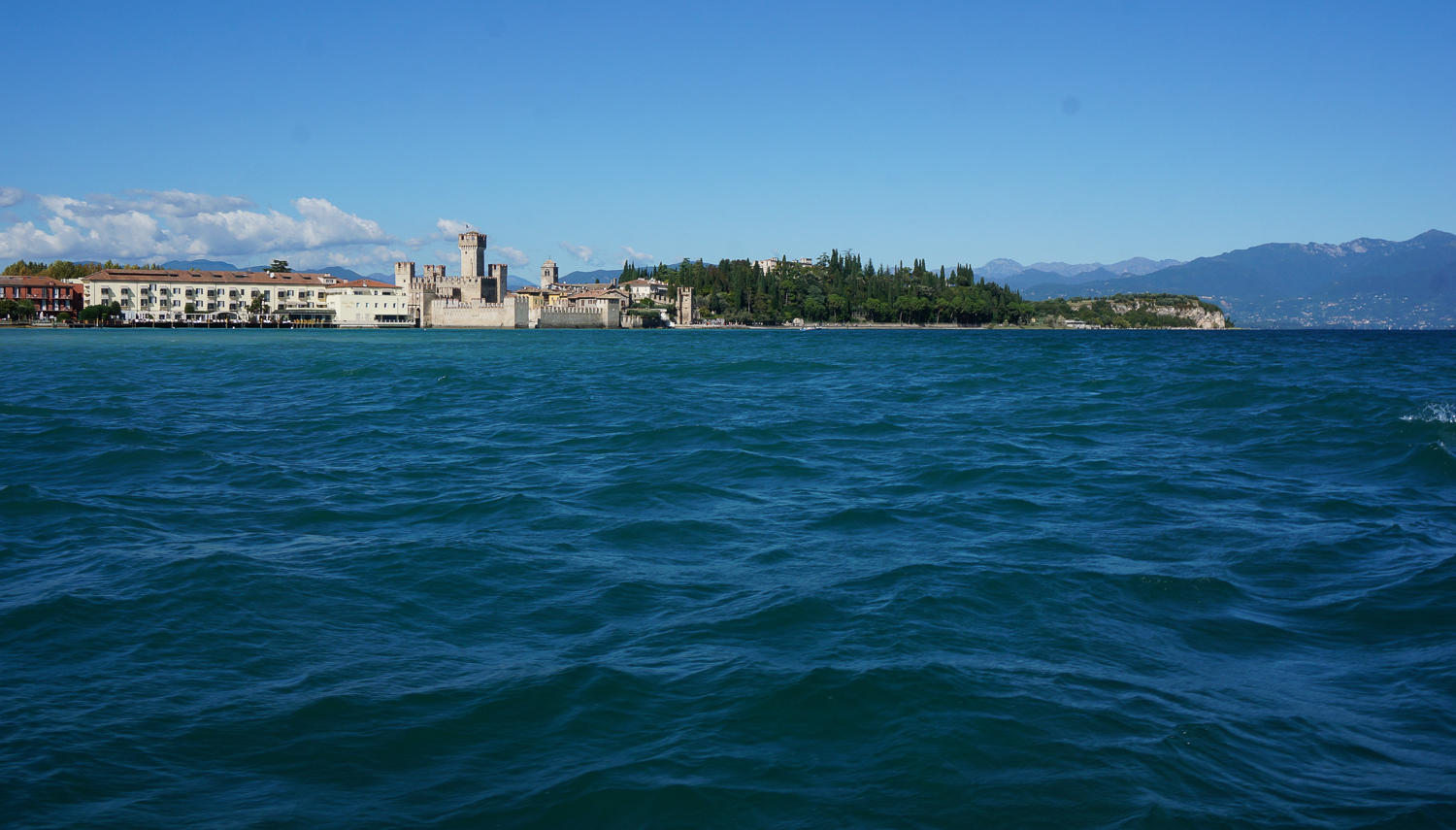
Bolting the lakes onto a Milan or Venice trip
Plenty of people don’t want a dedicated lakes trip — they want a taste while they’re in northern Italy anyway. That’s very doable, and the geography makes the choice for you.
From Milan → go west. Milan sits right at the foot of the western cluster. The easiest move is Lake Como: a train from Milan to Como or Varenna and you’re on the water in well under an hour, which makes even a day trip realistic. The Lake Como day trip from Milan guide walks through the ferry timing so a single day actually works. Got two nights spare? Sleep on Como, or split a night each on Como and Stresa. The point is: from Milan, reach for the western lakes, not Garda.
From Venice → go to Garda. If your trip is anchored in Venice or the Veneto, Garda is your lake. Trains run from Venice to Desenzano or Peschiera on Garda’s south shore, and Verona sits neatly on the way, so a Verona-plus-Garda extension is natural. Trying to reach Como from Venice instead means crossing the entire north of Italy past Milan — don’t. The full Venice and Veneto guide covers that side of the country, and the broader Italy itineraries hub shows how a lakes leg slots into a longer national route.
The rule is simply: let your gateway city choose your lake. Milan pulls you west to Como and Maggiore; Venice pulls you east to Garda. Fighting that geography is how people end up spending a vacation day on a cross-country train.
How the ferries fit, and what to cut
The ferries are the secret weapon of any lakes trip, and they change how you should plan. On Como, Garda and Maggiore, a single well-placed base plus the ferry network lets you see far more than you’d guess without ever moving hotels. That’s why I keep nudging you toward fewer bases, more ferry days. Seeing these lakes from the water — villas sliding by, mountains rising behind — is genuinely the best vantage, better than any road.
Practical notes, hedged because they shift: ferries run frequently in high season and thin out noticeably in spring and autumn, with last boats often in the early evening. Fares are modest for short hops and add up for all-day hopping, so look for day passes on the lake you’re focused on. Always check the current timetable the night before — the official lake-navigation site covers Como, Garda and Maggiore on one site, so make sure you’ve selected the right lake.
And what to cut when the plan gets greedy? Cut the extra lake before you cut ferry time. A common over-packed instinct is to add Lugano or Iseo to a western trip — resist it on a first visit. Cut the second base on a single lake; one good base plus ferries beats two rushed ones. Cut the ambition to “circle” a big lake by car (especially Garda — driving its full ring is the better part of four hours). The trip you’ll remember is the slow ferry afternoon, not the third lake you bagged.
When to go, and a few booking realities
Timing matters more here than people expect, because the lakes have a real season.
Best windows: Late April through June, and September into early October. Spring brings the gardens into bloom — the villa gardens of Como and Maggiore are spectacular in May with camellias, wisteria and azaleas. Early autumn brings warm light, swimmable-ish water and thinner crowds. These shoulder seasons are when the lakes are at their best, full stop.
Avoid if you can: July and August. The lakes are the weekend playground for Milan and much of central Europe, and the popular spots — Bellagio, Sirmione — get genuinely crowded, hot and pricey. If summer is your only option, base a little outside the famous centers, start your sightseeing early, and lean hard on the ferries to skip the parking scrum. For a month-by-month read on the wider country, see the best time to visit Italy guide.
Booking realities: Lake Como lodging skews expensive and books out early for the prime months, so lock it in well ahead; the where to stay in Lake Como guide explains which villages give you the most for the money. Maggiore and Garda are generally gentler on the wallet. The Borromean Islands and the big villas (Balbianello, Carlotta) have set seasons — roughly spring through early autumn — and some require timed tickets, so check before you build a day around them. If you want a car, reserve it early too; airport pickups at Milan can involve long queues, so pad your first day. For the national-level picture on accommodation styles and costs, the best areas to stay across Italy is a useful companion, and the overall guide to planning a trip to Italy ties the regions together.
Final thoughts
The whole trick to a good Italian Lakes itinerary is restraint. The region tempts you to collect lakes like stamps, but the lakes that combine well — Como and Maggiore in the west — are the ones to pair, and Garda is its own eastern trip near Verona. Pick a base, lean on the ferries, give yourself slow afternoons, and accept that “fewer lakes, more deeply” beats a week of transfers every time. Do that, and you’ll come home rested instead of wrung out.
Questions travellers ask
How many days do you need for the Italian Lakes?
For one lake done well, three days is plenty. For the classic Como + Maggiore western pairing, five days is the sweet spot. To add Garda and see the “big three,” budget seven, accepting one long transfer in the middle. Anything beyond that — Orta, Lugano, Iseo — is a bonus for travelers with 10 days or more.
Can you visit Lake Como and Lake Garda in one trip?
Yes, but plan for the gap. They sit at opposite ends of the lakes region — roughly 120–130 km apart, about 2.5 to 3 hours by car or 2 to 2.5 hours by train (usually via Milan, as there’s no direct line). It works on a 7-day trip with one deliberate transfer day. On a short trip, pick one; don’t burn a third of your days in transit.
Which Italian lakes are closest together?
Lake Maggiore, Lake Orta and Lake Como form the western cluster and are genuinely close — Como to Stresa is around 1.5 hours, Stresa to Orta about 40 minutes. They pair naturally. Lake Garda sits well to the east near Verona, on a different rail line, so it pairs with Verona and Venice rather than with Como.
Is it better to do the Italian Lakes by car or train?
For a single lake, or for the eastern Garda-and-Verona trip, the train plus ferries is easier — no parking, no ZTL fines, no lake-road traffic. A car wins when you’re linking western lakes overland or reaching small ones like Orta with no lakeside station. If you drive, park outside the historic centers and use ferries on the water.
What’s the best Italian Lakes itinerary for first-timers?
Five days on Como + Maggiore. You get the two most iconic lakes, the famous villas and garden islands, and the whole thing strings together with just one short, easy transfer. Base in Stresa for two nights, then Varenna or Menaggio for two more, and let the ferries handle the sightseeing. It’s the highest reward for the least logistical stress.
Should I add Lake Orta to my itinerary?
If you have a car and a spare half-day on a western trip, yes — Orta San Giulio is small, car-free and lovely, and it’s only about 40 minutes from Stresa. Without a car it’s trickier, since the lake has no station of its own, so weigh it as a guided half-day or save it for a return visit rather than forcing it in.
When is the cheapest time to visit the Italian Lakes?
Late autumn through winter is cheapest, but many ferries, villas and gardens run reduced hours or close, so you trade savings for access. The best value-for-experience window is the shoulder season — late April to June and September into October — when prices ease off the summer peak, the weather is good and the gardens or warm light are at their best.
Can I do the lakes as a day trip from Milan?
From Milan, Lake Como is a realistic day trip — under an hour by train to Como or Varenna, then ferries between Bellagio and the villa towns. It’s tight but rewarding if you start early. Maggiore is also doable in a long day. Garda is too far east for a comfortable day trip from Milan; pair it with Verona or Venice instead.