Venice and Veneto Travel Guide: Canals, Islands, Bases and Day Trips
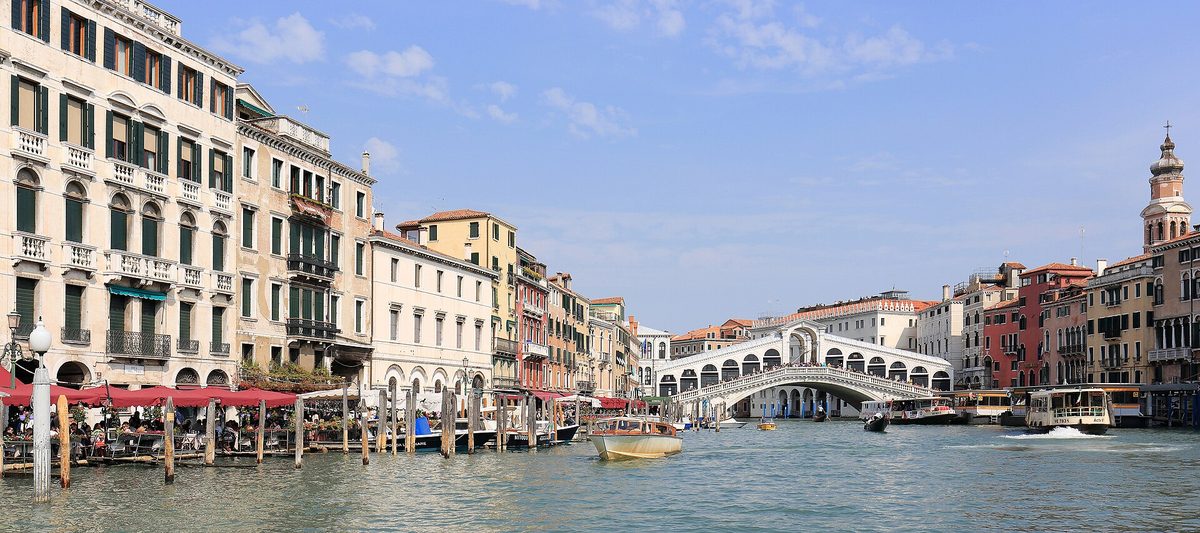
This Venice travel guide is really about timing, because when you visit each part of the day matters more than what you see. Venice is the easiest city in Italy to misunderstand. People arrive for the canals, Rialto Bridge, St. Mark’s Basilica, Doge’s Palace, gondolas, and Murano glass, then leave saying it was crowded, expensive, confusing, and too touristy. They are not always wrong. They are often just seeing Venice at its worst possible time of day, in its most crowded corridor, with a half-day schedule that gives the city no chance to breathe.
Venice is not a checklist city. It is a timing city. It rewards early mornings, late evenings, slower walks, careful hotel choice, and knowing when to escape San Marco without pretending San Marco does not matter. It also rewards travelers who understand the wider Veneto: Padua, Verona, Vicenza, Treviso, the lagoon islands, the Lido, and sometimes Mestre or Padua as practical bases.
For most first-time visitors, spend at least two nights in Venice itself if the budget allows. Three nights is better. One day is enough to see why Venice is famous; two or three days is how you start to understand why it still matters.
The practical decisions are how many days to stay, where to sleep, what to book in advance, how to use vaporetti, whether Murano and Burano fit your trip, when Mestre or Padua makes sense, and which day trips should compete for your time. If you are still building the countrywide route, start with our guide to planning a trip to Italy, Italy itineraries, and Italy transportation guide.
Venice Travel Guide at a Glance
| Planning question | Best answer for most visitors |
|---|---|
| Ideal Venice stay | 3 nights for a first visit; 2 nights if time is tight; 4 nights if adding islands or a Veneto day trip |
| Minimum worthwhile visit | 1 full day, but only if you accept that it will be a highlights taste |
| Best first-time base | Venice historic center, especially Dorsoduro, Cannaregio, San Polo/Rialto, or calmer edges of San Marco/Castello |
| When to use Mestre | Budget, early train/flight logistics, or very late booking, but expect to lose the early/late Venice advantage |
| Must-book sights | Doge’s Palace, St. Mark’s Basilica access options, some guided tours, La Fenice, and high-demand restaurants |
| Best island trip | Murano plus Burano if you have at least 3 nights; Torcello if you want a quieter lagoon day |
| Best Veneto day trips | Padua, Verona, Vicenza, Treviso, Prosecco hills, depending on time and interests |
| Biggest mistake | Visiting only between 10 a.m. and 5 p.m. around San Marco/Rialto, then deciding Venice is only crowds |
Venice is a UNESCO World Heritage site with its lagoon, and that lagoon context matters. This is not just a pretty city with canals. It is a former maritime republic, a fragile water city, a living place with real residents, a major day-trip magnet, and a destination trying to manage heavy tourism pressure through rules, access fees, cruise restrictions, and crowd controls.
The best Venice trip is respectful and practical: sleep near what you want to experience, walk more than you expect, use boats deliberately, check official rules, and leave time for the city to surprise you outside the obvious postcard frame.
How Many Days Do You Need In Venice?
The short answer: spend two full days in Venice if it is your first visit, and three full days if you want the islands, quieter neighborhoods, or a day trip without sacrificing the city itself.
| Time in Venice | What works | What to skip or save |
|---|---|---|
| Half day | San Marco exterior, Rialto, a short walk, maybe one vaporetto ride | Interiors, islands, relaxed meals, real neighborhood wandering |
| 1 full day | San Marco, Doge’s Palace or Basilica, Rialto, Grand Canal, one quieter sestiere | Murano/Burano unless you skip major Venice sights |
| 2 full days | Strong first visit: San Marco, Doge’s Palace/Basilica, Rialto, Dorsoduro, Cannaregio, Grand Canal | Verona/Padua day trips unless you have been to Venice before |
| 3 full days | Add Murano/Burano, Castello, Giudecca, Lido, museums, food walks, or slower mornings | Overloading every day with timed entries |
| 4+ full days | Add Padua, Verona, Vicenza, Treviso, Prosecco hills, or a deeper island day | Treating Venice only as a hotel base |
I would rather have two nights in Venice than one day trip from somewhere else. The city changes after the day-trippers leave. St. Mark’s Square becomes less frantic. The side canals go quiet. Restaurants stop feeling like survival choices. You notice delivery carts, schoolchildren, people carrying groceries, and the odd hush of a city without cars.
That early and late access is the strongest argument for sleeping in Venice proper. It is not only romance. It is strategy.
For a day-by-day first trip, use 2 Days in Venice: First-Time Itinerary.
The First Rule: Sleep In Venice If You Can
Venice is expensive, and I understand why Mestre looks tempting. A bigger room near Mestre station can cost less than a smaller room in the historic center. If the trip is budget-constrained, if you have an early train, if you are arriving late, or if central Venice hotels are wildly priced, Mestre can be a rational choice.
But Mestre is not Venice. It is the mainland. You will cross into Venice by train, bus, tram, or taxi, then cross back later. That friction changes behavior. You are less likely to wander at sunrise. You are less likely to sit in a quiet campo after dinner. You are more likely to pack Venice into the same daytime window as everyone else.
If this is your first time and you can afford it, stay in Venice for at least two nights. Choose a neighborhood that matches your trip rather than assuming San Marco is the only good base.
Padua is a different kind of alternative. It can be a smart base for travelers who want lower prices, a real city, strong rail access, and easy Venice day trips. But if you have never been to Venice, I would not make Padua your only Venice base unless budget or logistics require it. Padua is excellent; it is not a substitute for waking up inside Venice. Our northern Italy itinerary shows how the Veneto connects to Milan, the lakes and the Dolomites.
For the full base decision, use Where to Stay in Venice: Best Areas and When to Use Mestre.
Best Things To Do In Venice
Venice is easier when you plan by zones instead of attractions. The core zones are San Marco/Rialto, Dorsoduro, Cannaregio, Castello, San Polo/Santa Croce, the lagoon islands, and the wider Veneto day-trip layer.
San Marco: Basilica, Doge’s Palace And The Famous Square
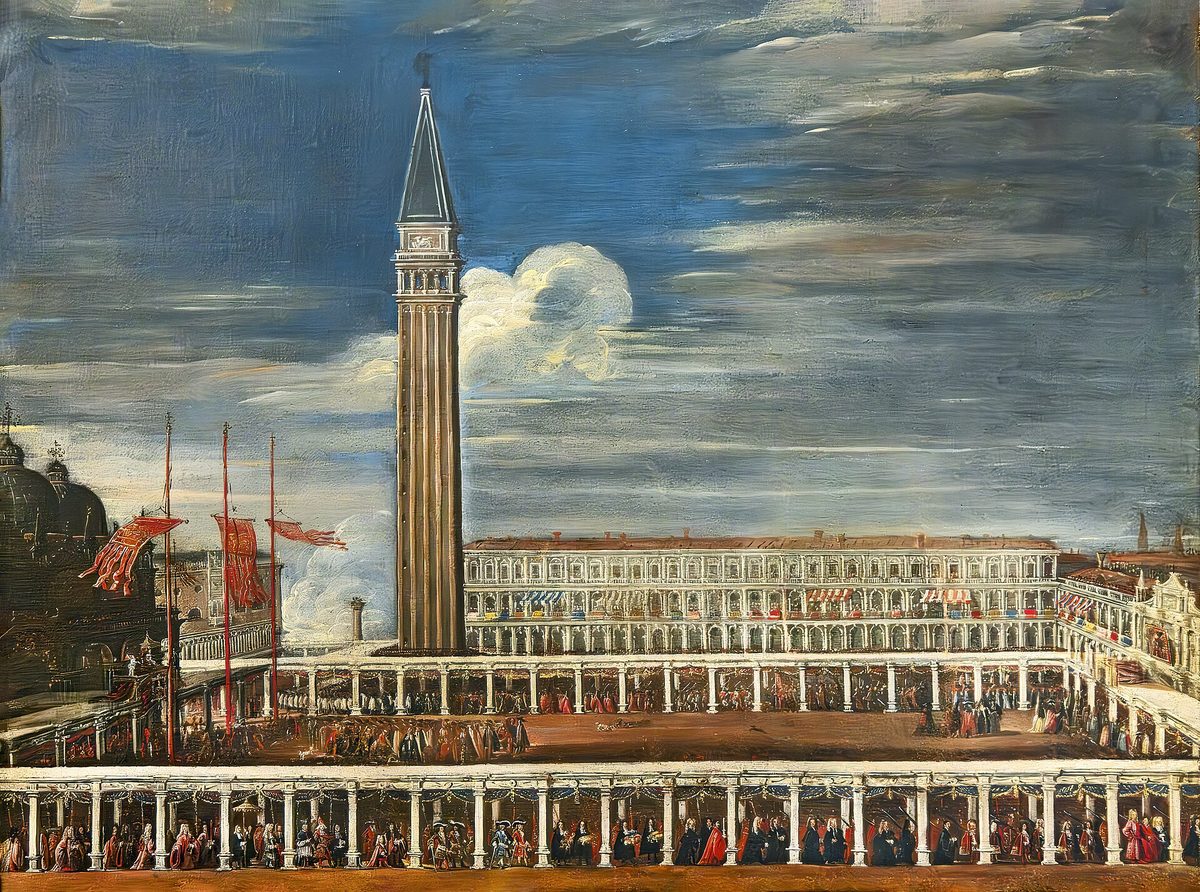
San Marco is the part of Venice you came to see, even if you later fall in love with somewhere quieter. Piazza San Marco, St. Mark’s Basilica, the Campanile, Doge’s Palace, the Bridge of Sighs, the lagoon-facing waterfront, and the expensive cafe terraces are all here.
The problem is not that San Marco is overrated. The problem is that San Marco at peak hour can feel like Venice has been reduced to a queue. Go early, go late, or book deliberately.
St. Mark’s Basilica is the religious and visual heart of the square. Use the official Basilica di San Marco site for current access information, opening changes, and official visitor guidance. Ticketing and access options can change, and the web is full of reseller pages that look official at a glance.
Doge’s Palace is the civic and political anchor. It tells the story of Venice as a republic, a legal system, a maritime power, and a theatrical state. The official Doge’s Palace MUVE page and ticket page are the places to verify hours, ticket types, and special routes. As of the May 25, 2026 fact check, the official ticket page lists the St. Mark’s Square Museums ticket as including Doge’s Palace, Museo Correr, the National Archaeological Museum of Venice, and the Monumental Rooms of the Marciana National Library. Check before booking because rules and prices change.
If you have one serious guided visit in Venice, make it Doge’s Palace, St. Mark’s Basilica, or a combined historical walk that explains why Venice became Venice. The city is beautiful without context, but context turns it from scenery into a system.
Rialto, Grand Canal And San Polo
Rialto is Venice’s commercial and geographic hinge. The bridge is crowded, yes, but the area has layers: market history, Grand Canal views, bacari, small lanes, and routes that lead toward San Polo, Santa Croce, and Cannaregio.
The Grand Canal is Venice’s main street. If you do not want to pay for a gondola or water taxi, a vaporetto ride can give you a public-transport version of the Grand Canal experience. Line 1 is slow because it stops often, but that slowness is part of why it works as a sightseeing ride. Do it when you are not in a hurry.
San Polo and Santa Croce are useful for travelers who want central access without sleeping in San Marco. They can be busy near Rialto and quieter away from it. They also work well for food-focused evenings if you know where you are going.
Cannaregio And The Jewish Ghetto
Cannaregio is one of the best areas for travelers who want Venice to feel less like a stage set. The main routes near the station and Strada Nova can be busy, but the northern canals, Jewish Ghetto, Fondamenta della Misericordia, and quieter residential lanes offer a different rhythm.
This is a good area for food, longer stays, station access, and travelers who like to wander without always being pointed toward a monument. It is also practical for Murano/Burano days because Fondamente Nove, one of the key vaporetto departure areas for lagoon islands, is easier to reach from parts of Cannaregio.
If San Marco is Venice performing, Cannaregio is Venice going about its evening.
Dorsoduro, Accademia And The Zattere
Dorsoduro is the art-and-air neighborhood. It has the Gallerie dell’Accademia, Peggy Guggenheim Collection, Santa Maria della Salute, Punta della Dogana, Campo Santa Margherita, and the Zattere promenade facing the Giudecca Canal.
This is one of my favorite areas to stay for a first or second Venice trip. It is central enough to walk to major sights, calmer than San Marco, and strong for evenings. The Zattere at sunset can reset an entire day.
Dorsoduro also helps with Venice pacing. If San Marco and Rialto feel too dense, cross the Accademia Bridge and let the city open a little.
Castello, Arsenale And Giardini
Castello is Venice stretching east. Near San Marco it is still central, but the farther you move toward Arsenale, Giardini, and Sant’Elena, the more Venice feels like a lived-in city. This is especially interesting for repeat visitors, Biennale travelers, and anyone who wants quieter streets without leaving the historic city.
The Arsenale was the industrial and naval engine of the Venetian Republic. The Giardini area is central to the Venice Biennale. Even if you are not visiting exhibitions, walking into Castello gives you a sense of scale that the San Marco/Rialto loop does not.
San Giorgio Maggiore, Giudecca And Lido
San Giorgio Maggiore is one of the best short boat escapes in Venice. The view back toward San Marco is superb, and the island gives you the simple pleasure of looking at the crowded center from across the water.
Giudecca is quieter and more residential in feel, with hotels, restaurants, views, and a different relationship to the city. It can be a good base for some travelers, but it does require boat movement for most sightseeing.
Lido is the beach and film-festival island. It is not the Venice most first-time visitors imagine, but it can be useful for families, summer travelers, beach time, or people who want a less claustrophobic base.
For the full attraction breakdown, use Best Things to Do in Venice.
Murano, Burano, Torcello And The Lagoon Islands
Murano and Burano are worth visiting if you have enough time. They are not mandatory if you only have one full day in Venice.
Murano is famous for glass. It is close to Venice and easy to reach by vaporetto. The danger is falling into a low-value glass demonstration or buying something that is not actually local because the marketing sounded persuasive. If glass matters to you, research serious studios and the glass museum rather than treating every shop as equal.
Burano is famous for colorful houses and lace. It is farther out and more photogenic than peaceful at peak times. Go early, go late, or accept that you are sharing the color with everyone else. Burano is often best when you slow down for lunch instead of using it only as a photo stop.
Torcello is quieter and historically important. It pairs well with Burano if you want a longer lagoon day and do not mind slower pacing. It is not the obvious choice for travelers trying to “maximize sights.” That is exactly why some people love it.
The best island day is usually Murano plus Burano, with Torcello if you have time and energy. If you only have two days in Venice, I would usually keep the islands to a half day or skip them in favor of deeper Venice. If you have three or four days, the islands make much more sense.
For the complete route, use Murano and Burano Day Trip Guide.
Where To Stay In Venice
Choosing where to stay in Venice is not only about charm. It is about luggage, bridges, vaporetto stops, dinner options, noise, price, and how you want the city to feel at night. If Venice is one stop on the classic trio, I compare neighborhoods across all three cities in the best areas to stay in Rome, Florence and Venice.
| Area | Best for | Tradeoff |
|---|---|---|
| San Marco | First-time convenience, luxury hotels, major sights | Expensive, crowded, tourist-heavy |
| San Polo/Rialto | Central walking, Rialto/Grand Canal access, food routes | Busy near Rialto, can be noisy |
| Dorsoduro | Art, couples, calmer evenings, Zattere, good walking access | Some areas require longer walks to station/San Marco |
| Cannaregio | Food, station access, longer stays, less polished atmosphere | Busy near main station route; far northern parts are less central |
| Castello | Quieter local feel, Biennale, repeat visitors | Farther from station and some sights |
| Santa Croce | Arrival/departure logistics, Piazzale Roma, station access | Less romantic in some pockets |
| Giudecca | Views, quiet, larger hotels, lower crowd pressure | Boat required for most sightseeing |
| Lido | Summer, beach, families, more space | Boat commute to historic core |
| Mestre | Budget and rail logistics | Not Venice; loses early/late magic |
| Padua | Better-value city base and Veneto rail hub | Venice becomes a day trip |
If it is your first Venice trip and the price gap is not impossible, stay in Venice proper. I would look first at Dorsoduro, Cannaregio, San Polo, or quieter edges of San Marco/Castello. If you have mobility issues or heavy luggage, prioritize arrival route over postcard charm. A hotel that is “only ten minutes away” can still mean several bridges.
Mestre is fine when budget matters. Be honest about the trade. You are buying savings and convenience; you are giving up the ability to step out into Venice before breakfast and after dinner. Padua is better than Mestre as a destination in its own right, but it changes the trip from “staying in Venice” to “visiting Venice by train.”
Use Where to Stay in Venice: Best Areas and When to Use Mestre for the full neighborhood and base guide.
Vaporetto, Walking And Airport Transfers
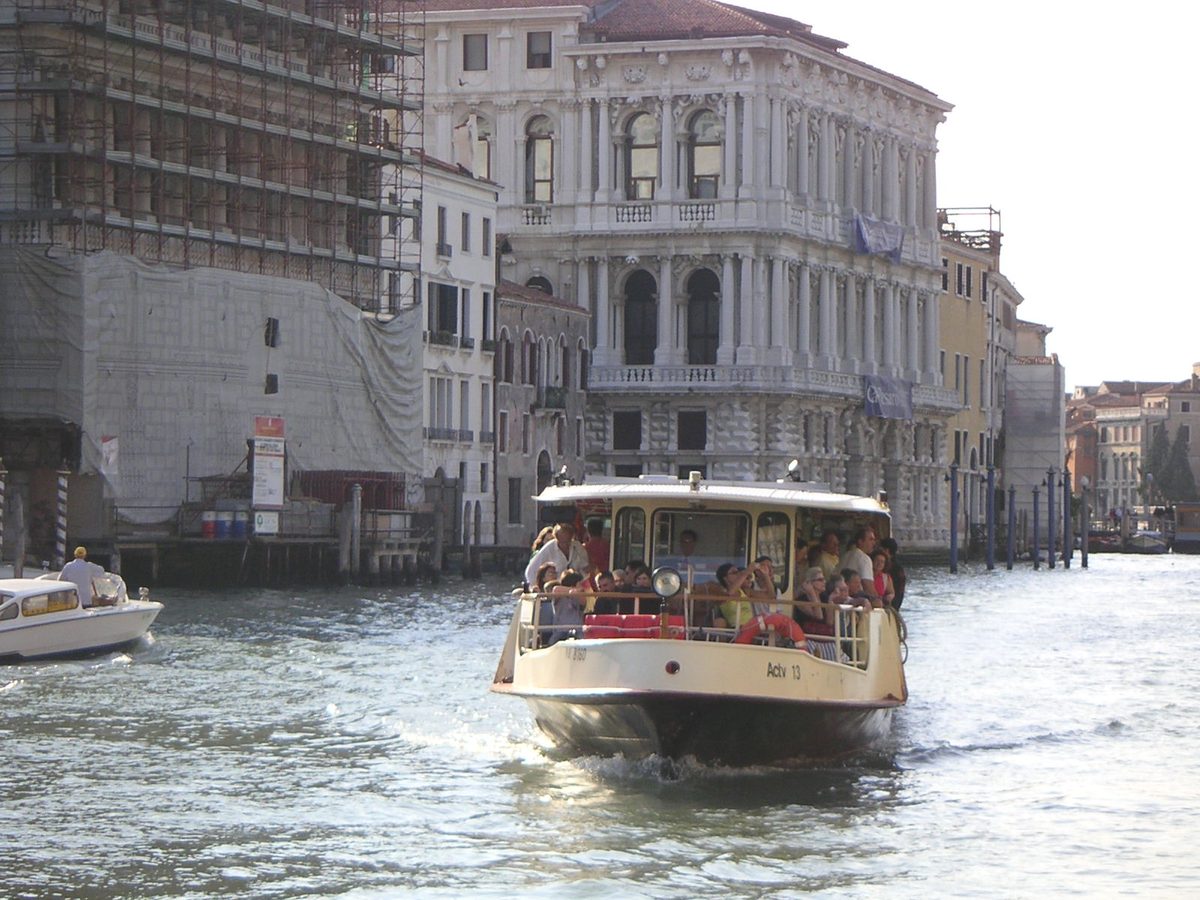
Venice is a walking city first and a boat city second. That sounds strange because the boats are famous, but most daily sightseeing is faster on foot if your route is compact and you do not mind bridges.
The vaporetto is Venice’s public waterbus. It is useful for:
- A Grand Canal ride.
- Luggage routes when walking would be unpleasant.
- Murano, Burano, Torcello, Lido, Giudecca, and San Giorgio Maggiore.
- Longer jumps after a tiring day.
- Travelers with limited walking range, though stops and boarding still require planning.
It is less useful for tiny hops through the center. Boats wait, stop, crowd, and move on fixed routes. Walking from Rialto to San Marco can be faster than taking a vaporetto if you are able-bodied and not carrying luggage.
Use official AVM/ACTV and Venezia Unica sources for current tickets and rules. The official AVM vaporetto page and ACTV Venice urban services page explain current ticket types, validity, exclusions, and travel cards. Check the details before buying, especially if your route includes Marco Polo Airport, Alilaguna boats, Lido, mainland buses, or regional trains.
Airport transfers are their own decision. From Venice Marco Polo Airport, you can reach Venice by land transport to Piazzale Roma, Alilaguna boat, water taxi, or combinations depending on your hotel. Alilaguna is a separate lagoon transport service; it is not the same thing as every normal ACTV vaporetto route. Use the official Alilaguna site and Venezia Unica/airport guidance before deciding.
The best airport transfer is not always the cheapest. If your hotel is near a convenient stop, public transport is fine. If you are arriving late with bags and children, a water taxi may be expensive but sanity-preserving. If you are staying in Mestre, the airport logic changes completely.
For the full transport guide, use Venice Vaporetto Guide: Tickets, Routes and Airport Transfers and the countrywide Italy Transportation Guide.
Venice Entry Fee And Tourist Rules
Venice now has an access-fee system for certain day visitors on selected high-demand dates. This is one of the most important details to verify before a Venice trip because the rules are date-specific and can change.
As of the May 25, 2026 fact check, the official Comune di Venezia 2026 access-fee calendar says the fee applies from April 3, 2026 to July 26, 2026 on 60 non-consecutive days. The official Venezia Unica access-fee page says the fee is not applied to the minor islands of the Venice Lagoon and explains the difference between tourist tax and access fee. It also describes different payment amounts depending on how early the reservation is made.
Do not rely on a random social post for this. Use the official access-fee site before traveling. Overnight guests in Venice accommodation are generally treated differently from day visitors because they pay accommodation tax, but they may still need to follow the official exemption/registration process. Check the rules for your exact date and situation.
Venice also has ordinary visitor behavior rules: do not swim in canals, do not sit or picnic where prohibited, do not block bridges, do not feed birds, and do not treat residential doorways like photo props. Venice is fragile, crowded, and still lived in. Good behavior is not just politeness; it affects whether the city can remain visitable.
For the detailed current rules, use Venice Entry Fee and Tourist Rules Explained.
Best Day Trips From Venice And Veneto Bases
Venice has excellent train connections, but day trips should not come before Venice itself. If you only have two nights, stay in Venice and see Venice. If you have three or four nights, add islands first. If you have four or more nights, or if you have been to Venice before, Veneto day trips become more attractive.
Padua
Padua is the best day trip from Venice for many travelers because it is close, real, and rich. The Scrovegni Chapel, with Giotto’s frescoes, is the headline, but Padua also has the Basilica of Saint Anthony, Prato della Valle, markets, arcades, university history, and a lively everyday city feel.
The official Padua tourism page for the Scrovegni Chapel notes advance booking requirements, so do not treat it as a casual walk-up stop. If the chapel matters, plan around it.
Padua can also work as a base for Venice if you want a lower-cost city with strong train links. That is a different trip, but it can be smart for longer Veneto routes. Use Padua as a Base for Venice: Pros, Cons and Itinerary for the full decision.
Verona
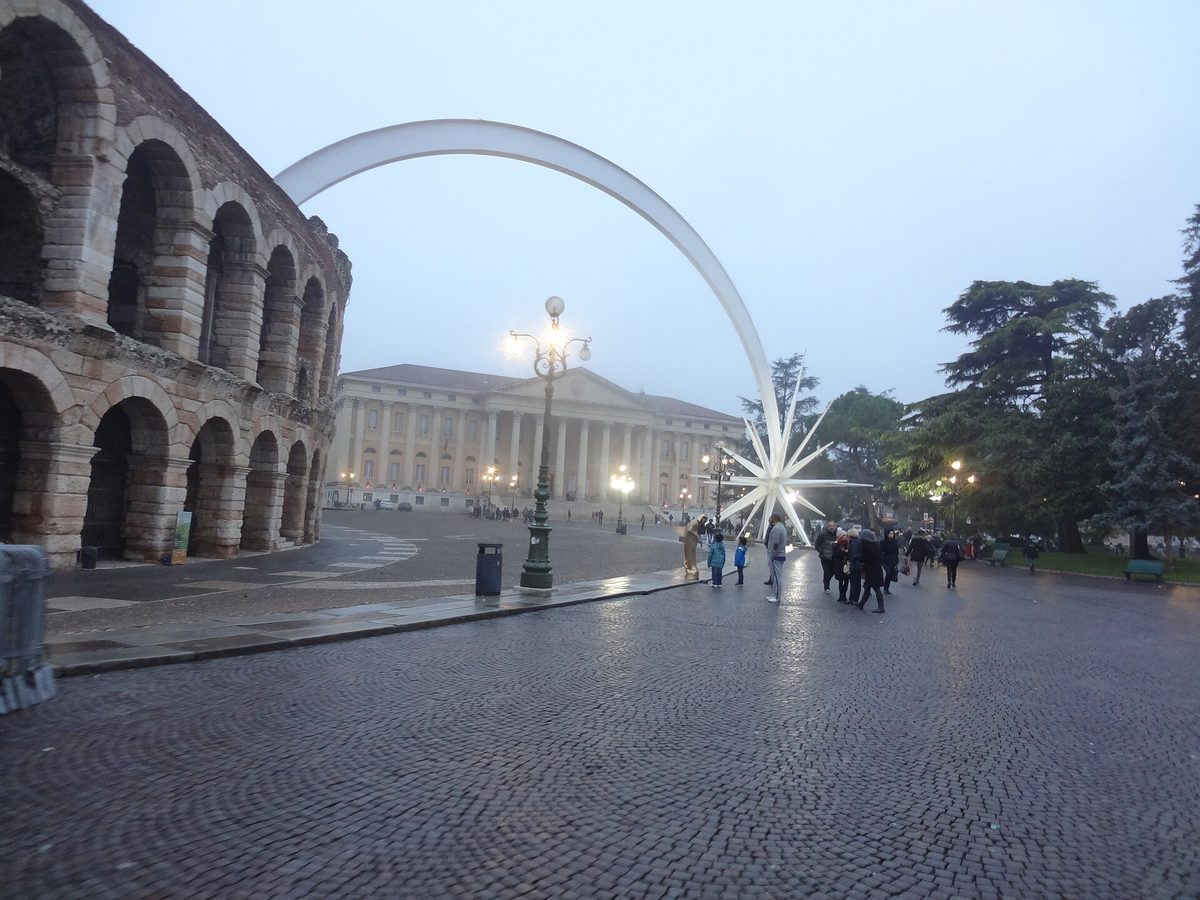
Verona is the most romantic and dramatic Venice day trip: Arena, Piazza delle Erbe, river views, Roman and medieval layers, churches, and the Romeo and Juliet tourist mythology. It is busier than Padua but still worthwhile, especially if you like Roman sites, opera, architecture, and a city that feels different from Venice without being difficult. It slots neatly into our Italy honeymoon itinerary.
Verona is better as a full day than a half day. If you try to do Verona after a late start and still make dinner in Venice, you will mostly see train platforms and regret.
Vicenza
Vicenza is for architecture lovers and travelers who want a quieter, more refined Veneto day. Andrea Palladio is the reason. UNESCO lists the City of Vicenza and the Palladian Villas of the Veneto as a World Heritage site, noting Palladio’s exceptional influence on architecture and urban design. The Teatro Olimpico, Basilica Palladiana, town palaces, and nearby villas make Vicenza feel like a focused lesson in Renaissance proportion.
Vicenza is less obvious than Verona and Padua, which is part of its appeal. If you are choosing one day trip for a first Venice visit, I might choose Padua. If you love architecture, I might choose Vicenza.
Treviso, Prosecco Hills And Other Veneto Ideas
Treviso is an easy, calmer city trip with canals, arcades, food, and a less intense atmosphere than Venice. It is a good option for repeat travelers or anyone who wants a gentle day.
The Prosecco hills are more of a car, driver, or tour day than a simple train day. They fit wine-focused travelers and longer Veneto routes.
The Lido can be treated as a Venice day escape rather than a Veneto day trip. It makes sense in summer, with families, or when you want space after dense city days.
For the full list and route logic, use Best Day Trips from Venice: Verona, Padua and Vicenza.
Venice Itinerary Frameworks
One Day In Venice
If you have one day, be honest: this is a highlights day. Start early at San Marco. Choose either St. Mark’s Basilica or Doge’s Palace interior if you have booked it. Walk toward Rialto, cross the bridge, explore San Polo or Cannaregio, then take a Grand Canal vaporetto ride if time and budget allow. End in Dorsoduro or back near San Marco after the day crowds thin.
Do not add Murano and Burano unless you are willing to skip major Venice interiors. The islands are lovely, but one-day Venice needs Venice.
Two Days In Venice
Day one: San Marco, Doge’s Palace or Basilica, Rialto, Grand Canal, San Polo, and an evening away from the central crush.
Day two: Dorsoduro, Accademia/Guggenheim or Santa Maria della Salute, Zattere, Cannaregio, Jewish Ghetto, and a slower food-focused evening. Add a short San Giorgio Maggiore boat trip if the weather is clear.
This is the best minimum first visit. It gives you the famous core and at least two quieter zones.
Three Days In Venice
Use the first two days for Venice itself, then add Murano/Burano/Torcello or a deeper Castello/Giudecca/Lido day. This is where Venice starts to feel less like a crush of visitors and more like a network of moods.
If weather is bad, swap the island day for museums, churches, La Fenice, or a long lunch. Venice in rain is not ruined, but island logistics can become less appealing.
Four Or Five Days In Venice And Veneto
With four or five days, add Padua, Verona, Vicenza, or Treviso. Do not add all of them unless the whole trip is a Veneto route. The goal is not to collect train stations.
The best version might be three nights in Venice and one or two nights in Padua or Verona. Or four nights in Venice with one day trip. Or two nights Venice, two nights Verona, and a Padua stop if you are connecting onward.
For route timing, pair this page with Italy Itineraries.
Best Time To Visit Venice And Veneto
The best months for Venice are April, May, early June, September, and October. These months offer better walking weather than peak summer and more daylight than winter. They are also popular, so do not expect emptiness.
Winter can be beautiful: fog, quieter lanes, Carnival season, museums, churches, and a moodier lagoon. It can also be cold, damp, and short on daylight. Venice Carnival is spectacular but crowded and expensive around key dates.
July and August are hot, humid, crowded, and still possible. If summer is your only window, stay central, rest in the afternoon, use early mornings, and consider Lido or lagoon time.
Late autumn and winter can bring acqua alta concerns, though the MOSE system has changed the flood-risk conversation. Still, weather and tide conditions belong in your final checks.
For seasonal planning, use Best Time to Visit Italy, especially the guides to Italy in May, Italy in September, and Italy in October.
Food And Evenings In Venice
Venice food is better than its reputation if you stop eating in the most obvious places at the most obvious times. The city is famous for cicchetti, small bites eaten with a drink in bacari. This is one of the best ways to make Venice feel less formal and less expensive, especially in Cannaregio, San Polo, Santa Croce, and parts of Dorsoduro.
Seafood matters. Polenta matters. Risotto, baccala mantecato, sarde in saor, moeche in season, squid ink, and lagoon vegetables all belong to the local table. Do not expect Venice to behave like Rome, Naples, or Florence. It has its own food logic.
The worst Venice meal is often the desperate one: hungry, tired, beside San Marco, staring at a laminated menu in five languages. The best prevention is choosing a dinner area before you need dinner. Cannaregio and Dorsoduro are useful for this. So is reserving a few serious meals ahead if food matters to the trip.
For broader Italy food planning, use Italy Food and Wine Travel Guide.
Budget Notes For Venice
Venice is expensive in ways that surprise people. Hotels can be costly, vaporetti are not cheap, water taxis are very expensive, central restaurants can punish laziness, and luggage mistakes become financial mistakes when bridges and boats are involved.
Save money by booking early, staying in a less obvious sestiere, walking more, using vaporetto passes only when they make sense, eating cicchetti or simple lunches, and choosing one or two paid interiors rather than buying every pass in fear.
Spend money where it improves the trip: a central hotel for two nights, a good guided tour, a vaporetto pass on an island day, a water taxi when arrival logistics would otherwise be miserable, or a hotel with a realistic luggage route.
If budget is the deciding factor, Mestre or Padua can help. Just be honest that you are changing the Venice experience. For full cost planning, use How Much to Budget for Italy.
Common Venice Mistakes
The first mistake is visiting only as a day trip and only around San Marco and Rialto. That is Venice at maximum pressure.
The second mistake is staying in Mestre to save money, then spending the savings on transport, tired evenings, and missed early mornings. Mestre can be useful, but it is not a free trade.
The third mistake is assuming the vaporetto is always faster than walking. It often is not.
The fourth mistake is buying a pass without understanding what it covers. Doge’s Palace, Basilica San Marco, MUVE museums, ACTV transport, Alilaguna airport boats, and access-fee rules are separate systems.
The fifth mistake is adding Murano and Burano to a one-day Venice trip. Sometimes the better move is to stay in Venice and walk farther from the crowds.
The sixth mistake is booking a hotel without checking the arrival route. “Near” can still mean five bridges with luggage.
The seventh mistake is treating Venice like a theme park. It is a real city with residents, rules, deliveries, schools, and fragile infrastructure.
The eighth mistake is taking too many Veneto day trips before Venice has enough time. Padua and Verona are excellent. They do not replace the city you came to see.
Deeper Venice And Veneto Guides
When the broad Venice plan is clear, open the guide that matches the next decision:
- Best Things to Do in Venice
- 2 Days in Venice: First-Time Itinerary
- Where to Stay in Venice: Best Areas and When to Use Mestre
- Best Day Trips from Venice: Verona, Padua and Vicenza
- Murano and Burano Day Trip Guide
- Venice Vaporetto Guide: Tickets, Routes and Airport Transfers
- Venice Entry Fee and Tourist Rules Explained
- Padua as a Base for Venice: Pros, Cons and Itinerary
For broader planning, continue with:
Questions travellers ask
How many days do you need in Venice?
Two full days is the minimum I recommend for a first Venice visit, and three full days is better if you want Murano, Burano, quieter neighborhoods, or a slower pace. One day can cover San Marco, Rialto, and a highlights walk, but it will feel rushed.
Is it better to stay in Venice or Mestre?
Stay in Venice if you can afford it, especially on a first trip. Venice is best early in the morning and late in the evening. Mestre is useful for budget, rail logistics, or late booking, but it makes Venice a commute and reduces the early/late advantage.
Is Padua a good base for Venice?
Padua can be a good base for travelers who want lower prices, a real Veneto city, and strong train access. It is not the same as staying in Venice. I would use Padua as a base for longer Veneto trips or repeat visits, not as the only base for a first Venice experience unless budget requires it.
Do you need to pay the Venice entry fee?
Check your date and visitor type. Venice applies an access fee to some day visitors on selected high-demand dates. As of the May 25, 2026 fact check, the 2026 fee applies on 60 non-consecutive days from April 3 to July 26. Check the official Venezia Unica access-fee site for your exact date and exemption rules.
Is Murano and Burano worth it?
Murano and Burano are worth it if you have at least three nights in Venice or a strong interest in glass, lace, colorful streets, and lagoon life. If you only have one full day, prioritize Venice itself. With two days, consider a short island visit only if you are willing to skip something else.
How does the vaporetto work in Venice?
The vaporetto is Venice’s public waterbus. It runs fixed routes on the Grand Canal, around the city, and to islands such as Murano, Burano, Lido, Giudecca, and San Giorgio Maggiore. Tickets and passes are time-based, and airport boats may use different systems, so check AVM/ACTV, Venezia Unica, and Alilaguna before buying.
What are the best day trips from Venice?
Padua, Verona, Vicenza, Treviso, and the Prosecco hills are the best Veneto day trips from Venice. Padua is the easiest and most practical, Verona is the most dramatic, Vicenza is best for Palladian architecture, and Treviso is quieter. Add day trips only after giving Venice enough time.
What is the best area to stay in Venice?
Dorsoduro, Cannaregio, San Polo/Rialto, and quieter edges of San Marco or Castello are the best areas for many first-time visitors. San Marco is most convenient but expensive and crowded. Dorsoduro is strong for art and evenings, Cannaregio for food and station access, and San Polo for central walking.