Italy Trip Planner: A Step-by-Step Booking Timeline

Italy trip planning is not hard because there is too little to do. It is hard because there is too much — and the one mistake most first-timers make is booking in the wrong order. That is exactly what this Italy trip planner is built to fix. The single rule that makes everything else easier: book the few things that genuinely sell out first, then work backwards from there. Everything else can wait.
This guide is for first-time visitors who want a concrete, sequenced checklist — not another article telling you Rome is lovely in spring. If you want to know how many days to spend or which cities to choose, head to our first-time Italy itinerary or the full guide to planning a trip to Italy. What follows is purely about order of operations.
The Italy Trip Planner Timeline at a Glance
| When | What to Book | Why It Can’t Wait |
|---|---|---|
| 6 months out | Flights | Fares spike; routes fill |
| 4–6 months out | Hotels in small/high-demand areas | Amalfi, Cinque Terre, Lake Como exhaust fast |
| 3–4 months out | Leonardo’s Last Supper (Milan) | Quarterly release sells out in hours |
| 3 months out | Vatican Museums (peak season) | 60-day window opens; morning slots go first |
| 2–3 months out | High-speed train tickets | Cheapest fares vanish early |
| 2 months out | Uffizi Gallery, Accademia/David, Borghese Gallery | Summer dates sell out weeks ahead |
| 2 months out | Hotels in Rome, Florence, Venice | Less urgent but narrows your options fast |
| 1 month out | Colosseum, Florence Duomo climb | Sell out in peak season; a few weeks is enough off-season |
| 3–4 weeks out | Top restaurant reservations | Michelin spots and popular trattorias book up |
| 1–2 weeks out | ZTL research/hotel contact if driving | Avoid fines from cameras you won’t even see |
| Days before | App downloads, e-tickets, offline maps | Nothing worse than a dead phone at the gate |
6 Months Out: Lock In Your Flights First
Flights are not the most exciting booking, but they dictate everything else. Your entry and exit cities determine your route, your route determines your hotels, and your hotels determine which trains you need. Book flights first and the rest of the jigsaw falls into place.
For North American travellers, direct routes to Rome Fiumicino (FCO), Milan Malpensa (MXP), Venice Marco Polo (VCE), and Florence Peretola (FLR) all open up different trip shapes. Flying into Rome and out of Venice — or vice versa — means you never backtrack, which is usually worth any small price premium. Our rundown of Italy’s main international airports compares them on transfer time, cost, and onward rail links.
Once you have your dates, set up a rough skeleton: city by city, number of nights, rough travel days. You don’t need to book anything else yet. You just need to know where you’re sleeping each night so you can start reserving the things that actually sell out.
See our guide to getting around Italy for the full breakdown of how to navigate between cities once you’re in the country.
4–6 Months Out: Hotels in Demand Spots First
For where to book a room in Italy, the rules differ dramatically by location. In Rome, Florence, and Venice, you have hundreds of options and booking two to three months out is generally fine. But a handful of places in Italy have genuinely limited accommodation stock, and those fill months in advance — particularly in summer.
Book these early:
- Amalfi Coast (Positano, Ravello, Praiano) — the good hotels at the right price points go fast
- Cinque Terre (especially Vernazza and Manarola) — small villages, small supply
- Lake Como (Bellagio, Varenna) — premium villas and boutique hotels are gone by January for summer
- Orvieto, Civita di Bagnoregio, any hilltop village with 4 hotels — if a place has fewer than a dozen options, treat it like Cinque Terre
For major cities: aim for four months out if you have a specific property in mind, but don’t panic if you’re at three months. The real urgency is the attractions, not the rooms.
Budget context lives in the Italy travel budget guide.
3–4 Months Out: The Most Competitive Ticket in Italy
Leonardo da Vinci’s Last Supper in Milan is, without question, the hardest ticket in the country to secure. The refectory of Santa Maria delle Grazie holds roughly 25 people at a time in 15-minute viewing windows. Tickets are released quarterly — around three months in advance — and sell out within hours for any date that falls in spring or summer.
As of 2026, the quarterly windows open approximately: March for May–July dates; June for August–October; September for November–January; December for February–April. Check the official booking site (Vivaticket/lastsupper.vivaticket.it) and set a reminder for the opening date. Don’t wait even a day. If you miss the window, third-party operators like Viator and GetYourGuide sometimes hold small allocations, but expect to pay a significant premium — and still not guarantee it.
If you don’t get a ticket, it’s not the end of the world, but it’s one of those things you’ll regret not planning for. No walk-up access exists at any time of year.
3 Months Out: Vatican Museums and the Sistine Chapel
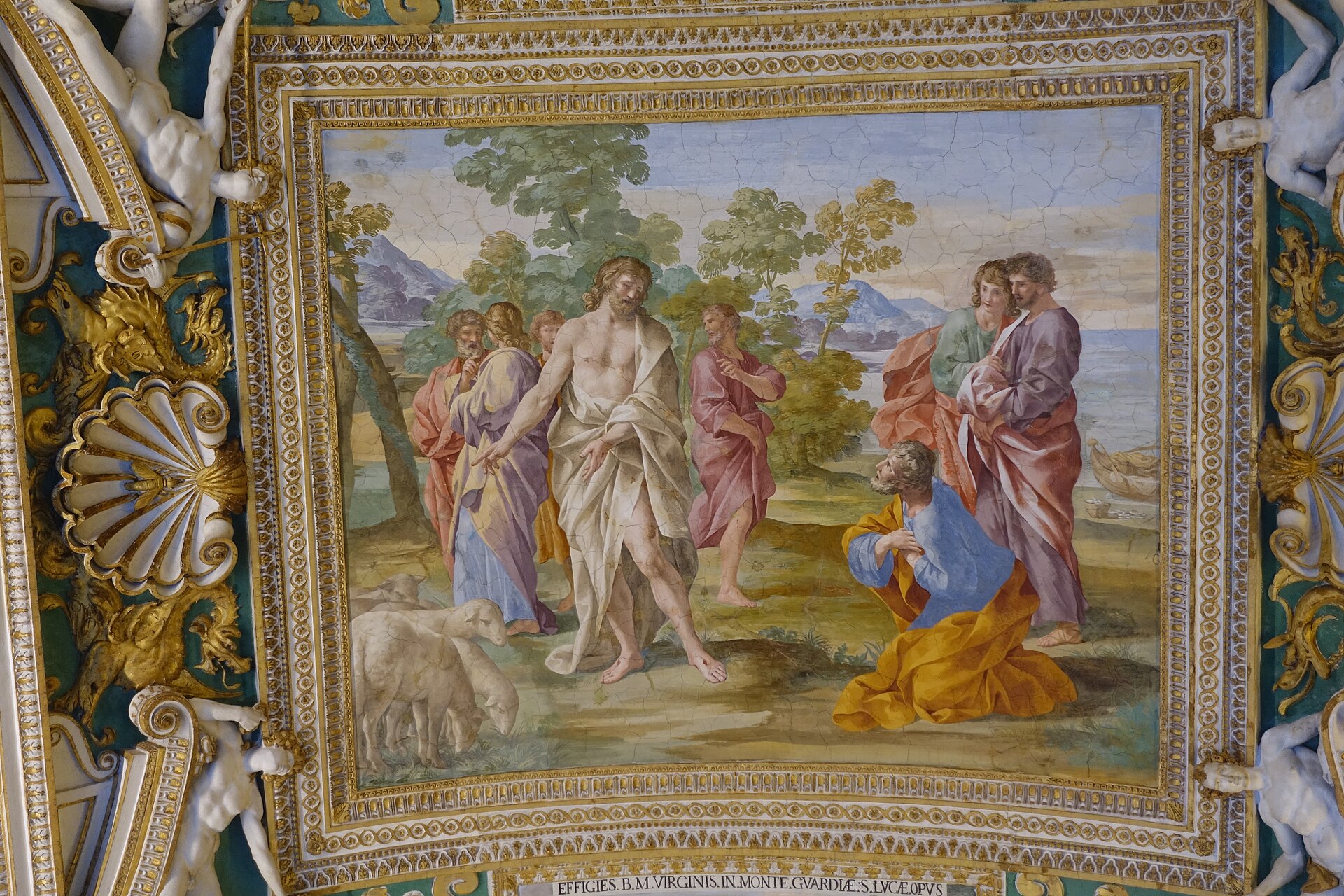
The Vatican Museums release tickets 60 days in advance, at midnight Rome time. In peak season — Easter week through October — morning time slots on popular dates sell out within the first day of release, sometimes within hours. If your Rome dates fall between April and October, book on the day the window opens.
Practically: find your Vatican Museum visit date, subtract 60 days, and put a reminder in your calendar. Go to the official Vatican Museums site (museivaticani.va) first. If it shows no availability, check Tiqets or GetYourGuide — they hold separate allocations. Evening and late-afternoon slots generally hold out longer.
A few things worth knowing for Rome in 2026: the city is still in the tail end of its Jubilee Year activity, which has brought more visitors to key religious sites. Book Vatican tickets even earlier than you might in a normal year — five or six weeks before the 60-day window would not be excessive.
For the Colosseum, tickets are important but slightly less frenetic. Booking one to two months out in peak season is usually sufficient, though morning entry slots go first. The Borghese Gallery operates on a strict reservation system with entry every two hours — tickets typically open 10 to 90 days in advance and sell out several weeks ahead for summer weekends.
2–3 Months Out: High-Speed Trains
Italy’s high-speed rail network is genuinely excellent — Frecciarossa and Italo connect Rome, Florence, Bologna, Venice, and Milan in times that beat flying door-to-door. But fares work like airlines: the cheapest seats go early, and the same journey can cost three times more if you wait.
Trenitalia opens booking around 120 days ahead; Italo opens up to six months ahead. Both offer dramatically lower fares for early purchases. A Rome–Florence Frecciarossa journey booked three months out might cost €19. The same ticket the week before might be €45. For a family of four, that gap adds up fast.
The order matters here: book your trains after you’ve confirmed your hotels, not before. You want to know exactly which city you’re leaving from and arriving into before you lock in a non-refundable rail fare.
For regional trains — the slower trains that connect smaller towns — pricing is standardised and doesn’t discount for advance booking. Buy those any time, including on the day.
The full detail on routes, operators, and passes is in the Italy transportation guide.
2 Months Out: Uffizi, the Accademia, and Florence’s Big Tickets
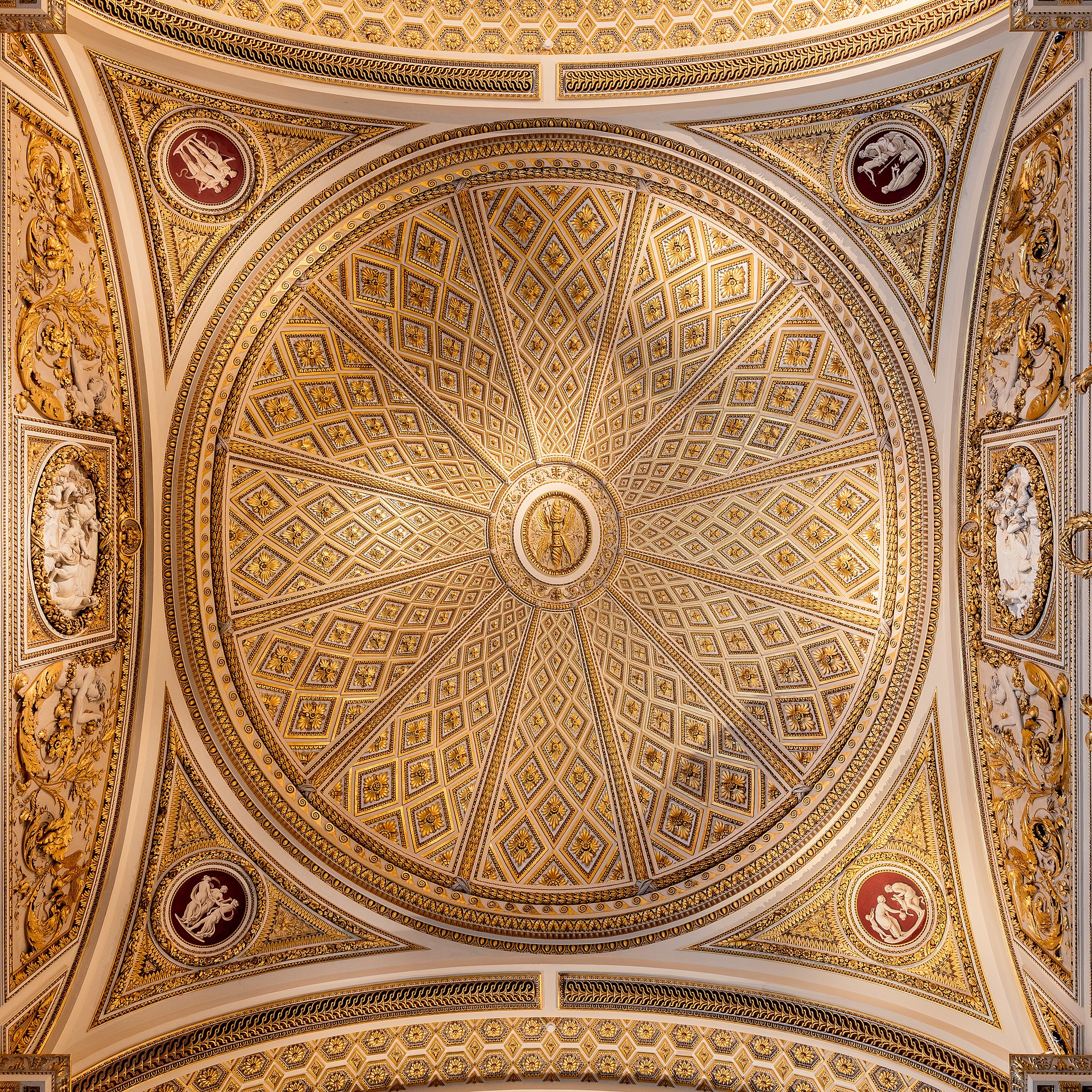
Florence’s two headline museums don’t have the same quarterly-release drama as the Last Supper, but they do sell out weeks ahead during summer. The Uffizi Gallery draws more than two million visitors a year. The Accademia — where Michelangelo’s David lives — is smaller and sells out even faster for popular morning slots.
Book both at least six to eight weeks ahead for any June–September visit. The official booking pages are uffizi.it and galleriaaccademia.it. Timed entry is now mandatory at both — you can’t queue at the door for an open ticket.
While you’re in Florence-booking mode, consider the Duomo complex. Climbing Brunelleschi’s dome requires a separate timed reservation from the cathedral ticket, and afternoon slots go quickly. The cathedral itself is free, but the climb needs booking.
A note on sequencing your Florence day: one major museum is genuinely enough for most visitors. The Uffizi alone, properly explored, takes three to four hours. Give yourself room to breathe rather than sprinting from Botticelli to David to the Duomo rooftop in one breathless morning.
1–2 Months Out: ZTL Research and Driving Prep
If you’re planning to rent a car anywhere in Italy — even for a Tuscany road trip starting and ending in Florence — you need to understand ZTL zones (Zona a Traffico Limitato) before you arrive. These are restricted traffic areas, operated by cameras that read your number plate and issue automatic fines. The fines arrive weeks after you’ve come home, forwarded through the rental agency, and they’re non-trivial.
Every major historic city centre in Italy has ZTL coverage: Rome, Florence, Siena, Lucca, and dozens of smaller towns. The cameras don’t warn you; they just photograph your plate.
The practical steps: know which days and hours the ZTL is active in each city you’re driving into; if your hotel is inside a ZTL (which many great boutique hotels in walled towns are), contact the hotel in advance and ask them to register your plate for a temporary exemption — most hotels do this routinely, but they need your vehicle’s plate number. Don’t assume; ask.
From 1 July 2026, Rome is also introducing access fees for electric vehicles in its ZTL, removing the free EV exemption that previously existed. This doesn’t affect most visitors, but it’s worth knowing if you’ve rented an EV.
Also in this window: check whether you need an International Driving Permit for the country your licence was issued in. Most non-EU visitors technically require one to drive legally in Italy; in practice enforcement is inconsistent, but renting a car without one can cause issues at the counter or with insurance.
Italy travel mistakes that are easily avoided — ZTL fines included — are collected in the Italy travel mistakes guide.
3–4 Weeks Out: Restaurants Worth Planning For
Most Italy dining is happily spontaneous. You duck into an osteria that looks right, sit down, eat well. That’s part of the point. But a handful of restaurants do need advance planning:
- Michelin-starred restaurants anywhere in Italy: one to two months ahead, sometimes more
- Highly popular trattorias in small towns (think the places with a single phone number and 12 tables): two to four weeks
- Venice’s top-rated spots: the combination of limited capacity and huge tourist volume makes even mid-range restaurants book up; two to three weeks out is sensible
- Florence: Buca Mario, Trattoria Sostanza, and similar historic trattorias: two to four weeks for weekend dinners
For everywhere else — the neighbourhood pizzerias, the lunch spots you’ll discover by accident, the enoteca with the blackboard menu — just show up. Trying to micro-schedule every meal drains the pleasure out of eating in Italy.
What You Can Comfortably Wing
Here is what you absolutely do not need to pre-book:
- Most restaurants outside the categories above
- The Trevi Fountain, Spanish Steps, Piazza Navona, Piazza San Marco — they’re just there; walk up
- Regional and commuter trains (standardised pricing, buy any time)
- Taxis and most airport transfers in the moment
- Ferrara, Mantua, Matera, and most smaller-city sights that don’t require timed entry
- Neighbourhood markets, street food, and gelato
One of the common Italy travel mistakes is over-planning every hour and leaving no room for what actually makes Italy memorable — the afternoon you didn’t intend to spend in a hill-town piazza, the restaurant you found because the original was closed.
For a detailed packing-style rundown of every task, see the Italy travel checklist.
How to Plan Italy Vacation Around the Best Travel Windows
Timing your trip affects both what you book and how urgently you need to book it. A quick framework:
April–May and September–October are the periods most experienced Italy travellers recommend for first visits. Weather is good, the crowds are significant but manageable, and the urgency on attraction tickets is real but not as extreme as July and August. Book two to three months out for major attractions.
June–August is peak season in every sense — long queues, full hotels, heat in southern cities, and tickets that require the longest lead times. Everything in this guide gets moved forward by a month in summer. If you’re going in July, start booking in March.
November–March is quieter, cheaper, and for most of Italy, perfectly pleasant — especially in Rome and Florence, which are year-round cities. Attraction tickets are genuinely easier to get, and last-minute bookings become realistic again. Venice in winter is atmospheric and far less crowded than any other time.
The month-by-month guide to Italy covers this in detail for each region.
The Week-of Checklist
Once you’ve done the hard booking work, the final week is logistics, not decisions:
- Download offline maps — Google Maps and Maps.me both allow offline download by region. Do it at home on WiFi, not at the airport.
- Download transit apps — Trenitalia and Italo apps work even on patchy signal; download e-tickets in advance, not on the platform.
- Save your e-tickets and confirmations in one folder — a PDF in Google Drive or a dedicated trip folder means you’re never hunting through email at a museum entrance.
- Check opening hours one more time — Italian museums operate Monday closures, reduced summer hours, occasional strike closures. Always verify the week you arrive.
- Note the entrance addresses, not just the names — the Vatican Museums entrance is a 10-minute walk from St. Peter’s Square; first-timers routinely queue at the wrong door.
- Download a phrasebook or Google Translate offline pack for Italian — not because you’ll be stranded without it, but because a buongiorno and a grazie go further than you think.
- Confirm any restaurant reservations made weeks ago — a brief WhatsApp message or email the day before is courteous and saves awkward no-table moments.
- Check the Venice day-tripper fee — as of 2026, Venice charges €5 (pre-booked) or €10 (unregistered) entry on high-demand days between April and July. If your Venice day falls on a fee day, register in advance at cda.ve.it.
Final Thoughts
The first time I planned a trip to Italy, I booked my flights in February, ignored the Vatican ticket window in March, then tried to get a Last Supper ticket in April for a May visit. I got neither. It was a lesson I’ve only had to learn once.
The planning work front-loads the stress so that the trip itself stays loose. Once the flights, the sell-out tickets, and the trains are confirmed, you can afford to let Italy do what it does best — surprise you. Every good Italy trip I’ve taken since has had more unplanned hours than planned ones. The itinerary is just scaffolding.
If you’re just starting out, the Italy travel checklist has everything in one place, and the first-time Italy itinerary will help you fill the actual days once the bookings are done.
Questions travellers ask
How far in advance should I plan a trip to Italy?
For peak season travel (June–August), start planning six to nine months out. For spring and autumn travel, four to six months gives you enough lead time for flights, hotels, and attraction tickets without too much stress. The specific things that require the most advance planning are the Last Supper (Milan), Vatican Museums morning slots, and accommodation on the Amalfi Coast.
What do I need to book in advance for Italy?
The non-negotiables are: Leonardo’s Last Supper in Milan (book the moment the quarterly window opens, around three months ahead), Vatican Museums tickets in peak season (book on the 60-day release date), and high-speed train tickets (for the best fares). The Uffizi, Accademia/David, and Colosseum should be booked four to eight weeks ahead depending on season. Most other sights can be booked two to four weeks out.
How do I plan a trip to Italy step by step?
Start with flights, then accommodation in the hardest-to-book locations (Amalfi Coast, Cinque Terre, Lake Como), then the sell-out tickets in order of urgency — Last Supper, Vatican Museums, trains, then the Florence museums. Leave restaurants and flexible sights for the last four weeks. Save the week before departure for app downloads, e-ticket organisation, and final confirmations.
Do I need to book the Vatican in advance?
Yes — especially between April and October. The Vatican Museums release tickets 60 days before the visit date, and morning slots for popular summer dates sell out the same day the window opens. Book via the official Vatican Museums website (museivaticani.va) on the release date. If that’s sold out, check Tiqets or GetYourGuide for their separate allocations.
Is the Last Supper really that hard to get tickets for?
It is genuinely the hardest ticket in Italy. The Santa Maria delle Grazie viewing room holds around 25 people per 15-minute slot, and tickets are released quarterly (approximately three months ahead). For peak-season dates, they sell out within hours of release. There is no walk-up access. Set a reminder for the quarterly opening date and book immediately.
Can I plan an Italy trip without booking trains in advance?
You can travel Italy on regional trains, which have standardised pricing and no advance-booking advantage. But if you want high-speed trains — the Frecciarossa or Italo services that make Rome to Florence a 90-minute journey — booking two to three months out gets you fares that can be 50 to 60 percent cheaper than buying close to the date. Late booking still works, it just costs significantly more.
What is a ZTL in Italy and how do I avoid fines?
ZTL stands for Zona a Traffico Limitato — a restricted traffic zone in most Italian historic city centres, enforced by automatic cameras. Driving into a ZTL without authorisation triggers a fine that arrives weeks after your trip, forwarded through the rental agency. The fix: don’t drive into city centres unless necessary; if your hotel is inside a ZTL, contact them in advance to register your plate for a temporary exemption.
How many cities can I fit into two weeks in Italy?
For a first trip, three to four cities comfortably. The classic pairing is Rome (three to four nights), Florence (two to three nights), and Venice (two nights), with optional days in Bologna or the Cinque Terre. Adding more cities compresses your time and multiplies your logistics without necessarily improving the trip. More detail at the how many days in Italy guide.