3 Days in Rome: A First-Time Itinerary
How This 3 Days in Rome Itinerary Works
Three days is enough to fall completely in love with Rome. It is not enough to see everything — that would take a lifetime — but it is enough to stand inside the Colosseum, feel the silence of the Sistine Chapel, and eat carbonara in a trattoria where the waiter does not speak much English and that is entirely the point. This 3 days in Rome itinerary gives you a concrete day-by-day plan: Day 1 is Ancient Rome, Day 2 is the Vatican, Day 3 is the historic center and Trastevere. Each day is built around geography, not just tick-boxes, so you walk logically rather than criss-crossing the city all afternoon.
This plan is designed for first-time visitors who want the real Rome — the big sites done right, with honest timing, real lunch spots, and the kind of context that turns a photo stop into a memory. If you have more time, or you want to go deeper into any of these areas, see our guide to the best things to do in Rome for the full picture.
Your 3-Day Rome Shape at a Glance
| Day | Focus | Pre-book? |
|---|---|---|
| Day 1 | Ancient Rome: Colosseum → Roman Forum → Palatine Hill → Capitoline Museums | Yes — Colosseum + Forum combo |
| Day 2 | Vatican: Vatican Museums → Sistine Chapel → St Peter’s Basilica + Castel Sant’Angelo | Yes — Vatican Museums timed entry |
| Day 3 | Centro Storico: Pantheon → Piazza Navona → Trevi Fountain → Spanish Steps + Trastevere evening | Pantheon timed entry recommended |
Day 1: Ancient Rome — Colosseum, Forum, Palatine, and the Capitoline
Ancient Rome is a full-day commitment and a completely different kind of overwhelm from anything else the city offers. This is not just old ruins — it is the physical remains of a civilization that ran much of the known world for five centuries. Give it proper time. Start early, pace yourself, and end the afternoon somewhere with wine and a view.
Morning: The Colosseum (9:00am–11:30am)
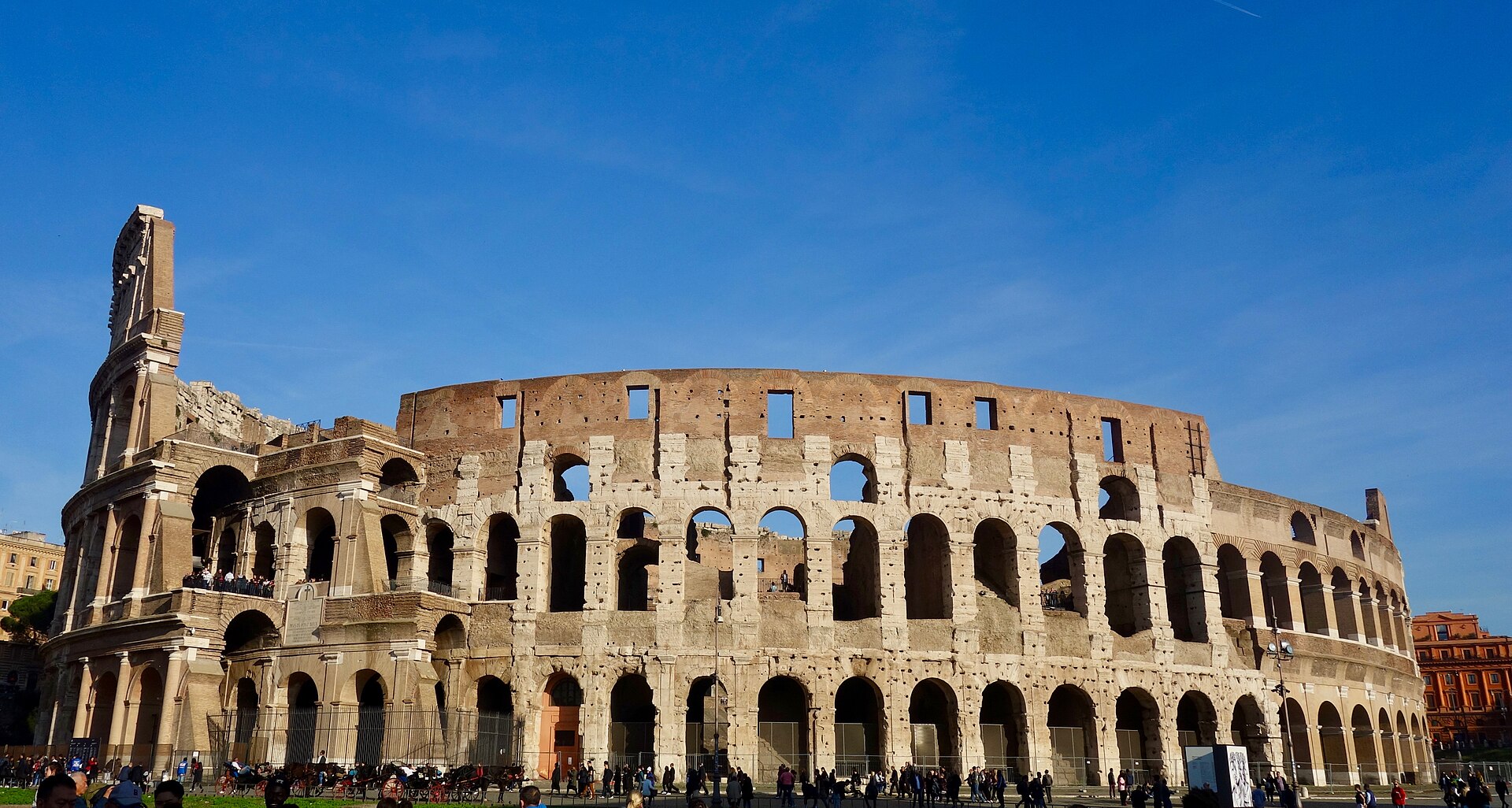
Get to the Colosseum for opening — around 9:00am, though hours shift by season so check the official site at coopculture.it before you go. This is non-negotiable. By 10:30am the tour groups have arrived and the interior becomes noticeably busier. By noon it is crowded.
You need to book Colosseum tickets in advance. Not days in advance — weeks, sometimes months, especially in summer. The Colosseum, Roman Forum, and Palatine Hill are sold as a single combined ticket (around €16–18 plus a small online booking fee, as of 2026 — verify current pricing on coopculture.it). You cannot buy a walk-in ticket at the door and realistically expect to get in on your preferred date.
Plan on two to two and a half hours inside the Colosseum itself. Go to the arena floor if that tier is included in your ticket — standing where gladiators stood is a different experience from looking down from the upper seating rings. The underground level (hypogeum), where animals and fighters were held before appearing in the arena, requires a separate add-on ticket and is worth it if you are genuinely interested in how the spectacle worked. It sells out fast.
The Colosseum is a 12-minute walk from Colosseo metro station on Line B.
Late Morning: Roman Forum and Palatine Hill (11:30am–1:30pm)
Exit the Colosseum and walk directly across to the Roman Forum entrance. Your combined ticket covers this, so no queue at the gate.
Most first-timers spend around two hours across the Forum and Palatine Hill combined. The Forum itself — the main road, temples, the arch of Septimius Severus, the Temple of Vesta — is best understood if you get your bearings at the top of the Capitoline Hill first, but that comes later. For now: walk the Via Sacra, the ancient main street, all the way through. Look at what is standing, not just the rubble. The Temple of Antoninus and Faustina is largely intact because it was converted into a church in the Middle Ages. That detail matters — it tells you how Rome survived Rome.
Palatine Hill is directly above the Forum and included in your ticket. This is where Rome’s emperors lived. The views down over the Forum are excellent. You do not need to read every plaque; just walk slowly and look at the scale of it.
Lunch: Monti Neighbourhood (1:30pm–2:30pm)
The Monti neighbourhood sits just north of the Colosseum and Forum — a ten-minute walk from the Palatine Hill exit. It is Rome’s most lived-in-feeling neighbourhood near the ancient sites: small trattorias, wine bars, boutiques on via Leonina and via del Boschetto.
For lunch, head to a trattoria on via della Madonna dei Monti or the streets around it. Look for handwritten menus or a chalkboard — that is usually a good sign. Order carbonara, cacio e pepe, or amatriciana. Eat slowly. Do not rush this.
Avoid anything on the via Sacra strip directly adjacent to the Colosseum; those are tourist traps with tourist prices and mediocre food.
Afternoon: Capitoline Museums (2:30pm–5:00pm)
The Capitoline Hill is a ten-minute walk from Monti, or five minutes from the Forum’s northern exit. This is the world’s oldest public art museum, established in 1471, and it is significantly underrated on the 3-day itinerary circuit. Most guides treat it as optional. It is not optional.
The Capitoline Museums hold Marcus Aurelius’s original bronze equestrian statue (the one in the piazza outside is a copy), the Capitoline Wolf, and the Dying Gaul — one of the most affecting sculptures in Western art. The rooftop terrace gives the best bird’s-eye view of the Forum, which is now below and behind you.
Entry costs around €15–17 (as of 2026; check museicapitolini.org). It is not usually as swamped as the Colosseum, and same-day tickets are often available, though booking ahead is always sensible.
Allow two hours. You will want them.
Evening: Aperitivo in Monti or Testaccio (5:00pm onward)
End Day 1 with aperitivo — the Italian ritual of pre-dinner drinks with snacks, which runs roughly 5:00pm to 7:30pm. Monti has some excellent bars for this. Alternatively, Testaccio — Rome’s old slaughterhouse district, twenty minutes south on foot or one stop on the metro — is where you find the most genuinely local restaurants in the city. It is covered in more depth in our guide to eating in Rome.
Day 2: The Vatican — Museums, Sistine Chapel, St Peter’s, and Castel Sant’Angelo
The Vatican is not a morning attraction. It is an all-morning-and-into-the-afternoon attraction, and you should budget accordingly. Most people underestimate it. The Vatican Museums alone cover around 7 kilometres of galleries if you walk every corridor. You will not — but you should plan for at least three hours inside, plus time at St Peter’s Basilica and, if you pace it right, Castel Sant’Angelo on the walk back.
Pre-booking the Vatican
Vatican Museums tickets sell out weeks in advance, especially in peak season (April–October). Book timed entry directly through the Vatican’s official site (museivaticani.va) or through a reputable third party. Skip-the-line tickets are genuinely worth the premium — the standby queue at the Vatican can run two hours or more.
A few logistics worth knowing:
– The Vatican Museums are closed on Sundays, except for the last Sunday of the month, when entry is free — expect extreme crowds
– St Peter’s Basilica is closed on Wednesday mornings when the Pope holds the General Audience in St Peter’s Square
– Dress code applies to both: covered shoulders and knees are required; they will turn you away or sell you a paper cover-up at the entrance
Morning: Vatican Museums and Sistine Chapel (8:00am–12:00pm)
Book the earliest available entry slot — 8:00am or 9:00am. Go straight for the Sistine Chapel if you get there before the main crowds; the standard route through the museums ends at the Sistine Chapel, but some entry paths let you head there first. Ask your ticket vendor about this option.
The museums are structured around a series of galleries: the Gallery of Maps (a long corridor with painted maps of Italy on the ceiling, genuinely remarkable), the Raphael Rooms (frescoed apartments including The School of Athens), and finally the Sistine Chapel. Michelangelo painted the ceiling between 1508 and 1512. The Last Judgment on the altar wall came later, in the 1530s. Stand in the middle of the room and look up. Give it five minutes, not one.
The Sistine Chapel is a place of religious significance — no talking, no photography. People ignore the photography rule constantly. Do not be one of them.
Midday: St Peter’s Basilica and Square (12:00pm–2:00pm)
Exit the museums directly into St Peter’s Basilica — this shortcut is available only to Vatican Museums visitors who have a ticket. It saves you rejoining the general queue at the front of St Peter’s Square, which can be long.
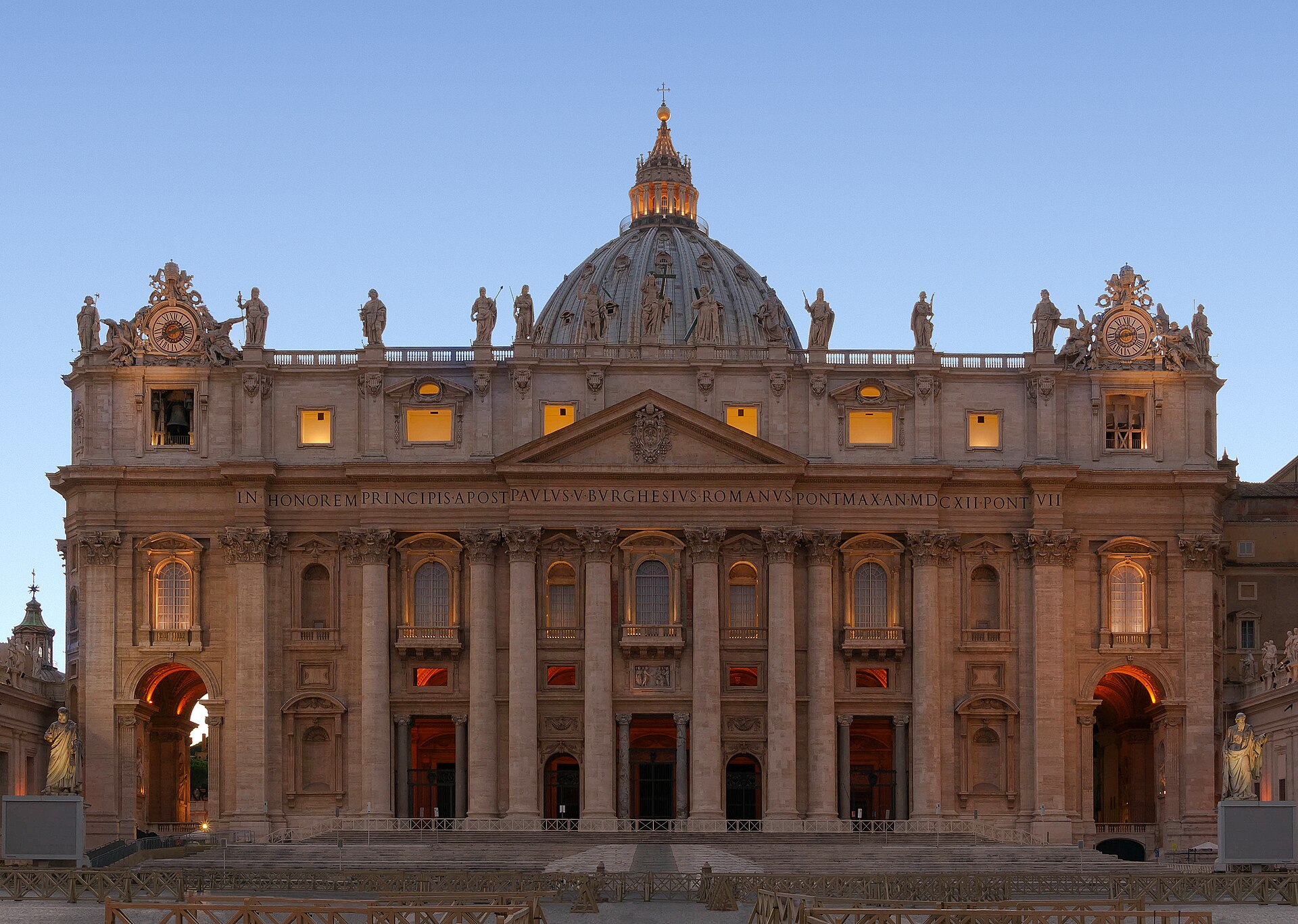
St Peter’s itself is free to enter. The interior is enormous in a way that photographs do not communicate: the nave stretches 186 metres. Michelangelo’s Pieta is here, behind glass on the right as you enter. Bernini designed the baldachin over the main altar — the massive bronze canopy that looks almost too ornate until you realise it is sized to the building.
The dome (cupola) costs around €8 to climb (as of 2026, check petersbasilica.org). The lift goes partway up; you walk the rest. The view over St Peter’s Square and Rome is one of the best in the city. Worth it if your knees are cooperative.
Lunch: there are decent options in the Prati neighbourhood just north of the Vatican — via Cola di Rienzo has several good places without the tourist-trap pricing of the immediate Vatican area.
Afternoon: Castel Sant’Angelo (3:00pm–5:00pm)
Castel Sant’Angelo is a fifteen-minute walk from St Peter’s Square along the Tiber. It is included in many Rome city passes. Built as a mausoleum for Emperor Hadrian in 139 AD, it was later converted into a papal fortress — there is an elevated walkway connecting it to the Vatican that popes used as an escape route during sieges.
The rooftop terrace is the point. The view over the Tiber, the city, and the distant silhouette of the Vatican from this angle is one you will not forget.
Allow an hour and a half. Entry costs around €15–17 (as of 2026; check coopculture.it).
Evening: Prati for Dinner
Prati is the neighbourhood immediately north of the Vatican. It is residential, calm, and not on most tourists’ radar. The restaurants are honest — good ingredients, fair prices, mostly locals at dinner. It makes for a natural end to a Vatican day.
Day 3: Centro Storico and Trastevere — Pantheon, Navona, Trevi, Spanish Steps
Day 3 is the most geographically compact of the three — these sites cluster in a roughly 2-kilometre radius — and it should feel lighter. You have done the heavy pre-booking, the early starts, the museum marathons. Today you walk, you look at fountains, you eat gelato, and you finish the evening in Trastevere.
Morning: Piazza Navona and the Pantheon (9:00am–11:30am)
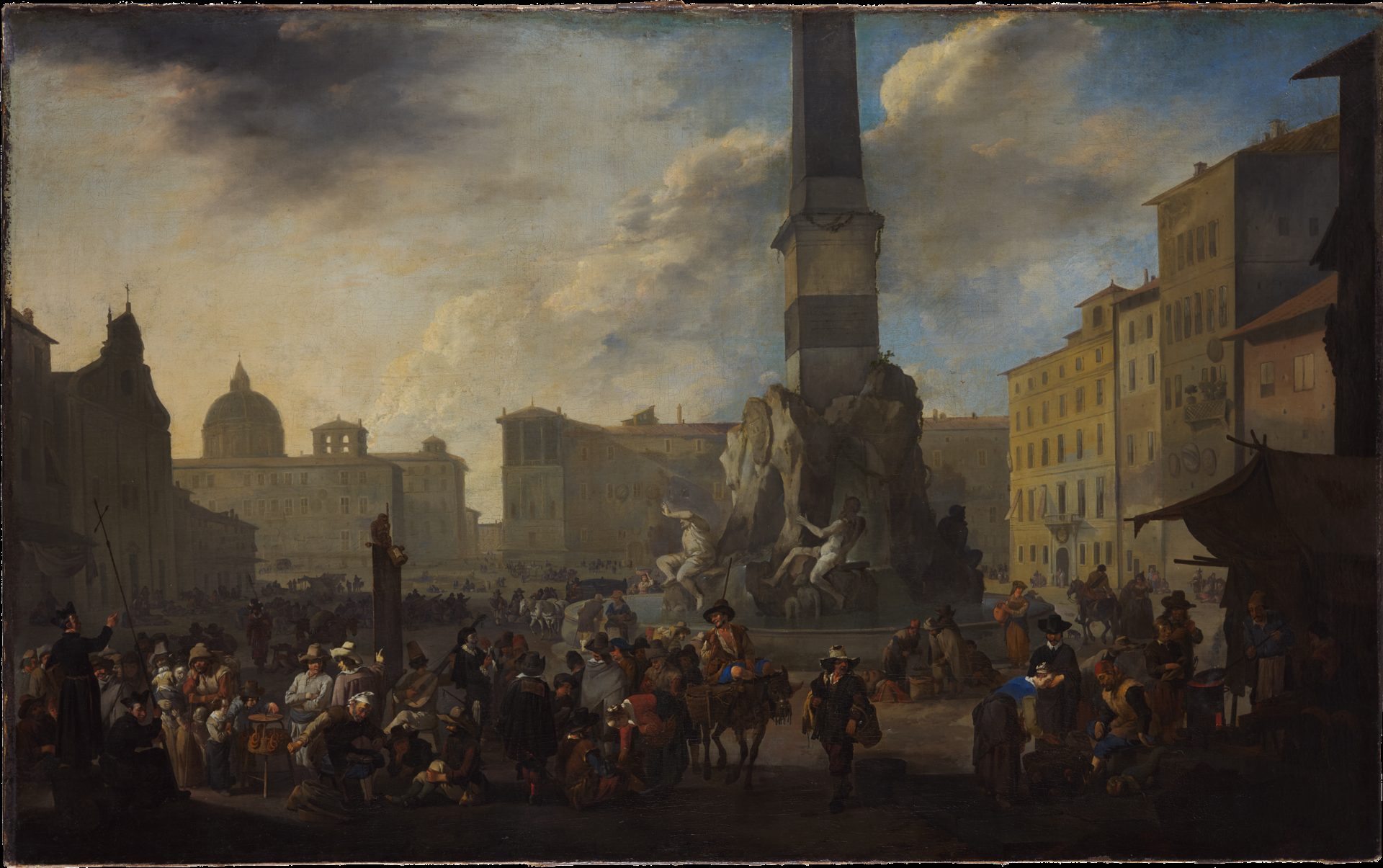
Start at Piazza Navona. Get there before 9:00am if you can — it is a different place in the early morning, nearly empty, the Baroque palaces glowing in the flat light. Bernini’s Fountain of the Four Rivers (Fontana dei Quattro Fiumi) sits in the centre of what was once a Roman stadium. The four river gods represent four great rivers of four continents known to Europe in the 1650s: the Nile (Africa), the Danube (Europe), the Ganges (Asia), and the Rio de la Plata (Americas). Have a coffee at the bar on the square — the espresso will cost more than it should but the setting earns it.
From Piazza Navona, it is an eight-minute walk east to the Pantheon.
The Pantheon is one of the best-preserved ancient buildings on earth. It was built around 125 AD under Emperor Hadrian, replacing an earlier structure. The dome — still the largest unreinforced concrete dome in the world — has an oculus nine metres wide open to the sky. When it rains, the water falls into a drainage system built into the floor. When the sun comes in at the right angle, the circle of light moves slowly around the interior like a clock.
Timed entry now costs around €5 (check pantheonroma.com for current pricing and to book). The free walk-in era ended in 2023. Book your slot in advance, especially for morning entry.
Late Morning to Midday: Trevi Fountain and Lunch (11:30am–1:30pm)
From the Pantheon, the Trevi Fountain is a ten-minute walk northeast. Manage your expectations here: it will be busy. It is always busy. The fountain itself — Nicola Salvi’s Baroque masterpiece completed in 1762, backed by a palazzo facade — is genuinely spectacular, and crowds or not, seeing it in person is different from seeing it on a screen.
As of 2026, Trevi Fountain charges a €2 entry fee (paid at the gate on via della Stamperia, card only). The fee is meant to manage the crowd flow. You cannot avoid it; just account for it.
The tradition is to throw a coin over your left shoulder with your right hand — one coin means you will return to Rome, two means romance, three means marriage. Throw a coin.
For lunch, the streets around Campo de’ Fiori (a fifteen-minute walk west) have some of the better options in the centre. Alternatively, stay near Trevi and look for a place on a side street, not directly on the square.
Afternoon: Spanish Steps and Surrounding Streets (2:30pm–5:00pm)
From the Trevi Fountain, the Spanish Steps (Scalinata di Trinità dei Monti) are a ten-minute walk north. The 135 steps rise to the French church of Trinità dei Monti at the top and look out over Piazza di Spagna and the entire neighbourhood below.
A note on expectations: the Spanish Steps are beautiful and very photogenic. They are also permanently crowded. You will share them with hundreds of other people. Go anyway; it is still worth it. The view from the top, looking back over the piazza and the street below toward the city centre, earns the climb.
The neighbourhood around the Spanish Steps — via Condotti, via Borgognona — is Rome’s luxury shopping district. If that is not your thing, wander instead toward via della Croce or via del Babuino for a slightly lower-key version of the same neighbourhood. Gelato on via della Croce before heading south.
Evening: Trastevere (7:00pm onward)
Trastevere sits on the west bank of the Tiber, about a twenty-minute walk south from the Spanish Steps or a short bus ride. It is Rome’s most atmospheric neighbourhood after dark: narrow medieval lanes, ivy walls, small piazzas lit by lanterns, church bells. The restaurants run later here than elsewhere in the city — most kitchens open at 7:30pm or 8:00pm.
Piazza di Santa Maria in Trastevere anchors the neighbourhood. The basilica here, one of the oldest in Rome (foundations from the third century), has a stunning mosaic exterior that glows at night. Sit on the steps of the fountain in front of it and watch the piazza move.
For dinner: avoid anywhere with laminated menus in six languages posted outside. Walk one street off the main piazza and you will find a better ratio of price to quality. The Rome food guide has specific recommendations for this neighbourhood. Pair dinner with a walk along the Tiber afterward; the Ponte Sisto footbridge gives a good view of both banks.
Two Variations on This Itinerary
Variation 1: Rome with Kids
Children and the Colosseum work better than you might expect — the gladiator angle is inherently compelling, and most kids will get genuinely engaged by the arena floor and the story of what happened there. The key adjustment: do not try to do both the Forum and the Capitoline Museums on Day 1. The Forum requires significant walking over uneven terrain, and if your children are under ten, they will tire before the end. Do the Colosseum in the morning, have lunch in Monti, and then choose one: Forum or Capitoline. The Capitoline wins on spectacle per square metre.
On Day 2, St Peter’s Basilica is more child-friendly than the Vatican Museums, which are a lot of art in a lot of corridors. If you are traveling with children under eight, consider shortening your Vatican Museums time to ninety minutes focused on the highlights (Raphael Rooms and Sistine Chapel), then spending more time in St Peter’s Square and on the dome climb, which kids tend to enjoy.
On Day 3, the Trevi Fountain is a guaranteed hit — the coin throw ritual is a good activity. Piazza Navona has street artists and gelato vendors. The Spanish Steps are primarily a staircase, which has its own appeal for small people.
Adjust dinner timings: Italian restaurants generally expect dinner at 8:00pm; with young children, arrive at 7:00pm and accept that you will be the only table for the first half hour.
For more ideas, see how to fill your days in Rome for family-specific attractions including the Bioparco and Explora children’s museum.
Variation 2: Slower Pace, Food-Focused
If you are not a sprint-through-the-sites person, or if food is your main reason for visiting Rome, rearrange the emphasis without abandoning the structure.
On Day 1, do the Colosseum and Forum but skip the Capitoline Museums. Use that afternoon for a food market instead: the Mercato di Testaccio (open Tuesday through Saturday, morning to early afternoon) is Rome’s best covered market, where you can eat supplì (fried rice balls), try porchetta, and pick up local cheeses. This is covered further in our dishes worth seeking out in Rome.
On Day 2, build in a longer lunch break near Prati after the Vatican — via Cola di Rienzo has good delis and a covered market. Extend your aperitivo before dinner rather than rushing to fit in another site.
On Day 3, swap the Spanish Steps afternoon for a cooking class, a pasta-making workshop, or a food tour through Campo de’ Fiori and the Jewish Ghetto. These run roughly three to four hours and give you more genuine interaction with Roman food culture than any restaurant meal alone. Finish in Trastevere as planned — the food-focused itinerary leads to the same place, just more slowly.
Practical Notes for Planning 3 Days in Rome
Pre-booking: What, When, and Why
Book these before anything else:
-
Colosseum + Roman Forum + Palatine Hill — single combo ticket via coopculture.it. Book at least three weeks ahead in peak season; four to six weeks is safer for summer. The timed entry window is two hours at the Colosseum, then you can stay in the Forum and Palatine as long as you like.
-
Vatican Museums — timed entry via museivaticani.va or a reputable third party. This is the one that runs out fastest. Book at minimum three to four weeks ahead; in July and August, six to eight weeks is not excessive.
-
Pantheon — timed entry via pantheonroma.com. Easier to book than the above two, but still worth reserving a specific slot to avoid waiting.
-
Capitoline Museums — bookable via museicapitolini.org, usually less urgent, but check availability.
For a full breakdown of ticket options and passes, see our guide to Colosseum tickets and Vatican Museums tickets.
Getting Around
Rome’s historic centre is walkable. Days 1, 2, and 3 are each built around a single geographic area, which means you should not need to cross town repeatedly during the day.
The metro (Line A and Line B) is useful for getting from your hotel to the starting point each morning. Line B connects to Colosseo station, a five-minute walk from the Colosseum. Line A connects to Ottaviano, a ten-minute walk from the Vatican.
Taxis are metered and honest from official ranks; avoid anyone who approaches you offering a ride. Ride apps (FREE NOW and Uber operate in Rome) are reliable alternatives.
For everything else about getting around, see our Rome travel hub.
Passes and Whether They Are Worth It
The Roma Pass covers public transport and some museum entries (48 or 72 hours), but it does not include the Vatican or Colosseum combo ticket — the two things you most need to book. Check current inclusions and prices before buying, as the pass terms change. For most first-timers doing this specific three-day plan, individual advance bookings will serve you better than a pass.
What to Skip (or Defer)
This itinerary is full. There are things worth seeing that are not on it: the Borghese Gallery (requires advance booking in its own right), the Appian Way, the Jewish Ghetto, the Aventine Hill’s keyhole view of St Peter’s. These are not omissions; they are reasons to come back. If your trip extends to four or five days, see our Rome tourism hub for how to build out additional days.
If Rome is part of a wider Italy trip, the Italy itineraries guide will help you think about what to see before and after Rome. The 10-day Italy itinerary includes a Rome section that integrates with Florence, the Amalfi Coast, and the north. And if this is your first time in Italy entirely, the first time in Italy itinerary gives a broader framework.
Day trips from Rome — Ostia Antica, Tivoli, Pompeii (long day), Orvieto — are all achievable if you extend your stay. See day trips from Rome for logistics.
For where to sleep while you are doing all of this, the where to stay in Rome guide breaks down the best neighbourhoods by what kind of trip you are taking.
Final Thoughts
Rome does not reveal itself all at once. You walk past something extraordinary and barely register it because something else, equally extraordinary, is right behind it. Three days is long enough to get past that initial overload, to start noticing things — the way light hits travertine stone, the cats sleeping on collapsed temple walls, the smell of a coffee bar at 8:00am.
This 3 days in Rome itinerary is built to give you the essential experience without turning your holiday into a logistics exercise. Pre-book the two big tickets, respect the opening hours, walk in geographic order, eat properly, and stay somewhere central. The rest will take care of itself.
For a wider Italy trip, the main Italy planning guide and the first time in Italy itinerary are good places to start planning what comes before or after Rome.
Questions travellers ask
How many days in Rome is enough for a first-time visitor?
Three days covers the core: Ancient Rome, the Vatican, and the historic centre. You will not see everything — no one does — but you will see the things that matter most to first-timers without the exhaustion of cramming too much in. If you can stretch to four or five days, you get breathing room for the Borghese Gallery, Trastevere in more depth, and the option of a day trip. But three is a complete, satisfying trip.
Should I visit the Colosseum or the Vatican first?
Do the Colosseum on Day 1 and the Vatican on Day 2. Both require advance booking and early starts, but the Colosseum is slightly more forgiving about late arrivals — the site is large and the timed entry gives you a window. The Vatican is more regimented. Starting with Ancient Rome also gives you a geographic anchor for the rest of the city; after Day 1, you will understand where things are.
What is the best time of year to visit Rome for 3 days?
April, May, late September, and October are the optimal months: warm enough for evening walks, cool enough for comfortable daytime sightseeing, and less crowded than July and August. July and August are hot — often above 35°C — and extremely busy, though still entirely doable with advance planning. January and February are quiet and cheap but expect shorter daylight hours and some rain. See the full breakdown in our complete guide to visiting Italy.
Do I need to book Rome attractions in advance?
Yes, for the two biggest ones: the Colosseum (combined with Roman Forum and Palatine Hill) and the Vatican Museums. Both regularly sell out weeks ahead, especially in summer. The Pantheon also now requires timed-entry tickets, which are easy to book online. The Capitoline Museums are generally less pressured but still worth reserving. Walk-up access to St Peter’s Basilica and all three major piazzas (Navona, Trevi, Spagna) is free and requires no booking.
How much walking is involved in 3 days in Rome?
A lot. Expect ten to fifteen kilometres per day, much of it on cobblestone. Comfortable shoes with support are not optional — they are the difference between enjoying a day and suffering through it. Day 3 (Centro Storico) is the most compact and involves the least total distance; Day 1 (Ancient Rome across the Forum and Palatine) is the most uneven terrain. Pack light, wear layers, and carry water.
Is Rome safe for first-time visitors?
Generally yes. Rome is a safe city for tourists by any international standard. The most common issues are pickpockets in crowded areas (the Colosseum entrance, Trevi Fountain, busy metro carriages) and the occasional overly persistent street vendor. Keep your bag in front of you, use a money belt if you prefer, and ignore anyone who approaches you with a “free gift.” Beyond that, relax — the city is well policed and visitor-friendly.
Can I see Rome in 3 days without a tour guide?
Completely. This itinerary is designed for independent travelers. Booking skip-the-line tickets handles the queue problem, and both the Colosseum and Vatican offer excellent audio guides you can rent on arrival (or download via app in advance). That said, a good guided tour adds context that signage cannot — particularly at the Forum and in the Vatican Museums. If you choose one guided tour for the whole three days, make it the Vatican: the Sistine Chapel without context is still impressive; with context, it is transformative.
What should I eat during 3 days in Rome?
The Roman pasta canon: carbonara (guanciale, egg yolk, pecorino — no cream), cacio e pepe (pepper and pecorino, that’s it), amatriciana (tomato, guanciale, pecorino), and gricia (the original, creamless amatriciana). Supplì (fried rice balls with mozzarella centre) are Rome’s street food answer to arancini. Pizza al taglio — rectangular, Roman-style, sold by weight — is what you eat standing at a counter. Gelato from a proper gelateria (look for metal containers with lids, not towering pastel piles). Eat slowly. Order in courses. And go to bed later than you normally would: Roman dinner really does start at 8:00pm.