10 Days in Italy: Rome, Florence, Venice and Alternatives

Planning a trip to Italy is not hard because there is too little to do. It is hard because there is too much, and ten days forces you to make real choices. This guide gives you a concrete 10 day Italy itinerary to follow — Rome for three nights, Florence and Tuscany for three, Venice for two, with a travel day on each end — then three alternative versions if that classic route is not quite right for you. Browse the full family of routes in our Italy itineraries hub, or jump straight to the 7-day version or two-week version if your calendar looks different.
This article is for first-time visitors who want a concrete plan, honest logistics, and a clear answer on what to actually do each day — not a vague list of “things to consider.”
Which 10-Day Italy Route Fits Your Trip?
Before the day-by-day, pick your version. The classic (Route A) is the right call for most first-timers. The others work when you have a specific reason to deviate.
| Route | Cities | Best For | Pace | Car Needed? |
|---|---|---|---|---|
| A — Classic | Rome → Florence → Venice | First-timers; train-only; iconic art and history | Moderate | No |
| B — Amalfi Swap | Rome → Sorrento/Amalfi → Florence | Those who want dramatic coastline over Venice | Moderate–High | No (ferry + bus) |
| C — Cinque Terre Add | Rome → Florence → Cinque Terre → Venice | Hikers; want coast AND Venice | High | No |
| D — Food & Wine | Rome → Bologna → Florence/Tuscany | Repeat visitors or food-first travelers; slower pace | Slow–Moderate | Optional (Tuscany) |
Route A: The Classic 10 Day Italy Itinerary (Rome, Florence, Venice)
This is the route I recommend to almost every first-timer. Rome for three nights, Florence for three, Venice for two, with the first afternoon arriving and the last morning departing. You move by Frecciarossa or Frecciargento high-speed train between cities — no car, no domestic flights, no drama.
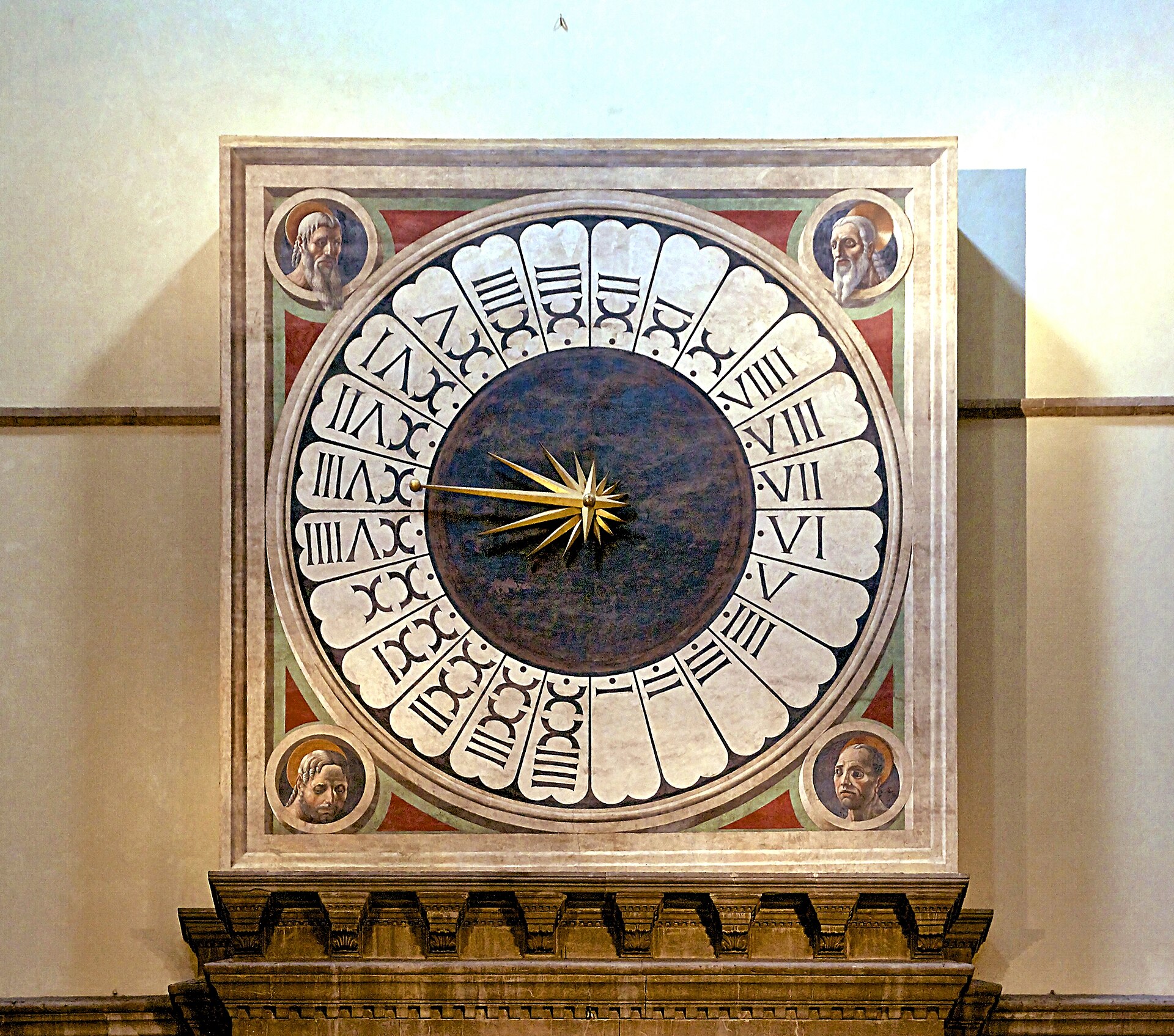
Day 1 — Arrive in Rome
Land at Fiumicino (FCO). Take the Leonardo Express direct to Roma Termini (around 32 minutes; tickets around €14 as of 2026 — book at the station or via Trenitalia). Check in, walk to the Pantheon at dusk when the crowds thin, eat a bowl of cacio e pepe in the Centro Storico. That is enough for day one. Jet lag is real and Rome will punish you if you try to sprint on arrival.
Where to stay in Rome: The neighborhoods around Piazza Navona, Campo de’ Fiori, or the area between the Colosseum and Circo Massimo all put major sights within walking distance. Staying near Termini saves money but costs you 20 minutes each way. For full neighbourhood breakdowns, see our guide to visiting Rome.
Nights in Rome: 3
Day 2 — Rome: Ancient Rome
Pre-book your Colosseum entry. This is non-negotiable. During peak season (April–October) timed-entry slots sell out two to four weeks ahead; book directly at coopculture.it. Budget half a day here — the Colosseum itself takes 60–90 minutes if you have a guide or audio guide, but the Roman Forum and Palatine Hill (included with your ticket) can absorb another 90 minutes if you let them.
In the afternoon, walk to the Circus Maximus, then up to the Aventine Hill for the famous keyhole view of St Peter’s dome through the Knights of Malta garden on Piazza dei Cavalieri di Malta. It sounds minor. It is not.
Dinner in Testaccio — Rome’s old slaughterhouse quarter and arguably its best eating neighbourhood. Trattoria Da Remo for pizza, Flavio al Velavevodetto for Roman offal classics, or just follow your nose.
Day 3 — Rome: The Vatican
The Vatican Museums and Sistine Chapel are the other pre-book. Line up without a ticket and you will lose 2–3 hours you do not have. Book a timed entry at museivaticani.va or buy a guided tour that includes skip-the-line access. Go first thing in the morning when the Sistine Chapel is quieter; the crowds swell dramatically after 11am.
After the Vatican, walk across the Tiber to Piazza del Popolo or spend the afternoon in Trastevere — cobblestones, ivy-draped buildings, and the kind of trattorias that do not hand you an English-language photo menu. Evening aperitivo at a bar on Lungotevere with a Negroni. Perfect day.
A note on Rome timing: Three nights gives you the two big pre-books (Colosseum, Vatican) on separate days without rushing, plus time to get lost. Two nights in Rome is doable, but you will feel it. See our full first-time in Italy itinerary guide for more on how to calibrate Rome time.
Day 4 — Transfer Rome → Florence, then Explore Florence
Take a morning Frecciarossa from Roma Termini to Firenze Santa Maria Novella. The journey is 1 hour 25 minutes on the fast trains. Departures run roughly every 30 minutes from 6am; a flexible second-class ticket costs around €25–45 depending on how far in advance you book. Book via Trenitalia or Italo; both serve this route. More on train strategy in our Italy transportation guide.
Arrive in Florence by midday. Drop your bags and walk straight to the Duomo. You cannot go inside the dome without a pre-booked ticket (book at operaduomo.firenze.it), but the exterior and the Baptistery are free to admire from the piazza. Lunch at a hole-in-the-wall trattoria in the San Lorenzo market area. Afternoon: cross the Ponte Vecchio and walk up to Piazzale Michelangelo for the city’s best panorama at golden hour. Our guide to the best things to do in Florence covers what is worth pre-booking and what you can happily walk up to.
Nights in Florence: 3
Day 5 — Florence: Renaissance Art
Today is Uffizi day. Pre-book. The Uffizi Gallery holds Botticelli’s Birth of Venus and Primavera, Michelangelo, Leonardo, Raphael — it is one of the greatest collections in the world and a 90-minute queue without a ticket is not how you want to spend the morning. Book at uffizi.it. Allow 2–3 hours inside; you can comfortably spend more.
In the afternoon: the Accademia to see Michelangelo’s David (also pre-book; queues can be 45–60 minutes at peak). If that feels like too much museum in one day, swap the Accademia to Day 6 morning and spend Day 5 afternoon at the Boboli Gardens or the Oltrarno neighbourhood across the river, which is quieter, cheaper to eat in, and full of artisan workshops.
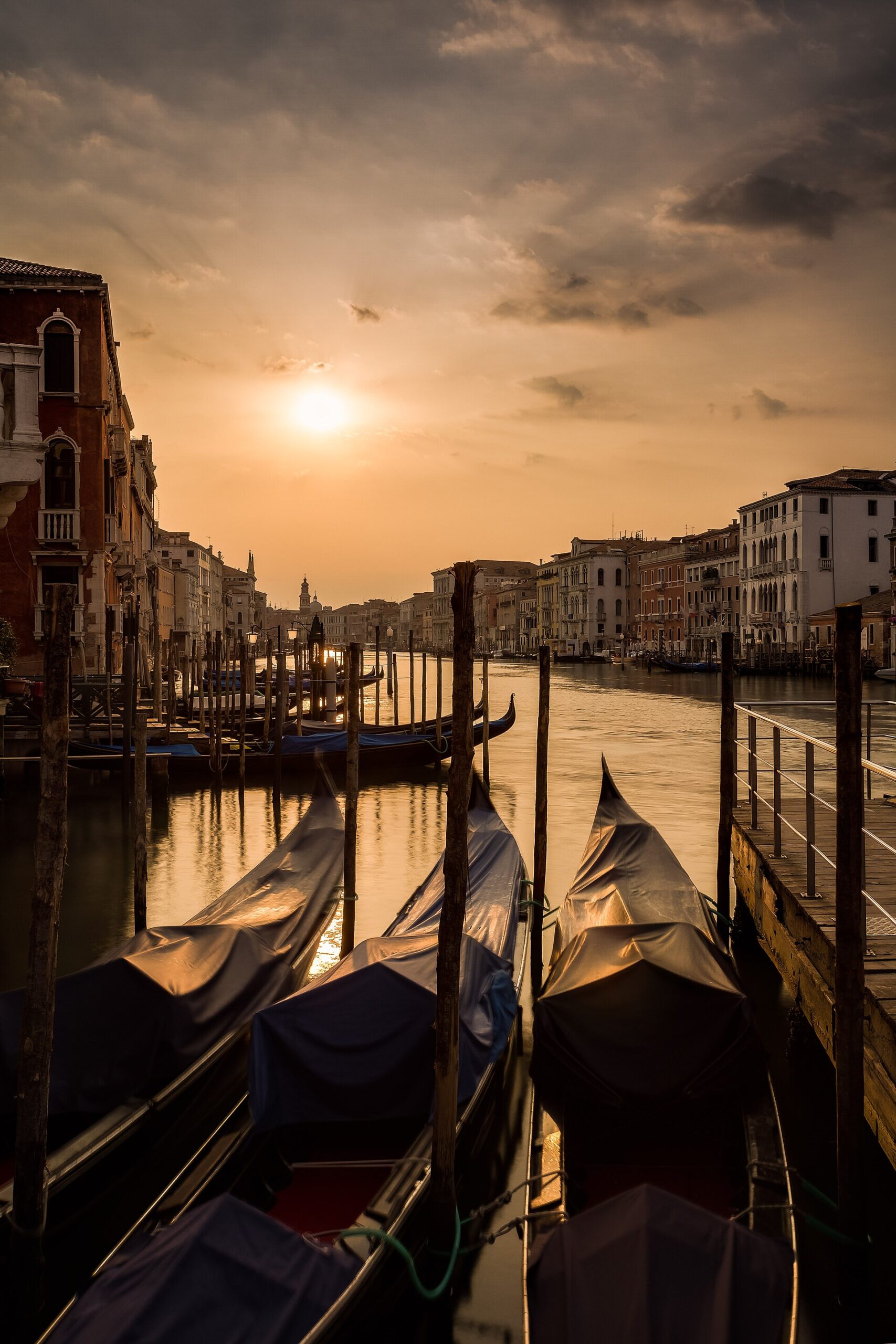
Day 6 — Tuscany Day Trip
Florence is the best base in Italy for day trips. Your options:
- Siena (1h20 by bus or train from Florence) — a medieval hill town with a stunning shell-shaped piazza, the Campo, where the famous Palio horse race is run. Go on a weekday to avoid day-trippers.
- San Gimignano + Chianti wine country (requires a tour or rented car) — towers, pecorino, and Vernaccia wine; a half-day combined tour works well.
- Cinque Terre (1h30–2h by train via La Spezia) — a longer day but achievable; see Route C below if this appeals enough to warrant its own overnight.
- Pisa (1h by regional train) — the Leaning Tower in the morning, back for lunch. Quick and satisfying.
I usually send first-timers to Siena. It is the one place in Tuscany that feels complete as a single day, without needing a car, and the Campo alone justifies the bus ticket.
For the full Florence/Tuscany picture, our complete guide to Florence and Tuscany goes deep on each option.
Day 7 — Transfer Florence → Venice, then Venice Afternoon
Morning Frecciarossa from Florence to Venice Santa Lucia. Journey time is around 2 hours 5 minutes on fast trains. Book early — Venice trains fill up, especially on Fridays and Sundays.
Venice Santa Lucia station drops you directly onto the Grand Canal. Step out and you will understand immediately why no photograph captures it adequately. Vaporetto Line 1 from the station goes the full length of the Grand Canal to San Marco — take it. It is the city’s best free introduction and costs the same as any other vaporetto ride (around €9.50 for a single as of 2026; a 48-hour pass at around €35 makes more financial sense for two days).
Afternoon: walk from San Marco toward the Rialto Bridge without a map. Getting lost in Venice is not a problem. It is the point.
Nights in Venice: 2
Day 8 — Venice: The Main Sights
St Mark’s Basilica is free to enter but requires pre-booking (at prenotazionibsanmarco.it) during busy periods — there is no excuse not to since it takes two minutes to do online. Inside is one of the great Byzantine interiors in Europe. The Doge’s Palace next door is the other essential; buy a combined Museum Pass.
In the afternoon, take a vaporetto to Burano — the brightly painted fishing island about 40 minutes by water bus from Fondamente Nove. The colours are implausible, the lace shops are genuine, and the crowds are a fraction of San Marco. Return in the evening and watch the light on the Grand Canal turn gold then pink then nothing.
An honest word about Venice: Two nights is enough to see the major sights without overpaying (Venice is expensive) or overdoing it. Some people fall deeply in love and wish they had more time. Others find it works best as a beautiful two-night sprint. You will know which one you are by the end of day 8.
For deeper Venice planning, our Venice and Veneto travel guide covers islands, transport, and where to stay off the main tourist drag.
Day 9 — Venice: Islands and Departure Prep
Morning at Murano for the glass-blowing demonstrations (take Vaporetto Line 4.1 or 4.2 from Fondamente Nove; about 10 minutes). Afternoon back in Venice to see any corners you missed — the Dorsoduro neighbourhood, the Peggy Guggenheim Collection if contemporary art is your thing, or simply a long lunch at a cicchetti bar with a glass of Prosecco.
Get from Venice Santa Lucia station to the airport by water taxi (fast, expensive, spectacular) or by ACTV bus from Piazzale Roma to Marco Polo Airport (around €10, about 20 minutes). If your flight is early on Day 10, consider booking a hotel near the airport.
Day 10 — Fly Home
Transfer to Venice Marco Polo Airport (VCE). The open-jaw option — fly into Rome, fly out of Venice — eliminates any backtracking and is how I always recommend structuring this trip. For more on timing your trip around seasons, see our best time to visit Italy guide.
Route B: Rome, Amalfi Coast, Florence (Swap Venice for the South)
This version trades Venice for one of the most dramatic coastlines in Europe. The honest trade-off: the Amalfi region takes more logistical planning, costs more per day, and requires you to accept that getting around the coast roads is genuinely chaotic in summer. Go in May, September, or October if you can.
The route:
– Days 1–3: Rome (same as Route A)
– Day 4: High-speed train Rome → Naples Centrale (70 minutes; around €30–50), then Circumvesuviana train to Pompeii Scavi (35 minutes; a few euros). Two to three hours at Pompeii, then continue on the Circumvesuviana to Sorrento (another 30 minutes). Base yourself in Sorrento for three nights.
– Day 5: Day trip to Capri — ferries from Sorrento take around 20–25 minutes and run frequently. Arrive early; the island peaks mid-morning. Blue Grotto, Monte Solaro chairlift, the town of Anacapri.
– Day 6: Amalfi Coast — ferry or private driver between Positano, Amalfi, and Ravello. The ferry is the honest choice in summer: the coast road is narrow and the buses are punishing. A private driver costs more but delivers the day you actually want.
– Days 7–8: High-speed train Sorrento → Naples → Florence (transfer in Naples; total around 3.5 hours). Two days in Florence on the same plan as Route A.
– Days 9–10: Fly home from Florence (Peretola, FLR) or take an early train back to Rome for an FCO departure.
Full details on the south: our Amalfi Coast and Campania guide covers every logistics question you will have.
Who chooses Route B: You have done Venice before, or coastal scenery and island time matter more to you than northern Italy’s cities. You are not travelling in August (when the Amalfi coast becomes a traffic jam).
Route C: Rome, Florence, Cinque Terre, Venice (Add the Coastal Villages)
This is a popular variation and it works, but pace matters. The Cinque Terre is two nights, not one — arriving one afternoon and leaving the next morning is a waste of a train ticket.
The route:
– Days 1–3: Rome (Route A)
– Days 4–5: Florence (two nights instead of three; drop the Tuscany day trip)
– Days 6–7: Florence → Cinque Terre. Take a Frecciarossa or Frecciargento to La Spezia (around 1h15), then the local Cinque Terre Express to any of the five villages (Riomaggiore, Manarola, Corniglia, Vernazza, Monterosso). Base yourself in Vernazza or Manarola. Day 6: hike the trails between villages. Day 7: take the train between towns and swim at Monterosso’s beach.
– Day 8: La Spezia → Venice (transfer required in Genova or Milan; around 4–5 hours). Arrive Venice by early afternoon.
– Days 9–10: Venice (same as Route A), then fly home.
The honest trade-off: You lose the Tuscany day trip and one full Florence day. If the Uffizi is your priority, keep Route A. If trails, terraced vineyards, and fishing villages matter more, choose Route C. Our Italy itinerary by train guide has exact connections for this route.
Route D: Rome, Bologna, Florence and Tuscany (The Food-and-Wine Version)
This route is for the traveller who has done the big three already, or who genuinely cares more about what is on the plate than what is on the wall.
The route:
– Days 1–3: Rome
– Day 4: High-speed train Rome → Bologna (about 2h15). Bologna is the greatest food city in Italy and makes a case that it is one of the best in Europe — ragù alla bolognese (never on spaghetti, always on tagliatelle), tortellini in brodo, mortadella, Lambrusco. Spend two nights here.
– Day 5: Bologna — the university porticoes (Unesco-listed in 2021), the towers, the Quadrilatero market at 8am before the tourists arrive.
– Day 6: Regional train or bus to Florence or straight into Tuscany by car. If you rent a car here, three days in the Chianti and Crete Senesi wine country — Montalcino, Pienza, Montepulciano — replaces any museum itinerary and most people find it more memorable.
– Days 7–9: Tuscany by car or Florence on foot.
– Day 10: Return to Rome or fly from Florence.
This is the route I take now. It requires either accepting fewer iconic monuments or having already seen them.
What to Pre-Book and When
Most first-timers underestimate how far ahead Rome and Florence book up. Here is the honest timeline:
| Attraction | Book How Far Ahead | Where |
|---|---|---|
| Colosseum + Forum + Palatine | 3–6 weeks in summer | coopculture.it |
| Vatican Museums + Sistine Chapel | 3–6 weeks in summer | museivaticani.va |
| Uffizi Gallery | 2–4 weeks | uffizi.it |
| Accademia (David) | 2–3 weeks | uffizi.it |
| Duomo dome, Florence | 1–2 weeks | operaduomo.firenze.it |
| St Mark’s Basilica, Venice | 1 week (free, quick online) | prenotazionibsanmarco.it |
| High-speed trains | As early as 90 days out for cheapest fares | trenitalia.com or italotreno.it |
Book these before you book your hotels. In peak season (June–August), the museums sell out faster than the accommodation.
Train Tips for This Route
Italy’s high-speed network — Frecciarossa (Trenitalia) and Italo — connects Rome, Florence, and Venice reliably and comfortably. A few things worth knowing:
Book early for price, not flexibility. The cheapest non-refundable fares appear 60–90 days out. A Rome–Florence ticket bought the day before costs two to three times what it costs bought six weeks ahead. If your plans are firm, book early.
Validate your ticket only if you have a paper ticket on a regional train. High-speed train tickets bought online are tied to your name and seat — no stamp needed. Regional trains (the slow ones, e.g., Florence to Pisa) still require you to stamp a physical ticket before boarding. Inspectors do check and fines are real.
First class is rarely worth it on short legs. Rome to Florence in 1h25 in second class is perfectly comfortable. First class earns its price only on the longer Florence–Venice leg (around 2 hours), and even then only if you want a wider seat and a meal service.
Day of travel: give yourself buffer. Italian trains run on time at a rate that surprises people, but connections in Milan or Genova on the Cinque Terre route carry risk. If you are connecting, build in 30–40 minutes.
For the full train logistics picture, our complete guide to Italian transport and Italy itinerary by train guide cover everything from apps to seat reservations to night trains.
Practical Pacing Notes
Ten days is enough if you do not overfill it. The biggest mistake I see in trip reports is five cities in ten days. You will spend 20% of your trip on trains and 40% of it too tired to care what you are looking at. Three cities, three bases, two or three nights each is the rhythm that actually delivers the trip you imagined.
Afternoons are for wandering. Build in at least one afternoon per city where you have nothing planned. The best Rome moment I ever had was sitting in a bar on a side street off Campo de’ Fiori at 4pm with nothing to do.
Book accommodation near the action, not near the station. Staying 10 minutes from a train station saves you nothing if you spend 15 minutes extra each way to reach every attraction.
The shoulder seasons are not a secret, but they are still better. April, May, September, and October give you lighter crowds, cooler temperatures, and the same opening hours as summer. High summer (July–August) is manageable but hot, expensive, and very busy. For the full timing picture, see our best time to visit Italy guide.
Budget roughly. Mid-range hotels in Rome and Florence run around €120–200 per night in shoulder season; Venice runs slightly higher. Museum entry ranges from free (some Sundays) to around €22–26 for the Vatican. High-speed trains total around €60–120 for the full Rome–Florence–Venice route booked in advance. A detailed breakdown is in our guide to planning a trip to Italy.
How This 10 Day Italy Itinerary Compares to Other Lengths
A 10-day trip is the sweet spot for first-timers — long enough to see three cities without rushing, short enough to stay focused. If you have more time, our suggested route through 2-week Italy adds Cinque Terre properly, a Tuscany rental, and a southern Italy leg. Our 3-week Italy itinerary goes as far south as Sicily. If you only have a week, our 7-day Italy itinerary shows you what to cut without losing the core experience.
For the bigger planning question of how many days to allocate across regions, our how many days in Italy guide works through it systematically.
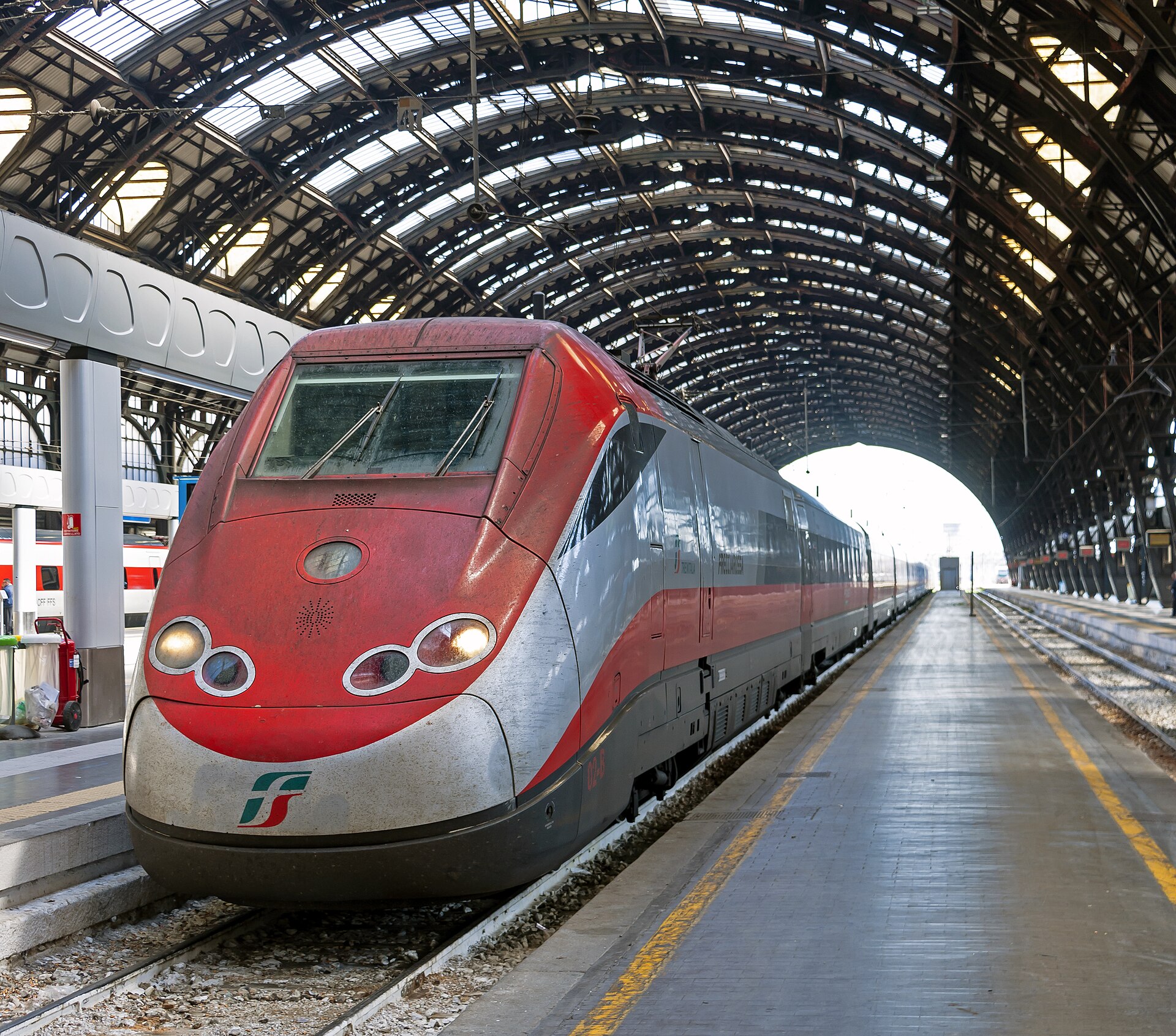
Final Thoughts
The classic 10-day Rome–Florence–Venice route exists for good reasons. These three cities together form the most coherent introduction to Italy on offer: ancient history, Renaissance art, and a city built entirely on water, all connected by trains that actually run on time. Follow the day-by-day above, pre-book the five or six things that require it, and you will spend your days looking at art and eating pasta instead of queuing and scrambling.
The alternatives exist because that classic route is not right for everyone. If coastline matters more than canals, do Route B. If the trail and the fishing village matter more than the Uffizi, do Route C. If you have already been and want to eat your way through the country, do Route D.
Whatever you choose: plan it by nights, transfers, and the kind of trip you actually want to have — not by the number of cities you can name-check when you get home.
For the full planning picture, start with our complete guide to visiting Italy and first-time in Italy itinerary guide. Both will fill in everything this article deliberately does not repeat.
Questions travellers ask
How many days do you really need in Rome for a first trip?
Three nights is the minimum I recommend to first-timers. That gives you one full day for the Colosseum and Roman Forum, one for the Vatican and Sistine Chapel, and a third for the Pantheon, Trastevere, and whatever you did not get to. Two nights in Rome is possible but leaves you feeling like you grazed the surface.
Is it better to fly into Rome and out of Venice (or vice versa)?
Yes — an open-jaw flight is significantly better than a round-trip into one city. Flying into Rome and out of Venice (or into Venice and doing the route in reverse) eliminates backtracking, saves a half-day of travel, and lets the trip flow geographically. Most major North American and European carriers serve both FCO and VCE.
Can I add Cinque Terre to a 10 day Rome-Florence-Venice itinerary?
Yes, but you pay with time somewhere else. The most realistic version gives Cinque Terre two nights (see Route C above) and reduces Florence from three nights to two. If the Uffizi is your priority, keep the three Florence nights and skip Cinque Terre or save it for a return trip.
What is the best way to get from Rome to Florence?
High-speed train, without question. The Frecciarossa covers the distance in 1 hour 25 minutes, departing Roma Termini and arriving at Firenze Santa Maria Novella — both city-centre stations. Driving takes around three hours in good traffic and involves navigating ZTL restricted zones in Florence. Flying makes no sense for this distance. Book the train at least 3–4 weeks ahead for the best prices.
Do I need to rent a car in Italy for this itinerary?
No. The Rome–Florence–Venice route (Routes A and C) is entirely trainable. Route B (Amalfi) works by train, ferry, and bus. Only Route D benefits meaningfully from a car, specifically for the Tuscan countryside wine region portion. Italian cities have ZTL zones that fine rental cars, and parking is expensive and stressful. Leave the car for a dedicated Tuscany or Puglia road trip.
Is Venice worth it for just two nights?
Yes. Venice takes time to understand and two nights gives you that — enough to walk past the crowds, find a quieter sestiere (district), and see the islands. One night is genuinely too short. Three nights starts to feel like you are waiting for something new to happen. Two is the honest answer for a first trip.
What should I not miss that most 10-day itineraries skip?
Most itineraries underrate the Borghese Gallery in Rome (pre-book; it has the best Bernini sculptures in the world and limits entries to keep it uncrowded), the Oltrarno neighbourhood in Florence (the working-class side of the Arno, with artisan workshops and better restaurant value), and the island of Burano in Venice (40 minutes from Fondamente Nove; implausibly colourful, far fewer crowds than Murano, and a great lunch stop). None of these require extra travel time — they all fit within the days already blocked above.
How far in advance should I book this whole trip?
For travel in June–August: six months for accommodation in Venice (it sells out fastest), four to six months for Rome and Florence hotels, and at the same time, pre-book the Colosseum, Vatican, and Uffizi. For shoulder season (April–May, September–October): three to four months is comfortable for accommodation; six to eight weeks for the major museum tickets. Trains can be booked up to 90 days out — do it as soon as your dates are fixed.