Italy in January: Weather, Crowds and Where to Go

Is January a Good Time to Visit Italy?
Italy in January is the quietest, most affordable month of the year — and for the right traveler, it is genuinely excellent. Flights and hotels sit at their annual low, the major museums have room to breathe, the winter sales (saldi) kick off the first week of the month, and the Alps and Dolomites are in prime ski season. The trade-off is real: it is cold, days are short, and coastal towns from Cinque Terre to the Amalfi Coast feel half-shuttered. Go for cities, mountains, and value. Skip it for beaches or poolside relaxation. If that deal sounds good to you, January may be the smartest month you can book.
For the big-picture question of which month best fits your trip overall, the full breakdown lives in our guide to when to visit Italy guide. December hands off the holiday warmth just before January arrives — read that comparison at Italy in December. And if you are weighing up whether to push to spring instead, Italy in March covers what changes when the days finally start lengthening.
Weather in Italy in January: A Regional Breakdown
January is winter in earnest across the whole country, but Italy is long — nearly 1,200 kilometres from the Alps to Sicily — and the weather varies dramatically by latitude. Here is what to expect, region by region.
| Region | Typical High | Typical Low | Daylight | Character |
|---|---|---|---|---|
| Italian Alps / Dolomites | -1°C to 4°C (30–39°F) | -8°C to -3°C (18–27°F) | ~9 hrs | Full snow, peak ski season |
| Po Valley (Milan, Bologna) | 4°C to 7°C (39–45°F) | -2°C to 1°C (28–34°F) | ~9 hrs | Dense fog (nebbia), occasional frost |
| Venice / Veneto | 5°C to 7°C (41–45°F) | 0°C to 2°C (32–36°F) | ~9 hrs | Cold, foggy, acqua alta risk |
| Tuscany / Florence | 6°C to 10°C (43–50°F) | 1°C to 4°C (34–39°F) | ~9.5 hrs | Cold, crisp, rain possible |
| Rome / Lazio | 8°C to 12°C (46–54°F) | 3°C to 6°C (37–43°F) | ~9.5 hrs | Cool and walkable, short rain showers |
| Naples / Amalfi Coast | 10°C to 13°C (50–55°F) | 5°C to 8°C (41–46°F) | ~10 hrs | Mild but wet, coastal winds |
| Sicily | 11°C to 16°C (52–61°F) | 6°C to 9°C (43–48°F) | ~10 hrs | Mildest of all, but rainy spells |
Ranges are typical January averages; temperatures vary year to year.
The North: Cold, Foggy, and Beautiful
The Po Valley in January can feel like another country. Milan and Bologna sit in a flat basin hemmed in by the Alps to the north, and cold air settles there in thick banks of fog — the nebbia — that can persist for days. It is atmospheric if you are inside a warm osteria with a plate of cotechino and lentils; less fun if you are doing an outdoor walking tour. Temperatures hover just above freezing by day and drop below it at night.
Venice gets similar temperatures, and you need to be aware of acqua alta — the high-tide flooding that rolls into the lower parts of the city, particularly around Piazza San Marco. It is not catastrophic (locals wear rubber boots; the city has raised walkways), but it is a genuine thing to plan around. Check the tide forecast on the Comune di Venezia website before heading out for the day.
Further east, the Veneto countryside and Verona sit cold and often grey, but Verona in January is wonderfully empty and the Romanesque churches are yours alone.
Central Italy: Cold but Walkable
Florence runs between about 6°C and 10°C during the day — cool enough that you will want a good wool coat and real shoes, warm enough that walking between the Uffizi, the Accademia, and an afternoon espresso is entirely comfortable. Expect occasional rain; about 11 days in the month see some precipitation, though most fall as short bursts rather than all-day soaking.
Rome is the sweet spot of January in Italy. Highs in the 10–12°C range, around 7–8 rainy days, short days (sunset around 5 pm), and almost no tourist crowds. Wandering the Roman Forum without a thousand other visitors is one of the best experiences the city offers, and January is the month to do it.
The South and Islands: Mild but Wet
Sicily and the deeper south are genuinely mild in January — 15°C days in Palermo are not unusual — but the catch is rain. Sicily can see 15–19 rainy days in January, which is its wettest season. That is not wall-to-wall rain, but it is enough to affect a coastal trip that depends on outdoor cafe culture and wandering. The upside: ruins, Baroque hilltowns, and street food markets are there and emptied of summer crowds.
Crowds and Prices: The Lowest Month of the Year
There is no polite way to dress this up — after January 6th (Epiphany), Italian tourist infrastructure essentially takes a breath. From around January 7th to the end of the month, you are looking at the lowest visitor numbers of the year. Major museums that you would normally pre-book months in advance — the Vatican Museums, the Uffizi, the Borghese Gallery in Rome — become genuinely walkable. Restaurants take reservations same-day. Hotel rooms at places that were sold out last July are available, at prices that can be 40–50% below peak.
Flights follow the same logic. The window from roughly January 8th to late February is consistently the cheapest time of year to fly into Italian airports. If you are flexible on timing, booking a January trip and then shopping the saldi is about as efficient as Italy travel gets from a budget standpoint.
For a deeper look at how costs stack up month by month, see our Italy budget guide guide.
The Saldi: Italy’s Winter Sales
Every year, Italy’s official winter sales season — the saldi invernali — begins in the first days of January and runs for roughly six weeks. The exact start date is set region by region: in 2026, most regions including Tuscany, Lazio, and Campania opened on January 3rd. Valle d’Aosta started a day earlier; Alto Adige waited until January 8th.
The saldi are real. Discounts at the first markdowns are typically 30–50%, and prices drop further as the weeks go by. By mid-January you are looking at true clearance territory. Milan takes the saldi seriously — the Quadrilatero della Moda on Corso Vittorio Emanuele and Via Montenapoleone fills with shoppers hunting designer pieces at significant reductions. But you will find the same rhythm in Florence’s leather goods shops, Rome’s boutiques around Via Condotti, and department stores everywhere.
A note on strategy: the best selection is in the first week. The deepest discounts come later. If you want the good stuff, go early in January.
Skiing in the Alps and Dolomites
January is peak ski season in Italy, full stop. The snowpack is typically at its best, the lifts are all running, and the mountain villages are in full winter mode. If you are a skier or snowboarder, Italy in January is not a compromise — it is the destination.
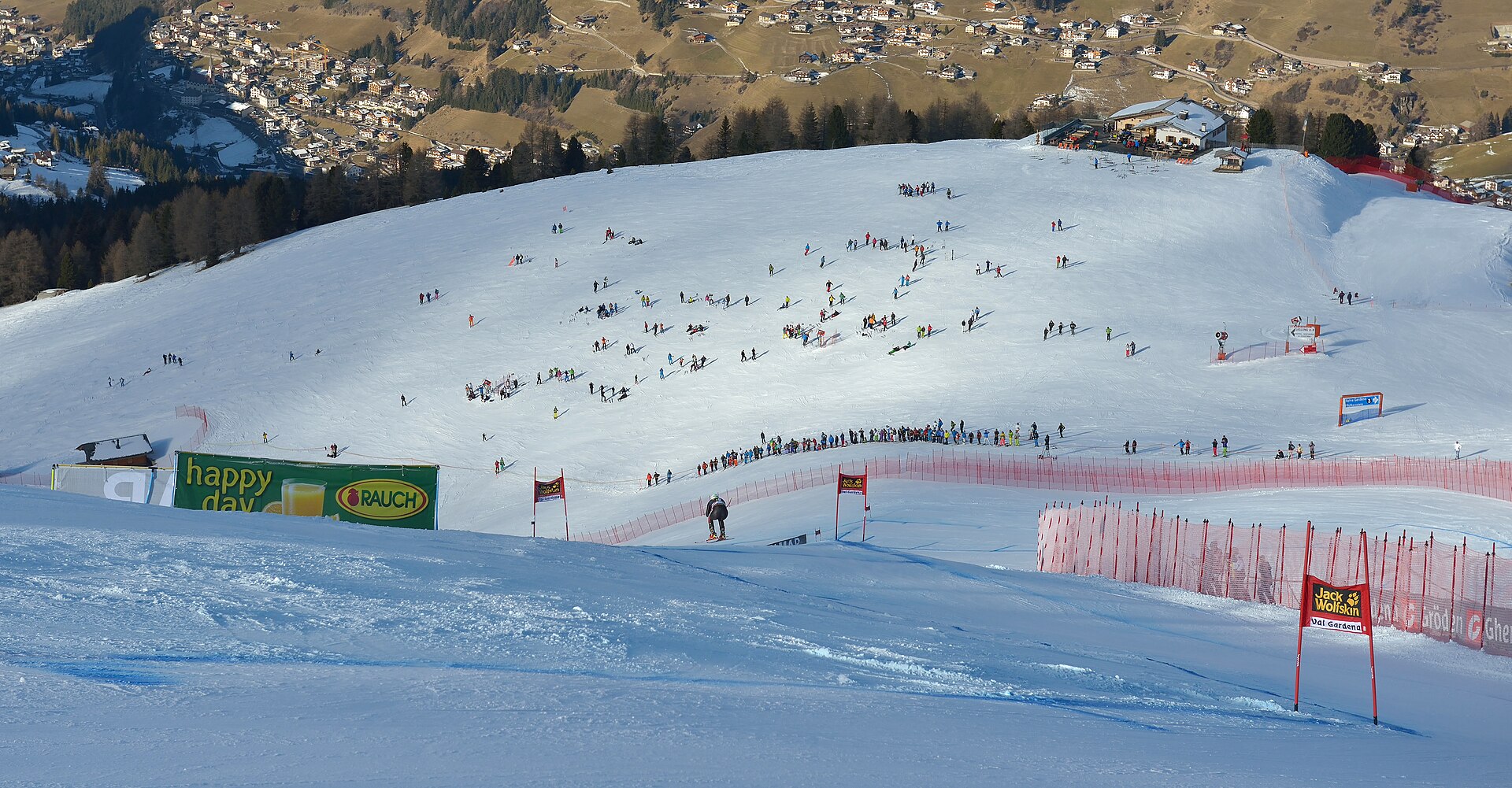
The Dolomites
The Dolomites are the headline act for Italian skiing, and for good reason. The Dolomiti Superski pass connects 12 ski areas across more than 500 kilometres of groomed runs, including:
- Val Gardena / Selva — the heart of the Sella Ronda, a classic four-valley circuit that takes a full day and suits all levels.
- Alta Badia — wide, long, and famous for the Gran Risa downhill course used in World Cup racing.
- Cortina d’Ampezzo — the glamorous choice, with a beautiful town, excellent restaurants, and terrain that suits mixed-ability groups well. Worth noting: Cortina hosted parts of the 2026 Winter Olympics (held in February), so the infrastructure is first-rate.
- Val di Fassa / Canazei — connects directly into the Superski network and sits in some of the most dramatic scenery in the range.
- Kronplatz / Plan de Corones — a single-mountain resort near Brunico that is exceptional for intermediates, with high-speed runs dropping back to the village.
January is generally good for snow in the Dolomites, and resorts have comprehensive snowmaking across the main runs. The Sella Ronda circuit is a classic January objective: four resorts, one loop, and you can ski it in either direction.
For a full picture of the region — summer and winter, towns, logistics — see our Dolomites and Alps travel guide.
The Alps: Aosta Valley and Beyond
The Aosta Valley in northwest Italy — bordering both France and Switzerland — has some of Europe’s highest ski terrain and reliably good January conditions. Courmayeur, on the Italian side of Mont Blanc, is one of the most attractive ski towns on the continent: medieval centre, serious off-piste terrain, and better food than most French resorts. Cervinia shares the Matterhorn glacier with Zermatt, which means skiing above 3,400 metres and usually excellent January snow.
Sestriere in the Milky Way ski area (Via Lattea) suits those coming from Turin. It hosted the 2006 Winter Olympics and connects across the border to Montgenèvre in France.
The Best Cities to Visit in January
Rome
Rome in January is one of my strongest recommendations in the whole Italy calendar. The Vatican Museums in high season require booking weeks in advance and still feel crowded on the day. In January, you can often walk in on short notice and move through the Raphael Rooms and the Sistine Chapel with actual room to stand. The Colosseum, the Palatine Hill, the Roman Forum — all of them work better in cool, grey winter light than in August blaze.
The city’s restaurant scene does not go into hibernation. If anything, the trattorias and osterie in Trastevere and Testaccio feel more authentic in winter — the clientele is mostly local, the menus run to comforting Roman standards, and the bill is lighter than in summer. Eat cacio e pepe. Have it at lunch with a carafe of the house white.
There is also the Befana procession on January 6th — more on that below — which adds a genuine festive note to the first week of a Rome trip.
Our full destination guide covers everything the city offers year-round: Rome tourism guide.
Florence
Florence is an indoor city in winter and proud of it. The Uffizi Gallery alone could consume two full days — the Botticelli rooms, the Caravaggio rooms, the rooms that most people rush past on the way to Botticelli — and in January you have the space to actually look. The Accademia, where Michelangelo’s David stands, is similarly navigable. Book in advance to secure the timeslot you want, but the queue on the day is a fraction of what it is in June.
The city itself is beautiful in January cold. The Piazzale Michelangelo lookout point at dusk, the Ponte Vecchio with no tour group in frame, the Mercato Centrale alive with locals. Florence in January feels like it belongs to the Florentines again, and that is a privilege.
Milan
Milan is the city that benefits most from the January saldi and has the widest range of things to do on a cold, overcast northern Italian day. The Duomo is as overwhelming as ever. Leonardo da Vinci’s Last Supper at Santa Maria delle Grazie requires advance booking regardless of season — do it before you leave home. The Castello Sforzesco’s free courtyards and excellent museums fill a half day easily.
But the shopping is the honest draw for many people in January. The boutiques around Via della Spiga and Corso Buenos Aires are well-stocked in the first week of the saldi, and the pace is entirely different from the shoulder season scrum.
For the full northern Italy city picture: Milan and northern Italy guide.
Venice
Venice in January is not for everyone, but for the right temperament it is unforgettable. The tourist-free calli — those narrow alleys — and the canals with mist sitting on the water at 8 am: that is a Venice most visitors never see. The Peggy Guggenheim Collection, the Gallerie dell’Accademia, the Doge’s Palace — all operating with a fraction of their summer visitor count.
The caveat is the weather: cold, damp, and the real possibility of acqua alta. Pack waterproof boots with ankle support, wear layers, and be prepared to navigate the raised passarelle (elevated walkways) if the tides are high. Some of the lower ground-floor cafes near San Marco may have water in them. That is Venice in January. It is genuinely extraordinary if you embrace it.
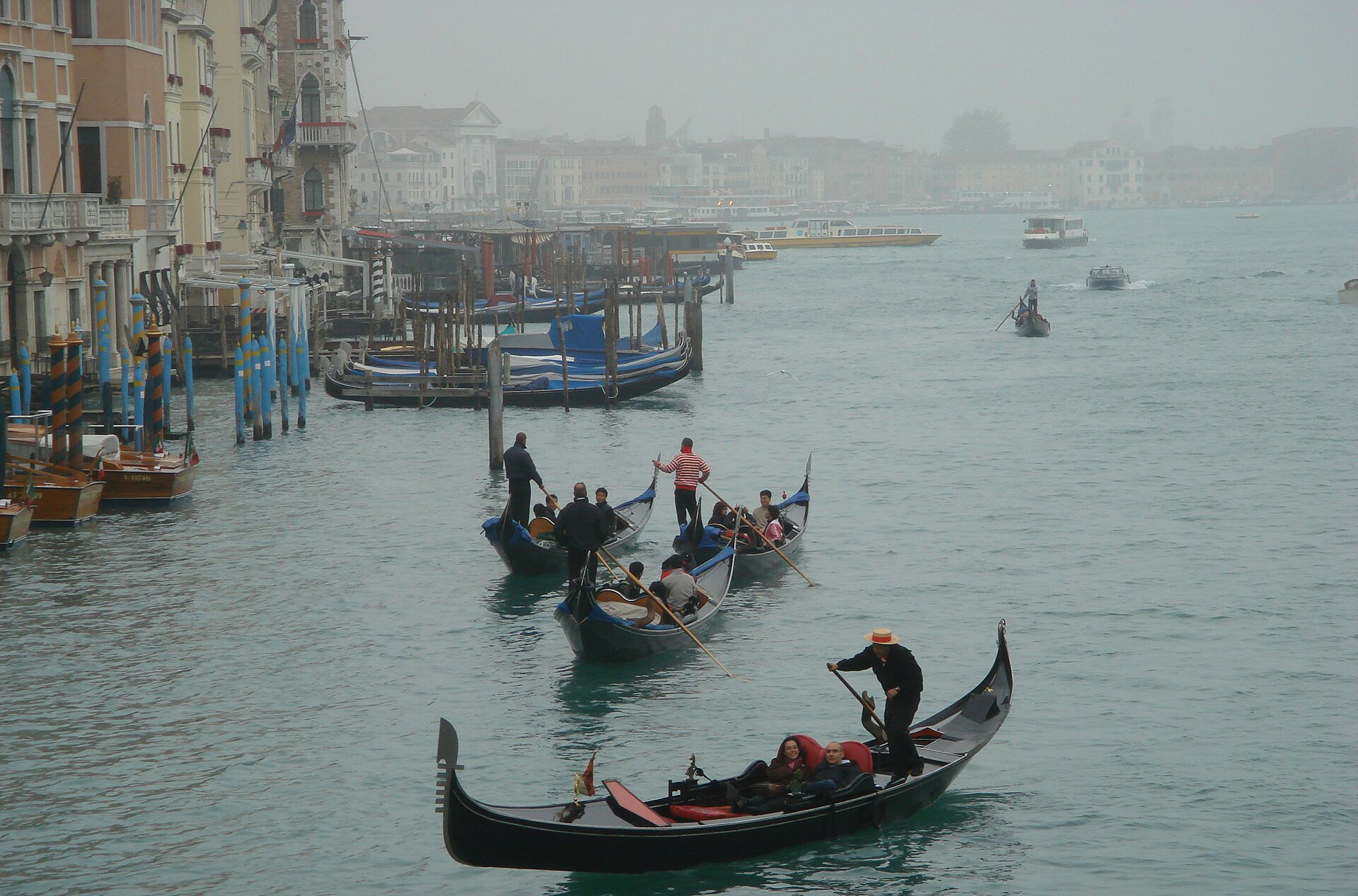
Read more in our guide to Venice and the Veneto.
What’s Closed (and What Isn’t)
This is the honest section that most January guides elide past. Here is what to actually expect:
Coastal towns: Cinque Terre is largely shut in January. Most of the restaurants and accommodation in Vernazza, Corniglia, Manarola, and Riomaggiore close for winter. A handful of places stay open, but you would not build a trip around it. The same applies to Portofino, Positano, and much of the Amalfi Coast’s boutique hotel stock. Some of these properties close from November to March.
Italian lakes: Lake Como’s main towns — Bellagio, Varenna, Tremezzina — have reduced services. A few good hotels remain open, particularly in Como town itself, but the lake is not operating at full capacity. Lake Garda is similar: Sirmione has year-round services but other resort towns are quiet.
Rural agriturismo: Many farm stays and countryside agriturismi in Tuscany, Umbria, and the south close for January. If you want to stay in the countryside, call ahead and confirm before booking.
Major cities: Rome, Florence, Venice, Milan, Naples, Bologna — all fully operational. Museums, restaurants, transport, hotels: all open and running normally. Any individual place may have annual closure for a week around the New Year holiday (January 1–6), but the cities themselves are completely accessible.
Mountain resorts: Fully open and busy. The ski villages operate at or near peak capacity in January.
January Events in Italy
Befana / Epiphany (January 6th)
Epiphany — the Feast of the Magi — is one of the most important days in the Italian calendar, and for children it is arguably bigger than Christmas. The Befana is a folklore figure: a kindly old woman who rides a broomstick and, on the night of January 5th, fills the stockings of good children with sweets and gifts, and bad children with coal (now typically a candy version).
January 6th is a national public holiday. Shops close, families gather, and every city puts on something. In Rome, a costumed procession — the Viva la Befana — moves along Via della Conciliazione toward St. Peter’s Square from around 10 am. In Venice, the Regata delle Befane takes place on the Grand Canal: senior rowers from the city’s oldest rowing club dress in full Befana costume and race toward a stocking hung from the Rialto Bridge, with mulled wine and hot chocolate for spectators along the banks. In Urbania in the Marche — which claims to be the home of the Befana — a four-day festival runs from January 3rd to 6th, with 4,000 stockings strung across the historic centre.
For most tourists, January 6th means the holiday energy of Christmas has one more gasp. And then, from the 7th onward, Italy empties and the low season begins in earnest.
Feast of Saint Anthony Abbot (January 17th)
Celebrated particularly in Naples and across the south, this feast day is known for bonfires lit in the streets — large communal fires around which the neighbourhood gathers on a cold January evening. It is not a major tourist event, but if you are in Naples in mid-January, it is a vivid local experience.
Sant’Orso Fair, Aosta (late January)
On January 30th and 31st, the Aosta Valley holds its ancient craft fair — one of the oldest markets in the Alps, dating back at least a thousand years. Woodcarvers, leatherworkers, laceworkers, and artisans from across the valley display and sell their work in the medieval streets of Aosta. This is a genuine local tradition, not a tourist market, and the quality of the craft work is exceptional.
Carnevale: The Build-Up
Italy’s Carnevale season — the wildest of which is Venice’s — officially begins 40 days before Ash Wednesday, which means preparations are underway in the second half of January. Venice Carnevale proper runs in February, but costume shops open, advance bookings fill, and the atmosphere starts shifting toward the theatrical by the end of January.
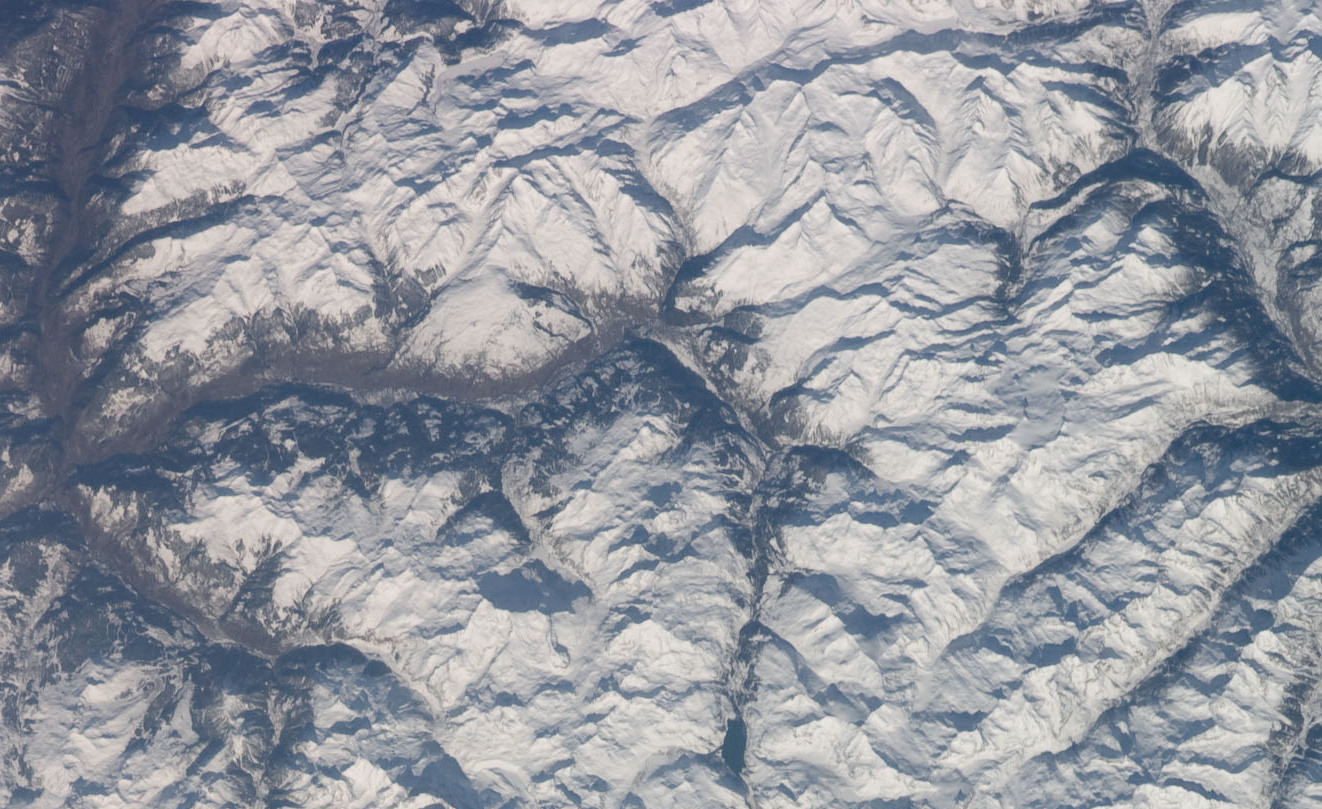
What to Pack for January in Italy
The single biggest mistake January travelers make is under-packing for the cold and over-packing everything else. Here is what actually earns its weight:
Footwear is non-negotiable. You will walk on cobblestones that are cold, damp, and occasionally wet. Waterproof ankle boots or walking shoes with real insulation are essential. Do not bring fashion trainers. For Venice specifically, pack proper waterproof boots with enough ankle height to handle a 20 cm acqua alta event.
Layers over one heavy coat. Italy’s cold is not Arctic — it is damp European cold, which feels colder than the number suggests. A wool mid-layer plus a good wind-proof outer (or a quality down jacket) works better than one massive coat you have to carry everywhere.
A compact umbrella. Not a poncho — a compact umbrella. The rain comes as short bursts in most regions, and a good umbrella is the civilised Italian way to handle it.
Thermal base layers. Walking into a 10°C Roman Forum for two hours and then sitting in a cool restaurant — thermal layers under your normal clothes make the difference between enjoying the day and being miserable.
A small daypack or tote. The saldi mean you may buy things. A packable tote weighs nothing.
You do not need mosquito repellent, beach towels, flip flops, or lightweight linen in January. That is half your usual Italy packing list gone.
A Sample 10-Day January Trip
This itinerary suits a first- or second-time visitor who wants cities, culture, value, and one mountain experience. It builds around the Befana holiday and the saldi.
Days 1–2: Arrive in Rome
Fly into Fiumicino. The Colosseum, Forum, and Palatine Hill on day one — buy your ticket in advance, but January lines are short. Dinner in Testaccio. Day two: Vatican Museums and St. Peter’s Basilica in the morning (the quiet of a January weekday here is remarkable), afternoon wandering Trastevere.
Day 3: Befana in Rome (January 6th)
If your timing allows, plan to be in Rome on January 6th. Morning: catch the Viva la Befana procession on Via della Conciliazione. Afternoon: Piazza Navona still has a few remnants of its Christmas market. Evening: a proper Roman dinner before the holiday winds down.
Days 4–5: Florence
Two-hour train from Rome (book the Frecciarossa in advance — cheap in January). Uffizi on day one — book a morning slot online. Accademia on day two. The leather market at San Lorenzo for the saldi — some of the best deals of the season. One evening at a wine bar in the Oltrarno neighbourhood.
Days 6–7: Milan
High-speed train from Florence, about 1 hour 45 minutes. Day six: the Duomo, Pinacoteca di Brera, an afternoon of saldi shopping in the Quadrilatero. Day seven: The Last Supper (book this months in advance, it sells out regardless of season), Castello Sforzesco, the Galleria Vittorio Emanuele II.
Days 8–10: The Dolomites
Take a train from Milan to Bolzano (about 3 hours) then a bus or rental car to your chosen resort. Three days of skiing in the Dolomiti Superski network — Val Gardena or Alta Badia are the most accessible from Bolzano. If you do not ski, Bolzano itself is a handsome Tyrolean city with excellent food and wine at very reasonable January prices.
This gives you the cultural depth of three major cities, the saldi shopping, the Befana experience, and the mountains — all in one logical line from south to north. For more Italy trip structures, the collection of Italy itineraries guide has options across different lengths and styles. And for the full country orientation, start with the complete Italy travel guide.
Final Thoughts
January in Italy is a particular kind of trip. It asks something of you — a tolerance for cold, short days, the occasional closed restaurant, the damp that settles into northern Italian winters. In return, it gives you Italy without the scrum: museums where you can stop and genuinely look, cities that feel inhabited rather than performing for visitors, prices that leave room in the budget for the good restaurant or the ski lesson. The saldi are a bonus. The Befana is a bonus. The empty Colosseum on a grey Tuesday morning in January is the real thing.
The traveler who comes to Italy in January for the art, the food, the skiing, and the value will have a better trip than the same traveler who comes in July for the weather. That is the honest summary.
If you are still working out your timing, the complete seasonal comparison is at our best time to visit Italy guide. For the logistics of building a trip — which cities to pair, how many nights, what to see — start with sample itineraries for Italy and the full guide to planning a trip to Italy.
Questions travellers ask
Is Italy too cold to visit in January?
That depends on what you are doing. The major cities — Rome, Florence, Venice, Milan — are all perfectly manageable in January. Temperatures in Rome reach 10–12°C during the day, which is coat-and-coffee weather, not survival gear. The north is colder, with Milan and Venice often sitting around 5–7°C. If you are planning museum visits and city walks, the cold is not a barrier. If you are hoping for outdoor café culture and evening gelato strolls in a light jacket, wait until April.
What is the weather like in Italy in January?
Italy in January means deep winter in the north and a mild but rainy south. Milan, Venice, and Bologna see temperatures around 4–7°C with fog and occasional frost. Florence and Rome are somewhat warmer — around 8–12°C on a good day. Sicily and the Amalfi Coast reach 13–16°C but get significant rainfall (Sicily can see 15–19 rainy days). The Alps and Dolomites are in full snow and ideal for skiing. Across the country, expect roughly 9–10 hours of daylight.
Are things open in Italy in January?
Major cities are fully open: museums, restaurants, transport, hotels — all operational. The exception is the first week of January around the Epiphany holiday (January 1–6), when some shops and a handful of restaurants take a short break. After January 7th, the low season begins and the cities are quiet but completely functioning. What does close are coastal resort towns (Cinque Terre, Positano, much of the Amalfi Coast), many Italian lakes properties, and rural agriturismi. If your itinerary is city-based, closure is not a significant issue.
When do the Italian winter sales (saldi) start?
In most Italian regions the saldi invernali begin on January 3rd. A couple of exceptions: Valle d’Aosta starts on January 2nd, and Alto Adige (South Tyrol) waits until January 8th. The sales run for approximately six weeks, with the best selection in the first ten days and the deepest discounts from mid-January onward. Milan, Florence, and Rome are the best cities for saldi shopping, though you will find genuine deals in every town.
Is January good for skiing in Italy?
January is one of the two best months for skiing in Italy, alongside February. The Dolomiti Superski network — connecting Val Gardena, Alta Badia, Cortina, Val di Fassa, and others — is in full operation with reliable snow cover. The Aosta Valley resorts (Courmayeur, Cervinia) are also running at their peak. Crowds at ski resorts are lower than at Christmas and Easter, prices are more reasonable, and the snowpack is typically well-established by January. If skiing is your primary reason for coming to Italy, January is the right call.
What are the Befana and Epiphany celebrations in Italy?
Epiphany on January 6th is a national public holiday and the day Italian children traditionally receive gifts. The Befana — a folklore figure, an old woman on a broomstick — visits the night before, filling stockings with sweets for good children and symbolic coal for bad ones. Celebrations vary by city: Rome has a costumed procession near St. Peter’s; Venice holds the famous Regata delle Befane on the Grand Canal; Urbania in the Marche runs a multi-day festival. For travelers, January 6th adds a festive note to the first week of the month and is worth timing a Rome or Venice visit around.
How much cheaper is Italy in January compared to summer?
Substantially cheaper. Hotel rates in January can run 40–50% below peak summer prices in Rome and Florence. Flights into Italian airports are consistently at their annual low in mid-January through February — often 30–50% cheaper than July fares on the same routes. The combination of cheap flights, discounted hotels, lower museum prices (some sites reduce rates in winter), and the saldi on top of that makes January one of the most cost-effective months to visit Italy. See the full breakdown in our Italy travel budget guide.
Should I visit Venice in January despite acqua alta?
Yes, with preparation. Venice in January is extraordinary — thin crowds, atmospheric winter light, the best museums in peaceable quiet. Acqua alta (the periodic flooding of the lower areas) is a real consideration: check the Comune di Venezia tide forecast before going out each day, pack waterproof ankle boots, and accept that some ground-floor areas near Piazza San Marco may have a few centimetres of water. The city has elevated walkways (passerelle) deployed during high-tide events. Venice in January is demanding but deeply rewarding — far more interesting than the overcrowded summer version.