Italy in April: Easter, Weather and the Best Places to Go

Is April a Good Time to Visit Italy?
April in Italy is, most years, genuinely outstanding. The countryside is green, the wisteria is out, temperatures are warm enough to eat outside without a coat, and the summer hordes have not yet arrived. If your dates straddle Easter week, that changes the calculation slightly — crowds spike, prices jump, and certain cities feel like August in miniature. Plan around it or plan for it. Either way, Italy in April rewards you handsomely. This guide is for anyone weighing up whether to go, and where to focus once you decide yes.
For the bigger picture on when to visit across all seasons, start with our best months to visit Italy overview.
April Weather in Italy: What to Actually Expect
The first thing to understand about April in Italy is that the country is roughly 1,200 kilometres long. The weather in Milan and the weather in Palermo in the same week can feel like entirely different seasons. Pack for both possibilities if you are crossing regions.
The second thing to understand: April is an unstable month. You will get blue-sky days that feel like early summer. You will get cold grey afternoons and sudden downpours. The forecast can flip in hours, especially in the north. Bring a light rain jacket and do not leave it in the hotel room.
Regional Weather at a Glance
| Region | Typical daytime high | Typical overnight low | Feel |
|---|---|---|---|
| Alps / Dolomites | 8–12°C (46–54°F) | 0–4°C (32–39°F) | Still wintry at altitude; ski season winding down |
| Milan / Po Valley | 15–18°C (59–64°F) | 7–10°C (45–50°F) | Mild, changeable; occasional heavy rain |
| Lake District (Como, Garda) | 14–18°C (57–64°F) | 7–10°C (45–50°F) | Fresh and beautiful; rhododendrons peak |
| Venice / Veneto | 14–17°C (57–63°F) | 7–10°C (45–50°F) | Breezy; morning mist; pleasantly uncrowded |
| Florence / Tuscany | 17–20°C (63–68°F) | 8–11°C (46–52°F) | Warm afternoons; countryside vivid green |
| Rome / Central Italy | 18–20°C (64–68°F) | 9–12°C (48–54°F) | Comfortable walking weather; odd shower |
| Naples / Campania | 19–22°C (66–72°F) | 11–14°C (52–57°F) | Noticeably warm; feel of early summer |
| Sicily | 18–24°C (64–75°F) | 12–15°C (54–59°F) | Spring in full swing; wildflowers everywhere |
| Puglia | 19–23°C (66–73°F) | 11–14°C (52–57°F) | Warm, dry, ideal for exploring on foot |
Numbers reflect typical ranges; your week will vary. Southern Italy is the pick if warm, sunny days are the priority. Northern Italy is the pick for dramatic landscapes, fewer fellow tourists, and that slightly-too-cold-for-the-beach feeling that keeps you in the trattorias and piazzas where the real Italy happens.
North vs. South: The Short Version
In the north — Milan, Venice, the Lakes, Florence — April feels like proper spring. Light layers in the morning, possibly a T-shirt by 2 pm, back to a jacket by evening. Rain is real and sometimes heavy. The countryside, though, is extraordinary: Tuscany turns a luminous green, the hills of Umbria fill with wildflowers, and the terraced vineyards of Piedmont and Friuli-Venezia Giulia are just waking up.
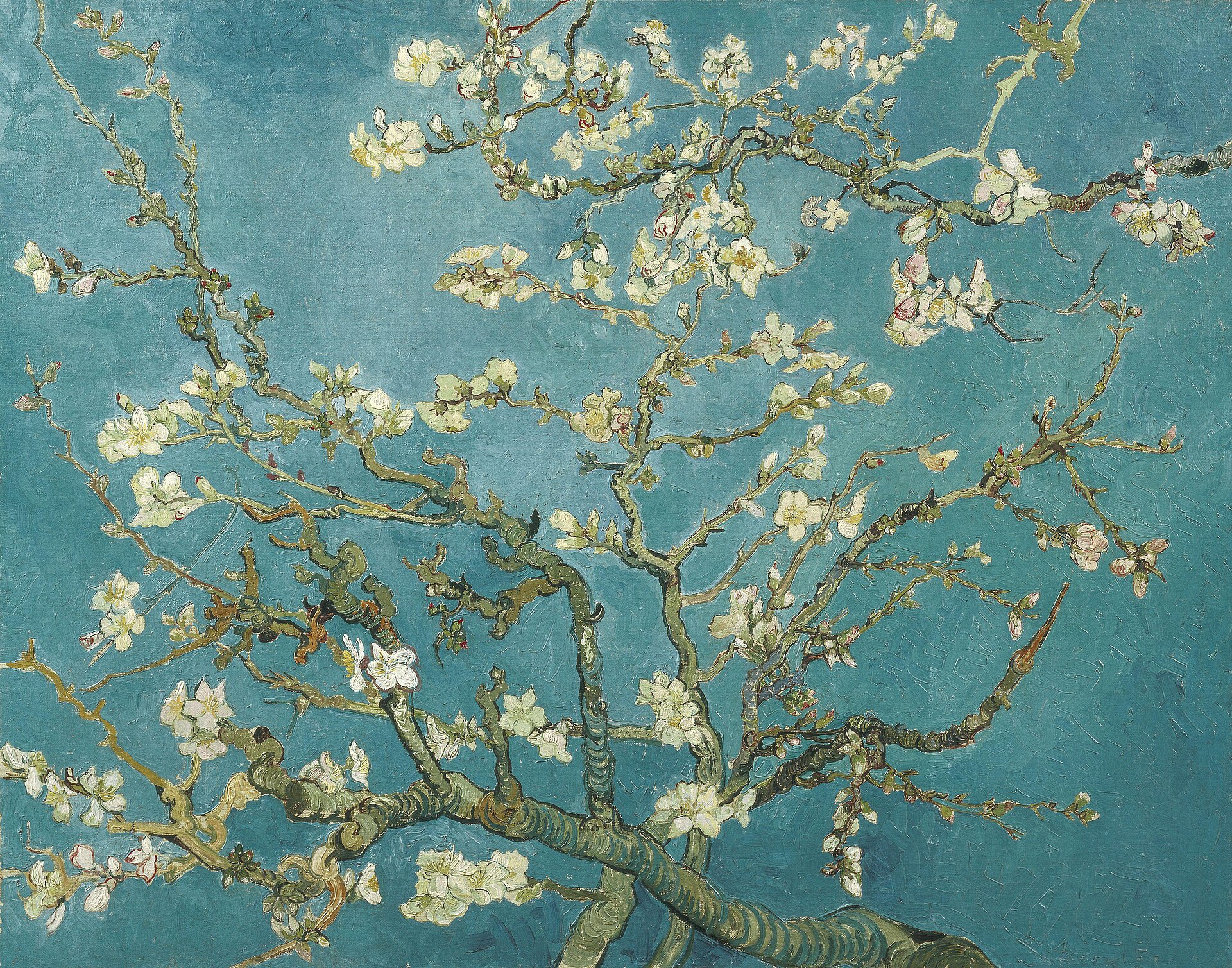
In the south — Naples, Sicily, Puglia — April is closer to what northern visitors would call early summer. Almond blossom has already given way to poppies across the Sicilian interior. You can sit outside from breakfast to dinner without a coat on most days. Swimming is still bracing (the sea does not warm up until June or so), but coastal walks, market days, and open-air dining are all effortless.
Easter in Italy: The Essential Briefing
Easter — Pasqua — is the biggest religious event in the Italian calendar, and it has a serious practical impact on your trip. A few things to know before you book.
Easter’s Date Moves Every Year
Easter is a moveable feast, calculated on the lunar calendar. It can fall anywhere from late March to late April. Some years, Easter arrives early and April is mostly calm; other years the peak falls squarely in the middle of April and the whole month feels busier. Before you finalise dates, check where Easter lands that year and decide deliberately whether you want to be there for it or avoid it.
What Happens During Holy Week (Settimana Santa)
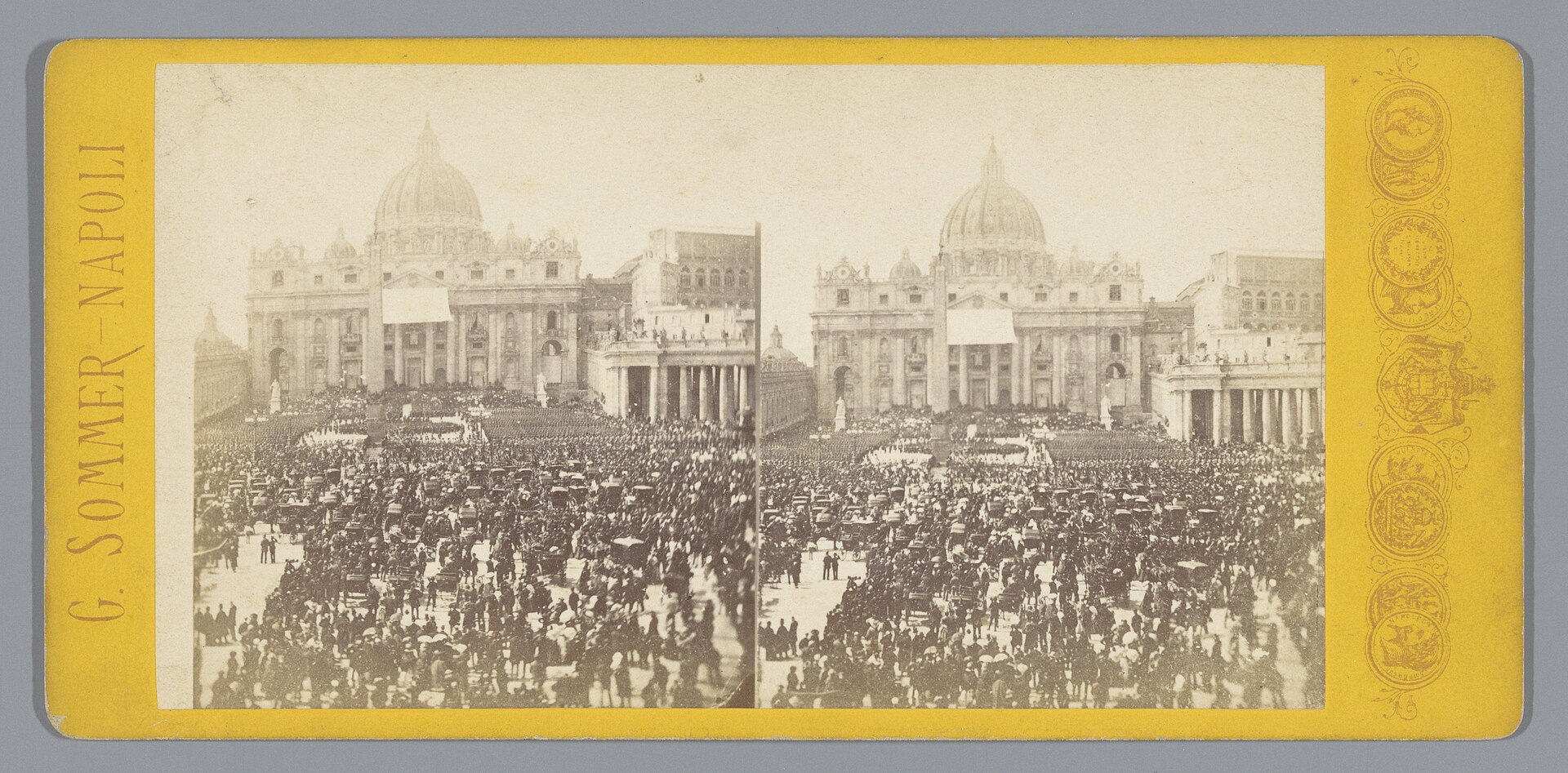
The week leading up to Easter Sunday is called Settimana Santa. Italy observes it with a mixture of deep religious ritual and exuberant public life. In Rome, Good Friday brings the Via Crucis — the Stations of the Cross — led by the Pope along the ancient route near the Colosseum, drawing enormous crowds to the city. Easter Sunday morning, tens of thousands gather in St. Peter’s Square for the Papal Mass and the Urbi et Orbi blessing, one of the great spectacles of Catholic Europe.
Outside Rome, Holy Week is observed with extraordinary intensity in Sicily and the deep south. In Trapani, on the western tip of Sicily, the Procession of the Mysteries takes place over Good Friday and runs for 24 hours straight. Twenty hand-carved baroque sculptures depicting scenes of the Passion are carried through the city streets on the shoulders of volunteers called portatori, who walk with a swaying, rocking gait called the nnacata. The technique and the statues date to the Spanish colonial period; the sculptures are made of a combination of wood, cloth, and glue. It is strange and moving and unlike anything else in Italy.
In Enna, in the Sicilian interior, more than 2,500 hooded confraternity members take part in the Good Friday procession. Their white and black robes and lanterns create an atmosphere that feels genuinely medieval — and the fact that Enna sits on a hilltop plateau in the middle of Sicily makes the whole thing feel even more remote and ancient. These are processions worth building an itinerary around.
In Florence on Easter Sunday, the Scoppio del Carro takes place in front of the Duomo. A cart loaded with fireworks is ignited by a dove-shaped fuse lit from flints that the city has kept since the Crusades. The bells of Giotto’s campanile ring. The whole thing is both solemn and ridiculous and completely charming.
Easter Monday — Pasquetta — is a public holiday, and Italians treat it as a day for outdoor picnics and barbecues with family. Parks, beaches, and any stretch of green countryside will be busy. Do not try to drive on major roads on Easter Monday morning.
The Crowd and Price Reality
Visiting Italy during Easter week means higher prices and heavier crowds in the major cities, particularly Rome, Florence, and Venice. Hotels in Rome can cost double or more what they cost in early April. Book accommodation well in advance if you are travelling over Easter — three to four months ahead is not excessive for the Vatican neighbourhood or central Florence. Popular sites (the Vatican Museums, the Uffizi, the Colosseum) should be pre-booked regardless of the season, but during Easter week you genuinely will not get in without timed tickets.
If you prefer a quieter Easter, head to Sicily or Puglia. The processions in Trapani and Enna are world-class and the destinations are far less saturated than Rome or Florence. Prices stay lower. You get the full Holy Week experience without fighting for pavement space.
What Makes April Special: Beyond Easter
The Blooms
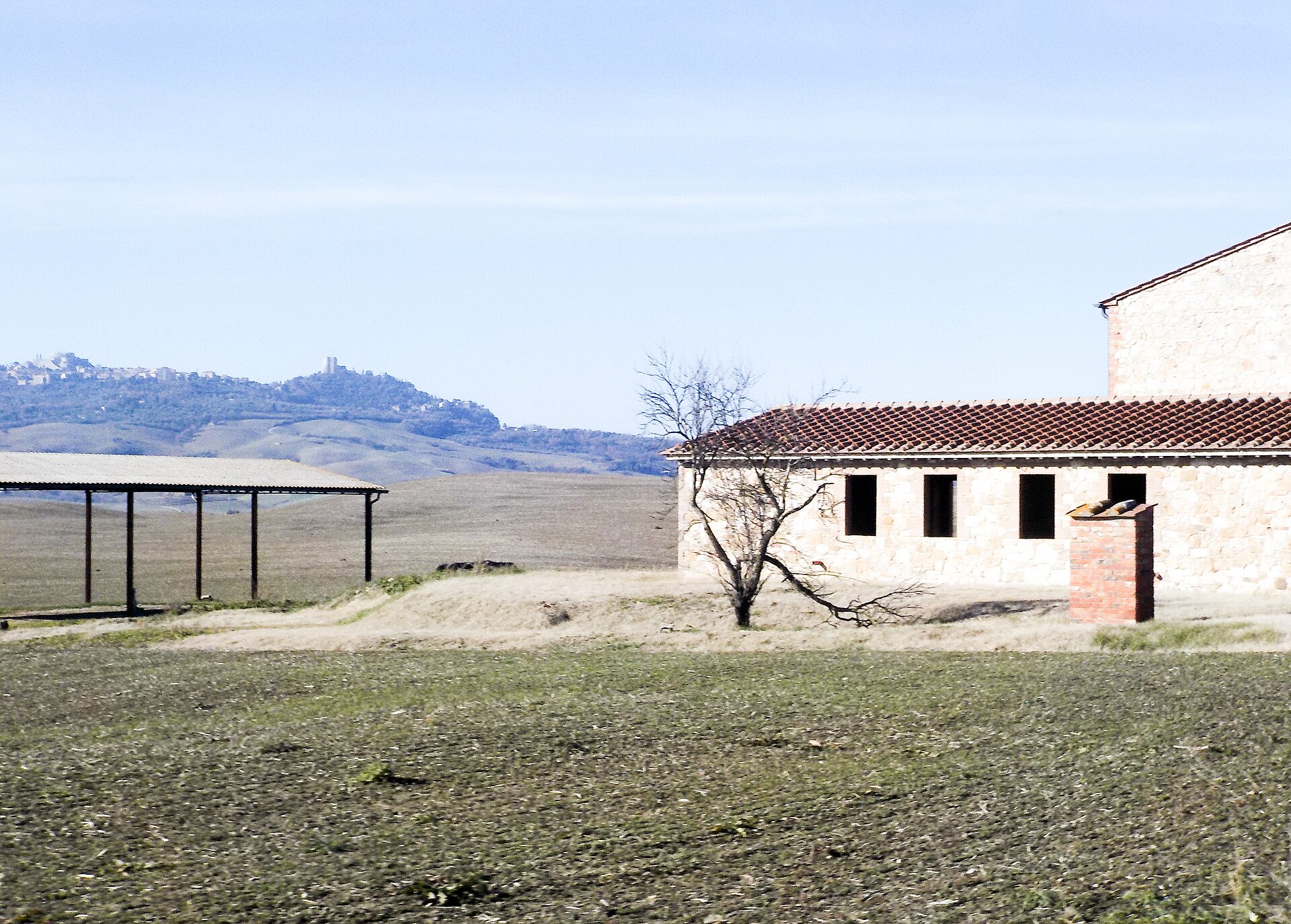
This is perhaps the single strongest argument for April over any other month. The Italian countryside in April is visually extravagant. In Tuscany, the cypress-lined roads and rolling hills south of Siena — the famous Crete Senesi landscape — are at their greenest and most saturated. In Campania, the limoncello-coloured houses of the Amalfi Coast sit above hillsides covered in lemon trees in full flower. In Sicily, poppies and wild fennel spread across the interior. In the north, the lake shores of Lake Como and Lake Maggiore explode with azaleas, camellias, and rhododendrons. Wisteria appears in town and country alike, draping over stone walls and iron balconies in precisely the way photographers have always wished it would.
If the Tuscany countryside in bloom is high on your list, read our guide to Florence and Tuscany for more detail on the Crete Senesi, Val d’Orcia, and the spring wine trails.
Liberation Day: April 25
April 25 is Festa della Liberazione — Liberation Day — a national holiday marking the end of the Nazi-Fascist occupation of Italy in 1945. It is observed with antifascist marches, concerts, official ceremonies, and in many cities a genuine sense of civic pride. In Venice, April 25 doubles as the Feast of St. Mark, the city’s patron saint, and red roses appear everywhere — tradition holds that you give someone you love a rose on the day.
The practical point: when Liberation Day falls midweek, Italians often take the adjacent days off to create a long weekend (called a ponte, meaning bridge). Train tickets and accommodation fill up. If your trip falls around April 25, either lean into the celebrations or book your travel a day either side.
Prices and Crowds (Outside Easter)
Away from Easter week and Liberation Day, April is still a shoulder season. Flights and hotels are cheaper than June, July, or August. The big sites — the Colosseum, the Uffizi, the Vatican, the Amalfi Coast towns — have shorter queues. Restaurants are not yet running on summer capacity constraints. You can walk through parts of Florence or Venice without feeling like you are in a Disney queue. That changes fast in May and is entirely gone by June. This is one of the genuinely underrated advantages of visiting Italy in April: you get very close to the real thing.
For a month-by-month cost comparison, our Italy travel budget guide runs through typical daily spend by season.
The Best Places to Visit in Italy in April
Rome
Rome in April is close to ideal. Temperatures hover in the high teens to around 20°C most days — warm enough to walk all day without discomfort, cool enough that the Colosseum and Palatine Hill do not feel like an oven. The city’s gardens, particularly Villa Borghese and the Pincian Hill, are lush and in bloom. Holy Week brings extraordinary ritual to the city — the Good Friday Stations of the Cross near the Colosseum is a procession worth watching even if you are not religious. Easter Sunday at St. Peter’s is on a different scale entirely, a genuine crowd event that requires early positioning and patient feet. For a broader Rome planning framework, see our guide to visiting Rome.
Book everything ahead for Easter week. For the rest of April, a few days’ notice is usually enough for sites — though early booking never hurts for the Vatican Museums.
Florence and Tuscany
Florence in April rewards the visitor who books the Uffizi in advance and then simply walks. The Oltrarno neighbourhood, the Boboli Gardens, the view from Piazzale Michelangelo at dusk — none of these require tickets. The Scoppio del Carro on Easter Sunday is one of the city’s best events. The Pitti Palace and its gardens are glorious in spring.
Outside the city, the Chianti hills and Val d’Orcia are at or near their annual peak of beauty. Driving south from Florence through the cypress avenues and rolling wheat fields with the windows down is one of the great simple pleasures of Italian travel. April weekends in the countryside are increasingly popular with Italians escaping the city, so if you plan to drive, midweek works better.
Sicily
April may be Sicily’s best month, and it does not get nearly enough attention as such. The island is comfortably warm rather than hot. The Sicilian spring wildflowers — poppies, asphodels, wild orchids — are out across the interior. The ancient Greek temples at Agrigento, Selinunte, and Syracuse look exactly as dramatic in person as they do in photographs, and in April you can walk among them without the compressed misery of a summer crowd.
For Holy Week, consider building your itinerary around either Trapani (for the Procession of the Mysteries) or Enna (for the hooded confraternity procession). Neither place is overrun with international tourists. Both experiences are extraordinary. Our complete guide to Sicily covers the island across seasons and has a full section on the south and east.
The Amalfi Coast and Campania
The Amalfi Coast in April is a different creature from the Amalfi Coast in July. In July, the towns are gridlocked, parking does not exist, and queuing to enter Positano by ferry takes hours. In April, you can drive the coast road on a weekday and actually stop. The lemon groves are fragrant and in flower. Ravello — quieter than Positano and arguably more beautiful — is close to empty midweek. Naples, just up the coast, is warm enough to enjoy fully.
Note that some restaurants and hotels on the coast are closed in early April and open for the season around Easter. Check ahead before committing to specific spots in the first two weeks of the month.
The Italian Lakes
Lake Como, Lake Maggiore, and Lake Garda hit a sweet spot in April that they do not reach again until October. The water is vivid, the mountains behind are still snow-capped, the gardens along the shores are in extravagant bloom, and the tourist volumes are nothing like high summer. Villa Carlotta on Lake Como and the gardens of Isola Bella on Lake Maggiore are at their azalea and rhododendron peak. The lake ferries run on schedule; you can stand on the deck without fighting for space.
Weather here is cooler than further south — pack a fleece for evening boat trips.
Puglia
Puglia in April combines warm weather, spectacular landscapes, and a fraction of the summer crowds. The trulli of Alberobello, the whitewashed streets of Ostuni, the baroque excess of Lecce — all of these are more pleasurable in April’s mild temperatures than in August’s heat. The Gargano promontory in the north of the region is particularly good for walking in spring. Puglia also has strong Holy Week traditions of its own: the towns of Taranto and Bari hold processions that are serious events for locals, not performances for tourists.
What to Pack for Italy in April
April in Italy means packing for genuine variability. Here is the short version:
The foundation: Layers, always layers. A T-shirt under a light sweater under a compact rain jacket covers most scenarios from 10am to 10pm regardless of region.
Shoes: Do not bring flip-flops as your primary footwear. April in Italian cities means cobblestones, uneven pavements, and slick marble in churches. Comfortable walking shoes with grip — trainers, ankle boots, anything that has walked a few miles before — will serve you far better. Save sandals for the south if the forecast is good.
Rain gear: A compact umbrella or a packable waterproof jacket. You will need one and regret the absence of the other. Hotels in tourist areas happily sell you a cheap umbrella at €15. Pack your own.
For churches: A scarf or a light cardigan you can throw over bare shoulders. Italian churches enforce the dress code year-round, and you will be turned away from some of the best ones without it. This matters everywhere but especially during Holy Week when church access is higher on most itineraries.
Slightly smarter option for evenings: Italians dress for dinner. You do not need a suit or a cocktail dress, but stepping slightly above outdoor-sightseeing level for evenings is worth it and you will feel more comfortable.
A Sample April Itinerary: Ten Days
This is a starting point, not a prescription. Adjust for your Easter timing, your interests, and how many hours you can spend on trains.
Days 1–3: Rome. Arrive, recover from travel, eat cacio e pepe, walk. Vatican on day two with a pre-booked early entry. Trastevere in the evening. Day three: Colosseum, Palatine Hill, the Forum. If Easter is during this window, plan around the Via Crucis and St. Peter’s crowds.
Days 4–5: Naples and the coast. Train south. Naples food market and the Museo Nazionale Archaeologico. Day five: drive or ferry the Amalfi Coast, or take the ferry to Ischia for a slower day.
Days 6–8: Sicily. Fly Palermo or Catania (regular flights from Naples). One night in Palermo to eat street food, then drive east or south depending on priorities — Agrigento for the temples, Syracuse for the Greek theatre and Ortigia, or Trapani-Enna for Holy Week if the timing lines up.
Days 9–10: Florence. Train north via Rome. Florence needs at least two full days. The Uffizi and Accademia require advance booking. Fill the rest with the Oltrarno, the Boboli Gardens, and a half-day drive south into the Chianti hills.
For more detailed routing on a trip of this shape, our first-time Italy itinerary and Italy itineraries guide have the logistical detail worked out.
April vs. March vs. May: How Does It Stack Up?
April sits squarely in between. Italy in March is quieter and cheaper, but the weather is more unreliable and some coastal and countryside businesses are still closed. March can feel raw in the north. What Italy is like in May offers warmer and more settled weather and most things are fully open — but crowds start building fast, particularly in Venice and Cinque Terre, and prices start rising sharply. Italy in June tips into high season proper.
April hits the middle ground: genuinely good weather across most of the country, lighter crowds than May except during Easter week, and prices that are still closer to shoulder season than summer. The blooms are a bonus. The Easter rituals — if you choose to seek them out — are a serious cultural experience. On balance, for most travellers, April is the stronger month than its neighbours either side.
Final Thoughts
April in Italy is the month when the country puts its best version of itself forward. The light is long and golden. The landscapes are genuinely extraordinary. The Easter rituals, if you engage with them, offer an unfiltered window into a culture that has been marking this season with ceremony for centuries. It rewards a little planning — know where Easter lands, book your big-ticket sites in advance, pack for unpredictable weather, and do not leave accommodation to the last minute for the Easter window. Do those things and visiting Italy in April becomes one of the easier decisions a traveller can make.
For more on Italy travel planning, our Italy travel guide is a good base camp, and if you are still working out the full picture of when to go, the best time to visit Italy page lays out the trade-offs across all twelve months.
Questions travellers ask
Is April a good time to visit Italy?
Yes, with one important caveat: check where Easter falls that year before you book. Outside the Easter spike, April is excellent — mild weather, spring blooms, lighter crowds than May or summer, and shoulder-season pricing on flights and accommodation. If Easter lands in your window, plan for it deliberately rather than being surprised by it.
How crowded is Italy in April?
Lighter than May through September for most of the month, but Easter week in Rome, Florence, and Venice rivals peak summer for crowd density. The rest of April is genuinely comfortable by comparison. Cities like Puglia, inland Sicily, and the Italian Lakes are notably quieter than the classic tourist centres even during Easter.
What is Easter like in Italy for tourists?
Extraordinary and worth experiencing, but it demands advance planning. The Via Crucis in Rome and the Papal Mass at St. Peter’s are large-scale public events. The Holy Week processions in Trapani and Enna in Sicily are among Europe’s most dramatic. Book accommodation two to three months ahead for Rome and Florence during Easter week. Pre-book all major site tickets.
When exactly does Easter fall in Italy?
Easter is a moveable feast based on the lunar calendar, falling between late March and late April. It is not fixed. Before booking an April trip, verify the Easter date for the specific year you are travelling. Most years, Holy Week (the week preceding Easter Sunday) and the following Monday (Pasquetta) see the highest concentration of activity.
What is the weather like in Italy in April?
Variable by region. Northern Italy (Milan, Venice, the Lakes) is mild with temperatures in the mid-teens Celsius, with a real chance of rain. Central Italy (Rome, Florence) tends to be warmer and sunnier with occasional showers. Southern Italy (Naples, Sicily, Puglia) is noticeably warmer — often 20–24°C by day — and feels like early summer. Pack layers and a rain jacket regardless of where you are going.
What should I pack for Italy in April?
Light layers that can be combined and removed through the day, a compact rain jacket or packable umbrella, comfortable walking shoes with grip (not flip-flops), and a scarf or light cover for visiting churches. If you are heading south — Sicily, Puglia, the Amalfi Coast — you can lean toward lighter fabrics but still bring a layer for evenings.
Is April cheap in Italy?
Compared to June through September, yes. April is still technically shoulder season for most of the country, meaning lower flight prices, more hotel availability, and less competition for tables at restaurants. Easter week is the main exception — prices spike for that period, particularly in Rome. Book early for Easter and enjoy the savings the rest of the month.
What are the best places to visit in Italy in April?
Rome for Easter and for generally excellent spring conditions. Sicily for Holy Week processions, ancient Greek temples, and spring wildflowers. Florence for the Scoppio del Carro on Easter Sunday and the Tuscan countryside at its most photogenic. The Italian Lakes for azaleas and mountain views with a fraction of the summer crowd. Puglia for warm weather, food, and very little tourist pressure. The Amalfi Coast before the season fully ignites in May.