Italy in June: A Summer Start Guide

Is June a Good Time to Visit Italy?
Italy in June is, for most travelers, the sweet spot of the summer calendar. The days are at their longest — Rome gets close to fifteen hours of daylight near the solstice. The beaches are open, the Dolomites trails are clear, and the summer festival season is well underway. Crowds are real and growing, prices are up from spring, but you’re not yet in the shoulder-to-shoulder crush of July and August. If you can handle some heat and plan even slightly ahead, this is an excellent month to go.
Who is June for? City-and-coast couples who want warmth without suffocation. Hikers who want alpine wildflowers and Dolomites trails before the August hordes. Families fitting a trip around early-June before school is entirely out. And anyone who missed the mild perfection of May in Italy but isn’t ready to commit to the peak-summer furnace. Just be honest with yourself about heat tolerance, especially if the south is on your list.
Italy in June: Weather by Region
The single most useful thing I can tell you about June weather in Italy is that it does not behave like one country. The north is warm to pleasantly hot. Rome and Florence are already working up a sweat. The south and the islands are genuinely, properly hot — Sicily in late June can push 35°C (95°F) on a bad day, and that is not a comfortable temperature for wandering archaeological sites.
| Region | Typical High | Typical Low | Sea Temp | Feel |
|---|---|---|---|---|
| Milan / Venice (North) | 27–30°C (81–86°F) | 15–19°C (59–66°F) | N/A | Warm, occasional afternoon thunder |
| Dolomites / Alps | 18–24°C (64–75°F) | 8–13°C (46–55°F) | N/A | Ideal hiking — cool nights, warm days |
| Florence / Tuscany | 28–32°C (82–90°F) | 17–20°C (63–68°F) | N/A | Hot inland; cooling hills nearby |
| Rome (Central) | 28–31°C (82–88°F) | 17–19°C (63–66°F) | N/A | Hot by midday; evenings pleasant |
| Amalfi / Naples | 27–31°C (81–88°F) | 19–21°C (66–70°F) | 21–23°C (70–73°F) | Hot and humid; breezes on the water |
| Puglia / Basilicata | 28–33°C (82–91°F) | 19–22°C (66–72°F) | 22–24°C (72–75°F) | Genuinely hot; siesta culture makes sense |
| Sicily | 28–35°C (82–95°F) | 19–22°C (66–72°F) | 22–25°C (72–77°F) | Southern summer in full swing |
| Sardinia | 27–32°C (81–90°F) | 17–21°C (63–70°F) | 21–24°C (70–75°F) | Perfect beach weather; breezy coast |
Rainfall is low across the board — Rome averages around 25mm for the month, Sicily closer to 8mm. The north is the exception: Milan and Venice can get short, sharp afternoon thunderstorms, and the Dolomites can turn quickly. Carry a light layer up high regardless of the forecast.
Heat Warning: Southern Italy and the Islands
I want to be direct about this because I see a lot of guides gloss over it. If you’re planning Palermo, Agrigento, Matera, or the full Amalfi Coast driving circuit in late June, the heat is a real factor in how you’ll feel by day three. Morning is your friend — archaeological sites like the Valley of the Temples at Agrigento are genuinely brutal after 11am. Schedule heavy sightseeing before noon, find shade and good granita by 1pm, and revive yourself for golden-hour evenings. The south is extraordinary in June; just stop pretending you’ll power through 33°C like it’s nothing.
Crowds and Prices in June
June in Italy is not a hidden bargain. Prices have climbed from April’s shoulder-season rates and will keep climbing toward August peak. What June gives you is meaningful: you’re not at the very top yet.
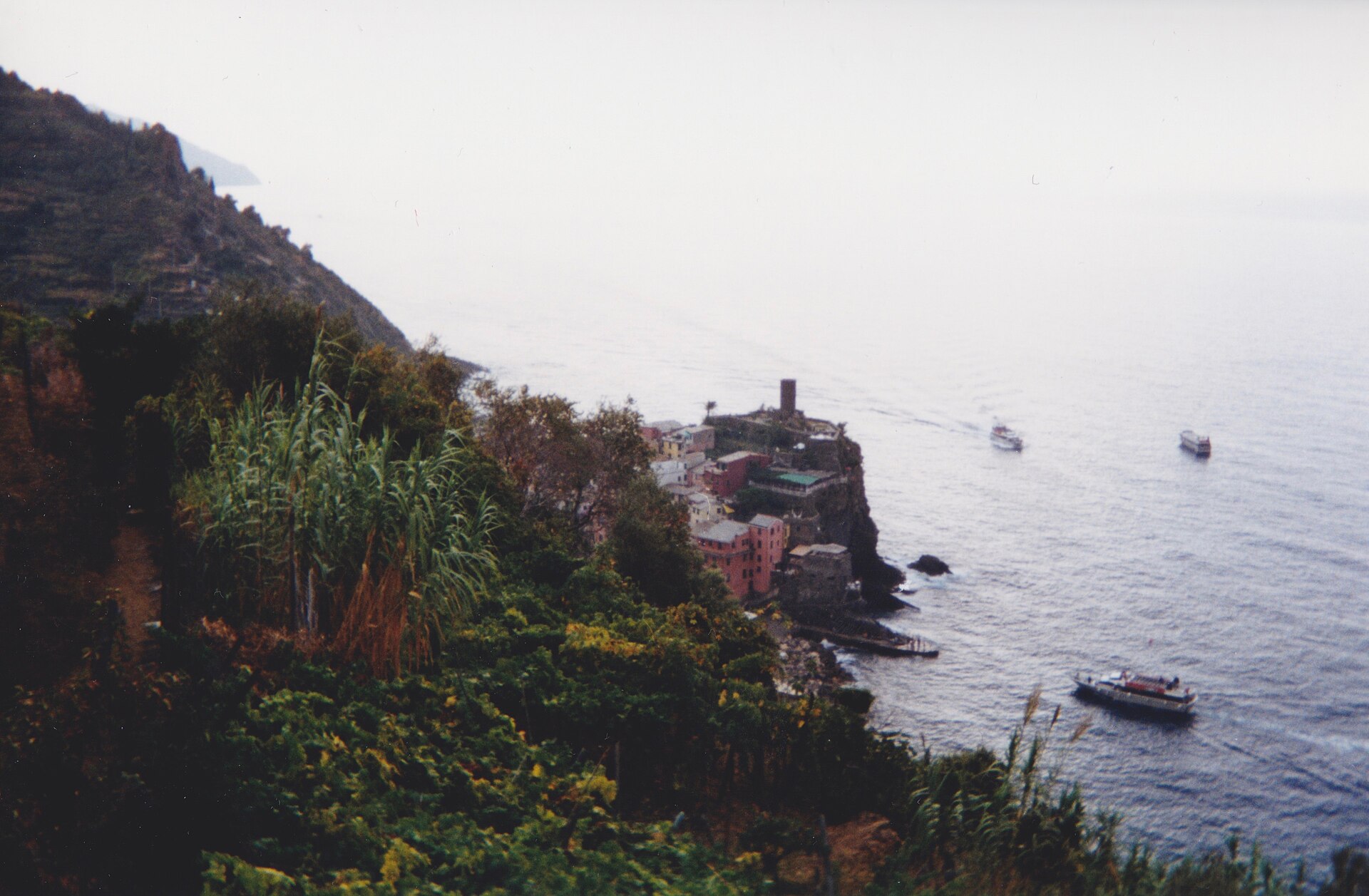
The practical reality looks like this. Venice, Cinque Terre, Capri, and the Colosseum are genuinely busy by mid-June. Venice in particular has been managing visitor flow with day-tripper fees in recent years — check current entry requirements before you go. Florence gets hot and crowded but is more navigable than August. Rome is hot and busy but functional if you visit the major sites at opening time or after 5pm.
The relief valve is going early in the month. The first two weeks of June sit in a softer crowd-and-price window — school holidays haven’t hit most European markets yet, and the post-Memorial Day American surge is still warming up. If you can travel June 1–15, you’ll feel the difference at Vernazza or the Trevi Fountain compared to June 25.
Advance booking matters for the big-ticket items. The Uffizi, Colosseum, and Borghese Gallery require timed entry slots that sell out weeks ahead in summer. Booking two to four weeks out is a minimum; six weeks is smarter. For accommodation on Capri, the Amalfi Coast, or Lake Como, good properties at reasonable rates often go two to three months ahead.
For a full picture of costs and how June compares to the rest of the year, see our Italy travel budget guide.
What June Unlocks: Beaches, Lakes, and Mountains
June is the month everything opens. That’s not marketing language — it’s literally true. The beach stabilimenti (the lido clubs with rows of sun beds and parasols that Italians swear by) are in full swing. The Dolomites rifugi reopen. Lake ferries run full summer schedules. Outdoor opera begins in Verona’s Arena. Here’s where that lands in practice.
Italian Beaches in June
The sea temperature around Italy’s coast in June typically runs between 21–25°C (70–77°F) depending on the region and how late in the month you go. That’s solidly swimmable — Sardinia and Sicily are at the warmer end, the Adriatic and Ligurian coasts slightly cooler.
For first-time beach visitors, the contrast between the south and north is worth knowing. Sardinia’s Costa Smeralda and beaches like Cala Goloritze offer crystalline water with a wild feel — though the Costa Smeralda is not cheap and never has been. Sicily delivers a completely different energy: volcanic beaches near Catania, the long white arc of San Vito Lo Capo in the northwest, the Greek-temple backdrop of Agrigento nearby. Puglia’s Adriatic coast is flatter and less dramatic but less expensive and less crowded — beaches around Polignano a Mare and the Salento peninsula punch well above their fame.
The Amalfi Coast is, strictly speaking, not a beach destination — it’s a cliffs-and-boats destination. The famous beaches are small and some are private. Go for the drama, the food, and the boat trips; don’t go expecting to spread out on a long sandy beach. Read more in our Amalfi Coast and Campania guide.
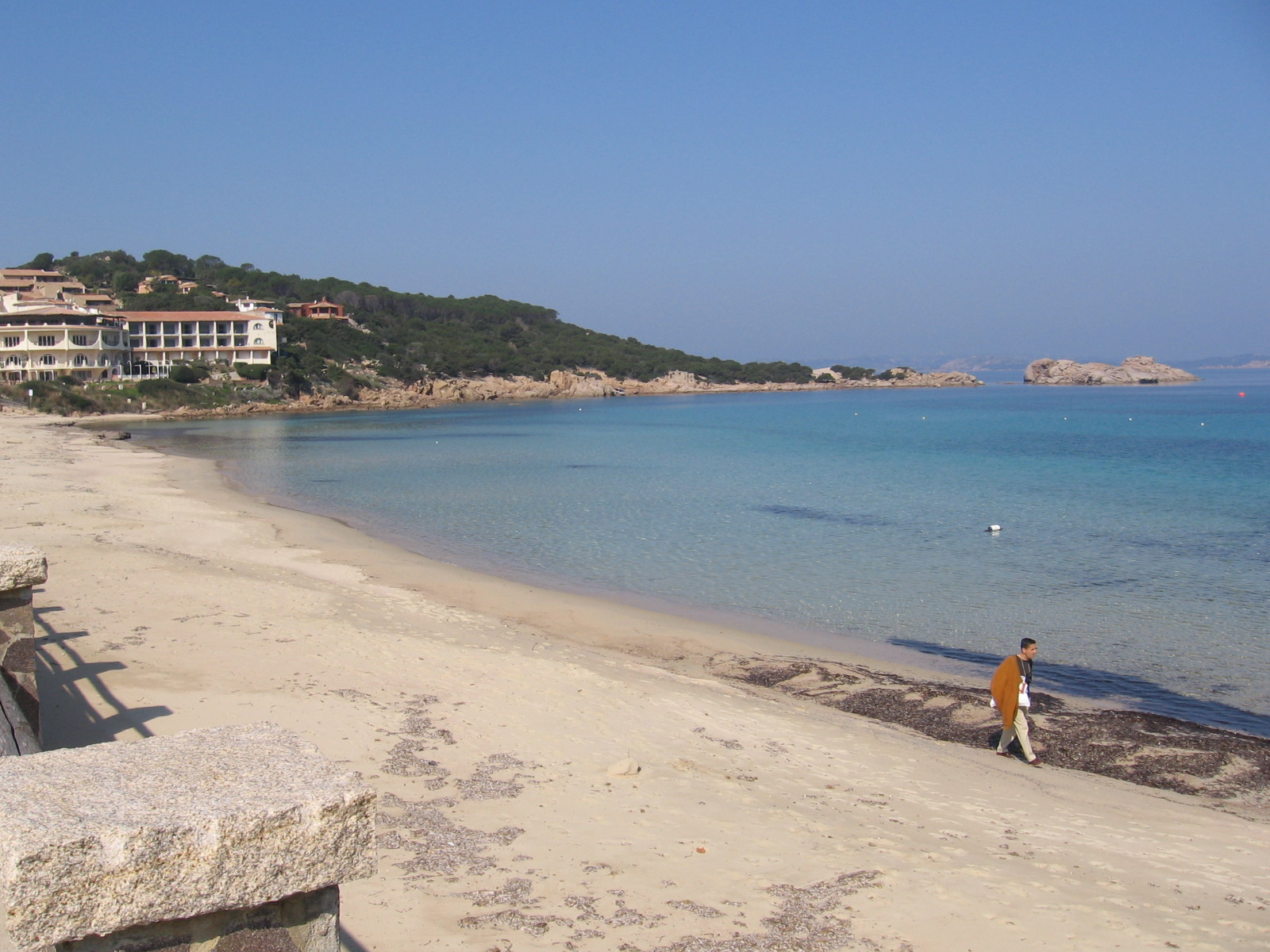
For the full breakdown on Italy’s best beaches by region, the Sardinia beaches guide goes deep.
Italian Lakes in June
June is arguably the best month of the year for the Italian Lakes. Lake Garda, Lake Como, and Lake Maggiore warm up enough for swimming by mid-June (water temperatures typically reach 20–22°C), the hills are green, flowers are still vivid, and the worst summer crowds haven’t arrived.
Lake Garda is the most accessible for a family trip — ferries, beaches, Gardaland, windsurfing at Torbole, Sirmione’s castle. Lake Como is for people who want Villa del Balbianello and aperitivo with a view. Lake Maggiore offers the Borromean Islands and a more restrained version of the lake-luxury experience without Como’s Instagram saturation. See our guide to the Italian Lakes for specifics.
Dolomites Hiking in June
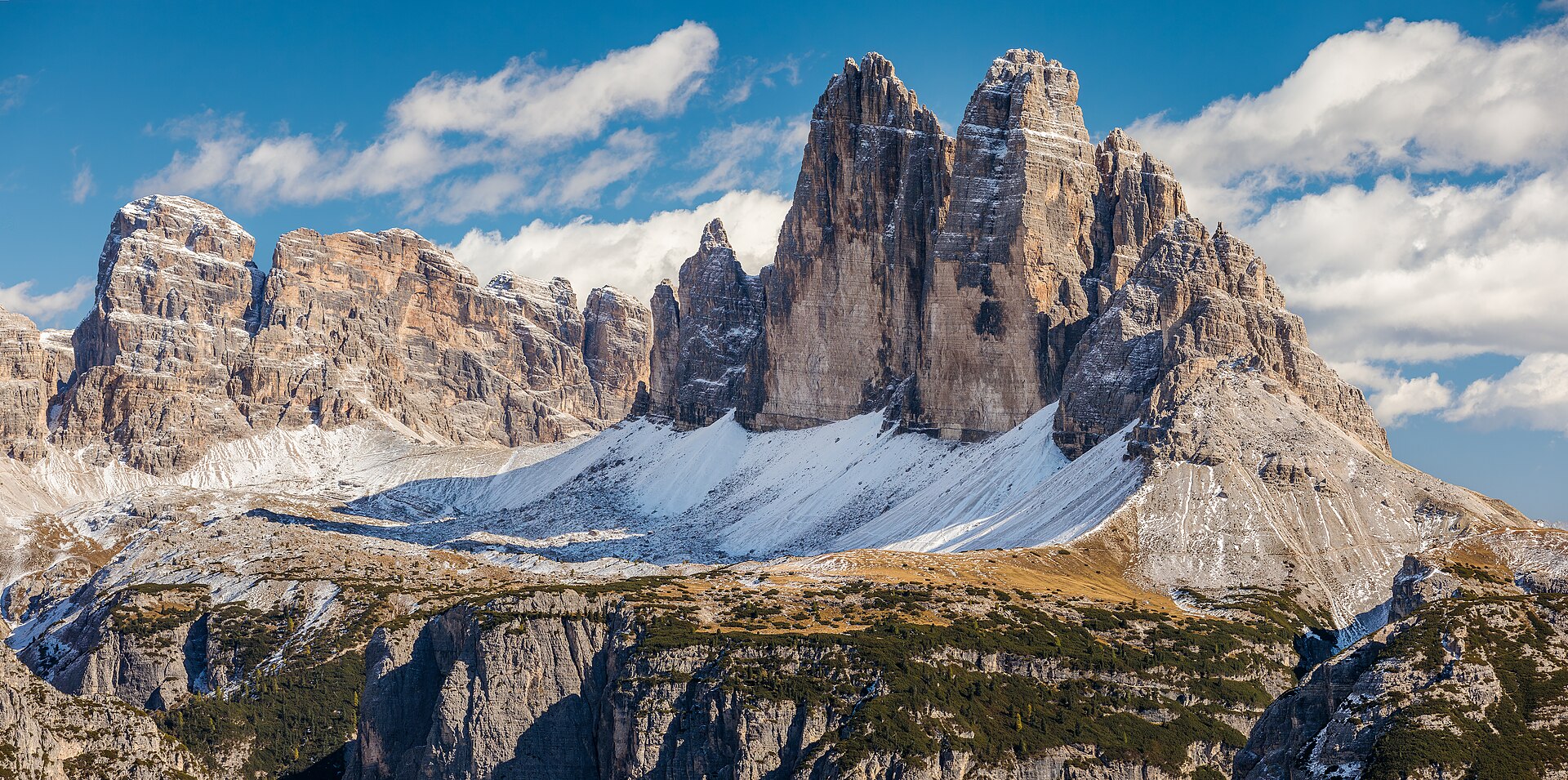
This is one of the genuinely underrated June moves. Early June in the Dolomites means you’re walking through meadows of gentians, alpine roses, and edelweiss. The high trails are mostly clear of snow by mid-June (some north-facing passes may still have patches in early June — check conditions before you go). The rifugi are open. And critically, the famous summer bottleneck at spots like Tre Cime di Lavaredo or Lago di Braies has not yet formed.
Late June is when the Dolomites are at their most photogenic: long daylight, warm days, cool nights, and wildflower color across the val di Funes and the Alpe di Siusi. If you’re a hiker, this is worth planning your whole trip around. Our Dolomites and Alps guide covers trail options and base towns in detail.
Best Places to Visit in Italy in June
Rome
Rome in June is hot, busy, and still completely worth it. The long evenings are the secret weapon — the city comes alive from 6pm onwards when the temperature backs off slightly, the light turns golden on the Forum, and you can eat outside until midnight. Book Colosseum and Vatican entry slots well in advance. Stay in Trastevere or Prati to walk rather than fight traffic. Go to the Borghese Gallery early.
June 2 is Festa della Repubblica, Italy’s national day. In Rome, this means a full military parade down Via dei Fori Imperiali with fighter jets overhead — the Frecce Tricolori — and a ceremonial mood that turns into a public holiday picnic atmosphere by afternoon. If you’re in Rome on the 2nd, it’s worth watching.
Florence and Tuscany
Florence concentrates heat and tourists in equal measure. The upside: the Uffizi and Accademia are best on early weekday mornings or with a late-afternoon slot. The Oltrarno neighborhood is noticeably less manic than the historical center. Day trips to Siena, San Gimignano, or the Chianti hill towns are genuinely cooler and quieter than the city.
In early June, Calcio Storico — Florence’s historic costumed football-wrestling-rugby hybrid played in Piazza Santa Croce — is one of the most bizarre and watchable events in Italian sport. It’s rough, it’s loud, and it’s like nothing else.
The Amalfi Coast and Positano
June is the best month on the Amalfi Coast that doesn’t require a time machine to experience before everyone else found it. July and August turn the single road into an hours-long traffic standoff. In June, you can still get a table at a cliff-side restaurant without a week’s notice, take a boat to Capri without queuing for forty minutes, and find a spot on the rocks at Positano that isn’t touching a stranger’s towel.
Go in early-to-mid June for the best balance. The water is warm enough for swimming, lemon trees are heavy with fruit, and the ferries run all day.
Venice
Venice is never uncrowded in June. But the city at dawn, before the cruise-ship day-trippers arrive, is still one of the most quietly extraordinary places in Europe. Stay two nights minimum — arriving in the evening and leaving after 2pm the next day is a day-trip approach dressed up as a stay. Walk the Cannaregio and Castello sestieri, away from San Marco. Take the vaporetto to Burano and Torcello in the morning.
Puglia
Puglia in June is underrated in a way that won’t last much longer. The temperatures are high but the landscape absorbs it — whitewashed trulli in Alberobello, the baroque extravaganza of Lecce, the sea caves at Polignano a Mare, the long sandy beaches of the Salento peninsula. It’s still a step below the hyper-famous north in terms of international visitor volume, which makes June an especially good time to go.
Sicily
Sicily in June requires honest heat management but rewards you generously. Taormina with Etna behind it, the Valley of the Temples at dawn, the seafood markets of Catania, Palermo’s street food at Ballarò market — these are experiences that don’t reduce to “nice holiday.” Fly into Catania for the east, Palermo for the west. Rent a car; public transport on the island is possible but slow.
June Festivals and Events Worth Knowing
June 2 — Festa della Repubblica. National holiday observed across Italy, biggest parade in Rome. Public transport runs a holiday schedule; plan around it.
Calcio Storico Fiorentino, Florence (early June). Three matches in Piazza Santa Croce, final on June 24 (San Giovanni, the city’s patron saint day). Free to watch from the square; ticketed grandstand seats sell out.
San Giovanni — Florence, Turin, Genoa (June 24). Patron saint celebrations with fireworks, parades, and the general Italian sense of occasion.
Verona Arena Opera Season (late June through August). Outdoor opera in a 2,000-year-old Roman amphitheatre is one of those experiences that earns every cliché written about it. Book tickets well ahead — [la Traviata], [Aida], and [Nabucco] are perennials.
Infiorata Festivals (late May–early June, Noto, Spello, Genzano). Streets are carpeted with elaborate petal mosaics for Corpus Christi. Noto in Sicily is the most spectacular — if your timing works out, it’s unmissable.
Dolomites Sacred Heart Bonfires (June). Village mountaintop bonfires, a Tyrolean tradition going back centuries. Ask locally in the Gardena or Badia valleys for exact dates.
What to Pack for Italy in June
June packing is mostly summer kit, with a few honest caveats.
Clothing: Lightweight, breathable fabrics throughout. Linen or moisture-wicking synthetics beat cotton in real heat. A sun hat is not optional in the south or on any archaeological site. Pack one layer for evenings — not because it’s cold, but because restaurants and churches are air-conditioned, and mountain evenings genuinely cool off. If the Dolomites are on the plan, add a waterproof layer and proper hiking shoes.
Sun: SPF 50. Italy’s summer sun, especially when bouncing off white buildings and water, is not playing around. Sunscreen is available everywhere but expensive at tourist destinations — bring from home.
Shoes: Cobblestones are everywhere and many historic sites ban heels (or heels simply destroy you on the basalt of Pompeii). Comfortable walking shoes that can handle long days and uneven surfaces are non-negotiable. Sandals for the beach; something with grip for the Dolomites.
Reservations: The most important thing to pack is a pre-booked Colosseum slot, Uffizi ticket, and Borghese reservation. Do it before you go. Print or screenshot confirmations.
Mosquitoes: If you’re staying near water (lakes, rivers, rice fields in the Po valley), bring repellent. June lake mosquitoes are real.
A Sample Two-Week June Itinerary
This is a rough frame — not a minute-by-minute schedule. Adjust to what you actually want. The Italy itineraries guide has more options built out.
Days 1–3: Rome. Arrive, beat jet lag by walking. Colosseum and Forum on day 2 (first entry slot). Vatican Museums on day 3 morning. Evening gelato ritual. If June 2, stay in the city for Republic Day.
Days 4–5: Amalfi Coast. Take the train to Naples, rent a car or take a ferry to Positano. Drive the coast road once at least, eat your weight in sfogliatella in Naples before you leave.
Days 6–7: Puglia. Fast train or short flight to Bari. Two days is enough to see the trulli, eat in Lecce, and swim off Polignano. More than enough to want to come back.
Days 8–9: Sicily (if flying) or Tuscany (if driving). Fly Bari–Catania for a Sicily detour, or head north to Florence. Both are right — just different trips.
Days 10–11: Florence. Uffizi or Accademia in the morning. Afternoon in Oltrarno. Day trip to Siena or Chianti.
Days 12–14: Italian Lakes or Dolomites. Train to Milan, then ferry to Varenna on Lake Como, or drive east to the Dolomites and base in Ortisei or Cortina. Swim, hike, or both.
This is not one itinerary for everyone — it’s a chassis to strip or add to. If you only have a week, pick one region and go deep. See the guide to planning a trip to Italy and Italy itineraries for more structured options.
June vs. May vs. September: When to Actually Go
This comes up constantly and the honest answer is: it depends on what kind of trip you’re planning.
May in Italy is the month most travel writers privately prefer. Temperatures are warm but not yet hot, crowds haven’t peaked, and prices are still in shoulder range. The downside: the sea is cold (17–19°C), so it’s not really a beach trip, and high Dolomites trails may still be snowy.
June gives you everything open — sea, mountains, long days — at the cost of more crowds and higher prices. The beaches and mountain trails make it worthwhile for many travelers. Early June especially splits the difference well.
September in Italy is the other sweet spot. Temperatures have softened slightly, the sea is still warm, summer crowds have thinned, and prices drop after August. For beach and cultural travel combined, September is hard to beat. If June doesn’t work, September is your fallback.
For the full season strategy — including shoulder month comparisons and what changes year to year — see our guide to timing your Italy trip guide.
Final Thoughts
Italy in June is not a perfect month — no month is. The heat in the south demands respect. Prices are high. Venice will have a queue. But the days are long and golden, the country is fully awake, and the combination of beach, mountain, and city options available right now doesn’t exist in any other month. You can swim in Sardinia’s turquoise water in the morning and be eating dinner under Tuscan hill-town stars the same evening. The Dolomites are at their most beautiful. The festivals are running.
Go early in the month if you can. Book what needs booking. Accept that Rome at noon on June 20th is hot — sit in a café, eat something cold, and enjoy it anyway. That’s part of the deal, and it’s a good deal.
For your overall Italy planning, start with the best time to visit Italy pillar and the Italy travel guide. For granular itinerary building, the Italy itineraries page has you covered.
Questions travellers ask
Is Italy too hot in June?
For most of Italy, June heat is manageable. Rome and Florence are warm to hot — high twenties to low thirties Celsius — but not the wall-of-heat you get in July and August. The south is the exception: Sicily and Puglia in late June can genuinely reach 33–35°C (91–95°F), especially inland. If extreme heat is a concern, choose the north, the lakes, or the Dolomites, or visit the south with midday siestas built into the plan.
How crowded is Italy in June?
Crowded, but not at peak. Early June (before European school holidays break in mid-to-late June) is noticeably quieter than July or August. Venice, Cinque Terre, Capri, and central Florence are busy regardless. Puglia, the Dolomites, and lesser-known Sicilian towns have a much more manageable visitor load. Book the major attractions — Colosseum, Uffizi, Borghese Gallery — at least four to six weeks ahead.
What is the sea temperature in Italy in June?
Sea temperatures around Italy in June typically range from about 20–21°C (68–70°F) in early June in the north (Liguria, northern Adriatic) to 22–25°C (72–77°F) in the south and islands by late June. Sardinia and Sicily are at the warmer end. Most people find 21°C-plus comfortable for swimming, though early-June dips in the north can feel brisk the first time in.
Can I visit the Dolomites in June?
Yes, and it’s one of the best times to go. Lower trails are clear by early June; most high routes are accessible by mid-June, though north-facing passes may have snow patches. Late June sees peak wildflower displays — gentians, alpine roses, edelweiss — and the rifugi are open. Crowds are lower than July–August. Pack a waterproof layer and check trail conditions for specific routes before departure.
What should I book in advance for Italy in June?
The non-negotiables: Colosseum and Roman Forum entry (book at least 4–6 weeks out), Vatican Museums (similar lead time), Borghese Gallery (requires advance booking always — it’s mandatory), and the Uffizi if you want a specific slot. For the Amalfi Coast, Lake Como, or Capri, accommodation and restaurant reservations should be made 2–3 months ahead for a good selection at reasonable prices. Verona Arena opera tickets sell out early for popular productions.
Is June a good time for families visiting Italy?
Early June is actually one of the better times for families — school hasn’t broken up across most European markets yet, so crowds at family-friendly sites are lower than July. The beach and lake weather is warm enough for kids to swim comfortably. The challenge is cost: June prices are closer to high season. Factor in heat management for young children in Rome or the south, and build in afternoon downtime.
What is Festa della Repubblica?
June 2 is Italy’s national day, commemorating the 1946 referendum that established the Italian Republic. In Rome, there’s a formal military parade down Via dei Fori Imperiali with the presidential procession, marching bands, and the Frecce Tricolori aerobatic team painting the sky red, white, and green. It’s a public holiday — many shops close, public transport runs a reduced schedule — but the atmosphere in Rome is genuinely festive and worth experiencing if you’re there.
Is early or late June better for visiting Italy?
Early June (first two weeks) is generally the better call for most travelers. Prices are slightly lower, European school holidays haven’t started, and the gap between early and late June is noticeable at Venice, Cinque Terre, and the Amalfi Coast. Late June has longer days — the solstice falls on June 20–21 — and the sea is warmer. If a beach trip is your priority, late June edges ahead; for city and mixed travel, early June wins.
1 comment
Comments are closed.