Italy in May: Weather, Crowds and Itinerary Ideas

Is May a Good Time to Visit Italy?
Yes — and I’d argue it’s the best all-round month on the calendar. Italy in May hits a sweet spot that’s genuinely hard to replicate at any other time of year: the countryside is green and flowering, the days are long, the heat is warm rather than punishing, and the country feels alive in a way that only spring can deliver. The caveat is real, though: May is no longer a secret. Prices and crowds are solidly on their way up, and by the final week of the month you’re effectively paying summer rates.
If you want warmth, outdoor culture, and access to the whole country — coast, lakes, cities, and countryside all at once — May is your month. If you’re hunting for true quiet and low prices, you want April instead.
May in Italy Weather: A Regional Breakdown
Italy in May weather varies more than most guides admit. The country is long — roughly the distance from London to Tunis — so a May morning in the Dolomites and a May afternoon in Sicily are genuinely different experiences. Here’s the honest picture.
| Region | Typical High | Typical Low | Feel |
|---|---|---|---|
| Northern Italy (Milan, Venice) | 21–23°C / 70–73°F | 12–14°C / 54–57°F | Warm days, cool evenings; occasional afternoon rain |
| Tuscany & Umbria (Florence, Siena) | 22–25°C / 72–77°F | 12–14°C / 54–57°F | Near-perfect; some morning mist early in month |
| Rome & Central Italy | 22–25°C / 72–77°F | 13–15°C / 55–59°F | Comfortable for walking; odd shower mid-month |
| Naples & the Amalfi Coast | 23–26°C / 73–79°F | 15–17°C / 59–63°F | Swimming-warm by late May; sea still cool |
| Sicily & Calabria | 24–28°C / 75–82°F | 16–18°C / 61–64°F | Genuinely warm; beach season opens |
| Lake Como & the Italian Lakes | 20–22°C / 68–72°F | 11–13°C / 52–55°F | Beautiful but keep a jacket for lake breezes |
| Dolomites & Alpine North | 14–18°C / 57–64°F | 4–8°C / 39–46°F | Trails opening; cold at altitude; pack layers |
Rainfall drops meaningfully compared to March and April across all regions. Southern Italy — Naples, Campania, Sicily — is drier still, with Sicily averaging under 25mm in May according to weather-and-climate.com. The north (Milan, Venice) gets more afternoon showers, typically short and sharp rather than all-day grey. Evenings cool off everywhere, so a layer for dinner is always worth having.
The light deserves a mention. Days stretch to 14–15 hours by late May. You get golden-hour sunsets well after 8 PM in the north, which does something particular to the Italian landscape — long shadows over cypresses, pink light on stone buildings — that you simply don’t get in winter or high summer.
Northern Italy in May
Milan is already in full outdoor-café mode. The Lakes — Como, Maggiore, Garda — are at their loveliest: the mountains still snow-capped in places, the water glittering, the waterfront towns strung with wisteria. Ferries and boats are back on full schedules by the first week. Venice in May is arguably the best it ever gets: warm enough to enjoy the canals without a coat, cool enough to walk without sweating, and fractionally quieter than July. The Dolomites are accessible but high passes may still carry snow early in the month — check before driving the Stelvio or Pordoi.
Central Italy: Tuscany, Umbria, Rome
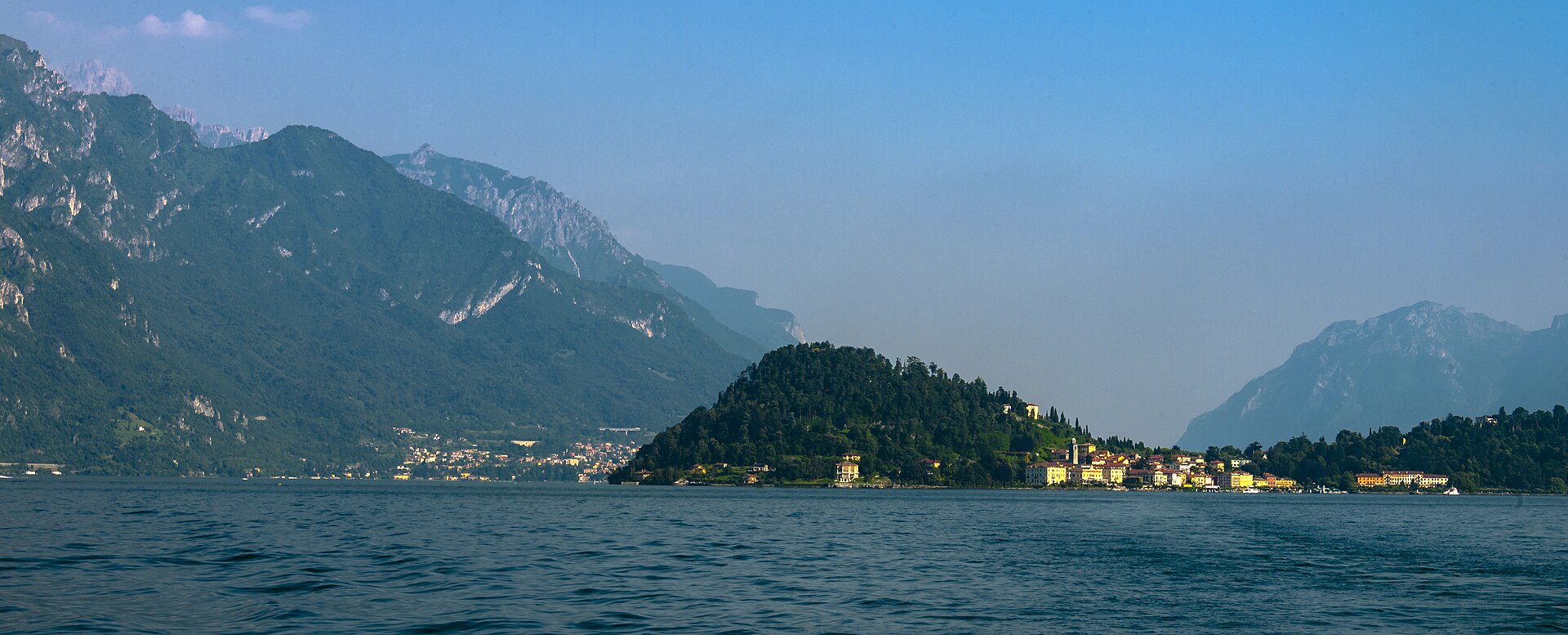
This is where May Italy spring travel really earns its reputation. Tuscany in May is almost offensively beautiful: the Val d’Orcia is green and rolling, the poppy fields along roadsides blaze red, and the cypress avenues practically beg to be photographed. Florence is warm enough for wandering but not yet the summer sauna it becomes in August. Rome in May is close to perfect for the first three weeks — the Palatine Hill and the Colosseum with clear skies and manageable queues, compared to the queues in July, are almost different experiences.
Umbria is the quieter sibling that rewards the curious. Assisi, Orvieto, Perugia — all good in May, and far less visited than their Tuscan counterparts. The Infiorata of Noto (Sicily) runs 15–19 May, with the streets covered in elaborate floral carpets; a similar tradition happens in Spello in early June if your timing is flexible. These festivals are worth building a trip around.
South and the Islands
By late May, the Amalfi Coast is fully open and gorgeous. The sea temperature reaches around 19–20°C — brisk but swimmable for many. Sicily is properly warm: think daily highs pushing 27–28°C in the south of the island, almond and orange blossom long finished, but the countryside still green before the summer burn. Sardinia is another strong May choice — beaches without the August chaos, and the interior is still lush.
Crowds and Prices: The Honest Picture
Let me be direct about something that a lot of travel content glosses over: May is no longer a shoulder month in Italy. It never quite was in the popular imagination, and in practice it has been pricing like peak season at many major hotels and vacation rentals for several years.
The crowd picture in early May (weeks 1–2) is still noticeably better than July. You can walk across the Piazza del Campo in Siena without being jostled. The Uffizi in Florence is manageable if you book ahead. The Colosseum queue, still long, moves faster than in August.
By the final week of May, the shift is real. Tour groups multiply. Cinque Terre’s cliff paths get backed up by mid-morning. Positano fills. Prices at accommodation on the Amalfi Coast in late May are often equal to or above July rates — demand is that strong.
The practical upshot:
– Book flights and accommodation the moment your dates are set. May books out fast, particularly for waterfront properties on the lakes, Amalfi, and Cinque Terre.
– Pre-book timed-entry tickets for the Colosseum, the Vatican Museums, the Uffizi, and Pompeii. All of them sell out weeks in advance in May.
– Aim for early starts at outdoor sites. Reaching the Trevi Fountain at 7 AM in May is a different experience from 11 AM.
– Consider weekday arrivals in popular small towns. Cinque Terre and Lake Como see a marked spike on weekends as day-trippers arrive from Milan and Genoa.
Compared to Italy in June, May still has a slight advantage on crowds and — in some cases — prices. Compared to September, May is warmer but more expensive in most accommodation categories. The full season strategy is covered in the best time to visit Italy guide.
What Makes May Special: Festivals, Blooms, and Food
The Countryside in Bloom
This is the thing that gets me every time. You can read about Tuscany’s spring but it still surprises you — the scale of it, the riot of red poppies along roadsides, the wisteria hanging over stone archways, the olive groves with their silver-green new growth. The Val d’Orcia in May looks like a painting before it becomes a painting. The Italian Lakes are wrapped in azaleas, camellias, and rhododendrons.
The wildflower show is at its peak in the first three weeks of May. By early June, it starts to dry and brown in the south.
May Festivals Worth Planning Around
Infiorata di Noto (Sicily), 15–19 May. Noto’s baroque streets are covered in enormous, intricately designed carpets of flower petals. Different theme each year. It’s spectacular and relatively manageable compared to the summer crowd peaks — a genuine highlight of the Italy spring travel calendar.
Snake Festival, Cocullo (Abruzzo), first Thursday of May. Odd, ancient, deeply Italian — the statue of San Domenico is carried through the village draped in live snakes. Not for the faint-hearted, very much worth it for the curious.
Giro d’Italia. The 2026 edition runs 8–31 May. The route winds through Italy’s most photogenic roads for three weeks. If a stage passes near your destination, the atmosphere is excellent — roadside crowds, brass bands, camper vans, and then suddenly the peloton, gone in seconds. Check the stage map and see if your dates align.
Sagre (local food festivals). May marks the return of outdoor sagre across Italy — local food celebrations that often centre on a single ingredient. Asparagus sagre are common in Veneto and Umbria. Strawberry festivals appear in Campania and Lazio. Ask your accommodation what’s on locally; these are rarely listed on big travel sites but often within easy reach.
The Seasonal Table
If you care about eating well in Italy — and you should — May is a serious high point. Asparagus in May is to Italy what truffles are in autumn: seasonal, celebrated, and everywhere. Both green (from Veneto) and white (the prized variety from Bassano del Grappa) appear on menus. Artichokes are still in full season in Rome. Wild strawberries start appearing in Tuscany and Umbria. Fava beans with fresh pecorino is a Roman spring classic you’ll find at trattorias in May and almost nowhere else. The coastal south has fresh ricotta, early-season zucchini, and the first sea urchins of the year on menus in Sicily.
Best Places to Visit in Italy in May
The short answer is: all of them. May is one of the few months when virtually every region of Italy is worth visiting — the south is warm enough, the north is green enough, and the mountains are accessible. But some destinations earn their particular moment in May.
Rome
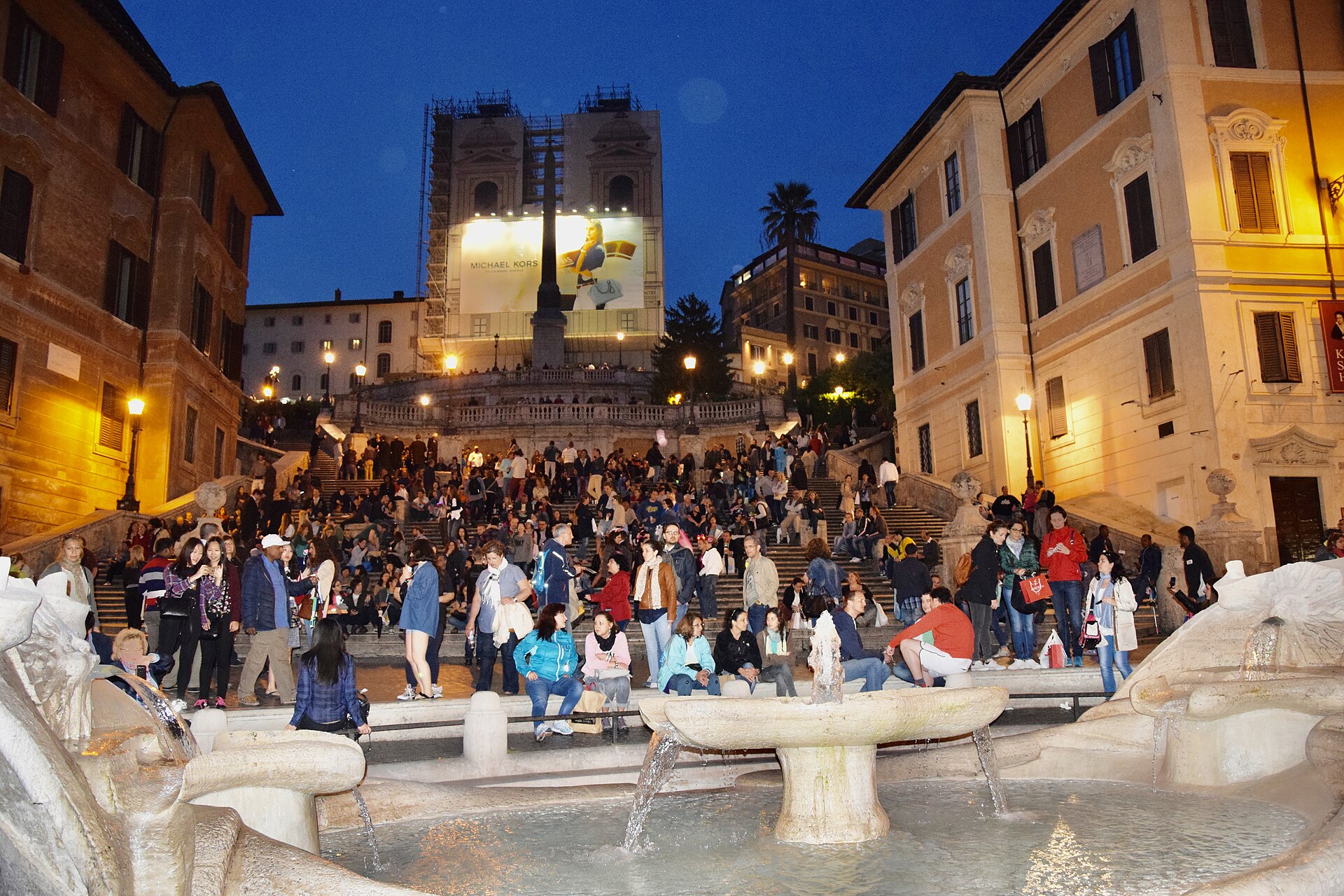
Rome in May is as good as it gets. The light is extraordinary in the late afternoon over the Forum. Outdoor restaurants and cafes are fully open. The Spanish Steps are framed by flowering azaleas — typically in full bloom for the first two to three weeks of the month, covering the steps in bursts of pink and red. Book your Colosseum and Vatican tickets well in advance and get to the major sites early. The city genuinely rewards early risers in May.
Florence and Tuscany
Florence and Tuscany belong to May. The city is warm and the Arno shimmers in the evening. The Uffizi, the Accademia, the Boboli Gardens — all better with advance tickets. But equally compelling is getting out of Florence into the countryside: the Chianti Classico road between Florence and Siena, the Val d’Orcia, the white roads (strade bianche) between cypress-lined farms. Rent a car for at least a day or two and drive. You’ll understand the countryside in a way that no bus tour can deliver.
The Italian Lakes
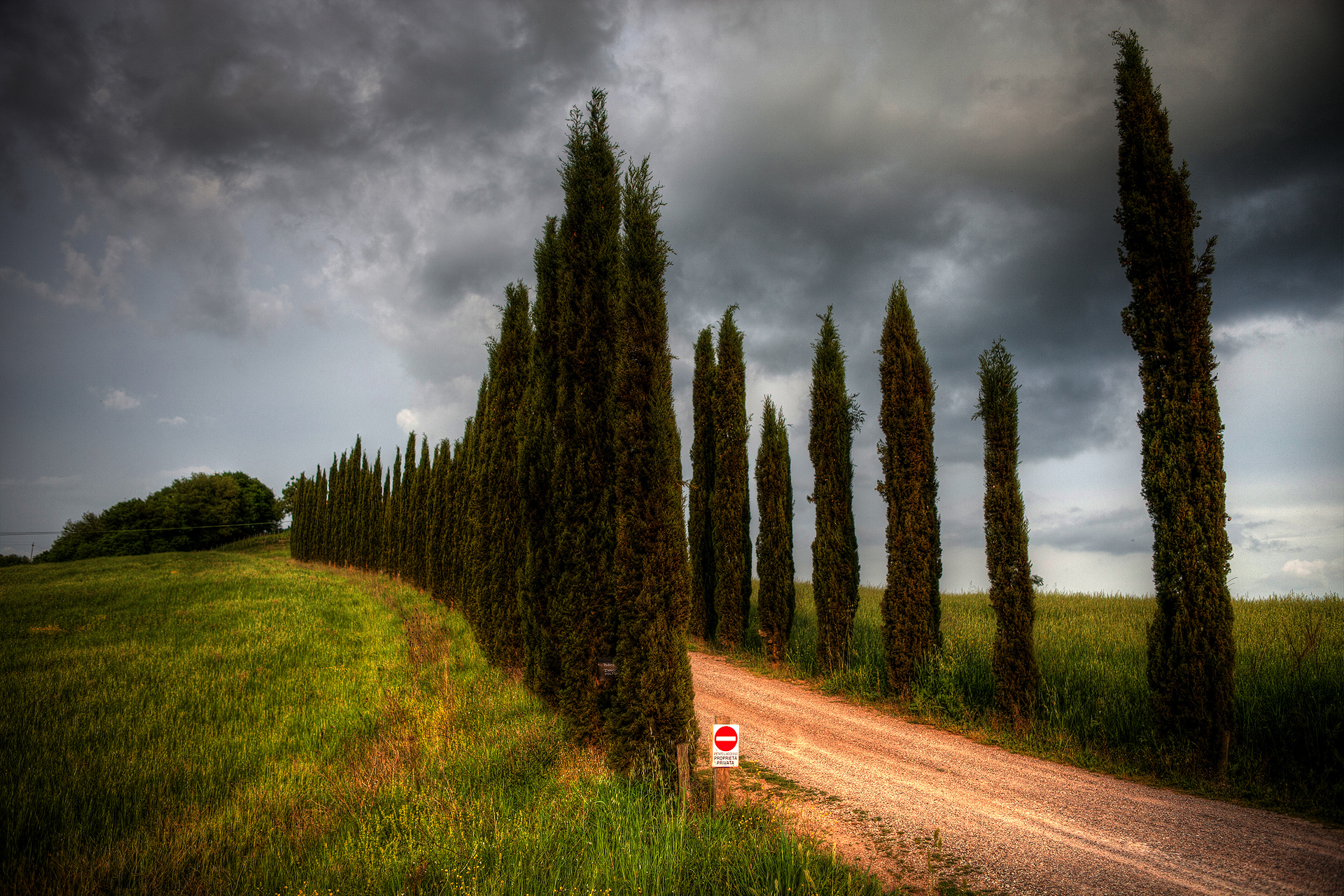
Lake Como, Lake Maggiore, and Lake Garda hit their visual peak in May. The mountains behind the lakes are still snow-capped, the lakeside hotels have their gardens in full colour, and the ferries run full schedules without July’s passenger crush. Bellagio on Como is still beautiful in May; by August it’s functionally unworkable on summer weekends. The Borromean Islands on Maggiore, with their extraordinary formal gardens, are particularly worth the ferry crossing in May when the azaleas on Isola Bella are flowering.
Accommodation on the lakes in May is expensive — the premium properties on Como especially so. Book early and consider basing yourself in a smaller lakeside village and taking the ferry to the showpiece towns rather than paying to sleep in them.
Amalfi Coast and Campania
Late May is the sweet spot for the Amalfi Coast. The ferries and hydrofoils are running full summer schedules, the restaurants are open, and the path of the Gods (Sentiero degli Dei) is walkable. The sea is cool but swimmable for enthusiasts. Positano gets busy in May but early morning walks along the shore before the day-trippers arrive are still genuinely magical.
Add Pompeii to any south Italy trip. May is ideal for the archaeological site: warm enough to enjoy the open-air ruins, not yet the summer scorcher that makes the lava-stone paths punishing at midday.
Sicily
May might be Sicily’s best month. The island is green — something you lose by July when the interior goes golden-brown — and the spring vegetables are extraordinary. Syracuse, Ragusa, Agrigento’s Valley of the Temples, the hill towns of the interior: all excellent. Add the Infiorata di Noto and you have a festival anchor for a mid-May trip.
Cinque Terre
Worth going, but with eyes open. The cliffside villages are genuinely beautiful in May, the Sentiero Azzurro coastal path is open, and the vineyards are leafy and green. Arrive on a Tuesday morning rather than a Saturday, stay overnight rather than day-tripping, and reach the trailheads before 9 AM. Do that and Cinque Terre in May still delivers.
Sample 10-Day May Itinerary
This is for a first-time Italy trip in May with a mix of city and countryside. Adapt freely — but treat the sequence as roughly logical for minimising backtracking.
Days 1–3: Rome. Fly into Rome Fiumicino. Vatican and Sistine Chapel (timed entry, book weeks out). Colosseum and Palatine Hill (same). Trastevere in the evening. Day 3: Appian Way by bike and an early dinner in Testaccio for the artichoke dishes.
Days 4–5: Tuscany countryside. Take the early morning train to Florence, collect a rental car, and drive south into the Val d’Orcia rather than spending all your time in the city. Montalcino, Pienza, Montepulciano. Stay in an agriturismo if you can find availability — the May wildflowers from a hilltop farmhouse are the kind of thing that makes you book a return trip. Drive back into Florence on Day 5, late afternoon, for the city.
Day 6: Florence. Uffizi (timed entry). The Accademia for David (less crowded in the morning). Piazzale Michelangelo at sunset for the city panorama. Dinner in the Oltrarno — the less-photographed south side of the Arno, where the trattorias are better and the prices more honest.
Days 7–8: Italian Lakes. Train from Florence to Milan, then onward to Como or Varenna. Two days on the lake: ferries, waterfront promenade walks, Villa Carlotta’s gardens if you’re on the Tremezzina stretch. Do not rent a car on the narrow lake roads in May unless you’re very comfortable with Italian driving; the ferries are far calmer.
Days 9–10: Venice. Train from Como to Venice (via Milan, about 3 hours). Two full days: St. Mark’s Basilica early (book online for the first entry slot), Dorsoduro instead of San Marco for afternoon wandering, a boat to Murano or Torcello, a cicchetti bar crawl in Cannaregio in the evening. Fly home from Venice Marco Polo.
For a longer or different shape of trip, the Italy itineraries hub has variations including 7-day, 14-day, and single-region focused routes. First-time visitors should also look at the first time in Italy itinerary guide. For building your budget, the Italy travel budget guide has current cost benchmarks.
What to Pack for Italy in May
The mistake most people make packing for Italy in May is either over-packing for heat (it isn’t that hot yet) or under-packing for variety (evenings cool, altitude is cold, churches require covered shoulders). The goal is flexible layers that work for 20°C afternoons and 12°C evenings.
Clothing essentials:
– 3–4 lightweight tops, mix of short-sleeve and one long-sleeve
– 1–2 pairs of lightweight trousers or smart-casual pants (works for restaurants and churches)
– 1 pair of shorts if you’re heading to Sicily or the coast in late May
– A light packable layer — a linen blazer, a cardigan, or a lightweight zip-up — for evenings and lake breezes
– A compact, packable rain jacket. Not a heavy waterproof, just something that handles a 20-minute shower
Footwear:
Comfortable walking shoes that you have already broken in. This is non-negotiable in Italy. Rome, Florence, and Venice are all largely cobblestone cities. Trainers are fine; sandals are fine for the coast; anything with an untested sole will end your trip on day two.
Practical items:
– A compact umbrella (not a massive golf umbrella — something that fits in a day bag)
– A scarf or pashmina — useful as a sun layer, church cover-up, and cool-evening wrap all in one
– A reusable water bottle — Italian tap water (acqua del rubinetto) is generally excellent and free at public fountains
– Sunscreen from home; Italian pharmacy sunscreen is good but expensive
What not to pack:
A heavy coat. You don’t need it. A bulky camera bag that screams tourist and attracts pickpockets. Five pairs of shoes. Italy requires more walking than most people plan for; pack light enough that you can actually carry your bag up station stairs.
See the complete Italy travel guide for more practical planning including visas, money, sim cards, and transportation. For building a realistic budget for a May trip, the Italy travel budget guide covers accommodation, food, and transport costs with current figures.
Final Thoughts
Italy in May is not a secret and it is not cheap. But it is, for most travellers most of the time, the best version of the country you can experience. The light is long, the countryside is green, the food is seasonal and extraordinary, and the spring festivals are worth building a trip around. The cities — Rome, Florence, Venice — are still workable with some advance planning.
Go with open eyes: book ahead, start early at major sites, and don’t let the late-May price surge catch you off guard. Do all of that and May in Italy will likely ruin you for travelling in the off-season, because the country simply looks, smells, and tastes this good only once a year.
If you’re still deciding on timing, April is quieter and cheaper; June and September have their own strong arguments. The full picture is in the best time to visit Italy guide. Whenever you go, go. Italy rewards the committed traveller at every season.
Questions travellers ask
Is May too crowded to enjoy Italy?
Not if you plan strategically. The first two to three weeks of May are genuinely manageable — better than July by a meaningful margin. Pre-book timed-entry tickets to the top sites (Vatican, Colosseum, Uffizi), arrive early, and you’ll find May crowds nowhere near the level that makes summer visits frustrating. The last week of May is noticeably busier and prices spike. If you have flexibility, target early-to-mid May rather than the last 10 days.
What is the weather like in Italy in May?
May in Italy weather varies by region but is broadly warm and pleasant across the country. Expect highs of 21–23°C (70–73°F) in the north (Milan, Venice) and 24–27°C (75–80°F) in the south (Naples, Sicily). Evenings are cool — typically 11–15°C — so a light layer is worth having. Rainfall is lower than in March and April, though afternoon showers are possible, particularly in northern Italy and Tuscany.
Is May expensive in Italy?
More than most people expect. May has transitioned from shoulder season to near-peak pricing at many popular destinations. Amalfi Coast accommodation, Lake Como waterfront hotels, and good-quality Tuscany agriturismi all charge close to their July rates in May. Budget mid-range accommodation ($80–$150 per night for a double) is still findable in most cities, but iconic properties and coastal locations book early and price high. The Italy travel budget guide has more granular current benchmarks.
What should I pack for Italy in May?
Light layers are the formula. Days reach 20–25°C so you want shorts, light tops, and breathable fabrics for daytime. Evenings cool to 11–15°C, so a cardigan, light jacket, or linen blazer is essential. Pack a compact umbrella for occasional showers. Comfortable walking shoes that are already broken in are non-negotiable on Italy’s cobblestones. A scarf doubles as a church cover-up and an evening layer. Keep the bag light — you’ll be climbing stairs and navigating train platforms.
Which part of Italy is best in May?
Almost all of Italy is excellent in May, which is part of the month’s appeal. For city and culture: Rome and Florence are near their best in the first three weeks. For countryside and scenery: Tuscany and Umbria are at their peak of greenness and bloom. For lakes: Como, Maggiore, and Garda hit their spring visual high. For warmth and the coast: the Amalfi Coast opens fully and Sicily is warm enough to swim. For the truly beach-focused, Sicily and Sardinia offer the warmest conditions.
How does May compare to April and June in Italy?
April is cooler, somewhat cheaper, and quieter — but less reliably warm, more prone to rain, and disrupted by Easter crowds in the major cities. May is warmer, pricier, and busier, but the weather is more consistent and the whole country is accessible. June is officially peak season: hotter, more crowded, and more expensive than May, though early June has a brief window before the full summer surge. If you can only choose one, May edges out both for the combination of weather reliability, crowd manageability, and Italy spring travel scenery.
Do I need to book tickets in advance for May?
Yes — and well in advance. Timed-entry tickets for the Colosseum, Vatican Museums (Sistine Chapel), the Uffizi, the Accademia (David), and Pompeii all sell out weeks ahead in May. Book these before you book anything else. Popular restaurants in Rome and Florence benefit from reservations, especially on weekend evenings. High-demand accommodation — lakes, Amalfi, Cinque Terre — should be booked 2–3 months out. Domestic trains can be booked up to 4 months ahead on Trenitalia and Italo and prices are better when booked early.
Are the beaches open in Italy in May?
It depends on the region and your tolerance for cool water. Beach infrastructure (sunbeds, bars, beach clubs) opens along the Campania coast and in Sicily in early-to-mid May. The sea temperature in May ranges from around 18°C in the north to 20–21°C in Sicily — brisk but swimmable for many. Organised beaches in Cinque Terre and the Ligurian coast are typically open from late May. The Adriatic coast (Rimini, Pescara) tends to run slightly warmer. If swimming is your priority, aim for Sicily or the south, and target late May rather than early.