Italy Itinerary Without a Car: The Best Train Routes for a Car-Free Trip

Italy by Train Is Not a Compromise — It’s the Better Plan
If you are planning an Italy itinerary by train, the honest answer is this: for most trips — cities, history, food, art — the train is simply the best way to move. Italy’s high-speed network connects Rome, Florence, Venice, Milan, Bologna, and Naples with fast, frequent, comfortable services. You skip the toll roads. You skip the parking fines. You skip the ZTL cameras that seem to exist purely to catch tourists who are having a perfectly lovely afternoon in Siena.
For a classic first trip — or even a second or third — you can see an enormous amount of Italy without ever touching a steering wheel. That said, some places genuinely are easier with a car. Knowing which is which is the whole point of this guide.
This article is for you if you want a concrete, honest, car-free Italy itinerary: one that tells you the routes that work brilliantly by rail, the ones that are awkward but still doable, and the few places where a car is genuinely the better call. I’ve included a day-by-day 10-day sample itinerary, a plain-language comparison of Trenitalia and Italo, and real booking advice. For a deep dive into how the Italian rail system actually works — ticket classes, seat reservations, the regional train rules nobody warns you about — head to the Italy transportation guide.
Quick Reference: Which Routes Work by Train?
| Region / Destination | Easy by Train? | Workaround If Not |
|---|---|---|
| Rome | Yes — major hub, excellent metro | Walk or use metro/bus within the city |
| Florence | Yes — 90 min from Rome, 35 min from Bologna | Walkable historic centre; Siena by bus |
| Venice | Yes — direct from most major cities | Vaporetto water buses within the city |
| Milan | Yes — international gateway, metro works well | Metro; day trips by regional train |
| Bologna | Yes — central hub, 1 hr from Milan | Entirely walkable centre |
| Naples | Yes — 1 hr from Rome on high-speed | Circumvesuviana for Pompeii/Sorrento |
| Cinque Terre | Yes — local trains run between villages | Buy the Cinque Terre Card for trains + paths |
| Pompeii / Herculaneum | Yes — Circumvesuviana from Naples | Short walk from stations |
| Amalfi Coast | No — no direct rail | Bus from Salerno/Sorrento, or ferry |
| Tuscany countryside | Partial — cities yes, farmland no | Guided day tours or bus from Florence |
| Dolomites | Partial — Bolzano by train, valleys need more | Local SAD buses; car is much better here |
| Sicily | Yes (with patience) — InterCity overnight ferry | Internal buses; car for rural areas |
| Puglia (Lecce, Bari) | Yes — both on Trenitalia main line | FSE regional trains for smaller towns |
The 10-Day Italy Itinerary by Train: North to South
This is the route I’d recommend to most first-time visitors, and to plenty of returning ones. It flows north to south — which also means culturally from refined to chaotic, in the best possible way. You arrive in Venice, end in Naples, and everything in between unfolds in a logical, efficient line without a single backtrack.
Ten days is enough to do this well if you are decisive about what you see in each city. It is not enough to do everything. That is fine.
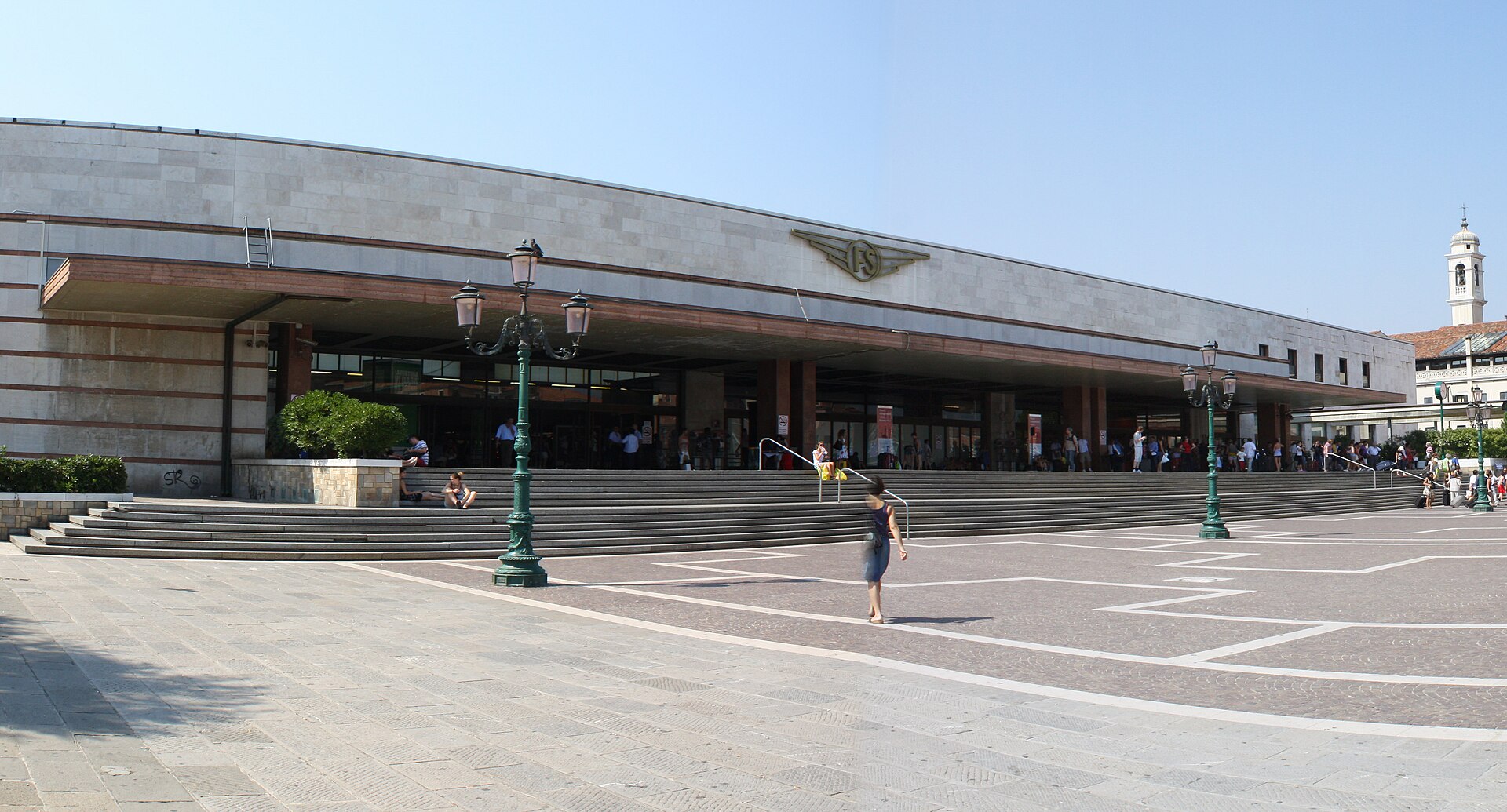
Day 1–2: Venice
Arrive into Venezia Santa Lucia station, which deposits you directly onto the Grand Canal. This is one of the genuinely thrilling arrivals in European travel — step off the train and you are already in it, surrounded by water and stone and the sound of boats.
Two days is the right amount for Venice for most visitors. The San Marco basin, the Doge’s Palace, the Accademia, a vaporetto out to Burano for the painted houses. You do not need to stay longer to appreciate it; you need to stay long enough to find a quiet campo away from the Rialto crowds and eat your cicchetti standing at a bar like a local. Do that, and Venice is yours.
For more on planning your time in the Veneto, see the guide to Venice and the Veneto.
The train: From Venice to Bologna, high-speed Frecciarossa or Italo runs in around 1 hour 25 minutes. Tickets booked in advance start at around €15–25. Trains run frequently throughout the day.
Day 3: Bologna (Day Stop or Overnight)
Bologna is one of those cities that first-timers often skip and immediately regret skipping. It is a working Italian city with one of Europe’s oldest universities, 38 kilometres of covered porticos, and a reputation for food that is entirely deserved. Tortellini, mortadella, tagliatelle al ragù — the real Bolognese has nothing to do with what you grew up eating.
You can do Bologna as a long day stop between Venice and Florence — stash your bags at the station, walk the porticos to the twin towers, climb the Torre degli Asinelli for red-rooftop views, eat lunch somewhere on Via Pescherie Vecchie, and catch an afternoon train south. Or spend a night here. Either way, do not bypass it.
The train: Bologna to Florence is 35 minutes on the high-speed line. One of the easiest legs you’ll make.
Day 4–6: Florence
Florence takes three days if you are doing it properly. The Uffizi alone can absorb a morning. The Accademia (Michelangelo’s David), the Duomo complex, the Ponte Vecchio, the Oltrarno neighbourhood — that is already more than two days. Our 3 days in Florence itinerary lays those three days out hour by hour.
A few things worth knowing: book the Uffizi and the Duomo dome climb weeks in advance, not days. Summer queues without reservations are not just inconvenient; they are genuinely punishing. Piazzale Michelangelo at sunrise, with almost nobody else there, is a different experience from the same viewpoint at 11am. Make the early start.
The Florence and Tuscany travel guide covers the city in much more depth — what to prioritise, which neighbourhoods to eat in, and how to structure your days.
From Florence you can also make easy day trips by regional train: Pisa (1 hour), Lucca (1.5 hours, perfectly walkable, vastly underrated), Arezzo (1 hour), and — with a bus from the station — Siena.
The train: Florence to Rome is around 1 hour 30 minutes on the Frecciarossa or Italo. Services run roughly every 30 minutes. Tickets from around €19–30 booked ahead.
Day 7–9: Rome
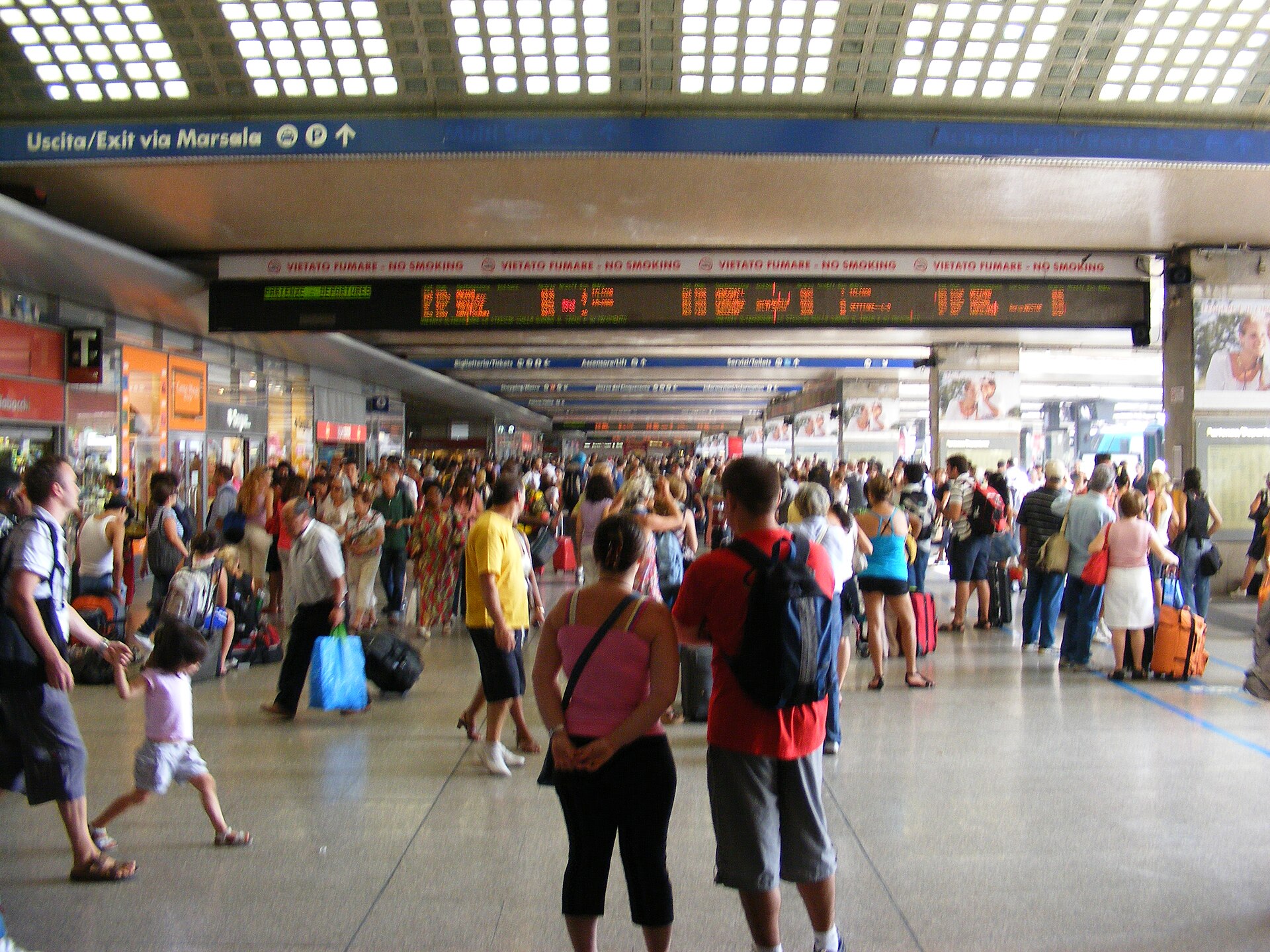
Rome is the city that most rewards staying longer than you think you need to. Three days gets you through the Colosseum and Roman Forum, Vatican City, the Pantheon, Trastevere, and the Piazza Navona area. It does not get you anywhere near comfortable with the city.
I would say Rome in three days is the minimum worth doing. If you can swap one day of Florence for one more day here, do it. Rome rewards wandering in a way that Florence, for all its beauty, does not quite match. Turn a corner and find a baroque fountain tucked into a piazza you can’t identify on a map. That happens here constantly.
Practical Rome reality: the metro is limited (two main lines). For many journeys you’ll use buses, which are slow and crowded. Download Citymapper before you arrive. Plan your sightseeing by neighbourhood rather than scattering yourself across the map. The Rome tourism guide has neighbourhood-by-neighbourhood detail.
Book Vatican Museums tickets at least two to three weeks in advance in summer, and earlier if possible. The Colosseum fills up on specific time slots; same rule applies.
The train: Rome to Naples is around 1 hour on the high-speed Frecciarossa or Italo — one of the most-travelled routes in Italy. Tickets from around €18–40, depending on when you book.
Day 10: Naples (and Beyond)
End in Naples, which is an ending that leaves you with more to come back for. This city gets unfairly written off as chaotic and difficult. It is chaotic. It is also gloriously itself — the pizza is the best you will eat anywhere, the street food (fried things from paper cones at any standing bar) is extraordinary, and the National Archaeological Museum, with its Pompeii treasures, is one of Italy’s great museums.
One day in Naples is a taste. If you have flexibility, take two and use the second to take the Circumvesuviana regional train out to Pompeii (around 40 minutes from Naples, around €3 each way). The Circumvesuviana is slow and often crowded but perfectly functional — join the archaeologists, the school groups, the tourists, and the locals all pressing south along the same rail line that has served this coast for decades.
From Naples you can also reach Sorrento on the same Circumvesuviana line (around 70 minutes), which gives you a base for the Amalfi Coast — more on that below.
For detailed advice on the Naples region, the Amalfi Coast and Naples Campania guide has everything you need.
Where a Car Still Wins — and the Honest Workarounds
I told you this guide would be candid, so here it is.
The Amalfi Coast
There are no trains to Amalfi. The road is a two-lane corniche that hangs over the sea and is barely wide enough for two cars to pass, let alone buses and tour coaches — which also use it. In high season it is genuinely gridlocked for hours.
The car-free workarounds are real and they work:
- From Salerno: Take the train to Salerno (served by both Trenitalia and Italo from Rome and Naples), then walk five minutes to the ferry pier. Ferries run between Salerno, Amalfi, Positano, and Sorrento from spring through autumn. This is arguably the most beautiful way to arrive.
- From Sorrento: Take the Circumvesuviana from Naples to Sorrento, then use SITA buses along the coast road. The buses are the same road, the same traffic, but you are not driving, which helps.
- Day tour from Naples or Rome: If the Amalfi Coast is one item on a longer list rather than a dedicated stay, a guided day tour by boat or coach takes all the logistics off your plate.
Honest verdict: the Amalfi Coast car-free requires more planning and some patience on buses and ferries. It is doable and many people do it happily. But if the Amalfi Coast is your primary destination and you want full flexibility, a car (or a private transfer) is genuinely easier.
The Tuscan Countryside
Florence, Siena, Pisa, Lucca, Arezzo — all by train, no problem. But if your Italy dream involves an agriturismo in the Chianti hills, or a small village like Montepulciano, Pienza, or Montalcino, the last stretch almost always requires a car or a taxi. Trains reach the cities; they do not reach the olive groves.
Workarounds: guided day tours from Florence or Siena cover the main hill towns. They are not the same as driving your own route with a bottle of Brunello on the back seat, but they are a solid option if the rest of your trip is by rail. Some agriturismos also offer airport/station pickups. Worth asking.
The Dolomites
Bolzano is reachable by train from Verona (around 1 hour) and from Munich. But the dramatic valleys — Alpe di Siusi, Val Gardena, Cortina d’Ampezzo — require either a car or the SAD bus network, which runs between the valleys but on a schedule that does not always align with what you want to do in a mountain range.
A car is significantly better for the Dolomites. The SAD buses are a genuine alternative if you are staying in one valley and doing hikes from a single base. But if you want to cross between valleys, follow mountain roads at your own pace, or get to trailheads that buses do not serve — rent a car. There is no honest workaround that matches the flexibility of driving here.
The northern Italy itinerary guide covers the Dolomites and the lake district in more detail.
Trenitalia vs Italo: The Short Version
Italy has two high-speed rail operators competing on the main corridors: Trenitalia (state-owned, operates the whole country including regional trains) and Italo (private, high-speed only between major cities — Rome, Florence, Milan, Venice, Naples, Turin, Salerno).
What matters for booking:
- Both are modern, comfortable, and broadly reliable. Both have leather seats even in standard class on high-speed services.
- Italo is often cheaper on popular routes, especially if you book early. It also runs a slightly newer fleet as of 2026.
- Trenitalia has a wider network — if you are taking regional trains to smaller towns, you are using Trenitalia. Italo only serves the high-speed spine.
- Prices are dynamic on both and can diverge by €10–30 on the same date. Open both trenitalia.com and italotreno.it when booking any high-speed journey. Do not assume one is cheaper.
- Trainline and Omio aggregate both operators on one screen, which makes comparison easier. They charge a small booking fee but save the multi-tab headache.
- Book high-speed trains 60–90 days in advance for the best fares. Regional trains have fixed prices and can be booked anytime.
For the full breakdown — ticket classes, seat reservation rules, how to validate regional tickets (and why failing to do so earns you a fine), and how to use the apps — the guide to getting around Italy goes deep on all of it.
Booking Tips That Actually Make a Difference
A few things that separate stress-free train travel from the other kind:
Book high-speed legs early. Trenitalia opens bookings around 90–120 days before departure; Italo is similar. The cheapest fares are sold in small batches and go fast. A Rome–Florence ticket bought three months out might be €19. The same ticket bought three days out might be €45.
Regional trains: buy at any time, validate before boarding. Regional trains (Regionale, Regionale Veloce) have fixed prices and no seat reservations. But you must stamp (validate) your physical ticket at the green or yellow machines on the platform before you board. Forget, and you risk a fine even if you clearly have a valid ticket. This rule is the one that catches the most first-timers.
Keep luggage manageable. You will carry your bags across cobblestones, up station stairs, into overhead racks. A rolling carry-on and a daypack is the comfortable ceiling. Anything larger and the trip starts to feel like a logistics exercise.
Arrive at stations with a buffer. Italian trains generally depart on time, especially high-speed services. But Roma Termini is large and platforms are announced relatively close to departure. Build 20 minutes of margin into your station arrival, especially if you are unfamiliar with the layout.
Download the apps. Trenitalia’s app and Italo’s app both work well for booking and showing digital tickets. Trainline works across both. Whichever you use, have your tickets downloaded offline before you get underground.
More detail on all of this lives in the Italy transportation guide — the strategic companion to this itinerary.
Planning Your Trip Around the Train Network
If you are still deciding how many days to spend in Italy, how many days in Italy walks through the honest calculus depending on your pace and priorities. If ten days is more than you have, the 7-day Italy itinerary compresses the route to the core five cities. If ten days is less than you have, the 10-day Italy itinerary and the northern Italy itinerary together give you a full picture of what is possible with two weeks and a rail pass.
For seasonal timing — which matters a great deal for the Amalfi ferries, the Cinque Terre trails, and how crowded Venice will be — the month-by-month guide to Italy guide is worth reading before you book anything. The Italy travel guide covers the broader planning picture.
All of the Italy itinerary guides live under sample itineraries for Italy — browse by length and pace to find your fit.
Final Thoughts
Italy by train is not a budget compromise or a logistical workaround. For the classic route — the cities, the history, the food — it is the best way to travel. You arrive in centre after centre, step out into medieval piazzas, and never fight for parking or worry about a GPS misdirecting you down a cobblestone pedestrian street. The ZTL zones that trap drivers with automatic fines are somebody else’s problem.
The ten-day north-to-south route laid out here has been refined across many trips and works cleanly. Venice to Naples, the high-speed spine, and the Circumvesuviana at the end for a side trip to Pompeii or a base in Sorrento. It is a complete Italy trip by any measure.
Where a car wins — the Amalfi hills, the Chianti backroads, the Dolomite valleys — I have been honest about it. Those places are not inaccessible without a car. They just require some additional thought and a little patience with buses and ferries. Often that is absolutely worth it. Sometimes you genuinely want to rent a car for three days in Tuscany and combine it with a rail trip either side. That is a good plan too.
The main thing is to go, to book the trains early, and to accept that you cannot see all of Italy in ten days. You will leave wanting to come back. That is the point.
Questions travellers ask
Can you do Italy entirely without a car?
Yes, for the vast majority of a classic Italy trip. Rome, Florence, Venice, Milan, Naples, Bologna, Cinque Terre, Pompeii — all are straightforward by train, and their historic centres are largely car-free anyway. The exceptions are the Amalfi Coast proper (ferries and buses required), deep Tuscany countryside (agriturismos off the rail network), and the Dolomite valleys (car is significantly better). If your itinerary sticks to cities and their surroundings, you genuinely do not need a car.
What is the best train route through Italy?
The classic north-to-south spine — Venice, Bologna, Florence, Rome, Naples — is the best-connected and most rewarding route for most visitors. Each city sits on the main high-speed line, connections are fast and frequent, and the cultural shift as you move south is noticeable in the food, the architecture, and the pace of daily life. For more cities in more time, extending north to Milan or south to Sicily is easy on the same network.
Is Trenitalia or Italo better for tourists?
Neither is objectively better — they are both modern and comfortable on the high-speed corridors they share. Italo is often cheaper and runs newer rolling stock; Trenitalia covers the entire country including regional lines to smaller towns. The practical advice: check both every time you book a high-speed ticket, because pricing is dynamic and the cheaper operator changes route by route and date by date. For regional trains to places like Siena, Lucca, or Pompeii, you are using Trenitalia by default.
How far in advance should I book Italian train tickets?
For high-speed trains (Frecciarossa, Italo), book 60–90 days in advance to secure the cheapest fares. The lowest prices are released in limited batches and sell out well before departure. For regional trains, there is no advance-booking advantage — prices are fixed and the same whether you buy three months or three hours before your journey.
Do I need to validate my Italian train ticket?
For high-speed trains with a seat reservation (Frecciarossa, Frecciargento, Italo), no — the reservation is your validation. For regional trains on paper or print-at-home tickets, yes, you must stamp the ticket at the platform machines before boarding. Digital tickets bought through the Trenitalia or Italo apps are typically validated electronically at the barrier. If in doubt, stamp it — the fine for travelling on an unvalidated ticket is around €50, even if the ticket is genuine.
Is the Amalfi Coast doable without a car?
Yes, but it takes more planning than the rest of this itinerary. The most comfortable car-free approach is arriving by ferry from Salerno or Sorrento, which bypasses the notoriously congested coast road entirely. From Sorrento (reachable by the Circumvesuviana regional train from Naples), SITA buses connect the coastal towns — they use the same narrow road as cars and in peak season can be slow, but they work. A guided day boat tour from Naples is the most effortless option if the Amalfi Coast is a single item on your list rather than a destination in itself.
What is the Circumvesuviana and should I use it?
The Circumvesuviana is a regional railway that connects Naples with Sorrento, passing through Ercolano (for Herculaneum), Pompeii Scavi, and a string of smaller coastal towns. It is slow, often crowded, and the carriages are basic — but it is also cheap (the Naples–Sorrento leg is around €4–5 as of 2026), runs frequently, and goes exactly where you want to go if you are visiting Pompeii or using Sorrento as a base. The Campania Express runs a more comfortable (and pricier) seasonal service on the same corridor. Either works; the Circumvesuviana is the standard choice.
Can I see Cinque Terre without a car?
Cinque Terre is one of the best arguments for the Italian train network. The five villages are connected by a regional line, and the Cinque Terre Card covers unlimited train travel between the villages plus the coastal footpaths. Cars are actively restricted in the area — residents have priority, tourists are largely excluded from driving into the village centres. The train is not just the easy option here; for most visitors it is the only realistic one.