14 Days in Italy: The Classic Two-Week Route

The Two-Week Italy Itinerary That Actually Works
Planning two weeks in Italy is not hard because there is too little to do. It is hard because there is too much — and the temptation to cram in one more city, one more coastline, one more day trip will ruin a perfectly good trip faster than a missed train. Two weeks is a generous slice of time. Used well, a 2 week Italy itinerary lets you breathe.
The recommended route: Rome (3 nights) → Sorrento/Amalfi Coast (3 nights) → Florence (4 nights) → Venice (3 nights). That is four regions, fourteen days, zero backtracking, and enough breathing room to actually enjoy each place. It suits first-time visitors who want the landmarks done right, and returning visitors ready to slow down and go deeper. If this is your first Italy trip, you are in exactly the right place.
Check our Italy itineraries hub for the full range of trip lengths, from a long weekend to three weeks.
Which Two-Week Route Is Right for You?
| Version | Regions | Nights | Best For |
|---|---|---|---|
| Classic South-North (this guide) | Rome → Amalfi Coast → Florence → Venice | 3 / 3 / 4 / 3 | First-timers wanting all four regions without backtracking |
| North-Weighted | Venice → Lake Como/Milan → Florence → Rome | 3 / 2 / 4 / 4 | Art lovers, fashion fans, northern lakes crowd |
| North + South Loop | Rome → Naples → Amalfi → Florence → Cinque Terre → Venice | 2 / 1 / 3 / 3 / 1 / 3 | Adventurous planners comfortable with more moves |
| Slow Tuscany Focus | Rome → Florence → Val d’Orcia/Siena → Cinque Terre → Venice | 3 / 3 / 3 / 2 / 3 | Wine and countryside lovers, repeat Italy visitors |
Jump to whichever fits your travel style, then come back for the practical notes at the end.
The Classic 2 Week Italy Itinerary, Day by Day
This is the route I keep coming back to, and the one I recommend to almost everyone on their first trip. It flows south to north — no doubling back, no wasted train legs. You fly into Rome, spend the first third exploring the south, migrate through Tuscany, and finish in Venice. Fly home from Marco Polo Airport or take the fast train back to Rome in under four hours.
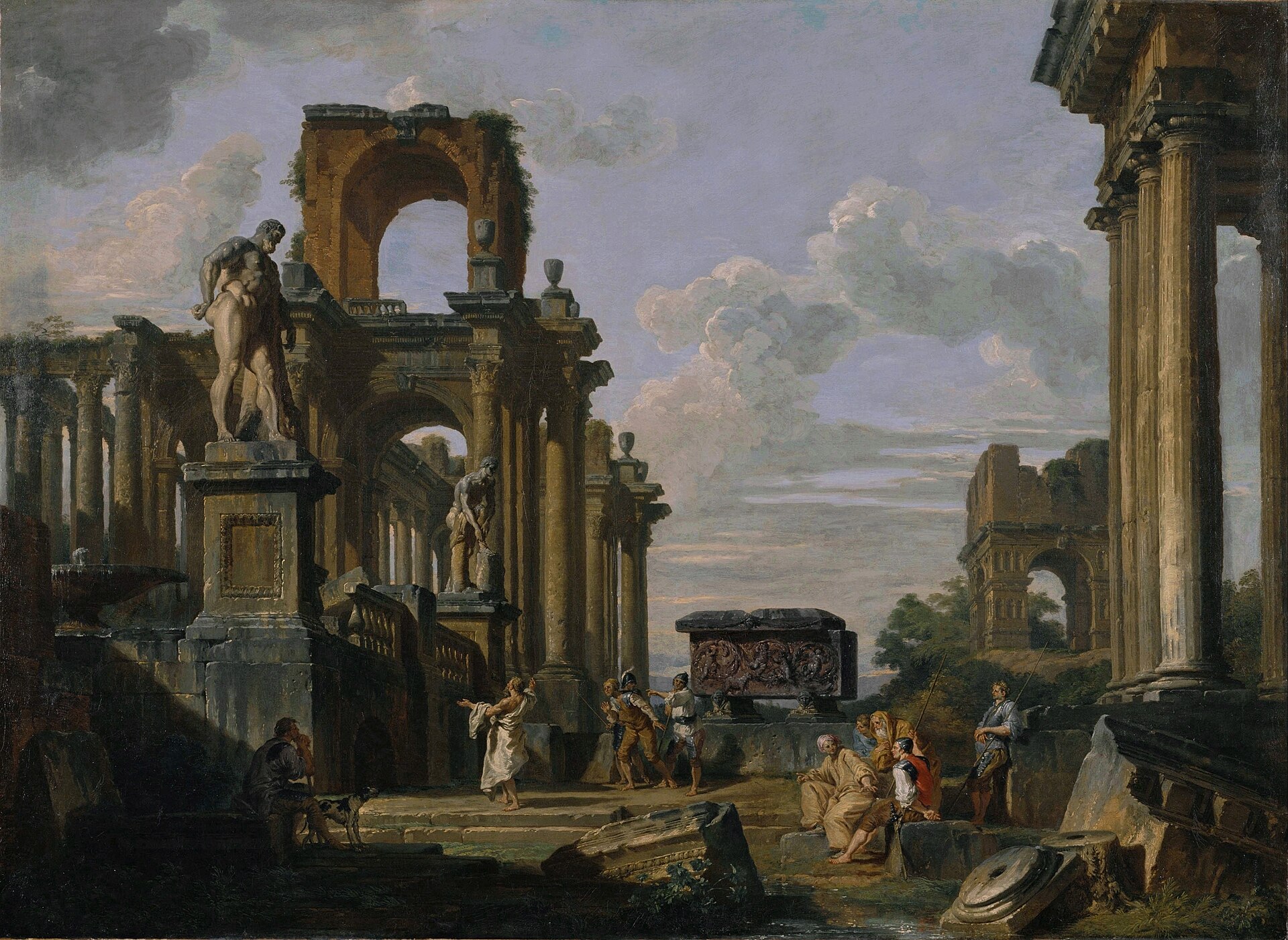
Day 1 — Arrive in Rome
Land at Fiumicino (FCO), take the Leonardo Express to Roma Termini (around 32 minutes, as of 2026), and check in. Do not plan any sightseeing. Walk the neighborhood around your hotel instead — a glass of wine, some cacio e pepe, an early night. You will thank yourself tomorrow when everyone else is jet-lagged and you are not.
Stay: 3 nights in Rome, anywhere in the historic center or Prati (near the Vatican).
Day 2 — Rome: The Ancient City
Start at the Roman Forum and Colosseum first thing. Book timed-entry tickets weeks in advance — this is not optional in high season. By 9 a.m. the crowds are manageable; by 11 a.m. they are not. After the Forum, walk up to the Palatine Hill for city views, then cross to Trastevere for lunch. Afternoon: Circus Maximus area, then the Jewish Ghetto. Evening: wander to Campo de’ Fiori for aperitivo.
Book ahead: Colosseum + Roman Forum combo ticket via the official Colosseo website (coopculture.it). Skip the reseller markup.
Day 3 — Rome: The Vatican & Centro Storico
Vatican Museums and Sistine Chapel in the morning — again, book timed entry. Allow three hours minimum. St. Peter’s Basilica is free; the dome climb costs around €8 (as of 2026) and the views are worth every cent. Afternoon: Pantheon (now requires a small ticket, around €5), then meander between the Trevi Fountain, Spanish Steps, and Piazza Navona. This is Rome at its most cinematic. Let it wash over you.
Honest call: If lines stress you out, book a skip-the-line guided tour for the Vatican. The commentary is genuinely good and you will see twice as much in the same time.
Day 4 — Travel to Sorrento + First Amalfi Glimpse
This is the day most itineraries get wrong. Many guides suggest a Pompeii-plus-Amalfi day trip from Rome. That is a 12-hour scramble that leaves you exhausted and having actually seen neither properly. Do it differently: take the early Frecciarossa from Roma Termini to Naples Centrale (around 70 minutes), then the Circumvesuviana commuter train to Pompeii Scavi Villa dei Misteri (about 35 minutes from Naples). Spend two focused hours at Pompeii — the Lupanar, the House of the Vettii, the forum. Then catch the Circumvesuviana onward to Sorrento (another 30 minutes).
Check in, have dinner on the terrace over the Bay of Naples. The hardest part of the Amalfi section is behind you.
Stay: 3 nights in Sorrento. Sorrento is your base. It has good transport links in every direction, better value accommodation than Positano, and a genuine town life that Positano — gorgeous as it is — does not quite have. The fuller comparison of Sorrento, Positano, Amalfi and Ravello sits in the Amalfi Coast accommodation guide.
Day 5 — The Amalfi Coast Proper
Take the SITA bus from Sorrento toward Positano and Amalfi. The bus is cheap (around €2.50 per leg), scenic, and runs regularly — but it is not for anyone prone to carsickness on hairpin bends. Buy tickets at a tabacchi before boarding. Get off in Positano for two hours: the descent down to the beach, a coffee, the Chiesa di Santa Maria Assunta. Then continue to Amalfi town for lunch and a wander through the Duomo. In the afternoon, catch the ferry or bus back. Ferries are often faster and far more comfortable than the bus on the return.
Skip this: the tourist shops selling limoncello in giant novelty bottles. The real stuff is in any decent bar or enoteca.
Day 6 — Capri or Ravello
You have two good options today. Capri by ferry from Sorrento (around 25 minutes by fast ferry, around €20 each way) is a half-day minimum: the Blue Grotto if you go early enough to beat the queues, the chairlift up to Monte Solaro, lunch in Anacapri. It is expensive and crowded in summer but singular — there is genuinely nothing else like it.
Ravello is the quieter alternative: bus from Amalfi up to the clifftop village, gardens of Villa Rufolo and Villa Cimbrone, extraordinary views down the coast. If you have already done Capri, Ravello wins every time.
Read our full Amalfi Coast and Campania guide for more on this region.
Day 7 — Sorrento to Florence
This is your longest travel day and the one to plan carefully. Take the Circumvesuviana back to Naples Centrale, then a high-speed Frecciarossa from Naples to Florence Santa Maria Novella (around 3 hours). Total travel time door-to-door: roughly 4–5 hours. Take the first available train — there is no point arriving in Florence after 2 p.m. if you can help it.
Check in, drop your bags, and walk straight to Piazza della Signoria. Get your bearings. Have a Negroni. You are now in Tuscany.
Stay: 4 nights in Florence. This is the right number. Four nights gives you two full days in the city plus two day-trip days. With three nights you are always rushed. With five you risk running out of city. Four nights is enough to work through most of our list of things to do in Florence without rushing a single morning.
Day 8 — Florence: The Renaissance Core
Start at the Uffizi Gallery. Book timed entry well in advance (uffizi.it is the official site — €25–30 as of 2026, free the first Sunday of each month). Two to three hours here is about right for a first visit. The Botticellis alone justify the trip. Walk to the Accademia for Michelangelo’s David in the afternoon — also requires advance booking, also worth it. The David is not overrated. It is one of those rare things that is actually better in person than any photograph suggests.
Evening: climb to Piazzale Michelangelo for sunset, then dinner in the Oltrarno neighborhood south of the Arno. This is where Florentines eat.
Day 9 — Tuscany Day Trip
This is the day I argue most people plan wrong. The standard tour visits Pisa, Siena, and San Gimignano in one day. That is three places seen at a sprint, none of them properly. My recommendation: choose one.
Siena is the best single choice. Take the Tiemme bus from Florence SITA bus station (around €8.50, around 90 minutes). The Campo is one of the finest medieval squares in Europe. The Duomo floor is extraordinary and rarely crowded in the nave. The Pinacoteca Nazionale has some of the best Sienese painting anywhere, and almost no one goes. Get back by 7 p.m. and you have had a real day.
Pisa takes about an hour by train and two hours to see the Field of Miracles properly. It is worth doing once. The tower is legitimately impressive up close. Then come back.
San Gimignano without a car is a logistics exercise — bus to Poggibonsi, then another bus up. Worth it if you love medieval hill towns; not worth it if you are already doing Siena.
See our Florence and Tuscany guide for more depth on each of these options.
Day 10 — Florence: The City You Missed Yesterday
Most people spend Day 10 cramming in what they missed. Give it a different frame: this is your slow Florence day. Cross the Ponte Vecchio early before the crowds arrive. Walk south into the Boboli Gardens (Palazzo Pitti ticket covers both, around €16). In the afternoon, visit the Bargello — one of the great sculpture museums anywhere, and almost always uncrowded. Donatello’s bronze David is here, and the contrast with Michelangelo’s marble version is one of those art-history comparisons that actually means something when you see them both in the same city.
Evening: back to Oltrarno. Try a lampredotto sandwich from a trippai street cart — Florence’s working-class food, and one of the best things you will eat all trip.
Day 11 — Florence to Venice
Take the Frecciarossa from Florence Santa Maria Novella to Venezia Santa Lucia (around 2 hours 15 minutes). Do not stress about timing on this leg — trains run frequently and the journey is easy. Arrive in Venice by midday if you can manage it.
Drop your bags, then walk. No map, no plan. Get lost. That is not travel-writer cliché: it is genuinely how Venice reveals itself. You will turn a corner and find a campo with kids playing football, or a fruit vendor on a boat, or a view down a rio that looks like a painting. You cannot plan this. You can only be there.
Stay: 3 nights in Venice. Aim for Cannaregio or Dorsoduro rather than the tourist bottleneck around San Marco. You will sleep better and pay less.
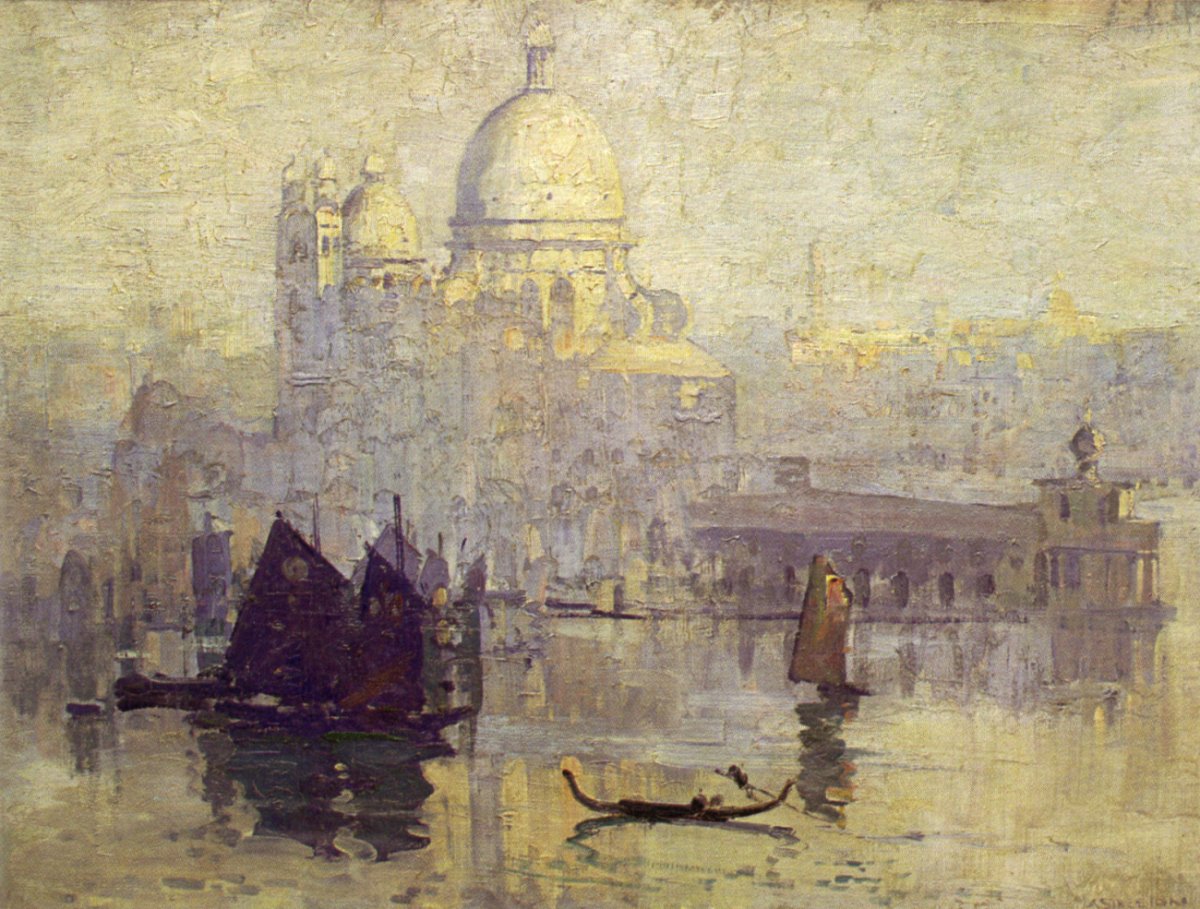
Day 12 — Venice: The Basilica and the Grand Canal
St. Mark’s Basilica is free to enter and one of the most extraordinary interiors in Europe — but the queues can be brutal. Reserve a time slot online (basilicasanmarco.it, free, around €3 processing fee) and walk past the line. Go in the morning. Spend an hour inside, then climb to the museum for views over the piazza.
After lunch, take a vaporetto (water bus) down the Grand Canal to the Rialto market. Buy something — a piece of fruit, a slice of cheese — and eat it on the steps by the market. Then walk west toward Frari church, which contains Titian’s extraordinary Assumption of the Virgin altarpiece. This is one of the most important paintings in Venice and gets a fraction of the attention of the Basilica.
Evening: gondola ride. Yes, it is touristy. Yes, it costs around €80–100 for 30 minutes (as of 2026, standard rate). Yes, it is still worth doing once. Book through official gondoliers (gondolavenezia.it) rather than touts.
Day 13 — Murano and the Lagoon
Take a vaporetto out to Murano in the morning. The glass-blowing demonstrations are free and genuinely fascinating — molten glass shaped in seconds into objects of absurd precision. Buy something if you want, or just watch. Then hop to colorful Burano if you have time — the pastel-painted fishermen’s houses are as vivid in person as in every photograph.
Back in Venice by 3 p.m., then the Doge’s Palace in the late afternoon (book tickets at palazzoducale.visitmuve.it — around €15–20). The Bridge of Sighs, the Doge’s apartments, the armory: two hours minimum.
Day 14 — Last Morning, Then Home
This is the day to do whatever you did not do. A walk to San Giorgio Maggiore island (free ferry, free church, extraordinary views of Venice from the campanile). The Peggy Guggenheim Collection if you missed it. Or just coffee at a bar, a final pastry, a slow walk back to the vaporetto stop.
Fly from Venice Marco Polo Airport, or take the 3-hour 45-minute Frecciarossa back to Rome Fiumicino if you need a different departure airport.
Three Alternative Two-Week Routes
Route 2: North-Weighted (Art, Lakes, No South)
Best for: repeat visitors, art devotees, anyone who finds the south too chaotic.
Milan (2 nights) → Lake Como (2 nights) → Verona (2 nights) → Venice (3 nights) → Florence (4 nights) → Rome (1 night / fly)
- Fly into Milan Malpensa
- Lake Como from Como town is 40 minutes by train; base in Varenna or Bellagio for a slower pace
- Verona is 70 minutes from Venice, worth one night each way
- Florence: same as classic route
- Finish in Rome; fly home from FCO or overnight before departure
What you gain: the Italian lakes, fewer crowds, a more relaxed pace.
What you lose: Amalfi, Pompeii, the south.
See the full day-by-day Northern Italy plan for more detail on this region.
Route 3: North + South Full Loop (Ambitious, Rewarding)
Best for: experienced travelers, those with a flexible flight home, people who want to see both coastlines.
Rome (2 nights) → Naples (1 night) → Amalfi Coast (3 nights) → Florence (3 nights) → Cinque Terre (2 nights) → Venice (3 nights)
This is more ambitious — nine different nights in six bases — and it rewards planning.
The Naples night gives you a real evening in the city (pizza at Pizzeria Brandi or Sorbillo, a walk through the Spaccanapoli). From Naples, take a ferry or hydrofoil to Sorrento to start the Amalfi section. Cinque Terre sits neatly between Florence and Venice: base in Monterosso al Mare (the most beach-friendly) or Vernazza (the most beautiful). Two nights here give you a hiking day on the Sentiero Azzurro and an afternoon on the water.
What you gain: Cinque Terre, Naples street food, both coastlines.
What you lose: depth in each city, some sanity.
For the southern portion, see our southern Italy itinerary for a more in-depth look.
Route 4: Slow Tuscany Focus
Best for: wine lovers, couples, anyone who has already done Rome once.
Rome (2 nights) → Florence (3 nights) → Val d’Orcia/Pienza (3 nights, car required) → Cinque Terre (2 nights) → Venice (3 nights, optional: 1 night Verona)
This is the route I would take on a third Italy trip. Rent a car in Florence specifically for the Val d’Orcia segment — you need a car for this. Pienza, Montepulciano, and the road between them are some of the finest countryside in Europe. No bus will get you there. Then return the car in Pisa or La Spezia before heading to Cinque Terre on foot.
What you gain: authentic Tuscany, fewer tourists, the best olive oil you have ever tasted.
What you lose: logistical simplicity.
Practical Pacing Notes
On transfers: The classic route involves five transfers. Rome–Naples (70 min), Naples–Sorrento (60 min total by Circumvesuviana), Sorrento–Naples–Florence (4–5 hrs total), Florence–Venice (2 hrs 15 min). None of these are punishing if you plan them. All of them become punishing if you arrive at a station without a ticket and a vague idea of the time. Book trains on Trenitalia (trenitalia.com) or Italo (italotreno.it). For full guidance on getting around, see our Italy transport guide.
On nights: The golden rule for two weeks: never fewer than 3 nights in a major city, never fewer than 2 nights anywhere. One-night stays mean you spend half the day arriving and half the day leaving. This matters more with 14 days than with 10, because you have just enough rope to hang yourself with an overpacked itinerary.
On what to skip: Pisa is fine for a half-day from Florence; it does not need an overnight. Verona is lovely but works better as a route stop than a destination in a 14-day trip unless you are doing the north-weighted route. Lake Garda is spectacular but requires a car. Sicily, Puglia, and the Dolomites are each worthy of their own separate trip — slotting them into a 14-day route guarantees you will see them inadequately and wish you had come back.
On the best time to go: April–June and September–October are the sweet spots. July–August is peak heat and peak crowds on the Amalfi Coast specifically — doable but demanding. December is quiet and surprisingly good in Florence and Venice. See our best time to visit Italy guide for a month-by-month breakdown.
On budget: This is not a budget route. Two weeks in Italy covering these regions runs around €200–350 per person per day all-in (accommodation, food, transport, entry fees) depending on how you travel. Venice and Capri are the expensive outliers. Sorrento has better value than Positano for accommodation. Florence’s free-Sunday policy at state museums (first Sunday of each month) is worth building around if your dates align.
On how two weeks compares to other trip lengths: If 14 days sounds like the right amount of time, also look at the day-by-day 10-day Italy plan (which covers the core Rome–Florence–Venice spine) and the 3-week Italy itinerary (which adds Sicily, Puglia, or the Dolomites). Two weeks is genuinely the sweet spot for most travelers — long enough to avoid being rushed, short enough to stay sharp.
For help deciding how many days you need overall, see our how many days in Italy guide.
Final Thoughts
Two weeks in Italy is a gift. The mistake most people make is treating it as a delivery mechanism for ticking boxes — Colosseum, David, Rialto Bridge, done. The better use of 14 days is to move slowly enough that each place actually registers: the weight of the Forum stones in the morning light, the smell of a Florentine market before the tourists arrive, the sound of water lapping against a Venice fondamenta at midnight.
The 3-3-4-3 formula in this guide is not the only way to structure two weeks. It is the most reliable way for most people on a first or second trip. It gives you enough time in each region to get past the surface, and it leaves at least one morning in each city with nothing scheduled — which is always, in my experience, when the best things happen.
If you are still deciding on trip length, the 7-day Italy itinerary is the quick version, and the 3-week Italy itinerary is what happens when you decide you are not coming home yet. And when you want help thinking about the shape of the whole country, the complete Italy travel guide is where to start.
Go. It will be better than you expect, in ways you cannot fully anticipate until you are already there.
Questions travellers ask
Is two weeks enough time to see Italy?
Two weeks is not enough to see all of Italy — nothing is. But it is enough to see it well. The classic 2 week Italy itinerary covering Rome, the Amalfi Coast, Florence, and Venice gives you a genuinely comprehensive picture of the country: ancient history, Renaissance art, southern coastal life, and the north. You will leave wanting more. That is not a failure — that is Italy working exactly as intended.
How much does a 2-week Italy trip cost?
Budget around €200–350 per person per day for a comfortable mid-range trip including accommodation, food, transport, and entry fees. That puts a two-person trip in the €5,600–€9,800 range for 14 days. You can spend less (hostels, self-catering, slower trains) or considerably more (boutique hotels, private transfers, tasting menus). The Amalfi Coast and Venice are where costs spike most dramatically.
What is the best order to visit Rome, Florence, and Venice?
South to north — Rome first, Florence second, Venice last — is almost always the right answer for a two-week trip. It matches the geographic flow if you fly into Rome and out of Venice, it means you never backtrack, and it matches the psychological arc of the trip: Rome is intense and ancient, Florence is more manageable, Venice is a gentle, beautiful way to finish.
Do I need a car for a 2-week Italy itinerary?
For the classic Rome–Amalfi–Florence–Venice route, no. High-speed trains cover all the major legs; local buses cover the Amalfi Coast and Pompeii; vaporetti cover Venice. A car becomes useful (and sometimes necessary) if you add the Val d’Orcia countryside, parts of the Ligurian backroads, or the Italian lakes. Do not rent a car for Rome, Florence, or Venice — parking is expensive, driving stressful, and ZTL (restricted traffic zones) can result in fines that arrive weeks after you are home.
How many nights should I spend in Rome, Florence, and Venice?
For a 14-day itinerary: 3 nights in Rome (2 full days), 3 nights in Sorrento for the Amalfi section (3 days), 4 nights in Florence (3 full days including a day trip), and 3 nights in Venice (2 full days plus arrival evening). This breakdown — 3/3/4/3 — is the most defensible allocation. Shaving nights anywhere makes the trip feel rushed; adding nights means fewer regions.
Can I do the Amalfi Coast without a car?
Yes, entirely. The SITA bus network connects Sorrento to Positano, Amalfi, and Ravello reliably. Ferries run between Sorrento, Positano, Amalfi, and Capri in season (roughly April–October). The Circumvesuviana train connects Sorrento to Naples and Pompeii. The only things requiring a car are the very quiet inland villages — which most first-timers would not prioritize anyway. See our full Amalfi Coast guide for transport specifics.
What should I book in advance for a 14-day Italy trip?
Book these before you leave home, especially for travel in May–September: Colosseum + Roman Forum timed entry, Vatican Museums timed entry, Uffizi Gallery timed entry, Accademia Gallery (David) timed entry, St. Mark’s Basilica time slot, Doge’s Palace tickets, and all high-speed train tickets (prices rise as the date approaches). Also book accommodations in Venice and Positano/Sorrento early — these sell out and price-surge faster than anywhere else in Italy.
What is the difference between a 10-day and 14-day Italy itinerary?
Ten days covers the Rome–Florence–Venice spine — the three-city classic. Fourteen days adds a fourth region. In this guide, that fourth region is the Amalfi Coast: three nights in Sorrento gives you Pompeii, Positano, Capri, and Ravello. Other 14-day variations use those extra four days for Cinque Terre (north-heavy) or Tuscany countryside (slow travel). The suggested route through 10-day Italy is the right reference point — everything here builds on that foundation.