Amalfi Coast, Naples & Campania
Where to Stay on the Amalfi Coast: Positano, Amalfi, Sorrento or Salerno
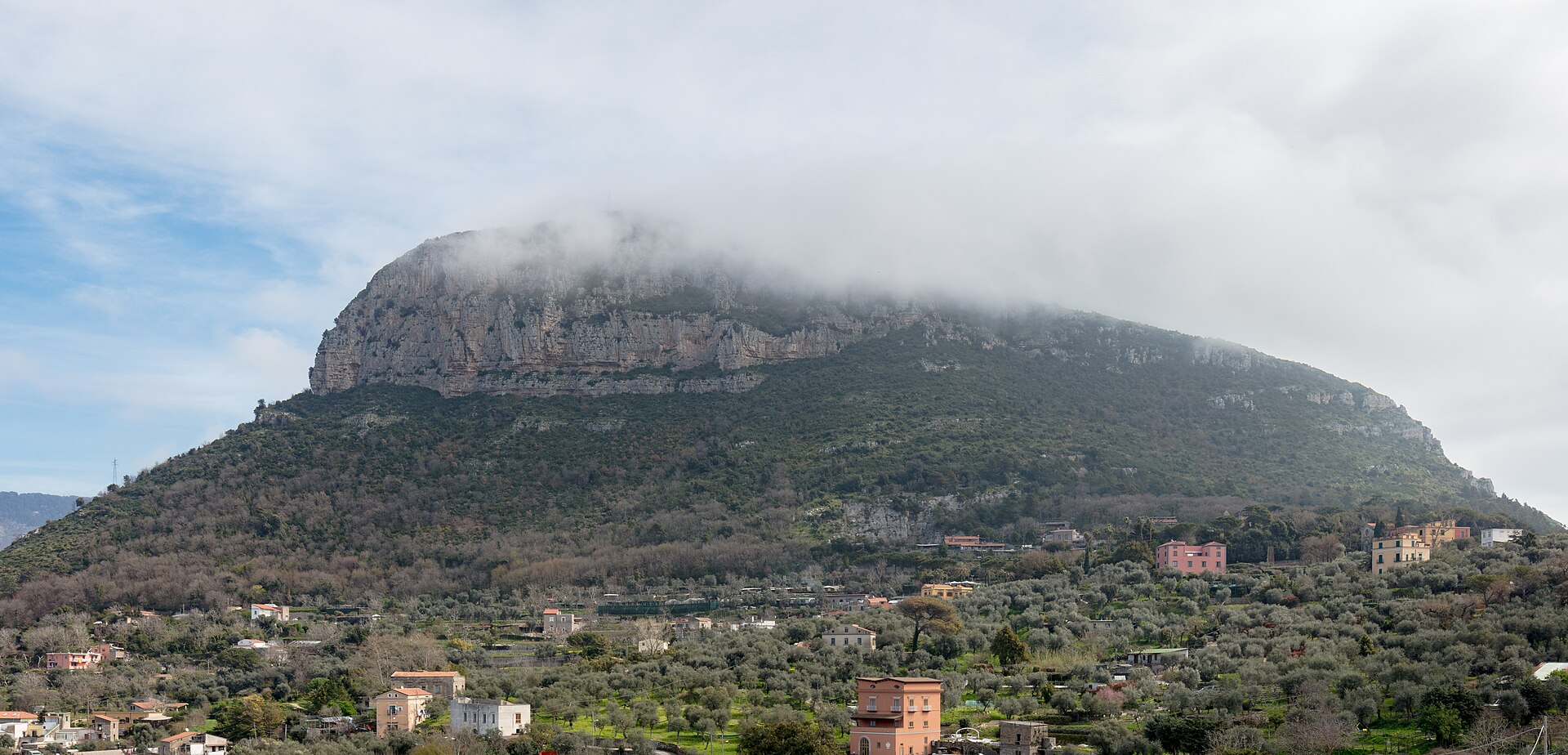
Where to Stay Amalfi Coast: The Short Answer
Deciding where to stay on the Amalfi Coast is genuinely one of the most loaded questions in Italian travel planning. Not because the coast is complicated — it isn’t — but because the right answer depends entirely on what kind of traveler you are, what your budget looks like, and how much patience you have for bus transfers.
Default recommendation: Sorrento for first-timers and anyone with three nights or fewer. Amalfi town for those who want to sleep on the coast with ferry access in every direction. Positano if the view is the point and money is not the barrier.
This guide covers every serious base option — Positano, Amalfi town, Ravello, Praiano, Sorrento, and Salerno — with honest notes on what it actually costs, how you get around from each one, and who each place genuinely suits. You won’t find the same hedged non-answer you’ve read elsewhere. I’ll tell you where to sleep and why.
For the full trip framework, see the Amalfi Coast itinerary guide. If you want to understand car-free movement between towns, the Amalfi Coast without a car guide runs through every ferry and bus option in detail.
Quick Comparison: All Six Bases at a Glance
| Base | Vibe | Best for | Price feel | Ferry access? |
|---|---|---|---|---|
| Positano | Glamorous, steep, photogenic | Romantic stays, special occasions | ££££ | Yes — direct ferries east and west |
| Amalfi town | Central, lively, historic | First-timers, day-trippers, couples | £££ | Yes — main ferry hub of the coast |
| Ravello | Hilltop, quiet, aristocratic | Slow travel, romance, writers | £££ | No — bus to Amalfi then ferry |
| Praiano | Between worlds, unhurried | Budget-conscious, independent travellers | ££ | Yes — one small dock, limited schedule |
| Sorrento | Civilised, connected, easy | First-timers, families, logistics-lovers | ££-£££ | Yes — large marina, trains to Naples |
| Salerno | Urban, real, unglamorous | Budget stays, southern loop travellers | £ | Yes — regular ferries to Amalfi coast |
Positano: For When the View Is the Whole Point

Positano is the town on every screensaver and every Pinterest board about the Amalfi Coast. The pastel houses stacked on near-vertical cliffs, the fishing boats on Spiaggia Grande, the bougainvillea trailing over staircases you’d never attempt with a wheeled suitcase — it is, in person, exactly as beautiful as it looks. Possibly more so.
That’s the pitch. Here’s the rest of it.
The steep reality. Positano is not a town you walk through — it’s a town you climb through. The main road (Via Cristoforo Colombo, then Via Pasitea) zigzags through the upper town, and the beach sits far below. Every hotel-to-ferry journey involves stairs, and usually a lot of them. If you’re arriving with a large bag, factor in the physical effort. The town does run a local orange minibus up and down the main road, but it is small, infrequent, and often packed. Taxis exist but add up quickly.
Ferry connectivity. Positano has a ferry dock at Spiaggia Grande. In high season (April to October), ferries run west toward Sorrento and east toward Amalfi, Ravello (via Amalfi), and Salerno multiple times a day. Getting to Capri from Positano is possible — usually via a connection at Sorrento or directly in summer — but less straightforward than from Sorrento. For more on moving between towns by boat and bus, the Amalfi Coast without a car guide has timetable-level detail.
Who it suits. Honeymooners. Couples on milestone trips. Anyone who has saved up specifically to stay on the Amalfi Coast and wants the full immersive experience of waking up inside one of Italy’s most recognisable views. If you’re marking a birthday, an anniversary, or a proposal, Positano is worth the premium.
Who should think twice. Budget travellers. Anyone with mobility issues. Families with young children who will need a pushchair. Travellers who want to day-trip to Pompeii without half the day disappearing in bus-ferry-train logistics.
Price feel. Mid-range hotels in Positano typically start around €200–280 per night in peak summer (July–August), and anything with a terrace view climbs well above that. There are cheaper guesthouses if you book far in advance and don’t need the panorama. Book six months out for July and August.
Pros: The most beautiful base on the coast; great ferry connections; genuinely memorable.
Cons: Expensive; physically demanding; logistics to Naples and Pompeii are cumbersome.
Amalfi Town: The Most Practical Base on the Coast Itself
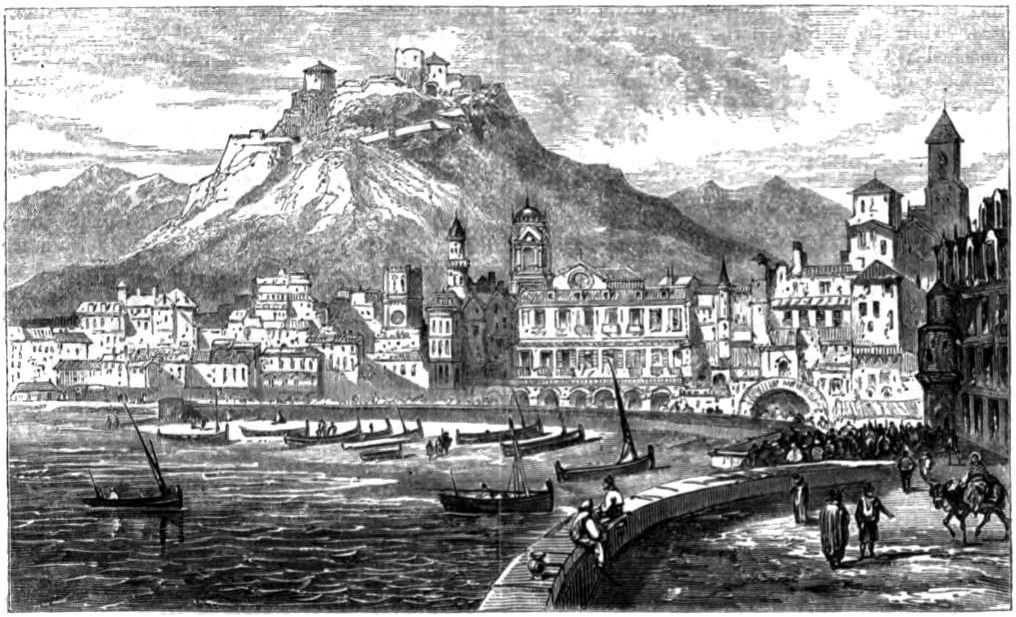
Amalfi town sits almost exactly in the centre of the coast, which is not a coincidence in terms of why it works so well as a base. It is where the two main SITA bus lines intersect, and it is the principal ferry hub from which boats radiate east to Salerno and west to Positano and Sorrento. If you want to move freely around the coast without a car, staying in Amalfi town is the most efficient option.
The vibe. Amalfi is smaller than Positano but feels more like a real town — locals do their shopping here, the cathedral square fills with life at any hour, and the market streets behind the seafront are dense with cafés, limoncello shops, and restaurants at every price point. It is not as achingly photogenic as Positano, but it is beautiful in its own right, and it gets busy with day-trippers between about 11am and 4pm. Staying here means you see it early and late, when the day-tripper coaches have gone.
Ferry connectivity. Better than anywhere else on the coast. Ferries from Amalfi run to Positano, Sorrento, Salerno, Maiori, Minori, Cetara, and — in high season — direct to Capri. Bus services run both west (toward Positano and Sorrento) and east (toward Ravello, Minori, Maiori, and Salerno). There is a parking situation in Amalfi, but if you’re car-free it does not affect you.
Who it suits. First-time visitors who want to be on the coast but move freely. Couples who want a balance of beauty and logistics. Anyone doing a 4–7 night stay who wants to cover the full length of the coast and be within ferry range of Capri.
Who should think twice. Travellers who need easy access to Naples and Pompeii, and prefer not to travel via Sorrento (every train connection goes through Sorrento first). Families who want a flatter, easier base — Amalfi town is not as steep as Positano, but it is far from flat.
Price feel. Slightly cheaper than Positano. Expect around €150–220 per night for a decent mid-range double in peak season, with budget guesthouses available from €90–120 if you book early. Luxury hotels sit above €350.
Pros: Central location; best ferry connections on the coast; beautiful; lively in the evenings.
Cons: Gets crowded midday; no direct train to Naples; slightly more expensive than Sorrento.
Ravello: Quiet, Elevated, and Not for Everyone
Ravello is not on the water. It sits roughly 350 metres above sea level on a ridge above Amalfi, connected by a single road that winds up through the terraced lemon groves. The reward for getting up here is one of the most dramatic views on the entire Sorrentine peninsula — the Infinity Terrace at Villa Cimbrone is the kind of thing that makes people stop mid-sentence — and a village atmosphere that feels almost entirely removed from the summer circus below.
The vibe. This is where writers and composers came to think, and where honeymooners come when Positano feels too busy. Villa Rufolo and Villa Cimbrone draw visitors, but by 5pm the day-trippers are gone and the piazza is almost entirely yours. There are good restaurants, a wine culture, and a music festival in summer. It is quiet in a way that very few places on the Amalfi Coast manage to be.
Getting around. Here is the trade-off: there are no ferries from Ravello. To reach the ferry or to get to the coast towns by boat, you take a bus or taxi down to Amalfi and pick up connections there. That adds 20–30 minutes each way to any excursion. If you are planning to hop around the coast daily, Ravello will wear on you. If you want a slow base with beautiful walking and occasional day-trips, it works.
Who it suits. Couples who want privacy and views over buzz and connectivity. Slow travellers with four or more nights who don’t need to move constantly. Anyone visiting for the gardens and the music festival (the Ravello Festival runs through summer).
Who should think twice. Anyone who wants to take ferries spontaneously. Families with young children. Travellers doing a whistle-stop coast tour.
Price feel. Variable. The top properties (Caruso, Villa Cimbrone) are as expensive as anything in Positano. But there are mid-range B&Bs and guesthouses that offer extraordinary value relative to the views — often cheaper than comparable properties in Amalfi town for a genuinely different experience. Expect €120–200 for solid mid-range in peak season.
Pros: Exceptional views; quiet; very romantic; less crowded than the coastal towns.
Cons: No ferry access; bus-dependent; adds travel time to all coast excursions.
Praiano: The Underrated Middle Ground
Praiano sits between Positano and Amalfi on the SS163, about 15 minutes by bus from Positano. It doesn’t appear on most people’s shortlist, which is precisely why it deserves to be on yours if your budget matters and you want to stay on the actual coast.
The vibe. Praiano feels like what Positano might have been 30 years ago — small, genuinely unhurried, with local restaurants that aren’t primarily priced for tourists, and accommodation that delivers similar views for noticeably lower prices. There are two small beaches (Marina di Praia and the Gavitella), both reachable via staircases. The town is split across the hillside, which means some walking, but nothing like the vertical assault of Positano.
Getting around. SITA buses stop in Praiano on the Amalfi–Sorrento route, and there is a small ferry dock at Marina di Praia with seasonal connections to Positano and Amalfi. Ferry frequency is lower here than in the main hubs — check schedules in advance if you’re planning to rely on them. Bus connections are reliable and run regularly in season.
Who it suits. Independent travellers and couples who want authentic coast life, lower prices, and the flexibility to day-trip to Positano and Amalfi by bus or the occasional ferry. Anyone who has been to Positano before and wants something more local.
Who should think twice. Travellers who want the certainty of frequent ferry connections. Those who want a wide choice of restaurants and hotels (Praiano is genuinely small).
Price feel. Noticeably cheaper than Positano and Amalfi town. Expect €80–150 for a mid-range double in peak season — sometimes less. Value for money here is among the best on the coast.
Pros: Great value; quieter and more local; beautiful views; on the coast.
Cons: Limited ferry frequency; small village — not for those wanting town energy.
Sorrento: The Practical Base That Doesn’t Pretend to Be Amalfi
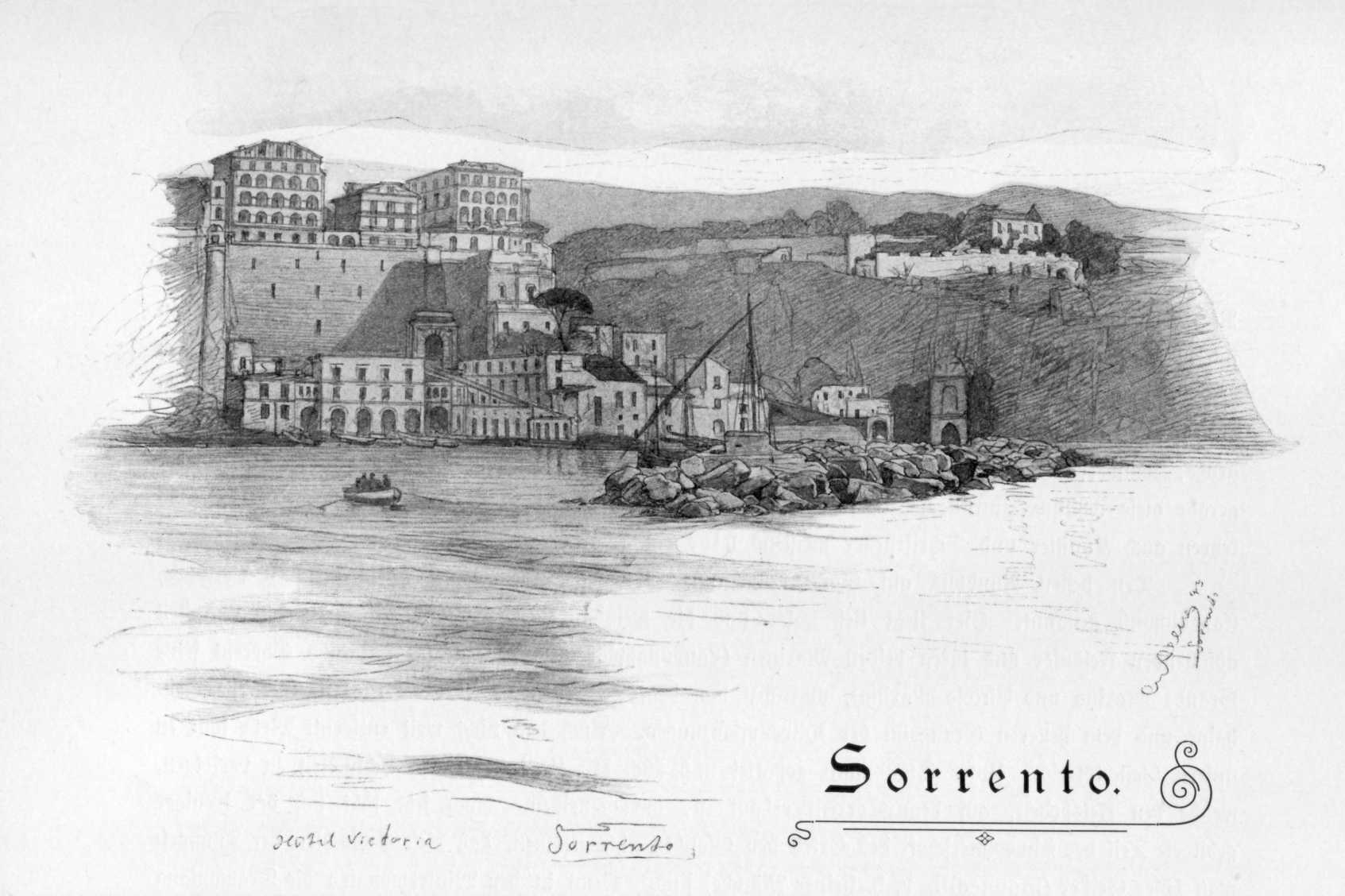
Let me be direct: Sorrento is not technically on the Amalfi Coast. It sits on the northern side of the Sorrentine peninsula, overlooking the Bay of Naples, not the Tyrrhenian sea. Geographically it is separated from the coast by the ridge of the peninsula. But for the purposes of planning a trip, it functions as the de facto gateway and the most connected base in the entire region — and for many travellers, it is the best choice.
The practical case. Sorrento has a train station on the Circumvesuviana line, which means direct trains to Pompeii, Herculaneum, and Naples — all of which are extremely tedious to reach from anywhere actually on the Amalfi Coast. It has a large marina (Marina Piccola) with regular ferries to Positano, Amalfi, and Capri throughout the season. The SITA bus to Positano and Amalfi starts from Sorrento. And it has far more hotels at more price points than any single Amalfi Coast town, including decent three-star options that are difficult to find in Positano.
The lifestyle. Sorrento is a proper resort town, and a likeable one. The clifftop historic centre has a good piazza (Piazza Tasso), excellent restaurants across all budgets, and a lemon grove culture — limoncello, granita, lemon pastries — that is every bit as authentic as anything you’ll find further along the coast. The beach situation is different: Sorrento’s coastline is rocky, and beach clubs are set on concrete piers and platforms rather than sandy beaches. It’s not a swimming base in the Positano sense.
Who it suits. First-time visitors to the region. Families who need logistical ease. Anyone pairing the Amalfi Coast with Pompeii or Naples. Budget-to-mid-range travellers who want good value. Anyone arriving at Naples airport and not wanting to deal with complex transfers on day one.
Who should think twice. Travellers who specifically want to wake up on the coast — in a town that feels distinctly Amalfi. Sorrento is beautiful, but it’s a different character. If the screensaver-cliff-town experience is what you’re after, you’ll need to day-trip to it, not sleep in it.
Price feel. Typically 30–40% cheaper than Positano for equivalent quality. A solid four-star in Sorrento in July might run €200–350 per night; in Positano the same standard would start at €350 and climb steeply. Budget options exist from around €80–120.
The full picture on what to do in Sorrento itself is in the Sorrento travel guide.
Pros: Train to Naples/Pompeii; large ferry port; widest hotel range; most affordable; easiest to reach from Naples airport.
Cons: Not on the Amalfi Coast; no sandy beach; can feel like a standard resort town.
Salerno: The Budget Gateway You’re Underestimating
Salerno gets dismissed quickly in most guides, and I understand why — it is a real city, not a picturesque cliff town, and it has no interest in performing for tourists. That is also exactly why it deserves a proper look.
The practical case. Salerno has a main-line train station with connections to Naples, Rome, and points south. Ferries from the port run north along the coast to Amalfi, Positano, and Maiori. In summer the ferry service is reliable and the journey time to Amalfi is about 75 minutes. SITA buses also run from Salerno into the coast. If you’re traveling through southern Italy and the Amalfi Coast is one stop on a larger itinerary, Salerno is a genuinely sensible base.
The vibe. The lungomare (seafront promenade) is genuinely pleasant — long, tree-lined, busy with local families in the evenings. There are good restaurants, a walkable historic centre, and a real Campanian city energy that you won’t find anywhere on the tourist-facing coast. It’s not a holiday destination in the usual sense, but it’s worth two nights of anyone’s time as a base for the eastern end of the coast (Cetara’s anchovies, Vietri sul Mare’s ceramics, Paestum’s Greek temples all make easy day-trips from here).
Who it suits. Budget travellers. Anyone doing a southern Italy loop by train. Those who want to visit Paestum alongside the coast. Travellers arriving from or continuing to Calabria or Sicily.
Who should think twice. Anyone who wants to be immersed in the coast’s atmosphere. Salerno is a 75-minute ferry from the middle of the action — it’s a practical base, not an atmospheric one.
Price feel. The cheapest of all bases by some distance. Expect €60–100 per night for comfortable mid-range accommodation even in peak season. Hotels are genuinely good value here.
Pros: Cheapest base; train connections south; ferry access to the coast; Paestum day-trip.
Cons: Not on the coast; no iconic views; least atmospheric of all options.
The Sorrento vs Positano Question, Answered Directly
This debate generates a lot of hedged, both-sides-have-merits content. I’ll settle it.
Sorrento wins if: this is your first time, you have three nights or fewer, you’re pairing the coast with Pompeii or Naples, you’re travelling with family, or your accommodation budget is under €200 per night. The logistical ease of Sorrento — the train, the ferry port, the flat(ish) streets, the variety of hotels — means you spend your energy on the trip, not on organising the trip.
Positano wins if: you’ve been to the region before (or you’re not interested in anything outside the coast), you have four or more nights, your budget comfortably covers €250+ per night, and the whole point is to stay inside the most beautiful part of the experience. Waking up in Positano and watching the light hit those cliffs before the town wakes up is something Sorrento cannot replicate. You’re paying for that.
The thing most guides don’t say clearly: if you stay in Sorrento and day-trip to Positano, you will not feel you’ve missed out on Positano’s beauty. You will see it on a clear day, from a ferry, from the hillside path, at sunset. What you miss is the overnight immersion. Whether that’s worth the price difference is a personal call, not an objective one.
What you genuinely cannot get from Sorrento that you can get from Positano: falling asleep to the sound of the Tyrrhenian Sea with those coloured houses outside your window. If that’s what you came for, pay for it.
How to Choose: By Budget, Trip Type, and First vs Return Visit
Budget under €100/night: Salerno or Praiano. Salerno gives you city comfort and train access; Praiano gives you genuine coast life. Both will surprise you.
Budget €100–180/night: Sorrento is your best option — widest range of quality hotels at this price point, best transport links, comfortable for families.
Budget €150–250/night: Amalfi town opens up, and some of the better Sorrento hotels. Praiano has excellent options at the lower end of this range. This is where you start to get real choice.
Budget €250+/night: Positano becomes possible and worthwhile. Ravello’s better properties are also accessible. Amalfi town has some excellent hotels in this range too.
First-timers: Start in Sorrento or Amalfi town. You want to move around and see the whole coast — ferry to Positano one day, ferry to Ravello another, maybe a day on Capri. Sorrento’s train access to Pompeii turns a day-trip into something achievable rather than heroic.
Couples on a romantic trip: Positano for one to two nights if budget allows, or Ravello for something more private and less Instagram-crowded.
Families: Sorrento, without hesitation. Flatter streets, bigger hotel rooms, train access, and proximity to Pompeii (which children often enjoy more than the coast itself).
Return visitors: Praiano, Ravello, or — if you want to go very local — one of the smaller eastern towns like Cetara or Minori, which are flatter, cheaper, and rarely covered in guides like this one.
Anyone doing Italy beyond the coast: Sorrento for its train connections, or Salerno if you’re continuing south.
For broader Italy trip planning across the country, the where to stay in Italy guide covers every region. And for those weaving the coast into a longer Italian trip, the Italy travel guide is the logical starting point.
Planning your overall route to and from the coast? The Rome to Amalfi Coast guide covers transfers, train options, and ferry routes from the capital. And if this is a honeymoon, see the Italy honeymoon itinerary for a two-week romantic route that takes the Amalfi Coast seriously.
Final Thoughts
The Amalfi Coast is the kind of place that rewards being decisive about where you stay. Spreading yourself across three towns in as many nights sounds like maximising the experience — it usually means maximising the time you spend on a bus with your luggage.
My honest advice: pick one base, stay three or four nights, and move around by ferry each day. If this is your first time, make that base Sorrento or Amalfi town. If you’ve saved for a big occasion, make it Positano. If you want something quieter and more local than any of those, make it Praiano.
The coast will meet you wherever you put your bags down. You just need to decide where that is.
For everything else — what to do there, where to eat, which beaches on the Amalfi Coast are worth the effort, and how to build a day-by-day plan — the full Amalfi Coast and Campania guide is the place to start.
Questions travellers ask
Is Sorrento a good base for the Amalfi Coast?
Yes — for most travellers, Sorrento is the best base in the region. It has a Circumvesuviana train station (direct to Pompeii and Naples), a large ferry port to Positano, Amalfi, and Capri, and the widest range of accommodation at the most reasonable prices. The trade-off is that it isn’t technically on the Amalfi Coast, but for a first-timer covering the whole region in three to five nights, no other base offers the same combination of access and ease.
Is Positano worth the extra cost?
It depends what you’re after. If you want to be immersed in the most iconic cliff-town scenery on the coast — waking up inside the view rather than day-tripping to it — Positano is worth every extra euro. If you’re covering a lot of ground (Pompeii, Capri, multiple coast towns), staying in Positano and day-tripping out will absorb a lot of time in transit, and Sorrento or Amalfi town will serve you better.
Where is the best place to stay on the Amalfi Coast for first-timers?
Sorrento for those with three nights or fewer, or Amalfi town for those with four or more nights who want to be on the coast itself. Sorrento’s train access and ferry port make it the least stressful arrival option, especially if you’re flying into Naples. Amalfi town’s central position on the coast gives the best ferry range once you’re settled.
How far in advance should I book accommodation on the Amalfi Coast?
For peak season (late June through August), book at least five to six months in advance for Positano and Ravello. The best rooms — anything with a view — go very early. Amalfi town and Sorrento have more inventory and three to four months’ notice is usually sufficient for mid-range options. Salerno and Praiano can often be booked with less lead time.
Can you stay on the Amalfi Coast without a car?
Completely. The SITA bus network and seasonal ferry services connect every significant town on the coast. Sorrento and Amalfi town are the easiest car-free bases. Ravello is bus-only (no ferry). Praiano has limited but usable ferry connections. The full breakdown of every route, timetable, and what to expect at each dock is in the Amalfi Coast without a car guide.
Is Salerno worth staying in for the Amalfi Coast?
Worth considering if you’re budget-conscious, travelling by train through southern Italy, or want to visit Paestum (the Greek temples about 40 minutes south). The ferry to Amalfi town runs in around 75 minutes in high season. Salerno isn’t atmospheric in the way the coast towns are, but it’s a real Campanian city with a good lungomare and far better value than anywhere on the coast itself.
What is the best time to visit the Amalfi Coast?
May, early June, and September hit the sweet spot: the sea is warm, ferries are running, everything is open, and the worst of the summer crowds haven’t arrived or have left. July and August are peak season — extraordinary atmosphere but expensive, crowded, and hot. April can be beautiful but some ferry services run on reduced schedules. October is quiet and often still warm enough to swim. The best time to visit Italy guide covers seasonal trade-offs across the country.
What’s Ravello like as a base vs Positano?
They attract different travellers. Positano is coastal, steep, busy, and glamorous. Ravello is hilltop, quiet, garden-focused, and aristocratic. Ravello has no ferry port — you take a bus to Amalfi to reach the coast. But Ravello’s views from above the valley, especially from Villa Cimbrone’s terrace, are in a different register entirely. If you’ve done Positano and want something slower and more private, Ravello is the natural next step.