7 Days in Italy: A Realistic First-Time Route

The Honest Answer to One Week in Italy
A 7 day Italy itinerary is the most common trip length for first-time visitors, and also the most commonly over-planned. Most itineraries on page one of Google will tell you to do Rome, Florence, and Venice in seven days. I am here to tell you that is technically possible and genuinely exhausting. Three cities means three check-outs, three check-ins, and three orientation days — and that eats roughly a full day of your week before you have seen a single fresco.
My recommendation: two bases, not three. Either Rome and Florence (the best all-round option for first-timers) or Rome and Venice (if canals and islands call louder than Renaissance art). If you only have eyes for one city, a Rome-deep-dive is a perfectly sane plan. Below you will find a day-by-day itinerary for the main route, plus three alternatives, so you can pick the week that fits the trip you actually want to take.
This guide is for first-time visitors to Italy with seven days on the ground. For the longer debate about how many days Italy really deserves, I will send you to how long to spend in Italy rather than relitigate it here. If you are thinking about ten days, the 10-day Italy itinerary opens up a lot more options.
Which Version of One Week in Italy Is Right for You?
| Route | Nights | Pace | Best for |
|---|---|---|---|
| Rome + Florence (recommended) | 4 Rome / 3 Florence | Relaxed-moderate | First-timers who want depth over breadth |
| Rome + Venice | 4 Rome / 3 Venice | Relaxed-moderate | History lovers who want canals more than art museums |
| Three-city classic (Rome + Florence + Venice) | 3 / 2 / 2 | Fast | Committed list-checkers who accept the trade-off |
| Rome deep-dive | 7 Rome | Very relaxed | Repeat visitors to other European cities who want one city done right |
Pick your route, then read the day-by-day below. The main itinerary uses Rome + Florence (four nights in Rome, three in Florence) because it produces the least transit stress and the fullest days. If Florence is your second base, our three-day Florence itinerary goes deeper on how to spend them.
The 7 Day Italy Itinerary: Rome + Florence, Day by Day
Day 1 — Arrive in Rome, Orient Yourself
Land at Rome Fiumicino (FCO) and get to your hotel without drama. The Leonardo Express train from the airport to Roma Termini runs every 30 minutes, costs around €14, and takes 32 minutes. A fixed-fare taxi is around €50–55. Skip both if you are staying near Termini and have only carry-on luggage — the regional FM1 line is fine and costs €8.
Check in, drop bags, and resist the temptation to immediately sprint to the Colosseum. Day 1 belongs to the neighbourhood. Walk to the Trevi Fountain at dusk when the light is good and the crowds thin slightly, toss your coin, and keep going to Piazza Navona for an aperitivo. Order a Negroni or a Campari soda — both are correct. Eat dinner in Trastevere if your hotel is anywhere near the centre. That neighbourhood’s cobblestone alleys and open-front trattorias will tell you more about Rome in two hours than any museum.
Tonight: Rome. Sleep well. Tomorrow is a full day.
Day 2 — Ancient Rome: Colosseum, Forum, Palatine Hill
This is the big history day. Book your Colosseum ticket in advance — skip-the-line entry is around €18 as of 2026 and covers the Colosseum, Roman Forum, and Palatine Hill. The ticket is timed, so choose an early slot (8:00–9:30 AM) to beat the tour-group crush.
The Colosseum takes about 90 minutes if you read the panels. The Roman Forum is where most people rush through and most people should slow down — the Temple of Saturn, the Arch of Septimius Severus, and the House of the Vestal Virgins are more moving when you let them breathe. Walk up to Palatine Hill afterward for a view over the whole site. This trio will fill your morning.
Afternoon: walk the short distance to the Vittoriano (the big white marble monument — free, great rooftop view) and then south to the Circus Maximus if your legs still work. Dinner in Testaccio, Rome’s food neighbourhood, where the carbonara and cacio e pepe are as serious as anywhere in the city.
Tonight: Rome.
Day 3 — Vatican City + Trastevere
An entire morning at the Vatican. Pre-book Vatican Museums tickets (around €20 plus a booking fee) — the queue without a reservation can take 90 minutes just to enter. Allow at least three hours inside: the Gallery of Maps, the Raphael Rooms, and the Sistine Chapel are not things to rush. St. Peter’s Basilica is free, but entry requires covered shoulders and knees. The dome climb (around €8 on foot, €10 by elevator to the landing then steps) is worth it for the view across the city.
One note on timing: the Vatican Museums are closed Sundays except the last Sunday of the month, when entry is free but guided-tour-only and still busy. Plan around this.
Afternoon: cross the Tiber and spend a slow few hours in Trastevere. This is not a checklist afternoon — it is a wander. Pop into Santa Maria in Trastevere (one of Rome’s oldest churches, no ticket required), find a café, read something.
Tonight: Rome.
Day 4 — Pantheon + Piazzas, Then an Easy Day Before Florence
Your last full day in Rome should be lighter than the previous two — partly because you have covered the big sites, partly because tomorrow is a travel day and you will not want to start it exhausted.
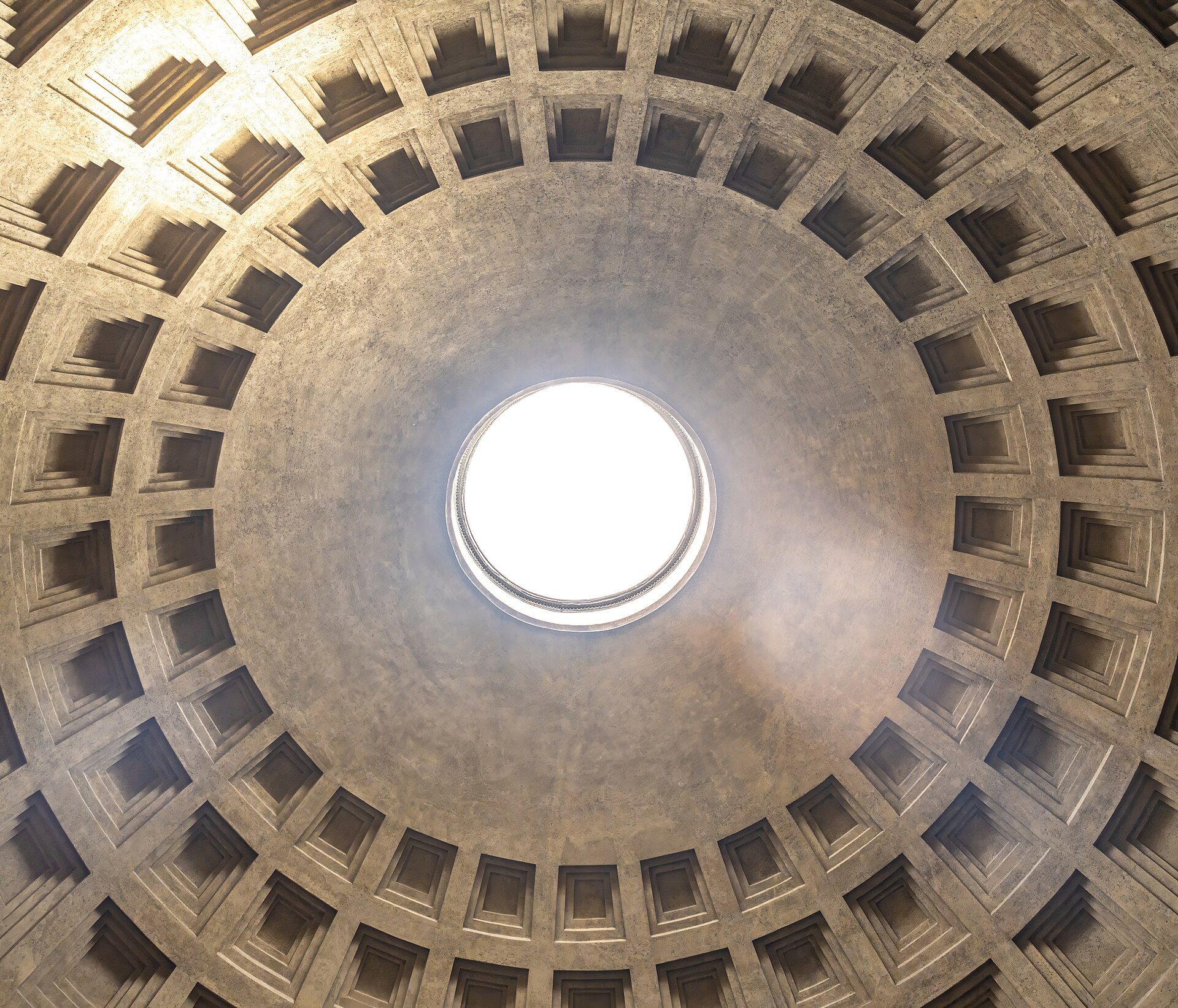
Morning: The Pantheon (around €5 entry, book online) is best before 10 AM when it is genuinely quiet. The oculus at the top of the dome is one of those things that stops conversation. From there, walk to Campo de’ Fiori for the morning market, then east to the Largo di Torre Argentina — the actual spot where Julius Caesar was assassinated in 44 BC. Entry is around €7–8. Not everyone goes; most people should.
Afternoon: wander the Spanish Steps, browse the shops along Via del Corso if that is your thing, or simply sit in a piazza with coffee and people-watch. This is Rome doing what Rome does best.
Pack your bags tonight. Tomorrow you take the train to Florence.
Tonight: Rome (last night).
Day 5 — Rome to Florence, Arrive and Explore
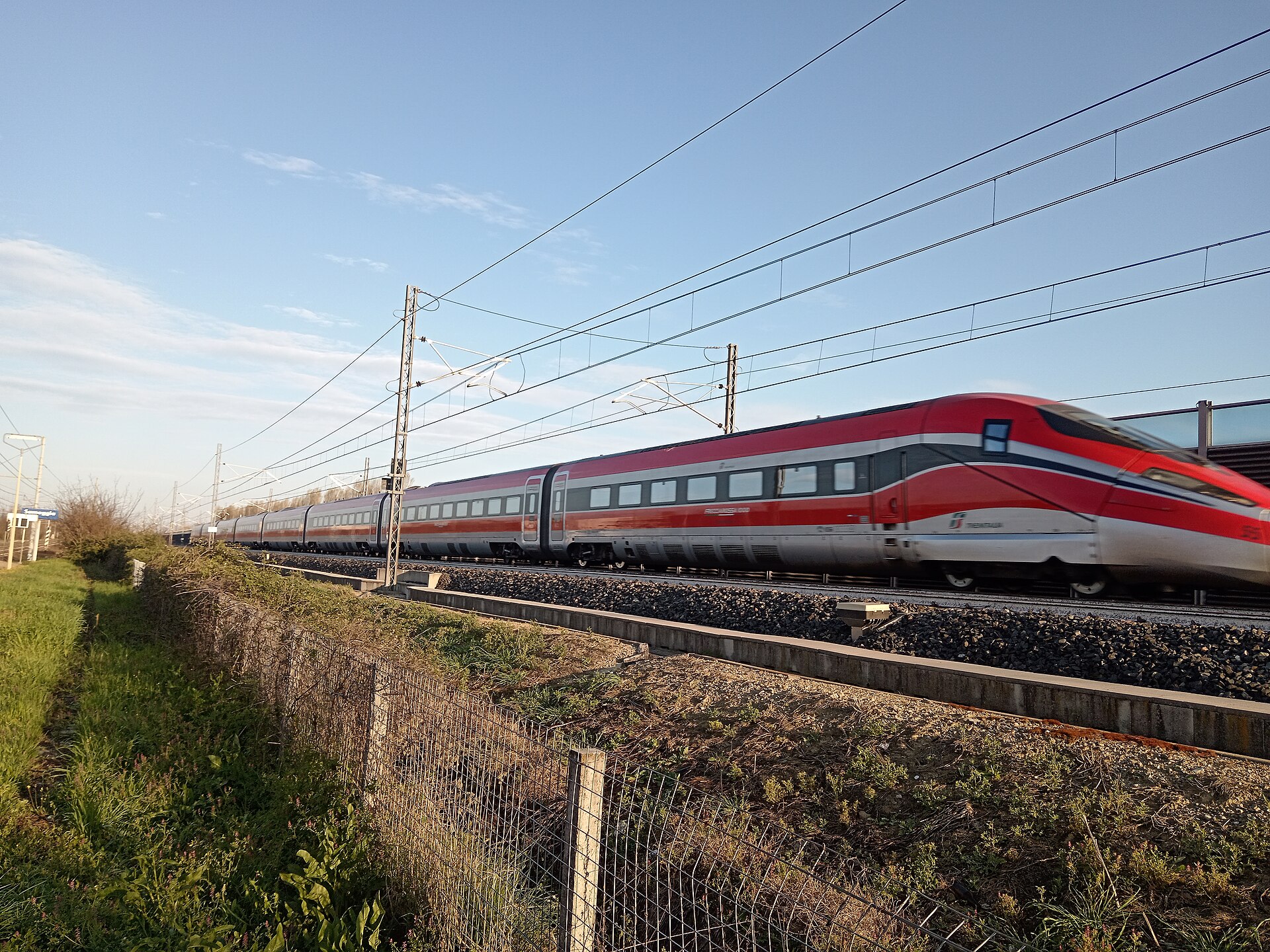
The high-speed Frecciarossa from Roma Termini to Firenze Santa Maria Novella takes around 1 hour 35 minutes. Book in advance — early-bird fares start around €20–25 each way, but fares climb as the departure approaches. Take the 8:00 or 9:00 AM departure and you will be in Florence by mid-morning with most of the day ahead of you.
Check in, then head directly to the Piazzale Michelangelo for your first view of the city from above. It is an uphill walk (about 20 minutes from the Ponte Vecchio) but the panorama — the Duomo’s terracotta dome, the Arno, the hills beyond — frames everything you are about to spend three days exploring. The walk there through the Oltrarno neighbourhood is also one of Florence’s most pleasant.
Afternoon: cross back over the river and walk to the Duomo — the Cathedral of Santa Maria del Fiore. The exterior alone is worth the trip. If you have not pre-booked the Brunelleschi Dome climb (around €30 for the full Duomo pass including the dome, campanile, baptistery, and museum), do it now for tomorrow. End the afternoon at Piazza della Signoria and the Loggia dei Lanzi, an open-air sculpture gallery that is, improbably, free.
Dinner in Oltrarno. The neighbourhood across the Arno from the tourist core has the best restaurant-to-price ratio in the city.
Tonight: Florence (first night).
Day 6 — Florence: Uffizi, Ponte Vecchio, Accademia
This is the art day. Start at the Uffizi Gallery when it opens (pre-book; around €25 plus a booking fee). Allow two to three hours minimum. Botticelli’s Birth of Venus and Primavera are in the same room; stand there as long as you like. The Uffizi also holds Da Vinci, Raphael, Caravaggio, Titian — it is one of the world’s great museums and deserves more than a speed-run.
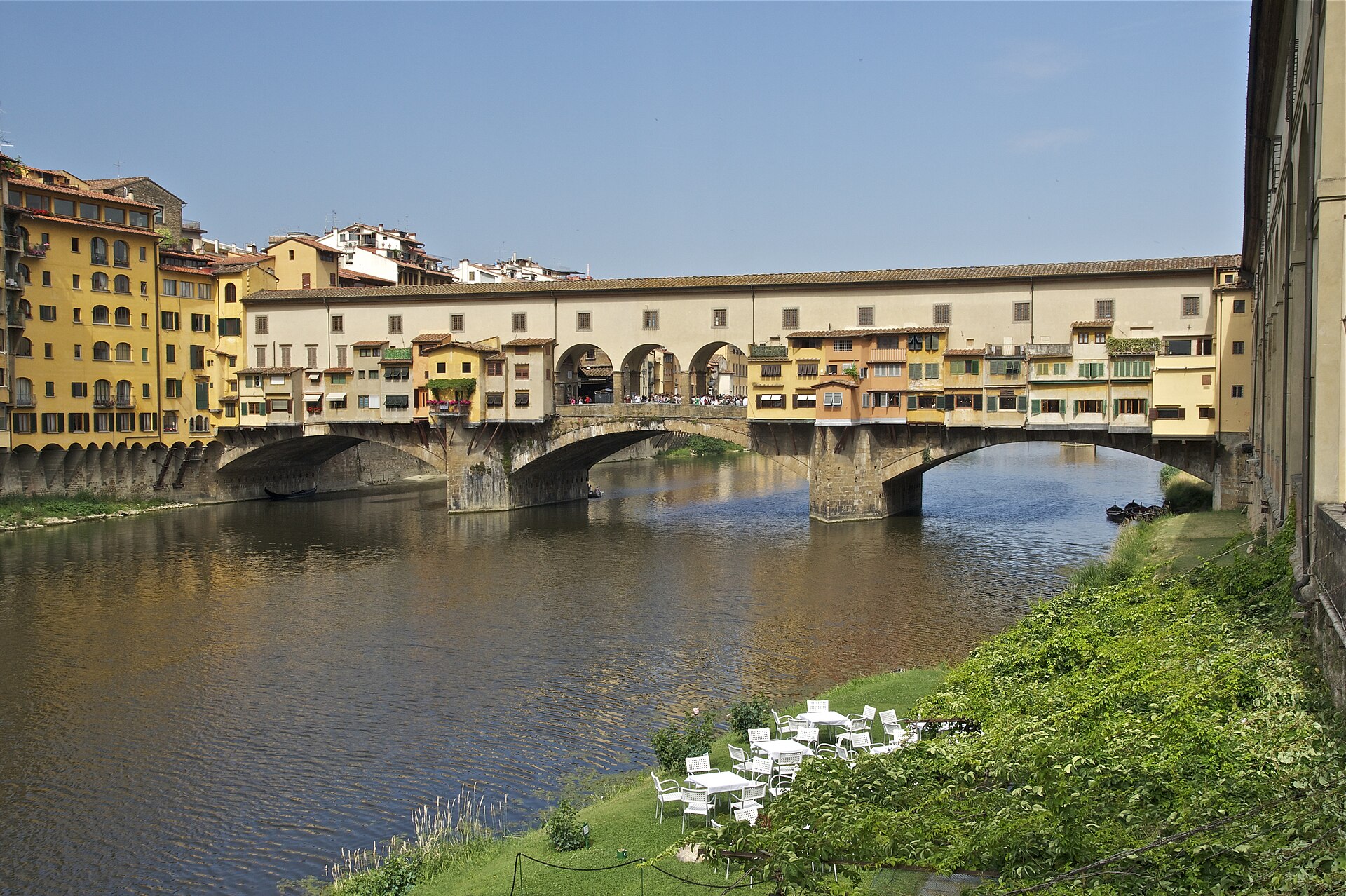
Late morning: walk across the Ponte Vecchio. The shops selling gold jewellery on the bridge have been there since the Medici era — the family literally built a private corridor above the bridge (the Vasari Corridor) so they could cross the Arno without mixing with the goldsmiths below. The bridge is crowded at midday; cross it anyway, then come back at 7 AM tomorrow when it is empty.
Afternoon: the Accademia Gallery (around €12–16, book ahead) exists, essentially, for one thing: Michelangelo’s David. Whether that justifies the entry price is a question only you can answer. I think yes. The scale of the sculpture — 5.17 metres of marble — does not register in photographs. In person, it is arresting.
Tonight: Florence.
Day 7 — Florence: Duomo Climb + Slow Morning
Your last full day in Italy. This one should not be rushed.
Early morning: climb the Brunelleschi Dome with your pre-booked ticket. The 463-step ascent is narrow and claustrophobic in sections, but the view from the lantern — over Florence’s red rooftops, the surrounding hills, and Giotto’s campanile directly alongside — is the best in the city. Go before 9 AM. After 11 AM, the queue is unforgiving.
Mid-morning: descend and walk to the San Lorenzo Market (the indoor food market Mercato Centrale is upstairs from the street stalls and has exceptional food — breakfast here or an early lunch). Then spend the rest of the morning genuinely wandering: cross the Ponte Vecchio again, sit by the Arno, find a bookshop.
Afternoon: if you fly home tomorrow, pack and rest. If today is your last day before a late flight or early departure, spend the afternoon in the Boboli Gardens (around €10, book online) behind the Palazzo Pitti — a terraced Renaissance garden with city views that most tourists skip in favour of another museum.
Tonight: Florence (last night, or travel home).
Alternative Routes for One Week in Italy
Not everyone’s first week in Italy looks the same. Here are three structured alternatives.
Alternative 1: Rome + Venice (4 Nights Rome, 3 Nights Venice)
Follow Days 1–4 from the main itinerary exactly. On Day 5, take the Frecciarossa from Roma Termini to Venezia Santa Lucia (around 3 hours 45 minutes direct, or 3 hours 10 minutes with one change in Padova; fares from around €30–50 booked early).
Day 5 in Venice: Arrive mid-afternoon. Take vaporetto Line 1 or 2 down the Grand Canal from the station to your hotel — this is free if you buy a multi-day transport pass (around €25–35 for 48–72 hours). Walk to Rialto Bridge before dinner and eat in Cannaregio, the neighbourhood behind the train station that still has local restaurants charging local prices.
Day 6: Start early at St. Mark’s Basilica (pre-book the €3–5 timed entry to skip the 45-minute queue). Then the Doge’s Palace (around €25–30) — the Bridge of Sighs is inside, not best photographed from the waterfront. Afternoon: get thoroughly lost in the back alleys of Castello and Dorsoduro. Venice rewards aimless walking more than any city in Italy.
Day 7: Half-day trip to Burano (the island with the candy-coloured houses) — around 50 minutes by vaporetto Line 12 from Fondamente Nove. Return by early afternoon and spend the last hours at the Accademia Bridge watching the Grand Canal in the late light. A gondola ride costs around €80 per gondola (up to six people) during the day, €100 after 7 PM — the price is fixed by the gondoliers’ association.
Best for: people who find the idea of canals more compelling than art museums, anyone who has already done Florence on a previous European trip, and travellers who want one of the world’s most singular urban environments without the all-day museum pace.
Alternative 2: The Three-City Classic (Rome 3, Florence 2, Venice 2)
This is the itinerary most other websites recommend. I will lay it out honestly.
- Days 1–3: Rome (follow Days 1–3 from the main itinerary; cut Day 4 — you do not have time)
- Day 4 morning: Train Rome to Florence (Frecciarossa, around 1 hr 35 min). Afternoon in Florence: Piazzale Michelangelo, Ponte Vecchio, Piazza della Signoria.
- Day 5: Full Florence day — Uffizi in the morning, Duomo district in the afternoon. Skip the Accademia; one major museum per day is enough.
- Day 6 morning: Train Florence to Venice (Frecciarossa, around 2 hrs 15 min). Afternoon: Grand Canal vaporetto, St. Mark’s Basilica if you pre-booked.
- Day 7: Doge’s Palace, Rialto, Dorsoduro wander. Depart from Venice Marco Polo airport (VCE), reached by water bus (around €15, 75 min) or land bus from Piazzale Roma (around €8, 25 min).
The honest trade-off: two nights in Florence means you choose between the Uffizi and the Duomo climb — you will not do both well. Two nights in Venice means you will leave wishing you had stayed three. Rome in three nights is workable but leaves the Vatican rushed. This route is a genuine introduction to all three cities; it is not a thorough visit to any of them. If that is the kind of trip you want — a first pass, a taste — it is a perfectly valid choice. Just go in knowing the pace.
For more on organising this by train, see the Italy itinerary by train guide.
Alternative 3: Rome Deep-Dive (7 Nights, One Base)
If you have been to other major European cities and you want to actually know a place rather than see its highlights, seven nights in Rome is not a waste. It is a revelation.
Follow Days 1–4 from the main itinerary, then:
- Day 5: The Borghese Gallery (pre-book; entry every two hours, only 360 people at a time, around €15). Bernini’s Apollo and Daphne and The Rape of Persephone are the two most purely astonishing sculptures I have seen anywhere. Afternoon in Villa Borghese park.
- Day 6: Day trip to Tivoli (45 minutes by regional train from Roma Tiburtina, around €3–5 each way). Hadrian’s Villa (UNESCO, around €10) and the Villa d’Este with its 500 fountains (around €10) can be done in the same day.
- Day 7: Slow final morning in Trastevere or Pigneto (a less-toured neighbourhood with excellent bars and street art). Afternoon: revisit anything you loved.
Best for: travellers who dislike transit days, anyone who finds moving every two or three days exhausting, and first-timers who suspect they will return to Italy and want a real foundation in one city.
For the full case about trip length and city choices, the first time in Italy itinerary guide covers the decision framework in detail.
What to Skip on a One Week Trip
Every Italy first-timer’s list is too long. Here is what to leave for next time.
The Amalfi Coast. It is spectacular. It also requires a minimum of two nights (ideally three) to not spend your entire visit on a winding bus. Bolt it onto a seven-day trip and you will spend more time in transit than on the coast. See the Italy itineraries hub for options that include it properly.
Milan. Unless you are flying in or out of Malpensa and have a built-in stopover, Milan adds a city with very different energy and at least one travel day each way. Save it for a northern Italy trip. A two-week Italy itinerary is where it earns its place.
Cinque Terre on a single-day excursion. The five villages are beautiful and genuinely worth visiting — but not as a day trip from Florence or Rome. The journey each way eats too much of the day, and the villages themselves are often at peak tourist density during the exact hours you would be there. If Cinque Terre is on your list, restructure the whole trip around it.
Pisa as a standalone destination. The Leaning Tower is exactly as impressive as you expect it to be, and exactly as surrounded by tourists as you fear. As a two-hour stop on the way between Florence and the coast, fine. As the reason to spend a night? Not for a first trip.
Pompeii on a day trip from Rome. Possible. Takes the entire day (Naples is 1 hour 10 minutes by Frecciarossa; the ruins then need 3–4 hours). A better fit for a ten-day trip when you have a Naples night or two.
For a broader look at planning errors, see the mistakes first-timers make in Italy — that guide covers the booking, packing, and scheduling mistakes that derail first trips.
Practical Notes Before You Go
Book trains early. The Frecciarossa high-speed network is run by Trenitalia and Italo. Both sell far in advance, and early-bird fares are significantly cheaper than fares bought the week before. The Rome–Florence route in particular sells out on popular dates. Check italytourism.org’s transportation guide for the comparison between both operators.
Book museum tickets early. The Vatican Museums, the Uffizi, the Accademia, the Colosseum, and the Borghese Gallery all have timed entry and can sell out weeks ahead in spring and summer. Booking fees are €2–5 on top of the entry price and are worth every cent.
Do not over-schedule mornings. Jet lag is real, the first few days will be slower than you expect, and the most common first-trip regret is not “I did too little” — it is “I was so tired I barely enjoyed it.” Build in at least one slow morning per city.
Carry a physical card and cash. Italy is improving on card acceptance, but small trattorias, market stalls, and some churches are still cash-only as of 2026. €100–150 in cash for the week is usually sufficient.
Stay as central as possible. In Rome, the Centro Storico, Trastevere, or Monti neighbourhoods put you within walking distance of most of the main sites. In Florence, anything within 15 minutes’ walk of the Duomo works well. In Venice, San Marco and Dorsoduro are both solid choices — Cannaregio has better restaurant prices. The full guide to visiting Italy has accommodation neighbourhood breakdowns for each city.
Final Thoughts
Italy has a way of making you feel like you have not done enough — there is always another neighbourhood, another fresco, another city. That feeling is not a failure of planning. It is just Italy being Italy.
The best 7 day Italy itinerary is not the one that visits the most places. It is the one that leaves you with enough room to get genuinely hungry for a second trip. Two bases, real days in each city, trains booked in advance, museums timed to avoid the midday crush. That is the week that works.
If you come back — and you will want to come back — look at the 10-day Italy itinerary or the 2-week Italy itinerary for where the Amalfi Coast, Bologna, Puglia, and the rest of the country fit in. For now, Rome and Florence (or Rome and Venice) are more than enough. They are, in fact, extraordinary.
Safe travels. Book your Colosseum tickets tonight.
Questions travellers ask
Is 7 days enough to see Italy?
Seven days is enough to see Italy properly if you define “properly” as two or three cities at a real pace — not a highlight reel sprint. It is not enough to see all of Italy, which is an impossible ask regardless of how many days you have. The key is making peace with that before you book. For the full framework on trip length, see how many days in Italy.
Should I start in Rome or in Venice?
Start in Rome in almost all cases. Flights into Rome Fiumicino are more frequent and often cheaper than into Venice Marco Polo. Rome is also a good city to absorb jet lag in — the first day’s evening walk to the Trevi Fountain or through Trastevere is low-pressure and high-reward. If you end in Venice, you also finish the trip on a high.
How long is the train from Rome to Florence?
The Frecciarossa high-speed train takes around 1 hour 35 minutes from Roma Termini to Firenze Santa Maria Novella. Regional trains take around 3.5–4 hours and are significantly cheaper, but on a seven-day trip the time difference matters. Book Frecciarossa as early as possible — fares are around €20–25 bought well in advance, and €50–80 bought close to the date.
How long is the train from Florence to Venice?
Around 2 hours 10–15 minutes on a direct Frecciarossa. A few services require a change; always check for “diretto” when booking. Florence to Venice is a slightly longer trip than Rome to Florence, which is worth factoring into your Day 5 or 6 schedule — an 8:00 AM train means you arrive in Venice by mid-morning with the day ahead of you.
Do I need to pre-book tickets in Italy?
For the Vatican Museums, the Colosseum, the Uffizi, the Accademia, and the Borghese Gallery: yes, always. These attractions use timed-entry systems and sell out weeks in advance in peak season (March–October). Booking fees are typically €2–5 per person. For the Pantheon, the Duomo complex, and most churches: pre-booking is recommended for the dome climbs and timed entries, less critical for general walk-in access. For trains: book the Frecciarossa high-speed as early as possible; regional trains can generally be bought the same day.
Can I do day trips from Rome or Florence?
From Rome: Tivoli is excellent (Hadrian’s Villa + Villa d’Este, 45 minutes away by regional train). Orvieto is a beautiful Umbrian hill town about 75 minutes by train. Both work well on a Rome base. From Florence: Siena (90 minutes by bus or train) is the strongest day-trip choice — a medieval city with a cathedral that rivals anything in Florence. Pisa (1 hour by train) makes sense if you want the Leaning Tower experience. Both are better suited to the Rome + Florence route than to the three-city version, where your Florence days are already compressed.
Should I visit Venice even if crowds bother me?
Venice is worth visiting even if crowds bother you, with caveats. The area around St. Mark’s Square and Rialto is packed from around 10 AM to 6 PM in spring and summer. The back canals of Cannaregio, Castello, and Dorsoduro are far quieter and genuinely beautiful. If you time your St. Mark’s visit for 8:00–9:30 AM and spend your afternoons wandering away from the main tourist corridor, Venice stops being a crowd problem and becomes what it actually is: one of the most extraordinary places on earth.
Is three cities in seven days too ambitious?
Honestly, yes — slightly. Three cities in seven days means three moving days (each costing a half-day of real sightseeing), and it means two nights each in Florence and Venice, which is not quite enough for either. That said, thousands of people do this trip every year and love it. The key is going in without the illusion that you will “do” any of these cities — you will get a real first taste of each, and that is valuable. If you want genuine depth, two bases is better. The first time in Italy itinerary lays out the case for both approaches.