21 Days in Italy: The Grand Tour Route (3 Week Italy Itinerary)

Three weeks. That is the sweet spot. Enough time to do north-to-south without sprinting, to sit at a table for two hours without guilt, and to finally include the south — the part most two-week trips are forced to skip entirely.
The classic 3 week Italy itinerary runs from Venice through Florence and Tuscany to Rome, then drops south to Naples and the Amalfi Coast, finishing in either Puglia or Sicily. That is roughly 2,000 kilometres of landscape, food, and history. It is the closest thing to the original 18th-century Grand Tour that a modern holiday allows. Our 3 days in Florence itinerary covers the Tuscan leg in detail.
This guide is for the bucket-list tripper, the sabbatical traveller, the couple celebrating something worth celebrating. If you have ten days, start with the 10-day Italy itinerary. If you have two weeks, the suggested route through 2-week Italy covers the core. Come back here when three weeks is actually on the table.
The Grand Tour at a Glance
| Leg | Region | Nights | Notes |
|---|---|---|---|
| Venice | Veneto | 3 | Fly in; water taxis, no cars |
| Bologna (transit) | Emilia-Romagna | 1 | Optional food stop |
| Florence | Tuscany | 4 | Base for Uffizi, Siena day trip |
| Tuscany countryside | Val d’Orcia / Chianti | 2 | Best with a rental car |
| Rome | Lazio | 4 | Never feels like enough |
| Naples + Amalfi | Campania | 3 | Base in Sorrento or Positano |
| Puglia or Sicily | South | 4 | See variations below |
| Total | 21 |
Why Three Weeks Changes Everything
A ten-day trip forces choices that hurt. You can do Rome and Florence together with Venice if you move fast, but the Amalfi Coast becomes a one-night blur and anything south of Naples disappears entirely. Even two weeks, which I cover in the day-by-day 2-week Italy plan, requires real trade-offs.
Three weeks changes the maths. You can spend four nights in Rome rather than two — which means one day for Vatican, one for ancient Rome, one for Renaissance Rome and Trastevere, and one morning to simply exist without an agenda. You can spend two nights in the Tuscan countryside rather than rushing past it on a day trip. And you can finally go south — properly south, where the cooking changes, the architecture gets more Arabic-Byzantine-Baroque, and the tourist density drops by half.
That southern leg is the thing page-one guides consistently fumble. Some allot one day to Puglia (impossible). Some route through it so quickly you see only a highway. Three weeks gives you four proper nights in the south, which is the minimum to feel it rather than check it.
The Day-by-Day Itinerary
This is the north-to-south classic, ending in Puglia. Variations for Sicily and a Puglia-only deep dive follow below.
Day 1 — Arrive in Venice
Land at Venice Marco Polo (VCE). Take the Alilaguna water bus or arrange a private water taxi to your accommodation. Do not try to do anything today beyond getting to your hotel, walking to a nearby campo (neighbourhood square), and eating. The vaporetto alone — standing on the deck as it threads through the Grand Canal — will leave you needing to sit down anyway.
Book at least one museum for the following day before you arrive. The Doge’s Palace sells out days in advance in high season.
Day 2 — Venice: The Monuments
Start at St. Mark’s Basilica the moment it opens (around 9:45am). The mosaic floor, the Pala d’Oro altarpiece, the Loggia dei Cavalli with its original bronze horses — all extraordinary, all poorly understood without a guide or the very good free audio tour. From there, Doge’s Palace and its Bridge of Sighs.
Afternoon: the Rialto Market (and the fish market adjacent to it, open until around noon, so double back another morning if you miss it). Cross the Accademia Bridge at dusk. Aperitivo with cicchetti at a bacaro — a Venetian wine bar — in the Dorsoduro neighbourhood.
Day 3 — Venice: The Quieter Canals
Today is not about monuments. Take the vaporetto to Cannaregio, the oldest and least-photographed quarter, and walk north away from St. Mark’s until the crowds thin. Find the Jewish Ghetto, the oldest in Europe. Take the #12 vaporetto to Burano for its coloured fishermen’s houses. Return via Murano if you want to see the glass workshops.
This is your first true rest day — unhurried, on foot, at café pace.
Day 4 — Venice to Florence via Bologna (optional)
The fast Frecciarossa to Florence takes around 2 hours from Venice Santa Lucia. But if you can take a train that stops in Bologna — the fat city, the red city, the city that invented a meat sauce the whole world mispronounces — spend two hours there. Eat tortellini in brodo. Walk the porticoed streets. Then catch the next train to Florence. Bologna rewards a lingering hour or an overnight if you have flexibility; see the northern Italy travel guide for more on making it a proper stop.
Arrive in Florence by early evening. The Oltrarno neighbourhood (south of the Arno) is the best base: less tourist-congested, better restaurants, easier parking if you pick up a car later. Other neighbourhoods suit different trips, though; how the Florence districts compare lays out the alternatives.
Day 5 — Florence: Renaissance Core
Uffizi Gallery in the morning — book a timed entry weeks in advance. Botticelli’s Primavera is the obvious centrepiece but give time to the Caravaggio rooms upstairs, which most visitors rush. Walk to the Ponte Vecchio, cross it, and climb to Piazzale Michelangelo for the panoramic view before lunch.
Afternoon: the Accademia for Michelangelo’s David. The actual experience of standing in that room — the scale, the detail of the unfinished wrist tendons — is one of those moments that travel makes possible and photographs cannot replicate.
Evening in the Oltrarno: dinner at a trattoria, not a restaurant with an English menu on the door.
Day 6 — Florence: Duomo, Medici, and the City Itself
Climb Brunelleschi’s Dome (book the slot in advance — queues for walk-ins are brutal). The view from the drum before you enter the lantern, where you can look down at the Last Judgement fresco beneath your feet, is genuinely vertiginous and magnificent.
Afternoon: Palazzo Pitti and the Boboli Gardens behind it. This is the Medici’s private palace, and the scale of it makes the Uffizi look modest. If museum fatigue has set in — and it will — the gardens alone are worth the entrance for the shaded walks and the view back over the city.
For more on Florence’s full list of sights, the complete Italy travel guide covers what deserves time and what you can safely skip.
Day 7 — Day Trip: Siena and San Gimignano
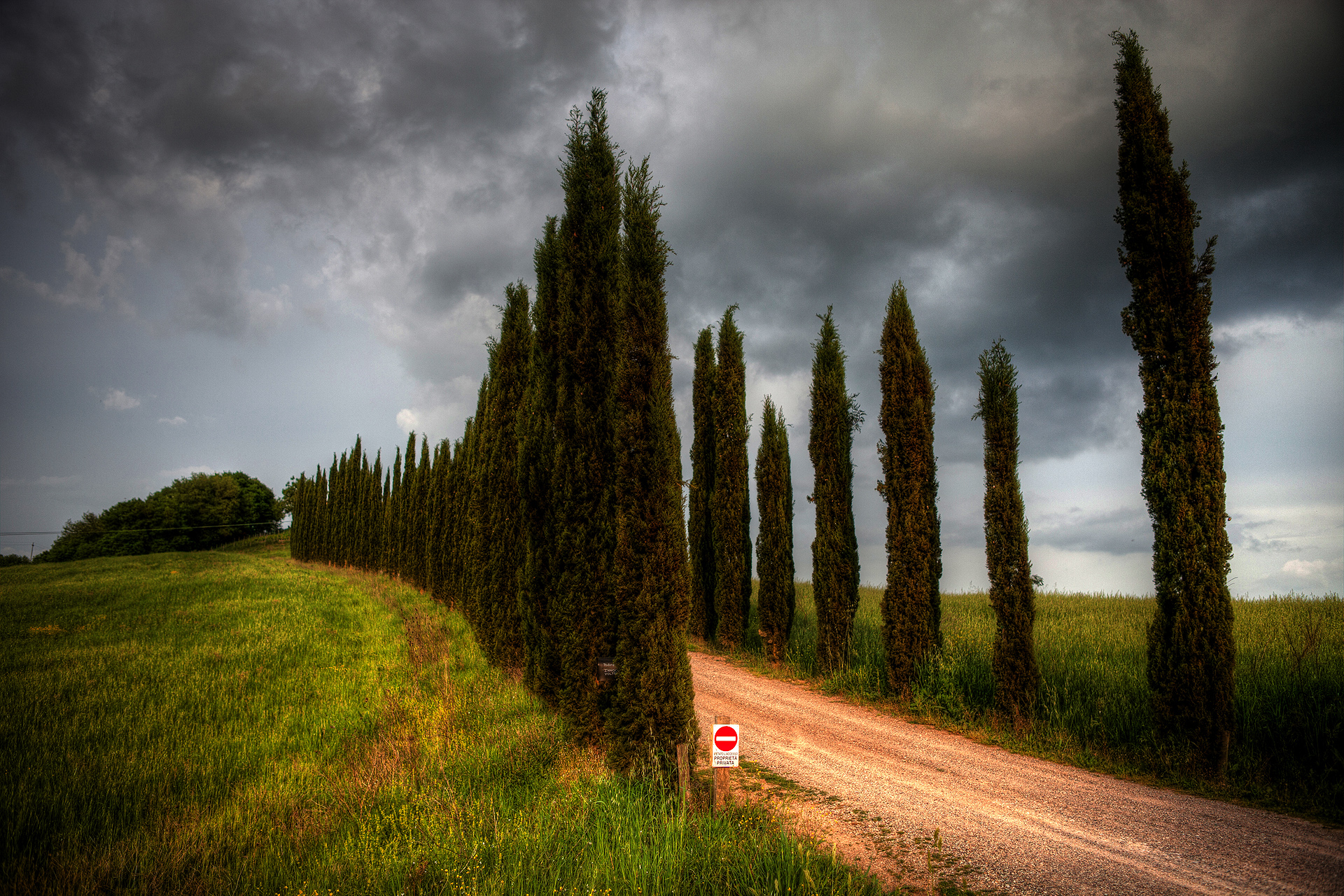
Rent a car in Florence (or book a guided day tour if you prefer). Drive south through the Chianti hills — this is the landscape on the Chianti Classico label, all cypress trees and terracotta — and arrive in Siena by 10am.
Siena’s Piazza del Campo is one of the three or four most beautiful urban spaces in Europe. The Duomo’s inlaid marble floor (visible only in August–November) is something most visitors do not expect to be so extraordinary. Climb the Torre del Mangia for the view.
San Gimignano is 45 minutes northwest — the medieval Manhattan, its fourteen surviving towers dense against the sky. An hour and a good gelato is all you need before returning to Florence.
Day 8 — Tuscany Countryside: Val d’Orcia
Drive south from Florence. The route via the SS2 through Siena and then east toward Pienza traces the Val d’Orcia, the UNESCO-listed valley that shows up in virtually every calendar photo of Tuscany. Stop at Montalcino (Brunello di Montalcino wine country), Pienza (the Renaissance model town, tiny and perfect), and Montepulciano for its hilltop view and its Vino Nobile.
Spend the night in an agriturismo — a farm-stay — in the Val d’Orcia. This is the one night in 21 that most people say they wish they had more of. The silence, the fireflies in summer, the breakfast of local salumi and honey, the complete absence of an itinerary.
Day 9 — Tuscany to Rome
Drive south from the Val d’Orcia. You can drop the rental car in Orvieto — a strikingly beautiful hilltop town in Umbria with a cathedral facade that looks assembled from a fever dream of gold mosaic — and take the train the remaining 90 minutes to Rome. Or keep the car and drive all the way to Rome, though parking in the city is expensive and the traffic unpleasant.
Arrive in Rome by afternoon. The first hour walking from Termini or Trastevere into the historic centre — when the Pantheon or Piazza Navona suddenly appears around a corner — is one of those geography-of-wonder moments that Italy specialises in.
Day 10 — Rome: Ancient Rome
The Colosseum, Roman Forum, and Palatine Hill share a single entry ticket. Buy it online at the official site (coopculture.it) well before you travel — the ticket includes a timed entry for the Colosseum, and the queues for same-day tickets can run 2–3 hours. Spend the morning at the Colosseum, the afternoon walking through the Forum.
Evening: Trastevere for dinner. The neighbourhood is lively on weekday evenings; avoid it on weekend nights when it belongs to stag parties.
Day 11 — Rome: Vatican
Vatican Museum, Sistine Chapel, and St. Peter’s Basilica. Book the Vatican Museum with a timed entry — without one, the queue starts before the doors open. The Sistine Chapel is always overcrowded regardless of when you go; the trick is to arrive in the museum at opening and move quickly through the gallery of maps before the tour groups catch up.
After the Vatican, climb the dome of St. Peter’s. The view over Rome from the drum — the Tiber, the Castel Sant’Angelo, the city spreading flat and ochre in every direction — is better than any other rooftop in the city.
For a thorough overview of Rome planning, including neighbourhoods and logistics, see the full Italy planning guide.
Day 12 — Rome: Baroque Rome and a Slow Day
This is your deliberate rest day in Rome, built in by design. Not because there is nothing to do — there is always more to do — but because Rome without a slow morning is Rome half-experienced.
Wander in the morning: the Pantheon (free entry since 2023, around €5 as of 2026, book a time slot), Piazza Navona, Campo de’ Fiori. Eat supplì at a street stand. Sit at a café and watch the city work. In the afternoon, the Borghese Gallery (mandatory advance booking, limited capacity, one of the finest sculpture collections on earth) is the right kind of beauty for a less-strenuous day.
Day 13 — Rome: Appian Way, Catacombs, and Neighbourhoods
Take the bus or a rented bicycle out along the Via Appia Antica on Sunday mornings, when it is closed to traffic. The road itself is ancient Rome made physical — original basalt paving stones, fragments of tomb monuments, the stone that was there when the legions marched. The Catacombs of San Callisto are nearby; they require a guided tour that runs every 30 minutes.
Afternoon: the Testaccio neighbourhood for its market and its frank working-class identity. Or the Pigneto, east of Termini — Rome’s neighbourhood of the moment, with independent restaurants and wine bars that feel nothing like the tourist centre.
Day 14 — Rome to Naples and Pompeii
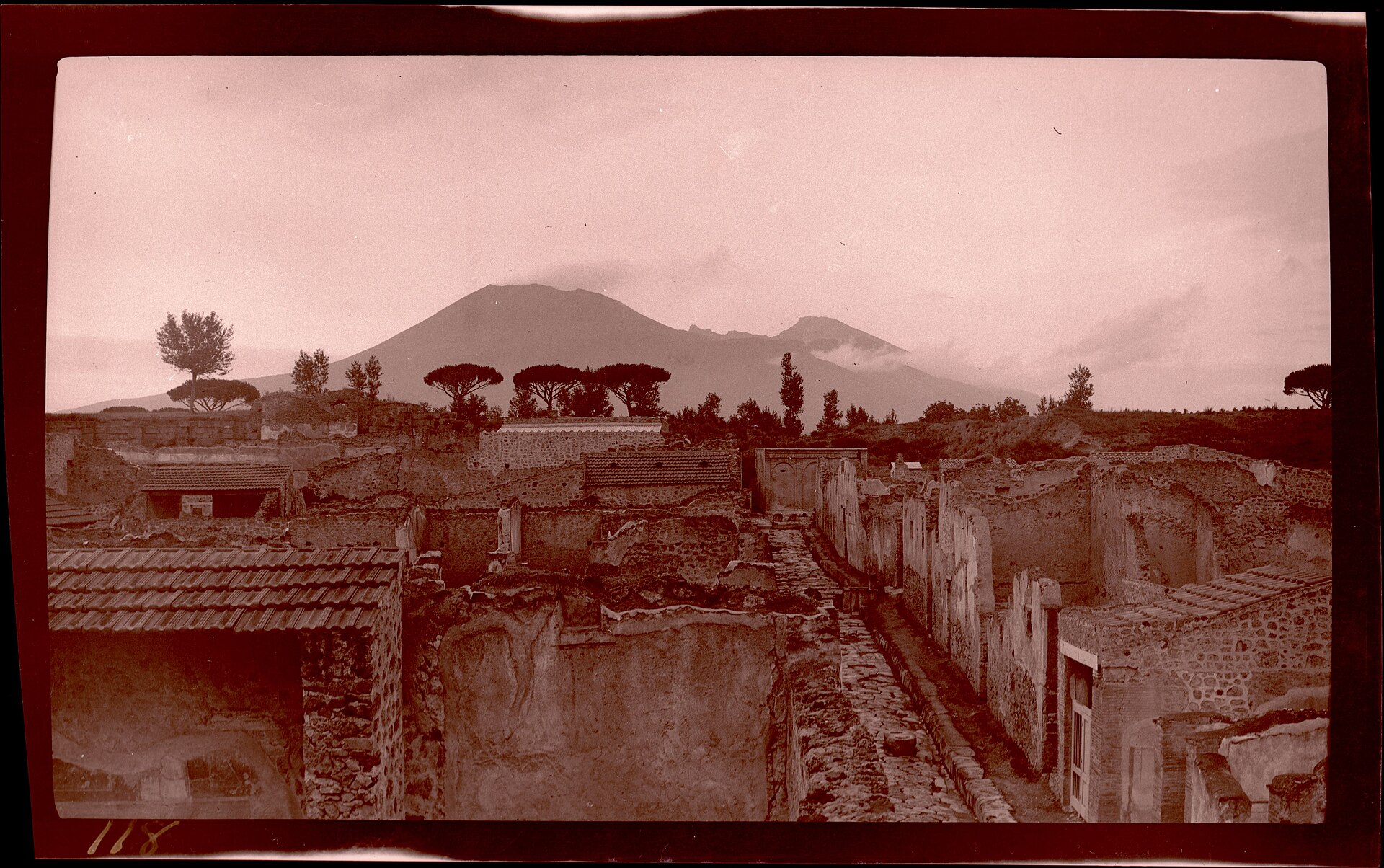
Take the Frecciarossa to Naples (70 minutes from Roma Termini, as of 2026). Leave your bags at a luggage storage at Napoli Centrale and take the Circumvesuviana train to Pompeii (around 40 minutes). Pompeii alone needs 3–4 hours. Budget for an audio guide.
Return to Naples by late afternoon. Check in, eat a Margherita pizza at a spot in the Quartieri Spagnoli. Naples rewards the traveller who allows it to be messy and loud and overwhelming — do not try to manage it, just walk.
Day 15 — Amalfi Coast: Positano and Ravello
Transfer to Sorrento or Positano by ferry from Naples (around 60–80 minutes to Positano depending on the route). Base yourself here for the Amalfi leg; Sorrento is cheaper and better connected, Positano is more dramatic and more expensive.
From Positano, the SITA buses along the Amalfi road are frequent if notoriously crowded in July and August. Amalfi town itself — the cathedral, the paper museum, the lanes above the main square — takes two hours. Ravello, perched high above the coast, is worth the climb for the Villa Rufolo gardens and the long view south.
The Amalfi Coast and Naples guide covers the transport logistics in detail — the ferry timetables, the bus vs taxi debate, and where to base yourself for each budget.
Day 16 — Amalfi Coast: Rest and Sea
This is the second deliberate rest day. The coast is not primarily a walking or sightseeing destination in the conventional sense. It is a place to sit above the Mediterranean and do very little. Swim. Eat. Watch the light change on the cliff faces. Hire a boat for a few hours if the budget allows.
A day trip to Capri by ferry (around 50 minutes from Positano) is possible if you can tolerate the crowds; the Blue Grotto and the Faraglioni sea stacks are genuinely beautiful. But Capri in peak season is one of the most overtouristed places in Europe. Consider it a clear-sky, early-departure, shoulder-season move.
Day 17 — Campania to Puglia (or Sicily Variation — see below)
Fly from Naples (NAP) to Bari (BRI) — around 55 minutes. This is the single flight in the classic itinerary and it saves you 4–5 hours of slow train and bus travel. Ryanair, easyJet, and ITA Airways serve this route regularly; prices are low if you book early.
Arrive in Bari. The old city — Bari Vecchia — is a dense, white-walled maze of lanes running down to the sea, with the Basilica di San Nicola at its centre. Walk it for an hour before dinner. Eat orecchiette with cime di rapa (the dish of the region) at a table in the Bari Vecchia, where women still make fresh pasta on outdoor tables in the mornings.
Day 18 — Alberobello and Locorotondo
Drive south from Bari (car hire from the airport is the right call for Puglia; public transport here is infrequent). Alberobello’s trulli — the round whitewashed stone houses with conical roofs — are a UNESCO site and genuinely unlike anything else in Italy. Arrive early; by 11am the tour buses fill the lanes.
Locorotondo, 15 minutes away, is everything Alberobello is not: no coaches, no souvenir stalls, just a whitewashed circular town on a hill with a view across the Valle d’Itria dotted with trulli. Lunch here, then drive on.
Day 19 — Matera
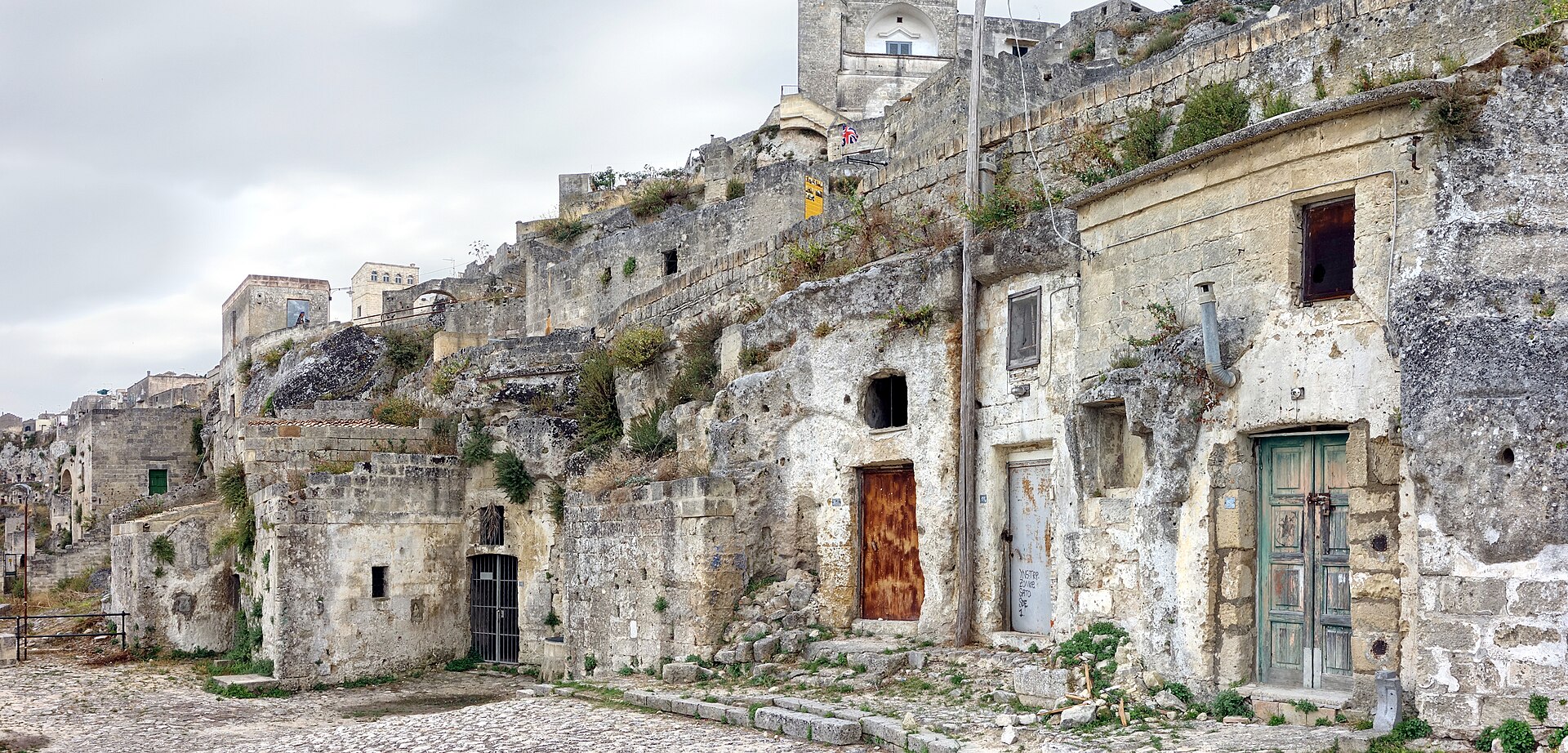
An hour’s drive west of the Puglia coast brings you to Matera, technically in Basilicata, and one of the most arresting cities in the country. The Sassi — two ravines of cave dwellings cut into the gorge — have been inhabited continuously for around 9,000 years. Matera was the European Capital of Culture in 2019, and the restored cave hotels and restaurants mean it no longer requires roughing it, though the walking is steep.
Give it a full day. Walk the ridge above the Sassi in the late afternoon when the light turns the tufa gold. Stay overnight — this is not a day-trip destination.
Day 20 — Lecce
Drive two hours southeast to Lecce, called the Florence of the South for its Baroque architecture, though the comparison undersells it. Where Florence’s Baroque is restrained, Lecce’s is unhinged — the facades of the cathedral and Santa Croce church drip with angels, monsters, garlands, and cartouches carved from the local soft pietra leccese stone. It looks like someone let a confectioner loose with a chisel.
Walk the old town, which is small enough to cover on foot in a morning. Eat pasticiotto (a shortcrust pastry filled with custard) for breakfast from a bar near the main square. Lunch on raw sea urchin at the Mercato Coperto if the season is right.
For a detailed breakdown of the whole region, see the Puglia southern Italy travel guide.
Day 21 — Depart from Brindisi or Bari
Brindisi airport (BDS), 30 minutes south of Lecce, serves Rome and Milan with connections to most European hubs. Alternatively, drive back to Bari (around 2 hours) for more departure options.
Fly home. Spend the flight making a list of everything you didn’t get to.
Variations
Variation 1: Classic North-to-South (as above)
Venice (3 nights) → Florence (4) → Tuscany countryside (2) → Rome (4) → Naples + Amalfi (3) → Puglia with Matera and Lecce (4) → fly home from Brindisi or Bari. One flight (Naples to Bari). Everything else by train and rental car.
Best for: First-timers who want the full picture — north, centre, and south in one trip, with a proper southern finish that most itineraries skip.
Variation 2: Classic + Sicily
Replace the Puglia leg with Sicily. Fly Naples to Catania (around 55 minutes), or Naples to Palermo (around 1 hour). Four nights splits well as: two in Catania/Taormina base (day trip to Etna, Taormina’s Greek theatre), then transfer to Palermo or Agrigento for the Valley of the Temples.
This is the better variation for May–September when Sicily’s food, light, and sea are at their best, and for travellers who are moved more by the Greek-Arab-Norman cultural layer than by the limestone gorges of the Murge.
See the guide to Sicily for the full breakdown — Palermo’s street food, the temples at Agrigento, and the white-sand beaches of the southwest.
Best for: Honeymoons, sabbaticals, anyone who wants to say they have stood inside a 5th-century BC Greek temple and looked out at the sea.
Variation 3: Classic + Puglia Deep-Dive (skip Sicily)
This is the main itinerary above. Four nights in the south — Bari, Alberobello/Locorotondo, Matera, Lecce — gives you a real sense of the region rather than a rushed taste.
The suggested route through Southern Italy expands this leg for anyone considering a separate trip dedicated entirely to the south.
Best for: Travellers who have already done Rome and Florence at least once, and want to use the three weeks to actually live in southern Italy rather than sprint through it.
Pacing Advice and Rest Days
Most 3-week Italy guides are secretly 14-day itineraries with seven days of forced marching glued to the front. The distinguishing characteristic of a well-paced 21-day trip is the rest day — the day with no plan, or only one light thing and a long lunch.
I have built three of them into this itinerary:
- Day 3 in Venice — neighbourhood walking at your own pace, no monuments
- Day 12 in Rome — the Borghese Gallery and a slow morning
- Day 16 on the Amalfi Coast — sea, a boat, and the view
These are not wasted days. They are the days that allow the others to accumulate into something that feels like travel rather than tourism. Italy punishes the overcrowded schedule — you will spend two hours in a queue you could have avoided, eat a mediocre lunch because you had no time to find a good one, and arrive at a monument tired. Three weeks should mean the opposite.
Night counts that work: Anything fewer than three nights in Rome feels rushed and leaves the Vatican visit feeling like a transaction. Florence is well-served by four nights; three if you are not a museum person. Venice is three nights minimum — fewer and you are always leaving. The Amalfi Coast needs three nights to relax into it; two nights and you are just looking at it.
Transfers to allow for: The Rome-to-Naples leg is easy (70 minutes, multiple trains per hour on the Frecciarossa). The Naples-to-Puglia leg is the one that surprises people: overland, it is 4–5 hours by slow train via Taranto, or you can take the direct Italo service from Naples Centrale to Lecce (around 4 hours, one or two trains per day as of 2026, check the current schedule on Italo’s website). The flight is easier and cheaper — Naples to Bari takes under an hour.
For the full picture on getting around, the overview of transport in Italy covers trains, regional buses, car hire in the south, and the ferry network.
Season matters enormously at the bookend: Venice and Florence in July and August are extremely hot and very crowded. The Amalfi Coast is most beautiful in May and June, and again in September–October when the light changes and the hornet drone of motorini drops by half. Puglia and Sicily are almost too hot in August (Lecce regularly hits 38°C); visit them in late September or early October for the best combination of warmth and manageability. See the guide to when to visit Italy for a month-by-month breakdown.
How Many Days Do You Actually Need in Each City?
This is the question that every planning forum argument circles back to, and the honest answer is: it depends on how you travel. But there are floor numbers below which a place becomes a blur:
- Venice: 3 nights minimum. Two nights and you have only done the monuments.
- Florence: 3–4 nights. Four gives you time for both the Uffizi and the Accademia without feeling like you are museum-hopping.
- Rome: 4 nights. Fewer means choosing between Vatican and ancient Rome; more is always rewarded.
- Naples + Amalfi: 3 nights. Two nights is a coast drive, not an experience.
- Puglia (Alberobello + Matera + Lecce): 3–4 nights.
See how many days you actually need for the full decision framework across all trip lengths.
Final Thoughts
The Italy route guide page maps out every duration from five days to four weeks. This one — 21 days, north to south, grand tour — is the trip that Italy seems designed for. The country is long and vertical, richly varied from the Dolomites to the Strait of Messina, and three weeks is the minimum time it takes to actually feel that variety rather than read about it afterwards.
Build in your rest days. Do not cut the south to save a flight. Eat slowly. And leave something for next time — because there is always a next time with Italy, and that is the point.
Questions travellers ask
Is 3 weeks enough time for Italy?
Three weeks is genuinely enough for a complete Italy experience — the north, centre, and south — if you use the time well and do not over-schedule. You can visit Venice, Florence, Rome, the Amalfi Coast, and either Puglia or Sicily in 21 days with proper rest days built in. What you cannot do is see all of those places exhaustively in the same trip; some things will wait for a second visit, and that is fine.
What is the best route for a 3 week Italy itinerary?
The most logical route runs north to south: fly into Venice, take the train to Florence, then on to Rome via Tuscany, then to Naples and the Amalfi Coast, and finally to Puglia or Sicily before flying home from Brindisi, Bari, Catania, or Palermo. This avoids backtracking and follows the natural geography of the country from the lagoon to the sea.
Should I start in Venice or Rome for a 21 day Italy itinerary?
Starting in Venice and ending in the south works better logistically and emotionally. Venice is the strangest place in Italy — disorienting, beautiful, immediately absorbing — and starting there resets your expectations before the big, known cities. Ending in Puglia or Sicily means you finish the trip somewhere quiet and warm rather than the intensity of Rome. That said, if your cheapest flights go into Rome, start there and reverse the route.
How do I get from Naples to Puglia on a 3 week itinerary?
Fly. The Naples (NAP) to Bari (BRI) flight takes around 55 minutes and usually costs between €20 and €80 if booked in advance (as of 2026, check current prices on Skyscanner or the airline directly). The overland alternative — Frecciarossa to Taranto, then a slow regional train — takes 4–5 hours and involves a change. The time saved is worth far more than the ticket price differential.
Can I do the Amalfi Coast without a car on a 3 week trip?
Yes, and in many ways it is easier without one. The SITA buses run frequently between Sorrento, Positano, Amalfi, and Ravello, though they are standing-room only in summer. The ferry network from Naples, Sorrento, and Positano covers most of the coast in summer (roughly April to October). Hiring a private driver for one day, especially to reach Ravello and the quieter inland villages, is a reasonable expense and removes all the cliff-road parking anxiety.
How much does a 3 week Italy trip cost?
Costs vary enormously depending on accommodation standard and travel style, but a mid-range budget — staying in 3-star hotels or well-chosen B&Bs, eating at local trattorias rather than tourist restaurants, booking trains in advance — runs around €150–€250 per person per day including accommodation, food, transport, and entrance fees. The south (Naples southward) is consistently cheaper than the north. Budget an additional €150–€300 per person for the one internal flight (Naples to Bari or Naples to Sicily).
What can a 3 week Italy trip do that 2 weeks cannot?
Two things specifically: rest days, and the south. A 2-week Italy itinerary can fit Venice, Florence, Rome, and a quick look at Naples — but it cannot fit a proper southern leg, and it certainly cannot fit three built-in rest days. Three weeks allows you to sleep in one morning in Rome, spend a full day doing nothing on the Amalfi Coast, and give Puglia or Sicily the four nights it deserves rather than treating it as an afterthought. That difference — between ticking and actually experiencing — is the whole argument for the extra week.
Is it worth visiting both Puglia and Sicily in one trip?
On a 3-week trip: no. Each deserves four nights at minimum to appreciate properly. Trying to do both means spending two nights in each, which is a transit experience rather than a travel one. Choose based on what draws you: Puglia for cave cities, trulli architecture, olive groves, and raw seafood; Sicily for Greek temples, street food, Etna, and the Arab-Norman churches of Palermo. See the Puglia travel guide and everything you need to know about Sicily side by side.