Italian Lakes Travel Guide: Como, Garda, Maggiore and Beyond

This Italian Lakes travel guide starts with the choice that decides everything: which lake actually fits your trip. The Italian Lakes look simple from far away. Blue water, villas, mountains, ferries, cypress trees, long lunches, maybe a silk scarf or a spritz somewhere with a view. Then you start planning and realize the phrase “Italian Lakes” hides a lot of decisions. Lake Como is not one place. Lake Garda is large enough to feel like several trips. Lake Maggiore is often a better fit than people expect. Lake Orta is tiny and romantic. Lake Iseo is quiet, food-friendly and easy to miss if you only follow the obvious route.
This is the mistake I see travelers make: they choose the most famous lake first, then try to force their actual trip around it. A couple wants a slow, beautiful base and books Como town when they really wanted Varenna, Bellagio or Tremezzina. A family wants easy rail access and lake swimming but chooses a north Garda village that requires awkward transfers. A first-time Italy traveler adds Lake Como between Rome, Florence, Venice and the Amalfi Coast because it looked close to Milan on a map. A no-car traveler books a view-first hillside hotel and then discovers every dinner is a taxi problem.
A good Italian Lakes trip starts with the lake that matches you. Do you want famous views and villas? Choose Como. Do you want family towns, beaches, theme parks, outdoor sports and easy Verona/Venice routing? Look at Garda. Do you want elegant islands, rail access and a calmer alternative to Como? Maggiore is serious. Do you want a small romantic lake that feels like a pause? Orta. Do you want wine country, Monte Isola and fewer international crowds? Iseo.
Choose the lake first, then the town, ferry plan and route connection. For the larger trip shape, pair this with our guide to planning a trip to Italy, Italy itineraries, Milan and Northern Italy Travel Guide, Italy transportation guide, where to stay in Italy, best time to visit Italy, and Italy travel budget.
Italian Lakes Travel Guide: Which Lake Should You Visit?
If you want the short version, here is how I would choose.
| Lake | Best for | Best base style | Watch out for |
|---|---|---|---|
| Lake Como | Iconic scenery, villas, couples, Milan add-ons, first lake trip | Varenna, Bellagio, Menaggio, Tremezzina, Como town | Famous towns are expensive; ferries define the day; Como town is convenient but not always the dreamiest base |
| Lake Garda | Families, swimming, outdoor activities, Verona/Venice routes, longer stays | Sirmione, Desenzano, Peschiera, Bardolino, Malcesine, Riva del Garda | The lake is huge; north and south Garda feel very different |
| Lake Maggiore | Elegant islands, Stresa, calmer Como alternative, rail access from Milan | Stresa, Baveno, Verbania, Cannobio | Less famous in English-language planning, but still seasonal |
| Lake Orta | Romance, quiet, small-scale lake atmosphere, Maggiore pairing | Orta San Giulio | Limited as a long standalone trip; easier with a car or careful transfers |
| Lake Iseo | Monte Isola, Franciacorta wine, quieter Lombardy route | Iseo, Sulzano, Lovere | Less big-sight energy; best if slow travel appeals |
For most first-time Italy travelers, Lake Como is the obvious lake because it is beautiful, famous and easy to combine with Milan. That does not mean it is always the best lake. Lake Garda is better for many families and active travelers. Lake Maggiore is better for some travelers who want grand lake scenery without the full Como price-and-crowd machine. Lake Orta and Lake Iseo are better when you want a softer, quieter break instead of a bucket-list stop.
My default advice:
- Choose one lake if you have 2-3 nights.
- Choose two lakes if you have 5-7 nights.
- Choose a lake plus Milan, Verona or Venice if this is part of a first Italy route.
- Choose Como or Maggiore if you are flying through Milan.
- Choose Garda if your trip leans toward Verona, Venice or the Dolomites.
- Do not try to “do the Italian Lakes” in a day. You can day trip to a lake, but you cannot understand the region that way.
How Many Days Do You Need In The Italian Lakes?
The Italian Lakes can be a day trip, a weekend, a week or the whole reason for traveling north. Match the time to the goal: a taste, a base or a route.
| Time available | Best use | What to avoid |
|---|---|---|
| 1 day | Lake Como from Milan, Lake Garda from Verona, Lake Maggiore from Milan if logistics fit | Calling this an Italian Lakes trip |
| 2 nights | One lake, one base, simple ferry or town plan | Splitting nights between lakes |
| 3 nights | One lake with enough time for towns, villas, swimming or a slower day | Overloading with every famous stop |
| 4-5 nights | One lake deeply, or two lakes if transfers are easy | Combining Como, Garda and Maggiore too quickly |
| 6-7 nights | Two-lake route such as Como + Maggiore, Garda + Iseo, or Garda + Verona/Venice | Adding the Dolomites without enough mountain nights |
| 10+ nights | Milan + lakes + Verona/Venice or lakes + Dolomites | Moving hotels every night because the map looks compact |
For a first visit, 2 or 3 nights on one lake usually feels better than one rushed night each on two or three lakes. The lake experience depends on morning light, evening walks and ferry timing. If you arrive at 5 p.m. and leave after breakfast, you have mostly booked a hotel view, not a lake stay.
Use Italian Lakes Itinerary Without a Car when you are ready to turn the idea into a route.
Lake Como: Famous For A Reason, But Easy To Misuse
Lake Como is the lake most travelers mean when they say they want “the Italian Lakes.” It has steep mountains, deep blue water, villas, gardens, ferries, silk-town history, romantic hotels and some of the most recognizable lake towns in Europe. It is also the lake where bad planning gets expensive quickly.
The first Lake Como question is not “What should I see?” It is “Which part of the lake should I stay in?”
| Lake Como base | Best for | Tradeoff |
|---|---|---|
| Varenna | No-car travelers, romance, train access, ferry access | Smaller, limited hotel supply, can book out early |
| Bellagio | Classic beauty, central-lake ferry access, special stays | Expensive, crowded, no direct train |
| Menaggio | Central lake, ferry access, slightly easier feel than Bellagio | Less instantly famous, still seasonal |
| Tremezzina | Villas, views, refined stays, Villa Carlotta/Balbianello access | More car/taxi/ferry planning; not as rail-simple |
| Como town | Milan access, short stays, larger hotel/restaurant base | Less dramatic than mid-lake towns |
| Lecco | Better value, rail access, mountain feel, less polished | Not the classic central-lake postcard |
If you are visiting without a car and want the postcard version, Varenna is usually the cleanest answer. It has a train station on the Milan-Tirano line, ferry access to Bellagio and Menaggio, and enough atmosphere for a short stay. If you want the classic glamorous name, Bellagio is beautiful, but you need to plan ferries, transfers and budget. If you want convenience above all, Como town works, especially for one night or a day trip from Milan.
For a full Como breakdown, use Lake Como Travel Guide: Towns, Ferries and Itinerary, Our Guide to Accommodation in Lake Como, and Best Towns on Lake Como.
Best Things To Do On Lake Como
Lake Como is not a checklist lake, but there are a few experiences that define a first trip:
- Ride ferries between Varenna, Bellagio, Menaggio and the central lake.
- Visit Villa Carlotta and its gardens.
- Visit Villa del Balbianello if timed tickets and access work.
- Walk Varenna’s lakeside paths and lanes.
- Spend time in Bellagio early or late, away from the day-trip crush.
- Use Como town for the cathedral, lakefront and Brunate funicular if staying there.
- Consider Villa Monastero in Varenna for gardens and lake views.
- Leave room for one long meal instead of treating the lake like a scavenger hunt.
Villa planning matters. Villa Carlotta, Villa del Balbianello, and Villa Monastero all have official sites with opening days, ticket rules and seasonal details. Check them before building a day around a villa, especially in shoulder season or on Mondays.
Lake Como As A Day Trip From Milan
Lake Como can be a very good day trip from Milan, but only if you define the version of the day. The simplest version is Milan to Como town and back. The more scenic classic version is Milan to Varenna, ferry to Bellagio or Menaggio, then return through Varenna if timing works. A more ambitious version adds villas, but that can become crowded and timetable-dependent.
Check official Navigazione Laghi Lake Como schedules close to travel. Ferries are part of the experience, but they are also transport. Bad weather, seasonal timetables and missed connections can change the whole day. Our guide to ferries in Italy covers the wider network beyond the lakes.
For the dedicated day-trip plan, use How to Do Lake Como in a Day from Milan.
Lake Garda: The Biggest And Most Varied Italian Lake
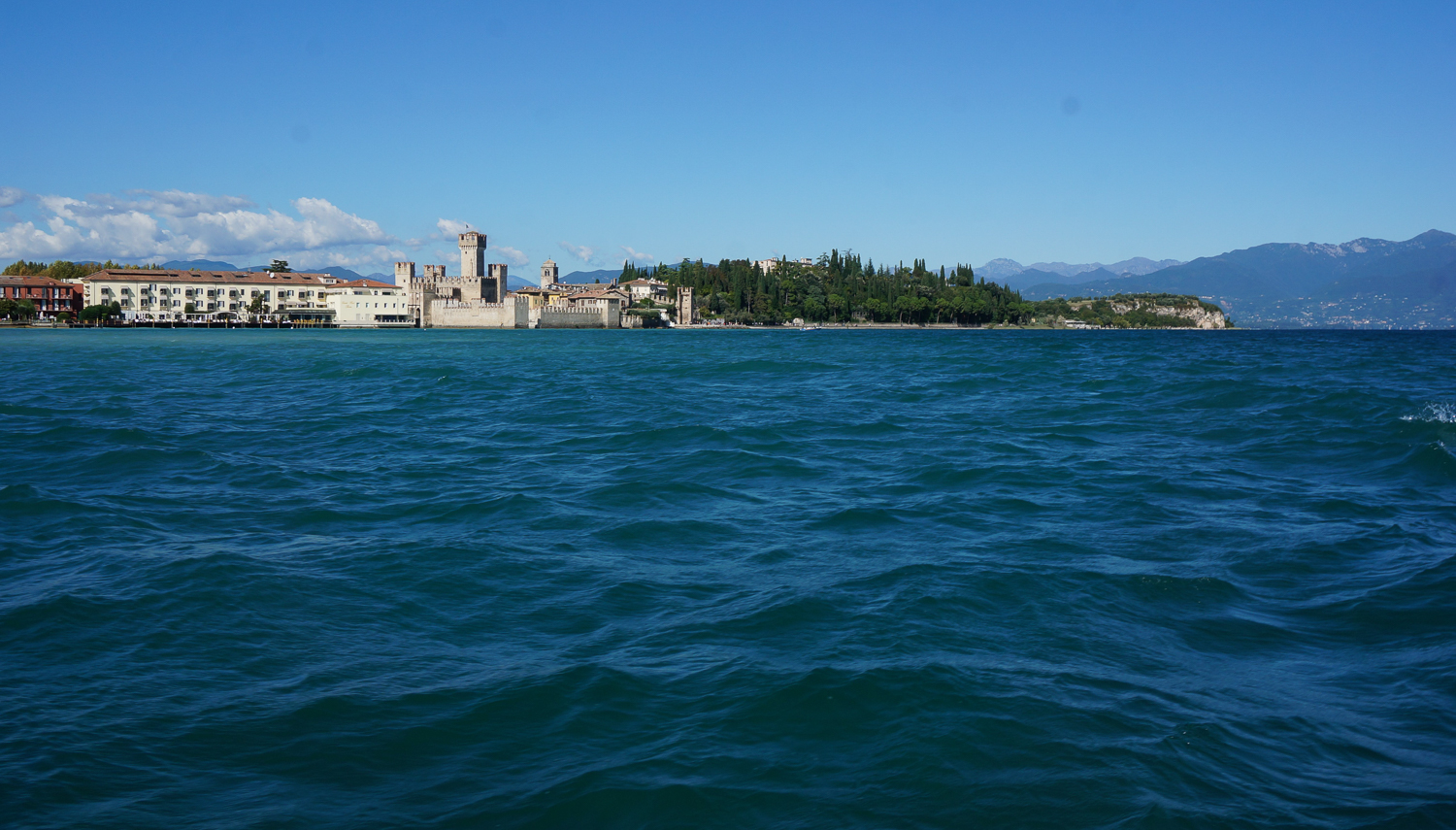
Lake Garda is often treated as the second choice after Como by international visitors, which is unfair. Garda is not a backup lake. It is Italy’s largest lake, and it has a wider range of travel styles than Como: family holidays, beaches, theme parks, Roman ruins, castles, olive groves, cycling, windsurfing, mountain views, spa towns, lemon groves and easy links to Verona and Venice.
The challenge is that Lake Garda is not compact. South Garda and north Garda can feel like different trips.
| Lake Garda area | Best for | Planning note |
|---|---|---|
| Sirmione | First-time beauty, castle, Roman ruins, spa atmosphere | Very busy; best early, late or overnight |
| Desenzano del Garda | Train access, restaurants, practical base | Less romantic than smaller towns, but useful |
| Peschiera del Garda | Train access, families, Gardaland, Verona/Venice links | Practical rather than dreamy |
| Bardolino / Garda town | Easygoing lake holiday, wine, promenades | Better with car/bus/ferry planning |
| Malcesine | Mountain views, Monte Baldo cable car, north-lake drama | Harder without careful transit |
| Riva del Garda / Torbole | Outdoor sports, wind, mountains, active trips | Farther from rail; plan buses or car |
| Salo / Gardone Riviera | Elegant west-shore stays, gardens, slower mood | Less rail-simple |
If you are traveling by train and want a short Garda stay, Desenzano or Peschiera are the practical answers. If you want the prettiest first impression, Sirmione is hard to beat, but it is not where I would drive casually on a summer afternoon unless I knew exactly where I was parking. If you want mountains, wind sports and the dramatic north, look at Riva del Garda, Torbole or Malcesine, but do not pretend the transfer is the same as stepping off a train at Desenzano.
Use Lake Garda Travel Guide and Lake Garda with Kids for the dedicated planning pages.
Best Things To Do On Lake Garda
Lake Garda works because it can be many kinds of trip:
- Visit Sirmione’s old town, castle area and lakeside ruins.
- Stay in or day trip to Desenzano or Peschiera for easy rail access.
- Use Bardolino, Lazise or Garda town for a softer eastern-shore lake holiday.
- Go to Malcesine for Monte Baldo and dramatic north-lake scenery.
- Use Riva del Garda or Torbole for outdoor sports, cycling, wind and mountain atmosphere.
- Pair the lake with Verona for an easy city-and-water route.
- Build a family trip around beaches, boat rides and theme parks if that is the goal.
Official Visit Lake Garda and Garda Trentino are useful for town-level planning, events and outdoor activities. For boat timetables, use Navigazione Laghi Lake Garda.
Lake Maggiore: Elegant, Practical And Underrated
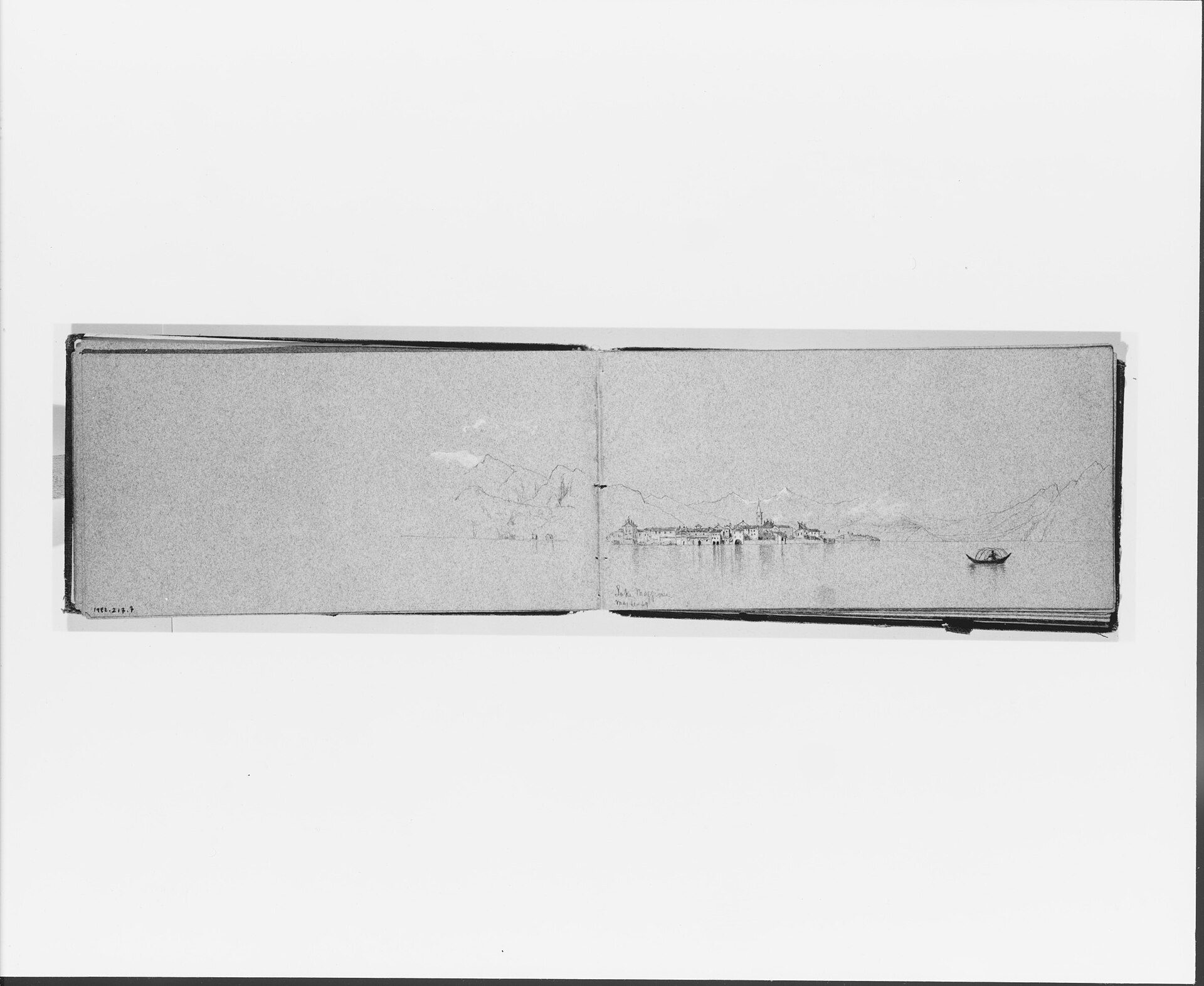
Lake Maggiore is the lake I wish more travelers considered before automatically choosing Como. It has grand hotels, mountain views, easy rail access from Milan, the Borromean Islands, gardens, Stresa, Baveno, Verbania, Cannobio and a calmer feel than the most famous corners of Como. It is still popular, but it does not carry the same celebrity weight in many English-language itineraries.
Stresa is the natural first-time base. It has rail access, hotels, lakefront walks and easy boat connections to the Borromean Islands. Baveno is quieter and practical. Verbania gives a larger local base. Cannobio is beautiful farther north, especially if you have a car or are building a deeper lake route.
The Borromean Islands give Maggiore its clearest sightseeing structure. Isola Bella, Isola Madre and Isola dei Pescatori can turn a short stay into a real lake experience instead of just a view. For 2026, Terre Borromeo lists the season for Isola Bella and Isola Madre from March 12 to November 8, but always recheck official opening dates and tickets before travel.
Use Lake Maggiore Travel Guide for the dedicated page.
Best Things To Do On Lake Maggiore
For a first Maggiore trip, focus on:
- Stresa lakefront and old center.
- Borromean Islands by boat.
- Isola Bella palace and gardens.
- Isola Madre gardens.
- Isola dei Pescatori for a smaller island stop.
- Villa Taranto gardens near Verbania if gardens are a priority.
- Cannobio or Cannero Riviera for a slower northern-lake feel.
- Mottarone or nearby viewpoints if the weather is clear and access works.
Lake Maggiore is also useful if you want to combine a lake stay with both Milan and Switzerland. Just remember that cross-border routes need their own timing and ticket checks.
Lake Orta: Small, Romantic And Best Kept Slow
Lake Orta is not the lake for someone who wants a big resort menu, constant ferries and famous-name hotels. That is part of its appeal. Orta San Giulio is one of the prettiest lake towns in northern Italy, with a small island, quiet lanes, a gentle promenade and a mood that suits couples, writers, slow travelers and anyone who wants the lake portion of the trip to feel like a pause.
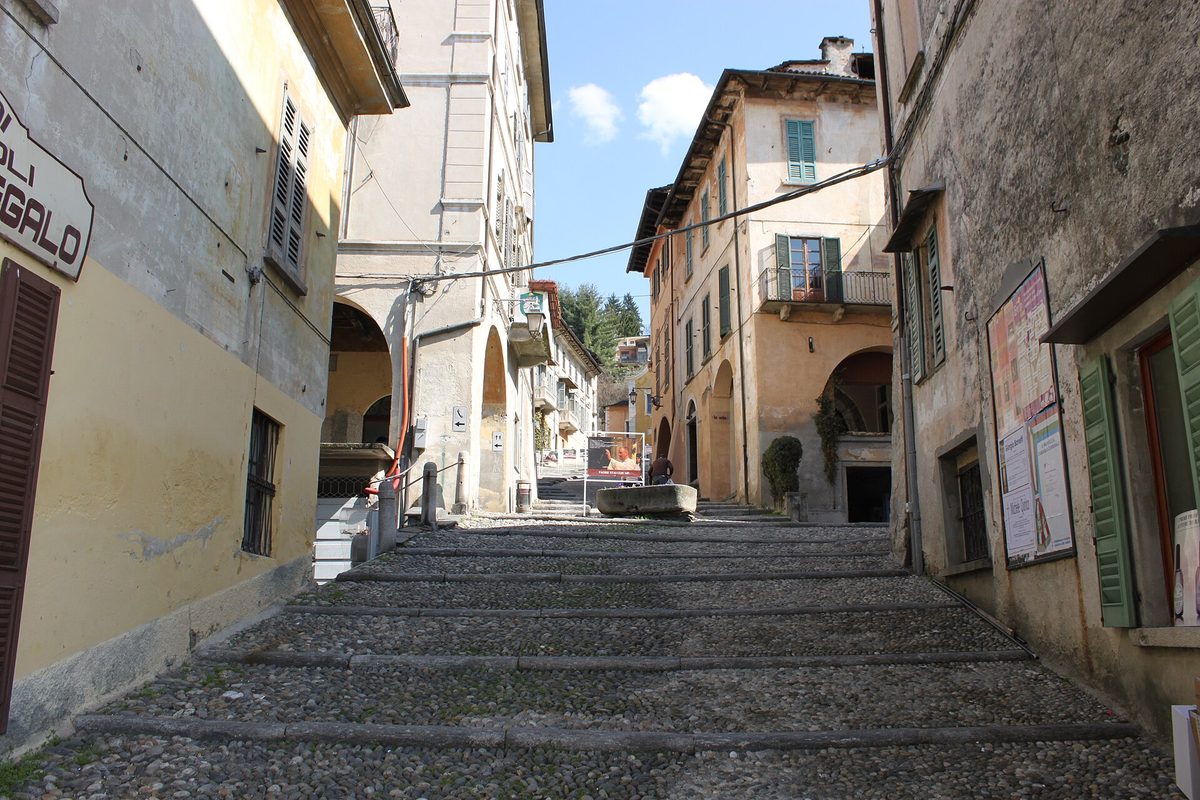
It pairs naturally with Lake Maggiore because the two lakes are close enough to combine. I would not usually send a first-time Italy traveler to Orta as their only northern lake unless they specifically wanted quiet. But if the traveler says, “I want beautiful, small, romantic and not too busy,” Orta moves up the list quickly.
Lake Iseo: Quiet Water, Monte Isola And Franciacorta
Lake Iseo is the lake I would choose for someone who has already seen the obvious places or wants a quieter Lombardy route with food and wine. It sits between bigger-name destinations and can feel wonderfully normal compared with the most famous Como and Garda towns. The lake’s central hook is Monte Isola, one of Europe’s largest lake islands, reached by ferry from places such as Sulzano.
Iseo also pairs well with Franciacorta, one of Italy’s major sparkling wine areas. That makes it especially useful for food-and-wine travelers coming from Milan, Bergamo or Brescia.
Use Visit Lake Iseo for official destination information, and check local ferry details close to travel if Monte Isola is central to your plan.
Where To Stay In The Italian Lakes
Choosing a lake is only half the work. The town matters just as much. A lakefront hotel in the wrong town can make every day harder, especially without a car.
| Traveler type | Best lake/base ideas | Why |
|---|---|---|
| First-time romantic trip | Varenna, Bellagio, Tremezzina, Orta San Giulio, Stresa | Strong scenery, evening atmosphere, ferry or island access |
| No-car traveler | Varenna, Como town, Stresa, Baveno, Desenzano, Peschiera, Iseo | Rail access and workable boat/bus options |
| Family trip | Peschiera, Desenzano, Sirmione area, Bardolino, Garda town | Beaches, flat promenades, theme parks, easier services |
| Luxury lake stay | Bellagio, Tremezzina, Cernobbio, Gardone Riviera, Stresa | Grand hotels, villas, gardens and lakefront settings |
| Value-conscious traveler | Lecco, Como town outskirts, Desenzano, Baveno, Iseo, less famous towns | More beds and better transit can reduce costs |
| Outdoor traveler | Riva del Garda, Torbole, Malcesine, Lecco, north Como, lake-to-Dolomites routes | Mountains, trails, cycling, wind sports |
| Food and wine traveler | Iseo/Franciacorta, Garda wine towns, Stresa, Como, Milan-lake combinations | Wine regions, lake fish, northern food, city pairing |
If this is part of a larger Italy trip, do not choose the hotel only by view. Choose it by arrival, ferry access, dinner options and departure. A romantic balcony is less romantic if every day starts with an awkward bus and ends with you worrying about the last boat.
For the national lodging framework, use Where to Book a Room in Italy.
Italian Lakes Without A Car
You can absolutely visit parts of the Italian Lakes without a car. In some places, it is better without one. The trick is choosing rail-friendly bases and not expecting every lakeside village to work like a city.
Best no-car lake bases:
- Varenna for Lake Como.
- Como town for a simple Lake Como trip.
- Stresa or Baveno for Lake Maggiore.
- Desenzano or Peschiera for Lake Garda.
- Iseo or Sulzano for Lake Iseo.
- Milan as a day-trip base if you want only a taste.
Harder no-car choices:
- Bellagio if arriving with luggage and poor ferry timing.
- Tremezzina if you are relying on late dinners and flexible movement.
- North Garda if you do not plan buses or boats carefully.
- Lake Orta if transfers are not checked.
- Any hillside villa hotel where the “lake view” depends on taxis.
The train is your friend for reaching the lake edge. The ferry is your friend once the lake day begins. But the last mile matters. Always check the distance between the station, ferry dock and hotel before booking.
For transport planning across Italy, use Italy Transportation Guide. For official train checks, use Trenord and Trenitalia.
Ferries, Boats And Lake Timetables
Ferries are not just scenic extras on the Italian Lakes. On Como, Garda and Maggiore, boats can define which towns are easy, which villa visits fit, and whether a day trip feels elegant or exhausting.
Navigazione Laghi operates official public navigation services on Lake Como, Lake Garda and Lake Maggiore. Use the official pages for current schedules and ticket rules:
- Lake Como ferry tickets and timetables
- Lake Garda ferry tickets and timetables
- Lake Maggiore ferry tickets and timetables
The practical rules:
- Check timetables for your exact date, not just the month.
- Summer service is usually broader than winter service.
- Bad weather can disrupt boats.
- The last boat matters if you are having dinner in another town.
- Faster boats and car ferries may have different rules or routes.
- A ferry dock near your hotel is not the same as frequent service.
This is especially important on Lake Como, where a Varenna-Bellagio-Menaggio day can be easy with the right timetable and annoying with the wrong one.
Driving Around The Italian Lakes
A car can be helpful in the Italian Lakes, but it is not always freedom. Sometimes it is a parking problem with a view.
Use a car when:
- You are staying outside rail-friendly towns.
- You want rural hotels, vineyards or hillside views.
- You are combining Garda with the Dolomites.
- You want north Garda, west Garda or lake-hopping flexibility.
- You are pairing Maggiore with Orta or smaller villages.
- Your group or family needs luggage flexibility.
Avoid a car when:
- You are doing Milan + Varenna + central Lake Como.
- You are staying in Como town, Stresa, Desenzano or Peschiera and using trains.
- You hate narrow roads, garages and village parking.
- You are only visiting for a day.
- You are connecting major cities such as Milan, Verona, Venice and Bologna.
If you rent, collect the car after your Milan city stay and return it before a Venice or central Milan stay. Do not pay for a car to sit unused while you move by ferry.
Italian Lakes Itinerary Ideas
There is no single best Italian Lakes itinerary. Build the route around the gateway and next stop: Milan, Venice, the Dolomites or a slower lake holiday.
3 Days: Lake Como First Timer
| Day | Base | Plan |
|---|---|---|
| 1 | Varenna or Como | Arrive from Milan, settle in, lakeside walk |
| 2 | Varenna/Bellagio/Menaggio | Central-lake ferry day, gardens or long lunch |
| 3 | Lake Como | Villa visit or Como town, then depart |
This is the simplest lake add-on for many first Italy trips. If you have only one full day, be careful with villa overload. One great ferry loop is better than a rushed attempt to see everything.
5 Days: Como And Maggiore
| Day | Base | Plan |
|---|---|---|
| 1 | Lake Como | Arrive, evening lakefront |
| 2 | Lake Como | Varenna, Bellagio, Menaggio or villa day |
| 3 | Stresa or Baveno | Transfer toward Lake Maggiore |
| 4 | Lake Maggiore | Borromean Islands |
| 5 | Lake Maggiore/Milan | Stresa morning, return to Milan |
This route works especially well if you want a northern lake trip from Milan without crossing all the way to Garda.
7 Days: Garda, Verona And Venice
| Day | Base | Plan |
|---|---|---|
| 1 | Verona | Arrive, old center |
| 2 | Lake Garda south | Sirmione, Desenzano or Peschiera |
| 3 | Lake Garda | Boat, beach, town day |
| 4 | Lake Garda north or Verona | Malcesine/Riva if planned, or slower south-lake day |
| 5 | Venice | Train east |
| 6 | Venice | Full Venice day |
| 7 | Venice | Depart or continue |
This is a better fit than Lake Como if your route already leans toward Verona and Venice. Pair it with Venice and Veneto Travel Guide if Venice is part of the trip.
10 Days: Milan, Lakes And Dolomites
| Nights | Base | Why |
|---|---|---|
| 2 | Milan | Arrival, Duomo, Last Supper, rail setup |
| 2 | Lake Como or Lake Garda | Scenic lake stay |
| 3-4 | Dolomites | Hiking, lifts, villages and mountain scenery |
| 1-2 | Verona or Venice | City finish or departure |
This can be excellent, but only if the Dolomites get real time. Do not add them as a day trip from the lakes. Use Dolomites and Italian Alps Travel Guide when the mountain section becomes serious.
Best Time To Visit The Italian Lakes
The best months for the Italian Lakes are usually May, June, September and early October. These months balance comfortable weather, open hotels, gardens, ferries, outdoor dining and fewer extremes than peak summer.
April can be lovely, especially for gardens, but weather is less settled and ferry/hotel schedules may not feel fully summer-like. July and August are popular for swimming, family holidays and mountain-lake escapes, but prices and crowds rise. Winter can be beautiful and quiet in larger towns, but many seasonal hotels, restaurants, boats and villas reduce operations.
| Season | Best for | Watch out for |
|---|---|---|
| March-April | Gardens starting, lower pressure, city-lake combinations | Rain, variable openings, lighter ferry schedules |
| May-June | Best overall balance, villas, ferries, walking, meals outside | Popular towns still need early booking |
| July-August | Swimming, family trips, long days, mountain escapes | Heat, crowds, high prices, parking pressure |
| September-early October | Warm water, softer light, wine/food routes, fewer families | Shorter days, some service reductions later in season |
| Late October-February | Quiet towns, lower rates, moody lake scenery | Many seasonal closures and limited boat schedules |
Use Italy Season by Season for the national season view. The lake-specific rule is simple: do not assume ferry, villa, restaurant and hotel rhythms are identical in April, August and November.
Food, Wine And What To Expect
The Italian Lakes are not one food region. Como and Maggiore lean into Lombardy and Piedmont influences: lake fish, risotto, polenta, cheeses, butter, meats, pastries and refined hotel dining. Garda brings olive oil, citrus history, lake fish, Bardolino and Lugana wines, and easy links to Verona’s food and wine culture. Iseo connects beautifully with Franciacorta sparkling wine.
This is not the part of Italy where I would chase only pasta and red sauce. Eat what the lake and region do well. Try risotto, freshwater fish when it is local and trusted, polenta dishes, northern cheeses, olive oil around Garda, wine from nearby hills, and a long aperitivo with a view when the setting justifies it.
For broader food planning, use Italy Food and Wine Travel Guide.
Budget Notes For The Italian Lakes
The lakes can be moderate, expensive or very expensive depending on which lake, which town and which month. Lake Como’s famous towns and lakefront hotels can be costly from late spring through early fall. Lake Garda has a wider range because it has family hotels, camping, apartments and larger towns. Lake Maggiore can offer better value than peak Como while still feeling elegant. Orta can be expensive for its size because supply is limited. Iseo can be gentler if you are not chasing luxury lakefront rooms.
Costs rise when you add:
- Lakefront hotels in famous towns.
- Private boat tours.
- Peak summer dates.
- Last-minute bookings.
- Taxis because you picked a poor no-car base.
- Villa and garden tickets for multiple days.
- Rental car plus parking in popular towns.
Costs fall when you:
- Stay in a rail-friendly but less famous base.
- Travel in May, early June, September or early October instead of peak summer.
- Use public ferries intelligently.
- Choose one lake deeply instead of paying for transfers between several.
- Pair the lake with Milan, Verona or a value city rather than luxury resorts every night.
Use Real Prices for an Italy Trip for broader cost planning.
Common Italian Lakes Mistakes
The first mistake is treating Lake Como as one town. Como, Bellagio, Varenna, Menaggio and Tremezzina are different travel experiences. Choose the base before choosing the hotel.
The second mistake is assuming the most famous lake is best for every traveler. Families may be happier on Garda. Calm-lake travelers may prefer Maggiore or Orta. Food-and-wine travelers may like Iseo and Franciacorta.
The third mistake is ignoring ferries until arrival. On the lakes, ferries can be the difference between a graceful day and a frustrating one.
The fourth mistake is staying too short. One night on a lake often feels like a view rather than a trip. Two or three nights are much better.
The fifth mistake is renting a car without a parking plan. A car helps in the right places and hurts in the wrong ones.
The sixth mistake is booking a hotel for the view but not checking dinner options, hills, luggage, ferry distance or late transport.
The seventh mistake is combining too much: Milan, Como, Garda, Maggiore, Venice and the Dolomites can all belong to a northern Italy trip, but not all in one week.
The eighth mistake is choosing winter or late fall and expecting full summer lake life. Some towns are still beautiful, but the rhythm changes.
Italian Lakes Support Guides
Once you know which lake fits the trip, these guides handle the next layer:
- Lake Como Travel Guide: Towns, Ferries and Itinerary
- Choosing a Base in Lake Como
- Lake Como Day Trip from Milan
- Our Guide to Visiting Lake Garda
- Italian Lakes Itinerary Without a Car
- Best Towns on Lake Como
- Lake Maggiore Travel Guide
- Lake Garda with Kids
For broader route planning, continue with The Complete Guide to Visiting Italy, Italy Itineraries, Milan and Northern Italy Travel Guide, Italy Transportation Guide, Where to Stay in Italy, Best Time to Visit Italy, Italy Travel Budget, Italy Food and Wine Travel Guide, Planning a Trip to Venice and Veneto, and Dolomites and Italian Alps Travel Guide.
Questions travellers ask
Which Italian lake is best for a first trip?
Lake Como is the best first Italian lake for classic scenery, villas, ferries and easy Milan access. Lake Garda is better for families, swimming, outdoor activities and Verona/Venice routes. Lake Maggiore is better if you want an elegant, rail-accessible alternative with islands and fewer Como-style crowds.
Is Lake Como or Lake Garda better?
Lake Como is better for dramatic scenery, couples, villas and a short Milan add-on. Lake Garda is better for families, beaches, outdoor sports, theme parks, Verona/Venice routes and longer lake holidays. Neither is universally better; they suit different trips.
How many days do you need in the Italian Lakes?
Plan 2-3 nights for one Italian lake, 5-7 nights for two lakes or a lake plus Verona/Venice, and 10 or more nights if you want Milan, multiple lakes and the Dolomites. A day trip gives you a taste, not a full Italian Lakes trip.
Can you visit the Italian Lakes without a car?
Yes, if you choose the right bases. Varenna or Como town work well for Lake Como, Stresa or Baveno for Lake Maggiore, Desenzano or Peschiera for Lake Garda, and Iseo or Sulzano for Lake Iseo. A car helps for north Garda, hillside hotels, rural stays, lake-hopping and Dolomites combinations.
Where should you stay on Lake Como?
Stay in Varenna for no-car convenience and romance, Bellagio for the classic famous base, Menaggio for central-lake access, Tremezzina for villas and refined stays, Como town for short stays and Milan access, and Lecco for value and mountain scenery.
Is Lake Maggiore worth visiting?
Yes. Lake Maggiore is worth visiting for Stresa, Baveno, the Borromean Islands, elegant lakefront hotels, gardens, rail access from Milan and a calmer feel than the most famous Lake Como towns.
What is the best Italian lake for families?
Lake Garda is usually the best Italian lake for families because it has beaches, flatter towns, family resorts, theme parks, boat trips and easy rail access at Desenzano and Peschiera. South Garda is especially practical for families.
What is the best Italian lake for couples?
Lake Como is the classic choice for couples, especially Varenna, Bellagio and Tremezzina. Lake Orta is excellent for a quieter romantic stay, while Stresa on Lake Maggiore works well for couples who want elegance and island trips.
When is the best time to visit the Italian Lakes?
May, June, September and early October are usually the best months for the Italian Lakes. July and August are best for swimming and family holidays but bring higher prices and crowds. April can be good for gardens, while winter is quiet with more seasonal closures.
Can you combine the Italian Lakes and the Dolomites?
Yes, but give the Dolomites real time. Lake Garda pairs more naturally with the Dolomites than Lake Como does, especially for routes through Verona, Trentino or South Tyrol. A good trip usually needs at least 3 nights in the mountains, not a casual day trip from a lake.