Italy Food and Wine Travel Guide: What to Eat by Region
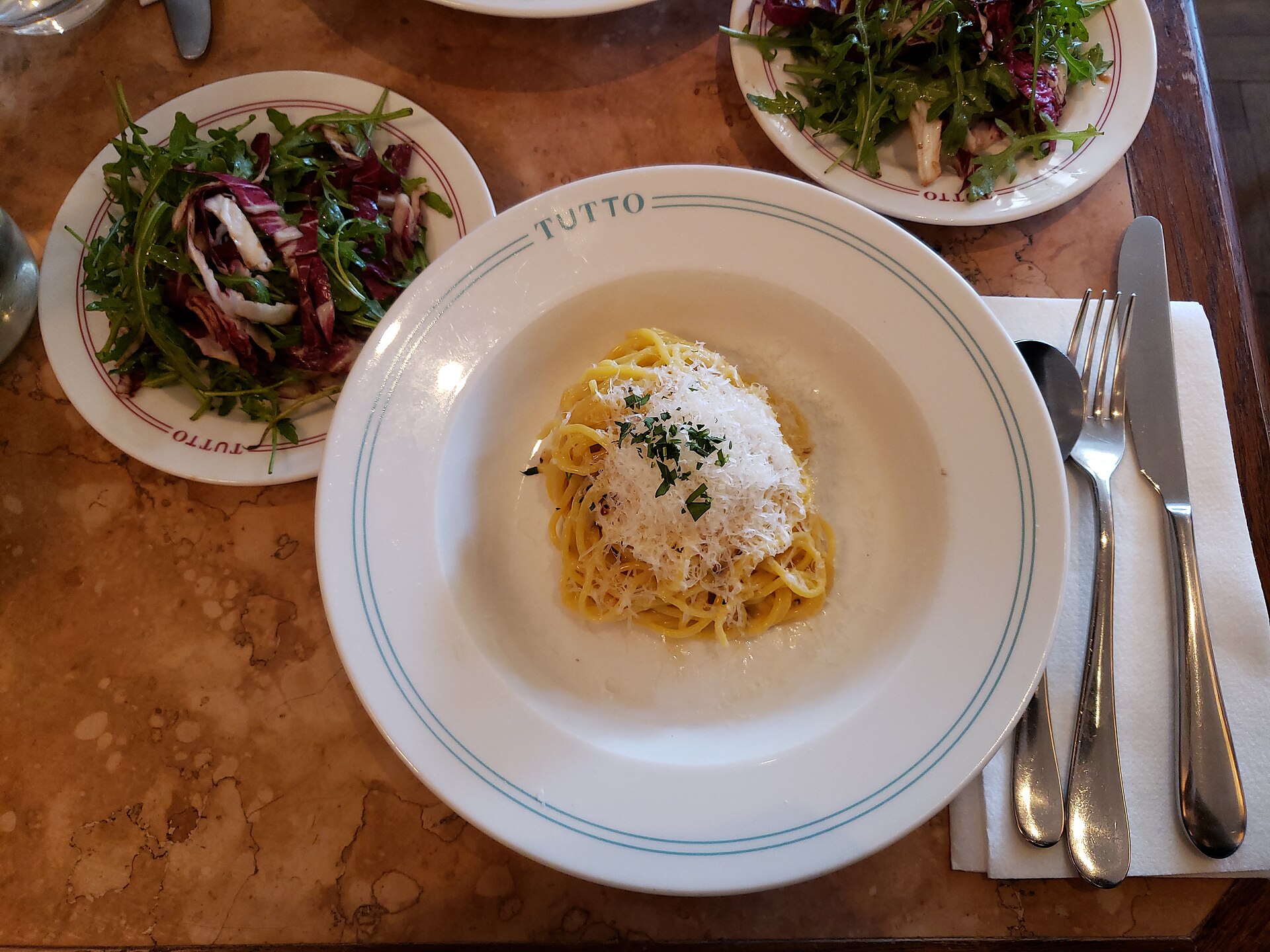
This Italy food guide is organized by place, because the single best eating rule in the country is to order what is local. The first mistake travelers make with Italian food is thinking of it as one cuisine. The second mistake is chasing famous dishes in the wrong places. Italy is not a single menu with pizza, pasta, gelato and wine repeated from north to south. It is a country where the shape of dinner changes with the landscape: butter and rice in the north, olive oil and beans in Tuscany, pork and fresh pasta in Emilia-Romagna, artichokes and pecorino in Rome, pizza and seafood in Naples, couscous and citrus in Sicily, orecchiette and olive oil in Puglia, mountain cheeses in the Alps, and dishes that may barely travel two valleys away. Start with our guide to eating in Rome if the capital is your first stop.
That is what makes food travel in Italy so good. It is also what makes generic advice weak. A list of “best Italian foods” is fine if you need inspiration, but it does not help you plan a trip. A traveler building a 10-day Italy itinerary needs to know whether Bologna deserves a night, whether Naples is worth the detour, whether Tuscany food is best experienced in Florence or the countryside, whether Venice food is a trap or just misunderstood, and how to include wine without turning the entire route into a driving problem.
Treat food as part of the route, not a decoration after the fact. This page explains what to eat in Italy by region, where food lovers should base themselves, how Italian meal timing works, what to know about coffee, gelato, aperitivo and markets, which wine regions fit which itineraries, how to avoid tourist-trap restaurants, and when food tours or cooking classes are actually worth the money.
If you are still building the skeleton of the trip, use this with our main Italy planning guide, Italy itineraries, where to stay in Italy, Italy transportation guide, best time to visit Italy, and Italy travel budget. Food is not separate from those choices. It is one of the best reasons to choose one base over another.
Italy Food Guide: What Should You Eat?
If you want the short version, eat regionally:
| Region or base | What to eat | Wine and drink angle |
|---|---|---|
| Rome and Lazio | Carbonara, cacio e pepe, amatriciana, gricia, artichokes, suppli, porchetta | Frascati, Cesanese, local Lazio wines |
| Florence and Tuscany | Bistecca alla Fiorentina, ribollita, pappa al pomodoro, pici, crostini, pecorino | Chianti Classico, Brunello di Montalcino, Vino Nobile, Vernaccia |
| Bologna and Emilia-Romagna | Tagliatelle al ragu, tortellini, lasagne, mortadella, Parmigiano Reggiano, balsamic vinegar | Lambrusco, Sangiovese, Albana |
| Naples and Campania | Pizza, sfogliatella, baba, mozzarella di bufala, seafood, lemon desserts | Aglianico, Falanghina, Greco di Tufo, Fiano |
| Venice and Veneto | Cicchetti, risotto, baccala, seafood, polenta, tiramisu | Prosecco, Valpolicella, Soave, Amarone |
| Milan and Lombardy | Risotto alla Milanese, ossobuco, cotoletta, panettone, lake fish | Franciacorta, Valtellina, Lugana |
| Piedmont | Agnolotti, tajarin, vitello tonnato, bagna cauda, truffles, hazelnuts | Barolo, Barbaresco, Barbera, Moscato |
| Liguria | Pesto, focaccia, trofie, farinata, seafood | Vermentino, Pigato |
| Sicily | Arancini/arancine, caponata, pasta alla Norma, cannoli, granita, seafood, couscous | Etna wines, Nero d’Avola, Marsala |
| Puglia | Orecchiette, burrata, focaccia Barese, taralli, olive oil, seafood, bombette | Primitivo, Negroamaro, Salice Salentino |
| Sardinia | Pane carasau, culurgiones, malloreddus, porceddu, pecorino, seafood | Cannonau, Vermentino |
| Trentino-Alto Adige and the Dolomites | Speck, canederli, polenta, apple strudel, mountain cheeses | Alto Adige whites, Trento DOC |
For the full dish-by-dish support page, use What to Eat in Italy by Region. This page is the bigger travel map: what food belongs where, which stops deserve itinerary time, and how to eat better once you arrive.
The Big Rule: Eat The Food Of The Place You Are In
The easiest way to eat better in Italy is to stop asking every city to perform the same idea of “Italian food.” Pasta exists everywhere, but the pasta changes. Wine exists everywhere, but the grape changes. Bread, cheese, pastries, street food, sauces and meal rhythms all shift by region.
This is not food snobbery. It is practical. A restaurant in Bologna that specializes in fresh egg pasta and ragu is cooking from local strength. A restaurant in Venice advertising twenty kinds of pizza, lasagna, spaghetti with meatballs, giant steaks and “tourist menu” in five languages is probably cooking from visitor expectation. The same traveler can eat beautifully or badly in the same city depending on whether they follow the local pattern.
I plan Italy food days around two questions:
- What is this place good at?
- What time of day does that food make sense?
Naples is a pizza city, but it is also a pastry, coffee, seafood and street-food city. Bologna is a pasta city, but it is also a market, salumi, cheese and aperitivo city. Venice is expensive if you demand the wrong meal in the wrong place; it becomes much better when you understand cicchetti, seafood, bacari and lagoon ingredients. Florence is not only steak. Rome is not only carbonara. Sicily is not a single cuisine. Puglia is not only burrata.
The best food trip in Italy is not the one with the longest list of famous dishes. It is the one where your route, meal times and restaurant choices line up with where you are.
Best Food Cities And Regions In Italy
Food travelers could argue forever about the “best” food city in Italy. I think the better question is what kind of food trip you want.
Rome: Best For Pasta, Neighborhood Eating And A First Food Education
Rome is one of the best food cities for first-time visitors because its food is bold, memorable and easy to connect to sightseeing days. The classic pasta quartet is carbonara, cacio e pepe, amatriciana and gricia. Add fried starters, artichokes, pizza al taglio, suppli, porchetta, maritozzi, gelato and market browsing, and you have enough food structure for several days.
Rome also teaches a useful lesson: famous city, uneven food. You can eat extremely well, but you need to step away from the most obvious tourist flow or choose carefully. A restaurant with a laminated menu beside a major landmark is not automatically bad, but the odds are not in your favor. Rome rewards neighborhoods: Testaccio, Trastevere beyond the obvious lanes, Monti, Prati, Garbatella, San Giovanni and parts of the historic center when chosen with care.
Pair it with Rome Tourism Guide and Rome Food Guide: Pasta, Pizza, Gelato and Markets.
Bologna And Emilia-Romagna: Best For Fresh Pasta And Food Craft
Bologna is the city I would send someone to if they wanted one stop that proves Italian food is regional. Emilia-Romagna is home to a dense cluster of foods travelers already know by name, even if they do not know the geography: Parmigiano Reggiano, Prosciutto di Parma, mortadella, balsamic vinegar from Modena and Reggio Emilia, tortellini, tagliatelle al ragu, lasagne, piadina and Lambrusco.
Bologna itself is practical. It sits on major train lines, works well without a car, and makes a good base for Modena, Parma, Ravenna, Ferrara and other towns. The food is rich, but the experience does not have to be fancy. A market lunch, a bowl of tortellini, a glass of Lambrusco and a simple plate of mortadella can be more satisfying than a long tasting menu.
For many travelers, Bologna is the difference between an Italy trip that tastes generic and one that tastes specific. If you are deciding whether to add it, use Sample Itineraries for Italy and Where to Stay in Italy to see whether the train route supports it.

Florence And Tuscany: Best For Rustic Food, Wine And Countryside Meals
Tuscan food is often simpler than visitors expect, in a good way. It is built on bread, beans, olive oil, grilled meats, soups, pecorino, seasonal vegetables, wild boar, handmade pasta and wine. In Florence, travelers chase bistecca alla Fiorentina, but the better Tuscan food education includes ribollita, pappa al pomodoro, crostini, panzanella, pici, cantucci, pecorino and simple grilled dishes.
Tuscany is also where food and lodging start to merge. A countryside agriturismo with dinner can become one of the best meals of the trip. A town base like Florence, Siena, Lucca, Arezzo or Montepulciano can make food exploration easier. A wine route through Chianti, Montalcino or Montepulciano usually needs a car, driver or tour.
The mistake is treating Tuscany only as a Florence day-trip category. Florence is excellent, but the countryside and smaller towns change the rhythm. If your food dream includes wineries, farm dinners and hill towns, read Florence and Tuscany Travel Guide, Florence and Tuscany Food Guide, Italy Wine Regions for Travelers, and Italy Agriturismo Guide.
Naples And Campania: Best For Pizza, Pastries And Southern Food Energy
Naples is one of the great food cities of Europe. That is not a polite travel phrase. It is a practical planning fact. If food matters, Naples deserves more than a nervous half-day on the way to the Amalfi Coast. If you are giving it that time, our Naples city guide covers what to do beyond the pizzerias.
Pizza is the headline, and it should be. But Naples also gives you sfogliatella, baba, espresso, fried street food, seafood, ragu, pasta with potatoes and provola, mozzarella di bufala from the broader region, tomatoes from volcanic soils, lemons from the coast and wines from Campania’s hills. It is a city where food feels woven into the street, not staged for visitors.
For travelers, the big decision is whether to sleep in Naples, Sorrento, Salerno or the Amalfi Coast. Naples is the food city. Sorrento is the polished base. Salerno is the practical no-car coast connector. Positano is the view. Choose based on the trip you want, not on which place is most photographed.
Use Amalfi Coast, Naples and Campania Travel Guide and Naples Food Guide: Pizza, Pastries and Street Food.
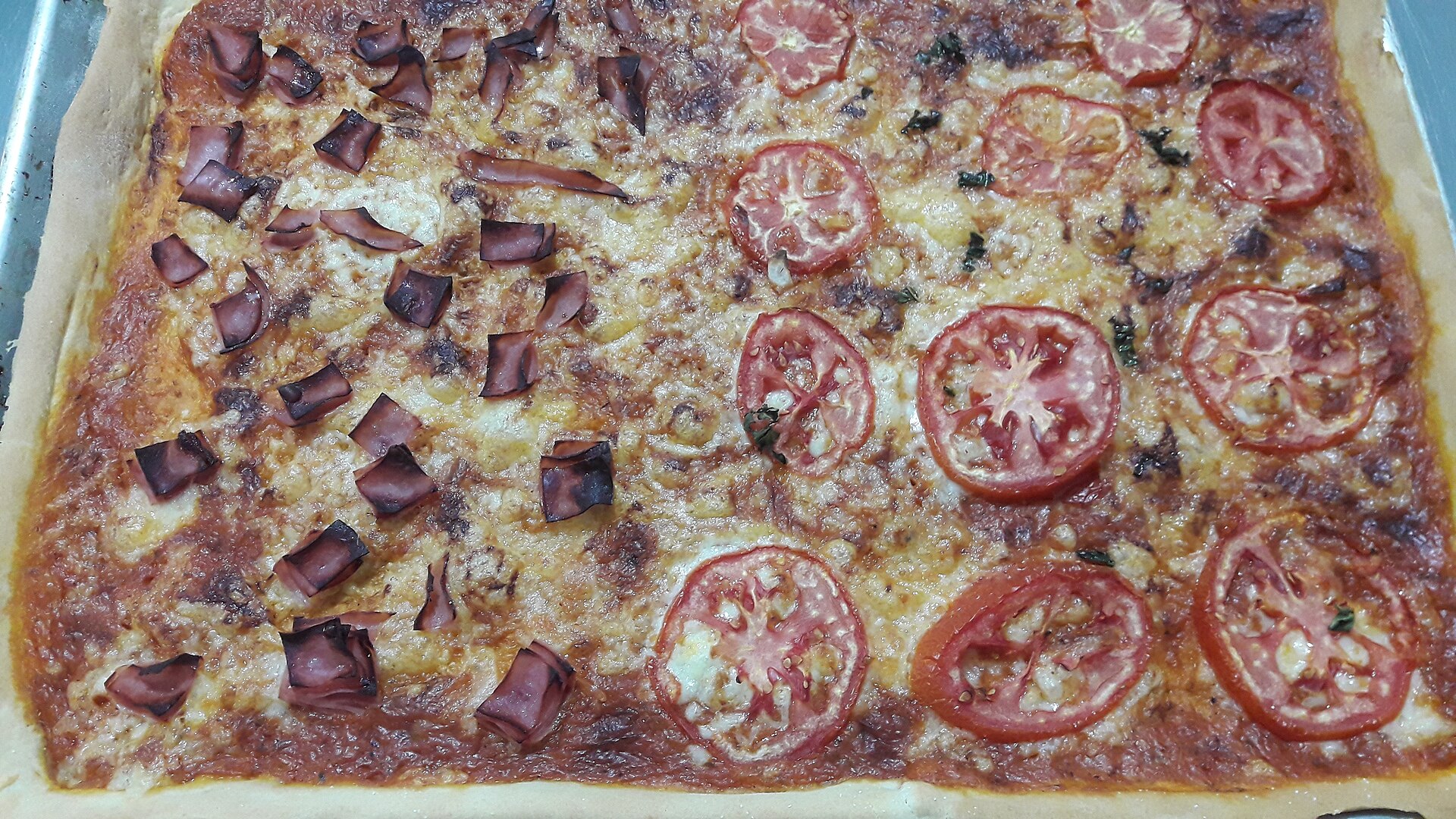
Venice And Veneto: Best When You Stop Ordering The Wrong Meal
Venice has a reputation for bad, expensive food. Some of that reputation is earned by restaurants that survive on one-time visitors. Some of it is unfair, because travelers often ask Venice to be Rome or Naples. Venice is a lagoon city. It makes more sense when you look for cicchetti, bacari, seafood, risotto, baccala, polenta, seasonal vegetables from the lagoon islands, local sweets and Veneto wines.
The best Venice food strategy is not to sit down at the most obvious canal restaurant and hope for magic. Eat cicchetti at bacari, reserve carefully for seafood, look beyond San Marco when possible, and accept that the city is expensive. If you want value, use lunch and aperitivo well. If you want a special dinner, book deliberately.
For the wider plan, use Venice and Veneto Travel Guide. Wine travelers can connect Venice with Prosecco country, Valpolicella, Soave, the Colli Euganei or Verona.
Sicily: Best For Street Food, Seafood, Sweets And Crossroads Cuisine
Sicily is one of Italy’s most distinctive food regions. Palermo street food, Catania markets, Etna wines, pistachios, citrus, almonds, capers, swordfish, couscous around Trapani, pasta alla Norma, arancini or arancine, cannoli, cassata, granita with brioche, and sweet-savory combinations all reflect the island’s layered history.
Sicily needs time. It is not a garnish on a Rome-Florence-Venice trip. If food is the reason you want to go, give the island a dedicated route. Palermo and Catania are the obvious bases, with Siracusa, Taormina, Trapani, Ragusa, Modica, Noto and Etna areas depending on your interests and transport.
Use Sicily Food Guide: Palermo, Catania and Street Food and Planning a Trip to Sicily.
Puglia: Best For Olive Oil, Simple Pastas And Southern Value
Puglia food is direct and deeply satisfying: orecchiette, cime di rapa, burrata, stracciatella, focaccia Barese, taralli, panzerotti, bombette, seafood, vegetables, olive oil and hearty red wines. It is a strong region for travelers who want southern Italy without only doing Campania or Sicily.
The lodging choice matters. Bari works for trains, old-town food and airport access. Monopoli and Polignano a Mare are coastal and scenic. Lecce gives Baroque architecture and Salento food. Valle d’Itria adds villages and countryside, but a car helps.
Use Best Places to Stay in Puglia and Puglia and Southern Italy Travel Guide.
Piedmont: Best For Truffles, Hazelnuts And Serious Wine
Piedmont is for travelers who like depth: tajarin, agnolotti, vitello tonnato, bagna cauda, hazelnuts, chocolate, white truffles around Alba in season, Barolo, Barbaresco, Barbera and Moscato. Turin is an underrated city base, especially for cafes, chocolate, aperitivo culture and a more elegant northern feel.
Wine-country travel in the Langhe is easier with a car or driver. The towns are beautiful, but the point is not only scenery. It is cellar visits, long lunches and seasonal food. If your trip is wine-first, Piedmont deserves more time than a rushed day from Milan.
Liguria: Best For Pesto, Focaccia And Coastal Simplicity
Liguria’s food fits its geography: basil, olive oil, seafood, focaccia, farinata, trofie al pesto, pansoti with walnut sauce and wines like Vermentino and Pigato. Genoa is the serious food city. Cinque Terre is scenic but more tourist-loaded, so you need to choose restaurants carefully. Levanto, Camogli, Santa Margherita Ligure and other towns can be better food bases depending on the route.
Liguria is a good reminder that famous views and best meals do not always sit on the same block. Sometimes you see the view in one place and eat dinner in another.
Lombardy And The Lakes: Best For Rice, Butter, Alpine Influence And Franciacorta
Lombardy is not the tomato-and-basil fantasy many visitors imagine. It leans into rice, butter, polenta, veal, lake fish, cheeses and northern wines. Milan gives risotto alla Milanese, ossobuco, cotoletta and aperitivo culture. The lakes add fish and resort dining. Franciacorta is one of Italy’s major sparkling wine areas and fits well with Milan, Bergamo, Brescia or Lake Iseo.
If you are planning northern Italy, use Milan and Northern Italy Travel Guide and Everything You Need to Know About the Italian Lakes.
Sardinia: Best For Island Food And Slow Regional Travel
Sardinia has its own strong identity: pane carasau, culurgiones, malloreddus, porceddu, pecorino, bottarga, seafood, seadas, Cannonau and Vermentino. It is not a simple add-on to mainland Italy. Many of the best food and beach experiences require time, a car and a slower rhythm.
Sardinia is best when treated as the trip, not an afterthought. Use Sardinia and Italy Beaches Travel Guide if the island is part of your route.
The Dolomites And Alpine Italy: Best For Mountain Food
In Trentino-Alto Adige, the Dolomites and Alpine valleys, the table changes again: speck, canederli, polenta, dumplings, apple strudel, mountain cheeses, mushrooms, game, hearty soups and precise white wines. This is not coastal Italy. It is Alpine Italy, and the food should be part of the reason you go.
For mountain planning, use Dolomites and Alps Travel Guide.
How To Build A Food-Focused Italy Itinerary
Do not build a food trip by adding famous dishes until the route collapses. Build it around food regions that connect well.
First-Time Food Route: Rome, Florence, Bologna, Venice
For a first food-focused trip without a car, a strong route is Rome, Florence, Bologna and Venice. It gives you Roman pasta, Tuscan cooking, Emilia-Romagna pasta and salumi, and Venetian cicchetti and seafood. It also follows a logical train line.
If you have only 10 days, you may need to choose three of the four. I would rather have three nights in Bologna or Florence than one hurried food stop in each.
Southern Food Route: Rome, Naples, Campania, Puglia Or Sicily
For southern food, Rome to Naples is easy by train, and Naples can connect to Campania, the Amalfi Coast and beyond. Puglia and Sicily deserve more time. Do not try to do Naples, Amalfi, Puglia and Sicily in a single short trip unless the goal is movement rather than meals.
Wine Route: Tuscany Or Piedmont, Not Everywhere
If wine is a major priority, choose one or two wine regions. Tuscany is easiest for first-timers because it pairs with Florence and classic itineraries. Piedmont is deeper and more focused. Veneto can fit around Venice and Verona. Sicily, Etna and Puglia are excellent for travelers already heading south.
Wine travel takes time because cellars are not always next to train stations, tastings need reservations, and someone has to avoid driving after drinking. Tours and private drivers can be worth it here. Use Italy Wine Regions for Travelers before committing.
Market And Cooking Route: Florence, Bologna, Palermo, Naples
If markets and cooking classes matter, choose cities with strong food culture and enough time to slow down. Florence and Bologna are obvious for classes. Palermo and Naples are excellent for street food and markets. Rome is good for both, but choose carefully because the tourist market for food experiences is huge.
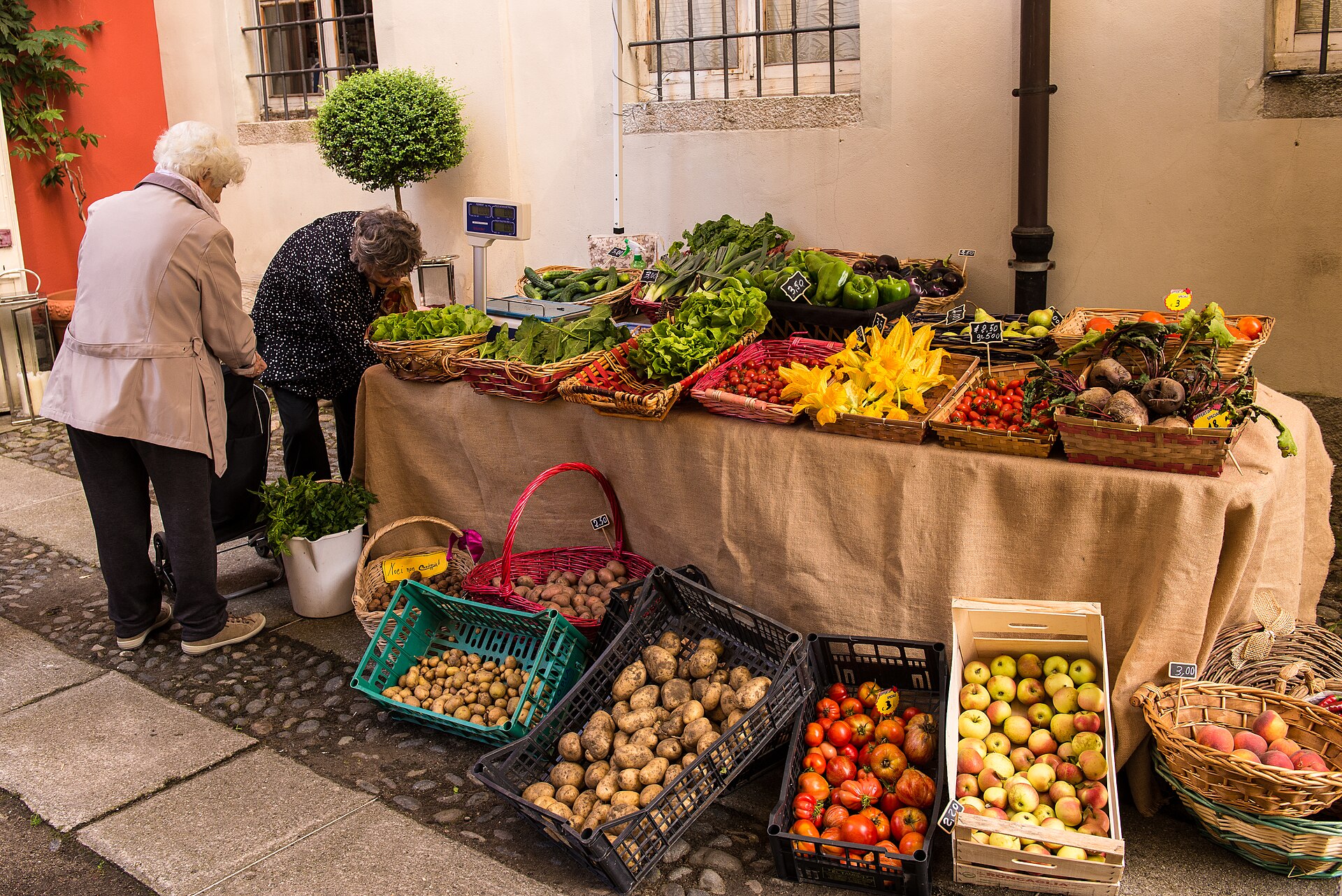
Italy Wine Travel: What To Know Before You Plan
Italy wine travel is wonderful, but it is not always as simple as “add a winery day.” The most famous wine landscapes are often rural, cellar visits may require appointments, and driving after tastings is not a casual detail.
Best Wine Regions For Travelers
| Wine region | Best base | Best for |
|---|---|---|
| Chianti Classico | Florence, Siena, countryside towns | First-time Tuscany wine, scenic drives, classic reds |
| Montalcino and Montepulciano | Siena, Val d’Orcia, Montepulciano | Brunello, Vino Nobile, slow countryside stays |
| Piedmont Langhe | Alba, Barolo, La Morra, Turin for city base | Barolo, Barbaresco, truffles, serious wine trips |
| Prosecco hills | Venice, Treviso, Conegliano, Valdobbiadene | Sparkling wine, Veneto countryside |
| Valpolicella and Soave | Verona | Amarone, red and white Veneto wines |
| Franciacorta | Milan, Bergamo, Brescia, Lake Iseo | Italian sparkling wine, northern routes |
| Etna | Catania, Taormina, Etna towns | Volcanic wines, Sicily food and landscape |
| Puglia | Bari, Lecce, Valle d’Itria | Primitivo, Negroamaro, olive oil, southern food |
| Campania | Naples, Avellino area, Salerno | Aglianico, Fiano, Greco, food pairing |
For most travelers, the best wine experience is not trying to cover the maximum number of regions. It is choosing one region that fits the route and giving it enough time to feel different from another museum day.
City Wine Bars Versus Rural Wineries
You do not need a countryside tasting to enjoy Italian wine. A good wine bar in Rome, Florence, Bologna, Turin, Verona, Palermo or Lecce can teach you plenty without transport logistics. This is especially useful for train-based travelers, solo travelers and anyone who does not want to plan around a car.
Rural wineries are better when the landscape, producer and cellar visit are part of the reason you are there. In that case, arrange transport, keep the day light, and do not schedule a major transfer afterward.
Do Not Build A Wine Day Around Driving Yourself After Tastings
This should be obvious, but it is worth saying plainly. If wine tasting is the activity, use a tour, driver, taxi arrangement, public transport where realistic, or a base where you can walk. The countryside is not the place to improvise after a long lunch.
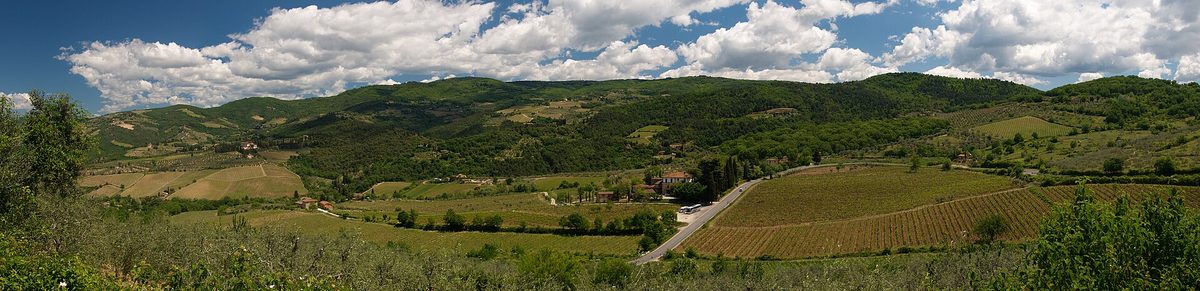
How Italian Meal Timing Works
Food quality in Italy often depends on timing. If you are hungry at the wrong hour in a tourist zone, you become vulnerable to the restaurants that are always open for a reason.
Breakfast
Italian breakfast is usually light: coffee and a cornetto or pastry, yogurt, fruit, or a simple hotel spread. Big savory breakfasts exist in hotels and tourist areas, but they are not the default local pattern. If you need eggs, protein and a long breakfast, choose hotels accordingly or plan your own groceries.
Coffee
Coffee is quick, inexpensive by international travel standards, and often taken standing at the bar. Cappuccino is generally a morning drink, though nobody is going to arrest you for ordering it later. The better practical rule is not “never cappuccino after 11.” It is “understand that coffee in Italy is a rhythm, not a giant takeaway beverage.”
For the deeper version, use Italian Coffee, Breakfast and Aperitivo Guide.
Lunch
Lunch can be a simple panino, pizza al taglio, market snack, trattoria meal or the main meal of the day. In smaller towns, lunch hours matter. Kitchens may close between lunch and dinner. Do not assume you can show up at 3:30 p.m. and get the meal you imagined.
Aperitivo
Aperitivo is the pre-dinner drink-and-snack ritual. It can be a simple spritz with chips, a glass of wine with small bites, or a more elaborate spread depending on the city and venue. It is not always a substitute for dinner, though some places make it generous enough to feel like one.
Milan, Turin, Bologna, Florence, Rome and many northern and central cities do aperitivo well. In Venice, cicchetti and wine at bacari create their own version of the habit.
Dinner
Dinner usually starts later than many North American travelers expect. Restaurants in tourist centers may open early, but more local places often become lively after 8 p.m. In smaller towns, you may need reservations and a clear plan. Families and early diners can still eat well, but they should choose deliberately rather than wandering hungry at 6 p.m.
How To Avoid Tourist-Trap Restaurants In Italy
Tourist traps in Italy are not hard to spot once you know the pattern. The problem is that travelers often ignore the signs because they are tired, hungry and standing beside a famous view.
Red flags include:
- A host aggressively pulling people in from the street.
- Large photo menus in several languages.
- A menu that tries to cover every Italian dish from every region.
- “Tourist menu” signs near major sights.
- Restaurants open continuously all day in areas where normal kitchens close.
- Food displayed in ways that look tired rather than fresh.
- No visible connection between the menu and the region.
- Prices or cover charges that are hard to understand.
- Reviews that praise only the view or location, not the food.
Good signs include:
- A shorter menu with regional focus.
- Seasonal specials.
- Local language on the menu, with translations available but not theatrical.
- A dining room that is not empty at normal local meal times.
- Staff who can explain dishes without pushing the most expensive item.
- Recent reviews from people who seem to care about food, not only convenience.
- A location that is near the sights but not directly dependent on one-time foot traffic.
This does not mean every restaurant near a landmark is bad. It means the burden of proof is higher. In Venice, Rome, Florence, Pisa, Como, Capri and the Amalfi Coast, convenience restaurants can survive without repeat customers. That changes incentives.
Use How to Avoid Tourist Trap Restaurants in Italy for the full checklist.
Gelato, Pastries And Sweets
Gelato is one of the easiest pleasures in Italy, and one of the easiest to overthink. Good gelato usually looks dense and natural, not piled high in neon mountains. Pistachio should not glow bright green. Banana should not look electric yellow. Seasonal flavors are a good sign. So are covered tubs, though open display is not automatically bad.
Pastries are regional. In Naples, try sfogliatella and baba. In Sicily, cannoli, cassata, granita and almond sweets. In Rome, maritozzi. In Milan, panettone in season. In Venice, fritole during Carnival season and local cookies. In Tuscany, cantucci with Vin Santo. In Puglia, pasticciotto. In Sardinia, seadas.
Markets, Food Halls And Grocery Shops
Markets can be one of the best food experiences in Italy, but they are working places first. Go earlier in the day, bring small patience, and do not block stalls for photos when people are shopping. If you do not speak Italian, pointing, smiling and buying something goes further than treating the market like a museum.
Good market cities include Palermo, Catania, Naples, Rome, Florence, Bologna, Venice, Turin and Cagliari. Some markets have become visitor attractions, and that is fine if you know what you are choosing. The key is not whether tourists are present. The key is whether the place still has food purpose.
Grocery shops and alimentari can also solve meals. Cheese, salumi, fruit, bread, olives, taralli, yogurt and simple picnic supplies can save money and make train days easier. Just do not turn every meal into a grocery project if restaurants are part of why you came.
Food Tours And Cooking Classes: Worth It Or Not?
Food tours are worth it when they teach you how to eat better for the rest of the trip. I like them early in a stay, especially in Rome, Naples, Palermo, Bologna or Venice, where a good guide can explain neighborhoods, ingredients, ordering habits and local specialties quickly.
A food tour is less worth it when it is just a snack crawl through obvious places. Before booking, check:
- Is the tour neighborhood-specific or generic?
- Does it explain regional food, or only feed you?
- Are drinks included, and is that clear?
- Is the group size reasonable?
- Are dietary restrictions handled honestly?
- Are the stops real businesses, not only tour partners?
- Does the schedule replace lunch or dinner, or only supplement it?
Cooking classes are best when you want a slower memory, not just a recipe. Pasta classes in Bologna, Florence or Rome can be enjoyable. Market classes can be good if the market part is real. Countryside cooking classes can be excellent if transport is included or easy.
I would not fill every city with a food tour. Choose one strong tour early, then use what you learn independently.
Food Budget: Where To Save And Where To Spend
Food in Italy can be excellent at many budgets. The trick is not to make every meal do the same job.
Save on:
- Standing coffee and pastry breakfasts.
- Pizza al taglio, focaccia, panini and street food lunches.
- Market snacks and simple groceries.
- House wine or local by-the-glass options.
- Casual trattorie outside the most obvious tourist blocks.
- Gelato instead of elaborate desserts every night.
Spend on:
- One serious regional meal in a city known for food.
- A good seafood meal in a coastal place.
- A winery lunch or tasting when wine is the point.
- A food tour early in the trip if it will improve later choices.
- A cooking class if you want the experience, not just dinner.
- A special view meal only when the food quality also holds up.
For the broader money plan, use What an Italy Trip Actually Costs and Cost of Food in Italy for Tourists.
Dietary Needs, Allergies And Vegetarian Travel
Italy is easier for some dietary needs than people expect and harder for others. Vegetarian travelers can eat well, especially in central and southern regions with vegetables, legumes, pasta, pizza, cheese and seasonal dishes. Vegan travelers need more planning because cheese, eggs, butter, anchovies and meat broths appear in places that may not be obvious from the menu.
Gluten-free travel is possible, and Italy has strong awareness around celiac disease compared with many destinations. Still, do not assume every restaurant can handle cross-contact. Research dedicated restaurants or clearly trained kitchens, especially in smaller towns.
For allergies, carry written Italian translations and communicate before ordering. If an allergy is severe, do not rely on a rushed verbal exchange in a busy restaurant. Book places that can respond carefully.
Seasonal Food In Italy
Season matters. Not every dish belongs to every month, and seasonal eating is one of the reasons Italy can be so satisfying.
Spring brings artichokes, asparagus, fava beans, peas, fresh herbs and lighter menus. Summer brings tomatoes, eggplant, peppers, peaches, melon, seafood, granita and gelato energy, but also heat that makes heavy lunches less appealing. Autumn is excellent for mushrooms, truffles, chestnuts, wine harvest, richer sauces and countryside meals. Winter is strong for soups, braises, polenta, bitter greens, citrus, chocolate, holiday sweets and city dining.
If food is a major reason for the trip, use The Month-by-month Guide to Italy. A harvest-season wine trip, a summer Sicily trip and a winter Rome food trip are different experiences. For the harvest window specifically, see our guide to what Italy is like in October.
Food And Transport: The Hidden Planning Link
Food experiences often require transport planning. A restaurant in a rural village may be wonderful and unreachable without a car. A winery may need a reservation and a driver. A market may be best in the morning, which matters if your train arrives at noon. A famous pizzeria may involve a wait, which matters if you are trying to catch an evening ferry.
This is why I connect food planning to Italy Transportation Guide. Trains make Rome, Florence, Bologna, Venice, Naples, Milan, Turin and many city food trips easy. Cars help with Tuscany countryside, Puglia villages, Piedmont wine country, parts of Sicily, Sardinia and the Dolomites. Ferries affect coastal food days in Venice, Campania, Liguria, Sicily and the lakes.
The meal may be the goal, but the route decides whether it is pleasant.
My Practical Food Rules For Italy
These are the rules I actually use.
Eat One Famous Thing, Then Look Local
Yes, eat carbonara in Rome, pizza in Naples, bistecca in Florence, cicchetti in Venice and cannoli in Sicily. Then look at what else the place does. The second meal is often where the trip gets more interesting.
Do Not Chase Every Viral Restaurant
If a place is famous online, it may be excellent or it may be overwhelmed. I would rather eat a very good regional meal at a sane hour than spend half a day organizing my route around a restaurant that became a social media checkpoint.
Book The Meals That Matter
Reserve for restaurants you care about, especially in Rome, Florence, Venice, Bologna, Naples, Milan, coastal towns and wine regions. Do not reserve every meal. Leave room for casual discoveries.
Use Lunch Strategically
Lunch can be cheaper, calmer and easier to book than dinner. A serious lunch followed by a lighter aperitivo dinner can work beautifully, especially in cities where evenings are busy or expensive.
Do Not Let Hunger Choose For You
Bad meals in Italy often happen when travelers wait too long, stand beside a monument, and choose the first open place. Carry a short backup list. Know meal times. Use snacks. It sounds basic because it is.
Learn A Few Menu Words
You do not need fluent Italian. You do need enough food vocabulary to recognize local dishes, cooking methods, ingredients and menu structure. This is especially helpful outside major tourist centers.
Support Guides For Food And Wine Travel
Use these deeper guides as you plan meals, regions and food experiences:
- What to Eat in Italy by Region
- How to Avoid Tourist Trap Restaurants in Italy
- Rome Food Guide: Pasta, Pizza, Gelato and Markets
- Naples Food Guide: Pizza, Pastries and Street Food
- Sicily Food Guide: Palermo, Catania and Street Food
- Italy Wine Regions for Travelers
- Florence and Tuscany Food Guide
- Italian Coffee, Breakfast and Aperitivo Guide
For the rest of the trip, the best companion guides are How to Plan an Italy Trip from Scratch, Italy Itineraries, Our Guide to Italian Bases and Neighbourhoods, Italy Transportation Guide, Italy Travel Budget, Rome Tourism Guide, Florence and Tuscany Travel Guide, Venice and Veneto Travel Guide, Amalfi Coast, Naples and Campania Travel Guide, Everything You Need to Know About Sicily, Everything You Need to Know About Milan and Northern Italy, Puglia and Southern Italy Travel Guide, and Sardinia and Italy Beaches Travel Guide.
Questions travellers ask
What food is Italy famous for?
Italy is famous for pasta, pizza, risotto, gelato, espresso, wine, olive oil, cheese, cured meats, seafood, pastries and regional dishes. The best approach is to eat locally: carbonara in Rome, pizza in Naples, fresh pasta in Bologna, cicchetti in Venice, bistecca and ribollita in Tuscany, cannoli and street food in Sicily, and orecchiette in Puglia.
What should I eat in Italy by region?
Eat Roman pastas and artichokes in Lazio, bistecca and soups in Tuscany, tortellini and ragu in Emilia-Romagna, pizza and pastries in Naples, cicchetti and seafood in Venice, risotto and ossobuco in Lombardy, truffles and agnolotti in Piedmont, pesto in Liguria, cannoli and arancini in Sicily, and orecchiette and burrata in Puglia.
What is the best food city in Italy?
Bologna is one of the best food cities in Italy for fresh pasta, salumi, Parmigiano Reggiano and access to Emilia-Romagna food towns. Rome, Naples, Palermo, Florence, Turin, Venice and Lecce are also excellent depending on what kind of food trip you want.
Where should wine lovers go in Italy?
Wine lovers should consider Tuscany for Chianti and Brunello, Piedmont for Barolo and Barbaresco, Veneto for Prosecco and Valpolicella, Lombardy for Franciacorta, Sicily for Etna wines, Campania for Aglianico and whites, and Puglia for Primitivo and Negroamaro.
What time do Italians eat dinner?
Dinner in Italy is generally later than in North America. Many local restaurants become active around 8 p.m. or later, though tourist areas and family-friendly places may open earlier. Lunch and aperitivo timing matter because kitchens can close between services.
How do you avoid tourist-trap restaurants in Italy?
Avoid restaurants with aggressive hosts, huge photo menus, generic dishes from every region, unclear prices, all-day service beside major sights and reviews that praise only the location. Look for shorter regional menus, seasonal dishes, normal local meal times, clear pricing and recent food-focused reviews.
Are food tours in Italy worth it?
Food tours are worth it when they teach you how to eat better for the rest of the trip, especially early in Rome, Naples, Palermo, Bologna or Venice. They are less worth it when they are generic snack crawls with little explanation or oversized groups.
Is Italy good for vegetarians?
Italy can be very good for vegetarians because many regional dishes use vegetables, legumes, cheese, pasta, rice, bread and olive oil. Vegan and allergy-sensitive travelers need more planning because eggs, cheese, anchovies, butter and meat broths may appear in dishes that look simple.