Best Day Trips From Milan
I’ll be honest with you about Milan: I love the city, but I love what’s around it even more. After a few days of the Duomo and aperitivo, the smartest thing you can do is walk into a train station and leave for the day. The payoff is enormous.
The best day trips from Milan are some of the easiest in all of Italy. Milan is the country’s best rail base, full stop. Lake Como, Bergamo, Verona, Turin, Lake Maggiore, Lake Garda, Genoa, and even Cinque Terre are all doable in a single day, most of them on cheap regional trains. This guide is for travelers using Milan as a hub who want to see Northern Italy without renting a car.
Here’s the thing most lists get wrong. They throw twenty destinations at you, from an 8-minute hop to Monza to a 3-hour haul to Rome, and treat them all the same. They don’t tell you which trips deserve a whole day and which are a relaxed half-day, and they rarely mention which Milan station you actually need or whether you want a cheap regional train or a pricier high-speed one. I’m going to fix all of that.
A quick note on numbers: train times, fares, and ferry prices below are approximate and accurate as of 2026. They shift with the season and the timetable, so treat them as planning estimates and confirm the day-of details on Trenord for regional trains and Trenitalia or Italo for high-speed. I’ll flag which is which as we go.
This article stays in its lane: out-of-town escapes you reach from Milan. For the city itself, see my guide to the best things to do in Milan. If you’ve only got a weekend, the 2 days in Milan itinerary sorts your priorities, and arrivals are covered in the Milan airport to city center guide. This whole Northern Italy region sits under the full Milan and Northern Italy guide if you want the big picture.
The quick comparison table
Skim this first. It’s the fastest way to match a destination to the kind of day you want. Times are approximate door-to-station and assume direct trains where they exist.
| Destination | Train time (approx) | From which Milan station | Best for |
|---|---|---|---|
| Lake Como (Como city) | ~40 min | Milano Centrale or Cadorna | Easiest lake day, lakefront strolling |
| Lake Como (Varenna/Bellagio) | ~1 hr + ferry | Milano Centrale | Postcard villages, villa gardens |
| Bergamo (Città Alta) | ~1 hr | Centrale or Porta Garibaldi | A walled hill town, half or full day |
| Verona | ~1 hr 15 (high-speed) | Milano Centrale | History, Roman arena, romance |
| Turin | ~1 hr (high-speed) | Centrale or Porta Garibaldi | Grand cafés, museums, elegance |
| Lake Maggiore (Stresa) | ~1 hr–1 hr 15 | Milano Centrale | Borromean Islands by ferry |
| Lake Garda (Desenzano/Sirmione) | ~50 min–1 hr | Milano Centrale | Swimming, a thermal lake town |
| Genoa | ~1 hr 20–1 hr 40 | Milano Centrale | Port city grit, pesto, the sea |
| Pavia (Certosa) | ~25–35 min | Milano Centrale or Rogoredo | A quick, cheap, low-effort outing |
| Lugano (Switzerland) | ~1 hr 15–1 hr 30 | Milano Centrale | A taste of Swiss-Italian lakeside |
| Cinque Terre | ~3 hr each way | Milano Centrale | Ambitious; coast and color |
| Venice | ~2 hr 30 (high-speed) | Milano Centrale | Ambitious but iconic |
Now let’s get into the good stuff, roughly in the order I’d send a first-timer.
The best day trips from Milan, ranked by how I’d actually do them
I’ve organized these by effort and payoff, not alphabetically. The lakes and Bergamo are the no-brainers. The high-speed cities are superb but cost more. The long-haul options at the end are for people who’ve planned ahead and don’t mind a big travel day.
Lake Como: the one everyone wants, and they’re right
If you do one day trip from Milan, make it Lake Como. It earns the hype. The catch is that “Lake Como” isn’t one place, and how you do it changes the whole day.
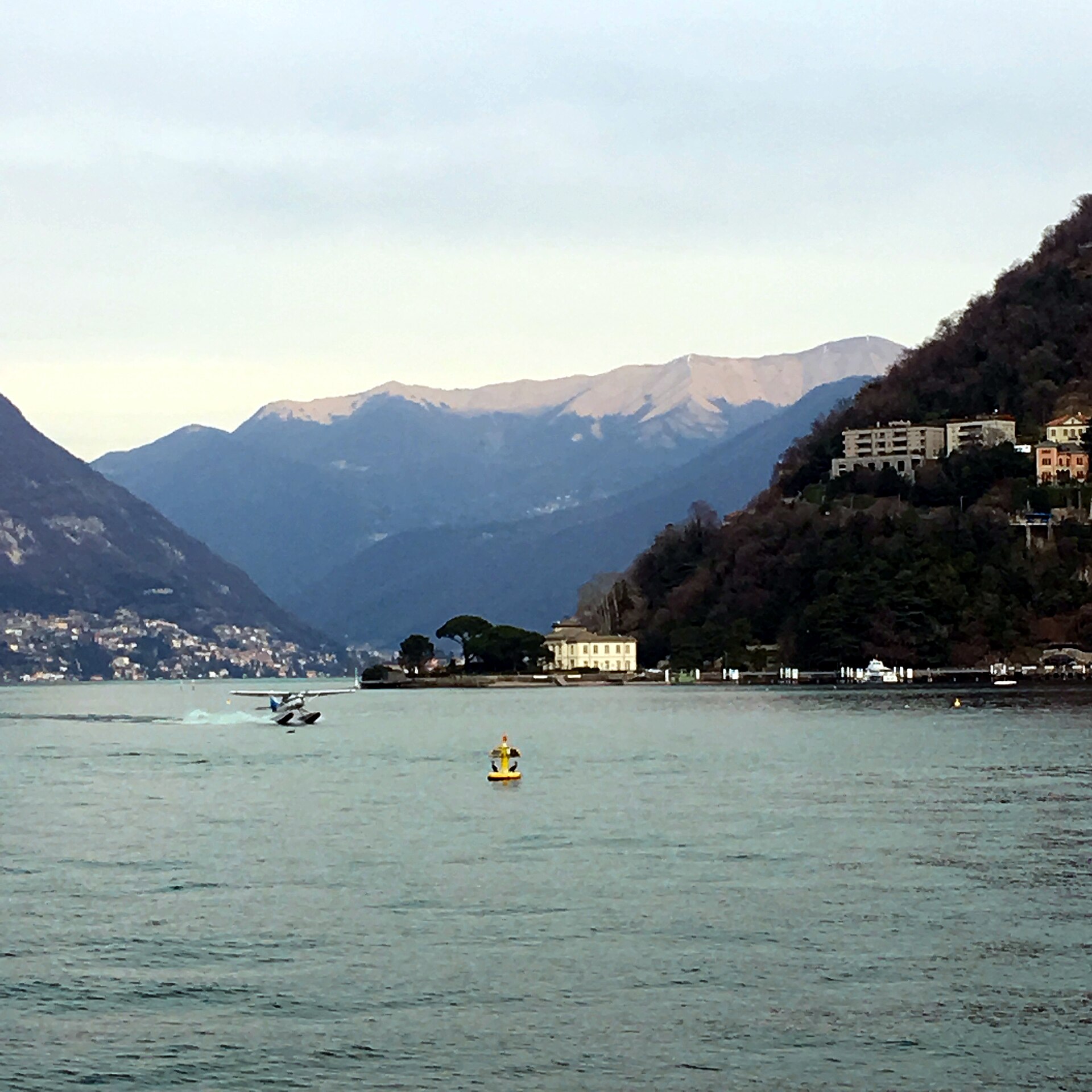
Como the city is the easy version. Trenord regional trains run from Milano Centrale to Como San Giovanni in around 40 minutes, roughly hourly, from about €5.20 one way. You can also take a regional train from Milano Cadorna to Como Nord Lago, which drops you right by the water. The city itself has a genuinely beautiful Gothic cathedral, a lakefront promenade made for slow walking, and a funicular up to Brunate for the view. If you want a relaxed day with minimal logistics, get off at the lake, walk, eat, and don’t overthink it.
Varenna and Bellagio are the postcard version, and they take more planning. Take a direct regional train from Milano Centrale to Varenna-Esino, around an hour, then switch to the ferry network. From Varenna you can hop to Bellagio (the village everyone photographs) and Menaggio, and visit gardens like Villa Monastero in Varenna or Villa Melzi in Bellagio. This is the more spectacular day, but you’re now juggling a train timetable and a ferry timetable. Check the last ferry back to Varenna before you do anything else, and build your day backward from it. Miss it and you’re stuck.
My honest take: if it’s your first time and you want easy, do Como city. If you want the scenery that made the lake famous and you’re comfortable reading a ferry schedule, do Varenna and Bellagio. For the full breakdown of villages, villas, and ferries, see my complete guide to the Italian Lakes.
Bergamo: a walled city on a hill, and my quiet favorite
Bergamo doesn’t get the love it deserves, and that’s exactly why I keep going back. The city splits in two: the modern Città Bassa (lower town) down by the station, and the medieval Città Alta (upper town) wrapped in 16th-century Venetian walls up on the hill. The upper town is the reason you come.
Getting there is simple. Regional trains run from Milano Centrale and Milano Porta Garibaldi in about an hour, from roughly €5.50. From Bergamo’s station you reach the Città Alta by city bus and then a short funicular, or you walk up if your legs are willing. A single ATB transport ticket or a day pass covers the bus and funicular, which is cheaper than paying each leg separately.
Up top, it’s all narrow lanes opening onto Piazza Vecchia, the Basilica di Santa Maria Maggiore, and the Campanone bell tower for the panorama. Eat the local stuffed pasta, casoncelli, and know that stracciatella gelato was reportedly invented here. Bergamo works as a half-day if you’re tight, or a full unhurried day if you let it breathe. It’s the day trip I’d recommend to someone who’s “done” the obvious Italy and wants somewhere that still feels like a real working city.
Verona: worth the high-speed fare
Verona is where the regional-versus-high-speed decision actually matters. You can take a regional train and pay a fixed fare of around €13, but it takes roughly two hours each way. Or you take a Frecciarossa or Italo high-speed train from Milano Centrale and you’re at Verona Porta Nuova in about an hour and fifteen. On a day trip, that saved hour-and-a-half of travel is worth real money. Book the high-speed ticket in advance and the fare drops; book it last-minute and it can cost a lot more than the regional.
Once there, Verona rewards you. The Roman Arena is one of the best-preserved amphitheaters anywhere and still hosts summer opera. There’s Juliet’s house and balcony (pure tourist theater, but fun), the Castelvecchio bridge you can cross for free, and the climb or funicular up to Castel San Pietro for the city view. It’s compact enough to see properly in a day. Verona is also the gateway to wine country and the eastern lakes, which is partly why it’s such a strong base in its own right. For a deeper visit, my full Verona guide covers it all, and the wider region sits in the complete guide to Venice and Veneto.
Turin: the elegant one most people skip
Turin (Torino) surprises everyone who finally goes. It’s the old royal capital of the Savoy dynasty, and it looks the part: arcaded boulevards, grand baroque squares, and historic cafés where the hot chocolate is a serious matter. High-speed trains from Milano Centrale or Porta Garibaldi reach Torino Porta Susa or Porta Nuova in about an hour, sometimes a touch less. Regional trains exist and are cheaper but slower, so for a day trip I’d pay for the fast one.
What to do in the time you have? The Museo Egizio holds one of the world’s great Egyptian collections, second only to Cairo. The Mole Antonelliana houses the National Cinema Museum and has a glass lift to a viewing platform over the rooftops with the Alps behind. Add a stop in Piazza San Carlo for coffee, and that’s a full, satisfying day without rushing. My Turin travel guide goes deeper if Turin tempts you into an overnight, which it might.
Lake Maggiore and the Borromean Islands: the underrated lake day
Lake Maggiore is the lake I’d send you to if Como feels too crowded or too obvious. The base is Stresa, on the Piedmont shore, reached by regional train from Milano Centrale in about an hour to an hour and fifteen, from roughly €5 to €8. The station is a short walk down to the lakefront.
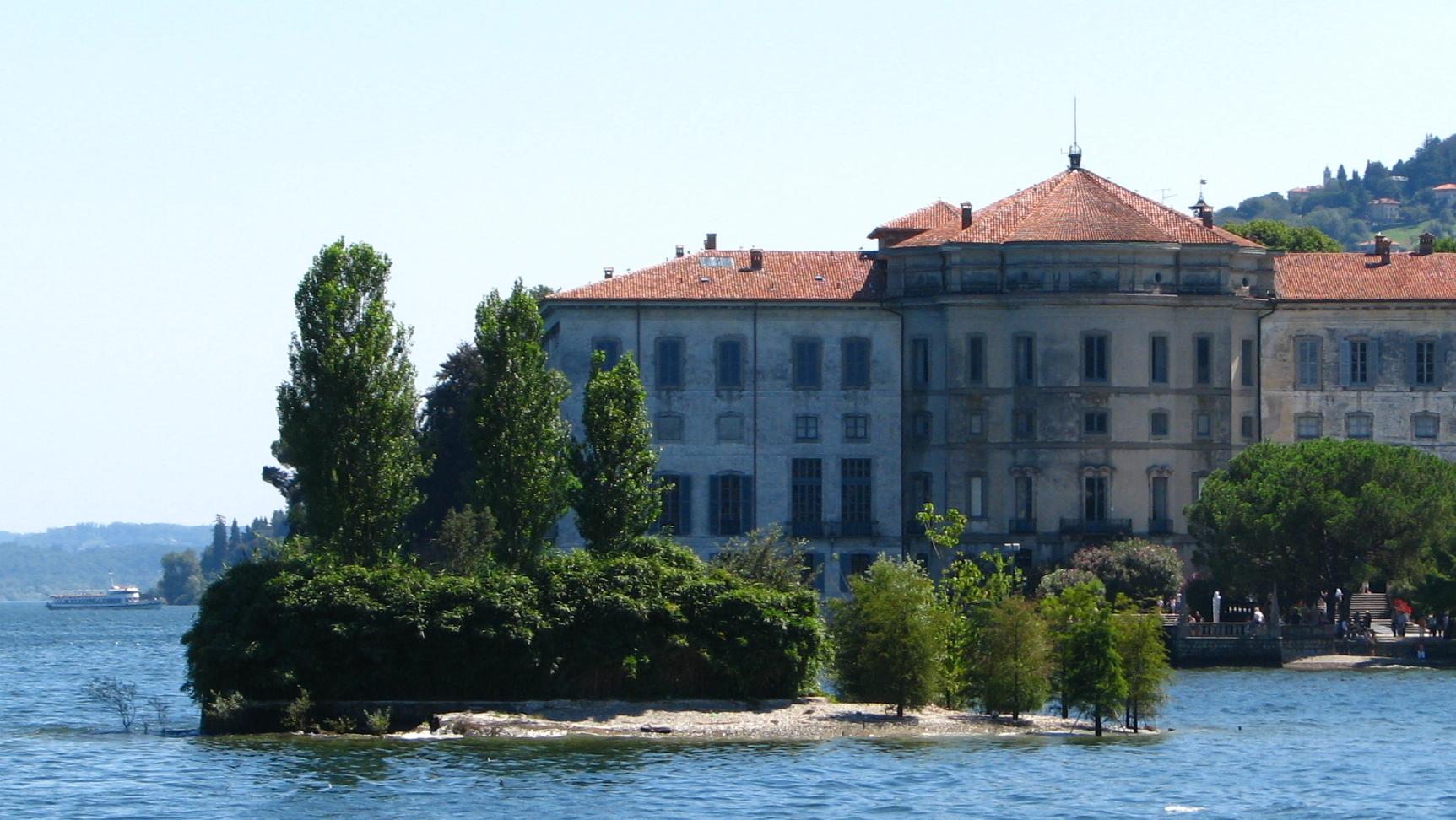
The point of Stresa is the ferry to the Borromean Islands, sitting just offshore in the bay. Boats run frequently, roughly every half hour through the day, and the smart buy is a hop-on, hop-off “rover” ticket so you can visit more than one island, usually somewhere around €15 to €22 depending on which islands you cover. There are three: Isola Bella with its terraced baroque palace and gardens, Isola dei Pescatori (the fishermen’s island, where you eat lunch), and Isola Madre with its botanical garden. A sensible plan is to start with the farthest island and work your way back toward Stresa.
This is a full day, and a lovely one. If you want all three islands, aim to be on a ferry by mid-morning, because the full island circuit eats five or six hours once you factor in lunch and gardens.
Lake Garda: for a swim and a castle
If you’re traveling in warm weather and want to actually get in the water, Lake Garda beats the others. It’s the largest lake in Italy, and the southern towns are the easy day-trip targets from Milan. Direct trains from Milano Centrale reach Desenzano del Garda in around 50 minutes to an hour, and Peschiera del Garda a little beyond that.
From Desenzano you connect by bus or ferry to Sirmione, the headline town, which sits on a long thin peninsula crowned by the moated Scaligero Castle and the sprawling Roman ruins known as the Grotte di Catullo at the tip. Garda is more of a holiday-and-swim lake than a sightseeing one, so set your expectations accordingly: come for the water, the gelato, the castle, and a slow lakeside lunch, not for museums. Families also use this line for the Gardaland theme park near Peschiera.
Genoa: salt, grit, and the best pesto of your life
Genoa is the day trip for people who like their cities real rather than pretty. It’s a great old maritime republic, a working port, a tangle of the largest medieval old town in Europe, the caruggi, those dark narrow alleys that suddenly open onto a frescoed palazzo. Trains from Milano Centrale reach Genova Piazza Principe in roughly an hour and twenty to an hour and forty, with high-speed services on the faster end.
Spend your day in the caruggi, see the grand Via Garibaldi palaces, visit the aquarium or the maritime museum down at the old port, and eat trofie al pesto where pesto was invented. Genoa is also your stepping stone to the Ligurian coast, so on a longer day you could push on to Camogli or the Portofino area. It’s grittier than Como and that’s the appeal. The wider context lives in the full Italy planning guide if you’re mapping a bigger trip.
Pavia and the Certosa: the low-effort half-day
When I want out of Milan but don’t want to commit to a full expedition, I go to Pavia. It’s startlingly close: regional trains from Milano Centrale or Milano Rogoredo get there in roughly 25 to 35 minutes for a couple of euros. Pavia is an old university town with a covered bridge, a domed cathedral, and a relaxed riverside feel.
The real draw is just outside town: the Certosa di Pavia, a staggeringly ornate Carthusian monastery a few kilometers north, reachable by a short local bus or train plus a walk. The marble facade alone justifies the trip. This is the easiest, cheapest escape on the list, perfect for a slow morning or an afternoon when you don’t want to lose a whole day to travel.
Lugano: a quick step into Switzerland
Want to cross a border without much effort? Lugano sits just over the line in the Italian-speaking part of Switzerland, on its own lovely lake, ringed by mountains. EuroCity trains from Milano Centrale get you there in roughly an hour and fifteen to an hour and a half.
Two practical things matter here. First, you’re leaving the EU and the Schengen border can be checked, so carry your passport or national ID. Switzerland is not in the EU, and while it is in the Schengen area, document checks on this crossing do happen. Read the paperwork side of visiting Italy before you go so you know what you’re carrying. Second, Switzerland uses the Swiss franc, not the euro. Cards are widely accepted, but prices are noticeably higher than in Italy, so a coffee and a sandwich will sting a little. Lugano itself is compact and walkable: a lakefront promenade, a funicular up Monte Brè or San Salvatore for the view, and a pretty old center. It’s a charming change of pace and an easy “I went to Switzerland” notch on the belt.
Cinque Terre and Venice: possible, but be honest with yourself
Both of these show up on every list as day trips, and both are technically doable. I want you to go in clear-eyed.
Cinque Terre is around three hours each way by train, usually changing at La Spezia onto the little Cinque Terre Express that shuttles between the five villages for a few euros a ride. That’s a six-hour round trip in a single day. You can do it, but you’ll get maybe five or six hours on the coast, and you’ll be tired. If you go, pick one or two villages, not all five, and take the earliest train out of Milan you can stomach. Frankly, Cinque Terre deserves an overnight, and if your itinerary allows it, give it one.
Venice is about two and a half hours each way on a high-speed Frecciarossa or Italo to Venezia Santa Lucia. More manageable than Cinque Terre, and the trains run late enough that you can stay until the day-trippers and cruise crowds thin out in the evening. Still, it’s a long round trip for a city that rewards slowness. If Venice is high on your list, I’d plan at least a night there rather than racing in and out.
The honest summary on these two: they belong on a multi-stop Italy itinerary, not really a Milan day trip, unless you’re determined and short on options. If you’re weighing how to sequence a bigger loop, the Italy itineraries guide will help you decide whether to base in Milan or move.
Which to skip if your time is short
If you’ve got one free day, don’t agonize. Do Lake Como or Bergamo. Both are close, cheap, easy, and they deliver the most Italy per hour of travel. Lake Como if you want water and glamour, Bergamo if you want a walled old town with fewer crowds.
If you’ve got two free days, add Verona or Turin on the high-speed train, since the speed makes them feel close. Then a lake for contrast.
If you’ve got three or more, that’s when Lake Maggiore, Lake Garda, or Genoa start to make sense, and you can think about whether Cinque Terre or Venice is worth a full travel day or better saved for an overnight.
What I’d skip on a tight schedule: anything over two hours each way. The math just doesn’t work for a single day. Cinque Terre, Venice, and the far-flung options sound romantic on a list, but they’ll cost you most of your daylight in transit.
How to actually buy and use the train tickets
This is the part the pretty listicles gloss over, and it’s where day trips go wrong. Northern Italy runs two very different kinds of trains, and the rules differ.
Regional trains (Trenord) cover most of the lakes, Bergamo, Pavia, and Garda. Fares are fixed, cheap, and don’t change based on when you buy, so there’s no advantage to booking weeks ahead. You can buy at the station machine, at a counter, or in the Trenord app. The one rule that catches tourists: if you have a paper regional ticket, you must validate it before boarding by stamping it in the little green-and-white machine on the platform. Skip that and you can be fined even with a valid ticket in hand. Buy through the app and it’s already tied to your trip, so there’s nothing to stamp, which is honestly the easiest way to avoid the problem.
High-speed trains (Trenitalia’s Frecciarossa and the private Italo) cover Verona, Turin, Venice, and the fast runs. These are the opposite of regional: fares are dynamic, so book early and they’re cheap, book late and they’re expensive. They come with an assigned seat and a specific train, so there’s no validation step, but you also can’t just hop a later departure on the same ticket unless it’s a flexible fare. For these, buy in advance on Trenitalia or Italo’s site or app.
A few more things I’ve learned the hard way:
- Leave early. The single biggest upgrade to any day trip is catching one of the first morning trains. You beat the crowds at the destination, you get the full day, and you have a buffer if something runs late. A 9am departure feels civilized but costs you the best light and the quiet streets.
- Know your station. Milan has several. Milano Centrale is the giant hub for high-speed and most regional lakes lines. Milano Cadorna handles the Nord lines (including Como Nord Lago). Milano Porta Garibaldi covers Bergamo, Turin, and others. Double-check which one your train leaves from before you set out, because they’re not next door to each other. The wider mechanics of Italian rail are in the Italy transportation guide.
- Read the board by departure time, not just the city. Italian departure boards list the final destination, and your stop may be an intermediate one. If you want Verona and the board shows a train to Venice leaving at your time, that’s likely your train. Match the time and platform, not just the name.
- Pre-book the things with lines or timed entry, not the regional trains. That means high-speed tickets in peak season, ferry passes where you can, and any villa or museum that sells timed tickets. The regional trains themselves you can buy the morning of.
- Check for strikes. Italy has occasional rail strikes (scioperi), usually announced in advance, with a guaranteed-trains window. A quick look at the operator’s site the night before saves a ruined morning.
Final thoughts
The reason Milan is such a good place to base yourself isn’t the city, much as I like it. It’s that you can wake up, walk to a station, and be on a lake, in a walled medieval town, or in a former royal capital before lunch. Pick one or two trips that match the days you actually have, lean on the cheap regional trains for the lakes and Bergamo, pay for the fast trains to Verona and Turin, and leave early. Do that, and Northern Italy opens up in a way most visitors never bother to discover. Where to stay between trips is its own question, sorted in my where to stay in Milan guide.
Questions travellers ask
What is the best day trip from Milan?
For most first-timers, Lake Como. It’s about 40 minutes by regional train, costs only a few euros, and delivers the scenery Italy is famous for with almost no logistics if you stay in Como city. If you want something less obvious and less crowded, Bergamo’s walled upper town is my personal pick, and it’s just as easy to reach.
Can you do Lake Como as a day trip from Milan?
Yes, easily. Trenord regional trains run from Milano Centrale to Como San Giovanni in around 40 minutes, roughly hourly, from about €5.20. For the famous villages, take a direct train to Varenna-Esino (about an hour) and use the ferries to reach Bellagio and Menaggio. Just check the last ferry time and plan your day backward from it.
Do I need a car for day trips from Milan?
No. Milan is the best rail hub in Italy, and nearly every destination here is reachable by train, often more conveniently than by car given parking and traffic. A car only helps for off-the-rail corners of the lakes or wine country. For a standard list of lakes and cities, trains win on cost, speed, and stress.
Which Milan station do day trips leave from?
It depends on the destination. Milano Centrale handles high-speed trains and most lake lines. Milano Cadorna runs the Nord lines, including a route to Como Nord Lago. Milano Porta Garibaldi serves Bergamo, Turin, and others. Always confirm your departure station when you buy, since they sit in different parts of the city.
How much do day trips from Milan cost by train?
Regional trains are cheap and fixed: roughly €5 to €13 each way for the lakes, Bergamo, and Pavia. High-speed trains to Verona, Turin, and Venice vary a lot with demand, from around €15 if you book early to far more last-minute. Booking high-speed tickets in advance is the single best way to save money.
Is Cinque Terre a realistic day trip from Milan?
It’s possible but ambitious, around three hours each way, usually changing at La Spezia. That’s a six-hour round trip for five or six hours on the coast. If you go, leave at dawn and visit only one or two villages. Honestly, Cinque Terre is better as an overnight, so save it for that if your itinerary has room.
Can I visit Switzerland on a day trip from Milan?
Yes. Lugano is about an hour and fifteen to an hour and a half by EuroCity train and makes an easy day. Bring your passport or ID, since Switzerland is not in the EU and border checks happen, and remember it uses the Swiss franc, so prices are higher than in Italy. Check the entry-requirements guide before you go.
When is the best time of year for day trips from Milan?
Late spring (May to June) and early autumn (September to October) are the sweet spots: warm enough for the lakes, lighter crowds than midsummer, and comfortable for walking cities like Bergamo and Verona. July and August are hot and busy, especially on the lakes. For a full seasonal breakdown, see the guide to the Italy season by season.