Best Things to Do in Milan: A Local-Minded Guide
Milan gets dismissed as a one-day stopover, a place you tick off before the lakes. That’s a mistake, and I’ll spend the next few thousand words telling you why.
The best things to do in Milan, in one breath: climb the Duomo’s marble rooftop, book The Last Supper weeks ahead or miss it, walk the glass Galleria, tour Sforza Castle and Sempione Park, wander Brera’s lanes, and end with a Navigli canal-side aperitivo. This guide is for first-timers and returners who want honest calls on what’s worth it and what isn’t.
That’s the skeleton. Now let me put meat on it, because the difference between a frustrating day in Milan and a great one is almost entirely in the details nobody puts on a listicle: which tickets sell out, which “must-sees” you can skip, where the aperitivo is actually good, and how to string it together so you’re not crossing the city four times.
If you want the wider regional picture first, the Milan and Northern Italy travel guide frames how the city fits with the lakes and the Po Valley cities. Come back here for the attractions themselves.
The quick-reference table
Skim this, then read the sections for the parts that matter to you. Prices and hours are approximate and shift season to season; always confirm on official sites before you go.
| Attraction | Why go | Time needed | Book ahead? |
|---|---|---|---|
| Duomo + rooftop terraces | Milan’s signature; the rooftop walk among the spires is the single best thing in the city | 1.5–2.5 hrs | Yes — buy timed rooftop tickets online |
| The Last Supper (Santa Maria delle Grazie) | Leonardo’s masterpiece, in person, 15 minutes only | 30–45 min on site | Essential — months ahead, sells out fast |
| Galleria Vittorio Emanuele II | 19th-century glass arcade; you’ll pass through it anyway | 15–30 min | No |
| Teatro alla Scala + museum | The temple of opera; museum any day, performances are special | 45 min museum / a night for opera | Museum no; opera yes |
| Sforza Castle + Sempione Park | Free-to-enter grounds, strong museums, the city’s best park | 1.5–3 hrs | No (museums walk-up) |
| Brera + Pinacoteca di Brera | Milan’s most charming quarter and a world-class gallery | 2–4 hrs | Gallery recommended in peak |
| Navigli canals + aperitivo | The evening you’ll remember; drinks and crowds by the water | 2–3 hrs (evening) | No |
| Quadrilatero della Moda | Fashion and design window-shopping, flagship architecture | 1 hr | No |
| Fondazione Prada | Bold contemporary art in a remade distillery | 2–3 hrs | No |
| Cimitero Monumentale | Open-air sculpture museum disguised as a cemetery | 1–1.5 hrs | No (free) |
| San Siro stadium | Football pilgrimage and stadium tour | 1.5–2 hrs | Tour yes; match yes |
Two days lets you do this list properly without sprinting. One day means triage — see the 2 days in Milan itinerary for a tighter hour-by-hour plan; this guide stays focused on the attractions themselves so you can mix and match.
The Duomo and its rooftop: do not skip the terraces
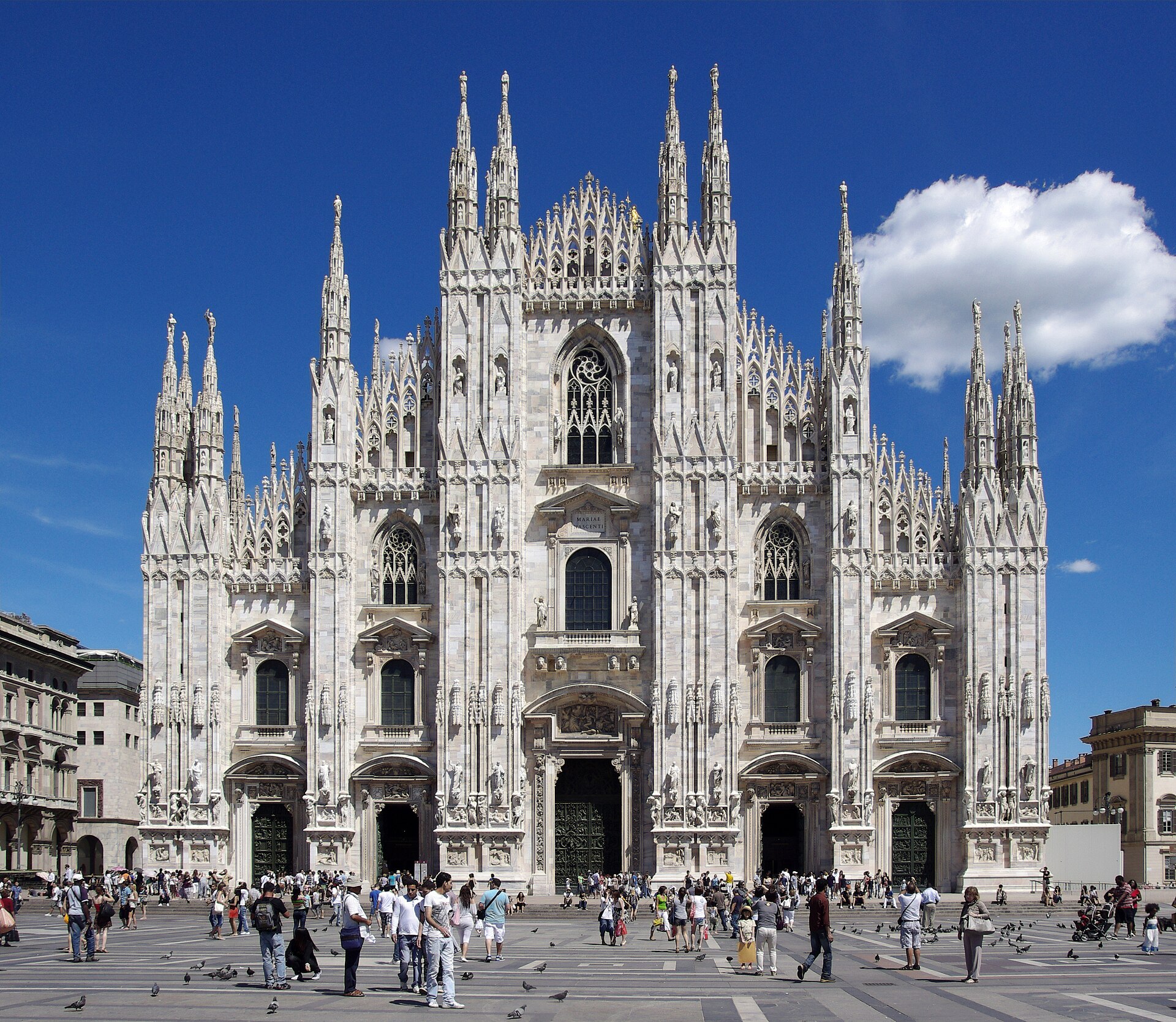
Start here, ideally early. The Duomo di Milano is the reason the skyline looks like a marble forest, and standing in Piazza del Duomo at 8am with the facade catching first light — before the tour groups and the selfie sticks — is one of the few “wow” moments that lives up to the photos.
Here’s the call I’ll make for you: the rooftop terraces are non-negotiable, the interior is optional. The inside is vast and atmospheric, but if you only have time and budget for one, take the roof. You walk among the 135 spires and the thicket of statues, with the whole city below and, on a clear day, the Alps on the horizon. There’s nothing else like it in Italy.
Practical reality as of 2026: rooftop-only tickets run around €16 if you take the stairs, roughly €18 for the lift. A combined ticket that adds the cathedral and museum is around €26. The price gap between stairs and lift is small; I’d pay for the lift on a hot day and save my legs for the rest of the itinerary. Buy a timed slot online in advance — the walk-up line in summer is brutal and you’ll burn an hour you don’t have. Confirm current prices and the entrance you need at the official site, duomomilano.it.
One thing the ranked lists rarely flag clearly: the dress code is strict and enforced, on the roof as well as inside. Shoulders and knees must be covered, no exceptions — tank tops, short shorts and mini skirts will get you turned away at security, ticket or not. In summer a light scarf solves both at once. More on this and other small-but-real cultural rules in Italian etiquette for travelers.
A bonus view that costs nothing extra: head to the top floor of La Rinascente, the department store on the Duomo’s north side. There are cafes and a terrace up there looking straight at the cathedral’s flank — a coffee with that backdrop is a small luxury.
A pickpocket warning for the Duomo area
I’ll be blunt because page-one guides bury this: Piazza del Duomo and the metro stations feeding it are the busiest pickpocket and scam zone in Milan. Watch for the friendship-bracelet routine (someone loops string on your wrist, then demands money), fake petitions, and the classic crowded-tram lift. None of it is dangerous, all of it is annoying, and a little awareness defuses it entirely. Keep your phone off the cafe table and your bag zipped and in front of you in crowds. The full playbook is in common Italy tourist scams and how to avoid them — worth five minutes before you go.
The Last Supper: the booking reality nobody puts up top
This is the section that justifies the whole article, because every other guide tells you to “book ahead” and then moves on. Let me tell you what “book ahead” actually means.
Leonardo’s The Last Supper (Il Cenacolo) lives on the refectory wall of Santa Maria delle Grazie, a short walk or one metro stop west of the center. For conservation, they let in a maximum of around 40 people at a time for a 15-minute visit, in timed slots from morning to early evening, Tuesday through Sunday. Last entry is around 6:45pm. That tiny capacity is the entire problem.
Tickets are released in quarterly batches, roughly three months at a time, on the official channel, and high-season slots can vanish within minutes to days of release. For 2026, for example, the May–August window went on sale in late March. Practically, that means you should plan to book two to three months ahead, and treat a month out as already cutting it fine in spring and summer. There is no turn-up-and-queue option; reservations are compulsory for every ticket type. (Note: the museum is now managed by the Pinacoteca di Brera, and the official booking site is lastsupper.shop — buy there, or through a reputable guided tour, not from a random reseller.)
So what do you do if you’ve left it late and it’s sold out? Two real options. First, check the official site again on a Wednesday around midday, when extra releases and cancellations sometimes surface. Second — and this is the workhorse move — book a guided tour that bundles a Last Supper slot. Licensed operators hold ticket allocations and often have availability when the official site shows nothing, usually pairing it with a Duomo or Santa Maria delle Grazie walk. You pay more for the convenience; whether that’s worth it depends on how badly you want to see the painting.
Is it worth the hassle at all? If you love Renaissance art, unreservedly yes — 15 minutes in that quiet room with a painting you’ve seen reproduced a thousand times hits differently than you expect. If you’re more of a “see the city” traveler and the booking gymnastics stress you out, you won’t ruin your trip by skipping it. I’d rather you spend a relaxed afternoon in Brera than spend it anxious about a 15-minute slot you resent.
More of the best things to do in Milan, grouped so they actually flow
The mistake most visitors make is treating Milan’s sights as a checklist and zig-zagging across the city. Don’t. Cluster them. Here’s how I’d group the rest of the best things to do in Milan by area, so each chunk is a comfortable half-day on foot.
Around the Duomo: Galleria and La Scala
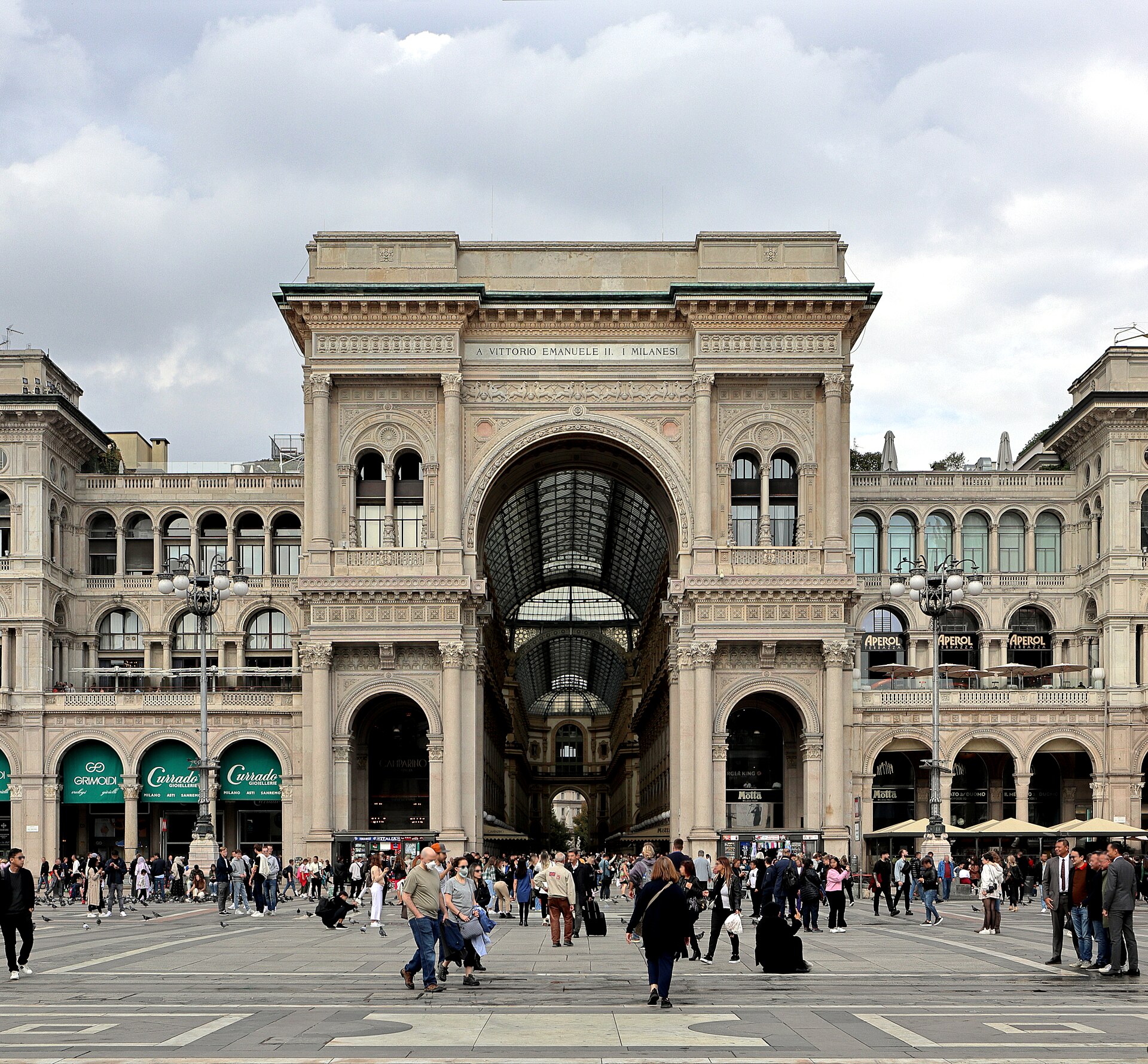
Right beside the cathedral, the Galleria Vittorio Emanuele II is the 19th-century glass-and-iron arcade you’ll walk through whether you plan to or not — it connects Piazza del Duomo to Piazza della Scala. It’s genuinely beautiful, especially the central octagon and the mosaic floors, and it takes ten minutes. The historic cafes inside (Camparino, the old Biffi and Savini rooms) are lovely and priced for the privilege; a coffee standing at the bar is the affordable, very Milanese way to enjoy it. There’s a rooftop walkway you can pay to access now, but I’d skip it if time is tight — the rooftop you came for is the Duomo’s.
Walk through the Galleria and you pop out at Teatro alla Scala. From the street it’s almost plain, which fools people. The magic is inside and in its history — this is one of the world’s great opera houses. You can visit the theatre museum most days and usually peek into the auditorium from a box when there’s no rehearsal (a small caveat: rehearsals can close the view, so it’s a bit of a lottery). The real prize is seeing a performance. If your dates line up and tickets exist, an evening at La Scala beats any museum tour of it — restricted-view seats can be surprisingly affordable. Check the official La Scala calendar early.
Northwest: Sforza Castle and Sempione Park
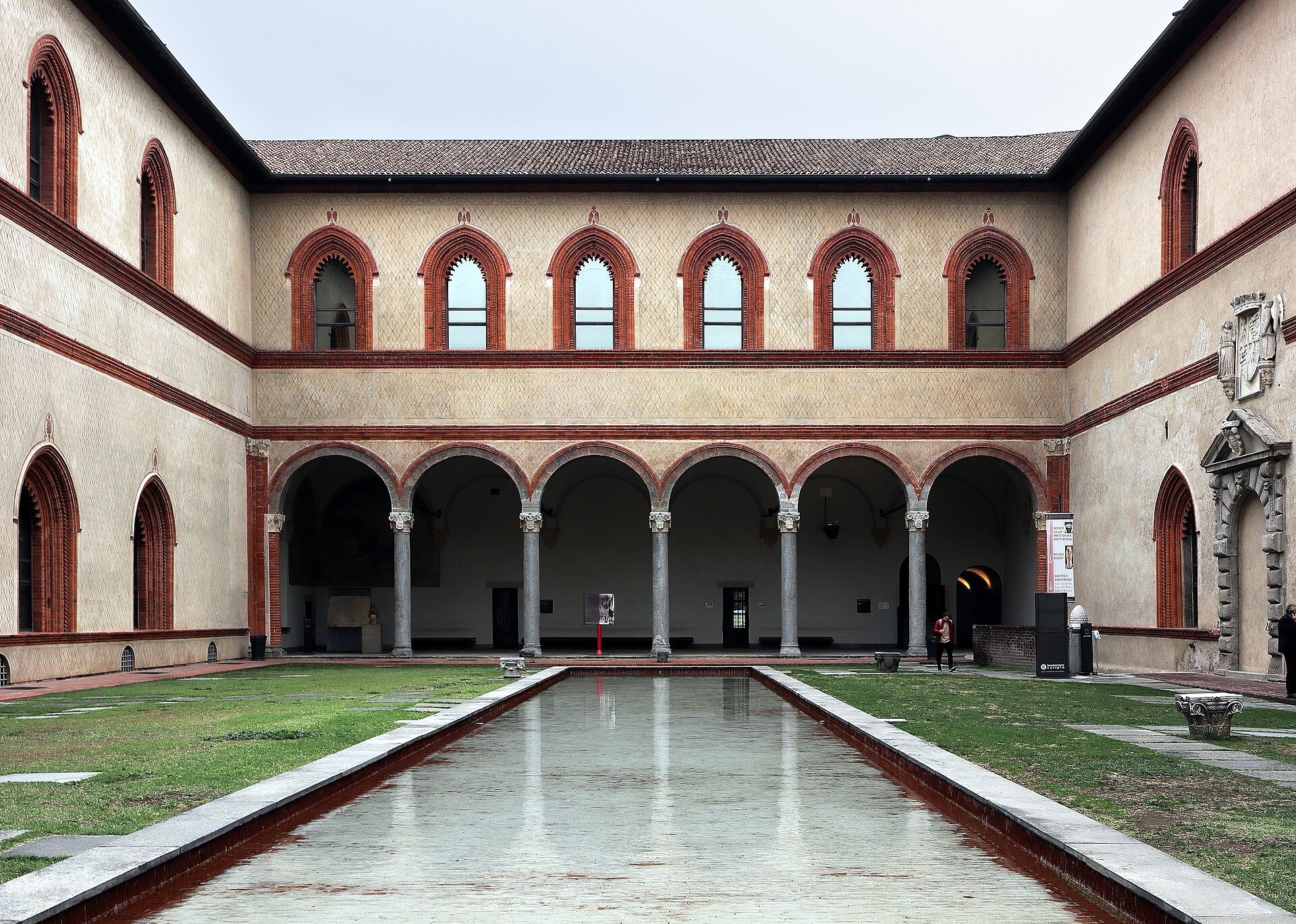
A ten-minute walk northwest brings you to Castello Sforzesco, the huge 15th-century fortress of the Sforza dukes. The grounds and courtyards are free to wander, and honestly that’s enough for many people — the brick towers and the fountain out front are impressive on their own. Inside, the castle holds a cluster of city museums under one ticket (around €5 as of 2026), whose headline draw is Michelangelo’s unfinished Pietà Rondanini, the sculpture he was working on days before his death. There’s also Leonardo’s painted Sala delle Asse. Note the museums are free on the first Sunday of the month and on the first and third Tuesday after 2pm — handy if your budget is tight and your timing flexible.
Behind the castle stretches Parco Sempione, the city’s best green space, with the Arco della Pace (a triumphal arch that looks like Paris’s Arc de Triomphe) at the far end. It’s the right place to slow down between sights. On the park’s edge, the Triennale design museum has a top-floor cafe with a view and good food that few tourists find — a smart, calm lunch stop.
Brera: the quarter to linger in
If Milan has a soul on display, it’s in Brera. This is the old artists’ district — cobbled lanes, ivy, flower stalls, little galleries and trattorie — and it’s the one neighborhood I’d tell you to walk with no agenda. It’s also home to the Pinacoteca di Brera, one of Europe’s top painting collections, with Mantegna’s Dead Christ, Raphael, Caravaggio, Bellini and Hayez’s The Kiss. It’s a serious gallery; give it a couple of hours, and book ahead in peak months to be safe.
Tucked in the same building is the Biblioteca Braidense, an 18th-century library whose main reading room is one of the most beautiful spaces in the city — entry is usually free, takes a few minutes, and almost nobody on a one-day visit knows to look. Brera comes alive in the evening too, so it doubles as a dinner-and-stroll option if you’d rather not trek to the canals.
South: Navigli canals and the aperitivo you came for
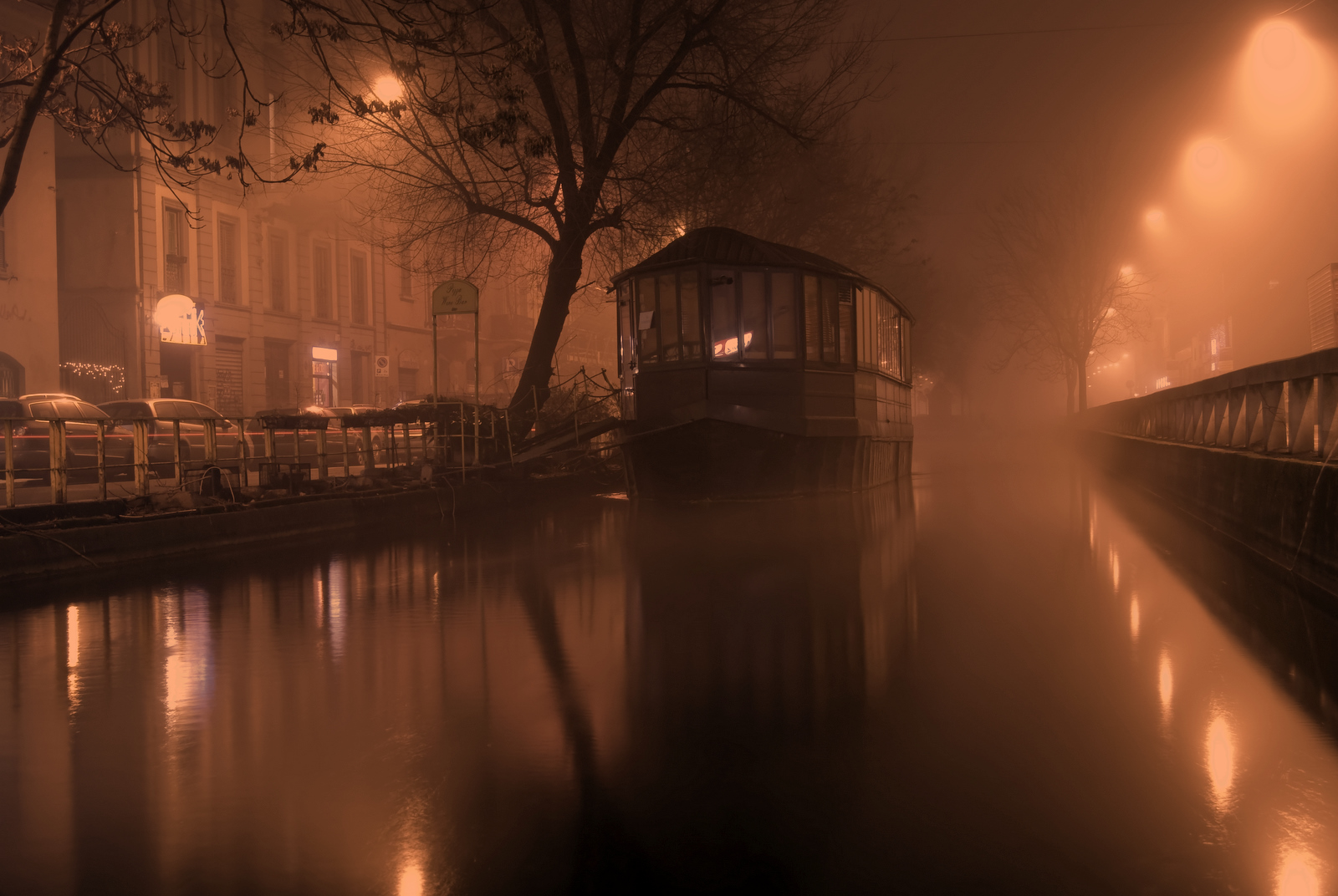
End a day in the Navigli. Milan once had a network of canals (Leonardo himself worked on the lock systems); two survive — the Naviglio Grande and the Naviglio Pavese — and the streets along them are where the city drinks. By day it’s quiet, with antique shops and the occasional barge; on the last Sunday of the month there’s a big antiques market along the Grande. By evening it transforms into the city’s social heart.
This is the place to learn the Milanese aperitivo, which deserves its own paragraph because it’s one of the genuine joys of the city and the listicles undersell it. The deal: from roughly 6 to 9pm, you buy a drink — a Negroni, a Campari spritz, a glass of Franciacorta — at a fixed price (figure around €10–€15 in Navigli), and the bar lays out food, from olives and chips to, at the more generous apericena spots, a near-buffet of pasta, focaccia and cured meats. A couple of these can stand in for dinner. Etiquette is simple: it’s one drink per food round, you don’t pile a plate like it’s a contest, and you tip lightly if at all. For the wider food-and-drink context — what risotto alla milanese and cotoletta are, why Lombardy does Franciacorta — see eating and drinking your way through Italy.
Fair warning: central Navigli on a Friday or Saturday night is packed and loud, more party than postcard. If you want the canals’ charm without the crush, go on a weeknight or in the earlier evening, or settle for an aperitivo in Brera instead.
Design, fashion, and the modern city
Milan is a design and fashion capital, and a few stops let you feel that without spending a euro you don’t want to.
The Quadrilatero della Moda — the golden rectangle bounded by Via Montenapoleone, Via della Spiga, Via Manzoni and Corso Venezia — is window-shopping as spectacle. Even if you’re not buying, the flagship architecture and the people-watching are worth a slow loop. Just north, around Piazza Gae Aulenti and Corso Como, you get the modern Milan of glass towers and Bosco Verticale, the award-winning “vertical forest” residential towers draped in trees. It’s a striking contrast to the old center and a fine early-evening walk.
For contemporary art with real ambition, Fondazione Prada (south of the center) reworked an old distillery into one of Italy’s best modern-art venues — bold installations, a Wes Anderson-designed cafe (Bar Luce) that’s worth a coffee on its own. It’s a bit out of the way; pair it with the Navigli, which isn’t far, to make the trip efficient.
Quieter, weirder, and sport
A few picks for second-timers or anyone who’s done the headline list.
The Cimitero Monumentale is, despite the name, one of Milan’s most rewarding free visits — a vast open-air gallery of dramatic funerary sculpture, Art Nouveau mausoleums and famous Milanese tombs. Go in the morning, allow an hour, treat it like a sculpture park.
Football fans should make the pilgrimage to San Siro, the cathedral of Italian football shared by AC Milan and Inter. There’s a stadium-and-museum tour on non-match days; catching an actual match, if the calendar cooperates, is the better experience by a mile. Book either ahead. (Worth checking late, as the stadium’s long-term future has been debated — confirm tour availability before you build a day around it.)
And for kids or anyone who loves Leonardo’s inventions, the Leonardo da Vinci National Museum of Science and Technology near Sant’Ambrogio is huge and hands-on — easily a half-day, and a lifesaver on a rainy afternoon.
How to string it together: ordering, transit, and passes
A sensible order
For two days, I’d shape it roughly like this. Day one, the historic core: Duomo and rooftop early, Galleria and La Scala next door, then Brera and the Pinacoteca, finishing with dinner in Brera or aperitivo nearby. Day two, the wider city: your Last Supper slot (slot it wherever your booking landed and build around it), Sforza Castle and Sempione Park, then the modern north (Gae Aulenti, Bosco Verticale) or Fondazione Prada in the afternoon, and the Navigli for the evening. That ordering keeps walking sane and saves the city’s best evening for last.
Milan rewards two full days, no more, no less, for the attractions. It also pairs beautifully with what’s around it. The lakes are absurdly close — Como is under an hour by train — and so are several great cities. Don’t try to cram those into your Milan days; give them their own. See the best day trips from Milan for the lakes, plus Verona, Bologna, and Turin, all easy train rides and each worthy of a full day. The lakes especially deserve real time — the Italian Lakes travel guide is the place to plan that properly.
Getting around: the metro is your friend
Milan’s public transport (run by ATM) is cheap, clean and easy, and the metro will cover almost everything in this guide. A single ticket is around €2.20 as of 2026 and is valid for about 90 minutes across metro, tram and bus — so one ticket often covers a hop plus a connection. If you’re moving a lot in a day, a 24-hour pass (around €7.60) pays for itself quickly. The historic center is compact enough that you’ll walk most of day one; the metro is for reaching Navigli, San Siro, the Last Supper, and the modern north. The vintage orange trams are a charming way to ride, too. For how Milan connects to the rest of the country by rail, see getting around Italy.
Arriving by plane is its own small puzzle — three airports, different train and bus options. I’ve kept that out of this guide on purpose; getting from Milan’s airports to the city center handles it in full.
Are the tourist passes worth it?
Mostly, no — and this is where I’ll save you from a common trap. The heavily advertised “MilanoCard” and various lookalike “city pass” sites are widely flagged as poor value or worse; several have a bad reputation for non-delivery and recycled tickets. Be careful what you buy and from whom.
For most visitors the math is simple: buy individual attraction tickets (Duomo, Last Supper, Pinacoteca) and add an ATM transport pass, and you’ll usually come out ahead of any bundle. If you genuinely plan to hit five-plus paid sights in a couple of days, the only pass I’d consider is the official YesMilano City Pass, which is backed by Milan’s own tourism office — it’s the one with real institutional standing. Otherwise, skip the passes and book the things you actually want.
Best time to visit
Milan is a year-round city, but the shoulders are sweetest. Spring (April–June) and autumn (September–October) give you mild weather and long days for rooftop views and canal-side evenings. Summer is hot, humid and emptier in August as locals flee — some restaurants close, though the upside is shorter lines. Winter is grey and can be foggy, but it’s atmospheric, prices dip, and the run-up to Christmas plus the December opera season has its own appeal. Avoid the big fashion and design weeks (typically February/March and September, plus Salone del Mobile in April) unless you’re attending — hotels spike and the city fills. Plan timing with the best time to visit Italy, and if you’re building a longer trip, slot Milan into your wider Italy itinerary.
Final thoughts
Milan isn’t a checklist city, even though everyone treats it like one. Give it two days, climb the Duomo at opening, book The Last Supper the moment you commit to dates, and leave your last evening for a slow aperitivo by the canals — and you’ll understand why some of us think it’s the most underrated city in Italy. Sort your base first with where to stay in Milan, and if you’re shaping a bigger trip, the Italy travel guide ties it all together.
Questions travellers ask
How many days do you need in Milan?
Two full days is the sweet spot for the attractions in this guide — enough to do the Duomo, Last Supper, Sforza Castle, Brera and a Navigli evening without rushing. One day works if you triage hard (Duomo rooftop, Galleria, Brera, canals). More than two and you’re better off day-tripping to the lakes or a nearby city than padding your time in town.
Is The Last Supper worth it, and how far ahead should I book?
If you love Renaissance art, yes — but only if you book early. Slots release roughly three months at a time and sell out fast, so aim for two to three months ahead in spring and summer. It’s a strictly timed 15-minute visit with about 40 people. If it’s sold out, a guided tour that includes a slot is the reliable backup; reputable operators hold tickets.
What is the single best thing to do in Milan?
Climb the Duomo’s rooftop terraces. Walking among the marble spires with the city below — and the Alps on a clear day — is the one experience that genuinely surprises people and tops everything else. Go early, buy a timed ticket online, and remember shoulders and knees must be covered to get in.
Do I need to book Milan attractions in advance?
The Last Supper, yes — it’s mandatory and competitive. The Duomo rooftop, strongly recommended in peak season to skip long lines. The Pinacoteca di Brera and La Scala museum are worth booking in busy months but often fine on the day. Sforza Castle’s museums are walk-up, and its grounds, Sempione Park, Brera’s streets and the Navigli are free to roam.
Is Milan walkable, or do I need transport?
The historic center — Duomo, Galleria, La Scala, Brera, Sforza Castle — is very walkable and best explored on foot. For the Navigli, San Siro, the Last Supper and the modern northern districts, use the metro: clean, cheap (around €2.20 a ride), and easy. A 24-hour pass is worth it on busy days. The vintage trams are a pleasant ride too.
When is the best time to visit Milan?
Spring (April–June) and autumn (September–October) are ideal — mild, long days, manageable crowds. August is hot and quiet with some closures; winter is grey but cheaper and atmospheric, with the opera season as a draw. Steer clear of fashion and design weeks (February/March, September, and April’s furniture fair) unless you’re attending, as hotels surge.
Is Milan safe for tourists?
Yes, broadly. Violent crime is rare; the real risk is pickpocketing in crowds, especially around Piazza del Duomo, busy metro stations and packed trams. Watch for friendship-bracelet hustlers and fake petitions near the cathedral. Keep your bag zipped and in front of you and your phone off café tables, and you’ll be fine. Our Italy tourist scams guide covers the specifics.
What food should I eat in Milan?
The local plates are risotto alla milanese (saffron, golden, rich), cotoletta alla milanese (a breaded veal cutlet), and ossobuco. Pair the city’s aperitivo culture — a Campari-based drink with free snacks from about 6 to 9pm — with an evening in Navigli or Brera. Panettone is the famous Milanese export at Christmas. For more, see Italy’s food and wine.