Italian Train & Transport Guide
Driving in Italy: ZTL Zones, Tolls, Parking and Rental Cars

Italy rewards drivers. Not in Rome, not in Florence, and definitely not in Naples — but get out into the countryside, up into the hill towns, along the southern coastline, or through the Dolomites, and a car transforms your trip. You stop when you want, you eat where the locals eat, and you reach places the train simply does not go.
That is the honest version of driving in Italy as a tourist. A car is a tool, not a virtue. For city-focused itineraries, it is a liability. For rural Tuscany, coastal Sicily, or the Umbrian backroads, it is close to essential. The single biggest trap waiting for unprepared drivers — far more costly than a speeding ticket — is Italy’s ZTL (Zona Traffico Limitato) camera system. Blunder into a restricted zone in Florence once, twice, three times on the same day? You will have three separate fines waiting for you at home months later. This guide explains exactly how to avoid that, and everything else you need to know before you get behind the wheel.
Driving in Italy: What to Know Before You Go
| Topic | What to Know | The Trap |
|---|---|---|
| ZTL zones | Camera-enforced restricted zones in historic city centres | You can pass the sign at 30 km/h and not realise; each camera entry = a separate fine |
| Autostrada tolls | Take a ticket at entry, pay by distance at exit | Telepass lanes (marked with orange T) are for transponders only — do not enter one without a device |
| Parking | Blue lines = paid, white = free, yellow = reserved | Blue zone time limits are strict; a parking disc is required in many towns |
| Renting a car | IDP required for non-EU/non-UK visitors; manual gearboxes dominate | Automatics must be booked months ahead in summer; debit cards often not accepted for deposit |
| Fuel | Servito (attended) vs self-service | Self-service at night requires exact notes; some machines reject foreign cards |
| Insurance | CDW included by law, but deductible can exceed €1,000 | Zero-excess cover costs extra — worth it for peace of mind on narrow roads |
ZTL Zones: The Fine That Arrives Months After You Leave
The Zona Traffico Limitato is not a scam. It is not aimed at tourists. It is a genuine traffic-reduction measure — hundreds of Italian cities and towns operate them — and it has a camera at every entry point that photographs your number plate the instant you cross the line.
Here is what makes it so dangerous for visitors: the fine does not arrive at the car rental counter. It arrives at the rental company, sometimes four to eight weeks after you have gone home, and the company forwards it to the address on your credit card. By then, you have likely forgotten about the turn you took following your GPS past that circular red sign.
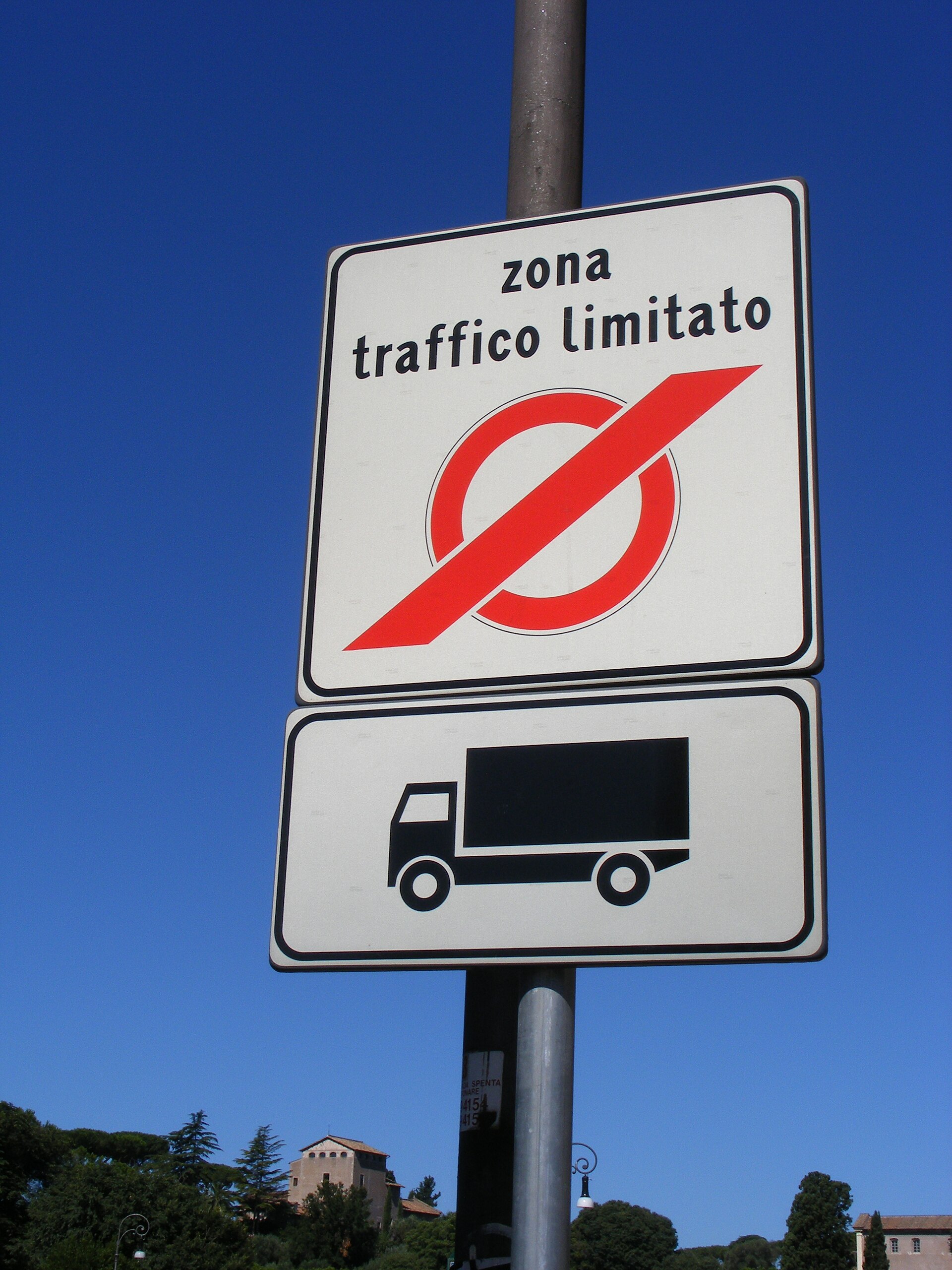
What the Sign Looks Like
A ZTL boundary is marked by a white rectangular sign with a red circle in the centre. Often there is text underneath showing the hours of restriction, using 24-hour time. “08:00–20:00” means the zone is active from 8 a.m. to 8 p.m. — a sign reading “ZONA A TRAFFICO LIMITATO” in black text beneath the circle is the giveaway. The camera above the sign fires the moment you cross.
Fine Amounts (As of 2026, Hedged)
Fines vary by city and by how quickly you pay. As of 2026, expect a base penalty of around €80–€100 per violation; in Florence, which collected over €61 million in traffic fines in a single year, repeat entries on the same day are treated as multiple violations. Add the rental company’s administrative forwarding fee — typically €30–€50 — and a single confused turn into a ZTL can cost you €130 or more. Paying promptly (usually within five days) qualifies you for a reduced rate; ignoring the fine does not make it go away, as enforcement across EU borders and in the UK and US through rental company credit-card charges is standard practice.
How to Avoid It
The practical rules are simple, even if following them requires discipline:
- Do not drive into historic city centres. Park outside, walk in, or take public transport. This is always the safest approach.
- Use Waze, not just Google Maps. Waze is the only mainstream navigation app that consistently flags ZTL zones with an on-screen warning. Google Maps has improved but is not as reliable for ZTL alerts.
- If your hotel is inside a ZTL, call them before you arrive. Hotels in restricted zones can often register your number plate with the local traffic authority for the duration of your stay, giving you a temporary pass. This authorisation is specific to that hotel’s zone — it does not extend to the whole city.
- Know the hours. Many ZTLs are time-restricted. Driving in at midnight might be perfectly legal. Driving in at 10 a.m. is not. Check the sign times before you assume.
- When in doubt, park and walk. The parking fees are always cheaper than the fine.
For the record: Rome, Florence, Siena, Bologna, Perugia, Orvieto, Naples, and dozens of smaller hill towns all operate ZTLs. This is not a short list.
The Autostrada: How Tolls Work
Italy’s motorway network — the autostrada — is one of the best in Europe. The green signs, the smooth tarmac, the tunnels through the Alps: it is worth using. It is also tolled, and the system requires a little explanation the first time.
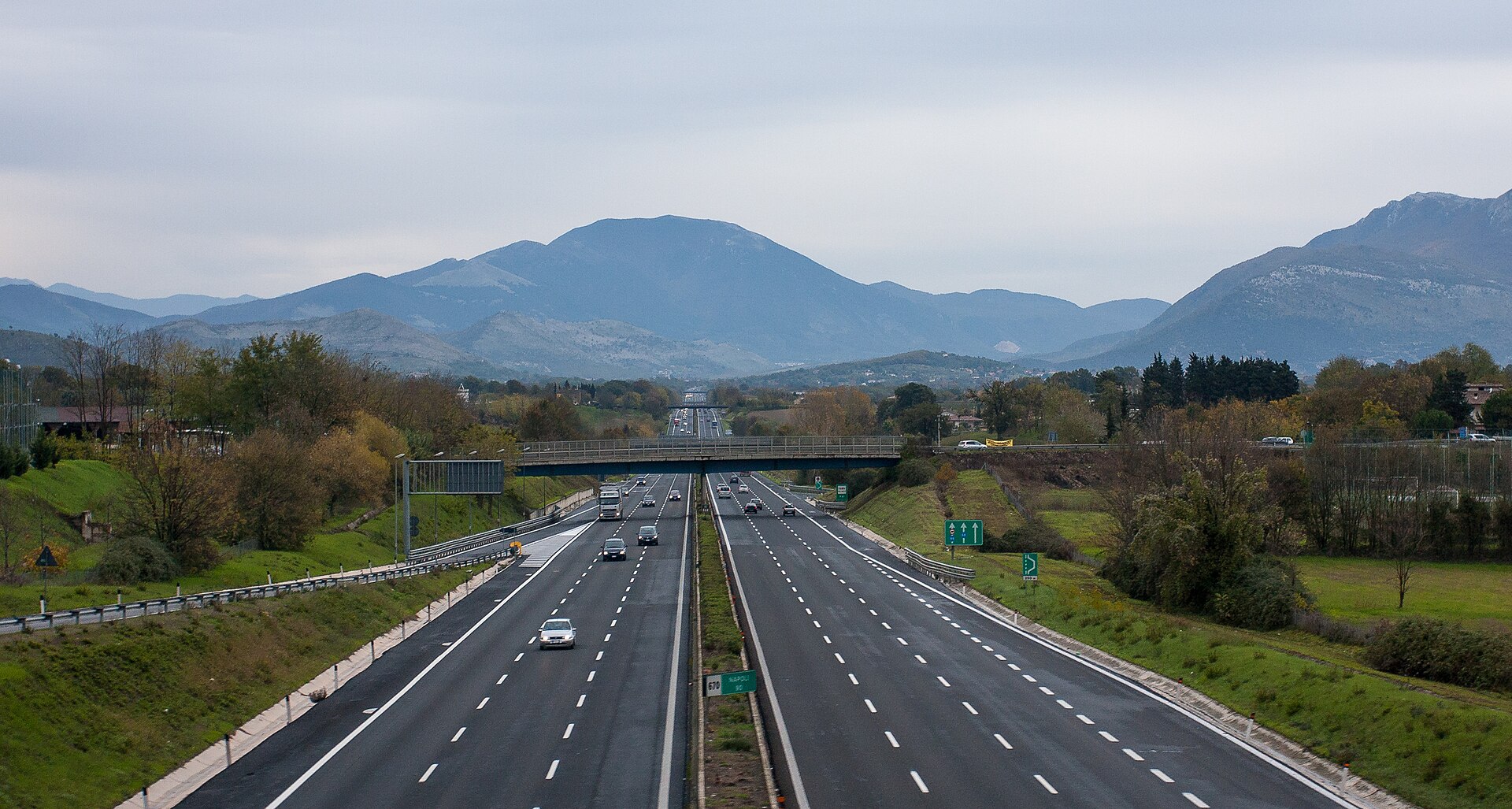
Taking a Ticket at Entry
At most entry points you pull up to a barrier, press a button, and take a paper ticket. The ticket records your entry point. At the exit barrier, you feed the ticket into the machine (or hand it to a cashier), and the system calculates the fee based on the distance you have driven and your vehicle category. Most passenger cars fall into Class 1 (autovetture). The cost varies by operator and route, but typical 2026 toll costs for popular routes run approximately: Rome to Naples, around €18–22; Milan to Venice, around €15–19; Venice to Florence, around €15–20. Treat these as rough figures — they change, and tolls are best verified via the official Autostrade per l’Italia website before a long trip.
Payment Lanes: Which One to Use
At the exit barrier you will see lanes marked by different symbols:
- Orange T (Telepass): These lanes are for vehicles fitted with an electronic transponder. Do not enter without one — the barrier will not lift and reversing on an autostrada is both dangerous and illegal.
- Blue credit card icon: Card payment lanes — the most convenient option for most tourists. Visa and Mastercard are widely accepted. American Express is less reliable.
- White lanes with a cashier symbol: Attended booths accepting cash and cards.
Viacard prepaid cards, once popular with tourists, were discontinued for new purchases in 2025, though existing cards remain valid until the end of 2029.
Telepass for Tourists
Telepass is Italy’s dominant toll transponder system. As a tourist, you almost certainly will not have one. You can no longer rent a Telepass with most car rental bookings in Italy as of 2025–2026 — check this at the counter when you pick up the car. If the rental agency offers one, the daily add-on fee is usually modest and worth it for the convenience of zipping through without stopping. Without Telepass, card lanes work perfectly well — just slow down, follow the prompts on the screen, and insert your card when indicated.
Free-Flow Tolling on Certain Roads
A small but growing number of newer roads — including sections of A33, A36, A59, and A60 — use overhead free-flow cameras with no physical barrier. These roads require either a registered Telepass or an account. Rental companies are usually registered, so any toll charges flow through to your booking. Ask at pickup.
Parking: Blue, White, and Yellow Lines Decoded
Parking in Italy is colour-coded and the rules are strictly enforced in tourist areas.
Blue lines are paid parking. You will find a ticket machine (parchimetro) nearby; buy a ticket for the time you need and display it on the dashboard. Some blue zones require a parking disc (disco orario) instead of a paid ticket — the disc is a cheap cardboard or plastic clock that you set to your arrival time. You buy them at tabacchi (tobacconist shops) or petrol stations. Blue zone time limits range from 30 minutes to two hours depending on the town.
White lines indicate free parking. In city centres, white-line spaces often have time restrictions posted on a nearby sign; always check before walking away.
Yellow lines mean reserved. These spaces are for taxis, disabled badge holders, loading bays, or residents. Parking in a yellow zone will get you towed — not fined, towed. Retrieval fees in Italian cities are substantial.
Pink lines are reserved for pregnant women or parents with children under two.
Parking Garages (Parcheggi)
For overnight stays or full days in cities, a parcheggio (garage or car park) is the sanest option. Prices vary from around €15–25 per 24 hours in smaller cities to €30–40 in central Rome or Florence. Look for signs on the approach roads reading “P” with an arrow. Park and Ride facilities (parcheggi scambiatori) on the edges of city centres are often cheaper and connect to buses or trams — ideal if you are spending a day in town and want to leave the car entirely.
A practical rule: if you are staying in a city for more than a night, ask your hotel about parking arrangements before you arrive. Many hotels have an arrangement with a nearby garage; some include parking in the room rate. Discovering at 10 p.m. that there is no space near your B&B in a hill town is an unpleasant surprise.
Renting a Car in Italy: IDP, Insurance, and the Automatic Problem
Do You Need an International Driving Permit?
This is the question most guides either bury or get wrong, so let’s be direct.
If you hold a US, Australian, Canadian, or other non-EU/non-UK licence, you legally need an International Driving Permit (IDP) to drive in Italy. This is confirmed by the US Embassy in Italy. The IDP is a translation document — it must be carried alongside your original licence, not in place of it.
If you hold an EU or EEA licence, you do not need an IDP. If you hold a UK licence, you do not currently need one for Italy — but check for any post-Brexit changes before you travel.
Americans get their IDP through AAA (the American Automobile Association) — it costs around $20, takes a few minutes to process in person at a branch, and is valid for one year. Do not try to get it once you are already in Italy; it must be issued in your home country. Car rental companies can and do refuse handover if you cannot produce an IDP, and being stopped by the Polizia Stradale without one can result in a significant fine.
Minimum Age
Most Italian car rental companies set the minimum age at 21, and many apply a Young Driver Surcharge for anyone under 25. Some agencies will not rent at all to drivers under 21, and for prestige or large vehicles the threshold is often 25. Check this when you book — not when you arrive at the counter.
The Automatic Gearbox Problem
Italy is a manual-transmission country. The vast majority of rental cars — probably 80–85% — are stick-shift. Automatic cars do exist, but they are genuinely scarce, and in summer they sell out months in advance. If you cannot drive a manual, or simply prefer an automatic for the stress of Italian traffic, book three to four months ahead for any June through August travel. Expect to pay a premium of roughly 10–20% over an equivalent manual.
If you are comfortable with a manual, your choice will be much wider — and a smaller car (a Fiat 500, a Panda, or an equivalent) is almost always the right choice for Italian roads. Narrow medieval streets, tight hill-town parking, and the general assertiveness of Italian driving make a compact car far less stressful than an SUV.
Insurance: What Is Actually Covered
By Italian law, CDW (Collision Damage Waiver) is included in every rental. The catch is the deductible — the amount you are liable for in the event of any damage. This figure is often over €1,000, sometimes over €2,000, and it covers things like scratches from a tight parking space or a kerb clip. Zero-excess cover, which reduces your liability to nothing, is sold as an add-on and typically costs €15–35 per day extra in 2026.
Your credit card may include car rental insurance — check the small print before you travel. If it does, understand exactly what it covers and whether it applies in Italy (some cards exclude certain countries or vehicle categories). Travel insurance policies sometimes include rental car excess cover at better value than the rental company’s own product.
Deposit Requirements
Nearly all Italian rental companies require a credit card — not a debit card — in the main driver’s name for the security deposit. The hold can be €500–€2,000 depending on the car and the insurance level selected. This is a real hold, not just a note; it will reduce your available credit for the duration of the rental. Bring a credit card with sufficient headroom.
Fuel: Servito vs Self-Service
Italian petrol stations have two lanes: servito (full service, a real human helps you) and fai da te or self-service (you pump it yourself).
Servito costs a little more per litre but solves a lot of problems — no language barrier, no card machine mystery, someone to ask about tyre pressure. It is worth it, especially on the first fill-up.
Self-service machines at unmanned stations (common overnight and on quieter roads) often require crisp, flat banknotes or a chip-and-PIN card. Some machines do not accept cards from outside Italy — their card readers are old, and contactless may not work. Always carry cash for fuel for this reason, particularly if you plan to drive in rural areas or need a late-night fill-up before returning the car.
Fuel types: Benzina is petrol (gasoline). Gasolio is diesel. Verify which your rental car takes before you fill up — putting petrol in a diesel car (or vice versa) is an expensive mistake, and you are liable for the repair costs.
Driving in Rural Italy, Hill Towns, and the Mountains
This is where driving in Italy earns its keep. The Val d’Orcia in Tuscany, the Trulli roads of Puglia, the Amalfi Peninsula’s inland valleys, the Dolomites — none of these are accessible by train, and the experience of driving them at your own pace is genuinely one of Italy’s great pleasures.
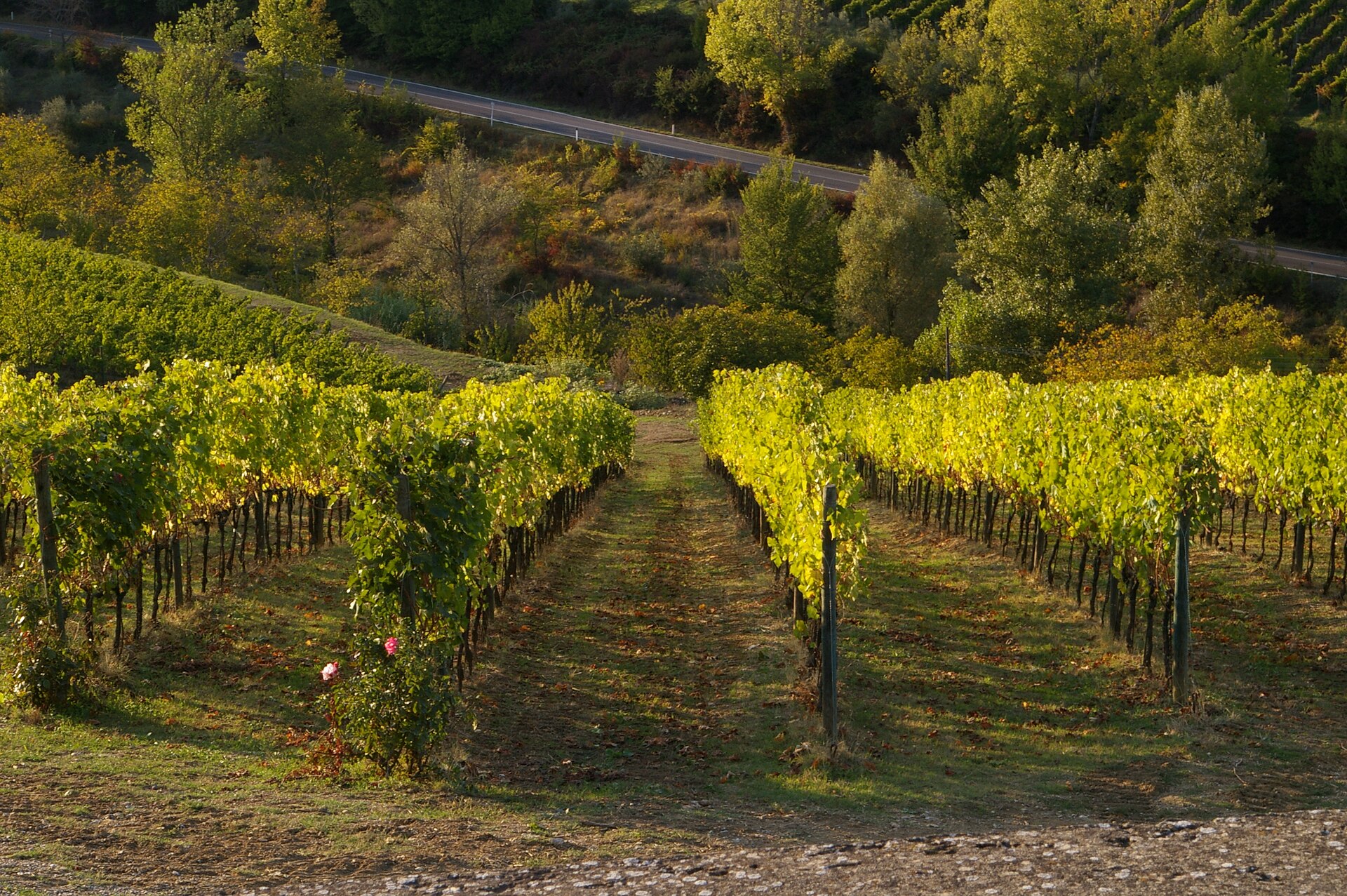
A few things to know:
Hill towns are built for pedestrians. Places like Orvieto, Civita di Bagnoregio, or Montalcino have their ZTL too — and the access roads are steep and narrow. Park at the designated parcheggio outside the walls (these are always signposted) and walk up.
Petrol stations are rare in rural areas. Do not let the tank drop below a quarter in the countryside. There is no 24-hour Esso on the next hill.
Mountain roads require confidence. The Stelvio Pass, sections of the Gran Sasso road, and various alpine routes involve switchbacks, sheer drops, and single-track stretches where one car must reverse to let the other pass. These are spectacular drives and perfectly manageable — but not on your first day, and not in a large car.
Speed cameras (autovelox) are everywhere. Italy takes speeding seriously, especially on dual carriageways and the approach roads into towns. Fines are substantial, and again, they will follow you home via the rental company.
Traffic on the coast. The Ligurian Riviera in August, the roads around Lake Garda in July, the Sorrentine Peninsula at any time in summer — these suffer from extraordinary congestion. A car on the Amalfi Coast in particular is less a means of transport and more a slow-motion stress machine. That route has its own guide at /amalfi-coast-without-a-car/ — and the advice there is firmly in favour of leaving the car behind.
When Driving Helps vs When It’s a Liability
Let’s be honest about this, because the travel industry often oversells freedom and undersells the reality of city driving.
A car will genuinely improve your trip for:
– Tuscany, Umbria, or Puglia — especially if you want to stay in an agriturismo or reach smaller towns not served by trains
– Sicily outside Palermo and Catania — the interior and south coast are almost impossible without one (see /sicily-travel-guide/)
– The Dolomites — mountain bases are accessible by bus, but the freedom to drive the high passes is worth it
– The Italian Lakes if you are staying for several days and want to explore multiple lake towns (see /italian-lakes-travel-guide/)
– Anywhere you are combining two or more rural areas where train connections are slow or nonexistent
A car will make your trip harder for:
– Rome: traffic, ZTL coverage, parking cost and scarcity, and an excellent public transport system make a car pure overhead
– Florence: the ZTL covers nearly the entire historic centre, and the city is very walkable
– Venice: the island has no roads (though you may need a car to reach the mainland parking and ferry)
– The Cinque Terre: the village road is closed to non-residents, and the train runs every 20 minutes
– The Amalfi Coast: narrow cliff roads, no parking, summer gridlock — the bus, ferry, and water taxi are genuinely better options
For a trip that mixes a few city days with rural exploration, the best strategy is usually to pick up the car after your city portion. Fly into Rome, spend three nights without a car, then take the train to a Tuscany base and pick up the rental there. You avoid paying for days of parking you do not need, and you start driving in a smaller town rather than Rome’s rush-hour traffic.
For more on planning a balanced trip, the Italy transportation overview and our Italy itineraries guide both address the car question in the context of a full trip.
Final Thoughts
Driving in Italy is one of those travel skills that pays dividends once you have done it once. If you want a route to practice on, the Tuscany road trip is the classic for a reason. The first hour is the most confusing — learning to read ZTL signs, figuring out the toll lanes, getting used to the speed and style of local drivers. After that, the roads open up, and so does the country.
Plan carefully: get your IDP before you leave home, book an automatic months ahead if you need one, and resist the temptation to drive into historic centres. Use the Italy transportation overview to understand how trains and ferries complement the car, and check the trains in Italy guide if you are deciding between rail and road for any specific leg. For the ferry connections to the islands — Sicily, Sardinia, and beyond — Italy’s ferry network is a natural partner to a road trip.
The countryside is waiting. The ZTL is not.
Questions travellers ask
Do I need an International Driving Permit to drive in Italy?
If you hold a US, Canadian, Australian, or other non-EU/non-UK licence, yes — you legally need an IDP alongside your original licence. Americans apply through AAA; Australians through AAA’s Australian equivalent (NRMA, RAA, etc.). The IDP costs around $20 USD, takes minutes to get, and is valid for 12 months. EU and UK licence holders do not currently need one. Rental companies can and will refuse handover if you cannot produce your IDP.
What happens if I accidentally drive into a ZTL zone?
The camera records your plate the instant you cross the boundary. A fine — typically around €80–€100 base, plus the rental company’s forwarding fee of €30–€50 — will arrive weeks or months after you leave Italy. Each camera pass is a separate violation, so driving in and back out counts as two. If you genuinely entered by mistake and can demonstrate you turned around immediately, some cities have an appeal process, but it is bureaucratic and uncertain. The far better option is to avoid ZTL zones entirely.
Are Italian motorways (autostrada) expensive?
Relative to northern Europe, no — but they add up on a long trip. Rome to Naples runs around €18–22; Milan to Venice around €15–19; a full Rome to Milan run is approximately €40–50. Tolls are calculated by distance and vehicle class and are paid at the exit barrier. Keep your entry ticket safe — losing it means paying the maximum possible toll for the road.
Can I rent a car in Italy with just a credit card and my driving licence?
If you are a non-EU visitor, you need your licence plus an IDP. You need a credit card (not a debit card in most cases) for the deposit. Some agencies also ask for a second form of ID, such as a passport. American Express is sometimes refused — Visa and Mastercard are safest. Book automatics far in advance if you need one; manual gearboxes are the default across Italy.
Is it hard to drive in Italy as a tourist?
Harder than driving at home for most visitors, but not prohibitive once you understand a few things. Italian drivers are fast, assertive, and do not always observe lane discipline by northern European or US standards. The roads themselves are well-maintained on the autostrada and in good shape on most regional roads. The challenges are urban — the ZTL system, narrow medieval streets, aggressive scooters, and complex one-way systems. Outside cities, Italian driving is straightforward and often beautiful.
Where can I park overnight near Italian cities?
Park and Ride facilities (parcheggi scambiatori) on the city periphery are the most practical option — typically €3–10 per day, often with shuttle bus or tram connections into the centre. Your hotel should be your first call: most can direct you to a nearby garage and some have arrangements for reduced rates. In smaller hill towns, the designated parcheggio outside the walls is usually your only legal option overnight.
What fuel do I need for my rental car — petrol or diesel?
Check before you fill up. Italian rental fleets include both petrol (benzina) and diesel (gasolio) cars. The fuel type is usually noted on a sticker inside the fuel cap or in the dashboard area. Misfuelling — putting the wrong fuel in — voids your CDW and makes you personally liable for the repair, which can be several hundred euros.
Do speed cameras in Italy send fines abroad?
Yes. Autovelox (fixed speed cameras) and Tutor (average-speed cameras on the autostrada) issue fines automatically. For rental cars, the fine goes to the rental company, which forwards it to the credit card address. Fines can arrive many months after your trip. Speed limits are 130 km/h on the autostrada (reduced to 110 km/h in rain), 90 km/h on secondary roads, and 50 km/h in towns. These are enforced.
1 comment
Comments are closed.