Italian Train & Transport Guide
Italy Ferry Guide: Islands, Amalfi, Lakes and Cinque Terre

Italy runs on water as much as it runs on rail. The network of Italy ferries connects the mainland to dozens of islands, links clifftop villages along the Amalfi Coast, and traces the shores of the great northern lakes — and if you ignore it, you will spend a lot of time in traffic jams that a boat would have skipped entirely. If you are heading to Capri, Sicily, Sardinia, the Aeolian Islands, or Elba, a ferry is not optional: it is how you get there. On the Amalfi Coast and the lakes, the ferry is not the only option, but it is often the best one.
The short answer: book ferries ahead in July and August, especially for car crossings to Sicily and Sardinia, and for the Gulf of Naples islands. Hydrofoils are faster but weather-sensitive; conventional car ferries are slower but more comfortable for overnight routes. This guide covers every major route, who runs it, when it runs, and how to book.
Italy Ferries: Quick-Reference Route Table
| Route | From | Ferry Type | Season / Notes |
|---|---|---|---|
| Naples → Capri | Molo Beverello, Naples | Hydrofoil (45 min) or ferry (75 min) | Year-round; very busy Apr–Oct |
| Sorrento → Capri | Marina Piccola, Sorrento | Hydrofoil (20 min) or ferry (25 min) | Year-round |
| Naples → Ischia | Naples / Pozzuoli | Hydrofoil or car ferry | Year-round; cars restricted Apr–Oct |
| Naples → Palermo | Naples | Overnight car ferry (≈10 hrs) | Year-round; Grimaldi Lines |
| Villa San Giovanni → Messina | Villa San Giovanni (Reggio Calabria) | Short crossing (20 min) | Year-round; very frequent |
| Civitavecchia → Olbia | Civitavecchia | Overnight car ferry (≈8 hrs) | Year-round; extra sailings Jun–Sep |
| Genoa → Porto Torres / Olbia | Genoa | Overnight car ferry (≈11 hrs) | Year-round / May–Nov (Olbia) |
| Milazzo → Lipari (Aeolians) | Milazzo, Sicily | Hydrofoil (65 min direct) | Year-round; more frequent summer |
| Piombino → Portoferraio (Elba) | Piombino | Car ferry (60 min) | Year-round; very frequent |
| Salerno / Amalfi → Capri | Salerno, Amalfi, Positano | Hydrofoil | Apr–Oct only |
| Levanto → Riomaggiore (Cinque Terre) | Levanto / La Spezia | Passenger-only boat | Late Mar–early Nov |
| Lake Como ferries | Como, Bellagio, Varenna | Passenger + car ferry | Year-round (reduced in winter) |
| Lake Garda ferries | Desenzano, Sirmione, Limone | Passenger + car ferry | Year-round (reduced in winter) |
| Lake Maggiore ferries | Stresa, Verbania, Locarno | Passenger + car ferry | Year-round (reduced in winter) |
Ferries to Capri and Ischia
The Gulf of Naples is one of the most intensively served ferry zones in Italy. You have options from multiple ports, with crossings running through most of the year — and in summer, they run constantly.
Capri
Capri is the one island where you will feel the most pressure to book early. The island gets extremely crowded from May through September, and the fast boats fill up.
From Naples, hydrofoils leave from Molo Beverello and reach Capri’s Marina Grande in around 45 minutes. The slower conventional ferry from Calata Porta di Massa takes closer to 75 minutes but is cheaper and often has more availability. From Sorrento, the hydrofoil crossing is a quick 20 minutes — Sorrento is the better departure point if you are already on the peninsula or the Amalfi Coast. Operators include NLG (Navigazione Libera del Golfo), SNAV, Alilauro Gruson, Laser Capri, and Caremar. As of 2026, one-way fares from Naples run around €20–22 for the hydrofoil; from Sorrento, expect around €20–25 depending on operator and season.
Ferries also depart from Amalfi, Positano, and Salerno during the summer season (typically April through October). These are useful if you are moving along the coast and want to go island-hopping without backtracking to Naples. Where you base yourself along that stretch decides how often you actually use them, and our guide to Amalfi Coast bases goes through the trade-offs.
There are no car ferries to Capri. The island does not permit private vehicles for tourists. You walk or take taxis, buses, and funiculars once you arrive.
Ischia
Ischia is larger, less manicured, and more local-feeling than Capri — and it has far more port options. You can reach it from Naples (Molo Beverello or Porta di Massa), Pozzuoli, and seasonally from Procida. Operators include Alilauro, Caremar, Medmar, and SNAV, with over 30 daily crossings in peak season. The hydrofoil from Naples takes around 40–55 minutes; the conventional car ferry from Naples takes about 90 minutes.
Here is the important caveat on cars: from April to October, only Ischia residents can bring a car onto the island. This is an intentional restriction to manage traffic. If you want to explore with your own vehicle, plan your trip for the shoulder or off-season. Otherwise, leave the car in Naples or Pozzuoli and use the island’s buses and taxis. Expect car ferry fares (when you can take one) to run €50–80 depending on vehicle size, as of 2026.
The three-island circuit — Capri, Ischia, Procida — is doable in a few days, using ferries to hop between them.
Sicily Ferry Routes
Getting to Sicily by sea is one of those crossings that feels genuinely cinematic, especially if you take the overnight boat.
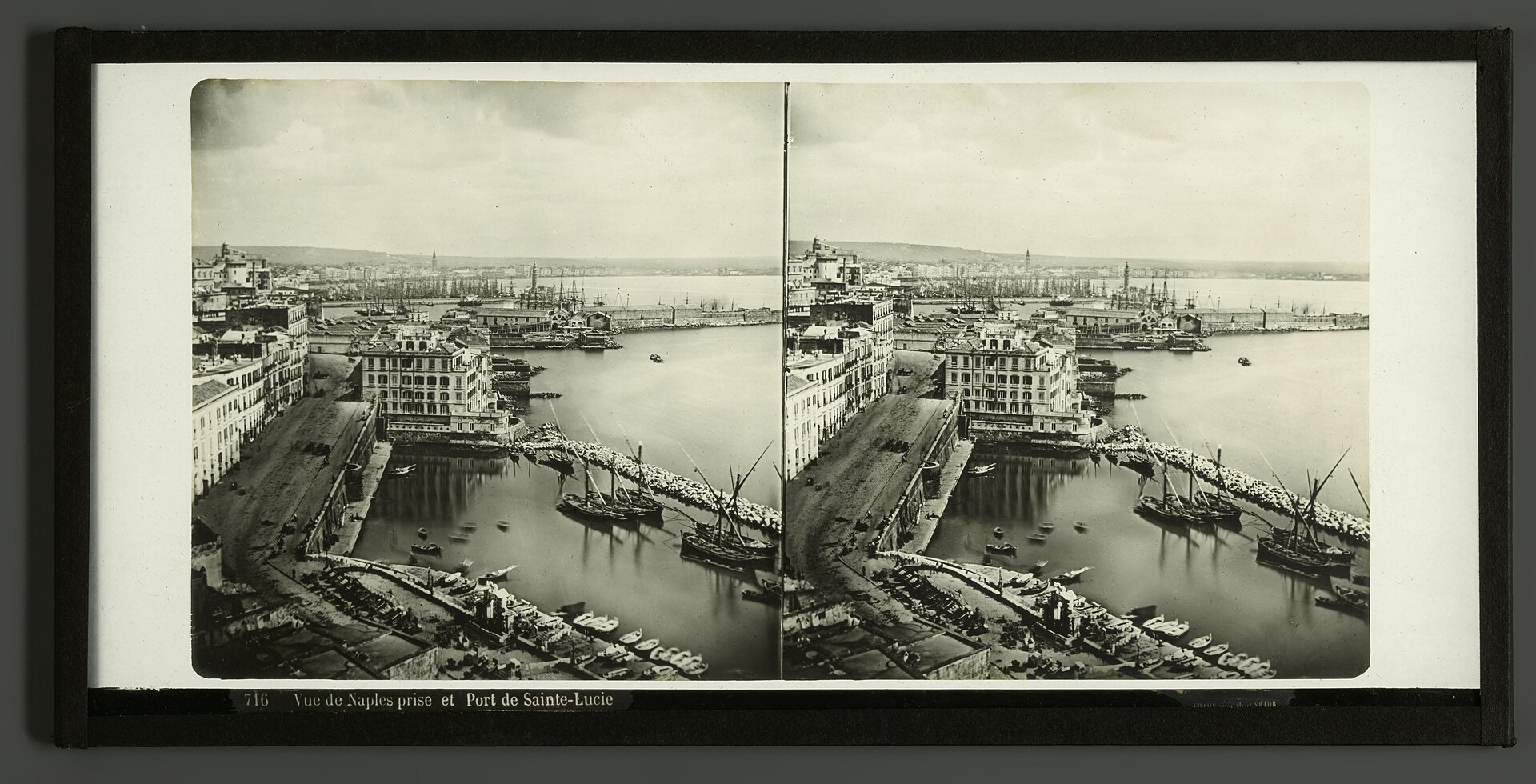
Naples to Palermo
This is the classic overnight route. Grimaldi Lines runs from Naples to Palermo year-round, with crossings of around 10 hours. You board in the evening, sleep in a cabin or a reclining seat, and wake up in Palermo. It is a genuinely practical way to travel — you save a night’s hotel and arrive rested. Prices for a passenger seat start around €35–45 and rise significantly with a cabin or a car space. Book early if you are travelling in July or August: this route fills up.
Villa San Giovanni to Messina
This is the workhorse crossing — not scenic, but essential. The port of Villa San Giovanni, a few kilometres north of Reggio Calabria, connects to Messina with a 20-minute car ferry that runs almost around the clock, roughly 30 sailings per day. Operators Caronte & Tourist and RFI (the railway’s ferry arm, which carries the night train wagons across) handle the bulk of traffic. Fares start as low as €2.50 per passenger, with cars adding more. If you are driving down Italy to Sicily, this is your crossing.
Other Routes
Grandi Navi Veloci runs from Genoa to Palermo (around 20 hours), which works well if you are starting from northern Italy and want to avoid driving the full length of the peninsula. From Civitavecchia (Rome’s port), Grimaldi Lines also offers Palermo sailings. Trapani is served from Naples and, seasonally, from Cagliari. For deeper context on what to do once you arrive, the guide to Sicily covers the island region by region.
Sardinia Ferry Routes
Sardinia requires more planning than Sicily, mainly because the crossings are longer and the island is further from the mainland. Car ferries are the standard option, and almost everyone takes an overnight boat.
From Civitavecchia (Rome’s port)
Civitavecchia is the most popular departure point for Sardinia. Tirrenia and Moby Lines both run to Olbia on Sardinia’s northeastern coast, with crossings of around 8 hours. There are also sailings to Cagliari in the south (around 15 hours) and to Arbatax. Year-round service is available, with extra daytime sailings added from June through September. Booking opens several months in advance for the summer season, and demand is high — get your ticket as soon as you know your dates.
From Genoa
Moby Lines and Tirrenia operate from Genoa to Porto Torres (northwest Sardinia) and Olbia, with crossings of 11–12 hours. Genoa-Porto Torres runs 365 days a year with nightly departures. The Genoa-Olbia service typically runs from late May through early November.
From Livorno
Livorno is an option for travellers starting from Tuscany. Moby and Corsica Ferries connect to Olbia, with crossing times of around 10–11 hours.
Car and Cabin Planning
For Sardinia, a cabin is worth every euro on an overnight crossing. Budget cabins start around €20–30 extra per person, but they make the difference between arriving fresh and arriving exhausted. Cars typically add €50–100 to the fare depending on vehicle size and route, and these spaces sell out first. Fares start around €42–50 per person for a passenger seat, as of 2026. See the Sardinia beaches travel guide for where to head once you land.
Aeolian Islands
The Aeolian Islands — Lipari, Stromboli, Vulcano, Salina, Panarea, Filicudi, Alicudi — are a volcanic archipelago off the north coast of Sicily, and they are best reached from Milazzo, a port about an hour east of Palermo by train or car.
Liberty Lines is the main operator, running fast hydrofoils from Milazzo to all seven islands. The direct crossing to Lipari (the largest and most connected island) takes around 65 minutes; stopping services that call at multiple islands take longer. Fares from Milazzo to Lipari run around €18–24 one-way as of 2026. Siremar also operates slower conventional ferries on some routes, which are cheaper and useful for bringing supplies to the islands.
Service is available year-round to the most populated islands (Lipari, Salina, Vulcano), but hydrofoils can be cancelled in rough weather — the Aeolians sit in open water and swells arrive with little warning. In summer, frequencies increase dramatically: up to 13 daily connections on the Milazzo-Lipari route. Liberty Lines can also be booked from Palermo, Vibo Valentia, and Reggio Calabria during peak season.
Stromboli deserves a special mention: the active volcano that makes the island famous also makes the approach by sea genuinely dramatic. The night boat from Lipari, watching the lava glow from the deck, is one of those Italy moments that no road can replicate.
Elba
Elba is Tuscany’s big island — green, hilly, ringed with beaches, and surprisingly easy to reach. The main crossing is Piombino to Portoferraio, operated by Moby Lines and Toremar, taking about one hour. The ferry runs year-round with very high frequency: up to 28 sailings per day in peak season. You almost never need to book far ahead except in August, when Italian families descend en masse with cars packed for a fortnight.
Toremar also connects Piombino to Rio Marina and Cavo on Elba’s eastern side. Fares are modest compared to longer crossings — expect around €12–18 per person one-way, with cars adding significantly more. If you are visiting in July or August, book the car ferry at least a month ahead.
Amalfi Coast Ferries
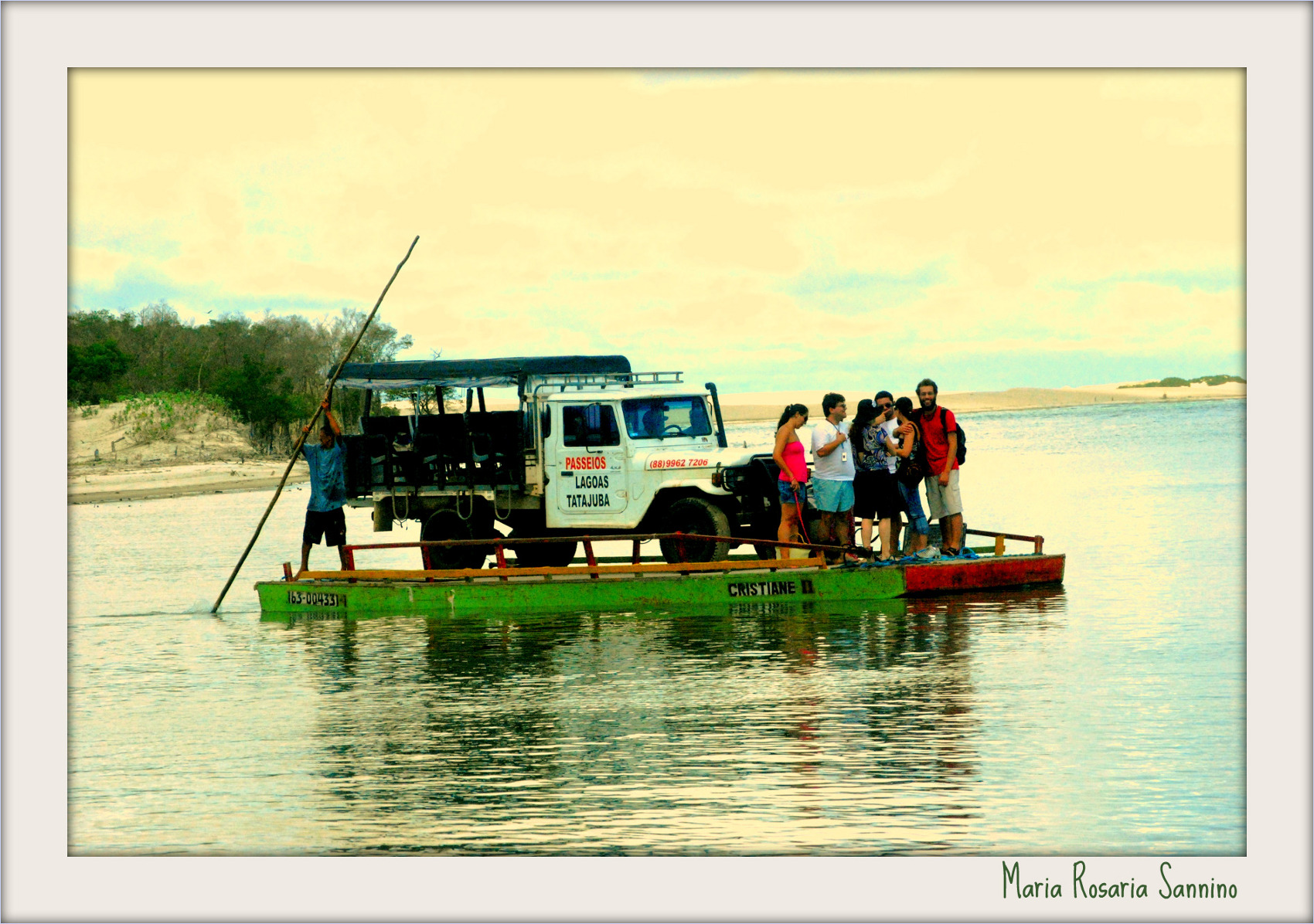
The coastal ferry service along the Amalfi Coast runs from April to October, connecting Salerno, Maiori, Minori, Amalfi, Positano, and Sorrento — with seasonal links to Capri. The main operators are Travelmar, Alicost, and NLG. Crossing times are short: Amalfi to Positano is around 20–25 minutes.
Taking the ferry instead of the road is the single best decision you can make on the Amalfi Coast. The Amalfi Drive is genuinely spectacular, but it is also narrow, winding, frequently gridlocked, and served by buses that stop everywhere. A passenger boat cuts through all of that. You sit on the deck, watch the cliffs pass, and arrive calm instead of white-knuckled.
This article keeps coverage brief here because there is a dedicated guide: getting around the Amalfi Coast without a car covers the ferry timetables, where to board, how tickets work, and how to combine ferries with buses and trains across the entire coast. It is the piece to read before you plan a single day on the coast. For broader context on the Campania region, the Amalfi Coast, Naples and Campania guide provides the bigger picture.
Lake Ferries
The northern lakes — Como, Garda, and Maggiore — each have their own state-run ferry network under Navigazione Laghi (navigazionelaghi.it), Italy’s lake transport authority. All three operate year-round, with reduced frequencies in winter and full summer timetables from roughly April through October.
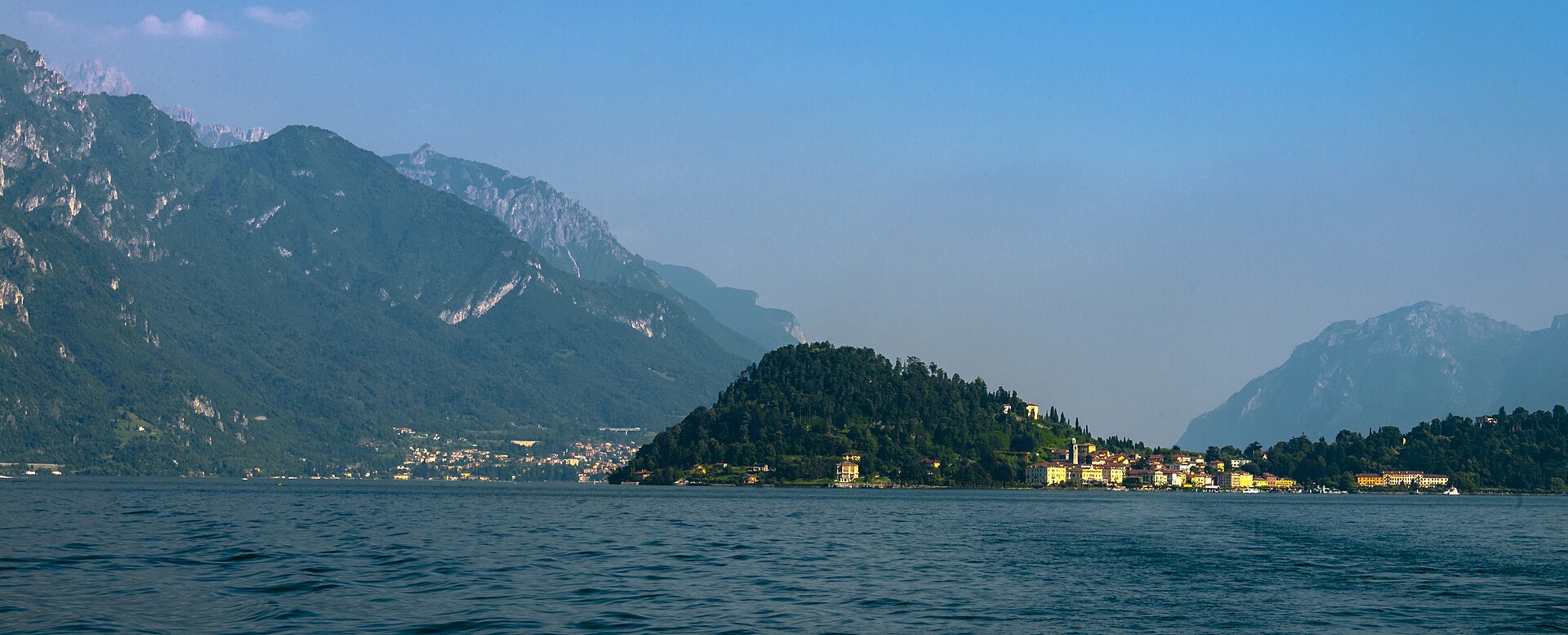
Lake Como
The Lake Como ferry network is the most picturesque of the three. The main car ferry crossing connects Varenna and Bellagio, taking about 15 minutes and running regularly throughout the day. Passenger-only “battello” services link Como, Bellagio, Tremezzo, Menaggio, and Varenna, with journey times ranging from 30 minutes (Como to Cernobbio) to over two hours for the full-lake service.
The “slow boat” north from Como, stopping at all the villages, is one of the great gentle pleasures of the Italian lakes. Take it on a weekday if you can — summer weekends are crowded. The complete guide to the Italian Lakes covers the villages and what to do between ferry stops.
Note: as of mid-2026, the Cadenabbia pier is temporarily closed for maintenance — a free shuttle bus connects to Menaggio instead. Check navigazionelaghi.it for current notices before you travel.
Lake Garda
Lake Garda is Italy’s largest lake and has the most extensive ferry network. The car ferry connects Maderno and Torri del Benaco in about 30 minutes and runs frequently throughout the day. Passenger-only services run the length of the lake from Desenzano in the south to Riva del Garda in the north, connecting Sirmione, Lazise, Bardolino, Garda, and Limone along the way. A full north-south crossing takes around 4 hours.
The ferry is particularly useful for avoiding the traffic that clogs the western shore road in summer. Crossing from one coast to the other by boat — say, Salò to Sirmione — saves the long road detour around the lake. Note that all stops at Campione are suspended from May 2026; check for updates if Campione was on your itinerary.
Lake Maggiore
Lake Maggiore’s ferries connect Stresa and the Borromean Islands on the western shore with Laveno, Verbania, and Cannero on the opposite bank. The international route continues north into Switzerland to Locarno. The main car ferry crossing between Intra (near Verbania) and Laveno takes around 20 minutes and runs frequently. Passenger boats link Stresa with the Isole Borromee — Isola Bella and Isola Madre — in about 10–15 minutes.
For all three lakes, a day-pass or multi-leg ticket works out cheaper than paying per crossing if you plan to move between several villages in a single day.
Cinque Terre Boats
The five villages of the Cinque Terre — Monterosso, Vernazza, Corniglia, Manarola, Riomaggiore — sit on a rocky coastline with limited road access. The train is fast; the boat is slow and beautiful. In practice, most visitors use both.
The ferry service runs from roughly late March to early November (as of 2026, March 29 through November 2). It connects Levanto, Monterosso, Vernazza, Manarola, and Riomaggiore, plus Portovenere and La Spezia. Note that Corniglia has no boat stop — it sits above the sea on a clifftop with no usable landing. The first departure is around 9:00 am, the last around 6:00 pm, with services roughly hourly in peak season.
A single-day unlimited boat pass costs around €42 per adult and €15 per child (6–11 years), as of 2026, covering unlimited rides on the Levanto–Cinque Terre–Portovenere–La Spezia route. Point-to-point tickets are also available if you only want one leg. The boats are operated by a consortium of local companies — buy tickets at the harbour kiosks or online at incinqueterre.com.
The boat is especially worthwhile for the Vernazza-to-Monterosso leg, where the coastline view from the sea is genuinely different from anything you see on the trail or train. It also gives you the option to hike one direction and boat the other.
Venice Vaporetto
Venice belongs in a different category from the rest of Italy’s water transport. The ACTV vaporetto — the city’s passenger ferry network — is public transport, not scenic excursion. It is how Venetians go to the supermarket. As a visitor, you will almost certainly need it to reach Murano (glass-blowing), Burano (lace and vivid colours), the Lido (the beach), and the other lagoon islands.
Water taxis also operate in Venice and are significantly more expensive. A single vaporetto ticket costs around €9.50 as of 2026; multi-day passes (24h, 48h, 72h, 7-day) make much more sense if you plan to use the boats repeatedly. Buy passes at ACTV ticket booths or at tobacconists.
The ferries connecting Venice to the mainland and to Slovenia (Venezia Lines) are a different matter — they are seasonal excursion boats, not local transit, and are covered separately in the broader guide to getting around Italy.
How to Book Ferries in Italy
Official Operator Websites
For the major routes, booking directly with the operator is usually best:
– Capri and Gulf of Naples: NLG (nlg.it), Caremar (caremar.it), SNAV (snav.it), Alilauro (alilauro.it)
– Sicily overnight: Grimaldi Lines (grimaldi-lines.com), Grandi Navi Veloci (gnv.it)
– Sardinia: Moby Lines (mobylines.com), Tirrenia (tirrenia.it), Grimaldi Lines
– Aeolian Islands: Liberty Lines (libertylines.it)
– Elba: Moby Lines and Toremar (toremar.it)
– Lake ferries: Navigazione Laghi (navigazionelaghi.it)
– Cinque Terre: incinqueterre.com / arbaspaa.com
Aggregators
If you want to compare across operators on a single screen, Ferryhopper (ferryhopper.com), Direct Ferries (directferries.com), and Omio (omio.com) all handle Italian routes well. Ferryscanner is also useful for port-to-port comparisons. These charge small booking fees but save time when the route involves multiple possible operators.
Timing Your Booking
The rule of thumb: for overnight car crossings to Sicily and Sardinia in July and August, book 4–8 weeks ahead — cabin berths and car spaces go first. For the Gulf of Naples islands (Capri, Ischia) in peak season, a few days to a week ahead is usually enough for passenger tickets; longer if you want a specific time slot. The Amalfi Coast ferries typically do not require advance booking. The lake ferries and Cinque Terre boats are usually walk-on services except on summer bank holiday weekends.
Carry your booking confirmation digitally (or printed) and arrive at the port 20–30 minutes before departure. For overnight car ferries, allow extra time to queue in the car lanes.
Hydrofoil vs Car Ferry
Hydrofoils (aliscafi) are faster and more comfortable for short crossings in calm weather. They are also more expensive and get cancelled or delayed in rough seas — the Aeolian Islands in particular can be cut off for a day or two in storm conditions. Car ferries are slower but handle worse weather and are your only option if you are travelling with a vehicle. On the lakes, “traghetto” usually means car ferry, “battello” means passenger boat.
For planning the rest of your Italian travel logistics, the trains in Italy guide and driving in Italy guide cover the land-side of the network. The best time to visit Italy piece goes into the seasonal detail that affects ferry availability directly. And if you are still putting together your overall trip, the full Italy planning guide and the Italy itineraries page are good places to start before you book anything.
Final Thoughts
Italy’s ferry network is genuinely one of the great pleasures of travelling here — it is one of the few transport modes that consistently improves the journey as much as the destination. A boat to Capri on a clear morning, or an overnight crossing to Palermo with a cabin and a coffee at dawn, or a slow battello along the length of Lake Como: these are not just transfers. Plan the ferries before you finalise anything else, especially if you are travelling in summer with a car. The rest — trains, roads, hotel check-ins — tends to fit itself around the boats.
For the full picture on moving around Italy, the Italy transportation guide pulls every mode together in one place.
Questions travellers ask
Do I need to book Italy ferry tickets in advance?
For summer travel — July and August especially — book car spaces and cabin berths on long-haul routes (Sicily, Sardinia) as early as possible, 4–8 weeks out. Passenger-only tickets on short crossings like Naples to Capri can usually be bought a day or two ahead, but specific departure times do sell out in peak season. Off-season travel rarely requires advance booking.
Can I take my car on a ferry to Capri or Ischia?
Not to Capri — the island simply does not allow tourist vehicles. Cars are banned for visitors, full stop. Ischia permits cars but restricts them for tourists from April to October; only residents can bring vehicles in summer. If you are planning to visit Ischia with your own car, travel in the shoulder season (November to March), or leave the car on the mainland and use the island’s bus network.
What is the difference between a hydrofoil and a regular ferry in Italy?
A hydrofoil (aliscafo) rides on foils that lift the hull out of the water at speed, cutting crossing times significantly. Naples to Capri by hydrofoil is around 45 minutes versus 75 minutes by conventional ferry. Hydrofoils are more expensive, carry fewer passengers, take no vehicles, and are more susceptible to cancellation in bad weather. Regular ferries are slower but more stable, more comfortable for longer crossings, and essential if you have a car.
Are Italy lake ferries worth taking?
Absolutely — the Lake Como and Lake Maggiore ferries in particular are some of the most pleasant ways to move between villages, and the car ferry across Lake Garda beats a lengthy road detour. The official operator is Navigazione Laghi (navigazionelaghi.it) for all three lakes. Day passes give unlimited hops and are good value if you are covering multiple stops.
How long does the ferry from mainland Italy to Sicily take?
It depends heavily on the route. The short crossing from Villa San Giovanni to Messina is just 20 minutes and runs dozens of times daily. The overnight ferry from Naples to Palermo with Grimaldi Lines takes around 10 hours. From Genoa to Palermo with Grandi Navi Veloci, allow around 20 hours. The shorter crossing at Villa San Giovanni is the standard choice if you are driving; the overnight boats are better for travelling without a tight schedule.
Which Italian islands require a ferry to reach?
All of them — that is rather the point. Capri, Ischia, and Procida are reached from Naples or Sorrento. Sicily’s offshore islands include the Aeolians (from Milazzo), the Egadi Islands (from Trapani), and Pantelleria (from Trapani or Agrigento’s Porto Empedocle). Sardinia is reached from Civitavecchia, Genoa, Livorno, or Naples. Elba is reached from Piombino.
When do Italy ferry routes run? Are some seasonal?
Most of the Gulf of Naples island ferries, the Amalfi Coast ferries, and the Cinque Terre boats run from roughly April to October and are either reduced or suspended in winter. The major overnight crossings to Sicily and Sardinia run year-round. The Aeolian Islands have year-round service on the main routes but reduced frequency November through March. Lake ferries run year-round but with lighter timetables in winter.
Is the Venice vaporetto different from other Italian ferries?
Yes — the ACTV vaporetto is Venice’s urban public transit system, not a scenic excursion boat. It runs on fixed routes across the lagoon and connects the main islands (Murano, Burano, Lido, Torcello). You buy tickets or passes at ACTV kiosks. Water taxis exist for private, on-demand transport and cost considerably more. If you are spending more than a day in Venice, a multi-day vaporetto pass is usually the most economical option.
1 comment
Comments are closed.