Florence & Tuscany Travel Guide
The Perfect Tuscany Road Trip Itinerary (6 Days by Car)
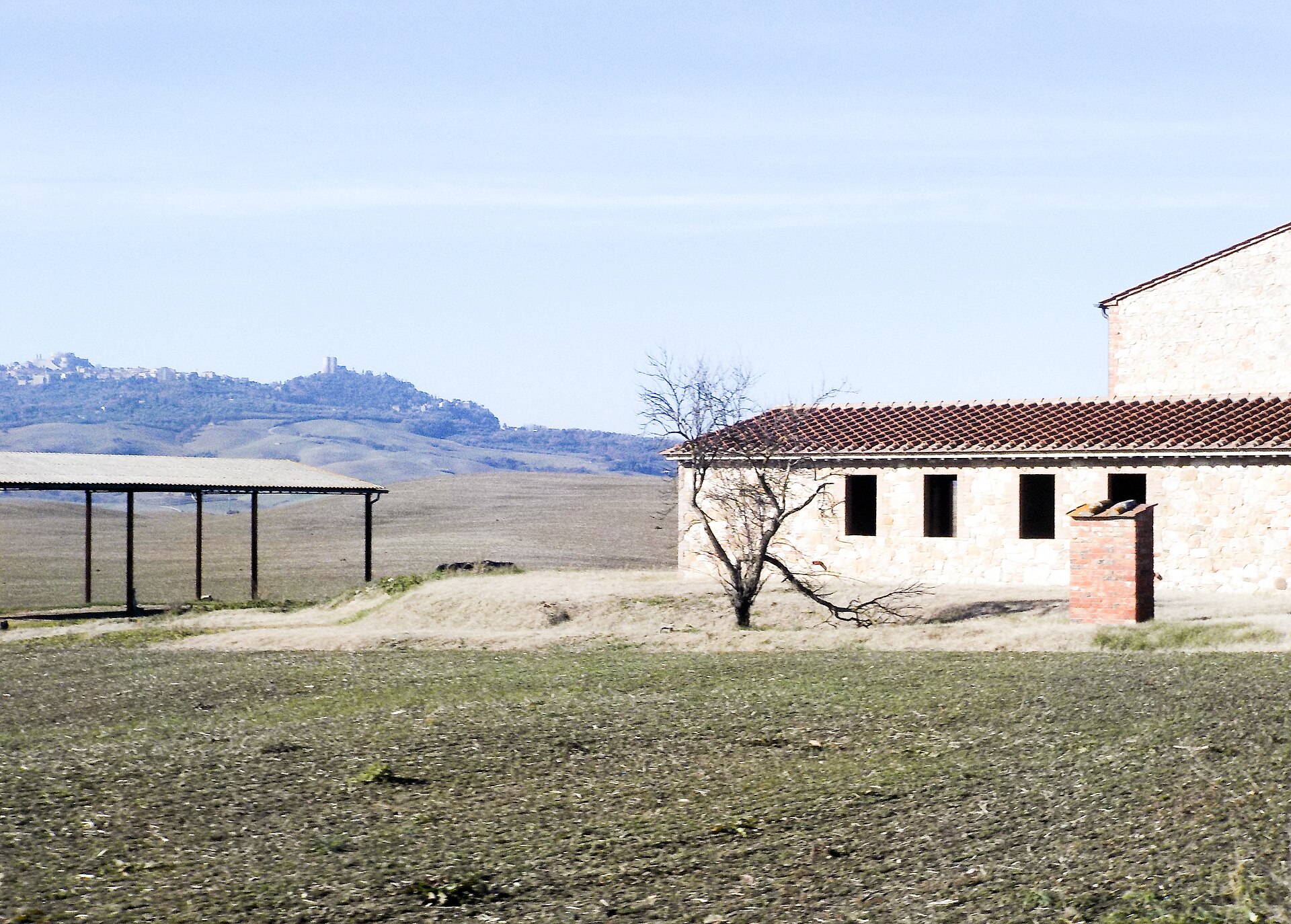
The Perfect Tuscany Road Trip: A 6-Day Loop From Florence
A Tuscany road trip is one of those journeys that delivers exactly what the photographs promise — and then some. The recommended route is a roughly 400 km loop starting and ending in Florence, weaving south through Chianti, across to San Gimignano and Volterra, down into the Val d’Orcia, and back north through the clay hills of the Crete Senesi. You need a car. Full stop. Public transport reaches the cities; it mostly ignores the countryside in between. This route is for people who want to slow down, eat well, and drive roads that feel like they were designed specifically for lingering.
Part of the wider Florence and Tuscany travel guide, this itinerary focuses on the rural self-drive loop — the part that most people arrive hoping for and too often underplan.
At a Glance: 6-Day Tuscany Driving Itinerary
| Day | Route / Leg | Base Town | Highlights |
|---|---|---|---|
| 1 | Florence → Greve in Chianti via SR222 | Greve in Chianti | Chianti Classico estates, Panzano butcher, hill views |
| 2 | Greve → San Gimignano → Volterra | San Gimignano or Volterra | Medieval towers, Etruscan ruins, alabaster workshops |
| 3 | Volterra → Siena | Siena (agriturismo outside walls) | Piazza del Campo, Duomo, pici pasta, Palio contrade |
| 4 | Siena → Montalcino → Bagno Vignoni | Montalcino or agriturismo Val d’Orcia | Brunello di Montalcino, Sant’Antimo abbey, thermal pools |
| 5 | Bagno Vignoni → Pienza → Montepulciano | Montepulciano or Pienza area | SP146 cypress road, Pecorino cheese, Vino Nobile tastings |
| 6 | Montepulciano → Crete Senesi → Florence | — (return to Florence) | Le Crete moonscape, Asciano, abbeys, scenic SR2 north |
Before You Go: The Car Situation
Pick up your rental car after you’ve finished in Florence. Driving inside the Florentine centre is both pointless and punishing — the ZTL cameras are everywhere, fines arrive in the post weeks later, and there is no shortage of things to do in the city on foot. Collect the car on the morning you leave.
Rent the smallest car that fits your bags. These roads narrow fast once you leave the SP and SR highways — a compact hatchback will thank you in Volterra’s back streets and at agriturismi with tight stone gateways. Diesel tends to be cheaper than petrol at Italian pumps as of 2026, though that gap has been closing.
For everything you need to know about driving rules, ZTL zones, autostrada tolls, and International Driving Permits, the full breakdown is at renting and driving a car in Italy. Read it before you go. Seriously.
Day 1: Florence to Greve in Chianti via the SR222
Drive time: around 45 minutes direct, but don’t go direct.
The SR222 — the Via Chiantigiana — is the spine of the Chianti Classico zone, and it is one of the most satisfying drives in Italy. The road winds south from Florence through terraced vineyards and cypress alleys, dipping into shallow valleys and climbing back onto ridges with views that open suddenly and stay with you.
Stop at Panzano in Chianti, roughly halfway, for lunch. This is where Dario Cecchini runs his butcher shop and restaurants — the man is a Florentine steak evangelist, and even if you don’t eat meat, the spectacle of the place is worth the stop. The village itself sits on a ridge looking out over two valleys.
Greve in Chianti is the right base for night one. It’s a proper market town rather than a tourist set piece — the triangular Piazza Matteotti has been running a weekly Friday market for centuries, and the enoteca shops lining its arcades sell every Chianti Classico label you could want. Staying here rather than pushing all the way south on day one means you wake up in the vineyards and drive the best of the SR222 in the morning light.
For a deeper look at what the Chianti zone offers — the wine estates, the villages, the tasting culture — this route defers to the Chianti wine region guide, which covers it at the length it deserves.
ZTL note: Greve’s historic centre has camera-controlled entry. Park in the signed car parks just below the main square. They’re free or cheap, and a five-minute walk delivers you into the piazza.
Day 2: San Gimignano and Volterra
Drive from Greve: around 50 minutes to San Gimignano via the SP1 and SP68 — pleasant back roads through vine country.
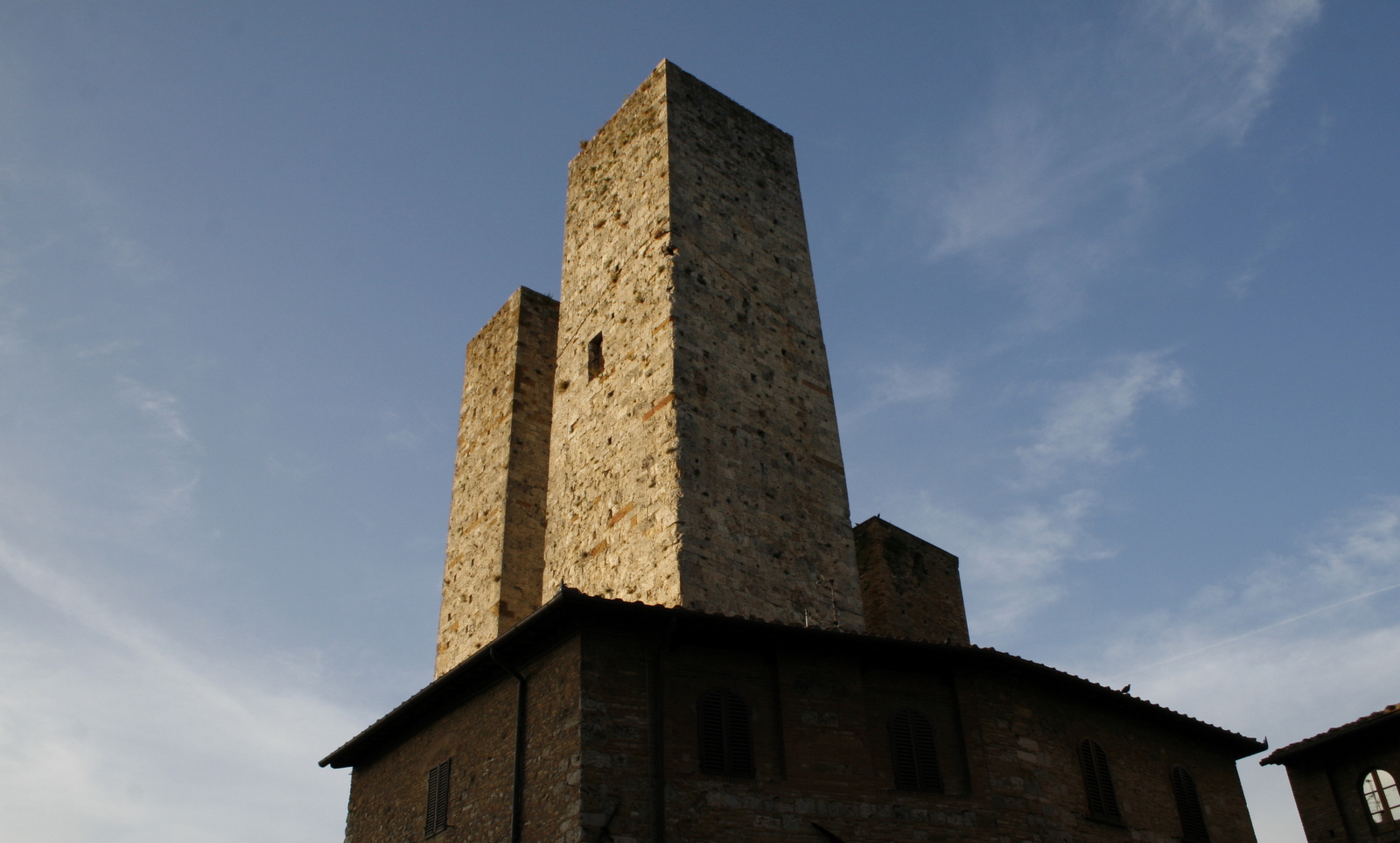
San Gimignano is unavoidably famous and unavoidably worth it. Fourteen medieval towers still stand from an original 72 — families built them as status symbols in the 12th and 13th centuries, and the result is a skyline that looks like nothing else in Europe. Yes, it gets crowded. Arrive before 9 am or after 5 pm if you can. The day-trippers flood in by bus between 10 and 4, then empty out almost entirely, leaving a quieter, cooler version of the town behind.
Climb the Torre Grossa for the view. Eat gelato at Gelateria Dondoli, which has won the Gelato World Championship more than once — the Vernaccia grape sorbet is genuinely strange and wonderful. The wine, Vernaccia di San Gimignano, is Tuscany’s oldest DOCG white; pick up a bottle to drink that evening.
If you’re staying overnight in San Gimignano, the agriturismi on the approach roads out of town are better value and more atmospheric than the hotels inside the walls.
Volterra is 30 minutes southwest on the SP68 and SP15 — a drive that crosses open high country and delivers you at gates that have been here since the Etruscans. This is the older, stranger, less-visited sibling of San Gimignano, and it rewards the diversion. The Guarnacci Etruscan Museum holds one of Italy’s great collections of pre-Roman funerary urns; the Roman theatre ruins outside the walls are freely visible from a viewing terrace. The local alabaster workshops are the real thing — you can watch artisans turn the stone by hand.
Volterra is cooler, quieter, and sits on a ridge so high it feels slightly separate from the rest of Tuscany. It also has excellent restaurants and far less competition for tables. Consider basing here rather than San Gimignano if you want evenings that feel like your own.
Parking for both towns: park outside the walls in the designated areas — both have clear signing. The ZTL zones inside are enforced by camera, and the fines are not gentle. Details on how ZTL zones work across Italy are at driving in Italy.
Day 3: Volterra to Siena
Drive time: around 1 hour 15 minutes via the SR68 and SR2.
The SR68 from Volterra runs east through pale, mineral landscapes before connecting with the SR2 — the ancient Via Cassia — which sweeps south into Siena. It is not the most dramatic drive of the trip, but it is steady and easy, and it arrives you in one of Italy’s most underrated cities.
Siena does not need defending against comparisons to Florence. It is its own thing — Gothic rather than Renaissance, red brick rather than pietra serena grey, rivalrous and neighbourhood-proud in ways that go back centuries. The city is divided into seventeen contrade (districts), and the twice-yearly Palio horse race in July and August is not a tourist attraction. It is a genuinely fierce civic event that the Sienese take more seriously than almost anything else.
Stay long enough to get some of that. Sit in the Piazza del Campo in the evening — the fan-shaped square slopes gently toward the Palazzo Pubblico, and the light in late afternoon turns the brickwork amber. Eat pici cacio e pepe somewhere off the main tourist drag: thick hand-rolled pasta with cheese and black pepper, a Sienese staple that is very simple and very good. Visit the Duomo, which is extraordinary in ways that photographs don’t fully capture, particularly the inlaid marble floor that is only uncovered for a few months each year.
For a full guide to the city, see Siena travel guide.
Basing yourself: the best option is an agriturismo on the city’s southern or eastern outskirts — you keep the car easily accessible, avoid the ZTL entirely, and still reach the centro storico in under 15 minutes by foot or bus. The city’s ZTL is one of the more complex ones in Tuscany; driving inside it by accident is easy and expensive. More on that at driving in Italy.
Day 4: Siena to Montalcino and the Southern Val d’Orcia
Drive time: Siena to Montalcino is around 40 minutes via the SR2 and SP45.
This is where the landscape changes register. South of Siena, the vineyards give way to open country — wider, quieter, with fewer buildings and more sky. The Val d’Orcia proper begins around Sant’Angelo in Colle, and by the time you reach Montalcino, the views are already doing the thing that makes this area a UNESCO World Heritage Site.
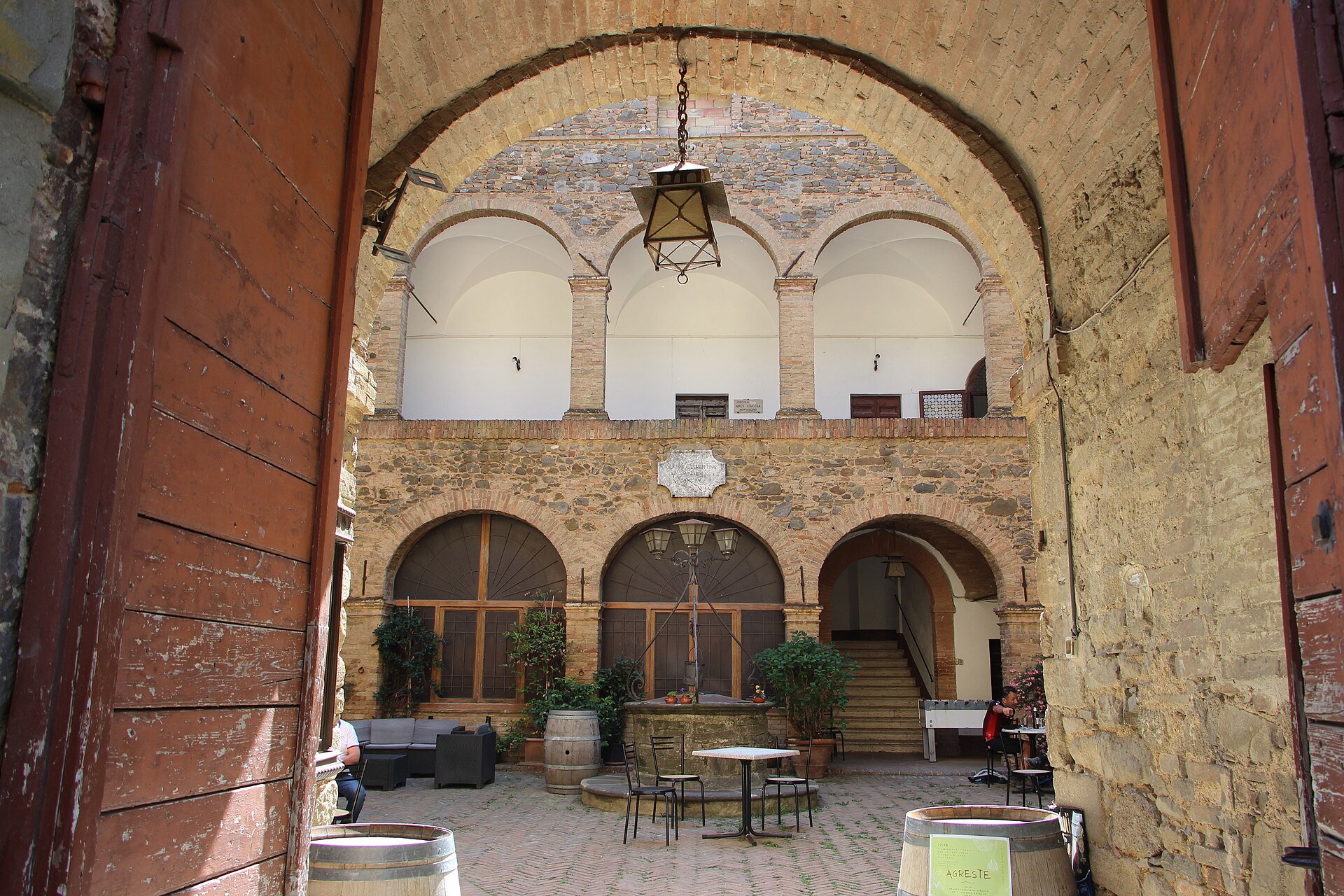
Montalcino produces Brunello di Montalcino, consistently one of Italy’s most serious red wines — aged for at least five years before release, made exclusively from Sangiovese Grosso, and priced accordingly. The town itself is compact, easy to walk, and dominated by a 14th-century fortress you can enter and drink wine inside (the cantina inside the walls is excellent and unpretentious about it). The views from the fortress ramparts over the Val d’Orcia are among the best on the trip.
Twelve kilometres south, the Abbazia di Sant’Antimo sits alone in an oak grove with no particular fanfare and manages to be one of the most beautiful Romanesque buildings in Tuscany. It was built in the 12th century from travertine stone that glows gold in the afternoon light, and on a quiet weekday you may well have it largely to yourself. The drive down to it on the SP55 is itself worth the detour.
From Montalcino, drop south on the SR2 toward Bagno Vignoni — a village so small you can walk its one main street in three minutes, but so singular you will remember it. The main square is a thermal pool that has been here since Roman times, still steaming and still fed by the same sulphurous springs that made this a stop on the medieval Via Francigena pilgrimage route. You cannot swim in the historic basin, but the Hotel Posta Marcucci and Terme Bagno Vignoni offer access to thermal pools with views across the valley. After several days of hill-town walking, an hour soaking here is not optional — it is necessary.
Where to base: an agriturismo in the Val d’Orcia between Montalcino and Pienza is ideal for nights four and five. Properties here tend to sit on working farms with olive groves and vineyards, and the breakfast tables groan with local produce. This is what most people imagine when they imagine Tuscany accommodation. Book ahead — the best places fill up months in advance in spring and autumn.
Day 5: The SP146, Pienza, and Montepulciano
Drive time: Bagno Vignoni to Pienza is around 20 minutes.
The SP146 between San Quirico d’Orcia and Pienza is the most photographed road in Tuscany, and possibly one of the most photographed roads on earth. The cypress-lined avenue cuts arrow-straight across a ridge with the valley dropping away on both sides — you’ve seen it on calendars, screensavers, and travel magazine covers so many times that arriving in person feels slightly surreal. It is exactly that good in the early morning or at golden hour. At noon in July with tour buses queued up, it is slightly less transcendent.
Pull over. Take the photograph. Drive it slowly.
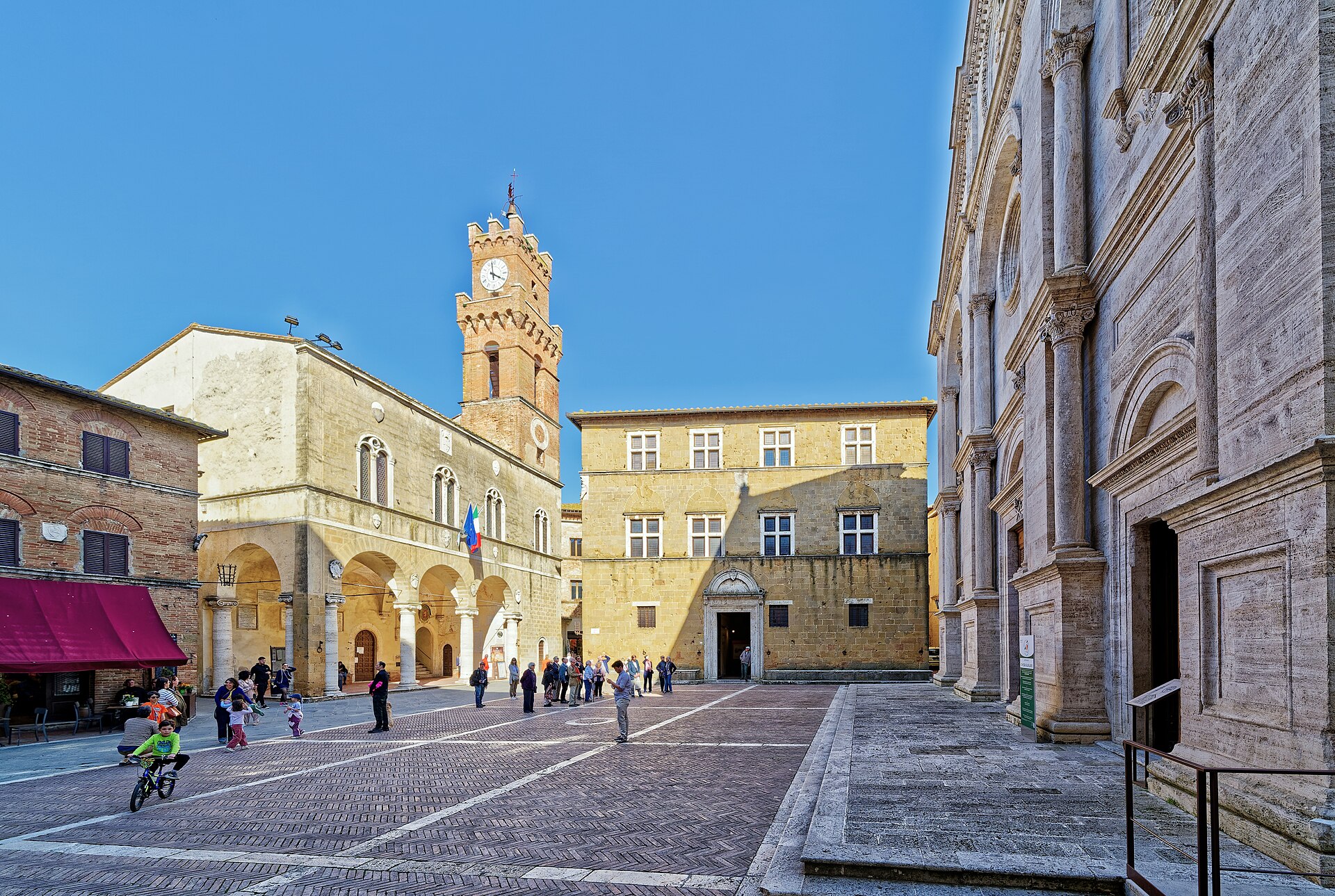
Pienza is tiny — around 2,000 residents — and it is a UNESCO World Heritage Site in its own right. Pope Pius II had it rebuilt as a model Renaissance city in the 1460s, and the result is a perfectly proportioned main square, the Piazza Pio II, flanked by a cathedral, a papal palace, and a bishop’s residence, all built to a unified plan. The scale is intimate rather than monumental, which makes it oddly easy to be in. Walk the street known as the Corso Rossellino, buy Pecorino di Pienza — the sheep’s milk cheese that has been made in this valley for centuries — and eat lunch somewhere with a window facing south over the valley.
Montepulciano is 14 km east and a climb. The town rises steeply to a main square at the top — the Piazza Grande — and the walk up the main street, the Corso, takes you through a succession of Renaissance palaces, wine cellars sunk into the tufa rock, and small churches that appear without warning. The wine is Vino Nobile di Montepulciano, one of Italy’s oldest DOCGs and a wine with real character — more accessible in its youth than Brunello, and often better value. Book a cellar tasting at Contucci or De’ Ricci; both are in the historic centre and both are serious about what they pour.
The view from the Tempio di San Biagio, a perfectly isolated Renaissance church on the hillside below town, is one of the quiet rewards of this route — particularly in late afternoon when the valley below glows.
Parking note for both towns: Pienza and Montepulciano both have ZTL zones covering their historic centres. Signed car parks sit just outside the walls in both cases. In Montepulciano, the lower car parks near Porta al Prato save you the uphill climb; in Pienza, Parcheggio dei Barconcini is the main option. Never assume you can drive in because there are other cars moving — ZTL cameras fire on entries, not on cars already inside.
Day 6: The Crete Senesi and Back to Florence
Drive time: Montepulciano to Florence direct via the A1 is around 1 hour 45 minutes. Via the Crete Senesi scenic route, budget 3 hours plus stops.
Take the scenic route. The Crete Senesi — the “Sienese clays” — is the landscape between Montepulciano and Siena that most Tuscany itineraries skip or mention briefly. That is a mistake. The terrain here is extraordinary: pale grey clay hills shaped into smooth, almost lunar forms, sliced by erosion gullies called biancane, occasionally punctuated by a lone farmhouse or a line of cypress trees against nothing. It looks like a painting by a Flemish master who’d never left the studio but had strong feelings about light.
Drive north from Montepulciano on the SP327 toward Sinalunga, then northwest on back roads through Asciano and the Abbazia di Monte Oliveto Maggiore. The abbey is one of the finest in Tuscany — Benedictine, 14th century, containing a famous fresco cycle by Signorelli and Sodoma in the great cloister. The monks still live here, and the abbey sells its own liqueur and honey.
From Monte Oliveto, the SP451 runs north through the heart of the Crete toward Siena. You can bypass the city entirely on the ring road and continue north on the SR2 toward Florence, or detour through Siena for a final coffee at the Campo before the autostrada home.
What this loop does that others don’t: it completes the circuit. You drive a coherent geographic shape — south through Chianti, west to the towers and Volterra, south again to the big wine towns, into the Val d’Orcia, and back north through the Crete — rather than a linear push that leaves you backtracking or taking the motorway in both directions.
Where to Base: Agriturismi vs. Town Hotels
The honest answer is: base in agriturismi if at all possible. They solve several problems at once.
A good agriturismo sits outside a town centre, which means your car parks 20 metres from your door with no ZTL complications. It typically includes breakfast — real breakfast, with local cured meats and cheese and eggs and fruit from the property — which sets the tone for the day. The properties themselves are usually working farms producing wine, olive oil, or both, and a tour of the cantina before dinner is often possible just by asking.
The trade-off is flexibility. Many agriturismi require a minimum two-night stay, and some serve a fixed dinner that you need to book in advance. They are spread across the countryside rather than concentrated in one searchable area. Book individual properties directly — the platforms have the supply, but direct booking often unlocks better rates and more honest communication about what the property actually is.
For a broader look at accommodation types across Italy and how to choose between them, see where to stay in Italy.
Driving Realities: ZTL, Parking, and the Roads Themselves
Every historic town in Tuscany has a ZTL — a Zona a Traffico Limitato — that restricts entry to residents, delivery vehicles, and guests of hotels that have arranged special access. The cameras are small, often yellow, and mounted above gateway arches. They photograph your number plate. A fine arrives 2–8 weeks later, often via your rental company, which adds an administrative surcharge. Fines typically run €80–200 per infraction.
The simple rule: park outside the walls, always, and walk in. Every town mentioned in this route has signed parking just outside its historic centre. None of the car parks are far. The walk into Montepulciano is steep but short. The walk into Pienza takes four minutes. There is no time saved by trying to drive inside.
On the roads themselves: add 15–20% to any driving time estimate for Tuscany’s secondary roads. The SP and SR routes are well maintained but winding, often single-carriageway with passing places, and inhabited by agricultural vehicles that move at their own speed. This is not a complaint — it is the texture of the drive. But it means that “45 minutes” on Google Maps can become 60 minutes once you’ve waited behind a tractor, stopped at a viewpoint, and taken a wrong turn at an unsigned fork.
Speed limits in rural Tuscany: 90 km/h on SP roads outside towns, 50 km/h inside built-up areas, and the limit drops fast on mountain switchbacks without warning. Italian speed cameras are not subtle in the cities but can be harder to spot in the countryside.
Fuel stations thin out significantly in the Val d’Orcia. Fill up before heading south from Siena or Montalcino, and don’t rely on finding a station in Pienza or Bagno Vignoni.
For the complete picture on driving rules, toll roads, and International Driving Permit requirements, see driving in Italy and Italy transportation.
When to Go
April to early June is the peak of the Tuscany road trip season, and for good reason. The vineyards leaf out, wildflowers cover the verges, and the Val d’Orcia turns the particular green that makes photographers lose their composure. Temperatures are mild — 18–24°C in the valley — crowds are manageable compared to summer, and the light is extraordinary from about 4 pm onward.
September and October are arguably better for wine people. Harvest starts in September in many Chianti estates; the Montepulciano harvest festival (the Bravio delle Botti, a barrel-rolling race between contrade) runs in late August. Colours are richer, the heat is gone, and the Val d’Orcia in October goes amber and gold in ways that compete seriously with spring.
July and August work, but know what you’re taking on. Temperatures in the Val d’Orcia regularly reach 35–38°C. San Gimignano and Pienza in high summer are genuinely packed — the car parks fill by 9 am, queues for towers and cellars are long, and the roads are slower. The Palio in Siena runs on July 2 and August 16, which means the city is extraordinary for about four days on either side — and extremely booked and expensive during those periods.
November through March is quiet, cold, and frequently beautiful. The Crete Senesi in fog is dramatic in a completely different register. Most agriturismi close for winter, accommodation options thin out, and some cellar tasting rooms work reduced hours. If that trade-off suits you — and for some travellers the off-season solitude is the whole point — late October through November is a genuinely rewarding time to drive the Val d’Orcia.
For a fuller breakdown of the seasonal picture across the whole country, see best time to visit Italy.
How This Route Connects to the Wider Tuscany Picture
This loop is designed to stand alone as a complete Tuscany road trip experience, but it connects naturally to a longer Italy itinerary if you have more time. Florence at the start links easily to a northward continuation into Emilia-Romagna or the Cinque Terre; Siena at the southern end of the Chianti stretch is a short drive from Rome via the A1. The Italy travel guide covers the bigger trip-planning picture, including how to sequence different regions.
If you’re starting with Florence before picking up the car, the Florence day trips guide covers the options that don’t require a vehicle — Fiesole, Lucca, Pisa — which pair well with the early days of this itinerary as a warm-up.
Final Thoughts
The thing about a Tuscany road trip is that the driving itself is part of the experience — not just transport between points of interest. Some of the best moments on this route will happen between the towns: a farm gate with a handwritten sign offering wine tastings, a hilltop chapel visible from two valleys away, a roadside stand selling pecorino and boar salami in the middle of nowhere.
Keep a morning loose. When something interesting appears off the route, turn toward it. The map is a suggestion out here, not a contract.
This is also a loop that rewards multiple visits at different times of year. Do it in May once. Come back in October. The landscapes are different enough that it feels like a new route, and you’ll have opinions by then about which agriturismo deserves a return booking and which wine you’re bringing home in checked luggage.
For the broader planning framework — other regions, national logistics, how to sequence Tuscany alongside Rome or the north — the Florence and Tuscany travel guide and the Italy travel guide are the places to start.
Questions travellers ask
How many days do I need for a Tuscany road trip?
Six days is the right amount of time for the core loop described here — Florence, Chianti, San Gimignano and Volterra, Siena, the Val d’Orcia, and the Crete Senesi. Five days is doable but means cutting Volterra or the Crete Senesi, both of which deserve their place. Seven or eight days lets you linger in the places you love — an extra night in the Val d’Orcia, a morning at a Brunello estate — without feeling rushed. Ten days allows you to add Lucca or the Maremma coast.
Do I really need a car for a Tuscany road trip?
Yes. Trains reach Florence and Siena well; occasional buses reach San Gimignano and Montepulciano. But the Val d’Orcia, the Crete Senesi, Volterra, Bagno Vignoni, the SP146 cypress road, and virtually every agriturismo worth staying at are inaccessible without a car. Public transport in rural Tuscany is designed for locals with fixed routes and infrequent schedules, not for travellers who want to pull over at a roadside vineyard. Hire the car. It is not optional.
What are ZTL zones and how do I avoid fines?
ZTL (Zona a Traffico Limitato) zones are camera-controlled restricted areas covering the historic centres of almost every Tuscan town. Driving into one without a permit — which only residents and certain hotel guests hold — triggers an automatic fine, typically €80–200, sent to your home address weeks later via the rental company. Avoiding them is straightforward: use the signed car parks outside the walls, which every town provides, and walk in. Never assume the absence of a barrier means entry is free. Full ZTL guidance is at driving in Italy.
What is the best route for a Val d’Orcia road trip?
The classic Val d’Orcia road trip runs from Montalcino south through San Quirico d’Orcia and Bagno Vignoni, then east along the SP146 to Pienza and on to Montepulciano. The SP146 between San Quirico and Pienza is the iconic cypress-avenue road — drive it at dawn or in the hour before sunset. Adding Sant’Antimo abbey south of Montalcino and the thermal village of Bagno Vignoni completes what is essentially a compact, driveable loop that covers the UNESCO valley’s greatest hits in a day and a half.
Where should I stay on a Tuscany road trip by car?
Agriturismi — farmhouse stays on working properties — are the right choice for most nights. They sit outside town ZTL zones, solve the parking problem, and deliver a version of Tuscany that town-centre hotels cannot: waking up in a vineyard, olive groves for a morning walk, breakfast that includes everything the farm produces. For nights in or near cities (Siena, Florence), hotels or B&Bs just outside the historic walls work well. Book directly with properties where possible, and book early for spring and autumn travel. See where to stay in Italy for accommodation type comparisons.
When is the best time for a Tuscany road trip?
April through early June, and September through October. Spring gives you the green Val d’Orcia, wildflowers, and mild temperatures; autumn gives you harvest season, the grape-picking energy in Chianti and around Montalcino, and the amber light of October. Both seasons are popular — book accommodation two to three months ahead for agriturismi in prime locations. July and August are hotter and more crowded but not impossible; late October into November is quiet, atmospheric, and cold. Full seasonal analysis at best time to visit Italy.
Can I do a Tuscany road trip from Rome instead of Florence?
Yes, and it works well as a standalone loop from Rome if you’re based there. Drive north on the A1 to the Val d’Orcia (around 2.5 hours to Montalcino), spend three or four days in the southern half of the route — Val d’Orcia, Montepulciano, Pienza, Siena — and return via the SR2 or the motorway. You miss Chianti and San Gimignano, which are more naturally accessed from Florence, but the Val d’Orcia loop stands alone beautifully. Florence itself is an easy addition: the A1 makes it around 1.5 hours between the two cities, and a single overnight in Florence either side of the loop makes the itinerary complete.
How much driving is there each day on this route?
Not much — which is part of what makes this route work. Most daily legs are under 90 minutes of actual driving time. Chianti to San Gimignano: around 50 minutes. San Gimignano to Volterra: 30 minutes. Volterra to Siena: around 1 hour 15 minutes. Siena to Montalcino: 40 minutes. The Val d’Orcia moves between Montalcino, Bagno Vignoni, Pienza, and Montepulciano in 20–30 minute hops. The final day from Montepulciano through the Crete Senesi to Florence is around 3 hours with stops. The route is designed to drive in the mornings and spend the afternoons in one place.