Practical Information, Safety & Etiquette
Is Italy Safe for Tourists?
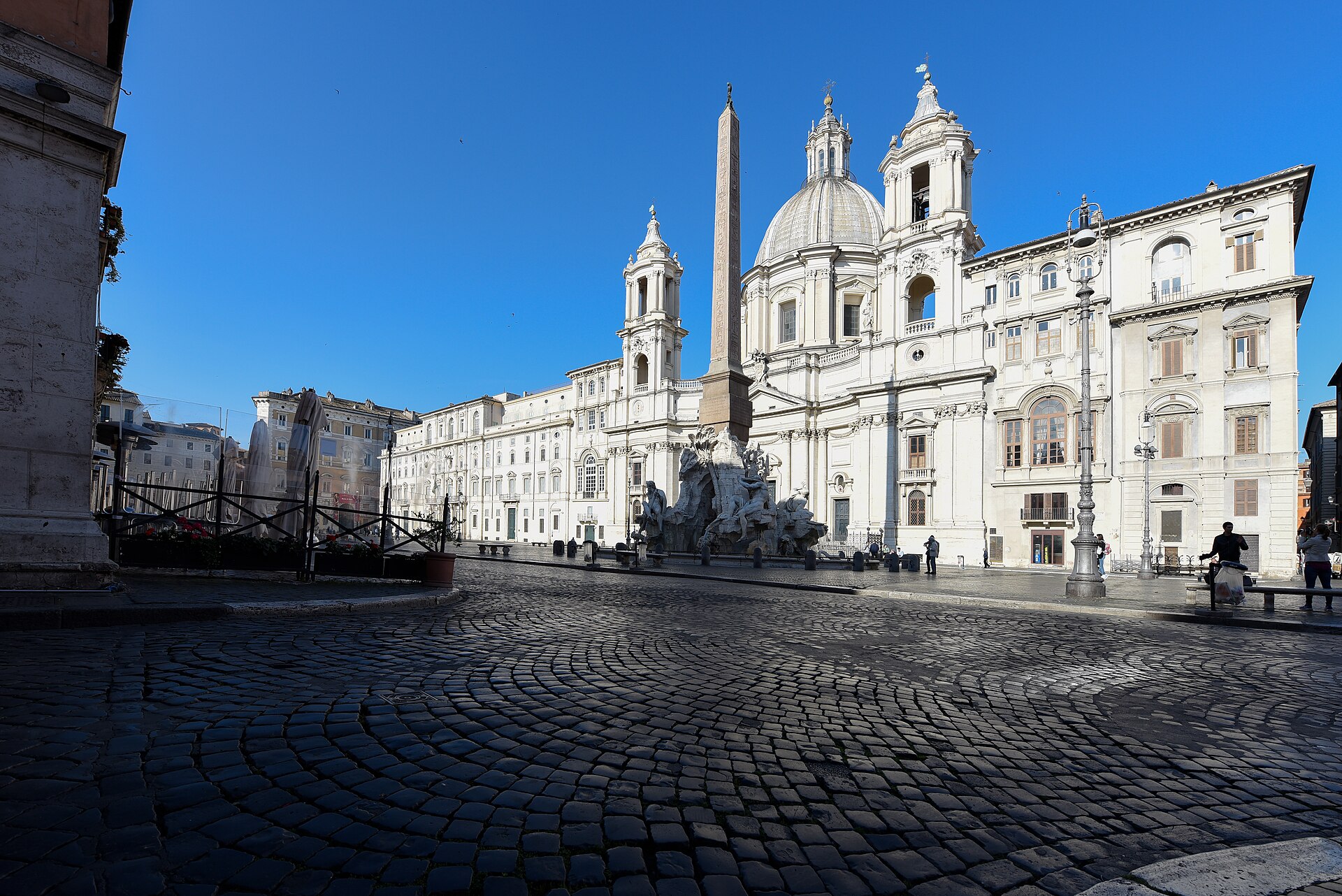
I have lost a metro ticket in Rome, sweated through a heatwave in Florence, taken a night bus in Naples that I was told to avoid, and walked back to a Trastevere apartment at 2 a.m. more times than I can count. In all of it, the worst thing that happened to me was a near-miss with a pickpocket on a crowded bus, and even that I saw coming.
So, is Italy safe? Yes. Italy is one of the safer countries you can visit, with low violent crime and an enormous, well-practiced tourism machine. The real risks are petty theft in a handful of crowded spots, summer heat, and the occasional transport strike. Violent crime against tourists is rare. Travel with normal city sense and you will almost certainly be fine.
This guide is for the traveler who keeps reading conflicting things online and just wants a straight, current answer about how worried to be.
The short version: Italy travel safety at a glance
Let me give you the whole picture in one table before we get into the weeds. This is my honest read of the risk you actually face, not a copy of a government threat matrix.
| Concern | Real risk level | What’s actually going on |
|---|---|---|
| Pickpocketing / bag-snatching | Moderate, situational | Concentrated at a few train stations, packed metros, and famous piazzas. Annoying, preventable, almost never violent. |
| Violent crime against tourists | Low | Italy’s violent crime rate is low by Western standards. Tourists are very rarely targets. |
| Solo travel (any gender) | Low to moderate | One of Europe’s easier solo destinations. Standard night-time caution applies. |
| Solo female travel | Moderate | Mostly catcalling and unwanted attention, not danger. Manageable. |
| Family travel with kids | Low | Italians adore children. Logistics are the harder part than safety. |
| Public transport at night | Low to moderate | Fine in most places; specific stations after midnight warrant attention. |
| Summer heat & sun | Moderate to high | Genuinely the thing most likely to ruin a day. July–August heatwaves are serious. |
| Sea currents & hiking | Moderate | Real but avoidable with basic respect for conditions. |
| Earthquakes / volcanoes | Low (for a tourist) | Italy is seismically active, but the odds of it affecting your trip are tiny. |
| Driving / ZTL fines | Moderate (to your wallet) | The danger is less crashing than racking up restricted-zone camera fines. |
| Terrorism | Low but non-zero | Same broad risk level as France, Germany, Spain. Not Italy-specific. |
| Transport strikes | Moderate (disruption, not danger) | Will not hurt you, but can wreck a travel day. Plan around it. |
Notice what is and is not on the high end of that list. The things most likely to affect your trip are heat, a strike, or a missed train. The thing everyone fears most, being a victim of crime, sits low. That gap between perception and reality is the whole story of safety in Italy.
Perception vs. reality: why Italy feels scarier online than it is
Italy has an image problem that has nothing to do with how safe it is. The country shows up in headlines for the mafia, for protests in Rome and Milan, for the occasional dramatic pickpocketing video that goes viral. None of that reflects the day-to-day experience of a tourist eating cacio e pepe in Monti.
Here is the reframe I wish more people had before their first trip. Italy is a major, modern, high-income European democracy with a deeply developed visitor economy. It ranked among the five most-visited countries in the world in recent years. Tens of millions of people pass through every year, the overwhelming majority of whom go home with nothing worse than a sunburn and a wine they can’t find at home.
The crime that does exist is overwhelmingly property crime, not violence. Someone may try to lift your phone. Almost no one is going to threaten you to get it. That distinction matters enormously for how you should feel walking around. You are not managing a threat to your safety; you are managing a nuisance to your wallet. Treat it that way and the anxiety drops off a cliff.
If you only fix one habit, make it this: keep your valuables zipped, close to your body, and off the table. That single move neutralizes the large majority of what could go wrong. Safety is really just one slice of trip-planning common sense, and it sits alongside the rest of my Italy travel tips for first-timers. For the full tactical playbook on the specific tricks to watch for, I keep a dedicated breakdown of the common scams and pickpocket setups in Italy, because that detail deserves its own page rather than a few rushed lines here.
What the official advisories actually say (as of 2026)
People asking “is it safe to travel to Italy” usually want to know what the governments think. So here is the current, attributable picture, hedged appropriately because these levels do change.
As of 2026, the US State Department places Italy at Level 2: Exercise Increased Caution (issued May 2025), citing terrorism risk. That sounds scarier than it is. Level 2 is the same tier as France, Germany, Spain, and most of Western Europe. It is not a warning to stay away; it is a “stay alert in crowds and avoid demonstrations” note. The levels above it, Level 3 (Reconsider Travel) and Level 4 (Do Not Travel), are reserved for places in an entirely different category. Italy is nowhere near them.
The UK Foreign, Commonwealth & Development Office (FCDO), updated in 2026, describes crime levels in Italy as “generally low” with higher levels of petty crime, mainly bag-snatching and pickpocketing, in city centres and at tourist sites. Australia’s Smartraveller and Canada’s advisory sit in the same “exercise normal/increased caution” range.
A few real, current things these official sources flag that are worth knowing:
- Demonstrations. Protests can pop up in Rome and Milan with little notice, sometimes around government buildings, embassies, or major events. They are easy to avoid. If you walk into one, leave calmly and don’t film it up close.
- Transport strikes (scioperi). Rail and transit strikes are called regularly, often with guaranteed service windows in the morning and evening. They are a planning headache, not a danger. Check before a big travel day.
- Terrorism. Listed as a risk across Europe, not unique to Italy. Heightened police presence around major sites is normal and is there for you, not a sign of imminent threat.
The honest takeaway: every major Western government says the same thing in different words. Italy is safe to visit; pay attention in crowds; avoid protests; keep your bag zipped. There is no government on earth telling its citizens to avoid Italy.
So, is Italy safe to walk around? Crime, city by city
This is where I can actually be useful, because “Italy” is not one place. Safety in a hill town in Umbria is a different conversation than safety outside Roma Termini at midnight. Let me go region by region with real specifics.
There is a useful data point that reframes the whole north-versus-south anxiety. Italy’s own crime index (compiled annually by Il Sole 24 Ore) consistently puts Milan, Rome, and Florence near the top for reported offenses, not the southern cities everyone fears. Naples typically lands well down that list. Pickpocketing rates tell the same story: the region around Rome (Lazio) reports a per-capita pickpocketing rate several times higher than the region around Naples (Campania). The reputation and the numbers point in opposite directions.
Rome
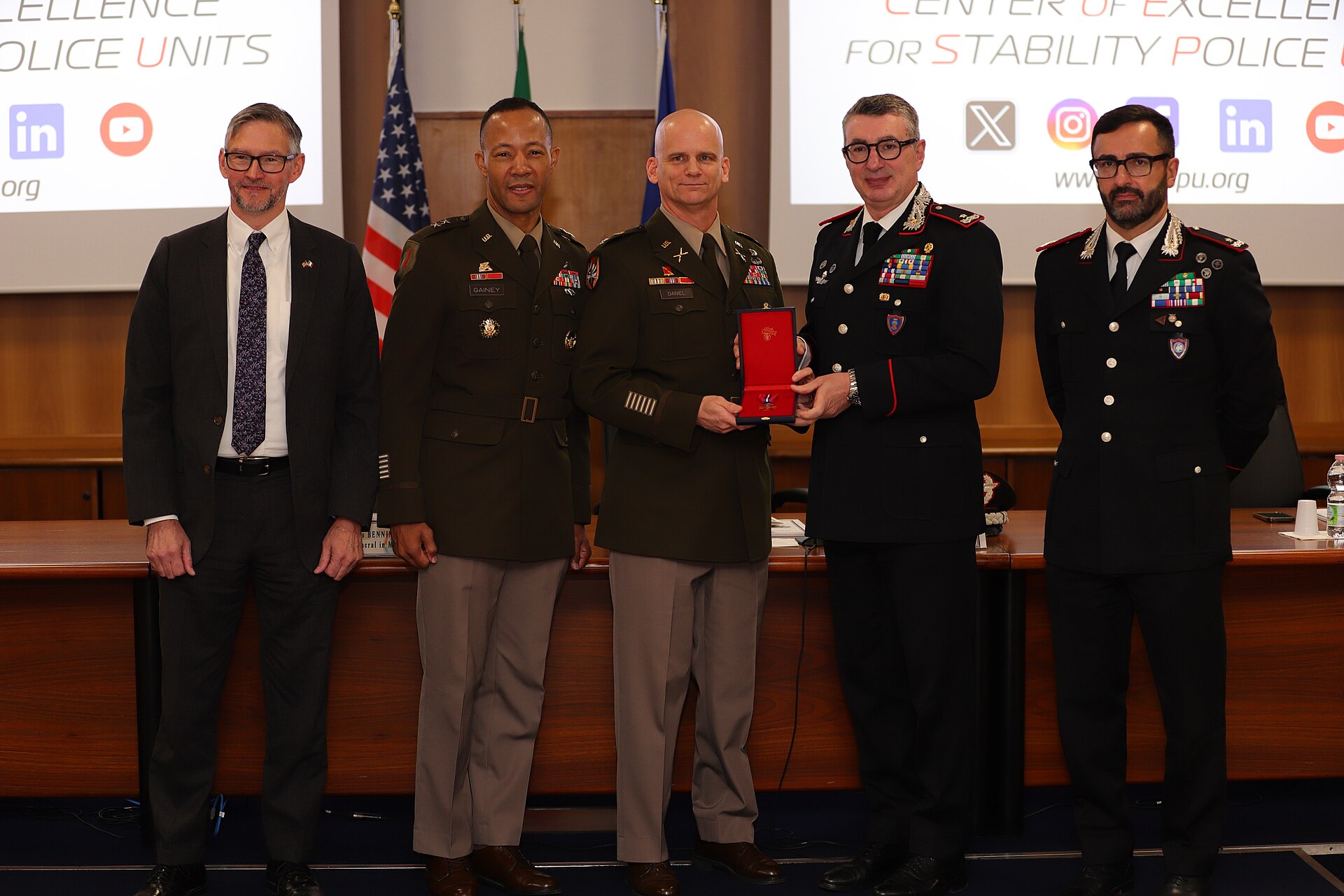
Rome is safe to walk around, and I walk it constantly. The pickpocketing, though, is real and concentrated. The hot zones are Roma Termini station, metro lines A and B (especially the 64 bus to the Vatican, nicknamed the “pickpocket express”), and the crush around the Trevi Fountain, Spanish Steps, Colosseum, and Piazza Navona. Daytime, in crowds, is when hands get busy.
Where to base yourself for an easy, walkable stay: Trastevere is lively and well-peopled late into the night, Monti is central and a touch calmer, and Prati and the Aventine are genuinely quiet and residential. All four feel safe on foot at night. The area immediately around Termini is fine by day and worth less lingering after dark, not because it’s dangerous but because it’s where the petty crime concentrates.
Naples
Naples gets the worst rap and, in my experience, deserves the least of it. Yes, it is grittier and louder than Florence. Yes, you keep your bag close. But violent crime spilling onto tourists is vanishingly rare; reporting consistently notes that no visitor has been caught in organized-crime violence in many years, and that activity does not reach the areas you’ll be in.
Stay in Chiaia, Vomero, Santa Lucia, or along the Lungomare and you’re in the safe, residential, view-rich part of the city. The historic centre (Spaccanapoli) is the atmospheric heart and is fine in the day and evening with normal awareness; it’s busier and more chaotic, so that’s where you stay switched on. The main thing in Naples is traffic and scooters, not crime.
Florence, Venice, Milan
Florence is small, beautiful, and easy, with petty theft mostly around Santa Maria Novella station and the packed bridges. Venice has effectively no car crime and feels very safe to wander at night; the watch-points are the pickpocket-friendly crowds at Piazzale Roma, the Rialto, and on busy vaporetto stops. Milan is a real city with real petty crime, statistically among the highest in Italy for reported theft, focused around Centrale station, the Duomo, and crowded shopping streets. None of these cities is dangerous. They’re just places where you keep a hand on your bag in the crush.
The small towns, the coast, and the islands
This is Italy at its safest. Hill towns in Tuscany and Umbria, the villages of the Dolomites, much of Puglia and Sardinia, the smaller Sicilian towns, these places report low crime and feel about as safe as anywhere in Europe. The biggest risks shift here from theft to the natural environment: sun, sea, and roads. If your trip leans rural and coastal, your safety calculus is mostly about hydration and driving, not crime.
If you’re still deciding where to base your trip, my region-by-region overview of where to stay in Italy and the full Italy travel guide get into the character of each area in more depth.
Solo travel and female-solo travel: the honest version
Italy is one of the easier countries in Europe to travel solo. It’s social, walkable, food is built around sitting down, and you’re never far from other travelers. I’ve done long stretches there alone and never felt unsafe in a way that wasn’t easily managed.
For solo travelers of any gender, the standard rules carry you the whole way: stay where there are people, keep your accommodation central and well-reviewed, don’t get blackout drunk in an unfamiliar place, and use licensed taxis or a ride app late at night rather than wandering empty streets. That’s it. That’s the program.
For solo female travelers, I’ll be straight with you, because vague reassurance helps no one. The issue you’re most likely to encounter is unwanted attention: catcalling, persistent vendors, the occasional too-friendly stranger. It is more about annoyance than danger, and it tends to be louder in the south and around tourist hubs. A firm, unsmiling “no” and just continuing to walk shuts down the large majority of it. Sunglasses, a confident pace, and headphones (one ear) are quietly effective. Trust the instinct that tells you to step into a café or change your route; it’s almost always right.
Practical female-solo specifics that genuinely help:
- Book accommodation in walkable, lively neighborhoods (the Rome, Naples, and Florence areas I named above are all good picks).
- Share your live location with someone back home; download offline maps so you’re never standing on a corner looking lost. A working phone is a safety tool, which is why I’d sort out an Italian SIM or eSIM before you go.
- Dress however you like, but in working churches you’ll need shoulders and knees covered to enter, a practical note I cover in the packing list and etiquette guide.
- Late at night, take the taxi. It’s cheap relative to your peace of mind.
Italy is a place I’d recommend to a first-time solo female traveler without hesitation. The caveats are real but small.
Traveling with kids and family safety
Here’s the good news for parents: Italians genuinely love children, and it shows everywhere. Restaurants welcome them, strangers coo at them, and no one bats an eye at a stroller in a trattoria at 9 p.m. From a pure safety standpoint, family travel in Italy is low-risk.
The real challenges are logistical, not safety-related. Cobblestones and stairs are brutal on strollers (a baby carrier often wins). Many historic apartments have no elevator. Summer heat hits kids harder, so you’ll want to structure days around a midday break. Crowds at major sights mean a firm hand-hold and a meeting-point plan if anyone gets separated.
The one safety habit I’d insist on with kids is traffic awareness. Italian drivers are assertive, scooters appear from nowhere, and pedestrian crossings are more of a polite suggestion than a guarantee. Hold little hands near roads, even at marked crossings, and especially in Naples and Rome. For pacing a family-friendly route, my Italy itinerary library are built with realistic days in mind, and the best time to visit Italy guide can steer you away from the worst of the summer heat with young children.
Night safety and public transport
Italy at night is, broadly, safe. Cities stay social late; piazzas fill up after dinner; you’re rarely alone on a street in a central neighborhood. I walk Italian cities after midnight without a second thought in the areas I’d recommend staying.
The nuance is around specific transport hubs after the crowds thin. The zones immediately around major train stations, Termini in Rome, Centrale in Milan, Centrale in Naples, Santa Maria Novella in Florence, are where I’d be most alert late at night. Not because they’re dangerous war zones, but because that’s where the loitering and the petty crime concentrate when the legitimate foot traffic dies down.
Practical night and transport rules I actually follow:
- Use licensed taxis or a ride-hailing app late at night. Licensed taxis are white, have a meter, and display a company name and number. Skip anyone offering you a “taxi” who isn’t at a rank or hailed.
- Validate your ticket. On regional trains, buses, and trams you must stamp/validate your ticket before boarding or you’ll get an on-the-spot fine. This is enforced; inspectors are real.
- Keep your bag in front of you on packed metros and buses, and be extra aware right as the doors are closing, the classic moment for a grab-and-step-off.
- Buy point-to-point tickets at machines or via apps, not from a stranger on the platform offering “help.”
For the bigger picture on getting around safely and efficiently, including night options and strike workarounds, see my Italy transportation guide.
Natural risks: heat, sun, sea, and the occasional volcano
This is the section most “is Italy safe” articles skip, and it’s the one most likely to actually affect your day. The natural environment is a bigger practical risk to the average tourist than crime is.
Summer heat and sun. I’ll say it plainly: a July or August heatwave in Italy is no joke. Cities like Rome, Florence, and the southern interior can push past 38–40°C (100–104°F), and the heat radiating off stone is relentless. Heat exhaustion sneaks up on people walking sights all day. The fix is dull but vital: carry water (Italy’s public fountains, the nasoni in Rome, are free and safe to drink), wear a hat, slow down at midday, and copy the Italians by taking a long lunch break indoors. I get into seasonal timing in detail in the best time to visit Italy guide.
Sun protection is its own thing. The Mediterranean sun is stronger than many visitors expect, especially on the water and at altitude in the Dolomites or on Etna. Sunscreen, reapplied, genuinely matters.
Sea currents and swimming. Italy’s beaches are spectacular and mostly very safe, but pay attention to flags and lifeguards. Some stretches of coast (parts of Sardinia, the open Tyrrhenian, certain Sicilian beaches) get real rip currents and rough days. If a beach is flying a red flag, that’s not decoration. Swim where others swim, and don’t push out alone in choppy water.
Hiking. The Dolomites, the Amalfi Coast paths (the Path of the Gods), Cinque Terre trails, and Etna are extraordinary and well-trodden, but they’re still mountains and a volcano. Wear real shoes, check the weather, carry water, and don’t start a long trail late in the day. Trails do close for weather and conditions; respect the closures.
Earthquakes and volcanoes. Italy sits on active fault lines, and yes, there are active volcanoes, Etna and Stromboli in the south, Vesuvius near Naples, and the Phlegraean Fields, an area west of Naples that experiences regular tremors. I want to be honest and proportionate here: for a typical tourist on a typical trip, the odds of an earthquake or eruption affecting you are very low. These are monitored constantly. Italy has a nationwide emergency cell broadcast system (IT-alert) that pushes warnings straight to any phone on an Italian network. If you’re climbing Etna or visiting Vesuvius, follow your guide and posted alert levels; otherwise this is a background risk, not a planning one.
For anything health-related, what’s in a pharmacy, how to handle a minor illness, sun and stomach issues, I keep that detail in my Italy pharmacies guide so this page can stay focused on the safety picture.
Driving and ZTL: the danger is mostly to your wallet
If you’re renting a car, the biggest “safety” issue in Italy is not crashing, it’s the fines. Most historic city centers are ringed by ZTL zones (Zona a Traffico Limitato), camera-enforced restricted areas marked with signs reading “ZTL” on a yellow or white background. Drive in without a permit and a ticket finds you weeks later, often more than one. The rule is simple: do not drive into the historic center of any Italian city. Park outside and walk or use transit.
On actual road safety: Italian driving is more assertive than what many North Americans and Brits are used to. Traffic is fast, tailgating is common, and scooters weave constantly. It’s manageable, just drive defensively and don’t expect anyone to wave you through. A few specifics worth knowing:
- Carry your physical ID/passport and license; police can stop you for a check, and they’ll want documents.
- Don’t leave anything visible in a parked car. Theft from vehicles is the one property crime that’s genuinely common across the country, including from the trunk. Take valuables with you, every time.
- Pedestrian crossings don’t guarantee cars will stop. Make eye contact; don’t step out assuming.
- Country roads, the Amalfi coast road, mountain passes are narrow and gorgeous and demand your full attention. Drive them rested and unhurried.
Where a car genuinely shines is rural Tuscany, Puglia, Sardinia, and the Dolomites; where it’s a liability is anywhere with a historic center. Budgeting for tolls, fuel, and the very real possibility of fines is worth doing up front, which I factor into the Italy travel budget guide.
Emergency numbers and what to do if something happens
Save these before you go. In Italy, the pan-European emergency number connects you to everything.
- 112 — the single pan-EU emergency number (police, ambulance, fire). Operators can route you and often handle English. This is the one to memorize.
- 113 — State Police (Polizia di Stato)
- 118 — Medical emergency / ambulance
- 115 — Fire brigade (Vigili del Fuoco)
- 1530 — Coast Guard (for emergencies at sea)
If your passport is lost or stolen, file a police report (denuncia) at the nearest police station, then contact your embassy or consulate, note that a police report alone won’t let you leave Italy, so don’t leave the embassy step for last. If you’re a victim of pickpocketing, report it for your insurance claim even though recovery is unlikely.
A working phone is genuinely part of your safety kit here, for maps, for 112, for the IT-alert broadcasts. Don’t land without a data plan sorted; my Italy SIM card and eSIM guide walks through the options. And remember that what counts as the right paperwork to enter the country in the first place is its own topic, which I keep current in the Italy entry requirements guide.
Final thoughts
After enough trips, my honest summary is this: Italy is safe, and the version of it that scares people online is mostly a mirage. You are far more likely to lose an afternoon to a heatwave or a rail strike than to anything criminal. Keep your bag zipped in the crowds, respect the sun and
Questions travellers ask
Is Italy safe for tourists right now?
Yes. As of 2026, Italy carries a US State Department Level 2 advisory (the same as France, Germany, and Spain) and the UK FCDO describes crime as “generally low.” No major government advises against visiting. The practical risks are petty theft in crowds, summer heat, and the occasional strike, not violence against tourists.
Is Italy safe for solo female travelers?
Largely yes. Italy is one of Europe’s more comfortable solo female destinations. The most common issue is unwanted attention, catcalling and persistent vendors, rather than real danger. A firm “no,” central accommodation, licensed taxis at night, and offline maps handle nearly all of it. I’d recommend it to a first-time solo woman without hesitation.
What is the most dangerous part of Italy for tourists?
There’s no genuinely “dangerous” tourist area, but petty theft concentrates in specific spots: around Roma Termini, Milan Centrale, and Naples Centrale stations, on packed metros and buses, and in crowds at the Trevi Fountain, Colosseum, and Rialto. The risk is your wallet, not your safety. Stay alert in those crowds and you sidestep most of it.
Is Naples safe to visit?
Yes, despite its reputation. Naples ranks lower for reported crime than Rome, Milan, and Florence on Italy’s national index, and organized-crime violence does not reach tourist areas. Stay in Chiaia, Vomero, Santa Lucia, or along the Lungomare, keep your bag close in the historic center, and watch the traffic. It’s gritty, not dangerous.
Is it safe to travel to Italy alone?
Very. Italy is social, walkable, and used to independent travelers, which makes solo trips easy. Base yourself centrally, keep your phone charged with offline maps, use licensed taxis or a ride app late at night, and apply normal city sense. Solo travel here is more about good logistics than managing real safety threats.
Are the trains and public transport in Italy safe?
Yes, the network is safe and well used. The two things to know: validate regional/bus/tram tickets before boarding or risk a fine, and keep your bag in front of you in crowds, especially as doors close. Strikes (scioperi) are common and disrupt schedules but pose no danger, check before a big travel day and keep a bus backup in mind.
Do I need to worry about earthquakes or volcanoes in Italy?
For a normal trip, no. Italy is seismically active with active volcanoes (Etna, Stromboli, Vesuvius), but these are constantly monitored, and Italy’s IT-alert system pushes warnings to any phone on a local network. The odds of one affecting your visit are very low. If you’re climbing Etna or visiting Vesuvius, just follow your guide and the posted alert levels.
Is Italy safe to drive in?
Yes, with two big caveats. Italian driving is fast and assertive, so drive defensively, and never enter a city’s ZTL restricted zone, which is camera-enforced and will fine you. Don’t leave valuables in a parked car (theft from vehicles is common), carry your documents, and you’ll find rural Italy a genuinely rewarding place to drive.