Italy in September: Weather, Crowds and the Best Places to Go

Italy in September: Is It a Good Time to Go?
Yes — and if you push me, I’d say September is the single best month for a mixed Italy trip that wants to do everything: cities, coast, and countryside. Italy in September gives you summer warmth without August’s punishing heat, seas that are still genuinely swimmable, and a country that has exhaled after its peak crowd season. The grape harvest is beginning. The light turns golden. And the prices, while not rock-bottom, start sliding from their summer peak.
It is not a perfect month. Early September in the big tourist corridors can still feel like August-lite, and you should go in with realistic expectations on that front. But from around the second week onward, the shift is real and noticeable. This guide is for anyone trying to decide whether September makes sense for their trip — and for those already booked who want to make the most of it.
For the wider picture of when to go and why, see our best time to visit Italy guide. This page is all about September specifically.
September in Italy Weather: A Regional Breakdown
The single most useful thing I can tell you about September in Italy weather is this: the country is long. What the Dolomites feel like in mid-September — crisp mountain air, the first tinges of red on the larch trees — has nothing in common with Palermo, where you can still be eating granita in the shade at 29°C. Plan for the region, not the country.
The table below uses typical averages. Individual years vary, and the second half of September runs noticeably cooler than the first.
| Region / City | Typical High | Typical Low | Rain feel | Sea / swimming |
|---|---|---|---|---|
| Milan / Turin (North) | ~24°C (75°F) | ~16°C (61°F) | Occasional showers, esp. late month | Not applicable |
| Venice | ~24°C (75°F) | ~15°C (59°F) | ~5 rainy days | Adriatic still warm |
| Dolomites / Bolzano | ~22°C (72°F) | ~12°C (53°F) | More variable at altitude | Mountain lakes cool |
| Florence / Tuscany | ~27°C (81°F) | ~15°C (59°F) | ~6–8 rainy days | Tyrrhenian still warm |
| Rome | ~27°C (81°F) | ~15°C (59°F) | ~5 rainy days | Lido beaches still swimmable |
| Amalfi Coast | ~26°C (79°F) | ~20°C (68°F) | Low rain, mostly dry | Excellent — sea ~25°C |
| Puglia (Lecce / Bari) | ~27°C (81°F) | ~16°C (61°F) | Very dry | Still excellent |
| Sicily (Palermo / Catania) | ~28–29°C (82–84°F) | ~20°C (68°F) | Very low | Best sea conditions of year |
| Sardinia (Cagliari) | ~28°C (82°F) | ~17°C (62°F) | Minimal | Near-perfect — sea ~26°C |
Typical averages based on historical climate data. Always check a local forecast before you travel.
The broad story: southern Italy and the islands are still in full summer mode through most of September. Central Italy is warm by day and pleasantly cool by night. Northern Italy starts feeling distinctly autumnal by the final week. The Dolomites can surprise you with cold nights even in early September — always pack a proper layer.
Weather by Region: The Honest Version
Northern Italy in September
Milan and Turin are perfectly comfortable in September. The 35°C+ grind of July and August is gone, and the cities feel liveable again. Evenings cool off sharply, which is a pleasure. The Italian Lakes — Como, Garda, Maggiore — are at their most atmospheric this month: the summer boat traffic has thinned, the water is still warm enough to swim in (Lake Garda especially), and the light across the water in the late afternoon is the kind of thing you remember.
The Dolomites deserve their own paragraph. Hiking season is still very much open in September, and this is arguably the best month for it. The summer hordes have left. The trails are quieter. The rifugi (mountain huts) are still serving hot food and cold beer. The foliage starts turning, slowly, from the end of the month. Nights at altitude can be genuinely cold — we’re talking single figures — so a warm mid-layer is not optional. Cableways typically stay open into October.
One caution: Northern Italy does get rain in September, particularly toward the end of the month. It tends to be short and sharp rather than week-long grey, but keep an eye on the forecast if you’re hiking.
Central Italy in September
Rome is transformed by September. The oppressive humidity of August lifts, the city’s residents come back from their holidays, and suddenly there are more Romans in the trattorias than tourists. The Colosseum, the forums, the Vatican — all still busy, but walkable in a way they simply aren’t in July or August. Evenings in Trastevere with a glass of local white wine, the air warm but not suffocating — this is close to the Rome experience at its best.
Florence in September is still very popular — don’t let anyone tell you the crowds disappear. But they are lighter than August, and temperatures below 30°C make walking between the Uffizi and the Ponte Vecchio an actual pleasure rather than an endurance test. The Tuscan countryside comes alive in September: the vineyards are heavy with fruit, the sunflowers are done but the rolling hills are golden-green, and the roads are quiet enough to cycle if that’s your thing.
Umbria often gets forgotten in September conversations, which makes it even better. Perugia, Assisi, Spoleto — all receive far fewer visitors than their Tuscan neighbours, the weather is similar, and the food culture is extraordinary.
Southern Italy and the Islands in September
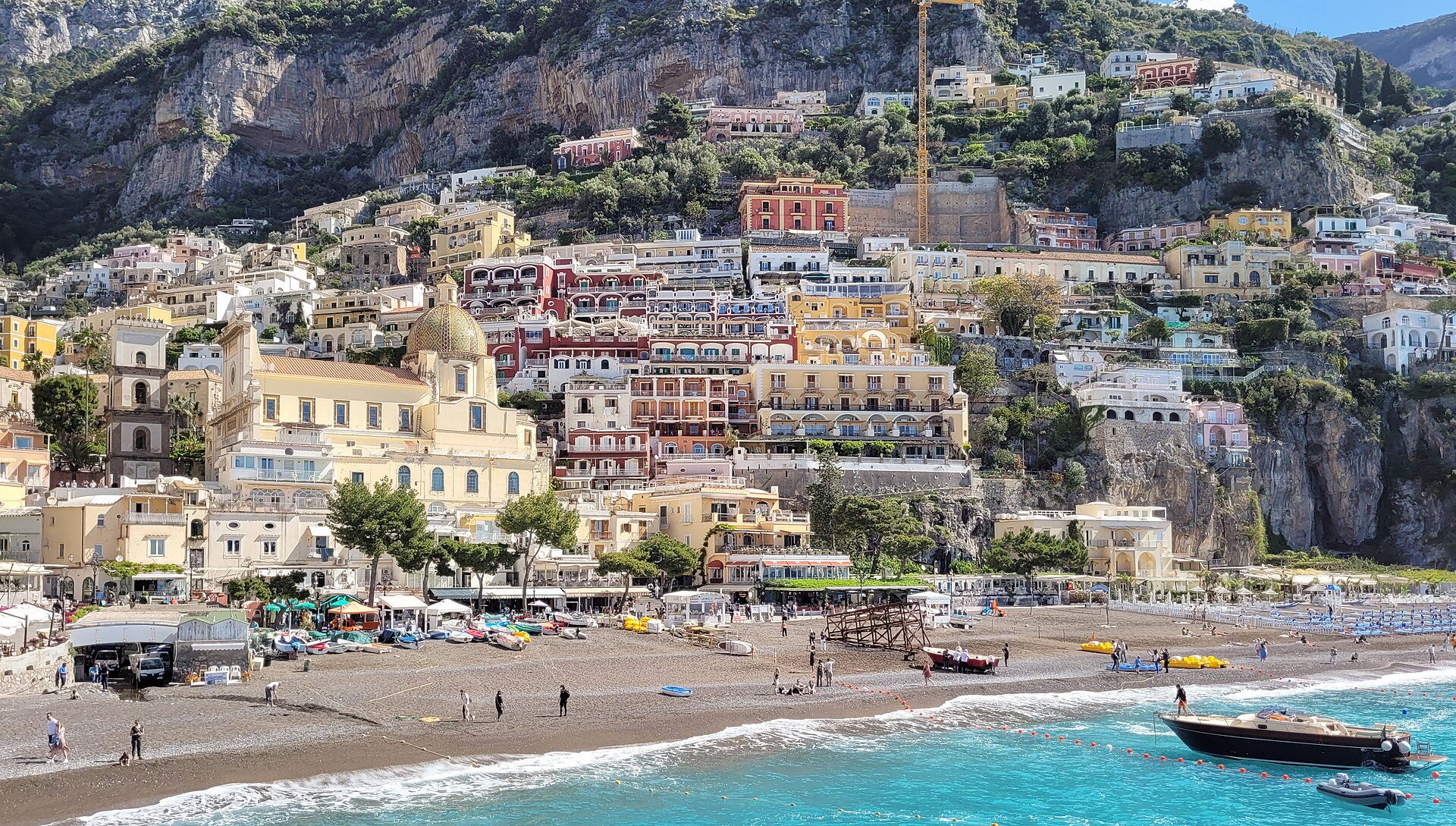
This is where September really earns its reputation. The south — Puglia, Calabria, Campania — sheds the August tourist weight without losing any of the warmth. The Amalfi Coast remains open for business: boat tours run, restaurants are packed (though not overwhelmingly so), and the sea temperature around the Sorrentine Peninsula typically sits around 24–25°C. You can still swim, still sun yourself on a boat between Positano and Capri, and do it without feeling like you’re in a queue.
Puglia in September is close to ideal. The crowds never quite reach Tuscany or Amalfi levels anyway, and what crowds there were in August are gone. The heat is more manageable. The whitewashed towns of the Salento, the Trulli of Alberobello, the old city of Lecce — you can actually walk around them and stop to look. The food markets are full of late-summer produce: tomatoes, figs, aubergines.
Sicily stays hot well into September. Palermo and Catania remain warm — you’ll still want a light summer wardrobe — but they lose some of the suffocating edge of August. The Valley of the Temples at Agrigento is best visited in the cooler morning light anyway, and that’s much easier to enjoy when you’re not melting.
Sardinia in September is, frankly, superb. See the dedicated section below.
Crowds and Prices: The Honest Truth
Let me be direct about this, because many Italy guides gloss over it: early September — roughly the first two weeks — is not meaningfully different from late August in the major tourist spots. The flight prices are still near peak. Hotels in Rome, Florence, Venice, and the Amalfi Coast are still charging summer rates. The queues at the Uffizi are still long. The reason is simple: European school holidays run into mid-September in most countries, and American summer travel peaks later than people think.
The shift happens around the third week of September. After that, you start to feel the change. Prices at hotels begin to soften. Restaurants are easier to walk into without a reservation. The piazzas have a different rhythm. By the final week of September, you’re genuinely in shoulder season.
So the practical advice: if you have flexibility, aim for the second half of September. If you’re locked into the first week, don’t be put off — the weather is excellent — but do book things well in advance and manage your expectations on queues at the headline sights.
For budget context, check our Italy travel budget guide for a full breakdown of what to expect across seasons.
What Makes September Special: The Vendemmia
This is what separates September from every other month: the vendemmia, or grape harvest. It begins in the south and islands as early as late August, moves through central Italy in September, and reaches Piedmont and the northern wine regions through October.
What this means practically: vineyards are alive and working. In Tuscany — Chianti, Montalcino, Montepulciano — you can visit estates during the harvest, see the fruit coming in, taste the wine from the previous vintage, and sometimes help pick (if you’re willing to get your hands purple). This is not a manufactured tourist experience; it is the most important moment in the wine calendar. The energy in a working Tuscan winery in September is something completely different from a quiet cellar visit in January.
In Piedmont, the harvest arrives slightly later in September and carries into October. The Langhe hills around Alba — home of Barolo and Barbaresco — turn amber and gold as the Nebbiolo grapes ripen. The white truffle season overlaps from late September, and by October it’s in full swing.
Key September harvest events worth planning around:
- Expo del Chianti Classico (Greve in Chianti, Tuscany): A long September weekend festival celebrating the Chianti Classico wine appellation — tastings, producers, food. One of the great food-and-wine events in Italy.
- Douja d’Or / Festival delle Sagre (Asti, Piedmont): Asti hosts a wine festival showcasing regional producers, alongside the Festival delle Sagre where 40+ villages cook their traditional dishes in the piazza over two days.
- Cantine Aperte in Vendemmia: A nationwide open-winery weekend where estates across Italy invite visitors in during the actual harvest. Check the Movimento Turismo del Vino website for the current year’s dates.
- Sagra dell’Uva, Marino (near Rome): One of Italy’s oldest grape festivals, held in a town in the Castelli Romani hills — free wine literally flows from the town fountain one day a year. Romans take this seriously.
- Festa della Rificolona (Florence, September 7): A beautiful and overlooked festival where children process through the streets carrying paper lanterns, honouring the Virgin Mary’s birthday. Street performances, market stalls.
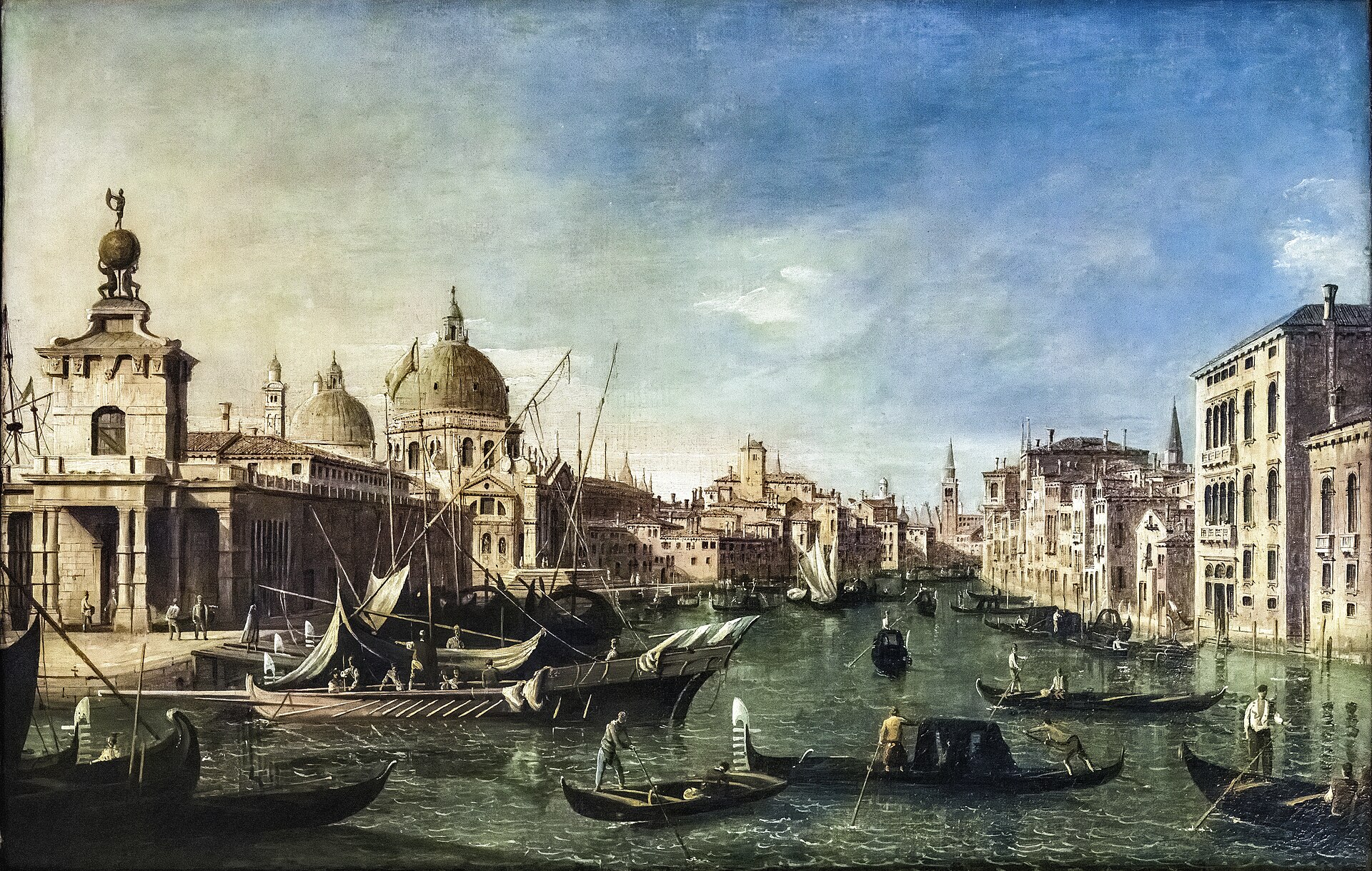
- Regata Storica (Venice, first Sunday of September): The Grand Canal fills with historic rowing boats, gondoliers in period dress, and thousands of spectators. One of the most visually spectacular events in the Italian calendar.
- Festa di San Gennaro (Naples, September 19): A public holiday in Naples. The city stops. Locals crowd into the Duomo to witness the liquefaction of the saint’s blood. An extraordinary, charged, very Neapolitan occasion.
Our Italy food and wine travel guide goes deep on the regional wine culture if you want to plan around the harvest.
The Best Places to Go in Italy in September
Sardinia
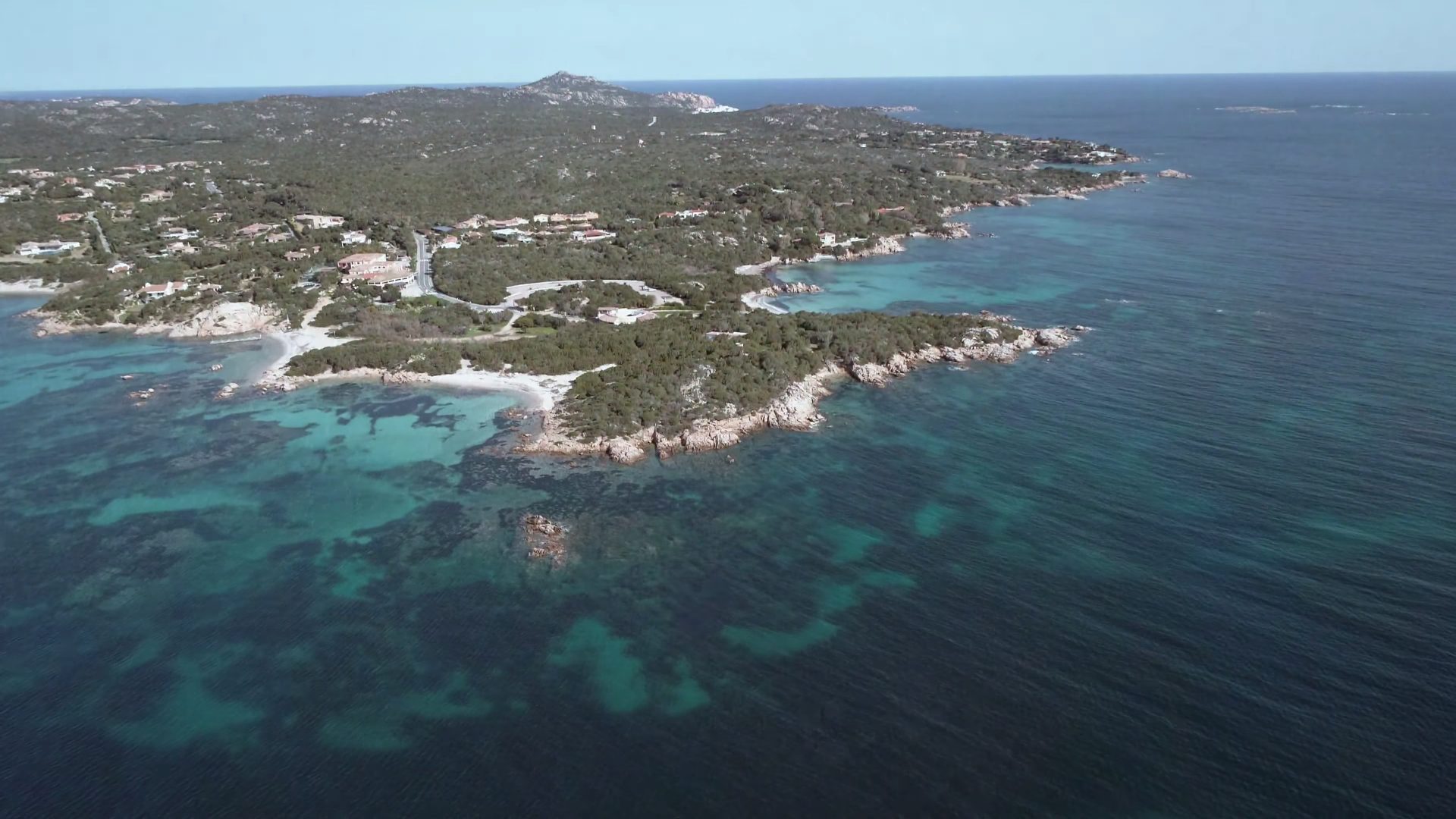
If you only take one piece of advice from this article, take this: September is the best month to visit Sardinia. August on Sardinia is extraordinary in terms of beauty, but it is also heaving with Italian and European sun-seekers, driving up hotel prices to eye-watering levels and cramming the famous beaches of the Costa Smeralda and the Maddalena Archipelago.
In September, the island shifts into something calmer and more authentic. The water temperature is still typically around 25–26°C — genuinely warm, not just technically swimmable. The beaches are quiet enough to choose your spot. Hotel rates come down. The interior opens up: Nuraghe Santu Antine, the Barbagia villages, the limestone gorge of Su Gorropu — these are a world away from the beach clubs, and September is perfect for them.
Cagliari is excellent in September: a real, functioning Sardinian city with a medieval citadel, a fish market, and outdoor dining that goes until midnight. Read our Sardinia beaches and travel guide for how to structure a trip.
Tuscany
The case for Tuscany in September is simple: it is the month the region was made for. The harvest is beginning. The temperature is warm but not suffocating. The tourist traffic in Florence is lower than August. The Val d’Orcia is golden-green and the roads through the Crete Senesi are quiet.
Florence is worth two or three days. The Uffizi, Accademia, Duomo complex — all require advance booking regardless of time of year, but in mid-to-late September the spontaneous, non-booked parts of Florence (the Oltrarno neighbourhood, the markets, the Piazzale Michelangelo at sunset) are genuinely enjoyable again.
The real September argument, though, is outside Florence: a few days based in the Chianti hills, a visit to a working winery during the harvest, a long lunch in Radda or Gaiole. For trip-building help, see our Florence and Tuscany travel guide.
The Amalfi Coast and Campania
The window between the August peak and the October wind-down is narrow on the Amalfi Coast, and September sits right in the sweet spot. The corniche road is still jammed — it’s 18 hairpin bends regardless of month — but the piazzas in Positano and Ravello breathe a little more. Boat services between Amalfi, Positano, Capri, and the Galli islands run in stable conditions. The sea is excellent.
Naples in September is very good: hot by day but approachable, and the city’s street life — the pizza counter at Di Matteo, the chaos of the Spaccanapoli — is at its most vivid. The Pompeii and Herculaneum sites, both open-air and historically brutal in July sun, are far more comfortable. Our Amalfi Coast and Naples / Campania guide covers the logistics in detail.
Venice
Venice in September is complicated and worth being honest about. The first week is still peak — the Venice Film Festival runs into early September, bringing an additional wave of visitors. After that, the city shifts. The acqua alta flooding season doesn’t typically arrive until late October, so September is a dry-ground window. The light over the lagoon in September is exceptional, particularly in the evening.
My honest recommendation: if Venice is on your list, aim for the second half of September and consider the outer islands — Burano, Torcello, Sant’Erasmo — as much as the Grand Canal circuit. These feel like different worlds. See the full guide to planning a trip to Italy for context on building a trip around Venice.
Puglia
Puglia in September is one of those happy accidents where the calendar lines up perfectly. The trulli of Alberobello are best without August’s full busloads. Lecce’s baroque streets are genuinely pleasant to walk in the warm evening. The Adriatic beaches from Otranto to Polignano a Mare — technically still summer, warm water, far fewer people than a month earlier.
The food is exceptional: fichi d’India (prickly pear) ripen on the roadsides in September. The orecchiette in the old women’s kitchen windows of Bari Vecchia. The raw sea urchin at a harbour-side bar in Gallipoli. Plan around food and let the architecture fill in the gaps.
Rome
Rome in September is genuinely one of the best versions of the city. Hot enough that evenings on a terrace are perfect, cool enough that you can walk the three kilometres between the Colosseum and the Pantheon without stopping every hundred metres in the shade. The city comes back to life after August, when a surprising number of Roman-owned restaurants shut and the city can feel strangely hollowed out. September brings that life back.
Book the Colosseum, the Vatican Museums, and the Borghese Gallery (which requires booking regardless) well in advance. Everything else — the Spanish Steps, the Trevi Fountain, the Trastevere alleys — just go. Browse the sample Italy itineraries page for multi-city builds that include Rome.
How September Compares to Neighbouring Months
People often ask: is September better than May, June, or October? The honest answer is that it depends on what you want.
Italy in May has better crowd and price conditions for cities like Florence and Rome, spring wildflowers in full bloom, and a lush green countryside — but the sea is too cold for swimming and the south doesn’t have the same magnetism yet.
Italy in June is the beginning of the warm season — long days, warming sea — and the early part of the month before school holidays break out is excellent value. By late June, prices are climbing fast.
September has warmer seas than either of those, the vendemmia as a unique seasonal hook, and the south and islands at their most accessible. The trade-off is price: September is more expensive than May.
Italy in October is quieter and cheaper, the truffle season opens fully, and Tuscany and Umbria hit their most painterly autumn colour — but the beaches close down, the sea cools quickly, and some southern coastal towns start shutting up for the season.
For the full seasonal strategy, the month-by-month guide to Italy parent guide is the right place to think through which month suits your specific trip.
What to Pack for Italy in September
The packing logic for September is layering from a warm-weather base, not a summer base. Here’s what actually works:
Clothing
– Light cotton or linen trousers and a couple of smart casual shirts or blouses — these work from day touring to dinner
– T-shirts for the first half of the month, especially in the south
– One light sweater or fleece — essential for evenings in the north, useful everywhere
– A packable rain jacket (not just a shell — something that will actually keep you dry for a sudden hour-long downpour)
– For the Dolomites or Alpine hiking: a proper mid-layer (fleece or light down) and waterproof hiking boots, not trail runners
Footwear
– Comfortable walking shoes that can handle cobblestones — this is non-negotiable
– Sandals if you’re spending time on the coast (first half of month)
Extras
– Sunglasses and high-SPF sunscreen — still needed throughout September, especially in the south
– A compact day bag that sits close to your body — September is still pickpocket season in cities
– Reusable water bottle — public drinking fountains (nasoni in Rome, fontanelle in Florence) are everywhere and the water is excellent
– Any medications you need in original packaging — Italian pharmacies are very good, but prescriptions don’t transfer
One thing people regularly get wrong: packing for the beach and forgetting that churches still require covered shoulders and knees. A light scarf solves this instantly.
A Sample Two-Week September Trip
This is one way to structure a fortnight that makes the most of what September specifically offers. Adjust for your pace.
Days 1–3: Rome — Arrive, recover, eat well. Book the Vatican and Colosseum in advance. Walk the historic centre in the evenings when the light is perfect.
Days 4–5: Naples + Day Trip to Pompeii — High-speed train from Rome (70 minutes). Base yourself in Naples, do Pompeii in the morning before it gets hot, eat pizza that evening.
Days 6–8: Amalfi Coast — Ferry along the coast from Salerno or Positano. Swim. Take the ferry to Capri for a day if budget allows. This is the September sea swimming window.
Days 9–10: Tuscany (Chianti) — Fly or train to Florence, pick up a hire car. Two nights in the Chianti hills. Visit a winery during the harvest. Drive through the Val d’Orcia if you can.
Days 11–12: Florence — Return the car, two days in the city. Uffizi one morning, Oltrarno the rest of the time.
Days 13–14: Venice — Train from Florence (2 hours). Two nights. Evening on the lagoon. Day trip to Burano.
This route uses the suggested routes around Italy logic of moving north-to-south or south-to-north to avoid backtracking. The full framework for building a trip around it is in our Italy travel guide.
Final Thoughts
The reason I keep recommending September to people who ask when to go is that it’s the month where Italy actually delivers on all its promises at the same time. The sea is warm. The cities are comfortable. The food is at a seasonal peak — figs, late tomatoes, the first porcini, the wine harvest beginning. The light is extraordinary, softer and more golden than July’s sharp glare.
It isn’t perfect — the first half of the month can feel crowded and pricey in the tourist corridors, and you should plan accordingly. But the second half of September is genuinely one of the most rewarding times in the Italian calendar.
Pick your regions based on what September does best: Sardinia or Puglia if you want the beach without August’s crush; Tuscany or Piedmont if you want the harvest; the Dolomites if you want to hike in cool air with thin crowds; Rome and Naples for the cities coming back to life. You don’t have to choose just one. That’s the point.
For deeper planning help, start with our full guide to visiting Italy and Italy itineraries pages. And if you’re deciding between September and its neighbours, our pages on Italy in May, Italy in June, and Italy in October give the honest comparison.
Questions travellers ask
Is September a good month to visit Italy?
Yes, September is one of the best months to visit Italy — particularly for mixed trips that combine cities, countryside, and coast. The sea is still warm and swimmable through most of the month, the August heat has eased, and the vendemmia (grape harvest) makes the wine regions especially rewarding. Crowds and prices remain elevated in the first two weeks; the second half of the month is noticeably calmer.
How hot is Italy in September?
Temperatures vary significantly by region. Rome and Florence typically reach around 27°C (81°F) during the day and cool to around 15°C (59°F) at night. The Amalfi Coast and Puglia stay similarly warm. Sicily and Sardinia can reach 28–29°C. Northern Italy is cooler — Milan and Venice typically peak around 23–24°C, and the Dolomites can be decidedly cold at altitude, especially after dark.
Is it too crowded in Italy in September?
Early September — roughly the first two weeks — is still busy in major destinations. The shift comes around the third week of the month, when European school terms are fully underway and prices start to soften. Venice during the Film Festival (early September) is particularly dense. If you have flexibility, the second half of September is the better window for both crowd levels and value.
Can you swim in Italy in September?
Yes, absolutely — especially in the south and on the islands. The Tyrrhenian and Adriatic seas retain heat from the summer, and water temperatures around the Amalfi Coast, Puglia, Sicily, and Sardinia typically sit between 24–26°C in September, which is warm and comfortable for swimming. The sea cools as you move north; the Ligurian coast (Cinque Terre) is cooler but still swimmable in early September.
What is the vendemmia and can I take part?
The vendemmia is the Italian grape harvest, and it’s the defining event of September in the wine regions. Tuscany, Piedmont, Umbria, and Veneto are the main areas. Many estates welcome visitors during the harvest, and some offer hands-on picking experiences. The Cantine Aperte in Vendemmia initiative opens wineries across Italy on a designated late-September weekend. If you want to participate, look for agriturismo accommodation on working wine estates — they often include harvest activities.
Is September good for the Amalfi Coast?
September is one of the best months for the Amalfi Coast. The August crowds have thinned, the sea is warm, boat services are still running in stable conditions, and coastal restaurants are fully open. The corniche road is always busy — that’s structural — but the towns breathe more freely. Book accommodation well in advance regardless; the Amalfi Coast never gets truly empty.
How does September compare to May for visiting Italy?
Both are strong months. May has better crowd and price conditions for cities, spring flowers, and a green countryside — but the sea is cold. September has warm swimming conditions, the harvest season as a unique hook, and the south at its most accessible. September is more expensive than May, particularly in coastal areas. For cities like Rome and Florence, May can have a slight edge on pure crowd comfort; for beach and island trips, September wins clearly.
What should I wear in Italy in September?
Think light layers, not a summer capsule. T-shirts and linen for warm days, a light sweater or fleece for evenings, a packable rain jacket for occasional showers. The south and islands stay summer-warm through the month, but northern Italy and the mountains need an extra layer even in early September. Comfortable, sturdy walking shoes are essential anywhere — Italian cities are cobblestone-heavy. Pack something with covered shoulders and knees for church visits; a light scarf is the simplest solution.