How to Avoid Tourist Trap Restaurants in Italy
I have eaten one genuinely terrible meal per trip to Italy for most of my adult life, and every single one was my own fault. Tired, hungry, standing in a beautiful square at 7pm, I let a guy with a laminated menu talk me into a chair.
Tourist trap restaurants in Italy are not a myth and they are not unbeatable. Beating tourist trap restaurants Italy comes down to one simple method: walk away from the monument, ignore anyone trying to seat you, read the menu for length and language and season, and check that Italians are in the room. Do those four things and your odds flip from “memorable for the wrong reasons” to genuinely good.
This guide is for first-timers and returning travelers who keep getting burned in the historic center and want a repeatable way to eat well anywhere in the country.
The 60-second red flag table
Most bad meals are avoidable in the time it takes to read a menu posted by the door. Here is the cheat sheet I run in my head before I sit down anywhere I do not already know.
| Red flag | What it usually signals | What to do instead |
|---|---|---|
| Someone outside waving menus or calling you in | A buttadentro (a “pull-you-in” tout); the place competes on location, not food | Keep walking. Good kitchens are full and do not need a barker |
| Menu in 6 languages with photos and little flags | Built for foot traffic, not regulars; likely a long frozen-food menu | Look for a short menu in Italian, maybe with one English column |
| Plastic food display or pictures of every dish | They assume you do not know what carbonara looks like | Find a handwritten board or a single paper page that changes |
| Table right on the famous piazza, prime view | You are paying a rent premium and a tourist markup | Walk 5 to 10 minutes off the square and reprice |
| Pizza, pasta, sushi, and burgers all on one menu | Kitchen cannot cook any of it well | Choose a place that does one region’s food and little else |
| Open at 6pm for “dinner,” empty of Italians | Catering to tourist clocks, not local ones | Eat when Italians eat: lunch 1 to 2:30, dinner from 8 |
| Fish or steak listed as price “all’etto” with no total | Per-100g pricing that can balloon on the bill | Ask the weight and the final price before you say yes |
| No prices posted, or prices in tiny print | Room to improvise the bill | Skip it; legitimate places post clear prices outside |
If two or more of these are true, I move on. There is always another restaurant in Italy, usually around the next corner and usually better.
Tourist trap restaurants Italy hides in plain sight: the rigged historic center
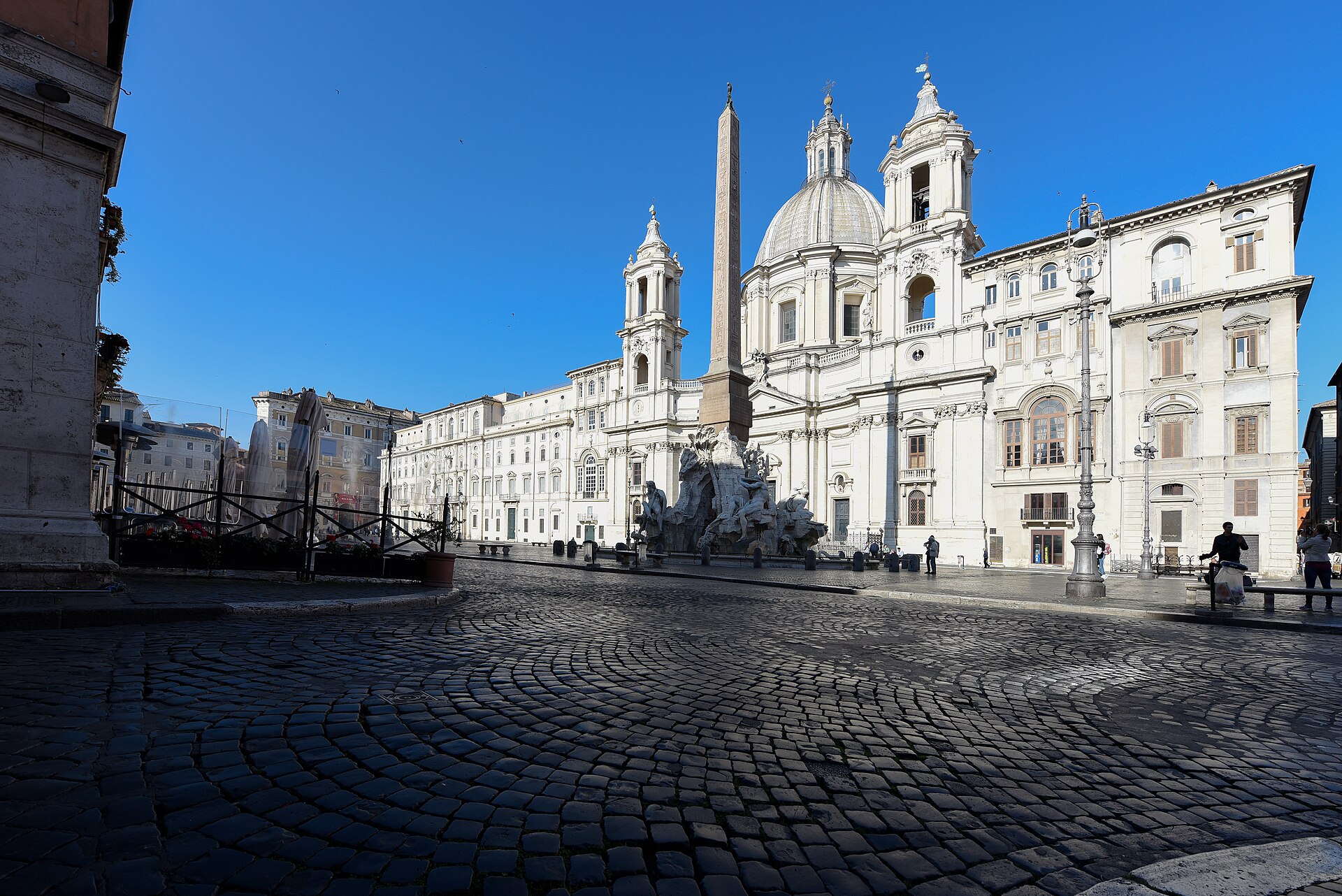
Here is the uncomfortable structural truth. The fifty meters around the Trevi Fountain, the Rialto, the Duomo, and Piazza Navona contain some of the most expensive commercial rent in Italy. A restaurant paying that rent has two ways to survive: be extraordinary, or churn through a high volume of one-time customers who will never come back and cannot tell the difference.
Guess which is more common.
These places do not need repeat business. Tomorrow brings a fresh bus. So the incentive to cook carefully, source seasonally, or price fairly mostly evaporates. You are not their customer; you are their traffic. That is the entire engine behind tourist trap restaurants in Italy, and once you see it you cannot unsee it.
The good news is that the same engine runs out of fuel fast. Rents and tourist density drop sharply just a few streets back, and so does the incentive to cut corners. The fix is mostly geographic.
How far should you walk from the landmark?
My rule of thumb: aim for roughly a 5 to 10 minute walk, or about 300 to 500 meters, off the main monument or the main pedestrian drag. That is usually enough to cross out of the pure-tourist zone and into streets where a place might actually depend on people who live nearby.
A simpler version I call the two-piazza rule: leave the famous square, walk past the next one too, and start looking on the third. The first square is for tourists, the second is for tourists who think they are being clever, and the third is often where you find a real lunch.
This is not absolute. A handful of excellent restaurants sit right on famous squares, and plenty of traps lurk on quiet side streets. Walking off the landmark does not guarantee a great meal; it just dramatically improves your odds and your prices. You still have to read the place once you get there. For a city-by-city sense of which neighborhoods reward the walk, my Rome food guide and what to eat in Italy overview get specific by area.
How to read a real trattoria or osteria
Once you are off the landmark, the next skill is reading the restaurant itself. Italians rarely think in terms of “an Italian restaurant.” They think in formats, and the format tells you a lot before you ever see the food.
A trattoria is the family-run, mid-casual workhorse: regional comfort food, a moderate menu, often a handwritten or printed sheet that leans on the local classics. A osteria is older and usually simpler, historically wine-first, with a short and rotating list of a few dishes. A ristorante is the more formal, pricier, sit-down end. A enoteca is a wine bar that often serves small plates. A tavola calda or rosticceria is a counter for quick, cooked food. None of these labels guarantees quality on its own, but a trattoria or osteria with a tight menu is the classic sweet spot for eating well without overpaying.
What I actually look for, in order:
- A short menu. This is the single best signal. A kitchen that lists ten or twelve dishes is cooking them. A kitchen that lists eighty is mostly reheating. Short menus mean someone is making decisions.
- Italian first. A menu written in Italian, maybe with one English column, is aimed at people who know the food. Six flag-stickered languages with photos are aimed at people who do not.
- The season. If it is November and the menu is heavy on tomatoes and zucchini flowers, something is frozen. Real menus shift with what is at the market. A handwritten board that clearly changes is a great sign.
- Regional logic. A Roman place should be deep on cacio e pepe, carbonara, amatriciana, saltimbocca. A Venetian place should lean seafood and cicchetti. When a menu in Rome is pushing pesto and a menu in the Tuscan hills is pushing seafood pasta, it is cooking for tourists who think all Italian food is the same dish. I keep my dish-by-region notes in the Naples food guide, Sicily food guide, and Tuscany food guide so you can sanity-check a menu against where you actually are.
- Who is in the room. Peek inside. A table of Italians arguing happily over a carafe of house wine is the green light. A room that is entirely other tourists at 7pm, especially with everyone speaking English, is a yellow flag worth heeding.
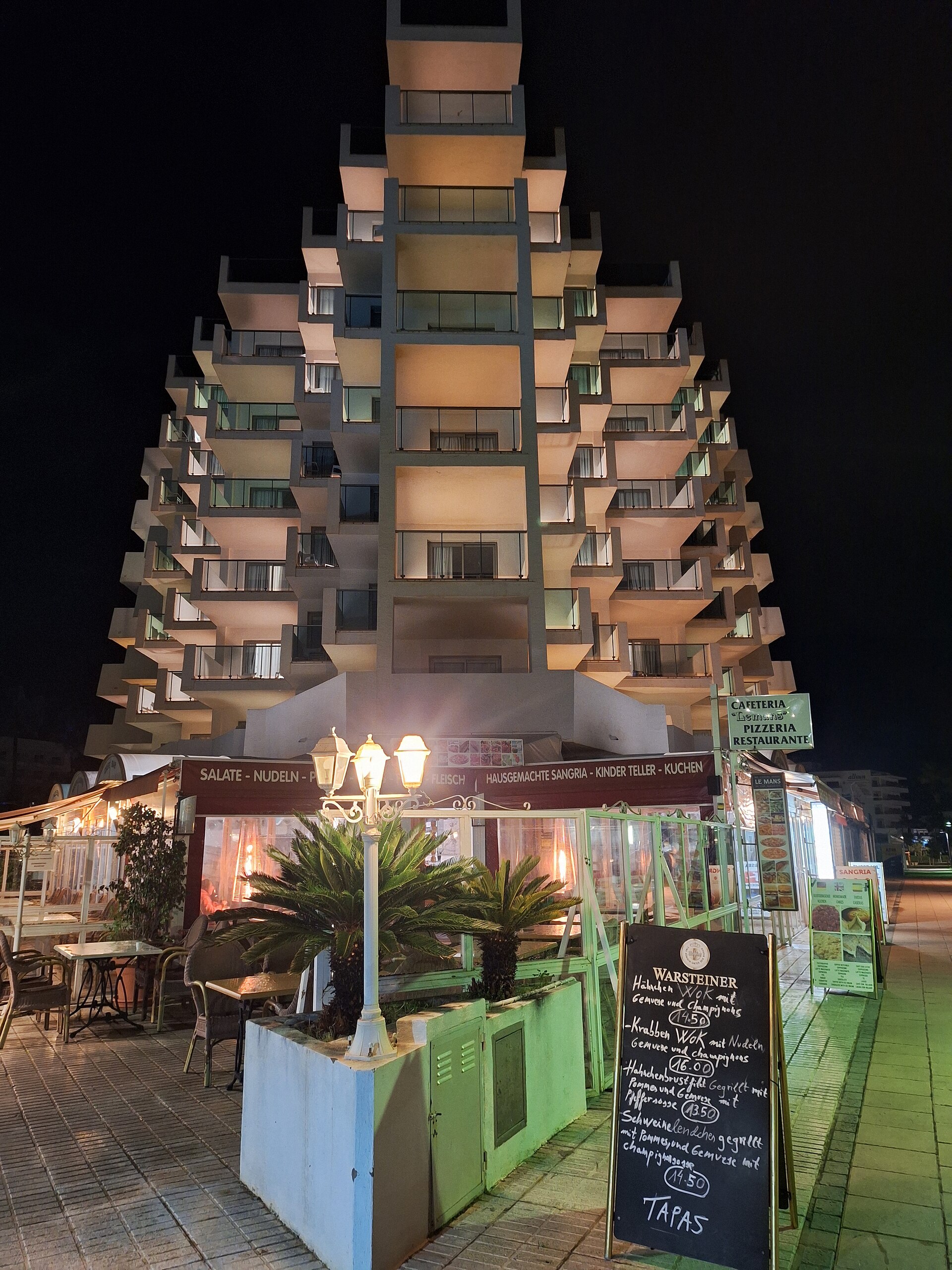
One honest caveat on the “go where locals eat” advice, because the internet repeats it like gospel. Italians are tourists in their own country too. Plenty of blackboard places on a main drag are selling the region’s greatest-hits dishes to visiting Italians from another city. The food will be real, but not necessarily the best version or the best price. So “Italians inside” is a positive signal, not a guarantee. Combine it with a short menu and an off-landmark location and you are in good shape.
The bill: coperto, servizio, and the genuine rip-offs
A lot of travelers feel scammed in Italy when they have actually just met a normal Italian restaurant bill. It is worth separating what is legal and standard from what is a real con, because the two get blurred constantly.
Coperto is a cover charge, per person, that goes back centuries. It nominally covers the table setting, the bread, the linens. As of 2026 it typically runs somewhere around 1.50 to 3 euro a head in everyday places, and can be 4, 5, or more in touristy or upscale spots. It is fixed, you pay it whether or not you touch the bread, and it is completely legitimate as long as it is stated on the menu. It is not a tip and it is not a scam. It is just how things work.
Servizio is a service charge, usually 10 to 20 percent of the total. This one is much less universal. In most of Italy you will not see it. Where you do see it is, predictably, the most touristed zones: the beaten tracks of Rome, Florence, Venice, and the Amalfi Coast, and it is applied to passing strangers far more than to regulars. For a servizio charge to be valid, it must be disclosed on the menu. If it is printed there, it is legal even if it annoys you. If it materializes on the bill with no mention anywhere on the menu, that is when you can and should push back.
So what is an actual rip-off, as opposed to a charge you simply did not expect?
- A servizio that was never disclosed on the menu or anywhere visible.
- Items you did not order appearing on the bill: a basket of bread, a plate of olives, bottled water you never asked for, treated as automatic.
- A bill with no itemization, just a round number scrawled on a slip.
- Per-weight pricing sprung on you at the end (more on that next).
- A waiter pointing at a blank line and implying a tip is required. It is not. Italy has no obligatory tipping culture; rounding up or leaving a euro or two for genuinely good service is plenty.
You are within your rights to ask for an itemized receipt. By law a restaurant has to give you a proper fiscal receipt (the scontrino) anyway, and asking for “il conto dettagliato, per favore” is completely normal. If something undisclosed is on it, politely ask them to remove it. Most of the time they will. For broader money planning around meals, transport, and tickets, I keep running numbers in the Italy travel budget guide.
What does “al kg” or “all’etto” mean on an Italian menu?
This is the trap that turns into news stories, so it deserves its own section. Fresh fish and large cuts of steak (the famous bistecca alla fiorentina, for instance) are very often priced by weight rather than as a flat dish. You will see something like “6.50 euro all’etto,” where “etto” means 100 grams, or a price “al kg,” meaning per kilogram. This is normal, legal practice. Buying a whole fish that includes head and bones is genuinely how it works.
The problem is that a number like “6.50” reads like the price of the plate, and it is not. A fish can easily weigh a kilo or more, and at 6.50 an etto that is 65 euro for one fish, before everyone else’s order. There is a well-publicized Rome case where a table believed they were ordering a roughly normal seafood dish and were handed a bill for several kilos of fish totaling hundreds of euro. Whether that was a genuine misunderstanding or a deliberate fleece, the lesson is the same.
The defense is one sentence. Before you commit to anything priced by weight, ask: “Quanto pesa? Quanto viene?” (How much does it weigh? How much does it come to?) Make them quote you a total in euro for the actual piece you are getting. A good restaurant answers happily. A place that gets evasive about a final number is telling you everything you need to know. Walk.
Using reviews and apps without getting fooled
When people ask me how to find good restaurants in Italy, they usually assume Google and TripAdvisor solve it for them. They do not, at least not the way most travelers use them. The flaw is structural: the restaurants with the most reviews are the ones in the highest-traffic tourist spots, because that is where the most tourists are, and tourists are who write English reviews. So the algorithm quietly rewards exactly the places you are trying to avoid.
The classic illustration: in plenty of Italian towns, an Irish pub or a pizza-by-the-monument joint sits near the top of the local TripAdvisor ranking, while the small osteria that locals genuinely love sits at number 37 with a fraction of the reviews. A high star rating from thousands of one-time visitors mostly measures convenience and marketing, not cooking.
Used carefully, though, the apps are still useful. Here is how I actually use them:
- Read the reviews in Italian. This is the single biggest upgrade. Sort or filter for reviews written in Italian. If Italians are reviewing it warmly, you are probably onto something local. If every review is in English and German, you are looking at a tourist venue with a tourist menu.
- Sort by most recent. A 4.6 built over a decade can hide a kitchen that changed hands last year. Recent reviews tell you about the restaurant that exists today.
- Scan the photos, not the stars. Diner photos are honest in a way star ratings are not. If the pasta in the photos looks gluey and the plates look like a hotel buffet, believe it.
- Be suspicious of review volume in tourist zones. Thousands of reviews next to a major monument is a sign of foot traffic, not necessarily quality. A beloved neighborhood place might have a few hundred.
- Watch the response pattern. Owners who reply thoughtfully, in Italian, to criticism are often the ones who care.
Honestly, the best “app” is a person. The barista who makes your morning espresso, your B&B or apartment host, the woman at the market stall, the shopkeeper two doors down: ask any of them where they eat, not where they would send a tourist. Phrase it as “dove mangiate voi?” (where do you all eat?) and you will get a different, better answer than the default recommendation. A food tour on your first day works the same way, plugging you straight into a local’s mental map; just be aware many travel sites pushing tours earn a commission, so weigh the recommendation accordingly. While you are dialing in your daily rhythm, my notes on the Italian coffee guide will keep you from the other classic giveaway, ordering a cappuccino after dinner.
Timing, reservations, and the rhythm of an Italian meal
Half of avoiding traps is simply showing up when real restaurants are open and ready, not when the tourist-clock places are trawling for early diners.
Italians eat late by American and Northern European standards. Lunch runs roughly 1 to 2:30pm. Dinner does not really begin until 8, and many locals sit down at 8:30 or 9. A restaurant that is bright and open and serving “dinner” at 6 is, almost by definition, fishing for tourists who eat on their home schedule. There are exceptions in heavily touristed areas where good places open earlier to catch the trade, but as a signal, an empty dining room at 6:30 should make you cautious.
This has a practical upside. If you genuinely want to eat with locals at a popular place, you may not even be able to get in before 8, and that gap is a feature, not a bug. Fill it with an aperitivo: a spritz or a glass of wine with a few snacks around 6:30 or 7 is deeply Italian and bridges you to a real dinner. If you want to understand what to drink while you wait, the Italy wine regions guide is a good primer.
On reservations: the good small places fill up, and “we will just wander and find somewhere” is precisely the mindset that lands you back in a trap, hungry and out of options at 8:45. For trattorie and ristoranti, and anywhere with a real reputation, book a day or several days ahead, especially in high-demand regions like Tuscany, the Amalfi Coast, and the Cinque Terre. Osterie and enoteche are more walk-in friendly, particularly at lunch, but a quick call never hurts. A short phone reservation, even in halting Italian, signals you are a serious diner rather than passing footfall.
A few table manners that double as authenticity tells, because Italian dining has a rhythm and the trap places ignore it:
- No cappuccino after a meal. Milky coffee is a morning thing; an espresso after dinner is the move. A waiter pushing cappuccinos on a full dining room at 9pm is reading the room as all-tourist.
- Salt and pepper are not automatically on the table, and pepper especially is rare. A pre-set shaker of each can be a small sign the place is built for foreigners.
- A meal has a shape: antipasto, primo (pasta or risotto), secondo (meat or fish) with contorni (sides), then dolce or coffee. You absolutely do not have to order every course, and ordering two is completely normal. But understanding the structure helps you read the menu and pace yourself.
- The bill does not come until you ask. Sitting and waiting for it to arrive is a very tourist move; catch the waiter’s eye and ask for “il conto.”
Putting it together: a 30-second decision walk
Here is the whole method compressed into what actually happens on the ground. You are hungry, somewhere central, and need to choose.
First, walk. Get 5 to 10 minutes off the monument; clear two piazzas if you can. Second, scan menus by the door as you pass: kill anything with photos, flags, six languages, or a plastic display, and kill anything with a tout out front. Third, of what remains, favor a short menu in Italian that matches the region and the season. Fourth, glance inside for Italians and a kitchen that looks like it is actually cooking. Fifth, before you order anything priced by weight, get the total in euro. That is it. Five moves, half a minute, and you have skipped past the great majority of tourist trap restaurants in Italy.
It becomes automatic fast. After a few days you will be reading restaurants from across the street without thinking about it, and you will start to feel a small, slightly smug pleasure walking past the crowd at the bad place on the square toward the half-full room four streets back where the food is real.
Final thoughts
None of this requires you to be a food expert or to speak Italian. It requires you to slow down for thirty seconds before you sit, and to trust the signals over your hunger. Walk off the monument, read the menu for length and language and season, look for Italians, and pin down any by-weight price before it pins you.
Do that, and Italy stops being a place where you occasionally get fleeced and becomes a place where almost every meal is good, because the country is genuinely full of cooks who care. The traps are loud and obvious once you know the tells. The real places are quietly waiting a few streets back. For everything around the meals, the practical Italy travel tips and the big-picture Italy food and wine travel guide will round out the rest of your trip.
Questions travellers ask
How do I avoid tourist trap restaurants in Italy?
Walk 5 to 10 minutes off the main monument, ignore anyone outside waving menus or inviting you in, and choose a place with a short menu written in Italian that matches the local region and season. Check that Italians are eating there, and confirm the total price before ordering anything sold by weight. Those few habits filter out most traps.
What is the coperto, and is it a scam?
The coperto is a per-person cover charge that has existed in Italy for centuries, nominally covering the table setting and bread. As of 2026 it is commonly around 1.50 to 3 euro a head, more in touristy or upscale places. It is legal and standard as long as it is stated on the menu, and it is not a tip. It is not a scam, just a normal line on the bill.
Do I have to tip in Italian restaurants?
No, not in the American sense. Italy has no obligatory tipping culture. Many locals round up or leave a euro or two for genuinely good service, and that is plenty; a service charge may already appear as servizio. If a waiter points at a blank tip line and implies you must fill it, that is a tourist-fleecing move, not a rule. Leave a small amount only if you actually want to.
What time do Italians eat dinner?
Late, by most visitors’ standards. Lunch runs roughly 1 to 2:30pm and dinner does not really start until 8, with many locals sitting down at 8:30 or 9. A restaurant brightly serving “dinner” at 6 with no Italians inside is usually catering to tourist schedules. If you are hungry earlier, bridge the gap with an aperitivo around 6:30 or 7 and eat properly later.
How do I find good restaurants in Italy using Google or TripAdvisor?
Use them, but critically. The most-reviewed places tend to be the most touristy, so do not just trust a high star count near a monument. Filter for reviews written in Italian, sort by most recent, and judge the diner photos over the rating. Better still, ask a barista, your host, or a market vendor where they personally eat rather than where they would send a visitor.
Are restaurants right next to famous landmarks always bad?
Not always, but the odds are against you and the prices rarely are. Prime locations carry high rent and steady one-time foot traffic, which reduces the pressure to cook well or charge fairly. A few genuinely good restaurants do sit on famous squares, but you cannot assume it. Walking a few minutes off the landmark improves both your meal and your bill far more often than not.