Italy Wine Regions for Travelers
I have spent more mornings than I can count driving a rented Fiat between cellar doors, getting lost on gravel roads named after a saint, and arriving twenty minutes late to a tasting I’d booked by email three weeks earlier. Wine travel in Italy is one of the great pleasures of the country, and it is also one of the easiest things to do badly.
The Italy wine regions worth building a trip around are, broadly, Tuscany, Piedmont, Veneto, and a handful of brilliant southern and island areas (Campania, Puglia, Sicily, Sardinia) plus the Alpine north. If you love structured reds, go to Tuscany or Piedmont. If you want bubbles and easy logistics, go to Veneto or Lombardy. This guide is for the traveler who wants to drink well and actually plan the trip themselves, not just read a wine list.
I’ll go region by region, tell you what to drink in each, and then walk through the part most guides skip: how to book, when to go, what it costs, and how to read the label so you know what you’re holding.
The quick map: Italy wine regions at a glance
Skim this, find the region that matches the trip you actually want, then read its section below for the detail. Base towns are the places I’d sleep so you can taste without driving far.
| Region | Signature wine | Main grape | Base town | Best for |
|---|---|---|---|---|
| Tuscany | Chianti Classico, Brunello | Sangiovese | Greve, Montalcino, Siena | First-timers; reds + scenery |
| Piedmont | Barolo, Barbaresco | Nebbiolo | Alba | Serious red drinkers; food |
| Veneto | Amarone, Prosecco, Soave | Corvina, Glera, Garganega | Verona, Valdobbiadene | Bubbles + city culture |
| Lombardy | Franciacorta | Chardonnay, Pinot Nero | Erbusco / Brescia | Sparkling; near Milan |
| Trentino-Alto Adige | Alpine whites | Pinot Grigio, Gewürztraminer | Bolzano | Crisp whites; mountains |
| Friuli-Venezia Giulia | White blends, orange wine | Friulano, Ribolla Gialla | Cormons / Udine | White-wine nerds |
| Campania | Taurasi, Fiano, Greco | Aglianico, Fiano | Avellino / Naples | Ancient grapes; value |
| Puglia | Primitivo, Negroamaro | Primitivo | Lecce / Manduria | Big, warm reds; beaches |
| Sicily | Etna Rosso/Bianco, Marsala | Nerello Mascalese, Carricante | Catania / Taormina | Volcanic wines; the new wave |
| Sardinia | Vermentino, Cannonau | Vermentino, Cannonau | Alghero / Olbia | Coastal whites; reds with grit |
One honest note before we start: you cannot do all of these in one trip and enjoy any of them. Pick one region, maybe two if they’re neighbors, and go slowly. The Langhe and Tuscany are six hours apart by car. Sicily is a flight. Treat each region as its own trip.
Tuscany: the region that taught the world to love Italian wine
If you’ve never done a wine trip in Italy, start here. Tuscany is the easiest region to drink your way through, the prettiest to drive, and the one where Sangiovese, the country’s most important red grape, shows its full range.
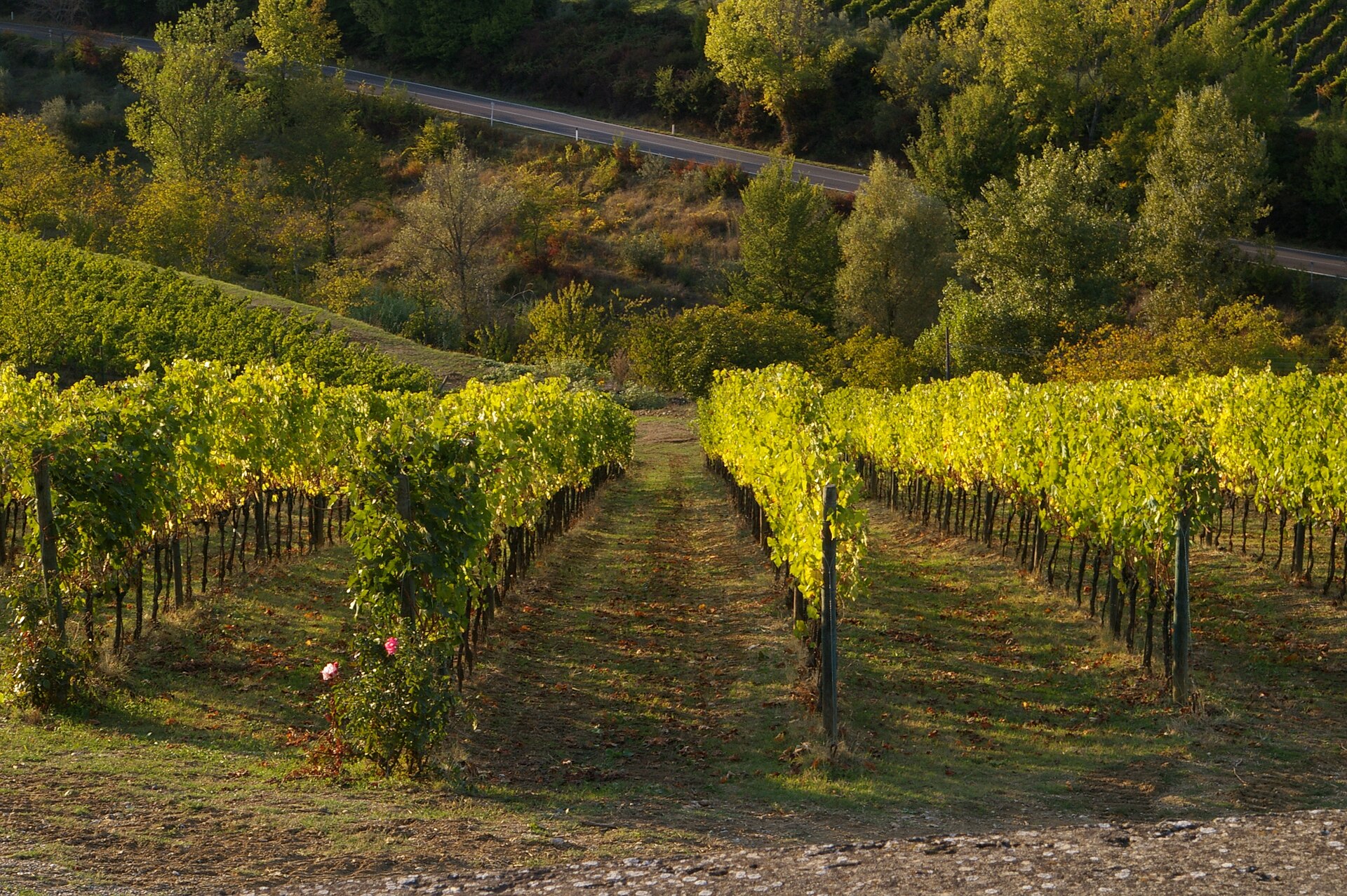
Chianti Classico is the historic heart, the zone between Florence and Siena marked by a black rooster (gallo nero) on the bottleneck. Forget the straw-covered flasks of the 1970s. Good Chianti Classico today is structured, savory, cherry-and-tobacco red that wants food. Base yourself near Greve or Radda and you can reach a dozen estates within half an hour. This is also the friendliest corner for drop-in tasting, though I’d still book ahead in peak season.
Brunello di Montalcino is the prestige bottle, made from 100% Sangiovese around the hill town of Montalcino and aged for years before release. It’s deeper, more tannic, and more expensive than Chianti, built to last decades. If you only splurge on one tasting in Tuscany, I’d make it here. The cheaper, younger sibling, Rosso di Montalcino, is what locals actually drink midweek and is worth seeking out.
Vino Nobile di Montepulciano comes from the gorgeous hilltop town of Montepulciano (not to be confused with the grape called Montepulciano grown in Abruzzo, an annoying coincidence). It’s another Sangiovese-based red, a touch softer than Brunello, and the town itself has cellars carved deep under the streets that are a pleasure to descend into on a hot afternoon.
Bolgheri and the Super Tuscans are the rebel story. Down on the Maremma coast, producers planted Cabernet, Merlot, and Syrah, grapes not traditional to the area, and made wines so good the rigid old rules couldn’t contain them. These became the “Super Tuscans,” initially sold under the humble table-wine label because they broke the rules, now among Italy’s most coveted reds. Bolgheri is a detour from the classic hill towns but a revelation if you like Bordeaux-style blends.
For deeper food pairings while you’re here, the Tuscany food guide covers what to put next to all that Sangiovese, and the Florence and Tuscany travel guide handles where to actually base yourself.
Piedmont: Barolo, Barbaresco, and the most serious reds in Italy
Piedmont is where wine people lose their minds, and for good reason. The region holds more DOC and DOCG appellations than anywhere else in Italy, and its great grape, Nebbiolo, makes some of the most haunting, age-worthy reds on earth: pale in color, enormous in aroma (roses, tar, dried cherry), with ferocious tannins and acidity that soften beautifully over a decade or two.
Barolo is the king. Grown in a cluster of villages southwest of the town of Alba, it’s powerful, structured, and not built for instant gratification, which is exactly why obsessives adore it. Young Barolo can be a wall of tannin; with age it turns ethereal.
Barbaresco sits just across the valley, made from the same Nebbiolo grape but generally a little softer and quicker to come around. I often steer first-timers here because it’s a gentler introduction to Nebbiolo without giving up the magic.
Barbera and Dolcetto are the everyday heroes, the reds locals drink while they wait for the Barolo to mature. Barbera is juicy, dark, and high in acidity (great with food); Dolcetto is softer and more forward. Both are far cheaper than Nebbiolo and a smart way to drink well on a budget.
Moscato d’Asti is the joyful surprise: gently sparkling, low in alcohol, sweet but not cloying, tasting of peach and orange blossom. It’s the wine the winemakers themselves pour at the end of a long lunch. Don’t skip it because it’s sweet.
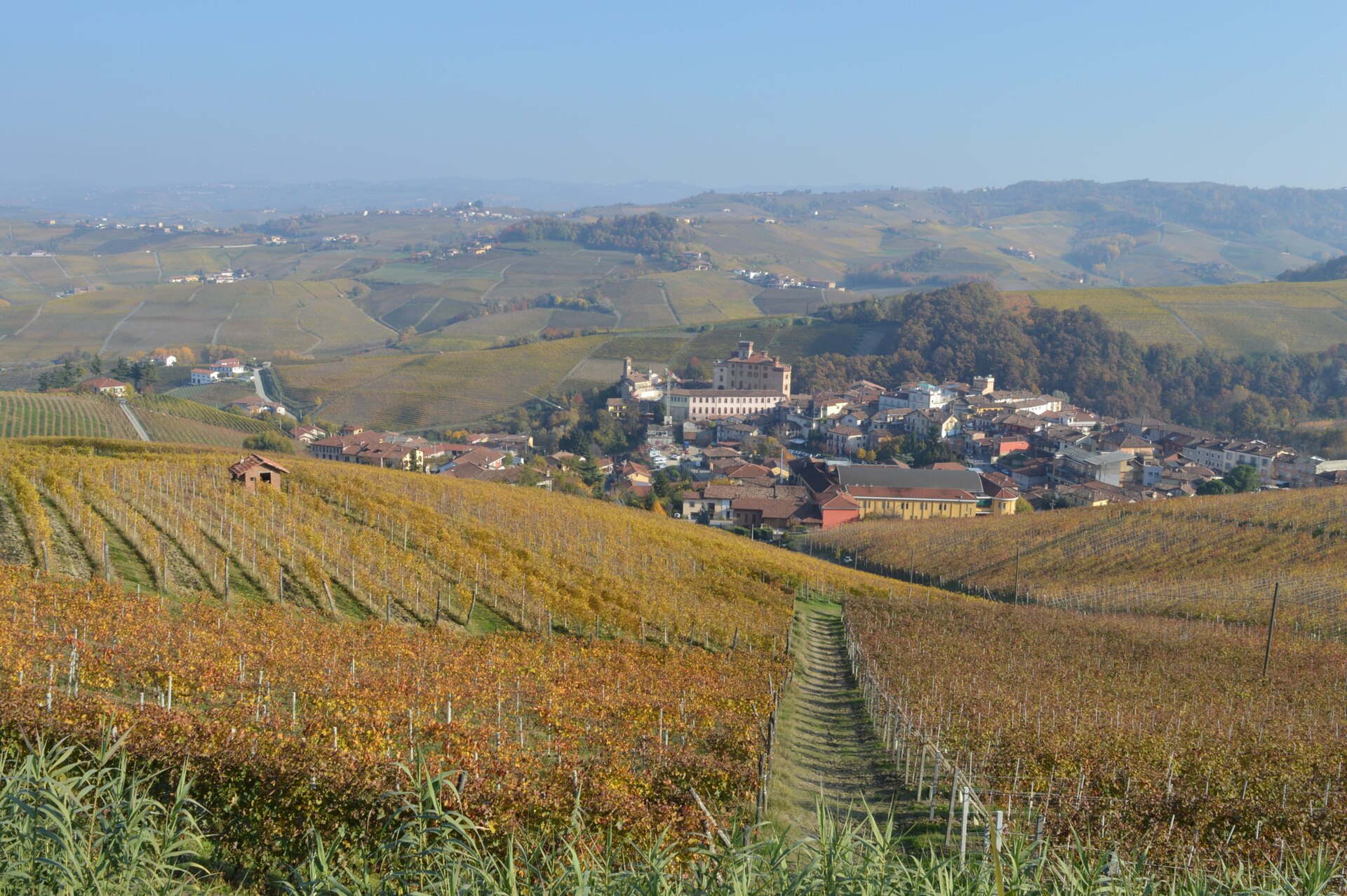
The Langhe is the hilly heartland that ties all this together, a UNESCO-listed landscape of vineyard-striped ridges with Alba at its center. Autumn here also means white truffles, which is why September and October prices and hotel availability get tight. Base yourself in or near Alba and you can reach Barolo and Barbaresco villages in under half an hour. If you’re combining this with city time, the Milan and northern Italy travel guide helps you stitch it into a wider trip.
Veneto: Amarone, Soave, and the Prosecco hills
Veneto is Italy’s most productive wine region and, for travelers, one of the most convenient, because it wraps around Verona and sits a short hop from Venice. You can do real wine days here and still get your fill of cities.
Valpolicella and Amarone are the headline. In the hills northwest of Verona, producers make a range of reds from Corvina and Rondinella, but the famous one is Amarone della Valpolicella, made by the appassimento method: grapes are dried on racks or mats for around three to four months until they shrivel and concentrate, then pressed. The result is a rich, dry, high-alcohol red full of dried cherry, fig, and chocolate. It’s a wine for cold nights and big cheese. The everyday version, plain Valpolicella, is lighter and chillable; Valpolicella Ripasso sits in between, “re-passed” over the Amarone grape skins for extra body, and is often the best value of the three.
Soave is the white, made mostly from Garganega in the hills east of Verona. Forget any cheap Soave you’ve had abroad; from a good hillside producer it’s mineral, almond-scented, and ages better than people expect.
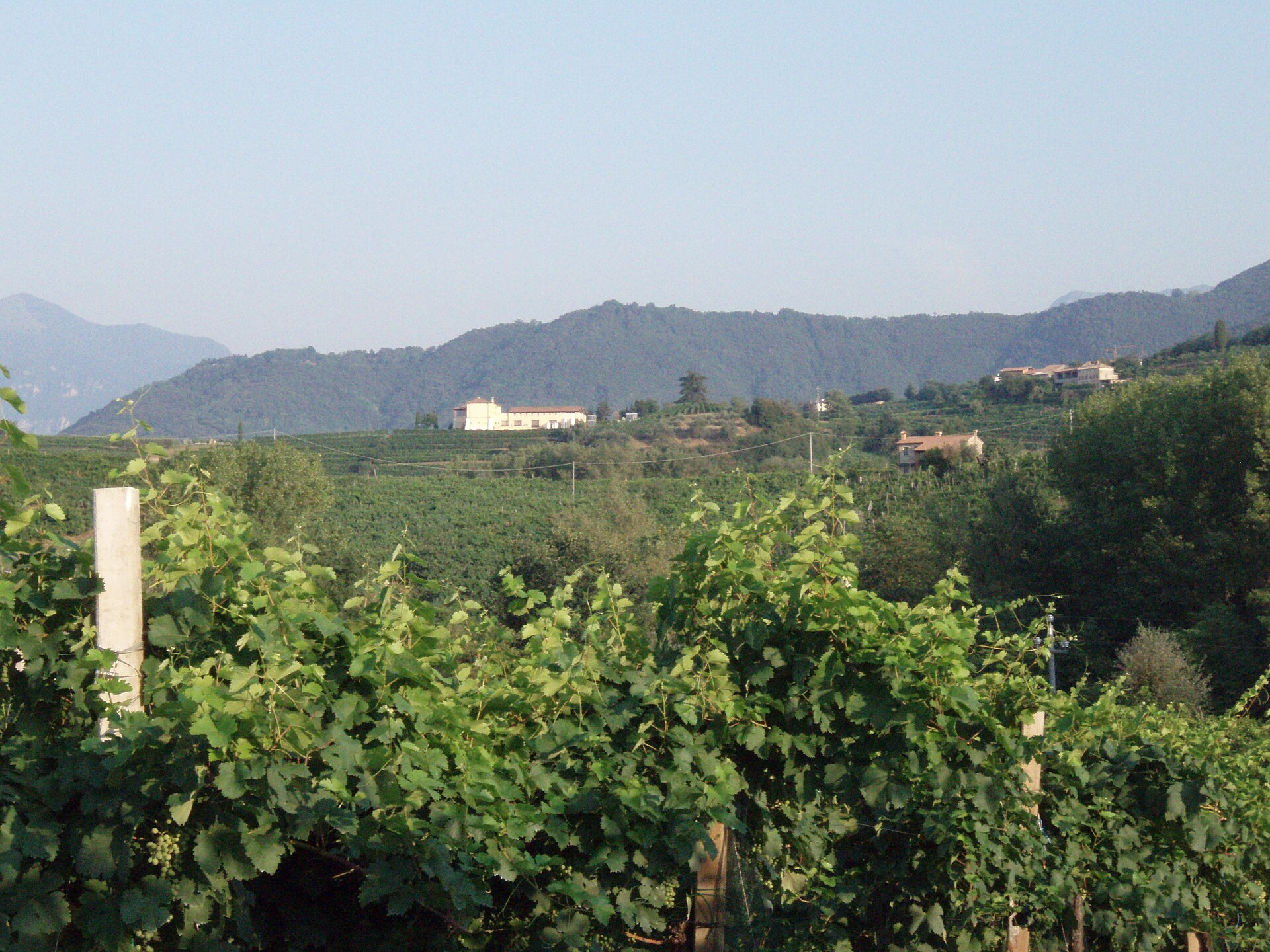
Prosecco is the bubbly, and the part worth fussing over is Conegliano Valdobbiadene, the steep, hand-worked hills north of Treviso that make the top tier. This is Charmat-method sparkling (second fermentation in tank, not bottle), so it’s fresh, floral, and easy rather than toasty and complex. The landscape of these hills is genuinely spectacular and now UNESCO-listed; driving the Strada del Prosecco between Conegliano and Valdobbiadene is one of the loveliest wine drives in Italy.
To pair city time with all this, the Venice and Veneto travel guide is your companion.
Lombardy: Franciacorta, Italy’s answer to Champagne
If you fly into Milan and want one serious wine day, drive an hour to Franciacorta, the small region between the city and Lake Iseo that makes Italy’s best traditional-method sparkling wine. Unlike Prosecco, Franciacorta is made the same way as Champagne, with a second fermentation in the bottle and long aging on the lees (a minimum of around 25 months for the basic style, far more for the top bottlings). That gives it the fine bead, brioche, and creaminess people associate with Champagne, at often gentler prices.
It’s still relatively undiscovered by foreign tourists, which means cellar visits feel personal and unhurried. The grapes are largely Chardonnay and Pinot Nero, the estates are handsome, and the whole zone makes an easy day trip if you’re spending time around Milan. Lombardy also hides Valtellina, an Alpine valley making delicate mountain Nebbiolo, if you want to go deeper.
Trentino-Alto Adige: Alpine whites in the mountains
Way up against the Austrian border, Trentino-Alto Adige (Südtirol) is mountain wine country, and the wines taste like it: crisp, precise, high-altitude whites with real tension. This is where Italy makes some of its finest Pinot Grigio (a world away from the watery export stuff), along with aromatic Gewürztraminer, racy Pinot Bianco, and sharp Sauvignon. There are good reds too (Lagrein and the light, cherryish Schiava), but you come here for the whites.
The bonus is the setting. You can taste in vineyards that climb toward Dolomite peaks, then spend the rest of your trip hiking. If a wine-and-mountains trip appeals, pair this with the Dolomites and Alps travel guide. Bolzano makes a comfortable base, and the wine road south of the city is dotted with cooperatives and estates that welcome visitors.
Friuli-Venezia Giulia: the white wine specialist’s corner
Tucked in the northeast against Slovenia, Friuli is where white-wine obsessives go. The region is famous for textured, structured whites: Friulano (the local signature, savory and almond-tinged), Ribolla Gialla, Pinot Bianco, and some of Italy’s most serious Sauvignon. It’s also the birthplace of the modern orange wine (skin-contact white) movement, so if you want to try amber, funky, skin-macerated whites at the source, this is it.
Friuli is quieter and less touristed than the big-name regions, which is part of the appeal. The Collio and Colli Orientali hills near Cormons and the Slovenian frontier are the heartland. It’s a region for travelers who already love wine and want to discover something off the usual circuit rather than tick off famous labels.
Campania: ancient grapes and the “Barolo of the South”
Now we go south, where the wines get older (in lineage) and the prices get friendlier. Campania, the region around Naples, has been making wine since the Greeks, and its native grapes are some of Italy’s most exciting.
Taurasi, made from the Aglianico grape in the hills of Irpinia inland from Naples, is often called the “Barolo of the South”: tannic, structured, mineral, and built to age. It rarely gets the attention (or the price) of the northern greats, which makes it one of the best values in serious Italian red wine.
On the white side, Fiano di Avellino and Greco di Tufo are two of the country’s great whites: Fiano is nutty, honeyed, and long-lived; Greco is firmer and more citrusy, grown around the literally tufa-rich town of Tufo. There’s also Falanghina, a brighter, easy-drinking white you’ll find all over the coast.
You can taste in the green Irpinia hills as a day trip from the coast, though it’s a real drive. Most travelers fold a little wine into a broader Campania trip; the Amalfi Coast, Naples and Campania guide and the dishes worth seeking out in Naples set the scene for where these bottles belong on the table.
Puglia: big, warm reds in the heel of the boot
Puglia, the long heel of Italy, is sun-soaked and generous, and so are its reds. Primitivo (genetically the same as California’s Zinfandel) makes ripe, jammy, high-alcohol reds, with the Primitivo di Manduria zone near the Ionian coast as its most famous expression. Negroamaro is the other workhorse, a touch more savory and bitter-edged (the name roughly means “black and bitter”), often softened into the rosé-friendly blends of the Salento.
For a long time Puglia made oceans of bulk wine; now a wave of quality-focused producers has it making seriously good bottles, often from old bush vines. The region pairs beautifully with a beach trip: taste in the morning, swim in the afternoon. Note that in Puglia most wineries are appointment-only, so plan ahead more than you would in Chianti. The Puglia and southern Italy travel guide covers the wider region, with Lecce or the Salento as a good base.
Sicily: volcanic wine and the most exciting frontier in Italy
Sicily has had a full-on wine renaissance, and the epicenter is Mount Etna. On the slopes of the active volcano, at elevations climbing past 700 meters, producers grow ancient, often ungrafted vines in black volcanic soil. Etna Rosso, made from the Nerello Mascalese grape, is pale, perfumed, and high-acid, so often compared to red Burgundy that “the Burgundy of the Mediterranean” has become a cliché. Etna Bianco, from the Carricante grape, is taut, lemony, mineral, and ages startlingly well. Tasting on Etna, with the smoking summit above you and lava flows underfoot, is one of the most dramatic wine experiences in Europe.
Elsewhere on the island, Nero d’Avola is the big, dark, easygoing red you’ll see everywhere, Grillo makes bright whites, and out near Trapani lies Marsala, the fortified wine that fell out of fashion and is being rediscovered by people who realize a good dry Marsala is a thing of beauty, not just something you splash in a pan. Base near Catania or Taormina for Etna; the Sicily travel guide and Sicily food guide round out the trip.
Sardinia: coastal whites and reds with character
Sardinia drinks differently from the mainland, the legacy of its own history and a long Spanish influence. The star white is Vermentino, especially Vermentino di Gallura in the granite hills of the north, which is saline, herbal, and made for the sea air and seafood right outside the door. The signature red is Cannonau (the local name for Grenache/Garnacha), warm, herbal, and high in alcohol, long tied to the island’s famous longevity and its old-vine traditions.
Sardinia is a place to drink lightly and live well rather than chase trophy bottles, the wine woven into long lunches and beach days. Alghero in the northwest and Olbia in the northeast make practical bases. If sun and sand are the real goal, the Sardinia beaches travel guide is the natural pairing.
How to do wine travel in Italy: the practical part
Knowing what to drink is half of it. Here’s how to actually pull off wine travel in Italy without wasting days or money.
When to go: harvest (vendemmia) and the shoulder seasons
The two best windows are late spring (May to mid-June) and early autumn (September to October). Spring gives you green vineyards, mild weather, and lower prices before the summer crush. Autumn gives you the vendemmia, the grape harvest, which typically runs from late August in the south through October in the cooler north.
Harvest is romantic and electric: cellars smell of fermenting must, producers are buzzing, and some estates let visitors watch or even pick. But it’s a working period, so the people pressing grapes are genuinely busy, and the most hands-on cellars may have less time for casual visitors at the peak. In the Langhe, autumn also collides with white-truffle season, which means higher prices and tight hotels. Book early if you’re targeting September or October.
I’d avoid August (many family wineries close or run on skeleton hours, and it’s brutally hot in the south) and deep winter (vineyards are bare and some smaller cellars hibernate), though winter can be a fine time for cozy cellar tastings in the north if you don’t mind grey vines. For the broader seasonal picture, the best time to visit Italy guide goes month by month.
Booking tastings and cantine
The single biggest mistake travelers make is assuming they can wander in. At small, prestigious estates (most of Barolo, Brunello, Amarone, and nearly all of Puglia and the islands), tastings are by appointment only, and the best slots fill weeks out in high season.
My rule of thumb: book the marquee, must-see estates three to four weeks ahead by email, and aim for two visits a day, not four. Three is possible but you’ll be rushing and, frankly, half-tasting. Leave the afternoon loose. The exception is parts of Chianti Classico, where many estates are set up for walk-in tasting and you can be more spontaneous.
A few booking tips: email beats web forms for small producers, and a short, polite note in any language usually works. Ask if the visit includes a cellar tour or is a seated tasting only. Ask how many wines you’ll try and the cost up front. And always reconfirm the day before, because rural Italian addresses and GPS do not always agree.
Driving vs guided tours
This is the real fork in the road, and it comes down to one question: who’s drinking?
Driving yourself gives you total freedom and reaches the small, remote cellars that don’t appear on group itineraries. The catch is obvious: someone has to stay under the limit. Italy’s drink-drive limit is low (0.5 g/L blood alcohol, and effectively zero for new drivers), and tasting is, well, drinking. Designate a driver, spit more than you’d like to (it’s normal and expected at serious tastings), or build in a long lunch. Roads in wine country are narrow and winding, so don’t underestimate drive times. The Italy transportation guide covers car rental, the autostrada, and the ZTL zones that trip people up in towns.
Guided tours (a private driver-guide or a small-group day tour) solve the drinking problem entirely and add an expert who can get you into places and translate. They cost more and trade away spontaneity, but for couples who both want to drink, or anyone nervous about driving abroad, they’re worth it. A private driver for the day is the luxury version; small-group tours from hub towns like Florence, Siena, Alba, or Verona are the budget-friendly middle ground.
A third option people forget: stay in one walkable wine town (Greve, Montalcino, Montepulciano, parts of the Langhe) and taste at in-town enoteche and nearby cellars on foot. No car, no problem. Pick a walkable base and you can ditch the car entirely.
What it costs (around / as of 2026)
Prices vary, but here’s a realistic frame as of 2026. A basic tasting with a short cellar visit runs roughly €15 to €25 per person at most estates, a bit higher in Tuscany than in Piedmont or the south. A premium or reserve tasting (older vintages, more wines, a proper tour) typically lands around €40 to €65. A full-day private driver-guide with several visits is a different order of magnitude, often €350 to €600+ for the day depending on the region and group size, while a shared small-group day tour from a city is usually far cheaper per head.
Two things worth knowing: many wineries waive or discount the tasting fee if you buy a few bottles, and shipping wine home is possible but expensive and legally fiddly across borders, so I mostly buy a bottle or two to drink locally and note the names to find at home. For overall trip budgeting, see the Italy travel budget guide.
Tasting etiquette
Italian cellar visits are warm and unstuffy, but a little manners goes a long way. Show up on time (or call if you’re late). It’s completely normal to spit at serious tastings and to pour out what you don’t finish, especially if you’re driving; nobody is offended. Eat breakfast, drink water between pours, and don’t wear strong perfume or cologne, which wrecks everyone’s ability to smell the wine.
You’re not obligated to buy, but if you’ve had a generous private tasting, picking up a bottle or two is a kind gesture and often offsets the fee. Ask questions; producers love talking about their land. And go easy on the schedule so you can actually enjoy each visit instead of clock-watching to the next.
DOC, DOCG, and IGT: reading the label
Italian labels look intimidating but the quality pyramid is simple once you know the rungs.
- DOCG (Denominazione di Origine Controllata e Garantita) is the top tier, the most tightly regulated category, covering grape varieties, yields, aging, and zone. Bottles carry a numbered government seal across the neck or cork. Barolo, Brunello, Chianti Classico, and Amarone are DOCG.
- DOC (Denominazione di Origine Controllata) is the broad middle: regulated wines tied to a specific place and method, just with somewhat looser rules than DOCG. There are hundreds of them, and many are excellent.
- IGT (Indicazione Geografica Tipica) is the flexible tier, tied to a wider region with fewer rules. Crucially, IGT is not “lower quality”, it’s where rule-breaking greatness often lives. The original Super Tuscans were sold as humble table wine precisely because they didn’t fit the DOC rules, and IGT was later created partly to give wines like that a respectable home.
- Vino / Vino da Tavola is basic table wine with no geographic claim.
The practical takeaway: the pyramid tells you about rules and origin, not deliciousness. A great IGT can outshine a dull DOCG. Use the label to understand what’s in the bottle and where it’s from, then trust the producer’s reputation and your own palate.
Final thoughts
The mistake I made on my first Italian wine trip was greed. I tried to cram three regions and a dozen cellars into a week, and I remember almost none of it. The trips I remember are the slow ones: one valley, two tastings a day, a long lunch in between, a producer pouring something off the list because we’d stayed to talk.
Pick one of these Italian wine regions, book your two or three anchor visits ahead, leave the rest loose, and let the place set the pace. For the bigger picture of eating and drinking your way around the country, the Italy food and wine travel hub ties it all together. Salute.
Questions travellers ask
What are the best wine regions to visit in Italy?
For most travelers, the top three are Tuscany (Chianti, Brunello), Piedmont (Barolo, Barbaresco), and Veneto (Amarone, Prosecco, Soave). Add Sicily’s Mount Etna if you want the most exciting new-wave wines, or Lombardy’s Franciacorta for sparkling near Milan. Pick one or two neighboring regions per trip rather than trying to see them all.
What is the best time of year for wine travel in Italy?
Late spring (May to mid-June) and early autumn (September to October) are ideal. Spring brings green vines, mild weather, and lower prices; autumn brings the vendemmia (harvest), with cellars in full swing. Avoid August, when many family wineries close and the south is scorching, and book well ahead for September and October.
Do I need reservations for Italian wineries?
Usually yes. Most small or prestigious estates, including nearly all of Barolo, Brunello, Amarone, Puglia, and the islands, are appointment-only, and good slots fill weeks ahead in season. Book the must-see wineries three to four weeks out by email. The main exception is parts of Chianti Classico, where many estates welcome walk-ins.
How much does wine tasting cost in Italy?
As of 2026, expect roughly €15 to €25 per person for a basic tasting with a short cellar visit, and around €40 to €65 for a premium or reserve experience with older vintages and a full tour. Prices skew a little higher in Tuscany. Many wineries waive the fee if you buy a few bottles.
What is the difference between DOCG, DOC, and IGT wine?
They are tiers in Italy’s quality pyramid based on rules and origin. DOCG is the most strictly regulated (Barolo, Brunello), DOC is the broad regulated middle, and IGT is more flexible and tied to a wider area. Importantly, IGT is not lower quality; many great rule-breaking wines, including the original Super Tuscans, are IGT.
What is the difference between Prosecco and Franciacorta?
Both are Italian sparkling wines, but they’re made differently. Prosecco (from Veneto, mainly the Glera grape) is made in tanks, so it’s fresh, fruity, and floral. Franciacorta (from Lombardy, Chardonnay and Pinot Nero) is made like Champagne, with a second fermentation in the bottle and long aging, giving it a finer bead and toasty, creamy complexity.
Can I do wine tasting in Italy without a car?
Yes. Base yourself in a walkable wine town such as Greve, Montalcino, Montepulciano, or a Langhe village and taste at in-town enoteche and nearby cellars on foot. Alternatively, take a small-group or private guided tour from a hub city like Florence, Siena, Alba, or Verona so nobody has to drive after drinking.
Which Italy wine regions are best for red wine lovers?
For structured, age-worthy reds, head to Piedmont (Barolo and Barbaresco from Nebbiolo) and Tuscany (Brunello and Chianti from Sangiovese). For big, warm, value-friendly reds, go south to Puglia (Primitivo) or Campania (Taurasi). For something pale, perfumed, and distinctive, try Etna Rosso in Sicily.