Italy for Couples: Romantic Trip Ideas by Region

Italy for couples is less a single answer and more a personality test. Venice is for the couple who wants grandeur and no cars. The Amalfi Coast is for the couple who wants cliffs, limoncello, and a boat to a sea cave. Tuscany is for the one who wants to slow down in a farmhouse with a glass of Barolo and nothing on the agenda. Puglia is for the couple who found the others too crowded. Knowing which kind of trip you actually want — before you book anything — is the whole game.
This guide organizes Italy’s most romantic regions by mood and couple type, pairs each with specific experiences (not just names on a map), and ends with a real two-week honeymoon route you can adapt. If you want to know how many days to spend in Italy or where to go on a first visit, those questions have their own homes — see our first-time Italy itinerary and the how many days in Italy guide. This article is purely about the romantic angle.
Quick Match: Which Region Suits Your Relationship?
| Region | Romantic Vibe | Best For | Suggested Nights |
|---|---|---|---|
| Amalfi Coast | Cinematic, coastal, high-drama | Beach lovers, anniversary trips | 3–4 |
| Lake Como | Alpine luxury, quiet elegance | Honeymooners, slow travelers | 2–3 |
| Venice | Theatrical, waterborne, once-in-a-lifetime | First-time couples, winter breaks | 2–3 |
| Tuscany / Florence | Cultural, wine-soaked, unhurried | Art couples, food lovers, rural romantics | 4–5 |
| Puglia | Off-script, whitewashed, genuinely local | Adventurous couples, warm-month trips | 3–4 |
The Amalfi Coast: High Drama and Lemon Everything
Some places look better in photographs than in real life. The Amalfi Coast is not one of them. You round a bend on the coast road and the sea drops away below you in three shades of blue, and Positano stacks itself up the cliff like a painting someone refused to finish. It is, genuinely, as dramatic as it looks.
For couples, the sweet spot is understanding the three-town hierarchy. Positano is the most photogenic and the most visited — stay here if you want the full visual impact and do not mind the crowds in July and August. Ravello, up in the hills above Amalfi town, is quieter and cooler, with the Villa Cimbrone’s Terrace of Infinity giving you one of the great sunset views in Europe. Praiano, sitting between the two, is the one locals quietly recommend: fewer day-trippers, smaller beaches, and the same cliff-and-sea backdrop.
The romantic experiences here are specific. Hire a small motorboat for a morning — around €80–120 for a half-day, as of 2026 — and take yourselves to the Grotta dello Smeraldo or simply anchor in a cove and swim. Have dinner at a table overlooking the water anywhere in Positano: the setting does the work. In Ravello, walk the gardens of Villa Rufolo in the late afternoon when the tour groups thin out.
The Amalfi Coast is best in May, June, and September. July and August are very busy and very hot. If you are honeymooning and want privacy, go in early October — the sea is still warm and the town exhales. Read the full breakdown in our Amalfi Coast and Campania guide.
Best for: couples who want a short, concentrated hit of coastal glamour; anniversaries; honeymooners who prioritize scenery over solitude.
Lake Como: The Quiet One That Gets Everything Right
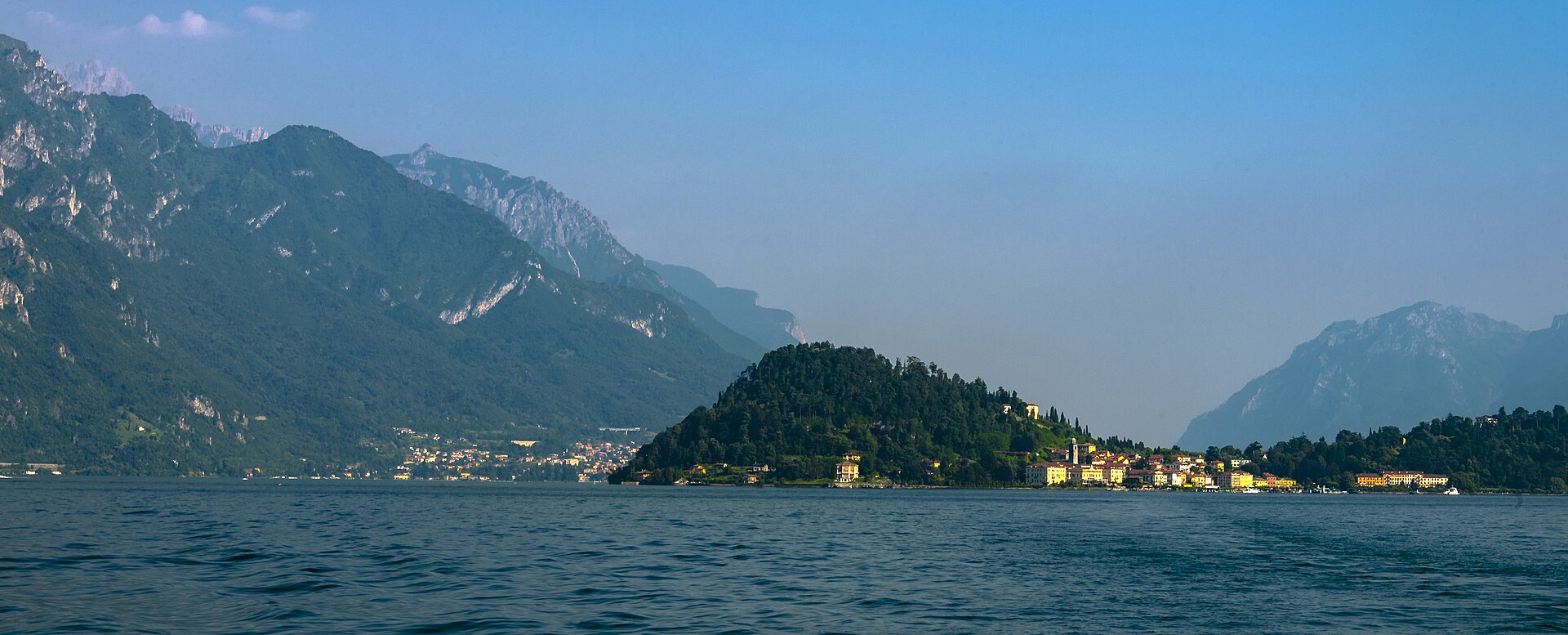
There is a reason George Clooney has owned a villa on Lake Como since 2002. The light on the water at dusk, the Alps behind it, the ferry moving slowly from village to village — it operates at a frequency that makes you want to speak softly and stay longer.
For couples, Lake Como works best when you resist the urge to do too much. The classic move is to base yourself in Bellagio, the village at the fork of the Y-shaped lake, and let the days shape themselves: a morning ferry to Varenna (quieter, less touristed, arguably more beautiful), lunch at a waterfront table, an afternoon walking the Villa Monastero gardens, back to Bellagio by boat for a Campari spritz on the promenade at sunset.
The Villa del Balbianello — used in the James Bond film Casino Royale and, improbably, also in Star Wars — is the one must-visit. Its terraced gardens spill down to the water’s edge and you can only reach it by boat or by a hiking trail. Arrive early. Book your visit in advance (around €10 per person entry, plus boat taxi). It is genuinely one of the most beautiful spots in northern Italy.
If you want to avoid Bellagio’s summer peak, Lenno and Tremezzo on the western shore are calmer and still within easy ferry range of everywhere. The Hotel du Lac in Varenna is a perennial recommendation for couples who want a room with a lake view without paying Bellagio’s top rates.
Two nights here feels just right for most couples — long enough to decompress, not so long you exhaust the villages. We go deeper on logistics in the complete guide to the Italian Lakes.
Best for: honeymooners who want luxury and peace; couples who want beauty without beach-town noise; winter or shoulder-season visits (the lake is mild year-round).
Venice: Not Despite the Crowds, Because of the Scale
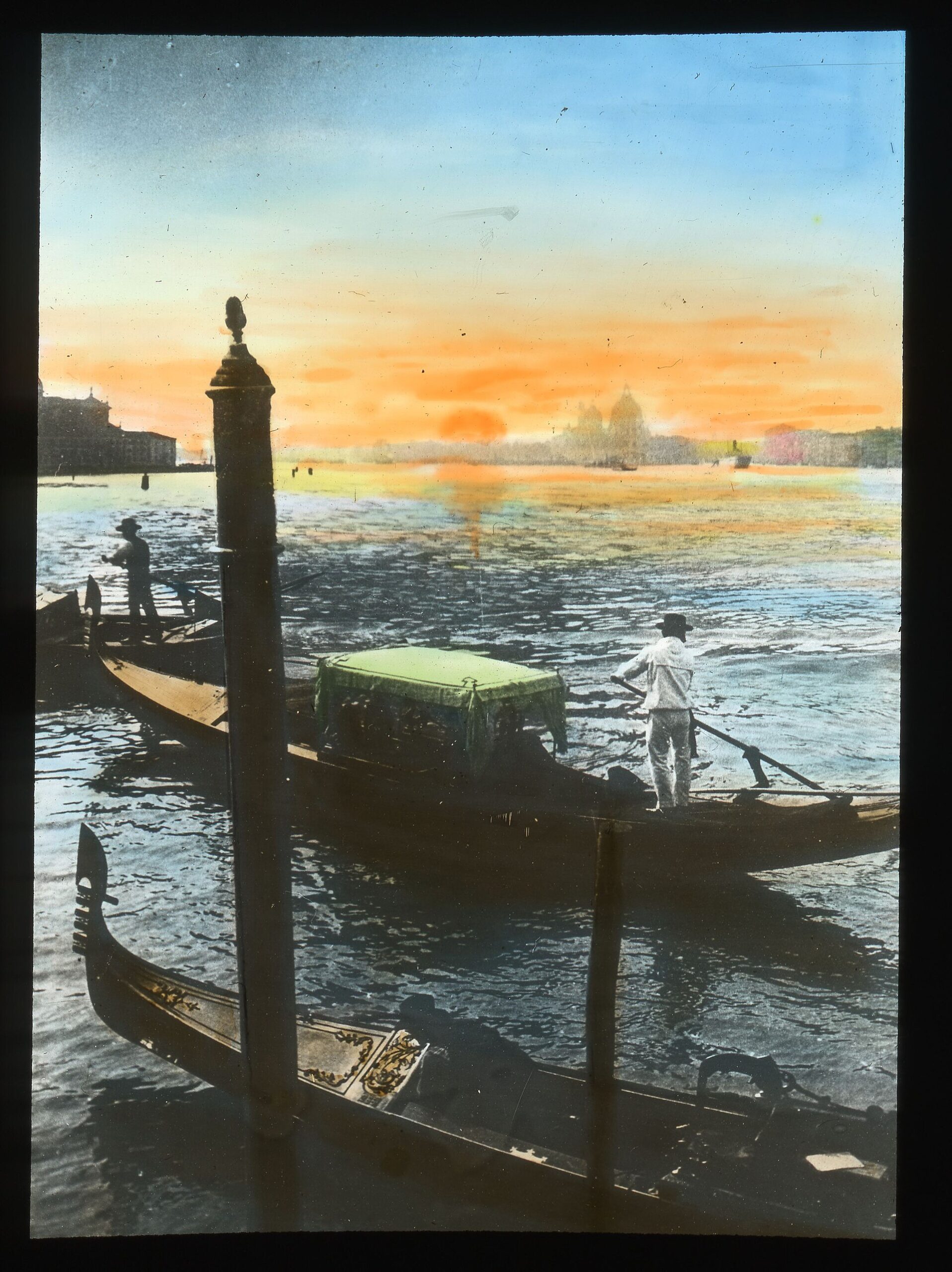
Venice polarizes people. Some find it too crowded, too expensive, too strange. Those people are usually visiting in August. Go in November, or late January, or even a quiet Tuesday in March, and Venice becomes something else entirely — a city that functions on the logic of water, where you can get genuinely lost for an afternoon and emerge somewhere you cannot name, with no sound but footsteps and canal water.
For couples, the gondola question comes first. Yes, you should do it. Not because it is the most efficient way to see Venice — it is not — but because it is a forty-minute experience that exists entirely outside ordinary time, and the canals look completely different from water level. The standard route from near Rialto costs around €80–90 for the gondola (shared by two), as of 2026. Do it in the late afternoon. The official rate is set by the gondoliers’ consortium, so negotiate only on extras.
Beyond the gondola: get out of San Marco by 10am. The Accademia bridge at sunrise. The Dorsoduro neighborhood, where the Zattere promenade runs along the wide southern canal and has exactly the right ratio of cafés to quiet. The Peggy Guggenheim Collection — modern art in a low palazzo right on the Grand Canal, with a sculpture garden that is one of the best spots in Venice for a slow hour. Dinner in Cannaregio, where the restaurants cook for residents rather than tourists, and a carafe of house wine costs what it should.
The Doge’s Palace, St. Mark’s Basilica, the Rialto — do them, but book in advance and go early. The rest of Venice can be improvised.
More detail on logistics, vaporetto passes, and the best neighborhoods to stay in: Venice and the Veneto guide.
Best for: first-time couples for whom Venice is a bucket-list item; winter breaks; couples who want maximum visual drama with cultural depth.
Tuscany and Florence: The Romantic Italy Itinerary That Actually Works
Of all the romantic places in Italy, Tuscany has the longest argument in its favor. Florence for the art and the aperitivo. The Val d’Orcia for the most painterly landscape in the country. The Chianti wine roads for a day with no plan except lunch somewhere with a view. An agriturismo to anchor it all.
Florence: Art, Stone, and the Right Side of the Arno
Florence is a city best explored slowly. The Uffizi Gallery is non-negotiable — Botticelli’s Birth of Venus, Caravaggio, Leonardo in the same building — but book a timed entry weeks in advance if you are going in peak season. The Accademia, where Michelangelo’s David lives, is shorter and worth every minute.
The romantic move in Florence is to cross to the Oltrarno — the left-bank neighborhood that still runs on artisan workshops, trattorie, and the Boboli Gardens — and leave San Giovanni to the tour groups. Piazzale Michelangelo at sunset is a cliché for a reason: the whole city laid out below you in the late orange light, the Duomo’s dome holding the center of everything. Go for it.
For dinner, the Oltrarno and Santo Spirito neighborhoods consistently deliver better value and atmosphere than the restaurant corridors around the Duomo. A good bistecca Fiorentina, a bottle of Morellino, a table outside in June — that is the evening.
Read the full guide to Florence and Tuscany.
A Tuscan Agriturismo: The Slow-Rural Romantic
For couples who have already seen the museums and want to sink into the landscape, renting a room at a Tuscan agriturismo for two or three nights is the answer. An agriturismo is a working farm that takes guests — usually with pool, usually with dinner made from what they grow, often with wine from their own cantina.
The best agriturismo experiences happen in the zones you cannot see from Florence: the Maremma coast, the Val d’Orcia south of Siena, the hills around Montalcino. Book a room for three nights. Drive the Strada del Vino through the Chianti vineyards one day, stopping wherever the gates look open. Have dinner at the farm the next evening. Walk the medieval streets of Montepulciano or Pienza on the third morning. This is the version of Tuscany that couples who come back a second time come back for.
A Barolo Wine Day in Piedmont (Worthy Detour)
Piedmont is not Tuscany, but it earns a mention here because the Langhe hills around the villages of Barolo, La Morra, and Castiglione Falletto make for one of Italy’s best one-day wine drives. The wines — Barolo, Barbaresco, Dolcetto — are among Italy’s finest. The landscape is Piedmontese: gentler than the Val d’Orcia, with a golden-hour light that is its own argument. If you are basing yourself in Milan before or after the lakes, the Langhe is an easy day trip south. More on food and wine travel in our Italy food and wine guide.
Puglia: The Underrated Chapter in the Italy for Couples Story
Puglia is the one region on this list that genuinely surprises people. It sits at the heel of the Italian boot — less visited than the Amalfi Coast, less expensive, and, in the right months, more beautiful in its own quiet way.
The landscape is unlike anything else in Italy: trulli (the round stone-coned houses of Alberobello), olive groves that look three hundred years old (because they are), whitewashed hill towns above the Valle d’Itria, turquoise water along the Salento coast. It is a slower Italy, less performatively romantic and more genuinely intimate.
For couples, the rhythm works like this: base yourself in Ostuni (the white city on a hill, with a view to the sea) or in the trulli zone around Cisternino and Locorotondo. Rent a car — you need one. Spend a morning in Alberobello walking the trulli streets before the day-tripper buses arrive. Drive the coast south of Otranto for the afternoon. Have dinner in Lecce, the baroque city in the Salento that locals call the Florence of the south with genuine pride.
Puglia works best in May, June, and September. July and August are very popular with Italian summer vacationers and prices rise. The sea stays swimmable into early October.
More logistics in the Puglia and southern Italy guide.
Best for: adventurous couples who have already done the classics; food-focused travelers; warm-month beach trips away from Amalfi Coast prices.
Romantic Experiences Worth Building a Trip Around
Beyond regions: a few specific experiences that justify the itinerary.
A private cooking class in Florence or Rome. Not a group class in a hotel kitchen — find a small-group or private teacher who comes to a local apartment or cooks at their home. You make pasta, you eat it, you drink the wine. It is a two-hour shared experience that tends to become a trip highlight.
A Venetian evening off-season. Walk from the Ghetto through Cannaregio to the Fondamenta della Misericordia at 9pm on a November Wednesday. The wine bars are full of locals. The calle are quiet. You will understand what Venice is actually like when it is not being performed for visitors.
The Cinque Terre by boat. The five villages are crowded on land. They look entirely different from a rented boat or the public ferry. Take the ferry from Monterosso to Riomaggiore, stopping at each village, and swim off the rocks at Vernazza.
Sunrise at the Val d’Orcia. The cypress rows and rolling hills that appear on every Tuscany photograph are real and genuinely staggering when the light is low. Stay nearby and get there by 7am before the photographers and the coaches.
A Sample Honeymoon Italy Itinerary (14 Nights)
This route combines the classic-romantic (Venice), the cultural (Florence and Tuscany), and the coastal (Amalfi). Adjust based on your appetite for driving vs. trains. For more on transport and pacing, see the how many days in Italy guide.
Nights 1–3: Venice
Arrive Venice. Vaporetto from the airport, no taxis needed. Gondola on day two, late afternoon. Dorsoduro and Cannaregio on your own time. Day three: Murano by ferry for the glassblowing, or Burano for the color-saturated fishermen’s houses.
Nights 4–6: Florence
Train from Venice Santa Lucia to Florence SMN (around 2 hours). Uffizi and Accademia on separate mornings, both pre-booked. Evenings in the Oltrarno. One day trip: Siena by bus (90 minutes), the Campo at dusk.
Nights 7–9: Tuscan Countryside
Rent a car in Florence and drive south. Base in Montalcino or the Val d’Orcia. Agriturismo if available. One day: the wine roads and a winery visit. One day: Montepulciano and Pienza. Return car to Naples on departure.
Nights 10–13: Amalfi Coast
Train Florence to Naples (about 3 hours), then the Circumvesuviana or a private transfer to Sorrento and a ferry to Positano. Four nights. One day by boat. One day: Ravello and the Terrace of Infinity. One day: complete freedom.
Night 14: Naples or departure
Naples for the final night — the pizza alone is worth the stop. Check our Amalfi Coast and Campania guide for where to eat and what to see in a single evening. Fly from Naples or return to Rome by train.
For where to stay throughout this route — from agriturismo to boutique hotels — the where to stay in Italy guide goes into detail by region and budget.
Final Thoughts
Italy does not require you to choose between the canonical and the personal. You can do the gondola and the agriturismo and the Positano sunset and the trulli — just not all on the same trip. Start with the mood that fits your relationship right now: theatrical and grand, slow and rural, sun and sea, or genuinely off the map. Then build the itinerary from there.
The full guide to visiting Italy has the full orientation if you are still in early planning mode. For the family version of this trip, the Italy family vacation guide covers different ground. And if one of you is thinking about going solo next time, solo travel in Italy has you covered.
Italy rewards the couple who decides what they actually want before they start looki
Questions travellers ask
Is Italy good for a honeymoon?
Italy is one of the most established honeymoon destinations in Europe, and for good reason. It combines genuine natural beauty, world-class food, a strong culture of hospitality, and enormous variety within a compact geography. A 14-night honeymoon can move you from Alpine lakes to Renaissance art to clifftop coastline without once feeling rushed — if you plan it right.
What is the most romantic region in Italy?
There is no single answer, and anyone who gives you one is selling something. Venice is the most theatrically romantic. Tuscany is the most sustainably romantic — it rewards slow travel and repeat visits. The Amalfi Coast delivers the highest concentration of visual drama per square kilometer. Puglia is the most genuinely intimate. Match the region to the kind of couple you are.
When is the best time to visit Italy for a romantic trip?
May, June, and September are the consensus answers, and they are right. The weather is warm, the crowds are manageable (outside peak summer weeks), and the light is extraordinary. April is excellent if you can tolerate some rain in the north. Late October and November are underrated for Venice and cities — fewer visitors, lower prices, moodier atmosphere. Full seasonal breakdown in our best time to visit Italy guide.
How many days do you need in Italy for a romantic trip?
Ten nights is the comfortable minimum for a multi-region trip. Fourteen nights gives you room to breathe. Fewer than seven nights works, but forces you to pick one region rather than combining. A Venice-only long weekend, or four nights on the Amalfi Coast, can absolutely be a romantic trip — it just does not need to pretend to cover all of Italy. More on pacing: how many days in Italy.
Is Puglia good for a honeymoon?
Yes, especially if you have been to Italy before and want something less scripted. Puglia lacks the famous landmarks but offers genuine atmosphere: whitewashed towns, ancient olive groves, baroque churches, and some of the best seafood pasta in the country. It works best as a slow-travel trip — rent a masseria (a fortified farmhouse, the Pugliese answer to the Tuscan agriturismo) and do not over-schedule.
What is a romantic Italy itinerary for first-timers?
The standard route — Rome, Florence, Amalfi Coast or Venice — is standard because it works. For a first romantic trip, we would suggest Venice (3 nights) plus Florence (3 nights) plus Amalfi Coast (4 nights) for a 10-night itinerary. That covers the waterborne city, the Renaissance, and the coast without killing yourselves on transfers. See the first-time Italy itinerary for the full logistics.
Do you need to speak Italian to travel as a couple in Italy?
No. A dozen words of Italian — grazie, prego, per favore, il conto — and a willingness to point at menus will take you a very long way. Tourist infrastructure in the main regions (Venice, Florence, Amalfi, Rome) is well-equipped for English speakers. In Puglia and rural Tuscany, you will find less English spoken, which is part of the appeal if you have the patience for it.
Can couples travel in Italy on a budget?
Italy does not have to be expensive. The train network is excellent and fast; a Venice-to-Florence ticket on Italo or Trenitalia costs around €25–50 booked in advance (as of 2026). Agriturismi often include breakfast and dinner in the room rate, which is good value. Lunch instead of dinner is the classic Italian cost-management strategy — you eat just as well for half the price. The Amalfi Coast in September is cheaper than July. Puglia is cheaper than almost everywhere else on this list.