Practical Information, Safety & Etiquette
Italy Etiquette: Restaurants, Churches, Trains and Public Behavior
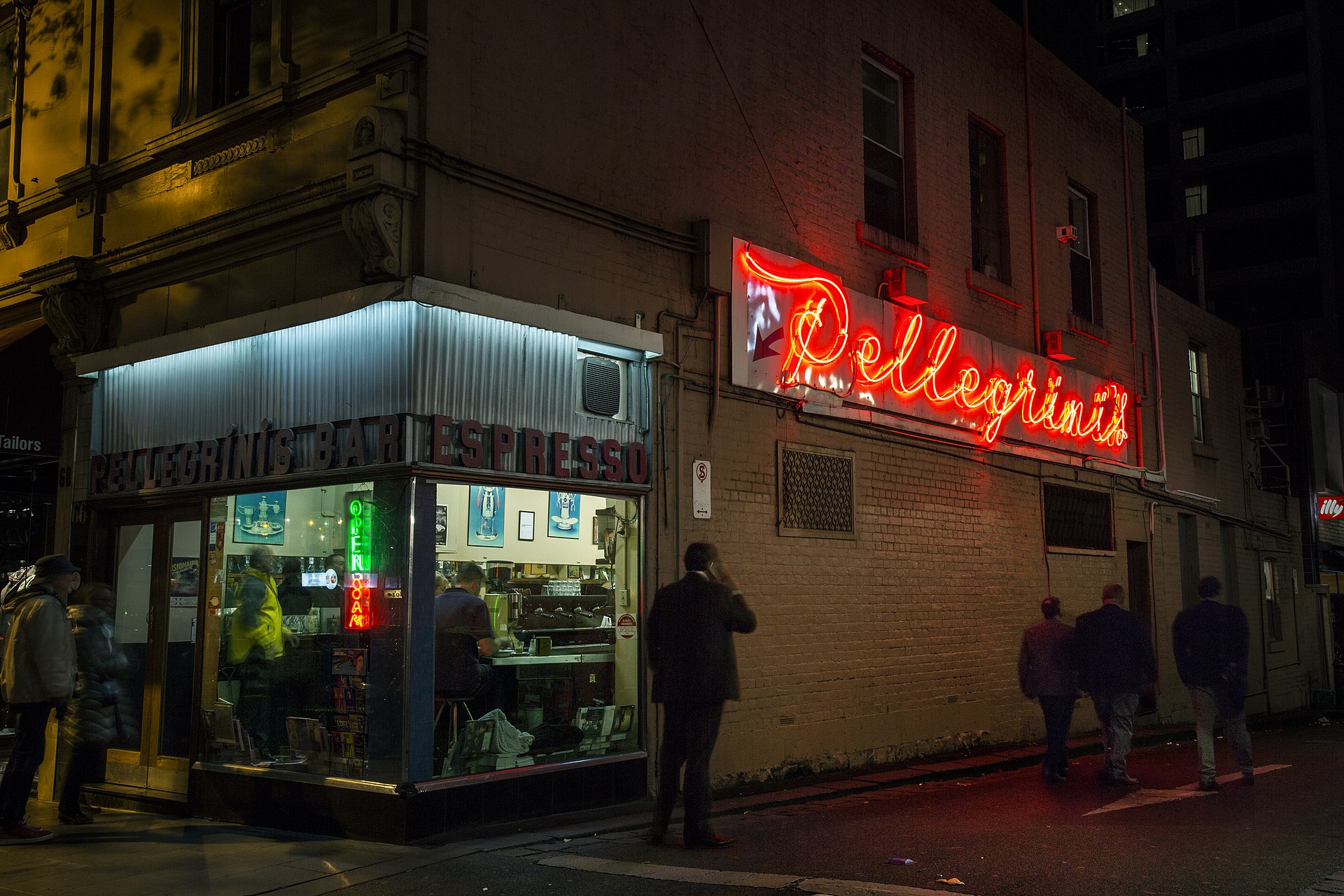
Here is the part the scary listicles bury: Italians are warm, patient, and remarkably forgiving of visitors who get the small things wrong. Good Italy etiquette is not a minefield. It is mostly a handful of habits — greet people before you ask for anything, dress with a little care, treat churches as the working places of worship they are, and let meals breathe — and those few habits carry you a very long way. Get them right and the country opens up.
I’ve spent years eating at trattorie where I clearly wasn’t a regular, standing at coffee bars in cities where I didn’t speak the dialect, and fumbling my way into churches in the wrong shoes. Nobody has ever been cruel about it. What I’ve learned is that the “rules” everyone repeats online are about 80% true and 100% missing the why — and the why is what stops you feeling anxious. So this is the calm version. Not “never do this or Italians will hate you,” but “here’s what’s actually going on, and here’s the easy, polite move.”
Who is this for? First-time visitors to Rome, Florence, Venice and beyond. Nervous travelers who’ve read too many “things that will get you mocked in Italy” posts. Anyone who wants to be a good guest rather than an invisible one. My lane here is behavior and manners across everyday situations. For the tricks people play on tourists, I send you to my guide to Italy tourist scams; for what to physically pack, my Italy packing list; and for the deep food-and-wine rabbit hole, my Italian food and wine travel guide. This page is the manners. It sits alongside the rest of my practical Italy travel tips, and if you’re still shaping the trip itself, start with the full Italy planning guide.
Italy etiquette at a glance: a situation-by-situation table
Before the explanations, here’s the whole thing compressed. Skim it now, and the sections below fill in the reasoning. Every euro figure is approximate and varies by city and venue — treat them as ballpark, not gospel.
| Situation | Do | Don’t |
|---|---|---|
| Restaurant | Say buonasera on arrival; let the meal unfold slowly; ask for il conto when you’re ready | Don’t expect separate itemised checks per person; don’t rush the waiter or wave money around |
| Bar / coffee | Order and pay at the till, then take your receipt to the bar; drink your espresso standing | Don’t sit at a table for a quick coffee unless you want table prices; don’t order a cappuccino after a meal |
| Church | Cover shoulders and knees; remove hats; keep your voice low; phone on silent | Don’t wear a vest top, short shorts or a swimsuit; don’t use flash; don’t talk loudly or treat Mass as a photo op |
| Train | Validate paper regional tickets before boarding; sit in your reserved seat on fast trains | Don’t skip validation on a regional ticket; don’t take someone’s reserved Frecce seat; don’t blast video without headphones |
| Street / piazza | Greet shopkeepers; queue and respect personal space; ask before photographing people | Don’t sit or eat on famous monument steps where it’s banned; don’t block narrow lanes; don’t drive into a ZTL |
Now the detail, situation by situation, with the reasons that make all of it easy to remember.
Greetings: the single habit that changes everything
If you do one thing differently in Italy, make it this. Italians greet before they transact. You walk into a shop, a bakery, a pharmacy, a doctor’s waiting room, and the first thing out of your mouth is a greeting — not your request, not “do you speak English,” not silence.
In the morning and through most of the day, that’s buongiorno (good day). From roughly mid- to late-afternoon onward, it shifts to buonasera (good evening). Don’t agonise over the exact switchover time; locals disagree about it too, and somewhere around 4 to 5pm either one is fine. On the way out, arrivederci (goodbye) or a simple grazie, buona giornata (thanks, have a good day). That’s it. That tiny ritual is the difference between being treated as a rude stranger and being treated as a welcome one.
The reason it matters so much is cultural: walking up to someone and immediately demanding something, with no acknowledgement that they’re a person, reads as cold. A greeting first signals respect. It costs you one word and it transforms the warmth you get back.
A few more phrases that punch above their weight:
- Per favore (please) and grazie (thank you) — obvious, but use them constantly.
- Permesso — “excuse me / may I pass,” used when you need to squeeze through a crowd, step past someone on a train, or enter a space. It’s the polite Italian way to move through people.
- Mi scusi — “excuse me / I’m sorry,” to get attention or apologise.
- Prego — a wonderfully flexible word meaning “you’re welcome,” “please go ahead,” “after you,” or “how can I help.”
You do not need to be fluent. You barely need to be conversational. Italians light up when you try, even badly, and almost everyone in tourist areas will happily switch to English once you’ve made the gesture. The attempt is the courtesy.
Handshake or cheek kisses?
For a first meeting, a handshake is correct and safe — firm, friendly, with eye contact. The two-cheek kiss (left cheek first, then right) is for friends, family, and people you already know socially; it’s not how you greet a waiter or a shopkeeper. As a visitor you’ll rarely initiate it. Let Italians lead. If someone leans in, mirror them; if not, a handshake or a warm nod is perfectly polite. Don’t go in for a hug with someone you’ve just met — that’s more an American reflex than an Italian one.
Restaurant etiquette in Italy: slow down and read the room
This is where most of the anxiety lives, and most of it is unfounded. Italian restaurant etiquette is less about rigid rules and more about a different rhythm. Once you stop expecting an American-style dining experience, almost everything makes sense.
The meal is meant to be slow. Dinner doesn’t really get going until 7:30 or 8pm, and Italians happily linger for two hours. The kitchen is not slow because it forgot you; it’s pacing the courses so you can actually enjoy them. Nobody is trying to flip your table. This is the single biggest adjustment for visitors used to brisk service, and the moment you lean into it, dining in Italy becomes one of the best parts of the trip.
The waiter will not rush you, and won’t bring the bill until you ask. Hovering and dropping the check early would be considered rude — it implies they want you gone. So when you’re ready, you ask: “Il conto, per favore” (the bill, please), or catch the waiter’s eye and do the little air-signing gesture. The bill comes when you summon it, not before. This trips up a lot of first-timers who sit waiting politely for forty minutes wondering if they’ve been forgotten. You haven’t. You just have to ask.
Separate, itemised checks are not really a thing. If you’re a group, the bill comes as one total. Italians either split it evenly or one person grabs it and others settle up later. Asking the waiter to work out exactly what each of eight people ordered and print separate receipts is an awkward request that’ll get you a pained look. Pay together and sort it out among yourselves — it’s faster and it’s the norm.
The coperto: that small charge explained
Look at an Italian receipt and you’ll often see a line called coperto — a per-person cover charge, very roughly €1.50 to €3 in most places, sometimes more in pricey tourist zones. It is not a scam and it is not a tip. The coperto covers your place setting, the bread on the table, and the simple act of sitting down to be served. It goes to the restaurant, not to your waiter.
It’s almost always printed on the menu, usually in small type at the bottom, so it’s never meant to be a surprise. You only pay it when you sit at a table — which is exactly why coffee and a quick bite taken standing at the bar avoid it entirely. Some places, especially in cities like Rome, charge a servizio (service charge) instead of or alongside the coperto, typically around 10 to 15%. If you see servizio incluso on the bill, the service is already covered and you should not feel you need to add anything more.
So… do you tip in Italy?
Here’s the honest answer the clickbait pages mangle: tipping in Italy is not expected and not mandatory. Service staff are paid a proper wage; they are not living on tips the way American servers do. You will not be chased down the street, and no one will be offended if you leave nothing beyond what’s on the bill.
That said, appreciation is welcome, and locals do tip — modestly, and almost always by rounding up rather than by calculating a percentage. The lived-in version looks like this: a Roman friend of mine puts it as a change test. If your meal is €44 and you hand over €50, and the change comes back as a single €5 note plus coins, you let the coins sit and that’s your tip. If instead the change comes as smaller notes you can break, you might leave €2 or €3 on the table. For genuinely excellent service or a special meal, 5 to 10% is generous and noticed. A couple of practical notes:
- Tip in cash if you tip at all. There’s often no line on the card machine for it, and a cash tip actually reaches the staff.
- Leave it on the table for the team to share, or hand it directly to your server if you want them specifically to have it.
- Skip the tiny copper coins. Leaving one- and two-cent pieces reads less like a thank-you and more like emptying your pockets.
Don’t overthink it. Round up, smile, say grazie. That’s the whole game.
Bread, water and ordering the Italian way
A few smaller table customs that smooth the experience:
- Bread arrives as a given (it’s part of what the coperto pays for). It’s there to accompany the meal, not as a pre-dinner course with butter and oil the way you might expect — and you generally won’t get a butter dish. Using a scrap of bread to wipe up the last of a good sauce, the scarpetta, is affectionate and very Italian; just do it at the end, casually.
- Water comes bottled by default, and the waiter will ask frizzante o naturale (sparkling or still). Tap water is perfectly safe across most of Italy, but restaurants serve bottled as standard and a lot of places simply don’t offer tap. If you want it, ask for acqua del rubinetto; don’t be surprised if the answer is a polite no.
- Courses run in an order — antipasto (starter), primo (pasta, risotto or soup), secondo (the meat or fish, with contorni, side dishes, ordered separately), then dolce (dessert). You absolutely do not have to order every course. One or two is completely normal and nobody blinks. What you should not do is order a cappuccino with your pasta — more on coffee timing below.
- The cheese rule is real but gentle: Italians don’t put grated cheese on seafood pasta, and asking for parmesan on your spaghetti alle vongole will earn a wince. It’s not a law, but it’s a strong enough convention that I’d just let it go.
I keep the food-culture deep dive light here on purpose. If you want the full picture of regional dishes, wine, aperitivo spreads and how to eat your way across the country, that all lives in my Italian food and wine travel guide.
Coffee bar customs: the espresso rituals worth knowing
Coffee in Italy runs on a few simple conventions, and once they click you’ll feel like a regular. First, vocabulary: a place labelled bar is what you’d call a café. It serves coffee, pastries, sandwiches and, yes, alcohol too, all day long. And a caffè on the menu means an espresso — a short, sharp shot in a small cup. If you ask for “a coffee” you’ll get an espresso, not a big American mug.
The standing-at-the-bar ritual is the heart of it. In most bars you order and pay at the till (cassa) first, take the little receipt (scontrino) the cashier hands you, then carry it to the bar counter, set it down, and tell the barista what you want. Drink it standing, right there, in a few minutes, and go. It’s quick, it’s social, and it’s cheap — often a euro or so for an espresso at the counter. One quiet bonus of bar culture: buying a coffee is also the polite way to use a bar’s toilet, which is genuinely useful given how scarce public bathrooms in Italy can be.
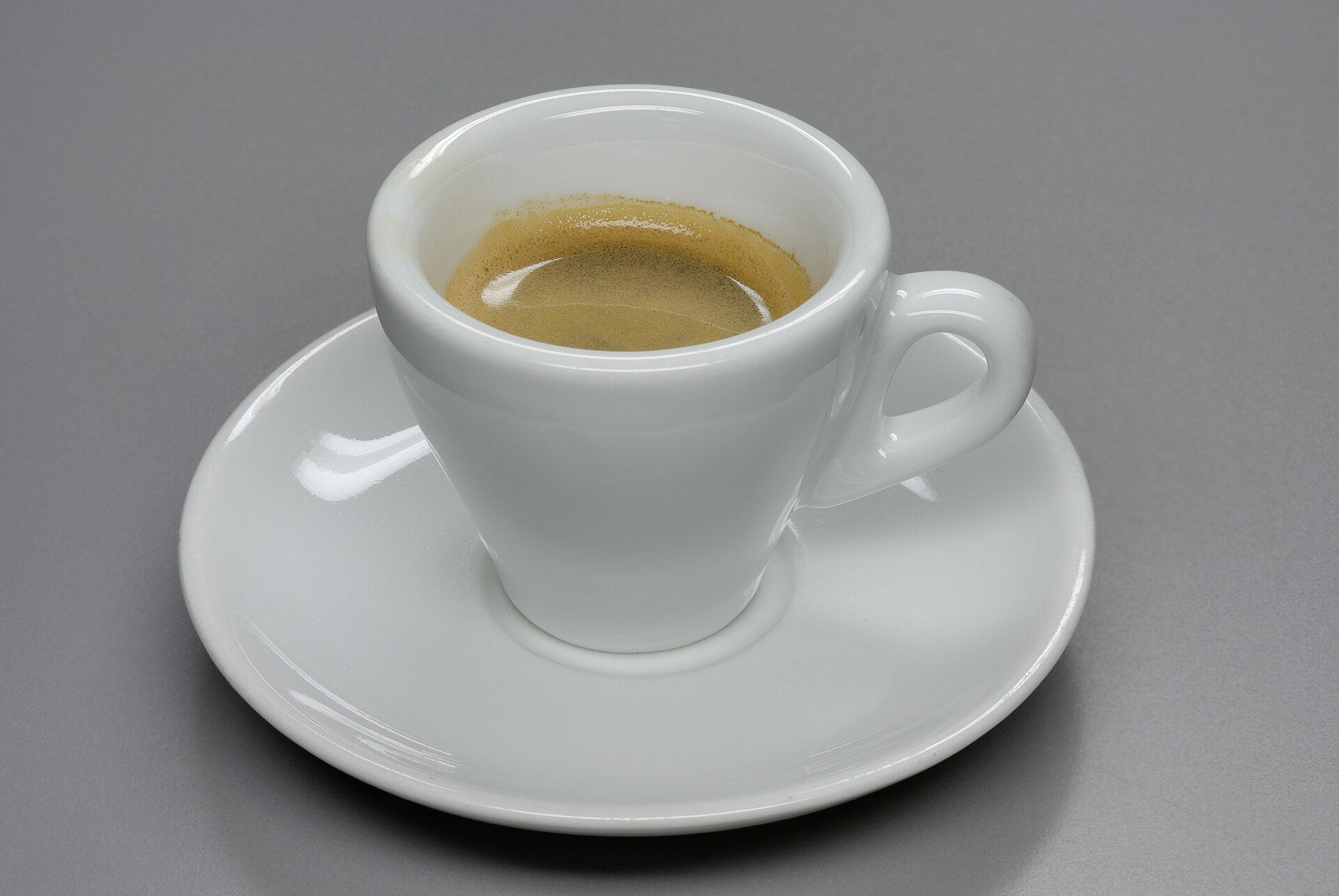
Here’s the money-saving detail that’s pure etiquette-as-economics: sitting at a table usually costs more. Many bars charge a higher price for table service (tavola), sometimes noticeably higher near a famous piazza, because you’re paying for the seat and the service. If you sit down at a café table on a beautiful square and order an espresso, you’ve signed up for that. Nothing wrong with it — sometimes the view is exactly what you’re buying — but know that the same coffee taken standing at the bar might be a third of the price. Italians do the quick standing version daily and save the sit-down for when they want to linger.
The cappuccino “rule,” honestly
You’ve heard it: no cappuccino after 11am. Let me give you the truthful version. It is a soft cultural norm, not a law, and nobody will refuse to serve you. What’s behind it is digestion and tradition — Italians treat milky coffee (cappuccino, latte macchiato, caffè latte) as a breakfast thing, taken with a pastry. After a meal, all that warm milk is seen as heavy and bad for digestion, so the post-lunch and post-dinner coffee is a plain espresso, sometimes a macchiato (espresso with just a spot of milk), to round things off and reset the palate. You will genuinely never see an Italian order a cappuccino after dinner.
So what happens if you order one at 3pm? In a tourist-area bar, nothing — they make hundreds a day. In a tiny neighbourhood bar where they can tell you’re not local, you might get a small, amused look. That’s the whole “consequence.” It’s a great little way to blend in if you care, and completely fine to ignore if you’d rather just have the coffee you want. Younger Italians break this rule themselves more and more. Order what makes you happy; just know why the morning-only thing exists.
A few more useful coffee terms: caffè macchiato (espresso “stained” with a splash of milk), caffè lungo (a longer pull, more water), caffè americano (espresso with hot water added, the closest thing to filter coffee), and caffè corretto (“corrected” — with a splash of grappa or other liquor, a classic morning move in the north).
Aperitivo, briefly
The lovely early-evening ritual of aperitivo — a drink before dinner, usually with some snacks — deserves a mention because it’s one of Italy’s best social customs. You go to a bar around 6 to 8pm, order something like an Aperol Spritz, a Negroni, or a glass of wine, and it typically arrives with olives, chips, or small bites. In some cities (Milan especially) the snack spread can be generous enough to graze on. It is not dinner, and it’s not meant to replace dinner; it’s the warm-up. Order a drink, relax, watch the passeggiata (the evening stroll) go by. You don’t tip beyond rounding up, and you settle the tab when you leave.
Dress code for Italy churches and how to behave inside
Churches are where good intentions go wrong fastest, because the dress code is real and, at the big ones, enforced at the door. The principle is simple and the same nearly everywhere: cover your shoulders and your knees. These are active places of worship in a country that is still culturally Catholic, not just tourist attractions, and dressing modestly is a sign of respect rather than a fashion rule.
What that means in practice:
- Shoulders covered. No vest tops, tank tops, spaghetti straps or bare shoulders. Sleeves, even short ones, are fine.
- Knees covered. No short shorts, mini-skirts, or very short dresses. Trousers, longer skirts, capris and dresses or shorts that reach the knee are all fine.
- No swimwear, ever, and skip flip-flops at the major basilicas — beach attire reads as disrespectful in a church.
- Hats off for everyone inside (a head covering for religious reasons is a different matter and respected).
Enforcement varies. At the big, strict ones — St Peter’s Basilica in the Vatican, the Duomo in Milan, St Mark’s in Venice — there are staff at the entrance who will turn you away if your shoulders or knees are bare, and you’ll be sent off to cover up or buy a flimsy paper poncho. St Mark’s in particular gets brutally busy, so a cover-up in your bag is non-negotiable if it’s on your Venice and the Veneto itinerary. Smaller parish churches may have no one checking at all, but the courtesy still applies. Even where nobody stops you, walking into a working church in a bikini top is the kind of thing that quietly marks you out.
This is exactly why I bang on about the scarf in my Italy packing rundown: a large light scarf or pashmina is the single most useful thing you can carry in summer. Drape it over bare shoulders to get into a church, knot it as a wrap over short shorts to cover the knees, and stuff it back in your bag the moment you leave. It weighs nothing and saves you from being the person stuck outside the Vatican in the heat.
Behaving inside
Dress is half of it; conduct is the other half. Inside a church:
- Keep your voice low. These are quiet, often genuinely sacred spaces, and a tour-group volume of chatter carries badly under those domes.
- Phone on silent. A ringing phone in a hushed basilica is mortifying for everyone.
- No flash photography, and watch for signs — some chapels and museums (the Sistine Chapel most famously) ban photos entirely. Where photography is allowed, be discreet and never photograph people at prayer.
- If a service is happening, keep to the back, don’t wander through the part of the church being used for Mass, and don’t treat worshippers as a backdrop. If you’d rather sightsee freely, come back when the service is over.
- Sit and stand respectfully. Don’t clamber over the furniture for a photo, and don’t eat or drink inside.
None of this is hard. It’s just the difference between being a respectful guest in someone’s place of worship and being a tourist who treats it as a film set.
Train and public-transport etiquette
Italy’s trains are excellent and the etiquette is mostly common sense, with one mechanical trap that catches a lot of visitors. I cover the nuts and bolts of getting around in my Italy transportation guide; here’s the manners-and-don’t-get-fined version.
Validate your paper regional ticket before you board. This is the big one. If you’ve bought a paper ticket for a regional (Regionale) train without a specific seat and time, you must stamp it in one of the little validation machines — historically the green-and-white boxes on the platform or at the station entrance — before you get on. An unvalidated paper ticket counts as no ticket, and if an inspector finds you with one you can be fined on the spot, typically well above the fare’s value. Tell the conductor before they reach you if you genuinely forgot and you’ll usually get away with a small fee instead of the full penalty, but the clean move is just to validate. Good news: digital regional tickets bought through the official apps have shifted to automatic check-in, so a QR/digital Regionale ticket generally doesn’t need the platform machine — but a paper one still does.
Fast trains are different. On the high-speed services — Frecciarossa, Frecciargento, Frecciabianca and Italo — your ticket is tied to a specific train, date, and assigned seat. There’s nothing to validate, and you simply sit in your reserved seat. Which leads to the etiquette point: that seat is someone’s. If you find a person in yours, politely show your ticket; if you’ve drifted into the wrong one, move without fuss when asked. Coach and seat numbers are printed on the ticket and on the carriages.
General transport courtesy, the stuff that makes you a good fellow passenger:
- Keep noise down. No speakerphone calls, no video or music without headphones. Italians are animated in public but blasting a phone on a quiet train is poor form anywhere.
- Bags off seats on a busy train or bus, and packs off your back in a crowded carriage — both for space and to keep your belongings in front of you (which, not incidentally, also foils the pickpockets I warn about elsewhere).
- Let people off before you get on at metro and train doors, and use permesso to move through to the exit.
- Offer your seat to elderly passengers, pregnant women, and anyone who clearly needs it. It’s expected and noticed.
- Validate or tap on buses and the metro too — city bus tickets usually need stamping in the onboard machine when you board.
Driving and ZTL zones: the rule that quietly fines tourists
If you’re renting a car, this is the most expensive mistake you can make without ever feeling it happen, so I want it loud. Most Italian historic city centres are ZTL zones — Zona a Traffico Limitato, limited-traffic zones — and you, as a visitor in a rental car, are almost certainly not allowed to drive into them.
Here’s how they work. The boundary of the old centre is marked with a ZTL sign and, crucially, a camera that photographs every licence plate crossing the line during restricted hours. Access is reserved for residents, deliveries, taxis, buses and permit holders. If your plate isn’t authorised, the system generates a fine automatically — and because it’s tied to your plate, it finds its way to the rental company and then to you, often months later, frequently with an admin fee tacked on by the rental firm on top. The fine itself varies by city but commonly runs somewhere in the rough range of €80 to a few hundred euros, per crossing — and people have driven in and out repeatedly, racking up several. The ZTL in Rome wraps the whole historic centre around the Pantheon and Piazza Navona; in Florence and Tuscany it surrounds the Duomo and the core; nearly every town of any size, down to small hilltop villages, has one.
The fix is easy: don’t drive into historic centres. Park in a garage or lot outside the ZTL — they’re well signposted, often with park-and-ride links — and walk or take public transport in. Your GPS may cheerfully route you straight through a ZTL, so don’t trust it blindly near an old town; watch for the signs (a white circle with a red border) and the word varco (the camera-controlled access point). If your hotel is inside a ZTL, call ahead — some can register your plate for legitimate access, but never assume; get it in writing. This is worth checking when you decide where to stay in Italy, since a central old-town hotel and a rental car rarely mix well. More on all of this in the transportation guide.
Queuing, personal space and everyday street manners
A grab-bag of the small public behaviours that make you an easy guest:
Queuing is real, even when it doesn’t look like one. Italians don’t always form a tidy British line, but there’s an order — often a “who’s last?” system. At a busy deli counter, bakery, or pharmacy, you may need to take a paper number from a dispenser; look for it before you assume there’s no queue. If there’s no ticket machine, a quiet “chi è l’ultimo?” (who’s last?) tells everyone you’re keeping your place fairly. Cutting in is as rude here as anywhere.
Personal space and volume. Italians stand a little closer and talk with more animation and gesture than many visitors are used to — that’s warmth, not aggression. Match it where you can, and don’t read a lively conversation as a fight. That closeness can feel intense at first, but it’s part of why Italy generally feels so sociable and, frankly, safe to travel in. The flip side: keep your own volume reasonable in shops, on transport, and in restaurants. A loud group speaking English carries, and “the loud tourists” is a stereotype you can easily avoid.
Don’t block the lane. In medieval centres the streets are narrow. Stopping dead in a doorway to check your map, or walking five-abreast, jams everyone behind you. Step to the side, sort yourself out, then carry on. It’s a small thing that locals notice constantly.
Dress with a little care in town. Italians take everyday appearance seriously, and you’ll feel more comfortable in simple, put-together clothes than in full athletic kit. Nobody expects you to be elegant — but gym shorts and a singlet on a city street mark you instantly as a tourist, and at restaurants and churches they cause actual problems. Smart-casual covers almost everything.
Photography manners
Photograph buildings, piazzas, food and street scenes freely — that’s the joy of it. But ask before taking close-up photos of people, especially shopkeepers, market vendors, performers, and anyone in a small personal setting; a smile and a gesture at your camera is enough, and a posso? (may I?) is gracious. Don’t shove a lens into someone’s café table or a worshipper’s face. Performers and costumed characters near monuments often expect a few coins if you photograph them — agree on that before you click, which conveniently is also how you avoid the “pay up now” hustle I cover in the scams guide.
The “no sitting or eating on the monument” fines
This one is newer and genuinely catches people out, so it earns its own note. Several cities have brought in rules — and real fines — against sitting, eating, or loitering on or around famous monuments, partly to protect centuries-old stone and partly to push back on overtourism.
The headline example is Rome’s Spanish Steps, where sitting down is now banned outright; reports put the fines anywhere from roughly €150 up toward €400 depending on what you’re doing (eating on them sits at the harsher end), though in practice officers often just move people along. Florence restricts eating while sitting, leaning or even walking on certain busy central streets and squares (around Via de’ Neri and the Uffizi area) at peak times, with fines that have been quoted up to around €500. Other cities have their own versions — limits on eating at major fountains, bans on wading in them, and so on. The amounts are approximate and the enforcement is patchy, so don’t treat my numbers as exact — but the simple rule keeps you clear: don’t picnic on a famous landmark. Eat at a table, on a bench, in a park, or on a quiet step well away from the big sights, and you’ll never run into any of this.
Beach and spa etiquette, briefly
Two settings with their own quiet conventions:
At the beach, much of the good coastline is organised into private stabilimenti — beach clubs where you pay for a sunbed and umbrella for the day. Free public beaches (spiaggia libera) exist too, often between the clubs. Topless sunbathing is accepted in many places but read the local norm; full nudity is only for designated naturist beaches. And don’t wander far from the beach in just swimwear — covering up to walk into a town, a shop, or certainly a church is expected, and some seaside towns even fine people for strolling the centre in beachwear.
At thermal baths and spas, Italy has wonderful public terme. Conventions vary by venue: many require a swim cap in the pools, some have nude-only sauna areas (often with mixed or separate sessions), and signage will tell you. When in doubt, glance at what regulars are doing, or ask at reception. The general principle — quiet, clean, respectful of shared water — travels everywhere.
A quick tipping cheat-sheet
Because tipping is the question I’m asked most, here’s the compressed version to screenshot. All optional, all about rounding up, none of it obligatory.
| Setting | Typical move |
|---|---|
| Casual restaurant | Round up, or leave €1–€3; check for coperto/servizio first |
| Nicer / special meal | 5–10% in cash if the service was excellent |
| Coffee at the bar | Drop the coins from your change, or nothing — both are fine |
| Bar / aperitivo | Round up; no per-drink tipping expected |
| Taxi | Round up to the nearest euro or two |
| Hotel housekeeping | A euro or two per night if you like; optional |
| Hotel porter / bellhop | €1–€2 per bag is a kind gesture |
| Tour guide (half day) | €5–€10 if you enjoyed it; not required |
| Tour guide (full day) | Around €10 or more, entirely at your discretion |
The golden rule: tip in cash, tip modestly, and never feel pressured. A genuine grazie is worth a lot here.
Questions travellers ask
Do I really need to speak Italian to be polite?
No. A handful of words — buongiorno, buonasera, per favore, grazie, permesso, scusi — covers almost every everyday interaction, and most people in tourist areas speak some English. What matters is leading with a greeting and making the effort. Italians respond warmly to a clumsy attempt; they respond coldly to being addressed like a vending machine. Try, smile, and you’re golden.
Is tipping rude in Italy, or just unnecessary?
It’s neither rude nor required — it’s simply not built into the culture the way it is in the US. Staff earn a real wage and won’t be insulted by no tip. But appreciation is welcome, and locals do round up or leave a couple of euros for good service. Think of it as a small thank-you you can give, not a bill you must pay. Cash only, kept modest.
What happens if I order a cappuccino in the afternoon?
Almost certainly nothing. You’ll be served without comment in any tourist-area bar. The “no cappuccino after 11am” thing is a soft cultural habit — Italians see milky coffee as a breakfast drink and prefer a plain espresso after meals to aid digestion. In a tiny local bar you might get a faint smile. It’s a fun way to blend in if you care, and completely fine to ignore if you’d rather just enjoy your coffee.
Can I wear shorts in Italian churches?
Only if they reach your knees. The dress code for Italy churches is to cover shoulders and knees, so long shorts, capris, trousers or knee-length skirts and dresses are fine, but short shorts, mini-skirts and bare shoulders will get you turned away at the strict ones like St Peter’s. The easy fix is a large light scarf to drape over shoulders or wrap over short hems — pack one in summer and you’re always covered.
Will I really get fined for sitting on the Spanish Steps?
Possibly. Sitting on Rome’s Spanish Steps is officially banned, and fines have been reported from roughly €150 upward, higher if you’re eating, though officers frequently just tell people to move along. Florence and other cities have similar rules against eating on certain central streets and monuments. Amounts and enforcement vary, so don’t bank on leniency — just don’t eat or lounge on famous landmarks and you’ll have no problem at all.
What’s the deal with the coperto — am I being scammed?
No, the coperto is legitimate. It’s a small per-person cover charge (very roughly €1.50–€3) for your place setting, bread and seated service, and it’s printed on the menu, usually at the bottom. It goes to the restaurant, not the waiter, and it’s separate from any tip. You only pay it when you sit at a table, which is why standing at a bar for coffee avoids it. If it feels high, you’re probably in a tourist-trap spot near a major sight.
Do I need to validate my train ticket in Italy?
It depends on the ticket. A paper regional (Regionale) ticket with no fixed seat must be stamped in a platform validation machine before boarding, or you risk a fine. Fast trains (Frecciarossa, Italo and the like) come with an assigned seat, date and time, so there’s nothing to validate — you just sit in your seat. Digital regional tickets through the official apps now generally check in automatically.
Can I drive into the centre of Rome or Florence?
Almost certainly not in a rental car. City centres are ZTL limited-traffic zones, monitored by