I wrote this Italy travel guide the way I would plan a trip for a friend, not the way a brochure would. Planning a trip to Italy is not hard because there is too little to do. It is hard because there is too much. You can build a wonderful vacation around Roman ruins, Renaissance art, alpine lakes, island beaches, wine towns, food markets, coastal ferries, or mountain hikes, and every one of those ideas can sound essential when you are staring at a map.
Here is the planning rule I would start with: do not plan Italy by counting attractions. Plan it by nights, transfers, and the kind of trip you actually want to have. A first Italy trip is usually best with 10 to 14 days, two to four overnight bases, train travel between major cities, and one slower stretch where you stop treating the itinerary like a checklist.
Use this page to make the first-order choices: where to go, how long to stay, when to visit, how to get around, what to book first, and what deserves its own deeper read. When you are ready to build the day-by-day route, move next to our Italy itineraries guide or the focused article on how many days in Italy you need.
Quick Italy Travel Guide Summary
If you want the short answer before the details, this is the version I would give a friend who has never been to Italy and wants a trip that feels full but not frantic.
| Planning question | Best answer for most first trips |
|---|---|
| Ideal trip length | 10 to 14 days. Seven days can work if you limit the route. Three weeks lets you add a coast, island, lakes, or countryside section without rushing. |
| Best first-time route | Rome, Florence/Tuscany, and Venice, with one optional extension such as Amalfi Coast, Lake Como, Cinque Terre, Bologna, Naples, or Verona. |
| Best way to get around | Train between Rome, Florence, Venice, Milan, Naples, Bologna, and Verona. Rent a car only for countryside, rural coast, small hill towns, or mountain areas. |
| Best time to visit | April to early June and September to October for the broadest balance of weather, daylight, and crowds. July and August suit beaches but are hot and busy. |
| What to book first | Flights, core route, hotels in major cities, long-distance trains, and timed-entry tickets for high-demand sights. |
| Biggest mistake | Trying to include Rome, Florence, Venice, Amalfi, Cinque Terre, Lake Como, Tuscany, and Sicily in one short vacation. |
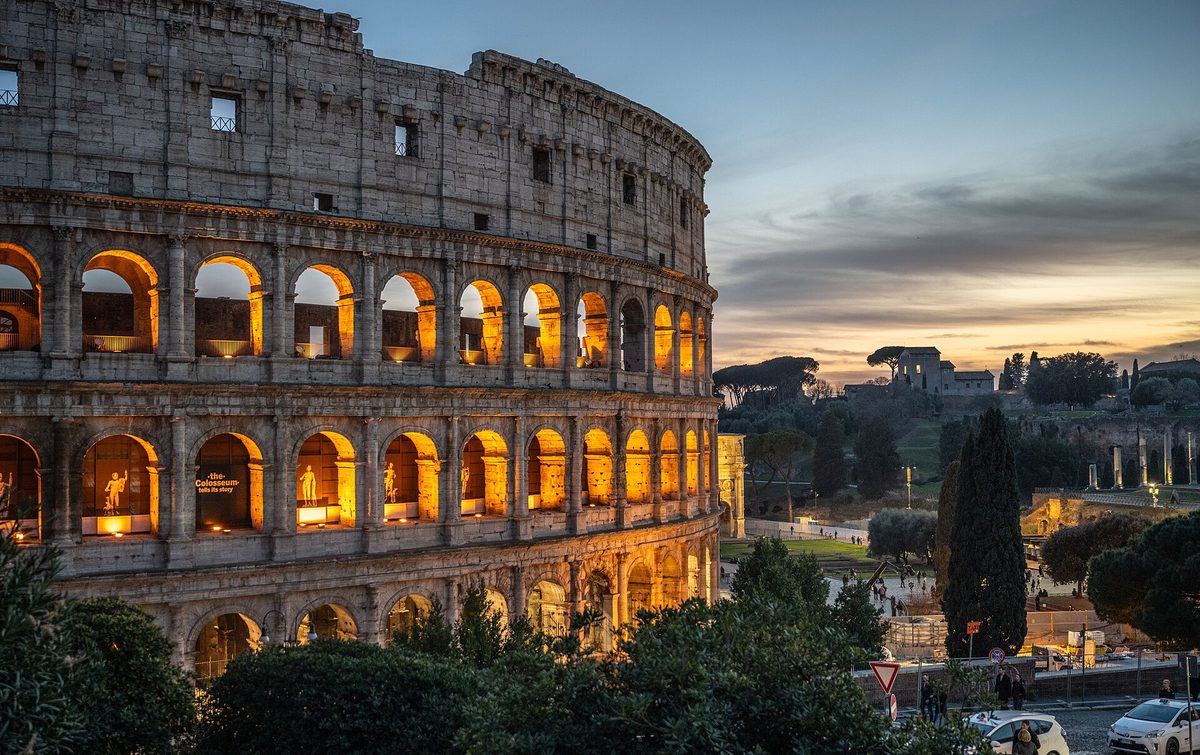
Italy rewards travelers who make choices. The point is not to see every famous place; it is to give the places you choose enough time to breathe. A rushed Italy trip can turn into train stations, luggage storage, and late check-ins. A well-paced trip gives you the Colosseum in the morning, a long lunch without apologizing for it, and an evening walk that was not scheduled but becomes the memory you keep.
Why Italy Needs A Real Plan
Italy is one of the easiest countries in Europe to romanticize and one of the easiest to overpack. The country has a dense rail network, world-famous cities, celebrated food regions, mountain landscapes, islands, beaches, and an official tourism ecosystem that spans art cities, villages, UNESCO sites, food and wine, itineraries, and regional experiences through Italia.it. That breadth is exactly why a first trip needs structure.
The demand is real, too. ISTAT reported that 2024 was a record year for tourist accommodation in Italy, with 458.4 million nights and more than 250 million nights from non-resident visitors. That matters when you plan because the most famous places are not quietly waiting for you. Hotels sell out, train prices can rise, timed-entry tickets disappear, and shoulder season is not a secret anymore.
The good news is that Italy is not one single trip. It is a set of different trips that happen to share a country. Rome and Naples feel different from Venice and Verona. Tuscany feels different from Sicily. The Dolomites feel different from Puglia. A great Italy vacation comes from matching your route to your time, season, travel style, and tolerance for movement.
Start With Nights, Not Cities
The first question is not “Where should I go in Italy?” It is “How many nights do I actually have on the ground?” Count nights after arrival, not calendar days from home. Arrival day is usually messy. Departure day is rarely useful. Transfer days are half-days at best unless the ride is very short.
This is the simplest way to think about trip length:
| Nights in Italy | Best route style | What I would avoid |
|---|---|---|
| 4 to 5 nights | One city plus one day trip, or two close bases. Rome only, Florence plus Tuscany, Venice plus Verona, or Naples plus Pompeii works. | Trying to combine Rome, Florence, and Venice. You will spend too much of the trip in transit. |
| 6 to 7 nights | Two bases or three bases on a tight classic route. Rome plus Florence is comfortable; Rome, Florence, Venice is possible but fast. | Adding Amalfi, Cinque Terre, Lake Como, or Sicily unless you cut something else. |
| 8 to 10 nights | Three bases with a day trip or a short extension. This is the minimum I like for the classic Rome, Florence, Venice route. | Moving hotels every night or building in long detours just because they look close on a map. |
| 11 to 14 nights | Three to four bases. You can do Rome, Florence/Tuscany, Venice, and one add-on such as Amalfi Coast, Bologna, Lake Como, or Cinque Terre. | Two far-apart coastal regions in one trip, such as Amalfi and Puglia, unless the whole route is built around the south. |
| 15 to 21 nights | Four to six bases with more breathing room. You can add Sicily, Puglia, Dolomites, lakes, or a deeper countryside section. | Treating three weeks like permission to change hotels every day. |
If you have fewer than 10 nights, be ruthless. Italy is not going anywhere. A clean seven-night Rome and Florence trip is better than a seven-night sprint that technically “includes” Venice because you slept there once.
For a deeper breakdown by trip length, use How Many Days in Italy Do You Need?. It is the support guide I would use before booking flights.
The Best Places To Visit In Italy For A First Trip
There is no universal “best” Italy route, but there are places that solve first-trip goals better than others. Most first-time visitors want a mix of ancient history, art, food, atmosphere, and scenery. That is why Rome, Florence/Tuscany, and Venice dominate so many itineraries. They are famous for a reason, and they connect well by train.
That said, the best destination is not always the most famous one. Naples may be a better fit than Lake Como if you care about food and archaeology. Bologna may be better than Cinque Terre if you want trains, porticoes, and a less packaged food-city experience. Puglia may be better than Amalfi if you have two weeks, want beaches and whitewashed towns, and do not mind driving.
| Destination | Best for | Minimum useful time | Planning note |
|---|---|---|---|
| Rome | Ancient history, churches, piazzas, food, first-time Italy energy | 3 nights | Four nights is better if you want the Vatican, Colosseum area, centro storico, Trastevere, and a slower day. |
| Florence | Renaissance art, walkable city center, Tuscan day trips | 2 nights | Stay 3 nights if you plan the Uffizi, Accademia, Duomo area, food markets, and a Tuscany day trip. |
| Venice | Canals, islands, architecture, car-free wandering | 2 nights | One night is better than a day trip, but two nights lets you see Venice early and late when day crowds thin. |
| Tuscany countryside | Wine towns, hill towns, villas, slow travel | 3 nights | A car helps outside train-friendly cities such as Florence, Siena, Pisa, and Lucca. |
| Naples and Pompeii | Food, archaeology, street life, gateway to Campania | 2 nights | Naples is intense in the best way for some travelers, but it is not a soft-focus resort experience. |
| Amalfi Coast | Dramatic coastline, sea views, romance | 3 nights | Expensive and logistically awkward in peak season; choose bases carefully. |
| Cinque Terre | Coastal villages, short hikes, sea views | 2 nights | Beautiful but crowded; best as a focused coastal stop, not a rushed detour. |
| Lake Como | Scenery, villas, ferry towns, Milan add-on | 2 nights | Works well with Milan or northern Italy, less well as a detour from Rome and Florence. |
| Sicily | Ancient sites, beaches, food, road trips | 7 nights | Treat Sicily as its own trip or a major extension, not an afterthought. |
| Dolomites | Hiking, alpine scenery, lifts, road trips | 4 nights | Season matters. Summer hiking and winter skiing are different trips. |
If this is your first time and you feel overwhelmed, start with this simple question: do you want the classic art-and-history route, a food-and-south route, a countryside-and-wine route, or a scenery-and-outdoors route? That one choice will make the map much easier.
A Classic First Italy Route That Actually Works
For most first-time visitors with 10 to 14 days, the classic route still works because it solves the big first-trip question cleanly: “How do I see the places I have always imagined without spending the whole vacation moving?”
My default version is:
- Rome for 3 to 4 nights.
- Florence for 3 nights, with one Tuscany day trip if you want countryside.
- Venice for 2 nights.
- Add 2 to 4 nights somewhere that matches your style: Amalfi Coast, Naples, Bologna, Lake Como, Verona, Cinque Terre, or more Tuscany.
The order can change based on flights. Rome and Milan are useful international gateways. Venice can work well at the beginning or end if flight prices make sense. Florence is often easiest by train rather than long-haul flight. If you are arriving jet-lagged from North America, Rome is a strong first stop because you can walk, eat, and recover without needing to understand regional train connections on day one.
The best version of this trip is not necessarily the one with the most stops. Rome plus Florence plus Venice plus one slower add-on is plenty. If you only have 10 nights, I would rather give Rome and Florence enough time than force in a one-night coast.
For day-by-day examples, go to Best Italy Itineraries: 7, 10, 14 and 21 Day Routes. For the narrower first-trip decision, use First Time in Italy: Where to Go and What to Skip.
Rome: Give It More Than A Checklist
Rome is not just a list of ancient sites. It is a living, noisy, layered capital where a normal walk can pass a fountain, a ruined column, a Baroque church, a cafe counter, a government building, and a gelato shop in 15 minutes. You can visit the Colosseum, Roman Forum, Vatican Museums, St. Peter’s Basilica, Pantheon area, Trevi Fountain, Spanish Steps, Piazza Navona, Campo de’ Fiori, Trastevere, and Testaccio, but you should not try to do all of that in two days and expect it to feel good.
For a first trip, three nights is the functional minimum. Four nights is better. One day can focus on ancient Rome, one on the Vatican and Prati, one on the historic center and food neighborhoods, and one can be a flex day for the Borghese Gallery, Appian Way, Ostia Antica, or simply walking without a timetable.
Rome is also the place where timed entries matter. Major sights can require advance planning, and ticket rules change. Build your Rome days around a few anchors, not a minute-by-minute march. The best Rome days usually have one major booked sight, one neighborhood meal, and one wandering block.
Use our Rome tourism guide when you are ready to choose neighborhoods, tickets, and a realistic first-time route.
Florence And Tuscany: Art City First, Countryside Second
Florence is compact, but it is not small in what it asks from you. The Uffizi, Accademia, Duomo area, Santa Croce, Oltrarno, markets, churches, viewpoints, and food stops can fill several days without leaving the city. The mistake is treating Florence as a one-night museum stop before racing into Tuscany.
If you want Renaissance art, stay in Florence and commit to it. If you want wine country, hill towns, and rural views, add countryside time or choose a day trip carefully. Siena, Lucca, Pisa, Arezzo, San Gimignano, Chianti, and Val d’Orcia are not interchangeable. Some work by train, some are far better by car or guided tour.
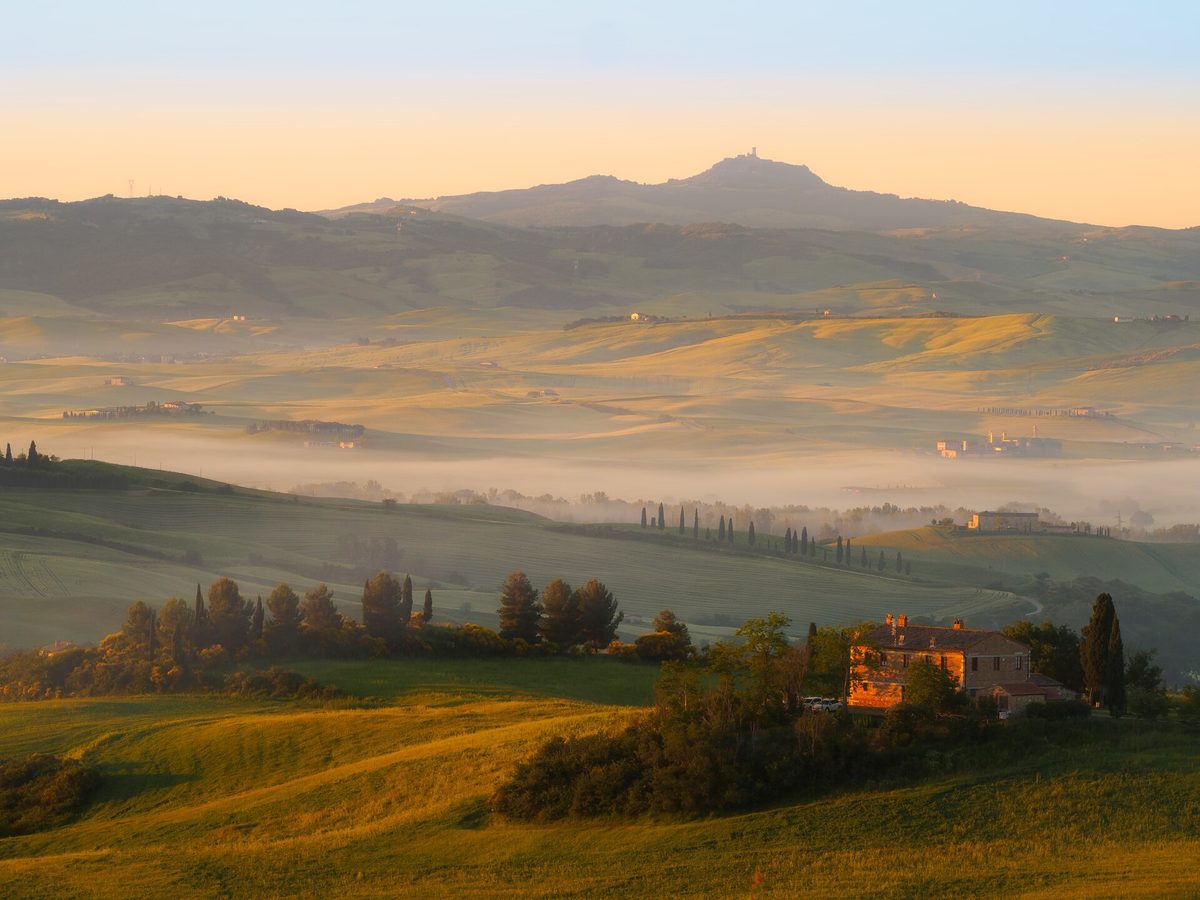
My practical rule: if you have two nights, focus on Florence. If you have three nights, add one easy day trip. If you have five or more nights in the region, consider splitting Florence and the countryside, especially if you want wineries, small towns, and evening views after the day-trippers leave.
The deeper regional planning page is Florence and Tuscany Travel Guide.
Venice: Stay Overnight If You Can
Venice is one of the most argued-about places in Italy because day crowds can make it feel impossible and early mornings can make it feel magical. Both versions are real. If you only visit for a few midday hours, you may mostly experience bottlenecks around the train station, Rialto, and St. Mark’s. If you sleep in Venice, walk before breakfast, ride vaporetto routes at quieter times, and explore Cannaregio, Dorsoduro, Castello, or the lagoon islands, the city makes much more sense.
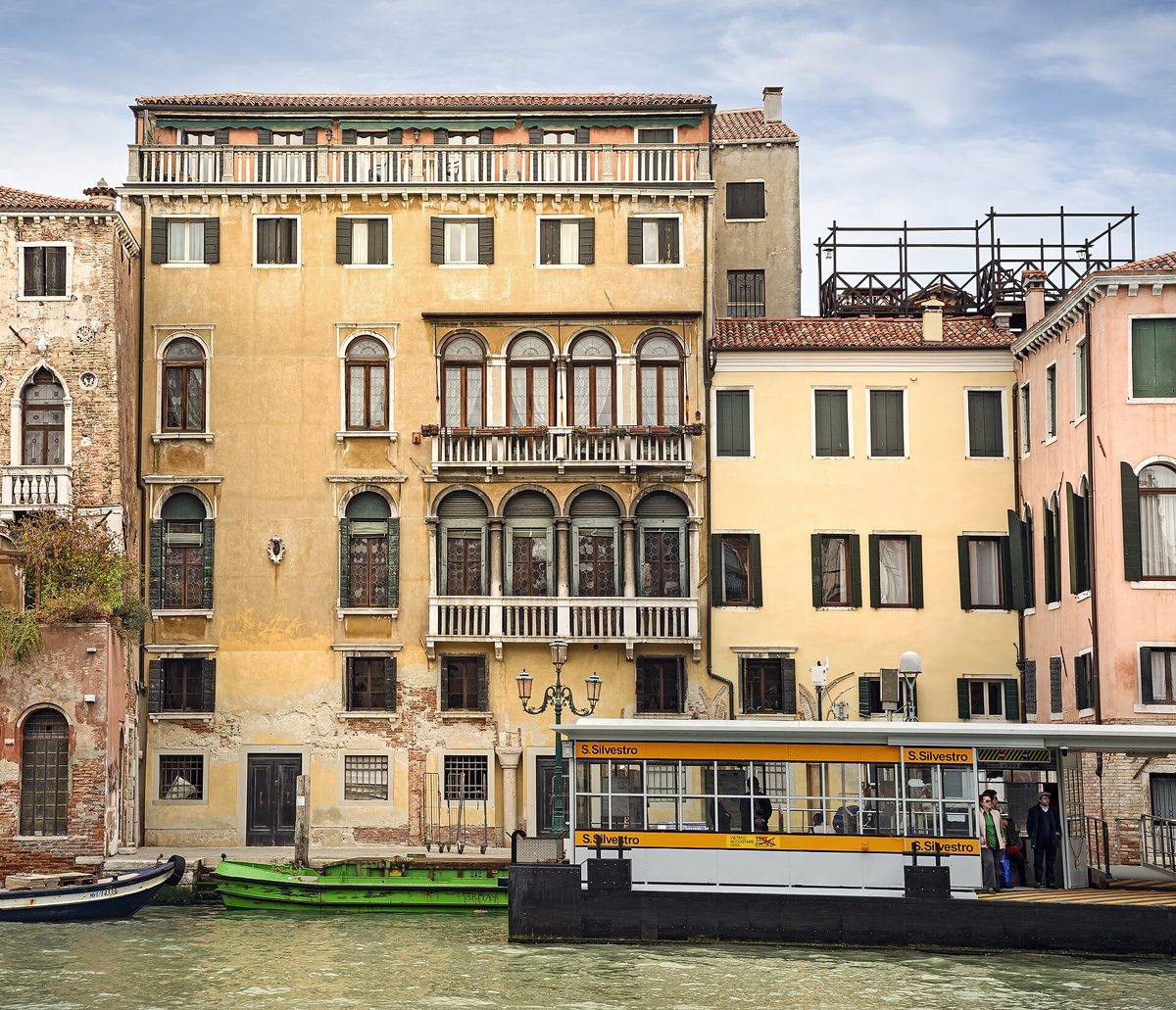
Two nights is a good first visit. Three is better if you want Murano, Burano, the Doge’s Palace, churches, cicchetti, and unhurried wandering. If hotel prices are high, Mestre can be a practical budget base, but it changes the feel of the trip. That is not wrong; it is just a tradeoff.
Venice also has visitor-management rules that can change. The official Venice access fee site is the place to check current day-visitor dates, exemptions, and payment rules before you go.
For neighborhoods, island trips, and crowd strategy, use Venice and Veneto Travel Guide.
When To Add Amalfi Coast, Naples, Or Campania
Campania is one of Italy’s most rewarding regions, but it is also where many first itineraries become too ambitious. Naples, Pompeii, Herculaneum, Capri, Sorrento, Positano, Amalfi, Ravello, and the wider coast can easily fill a week. Trying to attach all of it to a fast Rome-Florence-Venice trip can create a beautiful mess.
Add the Amalfi Coast if you have at least 12 to 14 nights in Italy, you want a romantic or scenic coastal section, and you are ready for higher prices and more complicated logistics. Add Naples if you care about food, archaeology, street life, and a less polished but more visceral city experience. Add Pompeii or Herculaneum as a day trip if ancient history is a priority.
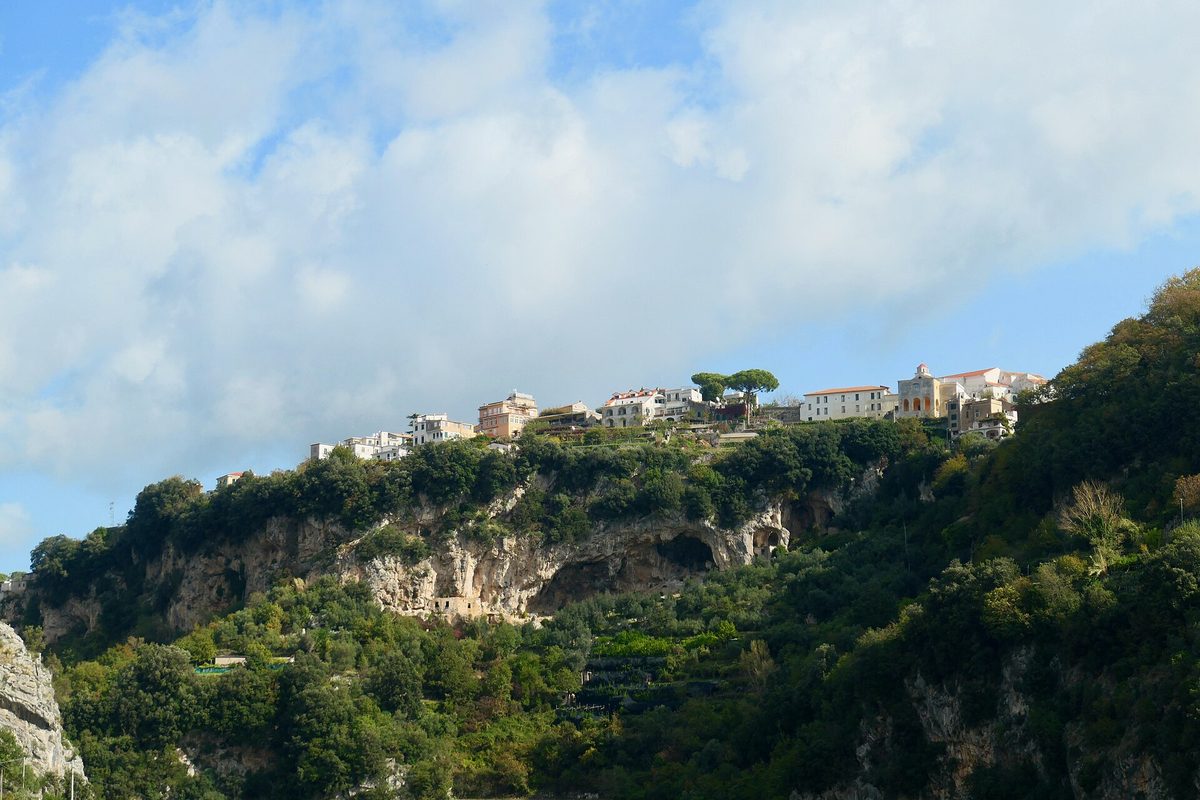
Base choice matters. Sorrento is practical for transport and day trips. Positano is scenic and expensive. Amalfi is central for the coast. Salerno can be more convenient than people expect, especially for trains and ferries in season. Naples is the best base for food and archaeology, but not a substitute for sleeping on the coast if sea views are the point.
The full regional hub is Amalfi Coast, Naples and Campania Travel Guide.
North, South, Islands, And Mountains: When To Save Them For Later
Italy’s famous first-trip triangle is not the only good option. It is just the easiest one to connect. The rest of the country deserves attention, but some regions work better as second trips or longer routes.
Milan and northern Italy make sense if you are flying into Milan, care about design and fashion, want to add Lake Como or Lake Garda, or plan to continue toward Switzerland, Austria, or France. Milan itself is not the softest first Italy city, but it is efficient, stylish, and useful. See Milan and Northern Italy Travel Guide if the north is your entry point.
The Italian Lakes are best when scenery and slow ferry days matter more than checking off famous art cities. Lake Como is the best-known, but Garda, Maggiore, Iseo, and Orta can be better fits depending on season and transport. Start with Italian Lakes Travel Guide.
The Dolomites and Italian Alps are not a casual detour from Rome. They are spectacular, but they depend heavily on season, lifts, weather, and local transport. Plan them as an outdoor section with enough nights to justify the distance. Use Dolomites and Italian Alps Travel Guide for that.
Puglia and southern Italy are excellent for slow travel, beaches, food, whitewashed towns, and road trips, but they are not as frictionless by train as the classic route. They shine when you give them time. Start with Puglia and Southern Italy Travel Guide.
Sicily is big enough to be its own vacation. Palermo, Cefalu, Trapani, Agrigento, Syracuse, Noto, Catania, Taormina, Etna, beaches, islands, and food routes cannot be squeezed into a tiny add-on without losing the point. Use Sicily Travel Guide if you are tempted by the island.
Sardinia is a beach and island trip first, not a simple mainland extension. It is magnificent, but the best parts often require a car and careful base planning. See Sardinia and Italy Beaches Travel Guide.
Best Time To Visit Italy
The best time to visit Italy starts with the trip you want. A museum-heavy Rome, Florence, and Venice trip can work almost year-round. A beach trip, Dolomites hiking trip, harvest route, or ferry-dependent coastal trip needs more seasonal precision.
For the broadest first-time route, I like April, May, early June, September, and October. These months usually balance daylight, outdoor dining, train comfort, sightseeing hours, and less extreme heat. They are not empty. Shoulder season is popular. But they are generally easier to manage than peak summer.
| Season | Best for | Watch-outs |
|---|---|---|
| March to April | Cities, museums, spring flowers, lower heat | Easter can be busy; weather can swing; some coastal services may still be limited. |
| May to early June | Classic first trips, Tuscany, lakes, city walks | Popular sights and hotels can already be expensive. Book early. |
| Late June to August | Beaches, islands, school-holiday travel, mountain escapes | Heat, crowds, higher prices, and August closures in some cities. |
| September to October | Classic routes, food, wine harvest energy, warm but softer weather | Still busy in major cities; October weather can be mixed by region. |
| November to February | Museums, food cities, lower hotel rates, quieter streets | Shorter days, colder weather, some coastal and rural closures, holiday peaks. |
If you are heat-sensitive, be careful with Rome, Florence, Venice, Naples, and inland towns in July and August. If you dream of swimming, do not pick March because flights are cheap. If you want the Dolomites, check whether you mean summer hikes, fall color, or winter skiing. If you want smaller coastal towns, confirm ferry and hotel seasons before you commit.
The timing hub is Best Time to Visit Italy: Weather, Crowds and Regional Seasons.
How To Get Around Italy
For a first Italy trip, trains are usually the backbone. High-speed trains connect major city pairs such as Rome, Florence, Bologna, Venice, Milan, Naples, Turin, and Verona. Trenitalia operates Frecce high-speed services and regional trains, while Italo operates private high-speed routes on major corridors. For official route, ticket, and rule checks, use Trenitalia and Italo.
Use trains when:
- You are traveling between major cities.
- You do not want to manage parking, tolls, ZTL restricted traffic zones, or rental paperwork.
- Your route is Rome, Florence, Venice, Milan, Naples, Bologna, Verona, or similar.
- You want predictable travel times and central arrivals.
Rent a car when:
- You are staying in rural Tuscany, Umbria, Puglia, Sicily, Sardinia, or the Dolomites.
- You want small villages, countryside restaurants, wineries, trailheads, or beaches with weak public transport.
- You are comfortable with tolls, parking rules, narrow roads, and local traffic restrictions.
Do not rent a car for central Rome, Florence, Venice, Naples, or Milan unless you have a specific reason. Venice has no normal car traffic in the historic center. Florence and Rome have ZTL zones that can create expensive mistakes. A car is freedom in the countryside and a burden in many cities.
Regional trains also have different rules from high-speed trains. Digital regional tickets may require check-in or validation steps before boarding, and paper tickets often need validation in machines before travel. Read your ticket and the current operator rules rather than assuming every train works the same way. This is one of the easiest mistakes to avoid.
For a full transport breakdown, use Italy Transportation Guide: Trains, Cars, Ferries, Airports and Local Transit.
Flights And Arrival Airports
Your arrival airport can shape the whole trip. Rome Fiumicino is the most obvious gateway for central and southern routes. Milan Malpensa works well for northern Italy, Lake Como, the Dolomites, Switzerland add-ons, and some cheaper long-haul fares. Venice is useful for northeastern routes and can be a beautiful start or finish. Naples helps Campania and the south. Florence, Pisa, Bologna, Catania, Palermo, Bari, and Olbia can be excellent regional gateways depending on your route.
Open-jaw flights are often worth pricing. That means flying into one city and home from another, such as into Rome and out of Venice, or into Milan and out of Rome. Even when the airfare is slightly higher, it can save a backtracking train day and one hotel night. Do the math before assuming a round trip is cheaper.
If you land early after an overnight flight, plan a gentle first day. I like a first day built around check-in, a simple walk, a good meal, and maybe one low-pressure sight. Do not schedule a prepaid, once-in-a-lifetime tour three hours after landing unless you are prepared to lose the money if the flight is late.
Where To Stay In Italy
Where you stay matters because Italy trips are built around bases. A good base reduces transfers, makes evenings easier, and gives you recovery time between major sights. A bad base can look cheaper on paper and cost you hours every day.
In big cities, stay where you can walk to dinner and transit. You do not need to sleep beside the most famous monument, but you do want a neighborhood that still works at 9 p.m. after a long day. In Rome, historic-center convenience, Trastevere atmosphere, Prati access, and Monti food-and-Colosseum proximity all suit different travelers. In Florence, the center and Oltrarno are both useful. In Venice, staying in the historic city changes the experience, while Mestre can lower costs. In Naples, choose carefully based on comfort, transit, and what you want from the city.
For countryside, beaches, and islands, base choice is even more important. In Tuscany, a villa outside a hill town is lovely only if you have a car and do not mind driving at night. On the Amalfi Coast, a town with ferry and bus access can matter more than the prettiest hotel terrace. In Sicily, Palermo and Catania solve different routes. In Puglia, Bari, Monopoli, Lecce, Ostuni, and countryside masserie are different trip styles.
The full base decision is covered in Where to Stay in Italy: Best Cities, Bases and Neighborhoods.
Italy Travel Budget: What To Expect
Italy can be mid-range, expensive, or occasionally affordable depending on season, city, and comfort level. Rome, Florence, Venice, Amalfi, Lake Como, and top beach areas can be expensive, especially from late spring through early fall. Bologna, Turin, Naples, Palermo, parts of Puglia, and smaller inland towns can offer better value, though the best hotels and restaurants in any popular area still price accordingly.
Think in ranges, not one national average:
| Travel style | Daily planning range per person, excluding long-haul flights | What it usually means |
|---|---|---|
| Budget-conscious | 80 to 150 EUR | Simple rooms or hostels, bakeries/cafes, free sights, regional trains, fewer paid tours. |
| Comfortable mid-range | 180 to 325 EUR | Good local hotels or apartments, casual restaurants, paid sights, some taxis or tours, high-speed trains booked ahead. |
| Higher-comfort | 350 EUR and up | Central hotels, private transfers, guided experiences, finer dining, flexible tickets, premium rooms or views. |
These are planning ranges, not promises. Venice during a major event, Positano in summer, or Rome near peak dates can break any neat average. A slower route can save money because you transfer less. Booking trains early can help on high-speed routes. Eating well does not have to mean fine dining. Standing at a cafe counter for breakfast, choosing trattorie away from the most obvious squares, and learning a few regional dishes will usually improve both the food and the budget.
Remember local extras: city tourist taxes, museum reservations, luggage storage, beach clubs, ferries, taxis from late arrivals, and airport transfers. They are not always huge individually, but they add up.
For cost examples by route and style, use Italy Travel Budget: Realistic Costs, Money-Saving Tips and Trip Examples.
What To Book Before You Go
Italy is not a country where every good experience must be booked months ahead, but the famous bottlenecks are real. The goal is to book the pieces that can ruin the route if they sell out, then leave enough open space for the trip to feel alive.
| When | What to book | Why it matters |
|---|---|---|
| 6 to 9 months ahead | Flights, rough route, high-demand hotels for peak dates, special occasion stays | Best choice in Rome, Florence, Venice, Amalfi, lakes, islands, and small towns can disappear early. |
| 3 to 5 months ahead | Core city hotels, major tours, limited-entry experiences, rental car if needed | This is when the trip becomes real and the best-located options narrow. |
| 1 to 3 months ahead | High-speed trains, timed-entry museums, Colosseum/Vatican-style anchors, food tours | Train prices and ticket availability can shift. Major sights need date-specific planning. |
| Final 2 weeks | Restaurant shortlist, local transit notes, weather-based packing, ticket confirmations | This is the practical layer that keeps the trip smooth. |
Do not overbook every day. I like one major reservation per day, sometimes two if they are close and predictable. A 9 a.m. museum and a 7:30 p.m. restaurant can work. A morning Vatican tour, midday train, hotel transfer, sunset food tour, and prepaid late show is a fragile day.
The detailed timeline is Italy Trip Planner: Step-by-Step Booking Timeline. For the packing and paperwork side, use Italy Travel Checklist: Documents, Apps, Packing and Tickets.
Documents, Entry Rules, And Practical Basics
For many non-EU visitors, Italy is part of the Schengen short-stay area. For example, the Italian consular guidance for American citizens says U.S. citizens can enter Italy for tourism or business without a visa for up to 90 days in a 180-day period; always confirm your own nationality’s rules through an official source before travel. Start with the relevant Italian consulate or the official Visa for Italy portal.
As of the May 25, 2026 fact check, the EU’s ETIAS travel authorization system is planned for launch in the last quarter of 2026 and is not something to leave to rumor or old blog posts. Check the official ETIAS site before travel, especially if your trip is later in 2026 or beyond.
Other practical basics:
- Passport validity: check airline, Schengen, and nationality-specific rules before booking.
- Travel insurance: useful for medical issues, cancellations, delays, and expensive prepaid bookings.
- Emergency number: 112 is the common European emergency number.
- Money: cards are widely used, but carry some cash for small purchases, rural areas, markets, and backup.
- Power: Italy uses European-style plugs; bring the right adapter.
- Phone data: an eSIM, roaming plan, or local SIM makes trains, maps, tickets, and messaging easier.
- Driving: visitors who rent a car may need an International Driving Permit depending on license country and rental policy. Confirm with official guidance and the rental company before you arrive.
For a deeper safety and practical guide, use Italy Travel Tips: Safety, Etiquette, Scams, Rules and Practical Information.
Food And Wine: Plan By Region
One of the best ways to make an Italy trip feel less generic is to eat regionally. Do not travel all the way to Naples and order as if you are in Milan. Do not go to Emilia-Romagna and ignore pasta, cured meats, Parmigiano Reggiano, balsamic vinegar, and filled pastas. Do not visit Sicily and eat the same menu you saw beside the Pantheon.
Food planning does not mean booking every restaurant. It means knowing what a region does well and leaving space for it. In Rome, think carbonara, amatriciana, cacio e pepe, artichokes in season, pizza al taglio, and neighborhood trattorie. In Naples, pizza is essential, but so are pastries, seafood, fried snacks, and street food. In Florence and Tuscany, steak, beans, soups, wild boar, pecorino, and wine country meals shape the trip. In Venice, cicchetti and seafood make more sense than chasing a generic pasta dish beside the busiest canals.
Coffee culture is simple once you relax. Breakfast is often small and sweet. Cappuccino is usually a morning drink, though no one is going to arrest a tourist for ordering one later. Standing at the bar can cost less than sitting at a table in some cafes. Water may not be free by default. Tipping is not the same as in the United States; rounding or leaving a small amount for good service is common, but large percentage tips are not the baseline expectation.
The food hub is Italy Food and Wine Travel Guide: What to Eat by Region.
Common Italy Travel Mistakes
Most Italy mistakes come from understandable excitement. People add places because they have heard of them, not because they fit the route. They underestimate transfers. They book hotels outside the useful center to save money, then spend the difference on taxis and lost time. They rent cars in cities. They do not check train-ticket rules. They visit Venice only at the most crowded time of day. They choose August for a museum-heavy city trip and then wonder why everyone is hot and tired.
The biggest mistakes to avoid:
- Changing bases too often.
- Counting travel days as full sightseeing days.
- Building a route around Instagram geography instead of train lines.
- Renting a car before understanding ZTL zones and parking.
- Booking famous sights too late in peak season.
- Treating all of Italy as if it has the same food, climate, and transport.
- Leaving no unscheduled time.
- Staying too far from the area you want to experience.
- Forgetting that beaches, ferries, lifts, and rural hotels can be seasonal.
- Planning a trip that looks impressive but feels exhausting.
The full support article is Italy Travel Mistakes to Avoid. Read it before you pay for nonrefundable hotels.
Different Trip Styles
The best Italy trip also changes with who is traveling.
Couples often do well with fewer bases, better rooms, and one atmospheric region such as Venice, Tuscany, Amalfi, Lake Como, Sicily, or Puglia. It is easy to overfill a romantic trip until it stops feeling romantic. The dedicated guide is Italy for Couples: Romantic Trip Ideas by Region.
Families usually need more apartment-style stays, shorter transfer days, earlier dinners, and routes that mix major sights with parks, beaches, gelato stops, hands-on activities, and downtime. Rome, Florence, Venice, Tuscany, lakes, and beaches can work, but the pace has to be honest. Use Italy for Families: Kid-Friendly Cities and Routes.
Solo travelers can have a brilliant Italy trip because trains are useful, city centers are walkable, and food culture can be casual if you choose the right places. The main challenge is comfort in the evenings, luggage management, and avoiding isolated bases without a car. Start with Italy Solo Travel Guide.
A Step-By-Step Italy Planning Process
If you are starting from a blank page, use this order.
1. Choose the trip length
Decide how many nights you have in Italy. Be honest about arrival and departure days. If you have seven nights, choose two or three bases. If you have 10 nights, choose three bases or three plus a very easy add-on. If you have two weeks, choose three to four bases.
2. Choose the season
Season changes the whole route. May and September are flexible. July and August favor beaches, islands, mountains, and heat-tolerant city plans. Winter favors museums, food cities, lower rates, and holiday atmosphere. Do not choose a route that depends on ferries, beach clubs, or mountain lifts without checking the season.
3. Choose your route style
Pick one main style:
- Classic first trip: Rome, Florence/Tuscany, Venice.
- Food and archaeology: Rome, Naples, Pompeii, Amalfi or Sicily.
- North and lakes: Milan, Lake Como or Garda, Verona, Venice, Dolomites.
- Countryside and wine: Florence, Siena, Val d’Orcia, Umbria, Bologna.
- Beaches and slow south: Puglia, Sicily, Sardinia, or Campania.
4. Pick bases before day trips
Bases are where the trip succeeds or fails. Do not list day trips until you know where you are sleeping. A day trip that looks easy from Florence may not be easy from rural Tuscany. A coast day that looks simple from Naples may be very different from Positano, Sorrento, or Salerno.
5. Check transfers
Use train schedules and realistic drive times before booking hotels. Pay attention to station changes, ferry seasons, luggage, and late arrivals. A three-hour journey can consume half a day after packing, checkout, transit to the station, waiting, riding, arrival, transit to the hotel, check-in, and orientation.
6. Book the anchors
Flights, hotels, car rental if needed, high-speed trains, and major timed-entry sights are the anchors. Once these are set, you can add restaurants, food tours, local walks, beach days, and day trips.
7. Leave room for Italy
This sounds sentimental, but it is practical. Italy is full of small delays and small pleasures. A church is closed for lunch. A train is late. A restaurant you wanted is full. A street musician holds you for 20 minutes. A shopkeeper recommends a different wine bar. If every hour is assigned, the trip has no room to recover or surprise you.
Suggested Internal Planning Path
Start with the decision in front of you, then move to the guide that solves it:
| If you are deciding… | Read next |
|---|---|
| How long the trip should be | How Many Days in Italy Do You Need? |
| Which places to choose first | First Time in Italy: Where to Go and What to Skip |
| The exact route by trip length | Best Italy Itineraries |
| Train, car, ferry, or flight logistics | Italy Transportation Guide |
| Month and season | Best Time to Visit Italy |
| Costs and daily budget | Italy Travel Budget |
| Accommodation bases | Where to Stay in Italy |
| Mistakes and practical traps | Italy Travel Mistakes to Avoid |
| Documents, apps, packing, and tickets | Italy Travel Checklist |
Frequently Asked Questions
How many days do you need in Italy?
For a first trip, 10 to 14 days is the sweet spot. Seven days can work if you limit the route to one or two regions. With 10 days, you can do Rome, Florence, and Venice at a moderate pace. With two weeks, you can add a coast, countryside, lakes, Naples, Bologna, or another focused extension.
What is the best Italy itinerary for a first trip?
The best first Italy itinerary for most travelers is Rome, Florence/Tuscany, and Venice, with one optional extension if you have enough nights. This route works because it combines ancient history, Renaissance art, Tuscan food and wine, and Venice’s canals while staying practical by train.
Is Italy better by train or car?
Italy is usually better by train for major cities and better by car for countryside, rural coast, mountains, and small villages. Do not rent a car just to connect Rome, Florence, Venice, Milan, Bologna, Naples, or Verona. Do consider a car for rural Tuscany, Puglia, Sicily, Sardinia, the Dolomites, and parts of Umbria.
What is the best month to visit Italy?
May, September, and October are excellent for many first-time trips because they balance weather, daylight, and sightseeing comfort. April and early June can also be very good. July and August are better for beach and mountain trips than for heat-sensitive city sightseeing.
Is Rome, Florence, Venice, and Amalfi too much for 10 days?
For most travelers, yes. It is possible, but it is rushed. With 10 days, Rome, Florence, and Venice already fill the trip well. Add Amalfi only if you cut something else, accept faster movement, or have a strong reason to prioritize the coast.
Should I visit Venice as a day trip?
Only if you have no other choice. Venice is much better with at least one night because early morning and evening are the best times to experience the city with fewer day crowds. Two nights is a better first visit.
How far ahead should I book Italy?
For peak spring, summer, early fall, holidays, and famous destinations, start planning 6 to 9 months ahead if you care about hotel choice. Book core hotels first, then high-speed trains and timed-entry sights as your dates firm up. Last-minute trips can work, but they require flexibility.
Do I need cash in Italy?
You can use cards widely, especially in cities, hotels, restaurants, and train stations. Still carry some cash for small purchases, local markets, rural areas, tips, public bathrooms, backup, and places where a card machine is not convenient.
Is Italy safe for tourists?
Italy is generally safe for tourists, but petty theft and scams can happen in crowded areas, major stations, busy squares, and tourist bottlenecks. Use normal city awareness: secure your bag, watch phones on cafe tables, avoid distraction scams, and be extra alert around transit hubs.
What should I skip on a first Italy trip?
Skip anything that makes the route too rushed. That may mean saving Sicily, Puglia, Sardinia, the Dolomites, or the Amalfi Coast for a future trip if you only have a week or 10 days. It is better to miss a famous place than to turn the whole trip into transfers.
Final Advice
The best Italy trip is not the longest list of places. It is the route where your nights, transfers, season, budget, and interests agree with each other. Choose fewer bases and make them count.
Start with the number of nights. Choose your season. Pick a route style. Use trains for the classic cities. Add a car only where it improves the trip. Book the few things that must be booked, then leave room for the unplanned parts of Italy that no guide can schedule for you.
When you are ready to turn this into a day-by-day plan, continue with Italy Itineraries, Italy Transportation Guide, and Best Time to Visit Italy.
Photo credits
- View of the Colosseum in Rome, Italy — Italy travel guide — Wilfredor (CC0)
- Rolling Tuscan landscape near Florence — Fabrizio Lunardi (CC0)
- Gondolas and canals in Venice — Didier Descouens (CC BY-SA 4.0)
- Scenic view of the Amalfi Coast — Bruno Rijsman (CC BY-SA 2.0)
Sources And Fact Checks
- Official Italy tourism planning context: Italia.it
- Italy tourism demand data: ISTAT Tourist Flows, Fourth Quarter 2024
- Short-stay Schengen guidance for U.S. citizens: Consulate General of Italy in Chicago
- Italy visa portal: Visa for Italy
- ETIAS launch and travel authorization guidance: European Union ETIAS
- Official train operators: Trenitalia and Italo
- Venice access-fee information: Comune di Venezia visitor contribution
- UNESCO context: World Heritage Centre, Italy