Best Hikes in the Dolomites for First-Time Visitors
The Dolomites are not hard to hike because the trails are brutal. They are hard because there are too many, and almost none of the lists tell you which ones a first-timer should actually start with.
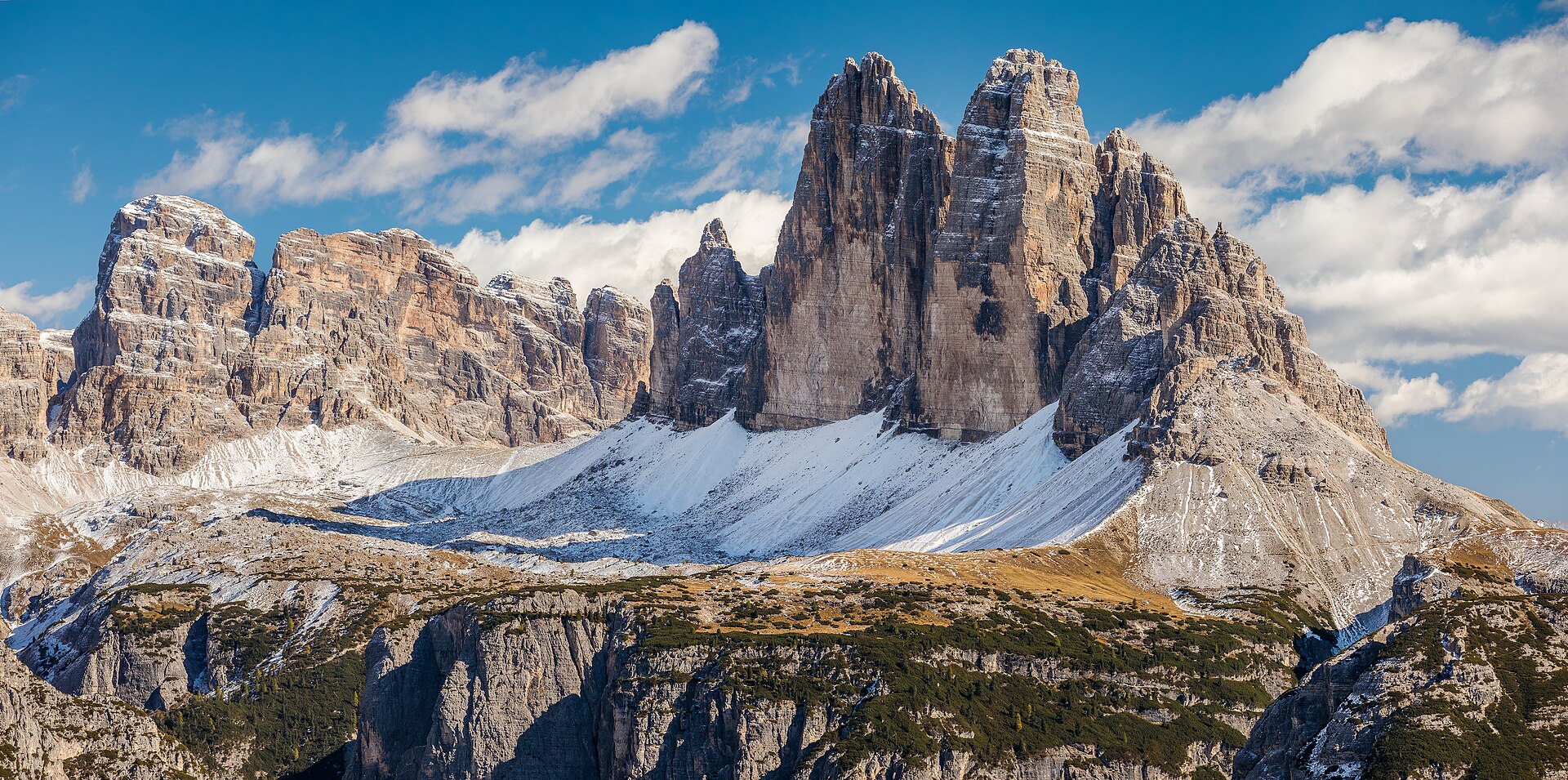
So here it is, straight: the best hikes Dolomites first-timers should prioritise are the Lago di Braies shore loop, the Seceda ridgeline, the Cinque Torri circuit, and the Tre Cime di Lavaredo loop. Add Alpe di Siusi or the Adolf Munkel Weg if you have a spare day. Those five give you the postcard Dolomites without needing to be an athlete.
This guide is for people who can walk a few hours on uneven ground but are not “alpine club” hikers. If that is you, you are in exactly the right place. I have rated every hike honestly, told you which ones get a lift assist, which ones get mobbed, and which ones you can reach without a car.
The best hikes Dolomites first-timers should know: at a glance
Here is the short version. Distances and elevation are approximate and pulled from a mix of guidebooks, tourism boards, and trail apps, so treat them as planning numbers, not gospel. GPS readings vary by a kilometre or two on the longer loops.
| Hike | Distance | Elevation gain | Difficulty | Time | Trailhead / car? |
|---|---|---|---|---|---|
| Lago di Braies shore loop | ~3.5 km | ~100 m | Easy | 1.5–2 hrs | Pragser Wildsee; bus or restricted car |
| Cinque Torri circuit | ~1.9 km | ~130 m | Easy | 1 hr | Cinque Torri lift / Passo Falzarego; car or bus |
| Seceda ridgeline (viewpoint + walk) | ~1.3–4 km | ~110–250 m | Easy | 1–2.5 hrs | Ortisei cable car; reachable by bus |
| Alpe di Siusi (Compatsch–Saltria) | ~6.8 km | mostly downhill | Easy | 2–3 hrs | Compatsch; cable car / bus, car limited |
| Adolf Munkel Weg, Val di Funes | ~9 km | ~440 m | Easy–moderate | 4–6 hrs | Zans / Zanser Alm; car or seasonal bus |
| Tre Cime di Lavaredo loop | ~10 km | ~425 m | Moderate | 3–5 hrs | Rifugio Auronzo; reserved car or bus |
| Lago di Sorapis | ~10.5–12.5 km | ~460 m | Moderate | 4–5 hrs | Passo Tre Croci; car or bus |
| Vajolet Towers (Catinaccio) | ~8–10 km | ~670 m+ | Moderate (light scramble) | 5–6 hrs | Vigo di Fassa cable car; car or bus |
| Alta Via 1 (taste of a stage) | ~12 km/day | ~700–900 m/day | Strenuous | multi-day | Lago di Braies start; bus reachable |
Easy hikes in the Dolomites: where first-timers should start
If you have never hiked at altitude and you want the views without the suffering, start with the easy hikes Dolomites veterans recommend to nervous beginners. These three deliver the famous scenery, use lifts or flat ground to skip the punishing climbs, and can be done by most reasonably fit adults and older kids.
Lago di Braies shore loop (the gentlest famous hike)
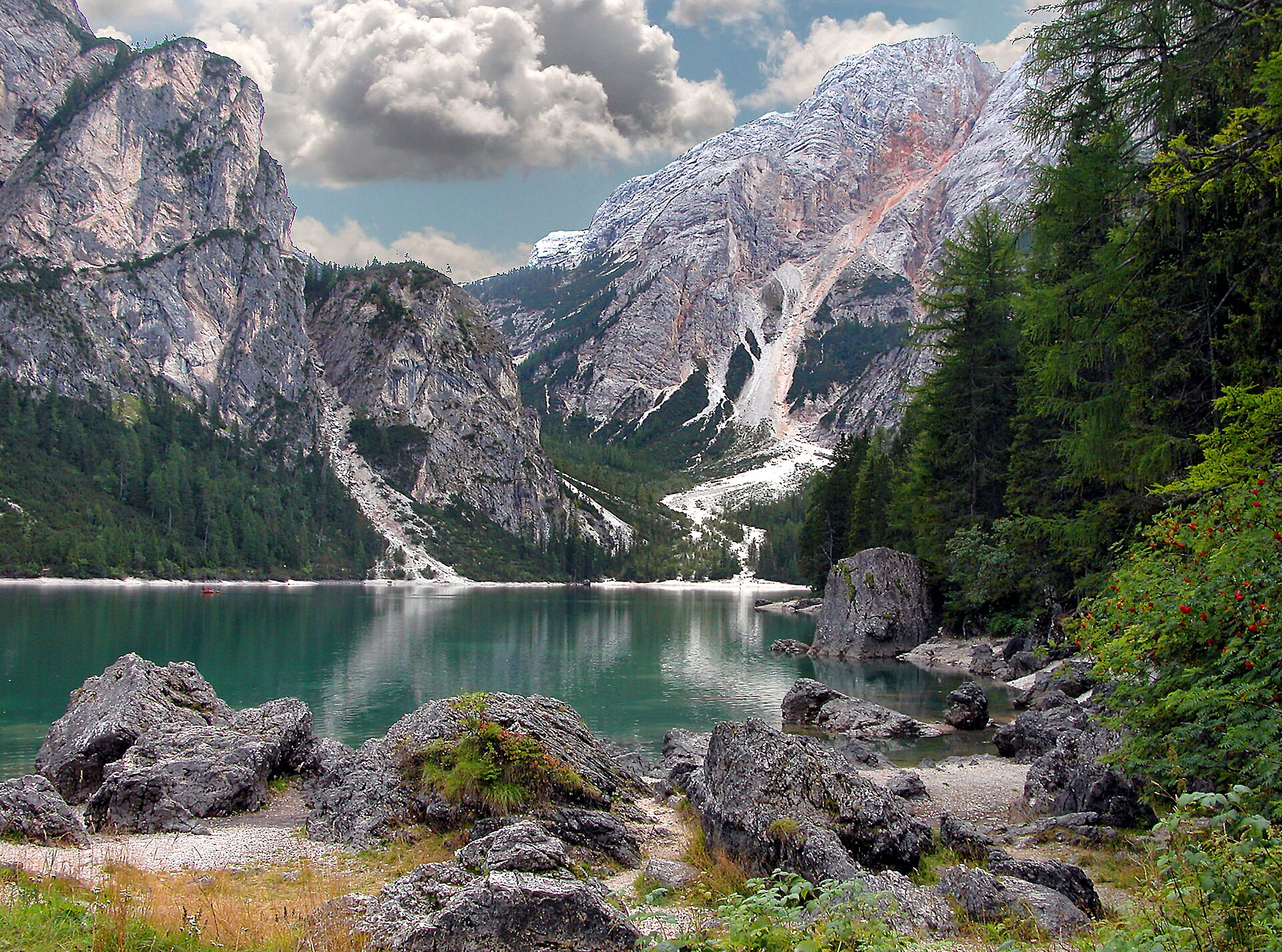
This is the turquoise lake with the red rowboats you have seen a thousand times. The full shoreline loop runs about 3.5 km with barely 100 m of elevation, and it takes most people 1.5 to 2 hours with photo stops. The right-hand side is flat and stroller-friendly; the left side gets a little rockier and more interesting.
It is the easiest hike on this list and the most crowded. The trick is to walk to the far end of the lake, where the day-trippers thin out and you get the reflection shots without forty people in frame. Go early or late.
Honest logistics warning: in peak summer you generally cannot drive all the way to the lake during the busy midday window. As of 2026, restrictions run roughly July to early September, around 9:30 to 16:00, when you need a vehicle reservation or the public bus. Check suedtirol.info before you go, because the exact dates and hours shift year to year. There is more detail in my guide to visiting the Dolomites without a car.
What to pack: just trainers, sunscreen, and water. This one does not need boots.
Cinque Torri circuit (huge views, almost no effort)
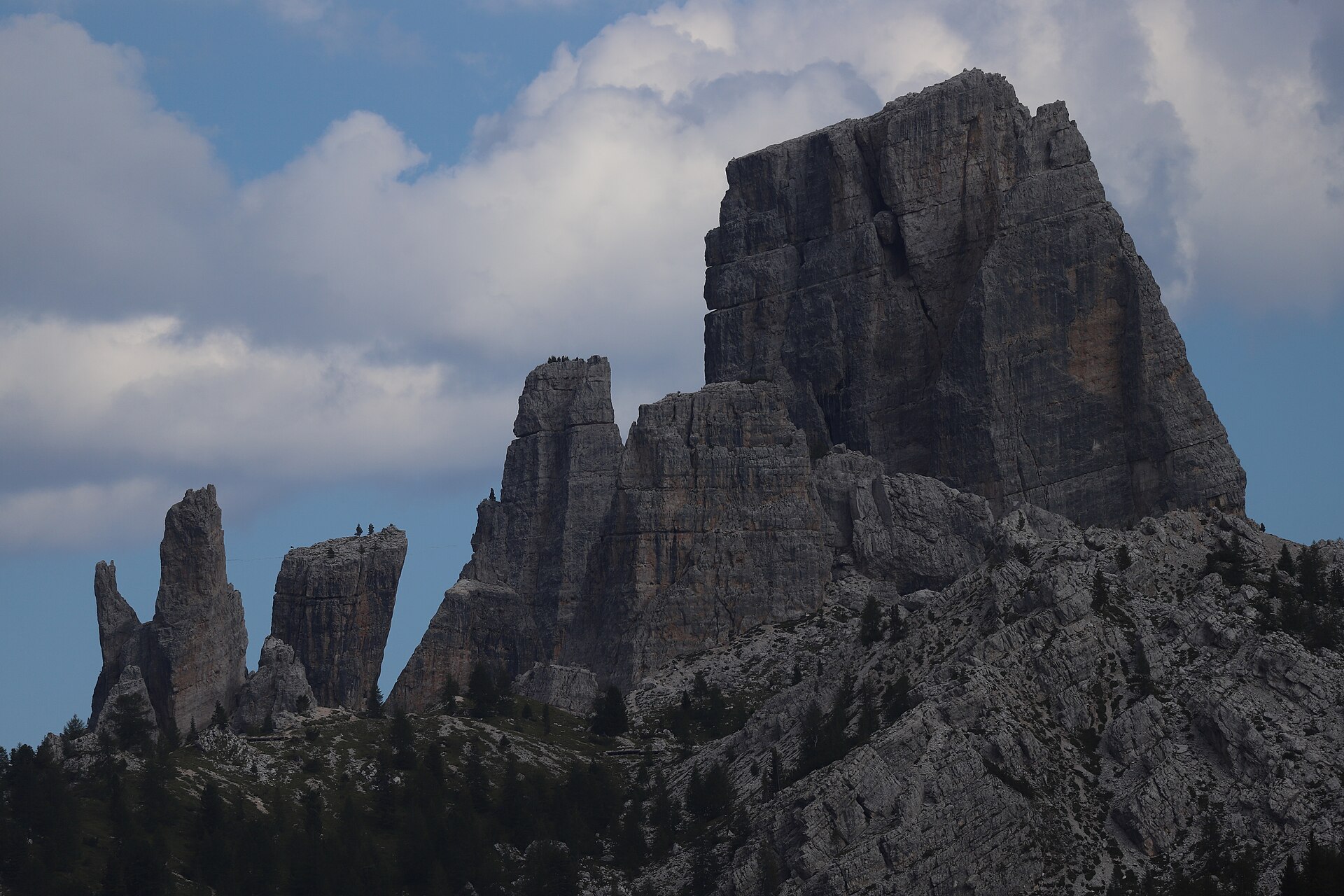
Five rock towers, a loop of under 2 km, and roughly 130 m of climbing. The Giro delle Torri circles the formation in about an hour and serves up some of the best reward-per-step in the whole region. It is also an open-air World War I museum, with restored trenches and gun positions you can walk straight through.
You can take a chairlift up from near Passo Falzarego, or drive to the small parking area. I would combine it with lunch at Rifugio Averau or Rifugio Nuvolau if you have the legs; that turns it into a roughly 6 km half-day with a 360-degree summit view and the best pasta I ate in the mountains.
This is one of the easiest standout hikes you can do, which makes it a perfect first morning to shake off the jet lag.
Seceda ridgeline (the razor-edge peaks, mostly by lift)
Seceda is that wall of tilted, knife-edge peaks rising out of green meadow. The genius of it is the cable car from Ortisei in Val Gardena, which lifts you to around 2,500 m and does all the brutal climbing for you.
From the top station, the iconic viewpoint is a short, steep 1.3 km there-and-back; the full experience to the Pieralongia rock formation and back is closer to 4 km and still genuinely easy. You walk a high, open ridgeline with huts scattered along it for coffee and dumplings. If you want more, you can carry on and ride a different lift down at Col Raiser.
This is the hike I would send a sceptical partner on to convert them. Bring a windproof layer, though, because that ridge is exposed and the weather turns on a coin. Val Gardena is also a fine base, which I cover in the full Val Gardena guide.
The Tre Cime hike: the one everyone comes for
The Tre Cime hike is the symbol of the Dolomites, three vertical limestone monoliths you loop all the way around. The full circuit is about 10 km with roughly 425 m of climbing, rated moderate, and most first-timers finish it in 3 to 5 hours. It starts and ends at Rifugio Auronzo.
Here is the candid bit. The first stretch from Auronzo to Rifugio Lavaredo is flat, wide, and so busy that people push strollers on it. Most day-trippers turn around at the Forcella Lavaredo viewpoint and never see the best half. If you continue past Rifugio Locatelli and complete the loop, the crowds evaporate and the views get better, not worse. Do the whole thing.
Access is the catch. The toll road to Rifugio Auronzo typically opens in early June, and in summer the only way to park at the trailhead is a reservation made online in advance. Buses run from Misurina, Cortina, and Dobbiaco, roughly early June through mid-to-late October as of 2026, but confirm dates on dolomiti.org or the local transport sites first.
Because this trail deserves its own deep-dive on parking, reservations, and the best direction to walk it, I wrote a dedicated Tre Cime di Lavaredo guide. Read that before you go.
Slightly tougher day hikes worth the sweat
Once you have a couple of easy days in your legs, these moderate hikes are the natural next step. They are longer, they climb more, and a couple have short technical bits, but none require ropes or real mountaineering.
Alpe di Siusi: a meadow walk you can make as easy as you like
Alpe di Siusi (Seiser Alm) is the largest high-alpine meadow in Europe, a rolling green plateau with the jagged Sassolungo looming over it. The classic first-timer route walks from Compatsch down to Saltria, around 6.8 km, mostly gentle downhill, in 2 to 3 hours past a string of huts. From Saltria you catch the bus back so you skip the climb home.
This is some of the best easy walking in the Dolomites if you want big scenery with low effort. Private cars are restricted on the plateau during the day in season, so plan to use the cable car from Seis or the local buses. It is also a brilliant choice for families; see the Italy family vacation guide for more kid-friendly planning.
Adolf Munkel Weg, Val di Funes (the underrated one)
This trail runs along the base of the Odle/Geisler spires in Val di Funes, and it is my pick for the most beautiful walk that most tourists skip. The circular version is around 9 km with about 440 m of gain, rated easy-to-moderate, and takes 4 to 6 hours including a long lunch at Geisler Alm or one of the other huts.
The first twenty minutes are a dull, shadeless uphill slog; do not let that put you off, because the moment you reach the forest path the wall of peaks unfolds and does not stop. The trailhead is the Zans (Zanser Alm) car park, which fills early. Pair it with a stop at the famous St. Magdalena church viewpoint on your way out.
Lago di Sorapis (gorgeous, popular, and not as easy as it looks)
A milky, unreal blue lake under sheer cliffs. The out-and-back from Passo Tre Croci runs roughly 10.5 to 12.5 km with about 460 m of gain, and most people call it 4 to 5 hours. It is rated moderate, but there are exposed sections with fixed metal cables and a couple of ladders that can rattle nervous walkers.
It is also mobbed; hundreds of hikers a day in summer. Go at first light or skip July and August weekends entirely. Good boots with grip are non-negotiable here, and I would not do it in the wet.
Vajolet Towers, Catinaccio (a real mountain feel)
If you want to feel like you have earned an alpine day, the Vajolet Towers in the Catinaccio (Rosengarten) are spectacular. Take the cable car from Vigo di Fassa up to Ciampedie, follow the gentle trail 540 to Gardeccia, then 546 up to Rifugio Vajolet at around 2,243 m. The base hike is moderate; pushing on via trail 542 toward Rifugio Re Alberto adds a short, cabled scramble and gets you right under the towers.
Depending on how high you go, expect 670 m of climbing or considerably more, and a full 5 to 6 hour day with stops. This is the one on the easy-to-moderate list that earns its “moderate” tag honestly.
Going further: a taste of hut-to-hut on the Alta Via 1
If the day hikes light a fire in you, the Alta Via 1 is the famous long-distance route, and it is the most beginner-friendly of the high traverses because it does not require any via ferrata. It runs roughly 6 to 10 days end to end, with hikers covering around 13 km and 700 to 900 m of climbing on an average day, sleeping in mountain huts (rifugi) along the way.
You do not have to commit to the whole thing. The route starts at Lago di Braies, and walking the first stage up toward Rifugio Biella and back, or doing two days and busing out, gives you the hut experience as a taster. Be honest with yourself, though: this is strenuous, with long days and real elevation, so it is a “second trip” goal for most first-timers rather than a debut.
Huts generally open from around mid-June to late September, occasionally into early October, and they book out months ahead in summer. Reserve early and check altavia1.org and the individual rifugio sites for current opening dates and prices, which change every season. If you are weighing a bigger northern loop, the northern Italy itinerary shows how the Dolomites fit alongside Venice and the lakes.
How to reach the trailheads without a car
You can absolutely hike the Dolomites car-free, and for the headline trails it is often easier than driving. Seasonal buses (SüdtirolMobil, DolomitiBus, and local shuttles) link the main valleys, Cortina, and the big trailheads from roughly early June to mid-October. Seceda, Lago di Braies, and Tre Cime are all reachable by public transport in season.
That said, a car gives you freedom for the quieter trailheads like Val di Funes early in the morning. If you do drive, read up on our guide to Italian roads and ZTLs and the wider Italy transportation picture first, and know that many trailheads (Braies, Alpe di Siusi, Tre Cime) restrict or reserve parking in peak season. The dedicated Dolomites without a car guide has the bus logistics in detail.
For where to base yourself near these trails, see where to base yourself in the Dolomites, and if you want a structured route, the day-by-day Dolomites plan strings the best of these hikes together. For the full regional picture, start with the Dolomites and Alps travel guide. Cortina makes a strong eastern base, covered in the full Cortina d’Ampezzo guide.
What to pack for a day hike in the Dolomites
The mountains here make their own weather, and “it was sunny at the car park” means nothing at 2,500 m. My standard day pack:
- Proper hiking shoes or boots with grip (essential for Sorapis, Vajolet, Adolf Munkel; trainers are fine for Braies)
- A waterproof shell and a warm mid-layer, even in August
- At least 1.5 to 2 litres of water, plus euros in cash for hut lunches
- Sun cream, sunglasses, and a hat; UV is fierce at altitude
- A small first-aid kit, a charged phone, and an offline trail map
- Layers you can strip off on the climb and pile on at the windy top
Nothing here is technical. For a fuller checklist that covers the rest of your trip, see the Italy packing rundown.
Reading the weather and staying safe on Dolomites trails
The single thing that catches first-timers out here is not fitness. It is weather. Summer mornings in the Dolomites are often clear and calm, then clouds build through the afternoon and thunderstorms roll in, frequently after about 2 or 3 p.m. The fix is simple: start early. Be on the trail by 8 or 9, aim to be off exposed ridgelines and high passes by early afternoon, and treat a clear 7 a.m. as your window, not a promise the whole day will hold.
Check a mountain-specific forecast the night before and again at breakfast. The South Tyrol and Trentino tourism boards publish local mountain forecasts, and most rifugi post the day’s outlook by the door. If thunderstorms are predicted, swap a high ridge like Seceda for a sheltered valley or lake walk that day. The mountains are not going anywhere.
Trails are marked with red-and-white paint blazes and numbered signposts maintained by the CAI, the Italian Alpine Club. Each junction has yellow signs with destinations and rough walking times. Download an offline map before you go, because phone signal drops in the valleys, and screenshot your route. Wear real boots with grip for anything beyond a lakeside stroll, since the pale Dolomite rock turns slick when wet.
Two more habits worth keeping. Carry some cash, because many huts do not take cards and a hot lunch mid-walk is half the joy. And tell someone your plan, or at least your turnaround time. None of this is about fear. It is about giving yourself the freedom to enjoy big mountains without a nasty surprise.
Final thoughts
The best hikes in the Dolomites for first-timers are not the longest or the hardest; they are the ones that hand you those impossible peaks for a fair amount of effort. Start easy, respect the weather, book your Tre Cime parking or bus early, and let the huts slow you down. Do that and you will leave already planning the trip back for the trails you did not have time for.
Questions travellers ask
What is the best hike in the Dolomites for a first-timer?
If you only do one, do the Tre Cime di Lavaredo loop; it is the postcard view and, at around 10 km of moderate walking, it is achievable for most people. But honestly, start with an easier warm-up like Cinque Torri or the Lago di Braies shore loop on day one, then tackle Tre Cime once you have found your altitude legs.
Are there easy hikes in the Dolomites for non-hikers?
Yes, plenty. The Lago di Braies shore loop, the Cinque Torri circuit, the Seceda viewpoint walk, and the meadow stroll across Alpe di Siusi are all short, gentle, and lift- or bus-assisted. They deliver the famous scenery without steep climbing, and most are doable in trainers by anyone who can walk a couple of comfortable hours.
When is the best time to hike in the Dolomites?
The reliable window runs roughly mid-June through late September, when trails are snow-free, lifts run, and huts are open. Early September is a sweet spot: smaller crowds, but services still operating. Some lifts and huts begin closing in mid-to-late September, and October brings autumn colour but colder, shorter days. Confirm current dates on suedtirol.info.
How hard is the Tre Cime hike, really?
The Tre Cime loop is genuinely moderate, not hard: about 10 km, 425 m of gain, on wide, well-maintained paths with no scrambling. The first section is flat and easy. Reasonably fit beginners and active older children manage it fine in 3 to 5 hours. The main effort is the gentle climb after Rifugio Lavaredo, which is steady rather than brutal.
Which Dolomites hikes are the most crowded?
Lago di Braies, Tre Cime di Lavaredo, Seceda, and Lago di Sorapis draw the biggest crowds, especially July and August weekends. You can still enjoy them: arrive at sunrise, walk the full loop (most people turn back early), or visit in September. Quieter alternatives with comparable views include the Croda da Lago circuit and the Adolf Munkel Weg in Val di Funes.
Do I need a car to hike in the Dolomites?
No. Seasonal buses connect the valleys and reach major trailheads like Seceda, Braies, and Tre Cime from around June to October. A car adds flexibility for early starts at quieter trailheads, but several headline trailheads restrict or require reserved parking in peak season anyway, so public transport is often the simpler choice. See my Dolomites-without-a-car guide for routes.
Are the Dolomites good for hiking with kids?
Very. Many trails start with a cable car that removes the worst climb, the huts make natural lunch and playground stops, and routes like Lago di Braies, Seceda, Alpe di Siusi, and the easy first half of Tre Cime suit families well. Skip the cabled sections of Lago di Sorapis and Vajolet with younger children, and always pack warm layers.
How many days do I need to hike the highlights?
Three to four full days lets a first-timer hit the marquee trails comfortably: one easy day, one or two moderate day hikes, and the Tre Cime loop, with weather-buffer time built in. Five or more days means you can add quieter trails or a taste of hut-to-hut walking without rushing. The Dolomites reward going slow.