Italy in October: Weather, Harvests and Crowds

Is October a Good Time to Visit Italy?
Italy in October is, without much argument, one of the best months to be here. The summer circus has packed up. Hotels and flights cost noticeably less. The weather — warm but not punishing — suits long days of walking, eating and wandering without a drenching sweat. And the food calendar is, genuinely, extraordinary: grape harvests, truffle fairs, olive picking, chestnut sagre, new-wine tastings. If you are a person who eats — and you are — October in Italy has your name on it.
It is not perfect. The north gets cooler and wetter as the month progresses. Venice starts its acqua alta season. A few Dolomite rifugi and cable cars close by mid-month. But for most travelers, most of the time, these are manageable trade-offs for what you get in return: an Italy that feels like Italy again, not a theme park version of itself.
This guide is for you if you are weighing whether October works for your trip, or already committed and want to know what to actually expect — region by region, week by week. For a broader look at timing your visit across the whole year, start with our guide to when to visit Italy pillar and come back here for the October deep-dive.
October Weather in Italy: A Regional Overview
Italy stretches nearly 1,200 kilometres from the Alps to the tip of Sicily. That is the distance from London to Athens. “What’s the weather like in October?” is not one question — it’s about six different questions depending on where you are going.
Here is a working snapshot. These are typical ranges; your trip may run warmer or cooler.
| Region | Typical High | Typical Low | Avg Rainy Days |
|---|---|---|---|
| Milan / Lombardy | 16–18°C (61–64°F) | 8–10°C (46–50°F) | 9–11 |
| Venice / Veneto | 16–18°C (61–64°F) | 9–11°C (48–52°F) | 8–10 |
| Florence / Tuscany | 18–20°C (64–68°F) | 9–12°C (48–54°F) | 7–9 |
| Rome / Lazio | 20–23°C (68–73°F) | 11–13°C (52–55°F) | 8–10 |
| Amalfi Coast / Campania | 20–22°C (68–72°F) | 13–15°C (55–59°F) | 7–9 |
| Sicily | 23–25°C (73–77°F) | 15–17°C (59–63°F) | 4–6 |
| Dolomites (valley level) | 10–14°C (50–57°F) | 2–6°C (36–43°F) | 8–10 |
A few things worth noting. First, “rainy days” in central and southern Italy usually means an afternoon shower of an hour or two, not the grey all-day drizzle of northern Europe. Second, the second half of October is reliably cooler and wetter than the first half everywhere in the north. Third, Sicily and the far south are genuinely warm — not swimming-pool warm for most Italians, but perfectly comfortable by most visitors’ standards.
Weather by Region: What to Really Expect
Northern Italy in October
Milan, Venice, the lakes and the Veneto all feel authentically autumnal by October. Expect crisp mornings, pleasant afternoons and the real possibility of rain, especially from mid-month onward. Morning fog settles on the Po Plain and around the lakes — atmospheric rather than damp, usually burning off by mid-morning.
Lake Como and Lake Garda are still gorgeous, the crowds from summer largely gone and the hillside colours shifting to amber. Some boat lines on the lakes reduce their schedules in October; a few stop entirely. Check ahead if you are relying on ferry connections. Most lakeside restaurants and hotels remain open through October but may take a week off or shorten hours — another thing worth confirming before you go.
Venice in October is its most romantic self, the summer hordes thinned to a manageable stream of photographers and lovers. But October is also when acqua alta begins in earnest — see the dedicated section below.
For the full picture of planning a northern lakes or Venice trip, our Venice and Veneto travel guide has everything you need.
Central Italy in October
Tuscany and Umbria are at their absolute best. The light turns golden, the hills deepen to copper and rust, the temperature is kind, and every village square seems to be hosting some kind of harvest celebration. Florence in October means shorter queues at the Uffizi and the Accademia, breathing space on the Ponte Vecchio and the ability to look up at the Duomo without being elbowed. Rome stays warm and extremely pleasant — you can eat lunch outside comfortably well into the month.
Central Italy is the October sweet spot for most travelers. The food and wine angle is compelling (more on that below), the weather is cooperative, and the reduced crowds make the big-ticket sites genuinely enjoyable rather than an endurance test. Dig into our Florence and Tuscany travel guide for specific itinerary ideas.
Southern Italy and the Islands in October
The south plays by different rules. Naples, the Amalfi Coast, Puglia and Sicily are still warm enough to eat dinner outside comfortably, and the sea does not cool down dramatically until November. Sicily can see highs touching 25°C in early October. The Amalfi Coast sheds its summer frenzy after the first week of October and becomes the version of itself you always imagined — quieter roads, easier restaurant bookings, the same extraordinary coastline.
Beach swimming is possible in Sicily and parts of Calabria through most of October, though water temperatures are typically in the 21–23°C range rather than the 26°C of August. Italians largely consider this too cold; the beaches are therefore mostly yours.
Rain events in the south tend to be dramatic when they come — short, heavy downpours — rather than persistent grey days. Build a little flexibility into your schedule rather than planning every hour.
Crowds and Prices in October
October marks the clear start of Italy’s shoulder season, and the difference from August is enormous. At the Colosseum in late October, you queue for twenty minutes instead of two hours. At the Uffizi, you can stand in front of Botticelli’s Primavera for as long as you want without being jostled. This is not a small thing if great art and ancient ruins are your reason for going.
Prices follow the crowds. Hotel rates in most cities drop noticeably compared to June through September — early October still has some demand from the tail of summer, but by the third week the market softens. Flights are significantly cheaper than peak summer on most routes. Budget-savvy travelers who can book a week in October rather than July will often save several hundred euros on accommodation alone. For practical budgeting tools and realistic cost breakdowns, see our Italy travel budget guide.
The caveat: some October events — particularly the Alba White Truffle Fair and Perugia’s EuroChocolate — draw large crowds to specific towns. Alba in particular sees its streets packed on fair weekends. Book accommodation in these spots several months ahead if you plan to attend.
The Food and Harvest Calendar: October’s Real Draw
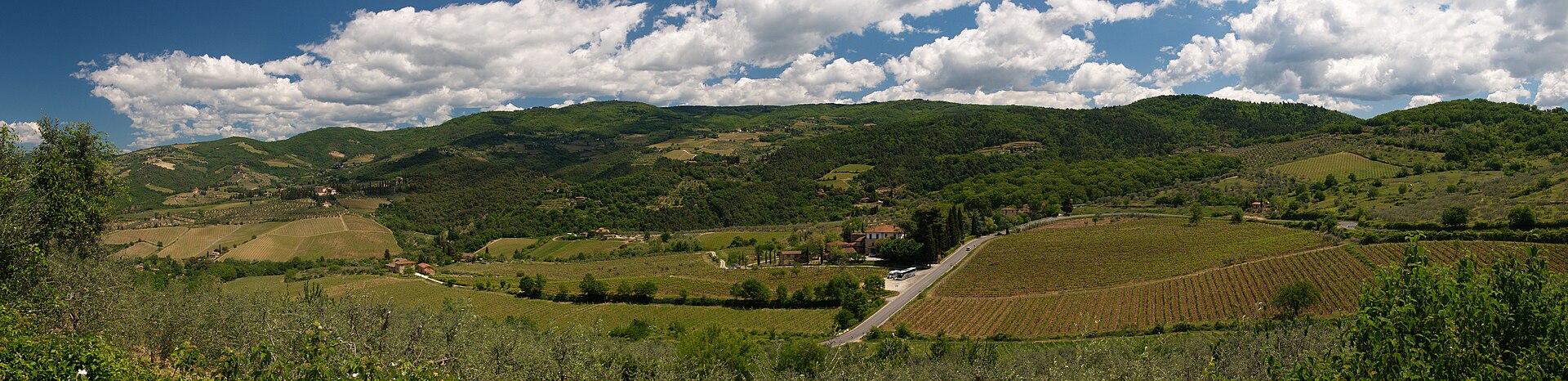
This is where October in Italy separates itself from every other month. Italy’s food calendar is busy year-round, but October is the peak of the harvest cascade — grapes, truffles, olives, chestnuts and mushrooms all arriving at once, and every region throwing its own sagra (food festival) to celebrate.
The Vendemmia: Grape Harvest
The vendemmia — the wine harvest — begins in late September across most of Italy and carries into October. Tuscany’s Chianti and Brunello zones, Piedmont’s Barolo and Barbaresco hills, Umbria’s Sagrantino vineyards in Montefalco: all of them are active in early October. Many estates offer harvest visits and tastings. Some allow you to help pick, a genuinely satisfying way to spend a morning before a very long lunch.
Travelling through Tuscany in early October and not stopping at a winery is something close to a moral failing. Our guide to Italian food and wine has specific recommendations for agriturismo stays that put you inside the harvest rather than just watching it.
Truffles: Alba and Beyond
October is when the white truffle season properly opens, and the most prestigious event is the Fiera Internazionale del Tartufo Bianco d’Alba — the Alba International White Truffle Fair — which runs from early October through early December on weekends. The white truffle from Alba (Tuber magnatum pico) is among the most expensive foods in the world, selling for thousands of euros per kilogram. You do not need to buy one to enjoy the fair: there are tastings, cooking demonstrations, historical pageants (a medieval donkey palio!) and a market atmosphere that is genuinely celebratory.
Umbria has its own truffle culture, centred on Norcia and Spoleto. Black summer truffles give way to the scorzone (black autumn truffle) in October, and truffle-hunting expeditions with trained dogs are available from multiple operators in the area. The truffle’s smell on an October morning in the forest outside Norcia is something you will remember for a long time.
EuroChocolate, Perugia
Umbria’s capital Perugia hosts EuroChocolate each October — one of Europe’s largest chocolate festivals. It sounds like a novelty event but it draws serious chocolate makers alongside the tourist crowd. Worth a half-day visit if you are in the region; not necessarily worth organising your entire trip around.
Chestnut Festivals
October is chestnut season across the Apennines, Tuscany and Umbria. The Marradi Chestnut Festival, held every Sunday in October in the Mugello hills north of Florence, is one of the most charming. Roasted chestnuts, chestnut flour cakes, chestnut pasta, sweet wine — it is a very good afternoon out. Dozens of smaller village sagre celebrate castagne across the country through the month.
The Olive Harvest Begins
Late October is when the olive harvest starts in earnest in central Italy — Tuscany, Umbria, Lazio — and continues into November. If you time it right and stay at an agriturismo with olive trees, you may be invited to help pick. The reward is olio nuovo, the peppery, grassy, intensely flavoured fresh oil that disappears from the table by December. It tastes nothing like the bottle you buy at home. This alone can justify the trip.
Dolomites Autumn Foliage: The Golden Larches
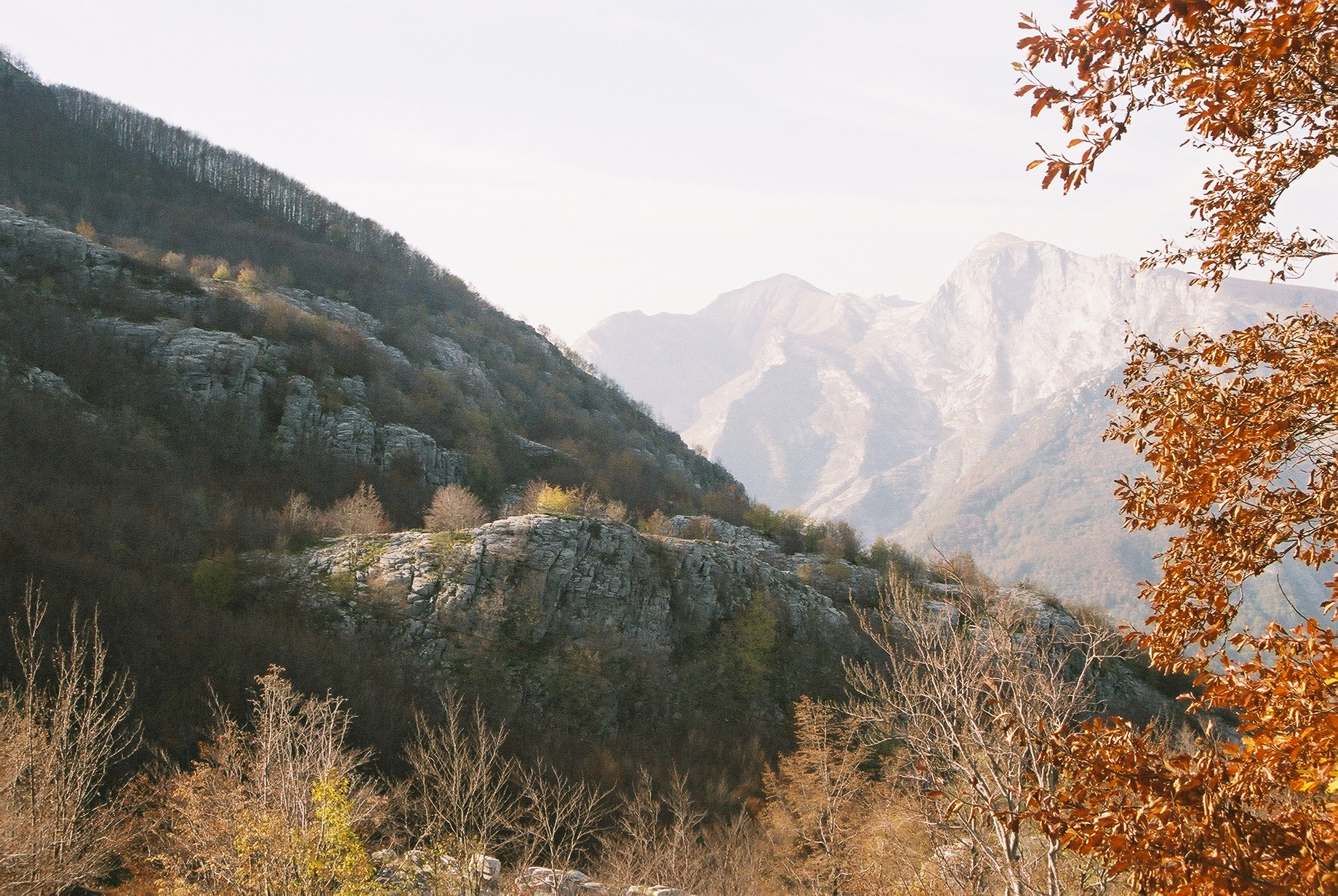
The Italian Dolomites are famous for their dolomite rock faces — pale, almost white in summer sun, turning flamingo pink at sunrise and sunset. In October they acquire a second distinction: the larches.
Larch trees are among the rare deciduous conifers. In autumn, their needles turn from green to a blinding yellow-gold before falling. The effect in the Dolomites, where larches cover entire valley slopes beneath the white rock towers, is extraordinary. It looks unreal, like a painting that has forgotten to be subtle.
Peak colour typically falls between early and late October — around the first to third week — though this shifts by altitude and by year. Higher larches turn first. A warm autumn delays the colour; an early cold snap brings it forward. The second week of October is a reasonable target for a dedicated foliage trip, but build in flexibility and check current conditions before you go.
Practical notes: many Dolomite rifugi (mountain huts) and cable cars close by mid-October as the season ends. Some villages in Val Gardena and Alta Badia remain accessible and have accommodation open. The light in October is low and golden — photographers love it — but the days are shorter than summer and afternoon temperatures drop sharply. Bring warm layers regardless of what the valley weather suggests.
For planning a Dolomites trip, our Dolomites and Alps travel guide covers specific valley bases and hiking routes.
Acqua Alta in Venice: What You Need to Know
Let’s be honest about this. Acqua alta — the periodic high-water flooding that raises the level of Venice’s canals above the walkways — begins its season in October and peaks in November and December. It is not a disaster for most visitors, but it deserves more than a footnote.
Acqua alta events are typically brief: the water rises for a few hours around the high tide, floods St Mark’s Square and the lowest calli (alleyways), then recedes. The city has an alert system (three trumpet blasts on the sirens), and platforms (passerelle) are laid out on the main pedestrian routes so you can keep walking. Rubber boots are available to rent or buy near the Rialto. You will almost certainly not be stranded inside your hotel.
What acqua alta does do is create a particular atmosphere — locals in waders, tourists hopping between platforms, the bizarre sight of outdoor café chairs floating past. For some people this is a memorable piece of theatre. For others, especially those with mobility limitations, it is a significant inconvenience. Go in with open eyes.
The MOSE flood barrier system has been operational since 2020 and is deployed for events exceeding around 130 centimetres above sea level — which prevents the most dramatic floods. Minor and moderate events (90–110 cm) still happen. Most visitors to Venice in October will experience at least one acqua alta event of some kind. Most of them, in my experience, end up viewing it as a story rather than a problem.
Best Places to Visit in Italy in October
The honest answer is: almost everywhere. October distributes its advantages broadly. But some places shine especially bright this month.
Florence
Florence in October is close to ideal. The queues for the Uffizi, the Accademia and the climb to the top of the Duomo are a fraction of summer length. The city’s streets are navigable on foot without constant negotiation. The light is extraordinary — golden hour in Florence in October lasts what feels like two hours, and the city’s ochre and terracotta absorb it beautifully. Combine with day trips to Siena, San Gimignano and the Chianti wine road. Everything is less frantic, more itself. Our Florence and Tuscany guide goes deeper.
Tuscany and the Chianti Wine Road
Beyond Florence, the Chianti countryside between Florence and Siena is one of Europe’s great October landscapes — vineyards turning gold and copper, cypress-lined roads, medieval hilltowns. Drive the Via Chiantigiana (SR222) slowly, stop at whatever winery catches your eye, and eat at a farmhouse restaurant where the tagliatelle with porcini mushrooms costs twelve euros. This is what people mean when they talk about Italy.
Rome
Rome’s October is excellent — warm, relatively uncrowded (by Roman standards) and comfortable for extended walking. The outdoor sites — the Forum, the Palatine Hill, the Borghese Gardens — benefit most from the cooler air. October is also when the evening hours for major sites are often extended, allowing you to see the Colosseum in the low autumn light. Book timed-entry tickets for the Vatican Museums ahead regardless of when you visit; the lines are shorter than summer but still exist.
Piedmont and Alba
If you are a serious food and wine traveler, Piedmont in October is non-negotiable. Alba sits at the confluence of the Barolo and Barbaresco wine zones and the white truffle territory. The White Truffle Fair is a genuine highlight, but the whole region is in festive mode through October: Barolo villages host wine events, the Langhe hills are gold with autumn, and the local cuisine — tajarin pasta with truffle shavings, braised beef in Barolo, aged cow’s milk cheese with local honey — is among the finest in Italy. Book accommodation early.
Sicily and the South
If warm weather and beach-adjacent culture matter to you, southern Italy and Sicily in October offer a compelling combination of good weather, far fewer crowds than summer and genuine local atmosphere. Taormina, with its Greek theatre and views of Etna, is especially good — the summer tourist surge is over and the town belongs more to itself. The Pistachio Festival in Bronte, near Etna, in early October is one of those only-in-Sicily experiences that doesn’t make it onto most travel lists.
Sample Italy Fall Itinerary: 10 Days in October
Here is one way to structure ten days that captures October’s food, foliage and culture without covering too many kilometres. For more itinerary structures and options, browse our full collection of Italy itineraries.
Days 1–3: Florence and the Chianti
Arrive into Florence. Spend two days in the city — Uffizi, Accademia, Oltrarno neighbourhood, a dinner in the Mercato Centrale. Day three: rent a car and drive the Chianti wine road south toward Siena, stopping at estates along the way.
Days 4–5: Siena and the Crete Senesi
Siena in October is peaceful and beautiful. The Piazza del Campo without summer crowds is a different place entirely. Day five: drive southeast through the Crete Senesi — the rolling clay hills south of Siena, treeless and almost lunar — toward Montepulciano or Montalcino.
Days 6–7: Umbria — Norcia and Spoleto
Cross into Umbria. Norcia is the truffle and salumi capital of Italy; a morning truffle hunt with a guide is possible from most agriturismo nearby. Spoleto has a beautifully preserved medieval centre and far fewer visitors than Florence or Rome.
Days 8–9: Rome
High-speed train to Rome from Orvieto or Terontola. Two days in Rome: Vatican one morning, Forum and Palatine another, evenings in Trastevere. October Rome still needs timed-entry bookings for the main sites; plan accordingly.
Day 10: Depart
Fly home from Rome Fiumicino. You will be rested, well-fed and already planning to come back.
This works as a classic fall itinerary that combines the best of central Italy in one logical circuit. The Dolomites and Piedmont deserve their own separate trips — trying to combine them with Tuscany in ten days spreads things too thin.
What to Pack for Italy in October
The layering question is real. October Italy spans a surprisingly wide temperature range — potentially 25°C in Sicily’s first week, 5°C in a Dolomite valley at night. For most central Italy itineraries, this is what actually works:
The essentials:
– A lightweight, packable waterproof jacket. Not a heavy rain coat — something you can stuff into your daypack. October rain is usually brief enough that full waterproofs are overkill for most cities.
– Mid-layer: a fleece or merino wool sweater for evenings and early mornings.
– Comfortable walking shoes that can handle cobblestones and occasional wet paving. Waterproofed leather or trail runners are both fine; fashion trainers are not.
– A compact umbrella if you are visiting the north. Pointless for Sicily.
– Smart-casual layers for evenings. Italians dress well in the evenings; jeans plus a nice top or collared shirt is perfectly appropriate in most restaurants.
Optional depending on destination:
– Rubber boots or waterproof boots if Venice acqua alta is a real possibility.
– Warm hat and gloves for Dolomite evenings and mornings.
– Swimsuit: relevant for Sicily, southern Calabria, possibly the Amalfi Coast.
What to skip:
– Heavy winter coat. Not needed unless you are hiking in the high Dolomites.
– Shorts and sleeveless tops as primary items. They will feel out of place in most contexts by mid-October.
How Does October Compare to Neighboring Months?
Briefly, since this comes up constantly.
Italy in September is warmer, sunnier and considerably more crowded, especially in the first two weeks when Europeans are still on summer holidays. Prices are higher, and the heat can still be uncomfortable in Rome and the south. Late September starts to feel like early October in terms of atmosphere. If warm weather is your priority, lean September; if lower prices and harvest culture appeal, October is better.
Italy in December is quieter still and significantly colder, particularly in the north. Venice in winter is atmospheric and beautiful but wet and cold. Rome and the south remain pleasant in early December. The Christmas market season starts and has its own appeal. Low-season pricing reaches its floor.
Italy in May is the spring equivalent of October: shoulder season, good weather, lower crowds. May has the advantage of wildflowers, fuller daylight hours and a landscape that is green rather than harvest-brown. If you cannot do October, May is its closest match in terms of experience and value.
For a full month-by-month comparison, our best time to visit Italy pillar sets out the trade-offs clearly.
Final Thoughts
October asks nothing unreasonable of you. Bring a light jacket. Accept that an afternoon in Venice might involve temporary rubber boots. Book restaurants in advance during truffle season in Piedmont. Beyond that, the month rewards you generously: with food that only exists at this time of year, with cities that have room to breathe, with light that photographers chase across the Alps, and with an Italy that has stopped performing for summer crowds and gone back to being itself.
That last thing — and this is the part that is difficult to put numbers on — is worth more than all the harvest statistics. The Italy of October is the country in its own company. That is the version worth booking a flight to see.
For more help planning the wider trip — our collection of Italy itineraries or the complete guide to planning a trip to Italy — we have you covered.
Questions travellers ask
Is Italy too crowded in October?
No — October is noticeably quieter than summer in most of Italy. The main exceptions are specific festival towns like Alba during the Truffle Fair and Perugia during EuroChocolate. Major sites like the Colosseum and the Uffizi still need timed-entry tickets booked in advance, but queues are a fraction of July or August length. October is genuinely one of the best months to see popular cities without the sense that you are being processed through them.
What is the weather like in Italy in October?
It varies significantly by region. The north (Milan, Venice, the Dolomites) is cool to cold, with highs typically around 16–18°C and a real chance of rain. Central Italy (Tuscany, Umbria, Rome) sits comfortably between 18–23°C during the day with mild evenings. The south (Amalfi Coast, Sicily) stays warm — 20–25°C — with fewer rainy days. Bring layers regardless of where you go; the mornings and evenings cool down across the whole country.
Is visiting Italy in October expensive?
It is significantly cheaper than peak summer. Hotels and flights both drop once you move past the first week of October, and by mid-month the market softens further. Attractions themselves do not have seasonal pricing, but the overall trip cost — accommodation, restaurants, incidentals — runs meaningfully lower than June through August. October is one of the better months to visit Italy on a tighter budget.
Can you swim in Italy in October?
In Sicily and parts of southern Calabria, yes — sea temperatures are typically still 21–23°C in early to mid-October, warm enough for most visitors. The Amalfi Coast is borderline: warm enough for some, too cool for others by late October. Central and northern beaches are not practical for swimming. If swimming is a priority, aim south and go in the first half of the month.
What food events happen in Italy in October?
October is Italy’s richest month for food festivals. The headline events are the Alba White Truffle Fair in Piedmont (early October through December), EuroChocolate in Perugia (mid-October), the Marradi Chestnut Festival in Tuscany (every Sunday in October) and the Bronte Pistachio Festival in Sicily (early October). Across Tuscany, Umbria and Piedmont, dozens of smaller wine and harvest sagre happen every weekend of the month.
Should I worry about acqua alta if visiting Venice in October?
You should be aware of it rather than worried. The acqua alta season officially begins in October, but the more frequent and dramatic events tend to happen in November and December. An October visit to Venice has a reasonable chance of including a minor acqua alta event — typically an hour or two of raised water in the lowest areas of the city. Rubber boots help; the atmosphere is memorable rather than catastrophic for most visitors. The MOSE barrier now prevents the most extreme floods.
What should I pack for Italy in October?
The key items are: a packable waterproof jacket, a mid-layer fleece or wool sweater, comfortable waterproof walking shoes, and a compact umbrella (essential for the north). You do not need a heavy winter coat for most destinations, but evening temperatures can drop to 8–10°C in the north so a decent warm layer is important. If you are visiting Venice, bring or plan to rent waterproof boots.
Is October a good month to visit the Dolomites?
October offers the Dolomites’ most spectacular autumn colour — the golden larch trees are extraordinary, typically peaking in the first to third week of the month. The trade-off is that many rifugi (mountain huts), cable cars and lifts close by mid-October, reducing hiking options significantly. It is an excellent month for scenic drives and lower-altitude walks; less suitable for extended alpine hiking than September. Pack for cold: valley mornings can drop below freezing by late October.