Murano and Burano Day Trip: How to Visit Venice’s Islands
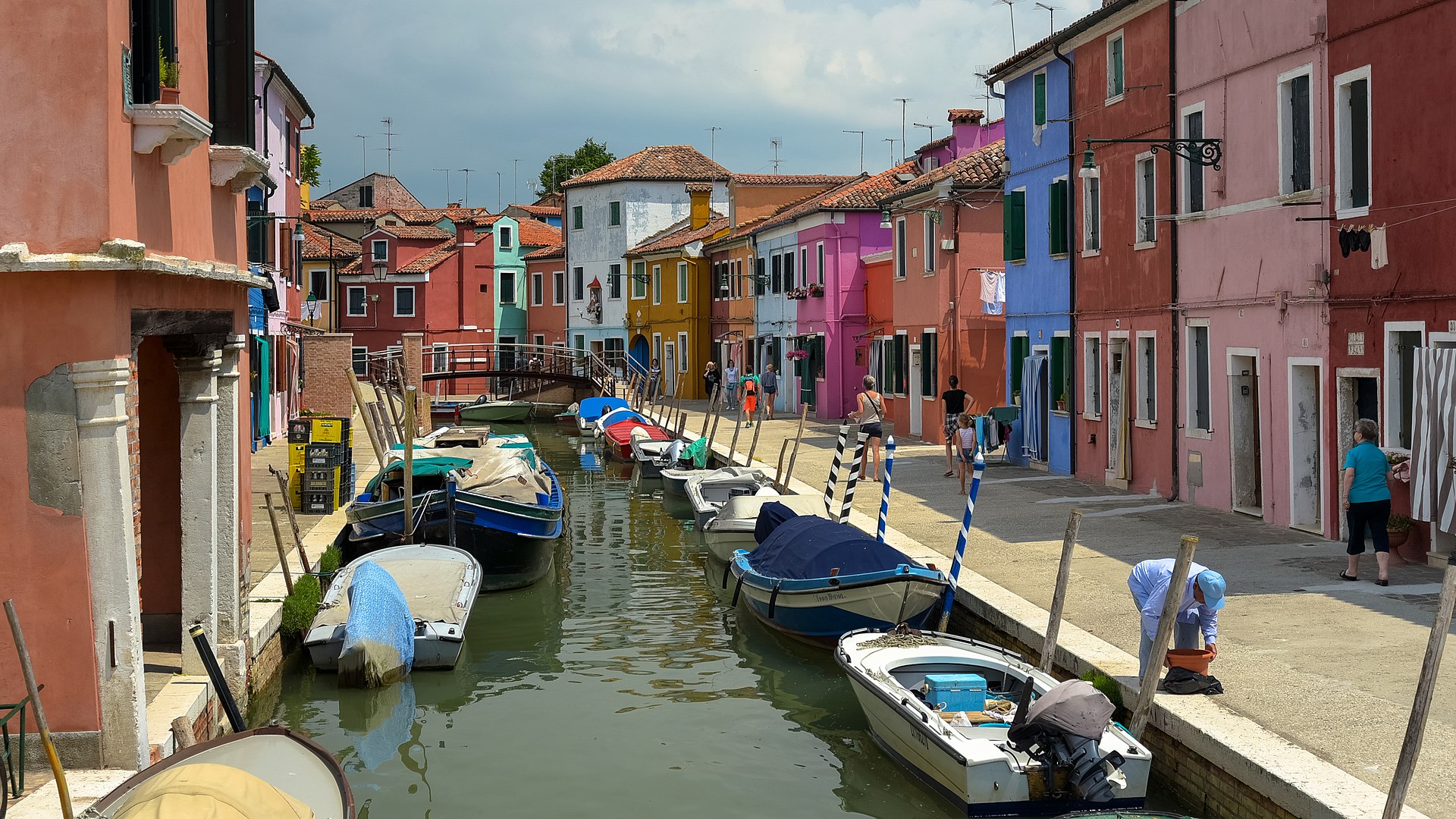
Planning a Murano Burano day trip from Venice is, on paper, simple: take a vaporetto north, hop between a couple of islands, be back in time for dinner. In practice, most people get the order wrong, run out of time, or walk off a boat straight into a glass-shop hustle they didn’t ask for. This guide fixes all three problems.
The short answer: catch Line 12 from Fondamente Nove, hit Murano first (90 minutes to two hours), continue to Burano for lunch and a long wander (two to three hours), and if you have a full day, tag on Torcello (45–60 minutes) on the way back. That order works with the vaporetto timetable, gets you to Burano before the afternoon crowds peak, and leaves Torcello — the quietest and oldest of the three islands — for the unhurried end of the day when the light is soft and you’ve already eaten.
This guide is for independent travellers doing it on the public vaporetto, not a tour boat. If you want the ticket and pass mechanics, they’re covered in full on the Venice vaporetto guide.
At a Glance: Venice’s Lagoon Islands
| Island | Headline draw | Time needed | Vaporetto |
|---|---|---|---|
| Murano | Glass furnaces, Glass Museum, Basilica di Santi Maria e Donato | 90 min – 2 hrs | Line 4.1/4.2 from near San Marco; Line 12 from Fondamente Nove |
| Burano | Painted houses, lace, leaning campanile, lunch | 2 – 3 hrs | Line 12 from Murano Faro |
| Torcello | Byzantine mosaics, the first Venice, near-total quiet | 45 min – 1 hr | Line 9 from Burano |
Fares and schedules are set by ACTV and change periodically. Check veneziaunica.it before you go.
Getting Your Bearings: The Venetian Lagoon
Venice isn’t a single island — it’s a collection of more than a hundred of them, scattered across a shallow, brackish lagoon the size of a small county. Most visitors never leave the main island. That is understandable. The main island has enough to fill a week. But the lagoon itself is the reason Venice exists, and the three northern islands — Murano, Burano, Torcello — each carry a different chapter of the same story.
Murano is where Venice’s glassmakers were exiled in 1291 by order of the city’s rulers, who were less concerned with preserving craft traditions than with keeping the furnace fires away from Venice’s wooden buildings. Burano is a fishing village, its houses painted in saturated colours that fishermen supposedly used to navigate home through lagoon fog. Torcello was there first — a Roman-era community that predated Venice itself, now reduced to a handful of buildings and an extraordinary cathedral.
Together they make one very full day, or a satisfying half-day if you’re short on time and willing to choose.
The departure point for all three is Fondamente Nove, on the northern edge of Venice’s main island. It’s roughly a 20-minute walk from the Rialto or about 15 minutes from the Ospedale vaporetto stop. On a 2-day Venice itinerary, this excursion works best on day two, when you’ve already oriented yourself on the main island.
The Vaporetto Routing Explained
This is where most guides hedge or confuse. Let me be direct.
To reach Murano, you have two realistic options from central Venice:
- Lines 4.1 or 4.2 from Ospedale or Fondamente Nove — these circle around via the north end and take roughly 20–25 minutes to reach Murano Colonna (the main stop). The 4.1 runs clockwise, the 4.2 anti-clockwise; on most days they alternate every 12 minutes or so.
- Line 12 from Fondamente Nove — this is the through-line that continues north to Burano and stops at Murano Faro (near the lighthouse) rather than Colonna. If you’re doing all three islands in one go, board Line 12 here and ride it to Murano.
Strategy: if you want to disembark at Murano Colonna (the best stop for the Glass Museum and the main canal walk), take 4.1 or 4.2 first, explore Murano, then walk to Murano Faro and join Line 12 onward to Burano. It adds a 10-minute walk across Murano, but it means you see the island properly rather than being dropped at the wrong end.
Murano to Burano: Line 12 from Murano Faro. The crossing takes around 35–40 minutes and passes through open lagoon. It’s one of the better boat rides in the region — flat grey-green water, distant campanili, the occasional fishing boat.
Burano to Torcello: Line 9, a short five-minute hop. Torcello’s dock is tiny; the island has almost no infrastructure beyond the church, a museum, and one or two restaurants.
Return to Venice: Line 12 from Burano goes back to Fondamente Nove in about 45 minutes. If you’ve added Torcello, return to Burano first, then take Line 12 home.
The full round-trip involves four or five separate vaporetto legs, which is why a day pass almost always makes more financial sense than individual tickets. With that sorted, here’s what you’re actually doing on each island.
Murano: More Than the Glass Shops
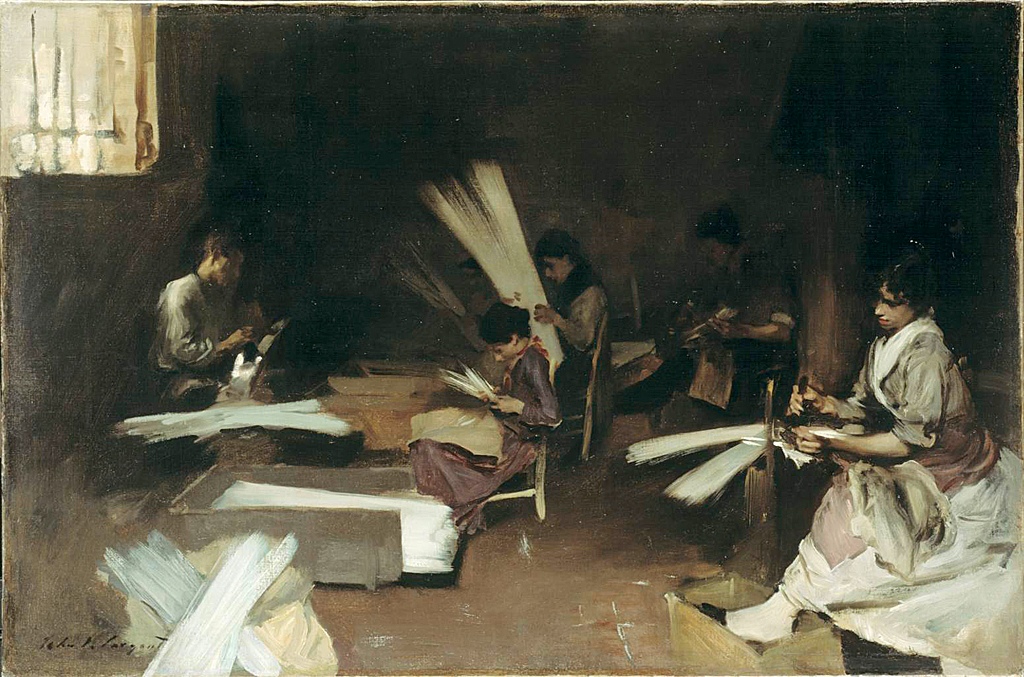
Murano is small enough to cross on foot in 20 minutes, but it rewards a slower pace. The main canal — the Rio dei Vetrai, or Canal of the Glassmakers — runs through the centre of the island and is lined with shops, workshops, and the occasional functioning furnace open to visitors. The side streets away from this canal are almost entirely residential: washing lines, cats, the smell of frying fish. That contrast, between the tourist-facing front and the quietly lived-in back, is most of what Murano is actually about.
The Glass Furnaces
Watching a glassblower work is genuinely absorbing, at least for the first ten minutes. A skilled maestro can pull a gather of molten glass — the colour of lava, the consistency of thick honey — and coax it into a vase or a horse or a chandelier component in the time it takes to finish a coffee. The heat from the furnace hits you ten feet away. It’s not something you can replicate on video.
The complication is the hard sell. Murano glass is a premium product and the shops attached to furnaces are not shy about encouraging purchases. You’ll often find someone stationed at the vaporetto stop who will offer to walk you to a “free” demonstration. The demonstration is free. The pressure to buy something afterward is considerable.
My suggestion: don’t go where you’re led from the dock. Walk five minutes down the Rio dei Vetrai, choose a furnace or gallery that looks genuinely busy with Italians (not just tour groups), and walk in under your own steam. You’re far more likely to have an honest transaction and a better experience. The Museo del Vetro — the Glass Museum — is the most pressure-free way to see exceptional historic pieces without anyone trying to upsell you. It’s housed in a 17th-century palazzo and covers Murano’s glassmaking history from Roman times through the Renaissance and into the modern era. Admission runs around €10 for adults; worth it.
The Basilica di Santi Maria e Donato
If you’re only going to step inside one building in Murano, make it this one. The basilica dates to the seventh century and its current Romanesque form to the 12th. The floor mosaic — a geometric pattern of coloured glass and marble tesserae — is among the finest in the Veneto. Behind the altar hang the bones of a dragon, supposedly slain by Saint Donato. That detail alone justifies the detour from the main canal.
The basilica is a 10-minute walk from Colonna, across the bridge and through the Campo San Donato. Free to enter; modest dress required.
What’s Overrated in Murano
The souvenir glass sold near the vaporetto stops is, in many cases, not made on Murano at all. Mass-produced Murano-style glass from Eastern Europe is widely sold here. If authenticity matters — and the price difference is considerable, so it should — look for the Vetro Artistico Murano trademark, a registered certification mark that guarantees the piece was made on the island. Pieces in the smaller family-run galleries off the main canal tend to be more reliably authentic than anything sold on the waterfront tourist strip.
Also: do not feel obligated to buy anything. Walking through the workshops is part of the experience, not an obligation to purchase.
Timing: plan 90 minutes to two hours. Glass Museum plus the basilica plus a walk along the canal fills that time comfortably. If you linger over lunch here, add another hour.
Burano: The Painted Houses, the Lace, and the Leaning Tower
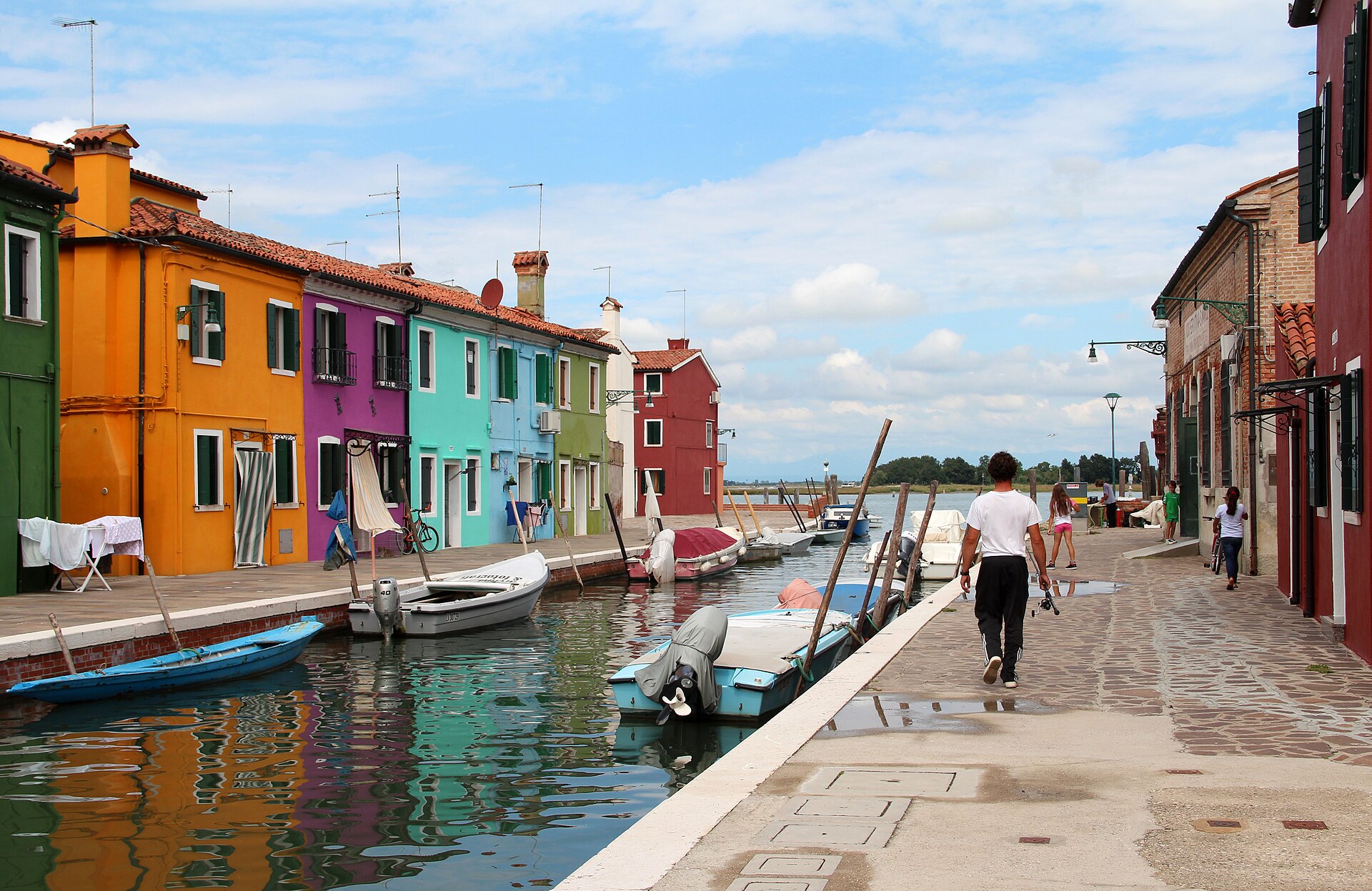
Burano is the most visually arresting place in the Venetian lagoon and possibly one of the most photographed villages in Europe. The houses are not merely colourful — they are saturated, unambiguous, primary in the most literal sense: a violet wall next to a chrome yellow next to a grass green. The colours are not random. The island’s local authority controls them, and residents who want to repaint must apply for permission and choose from an approved palette. It ensures the island looks consistent. It also means that walking its streets feels faintly like being inside a painting that someone deliberately tuned too bright.
The crowd dynamic here is different from Murano. Burano gets very busy in the late morning and through midday, when tour boats arrive in batches. If you’re following the recommended order (Murano first), you’ll arrive in Burano somewhere between 11 and noon — not ideal for empty-street photography, but perfectly fine for lunch and a wander. The photographers who want quiet shots should know that the first Line 12 boat of the day arrives well before 9 a.m., and those first 45 minutes are a different island. If you are coming in for the day rather than staying over, factor in Venice’s access charge as well.
The Lace
Burano has been producing needlepoint lace — punto in aria, literally “stitches in air” — since at least the 16th century. At its peak the industry employed hundreds of women across the island and supplied the courts of Europe. Today, the genuine article is rare and expensive: a single tablecloth can take months to complete and costs accordingly.
Most of what’s sold in the lace shops is machine-made and imported, which isn’t necessarily a problem if you’re buying a souvenir rather than an heirloom. But if you want the real thing, look for the Consorzio Merletti di Burano label, or visit the Museo del Merletto (Lace Museum) on Piazza Galuppi, where you can see both historic examples and, on good days, elderly lace-makers at work with their bobbins. Admission is around €5.
The Leaning Campanile
Burano’s church, the Chiesa di San Martino, has a campanile that leans at a visible angle — not quite Pisa, but unmistakable. It’s been tilting since the 18th century and shows no signs of straightening. The church itself is modest; the tower is the point. Walk to the far end of Via Galuppi and you get the best angle for a photograph of both the tower and the coloured houses behind it.
Lunch on Burano
Burano has a stronger restaurant culture than Murano, and the food is genuinely good. The island’s signature dish is risotto di gò — risotto made with goby fish, a small lagoon fish with an unusually intense flavour. Trattoria al Gatto Nero on Via Giudecca is the most famous option (Anthony Bourdain ate there; the risotto is excellent) and it’s worth a reservation if you’re planning ahead. The lunch crowd typically arrives around 12:30; get there at noon or book.
Less expensive options line Via Galuppi. The seafood cicchetti — the Venetian small-plate tradition — is a good midday option if you want to eat without sitting down.
Timing: Burano deserves two to three hours. The island is small enough to cross twice in that time, which means you can explore without rushing and still catch the afternoon Line 12 back toward Venice or on to Torcello.
Torcello: The First Venice
Most guides to the Murano Burano day trip treat Torcello as an optional footnote. I’d make the opposite case: Torcello is the most interesting island in the lagoon, and the one most likely to surprise you.
Here is the short version of what Torcello is: the original Venice. Roman-era communities in the northeastern Veneto began retreating to the lagoon islands during the fifth and sixth centuries, driven by successive waves of Hunnic and Lombard invasions. Torcello was one of the earliest and most important of those settlements. At its medieval peak it had a population estimated at 20,000 people. Today it has fewer than ten permanent residents. What happened? Venice happened. As the main island became more dominant commercially and politically, Torcello declined. Its canals silted up. Its population migrated. By the 18th century it was essentially abandoned.
What remains is extraordinary precisely because of that abandonment. There are no shops, no bus routes, no tourist infrastructure beyond a small museum and two restaurants. There is a grassy campo — the original town square — flanked by the cathedral, a small baptistery, the church of Santa Fosca, and a stone chair traditionally (if probably apocryphally) called the Throne of Attila.
The Cathedral of Santa Maria Assunta
This is the reason to come to Torcello, and one of the genuinely unmissable things to do anywhere in Venice and the Veneto. The cathedral was founded in 639 — older than Venice’s own Basilica di San Marco by several centuries — and its current structure dates mostly to the 11th century. The interior contains two Byzantine mosaics of exceptional quality.
The first, on the west wall, is a Last Judgement: a vast, hierarchical composition in which Christ descends through layers of saints and sinners toward the damned at the bottom. It’s grim and magnificent in equal measure. The figures have that flat, stylised intensity that Byzantine art uses in place of naturalism — not because the artists couldn’t draw three-dimensionally, but because they were making a theological argument, not a portrait.
The second, in the apse, is a Madonna and Child: the Theotokos standing alone against a gold ground, holding the infant Christ, a single tear on her cheek. It is one of the most arresting images I’ve encountered in Italy.
Entry costs around €5 for the cathedral; a combined ticket that includes the adjacent museum and bell tower (from which the views over the lagoon are extraordinary) costs more. Bring cash — card machines are unreliable here.
The Quiet
Torcello is almost completely silent in the afternoon. The tour boats don’t usually stop here; the island doesn’t have the photogenic density that drives Instagram traffic to Burano. What it has is atmosphere: long grass around the campanile, the smell of the lagoon, a sense of something that was and is now mostly gone. Ernest Hemingway stayed here in the 1940s and wrote about it in Across the River and Into the Trees. That tracks.
Timing: 45 minutes to an hour. You can combine the cathedral and a walk around the campo in that window. Stay longer if you want lunch at the Locanda Cipriani — it’s expensive, it’s famous, and it’s one of those places that exists partly to be the kind of place you had lunch at once.
Half-Day vs. Full-Day Murano Burano Day Trip: The Honest Framework
The question I get asked most often about this trip is whether it’s possible to do all three islands in a half-day. The honest answer is: Murano and Burano, yes. All three comfortably, no.
Half-day (four to five hours): Murano and Burano only. Leave Fondamente Nove by 9 a.m. if you can. Spend 90 minutes in Murano (Glass Museum, one furnace, the basilica if you move quickly), take Line 12 to Burano, spend two hours there, and return to Venice on Line 12 by early afternoon. This works well if you have afternoon plans in Venice — the Doge’s Palace, a gondola, the Accademia — and don’t want to feel rushed.
Full-day (seven to eight hours): All three islands with a proper lunch. Leave by 9, follow the same Murano–Burano route, eat in Burano at midday, take Line 9 to Torcello in the early afternoon, spend an hour in the cathedral, return to Burano, and take Line 12 home in the late afternoon. You’ll be back in Venice by 5 or 6 p.m. with time for an aperitivo on the main island.
What doesn’t work: leaving after 11 a.m. and expecting to see all three. The Line 12 timetable is roughly every 30–40 minutes; if you miss a boat you lose a chunk of your afternoon. Start early, check the current ACTV timetable the evening before, and give yourself buffer.
For broader context on fitting this into your trip, the Venice and Veneto travel guide covers the main island and the surrounding region. If you have more time in the area, there are good day trips from Venice beyond the lagoon as well.
Practical Notes
Buy your pass at Fondamente Nove, not at Piazzale Roma or the train station — the queues are shorter and you’re already at the right stop. Alternatively, buy online the night before via veneziaunica.it. For all the ticketing options, single fares versus day passes versus multi-day passes, see the dedicated vaporetto guide.
Crowds and seasons: Burano in July and August is extremely crowded between 10 a.m. and 2 p.m. If you’re visiting in peak season, either start very early (first boat) or accept that the island will be busy and adjust your expectations. October and early November are ideal — the light is golden, the crowds are thinner, and the restaurants have seasonal lagoon fish on the menu. This fits into a broader consideration of the best time to visit Italy.
What to bring: the lagoon is exposed and the crossings can be cold even in summer when the wind is up. A layer you can pull on makes the boat rides considerably more comfortable. There is no luggage storage on any of the islands — leave your large bag at your hotel.
On buying glass: genuine Murano glass is a considered purchase, not an impulse buy. If you’re interested, decide in advance roughly what you want and what you’re prepared to spend. The better galleries on Murano will happily pack and ship. If you’re not buying, it is absolutely fine to watch a demonstration and walk out empty-handed — any reputable workshop accepts this.
On restaurants: the tourist-facing restaurants near the Burano vaporetto stop are fine but not exceptional. Walk two minutes in either direction along Via Galuppi or toward the campo and the quality improves noticeably.
This kind of practical awareness — being a visitor who navigates Italy without getting fleeced or disappointed — is what separates a good trip from a frustrating one. A few of the most common Italy travel mistakes involve exactly this sort of thing: following the crowd to the nearest open door rather than walking 90 seconds further. The Italy travel guide has more on travelling smart throughout the country.
Final Thoughts
The Murano Burano day trip is one of the best things you can do from Venice, and not just for the photographs. What you’re actually doing, when you strip away the Instagram logistics, is crossing a body of water to visit communities that chose a very specific relationship with isolation — some by force, some by geography, some by historical accident — and ended up producing things that the rest of the world wanted. The glass, the lace, the mosaics: they’re not tourist attractions that happened to end up on islands. They’re the reason the islands survived. That’s worth a day.
Go early. Take Line 12. Do Torcello if you can.
For more on planning your time in the region, see the full Venice and Veneto travel guide and the broader Italy travel guide for context on where this fits into a longer trip.
Questions travellers ask
What is the best order to visit Murano and Burano?
Visit Murano first, then Burano. Murano is closer to Venice and sits on the same vaporetto line (Line 12 from Fondamente Nove), so it makes logical sense as a first stop. More practically: Burano gets very crowded in the late morning and midday, and arriving there after noon rather than at 9 a.m. means you experience it during its busiest hours. If you start in Murano early, you reach Burano closer to lunchtime when the island is lively but the worst of the day-trip crowds haven’t peaked yet. Photographers wanting near-empty streets should go to Burano first on the first morning boat.
How long does the Murano Burano day trip take?
A Murano and Burano day trip takes a minimum of five hours; six to seven is more comfortable. Budget 90 minutes to two hours for Murano, two to three hours for Burano, and at least 30–40 minutes each way on the vaporetto. If you’re adding Torcello, plan for a full seven to eight hours. Leave Venice by 9 a.m. at the latest if you want to see all three islands without rushing.
Which vaporetto line goes to Murano and Burano?
Line 12 from Fondamente Nove is the main line for this day trip. It stops at Murano Faro (near the lighthouse, best for continuing to Burano) and then continues to Burano. Lines 4.1 and 4.2 also reach Murano from central Venice but stop at Murano Colonna and don’t continue to Burano — you’d need to walk to Murano Faro and change. For a full Murano-to-Burano-to-Torcello trip, board Line 12 at Fondamente Nove, and use Line 9 from Burano for the short hop to Torcello. All tickets and passes are covered in the Venice vaporetto guide.
Is Torcello worth visiting?
Yes, if you have a full day and any interest in history or Byzantine art. Torcello is the oldest settlement in the Venetian lagoon — older than Venice itself — and its Cathedral of Santa Maria Assunta contains two Byzantine mosaics that genuinely rank among the finest in Italy. The island is almost completely quiet in the afternoon, which is either disappointing (not much to do besides the cathedral and one museum) or exactly the point, depending on what kind of traveller you are. Skip it if you’re short on time or if tranquil historical sites don’t interest you.
How do I avoid the glass shop hard sell in Murano?
Don’t follow anyone who approaches you at the vaporetto dock offering to take you to a “free” glassblowing demonstration. Walk under your own steam. The demonstrations attached to these arrangements are genuinely impressive but the sales pressure afterward can be intense. Choose a workshop or gallery that looks genuinely busy with Italian visitors rather than tour groups. Look for the Vetro Artistico Murano trademark if you’re buying — it certifies the piece was made on the island. It’s perfectly acceptable to watch a demonstration and leave without purchasing anything.
Can you do Murano and Burano as a half-day trip?
Yes — Murano and Burano (without Torcello) fits comfortably in four to five hours if you move at a reasonable pace. Leave Fondamente Nove by 9 a.m., spend 90 minutes in Murano, take Line 12 to Burano, spend two hours there, and return to Venice by early afternoon. This leaves your afternoon free for the Doge’s Palace, the Accademia, or a long walk through the less-visited neighbourhoods of Venice. Torcello requires a full day; don’t try to squeeze it into a half-day itinerary.
Is the Murano Glass Museum worth visiting?
Yes, particularly if you’re visiting Murano and want to understand what you’re looking at in the shops and galleries. The Museo del Vetro (Glass Museum) is housed in a 17th-century palazzo and covers the history of Venetian glassmaking from Roman techniques through to 20th-century design. The historic chandeliers and millefiori pieces are genuinely beautiful. It’s also the most pressure-free way to spend time on Murano — no sales staff, no obligation to buy. Admission is around €10; allow 45–60 minutes.
What should I eat in Burano?
Risotto di gò — risotto made with goby fish from the lagoon — is the island’s signature dish and worth ordering if you see it. Trattoria al Gatto Nero is the most famous restaurant on the island (a reservation is wise for lunch). For something more casual, the cicchetti bars and smaller trattorie along Via Galuppi offer good-value seafood. Avoid the restaurants directly at the vaporetto stop; two minutes of walking improves the options considerably. Burano is notably cheaper than central Venice for a sit-down lunch.