2 Days in Venice: A First-Time Itinerary That Actually Works
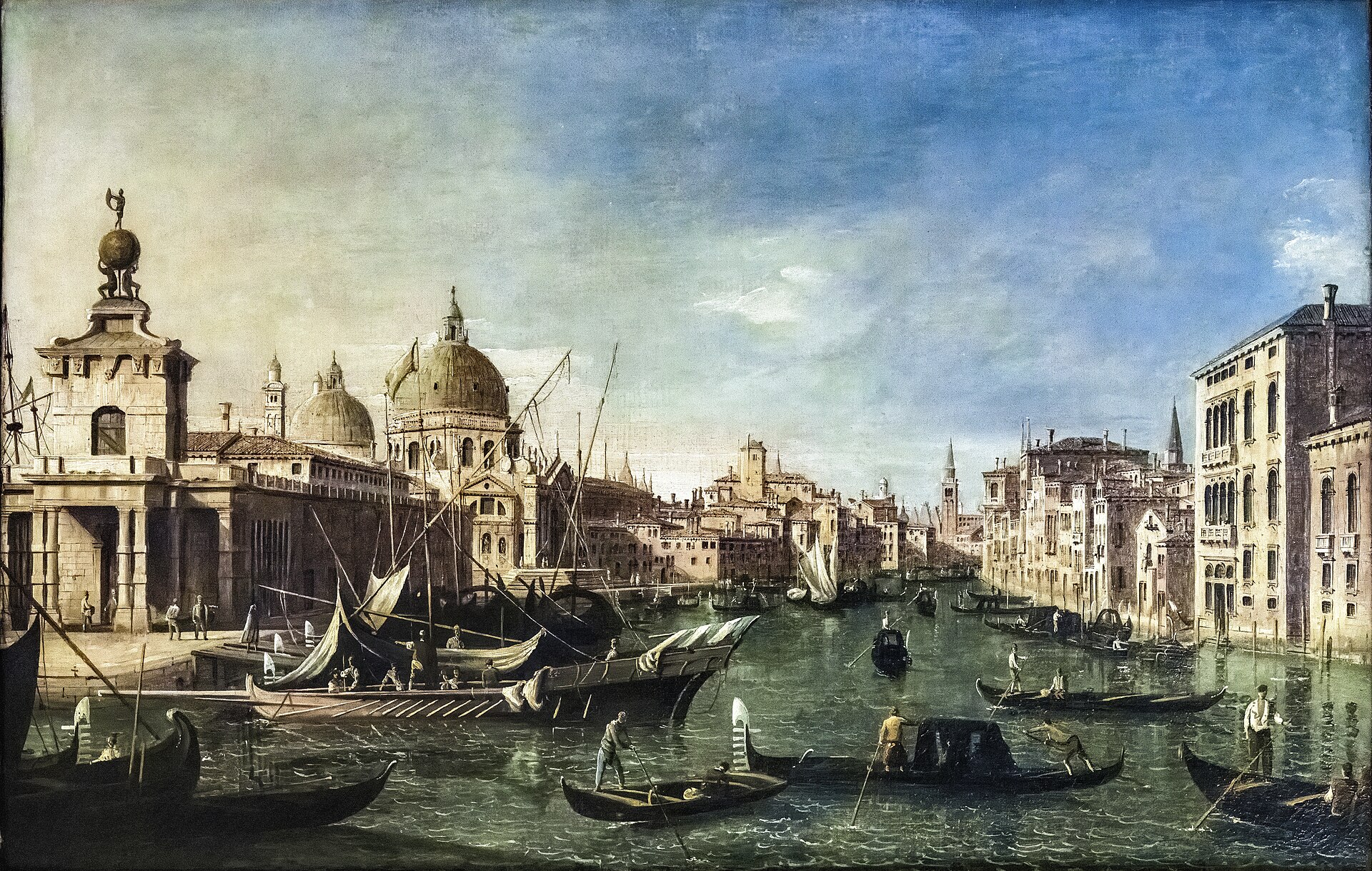
2 Days in Venice: The Shape of Your Trip
Two days in Venice is tight. It is not enough — but nothing ever is — and it is absolutely enough to feel the strangeness and beauty of a city that has no roads, no cars, and no logical explanation for existing at all.
Here is the honest two-day shape: Day 1, you tackle the San Marco core — St. Mark’s Basilica, Doge’s Palace, the Campanile, and the Rialto Bridge — plus an evening walk through Cannaregio for your first cicchetti. Day 2, you choose your lane: either a half-day out to the lagoon islands of Murano and Burano, or a deeper dive into Dorsoduro’s art and the quieter sestiere of Cannaregio and Castello, with long getting-lost stretches built in.
This guide is written for first-time visitors arriving with 2 days in Venice, realistic expectations, and a preference for actually eating like a local instead of queuing at a tourist trap near the Piazza.
At a Glance: Your 2-Day Venice Plan
| Day | Focus | Pre-book |
|---|---|---|
| Day 1 AM | St. Mark’s Basilica + Doge’s Palace | Basilica timed entry (~€10); Doge’s Palace ticket (~€30) |
| Day 1 PM | Campanile + Rialto + Grand Canal vaporetto | Campanile slot (~€15); no booking needed for vaporetto |
| Day 1 Evening | Cannaregio cicchetti crawl | Nothing — just show up with cash |
| Day 2 AM | Islands (Murano + Burano) OR Dorsoduro art | Vaporetto 48hr pass (~€35); Guggenheim (~€16) if art route |
| Day 2 PM | Getting lost in quieter sestieri + aperitivo | Nothing |
| Day 2 Evening | Gondola + dinner | Optional: book gondola in advance if travelling in peak season |
Entry fee note: Venice charges a day-tripper fee of €5–10 on around 60 peak days (mostly Fridays–Sundays, April–July). If you are staying overnight in Venice — which you should be — you are exempt, but you still need to register for a free QR code on the official Venice access website before you arrive. Do this the evening before, not at the gate.
Day 1: San Marco, Rialto, and Your First Evening in Venice
8:00 AM — Breakfast and the Empty Piazza
Wake up early. This is not a suggestion. By 9 AM St. Mark’s Square is already filling up; by 10 AM in high season it is a wall of people. At 8 AM you can stand in the middle of the Piazza, look up at the five domes of the Basilica in the low morning light, and feel the specific silence that makes Venice so unusual.
For breakfast, skip the famous Caffè Florian (it doesn’t open until 9 AM and charges tourist prices). Instead, head to Pasticceria Marchini Time in the San Marco sestiere, five minutes’ walk from the Piazza, for a proper cornetto and a standing espresso. Venetians drink espresso standing at the bar; you should too. It costs about €1.20, not €6.
9:00 AM — St. Mark’s Basilica
St. Mark’s Basilica is one of those buildings that photographs cannot prepare you for. The interior is covered in more than 8,000 square metres of golden mosaic, a glittering testament to eight centuries of craftsmen adding to what began as a 9th-century church built to house the bones of the Evangelist. Look up more than you look forward.
Book your timed entry ticket online in advance — this is non-negotiable in spring and summer. The basic entry is around €10 and gives you the ground floor, the mosaics, and the Treasury. The Pala d’Oro (a Byzantine altarpiece set with nearly 2,000 gemstones) costs an additional few euros and is worth it. The Loggia dei Cavalli, the terrace above the main entrance, gives you the only ground-level view across the Piazza and is the best angle for a photograph — add that too.
- Hours: 9:30 AM – 5:15 PM Monday–Saturday; 2:00 PM – 5:15 PM Sunday
- Cost: ~€10 entry; various add-ons
- Pre-book: Yes — basilicasanmarco.it
- Time inside: Allow 60–75 minutes
Dress code is enforced: covered shoulders and knees required. Bring a light scarf if your outfit won’t pass.
10:30 AM — Doge’s Palace
Immediately next door, connected to the Basilica by a short walk along the waterfront, Doge’s Palace (Palazzo Ducale) is Venice’s greatest secular building. For nearly a thousand years this was simultaneously the home of the Doge, the seat of government, a court of law, and — in the basement — a prison. The combination gives it a drama that no purely decorative palace can match.
The rooms are enormous and the paintings by Tintoretto and Veronese, commissioned to celebrate Venetian power, cover entire walls and ceilings. The highlight most visitors miss: crossing the covered Bridge of Sighs, the enclosed white limestone bridge through which condemned prisoners passed for their last view of the lagoon. The view from inside the bridge is a narrow stone slot, framed by ironwork — small, melancholy, and unforgettable.
- Hours: 9:00 AM – 7:00 PM (April–October); 9:00 AM – 6:00 PM (November–March)
- Cost: from ~€30
- Pre-book: Yes — expect long queues without a reservation in high season
- Time inside: Allow 90 minutes to 2 hours
A combined Basilica + Doge’s Palace skip-the-line guided tour covers both buildings and is good value if you want context — guides do make these spaces legible in a way a guidebook alone cannot.
1:00 PM — Lunch Near the Rialto (Not the Piazza)
Walk northwest from Doge’s Palace through the San Marco lanes toward the Rialto. This 20-minute walk takes you away from the tourist-trap restaurants on and around the Piazza, where mediocre pasta costs €20 and the waiters stand outside to coax you in.
Instead: find a bacaro. A bacaro is Venice’s traditional wine bar — small, often with no seating, dispensing small plates of cicchetti and glasses of local wine called an ombra. The Rialto Market area is dense with good ones.
Try Cantina Do Mori, one of the oldest bacari in Venice, tucked down a small alley near the market. Stand at the zinc bar, point at the crostini (bread with various toppings), the polpette (fried meatballs), or the baccalà mantecato (creamed salt cod on polenta), pay €1.50–2.50 per piece, and order a small glass of local white — Soave or Pinot Grigio from the Veneto. This is how Venetians have eaten lunch for centuries. It costs less than €12 per person and it is better than anything on the Piazza.
2:00 PM — Rialto Bridge and Market
The Rialto Bridge is older than it looks. The current stone bridge dates to 1591, but a crossing has existed here since the city’s earliest days. It remains the most important bridge in Venice: functional, beautiful, and useful. Cross it in both directions. The views northeast and southwest along the Grand Canal are the best you’ll get from street level.
The Rialto Market (Mercato di Rialto), on the San Polo side of the bridge, has operated here since the 11th century. The fish market (Pescheria) and produce market (Erberia) wind together along the canal — arrive before noon if you want to see them in full operation. In the afternoon the stalls are winding down, but the narrow streets around them are still good for wandering.
For more on Venice’s sights beyond this itinerary, see our full guide to what to see and do in Venice.
3:00 PM — Grand Canal Vaporetto (Line 1)
This is a must. Take the Line 1 vaporetto — the slow route — from Rialto or San Silvestro downstream toward San Marco, or upstream all the way to Piazzale Roma and back. The Line 1 stops at every landing stage and takes about 45 minutes end-to-end, giving you a palace-by-palace, church-by-church view of the Grand Canal that no walking tour can replicate.
Sit at the front or back of the boat, outside, for the best view. A single ticket costs €9.50 (valid 75 minutes); a 48-hour unlimited pass costs ~€35 and covers all lines — worth it if you’re doing the islands on Day 2. Full details on routes, stops, and ticket types are in our Venice vaporetto guide.
Watch for: the Ca’ d’Oro (a Gothic palace dating to 1430), the Ca’ Rezzonico (Baroque, now a museum of 18th-century Venice), and the Basilica di Santa Maria della Salute at the bend near San Marco — the great white dome that appears in almost every photograph of Venice taken from the water.
5:30 PM — Campanile, Sunset View
Back near the Piazza, the Campanile di San Marco is Venice’s bell tower and the tallest structure in the city. An elevator (no stairs) takes you to the top in under a minute. From 98 metres up you get a 360-degree view that explains Venice’s geography in a single glance: the red rooftops of the city, the lagoon all around, the islands of Murano and Burano in the distance, and the Dolomites on a clear day.
The evening light — which in Venice turns the stone a warm terracotta — makes the 5:30–6:00 PM slot the best of the day. Book your time slot online in advance; the Campanile can close with no warning in fog or strong wind.
- Cost: ~€15
- Hours: 9:30 AM – 5:15 PM (last admission 4:45 PM — check official site for seasonal variations)
- Pre-book: Yes, timed slot from the same site as the Basilica
7:30 PM — Cannaregio Cicchetti Crawl
Walk north from the Piazza into Cannaregio, Venice’s most residential sestiere. The Strada Nova is the main artery, but the interest is in the side alleys and the canal-facing bars of the Fondamenta della Misericordia and the Fondamenta degli Ormesini, where the bacari spill tables onto the stone walkway alongside the water.
This is the right way to do your first Venice evening: not a sit-down restaurant, but a slow crawl through two or three bacari. At each one, order an ombra (glass of wine, ~€1.50–2) or a Spritz Aperol (~€3–4), eat four or five pieces of cicchetti, and move on when the mood takes you. Vino Vero is one of the best natural wine bars in the city; Osteria Ai 40 Ladroni near the Fondamenta is reliably excellent for the full spread. Come with cash — many bacari don’t take cards.
Finish with dinner at a sit-down osteria in Cannaregio. Ristorante Ca’ D’Oro alla Vedova is beloved for its polpette and its lack of tourist-trap energy; Osteria L’Orto dei Mori on the Campo dei Mori is worth the detour for the canal setting.
Day 2, Option A: Murano and Burano (The Islands)
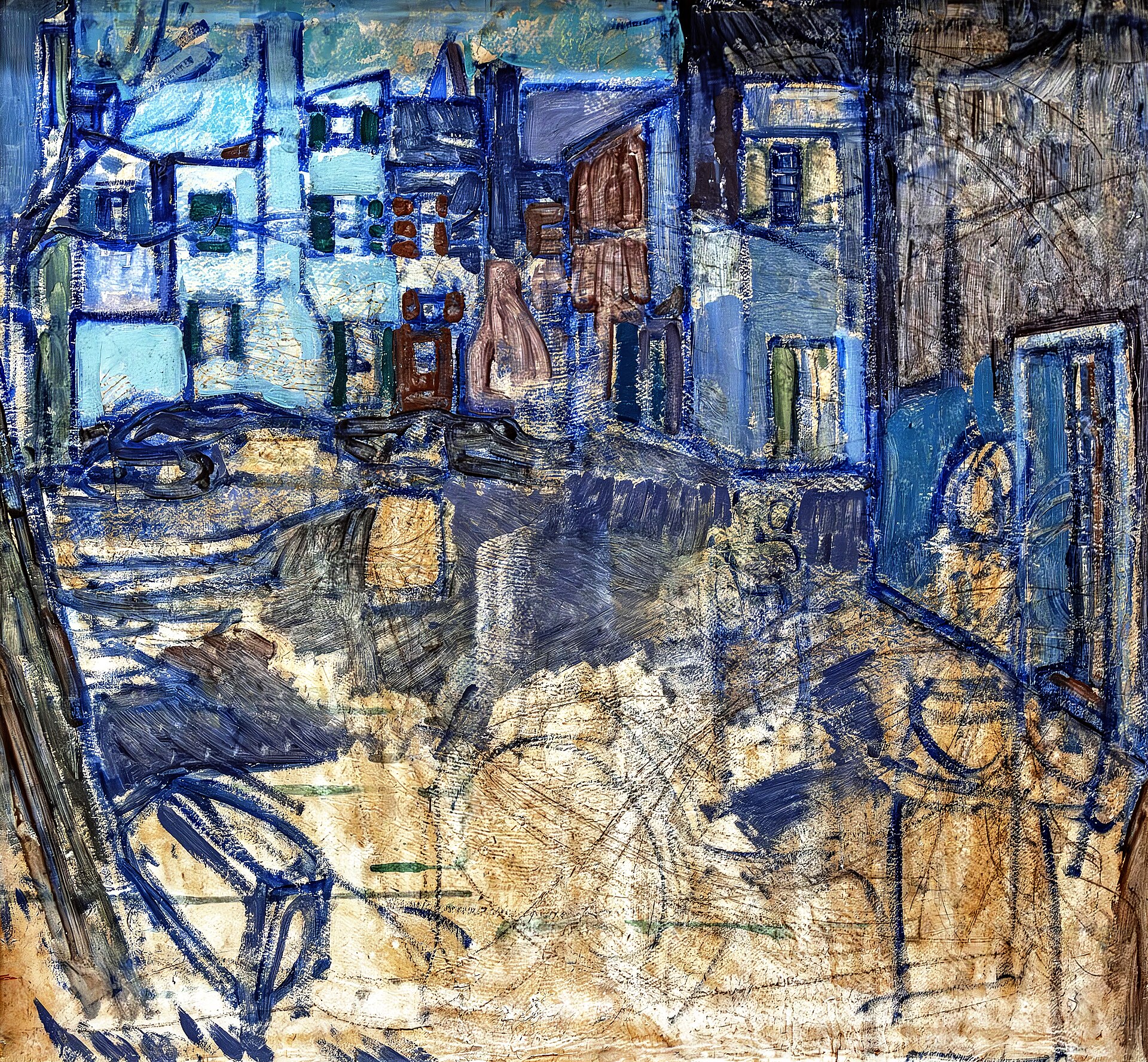
If you have never seen Venice’s lagoon islands, Day 2 belongs to them. Murano and Burano are genuinely different from each other and from Venice itself, and spending a morning out there gives you a sense of the larger lagoon world the city inhabits. If you have seen the lagoon islands before, the mainland is the other option: Padua, Verona and Vicenza are all short hops from Santa Lucia.
8:30 AM — Vaporetto to Murano (Line 4.1 or 4.2)
Take the vaporetto from Fondamente Nove on the north side of Venice — a 15-minute walk from the Cannaregio bacari you visited last night. Lines 4.1 and 4.2 run to Murano in about 10–15 minutes. If you have the 48-hour pass from yesterday, no extra ticket needed.
Murano is famous for glass. The furnaces were moved here from Venice in 1291, ostensibly as a fire precaution, and Murano glassmakers held near-monopoly on European luxury glass for centuries. You can watch master glassblowers at work at several fornaci — no ticket required, though the studios will invite you to browse their showrooms afterward. The island itself is worth wandering: quieter than Venice, with its own Grand Canal, Gothic palaces, and the 12th-century Basilica dei Santi Maria e Donato, whose Byzantine mosaic floor rivals anything in Venice proper.
Allow 1.5–2 hours on Murano.
11:00 AM — Vaporetto to Burano (Line 12)
From Murano, take Line 12 directly to Burano — a 30-minute ride across the open lagoon. Burano is the most photographed village in the Veneto: a grid of tiny canals lined with houses painted in electric colors — turquoise, scarlet, yellow, ochre — each a different shade so that, according to local legend, fishermen could find their own door in the lagoon fog.
It is genuinely beautiful and genuinely small. You can walk the whole island in 45 minutes. The lace-making tradition is documented in the Museo del Merletto; the risotto di gò (made from the gobione fish caught in the lagoon) is the local dish worth ordering for lunch at one of the canal-side trattorias.
For a full island planning guide with ferry times, what to eat, and how to combine Murano and Burano in a single day, see our Murano and Burano day trip guide.
2:00 PM — Return to Venice: Dorsoduro Afternoon
Catch the vaporetto back to Fondamente Nove (Line 12 to Murano, then 4.1/4.2 back) and make your way to Dorsoduro — Venice’s southernmost sestiere, backed by the Zattere waterfront and anchored by the Peggy Guggenheim Collection.
If you have energy for a museum, the Guggenheim is Venice’s finest modern art collection: Pollock, Picasso, Dalí, Magritte and Ernst in the compact 18th-century palazzo that was Guggenheim’s home. Hours 10 AM–6 PM daily, closed Tuesdays; ~€16 — book online. If you’d rather just walk, the Zattere promenade along the Giudecca Canal is the best flat, sunny waterfront walk in Venice, with none of the San Marco crowds.
4:00 PM — Accademia Bridge and the Grand Canal at Dusk
End the afternoon at the Ponte dell’Accademia, the wooden footbridge that gives the finest panoramic view on the Grand Canal: the dome of the Salute upstream, the bend toward San Marco downstream, gondolas and vaporetti crossing under the soft late-afternoon light. This is the photograph most people are trying to take from the Rialto, but the Accademia view is better.
6:30 PM — Gondola Ride
If you are going to take a gondola ride, do it now rather than in the middle of the day. The crowd of gondoliers near the San Marco waterfront is largest in the afternoon; by early evening it is easier to negotiate calmly.
The official rate set by the city is €90 for 40 minutes during daylight hours, €110 after 7 PM, per gondola (up to 5 or 6 people — not per person). Agree on price and duration before you board. The traditional route through the small canals of San Marco or Dorsoduro — not the Grand Canal itself — is more intimate and less trafficked. If you want singing, negotiate that separately.
You can book a private gondola tour in advance, which is worth considering in July and August when boats fill up.
8:00 PM — Dinner
End the trip in Dorsoduro or San Polo. Cantine del Vino già Schiavi, near the Accademia, is one of the best bacari in Venice — dozens of wines by the glass, exceptional crostini, and a local crowd leaning out over the canal. For a sit-down dinner, Osteria al Squero in Dorsoduro has been feeding students and locals for years; Trattoria ai Cugnai near the Accademia is reliably good for Venetian classics (sarde in saor, bigoli in salsa, fritto misto di mare).
Day 2, Option B: Art, Architecture, and Getting Lost (No Islands)
If you would rather use both days entirely within Venice — exploring at depth rather than breadth — this variation skips the islands and trades them for a slower, more art-focused day in Dorsoduro and the overlooked eastern edges of the city.
Morning: Dorsoduro and the Peggy Guggenheim
Start at the Peggy Guggenheim Collection when it opens at 10 AM. Allow 90 minutes. Then walk south to the Basilica di Santa Maria della Salute — free to enter, and the interior, while dark, contains Tintoretto’s ceiling paintings in the sacristy. For €8 you can climb to the cupola for one of the best elevated views in Venice that isn’t the Campanile.
Walk the Zattere along the Giudecca Canal to the Punta della Dogana (the old customs house, now a contemporary art museum with rotating exhibitions). The building itself — a triangular wedge at the very tip of Dorsoduro, with water on two sides — is as good as any artwork inside it.
Pair this with the full Venice and Veneto travel guide for context on the region.
Midday: San Polo Market, Teatro La Fenice
Cross to San Polo via the Accademia Bridge or the Rialto and have cicchetti for lunch near the market. In the afternoon, consider Teatro La Fenice, Venice’s legendary opera house — destroyed by fire three times and rebuilt each time, earning its name (“The Phoenix”). The self-guided audio tour (€12, 9:30 AM–6 PM daily) walks you through the gilded auditorium and the backstage machinery.
Afternoon: Cannaregio and Castello — The Anti-Tourist Route
If the crowds near San Marco are grinding on you by Day 2 afternoon, walk north into Cannaregio and then east into Castello — the two largest sestieri and the most residential. The area around the Ghetto (the world’s first, dating to 1516) in Cannaregio is historically significant and relatively quiet. East of the Arsenale in Castello, the streets feel genuinely lived-in: laundry strung between windows, kids on bridges, not a selfie stick in sight.
End the day on the Riva degli Schiavoni, the grand waterfront promenade east of the Piazza, watching the last ferries cross the lagoon as the light drops.
For a longer Italy context — whether Venice is Day 1 or Day 8 of your trip — see our suggested route through 10-day Italy and the broader Italy itineraries hub.
Practical Notes for First-Timers
Getting around: Venice has no cars. You walk, or you take a vaporetto. Walking is almost always faster for distances up to about 30 minutes. The city is dense and well-signposted toward major points (San Marco, Rialto, Ferrovia/train station, Piazzale Roma). Getting lost is inevitable and largely fine — Venice is an island; you cannot leave by accident.
Where to stay: The closer you stay to San Marco, the more you pay and the less you sleep. Cannaregio and Dorsoduro offer better value and more local atmosphere — for help choosing, see our where to stay in Venice guide.
When to visit: Venice is at its most beautiful and most crowded May–October. November and February (Carnival aside) are the quietest months. Acqua alta (high water, which floods the Piazza and lower streets) is most common October–January; rubber boots are sold everywhere and the water usually recedes within hours.
Day-tripper fee: Venice charges €5–10 on designated peak days between April and July. Overnight guests are exempt but must register a free QR code in advance at cda.ve.it.
Cash: Bacari and many small osterie do not take cards. Bring €50–80 in cash for food and drinks across two evenings; ATMs are available throughout the city.
Prices: All prices listed are approximate and correct at time of writing (mid-2026). Ticket prices for major attractions change — always check the official site before you book.
For everything Venice fits into, from the Dolomites to Verona to the Prosecco Hills, the complete guide to Venice and Veneto has the full regional picture. If this is your first trip to Italy and you’re still planning around Venice, our first time in Italy itinerary and the main complete Italy travel guide will help you see how Venice fits with Rome, Florence, and the south.
Final Thoughts
Venice rewards slowness. The best moments I have had there were not at any listed attraction but somewhere between them: a small bridge over a canal with no name, morning light on green water, the sound of the city completely absent of traffic. Two days doesn’t give you much slow time, but it gives you some. Leave gaps in the schedule. Get lost — intentionally, then accidentally. Let a wrong turn eat 20 minutes. Venice is not a city you understand from a map; it is a city you feel by walking until you stop looking at the map at all.
Plan the bones carefully — Basilica, Doge’s, Campanile, Rialto, vaporetto, cicchetti — and let the flesh of the trip fill in on its own. That is the only Venice itinerary that really works.
Questions travellers ask
Is 2 days in Venice enough for a first-time visitor?
Two days is enough to see Venice’s greatest landmarks — St. Mark’s Basilica, Doge’s Palace, the Campanile, and the Rialto — and to get a genuine feel for the city. It is not enough to exhaust it. Most first-time visitors leave wishing they had more time, which is useful information: if you can add a third day, use it for the islands or for wandering without an agenda. But two days done right is far better than two days done rushed.
What should I pre-book before arriving in Venice?
Three things are non-negotiable in high season: a timed entry for St. Mark’s Basilica (book at basilicasanmarco.it), a ticket for Doge’s Palace (the queue without a reservation can be 90+ minutes), and a timed slot for the Campanile. If you want the Peggy Guggenheim, book online too — it often sells out. For everything else, you can generally show up. The vaporetto pass can be bought on arrival at any ACTV booth.
How do I get from Venice airport to the city centre?
Venice Marco Polo Airport is about 12 kilometres from the city. The Alilaguna water bus (~€15, 70–80 minutes to San Marco) drops you close to where you want to be and is the most scenic arrival; the land bus (ATVO or ACTV, ~€8, 25 minutes to Piazzale Roma) is faster and cheaper but deposits you at the bus station rather than the water. A water taxi is fast and expensive (€100–140) but worthwhile if you have a lot of luggage and a hotel accessible by boat.
What is cicchetti and where do I find it?
Cicchetti (pronounced chee-KET-ee) are Venice’s small-plate snack tradition — roughly the Venetian equivalent of tapas. They come on bread (crostini), on polenta squares, or on small plates: creamed baccalà, fried mozzarella, polpette (meatballs), crab claws, sardines in sweet-and-sour onion sauce (sarde in saor). You eat them standing at the bar of a bacaro, paired with an ombra (small glass of wine, €1.50–2) or a Spritz. The best bacari are in Cannaregio (Fondamenta della Misericordia and the Ghetto area) and Dorsoduro (near the Accademia and the Zattere). Avoid anything with an English menu in the window near San Marco.
Is the gondola ride worth it?
Honestly: yes, once, if you care about the atmosphere rather than the transportation. A gondola is slow, not especially practical, and objectively expensive (€90 for 40 minutes in daylight). But a narrow side canal at dusk — the water lapping against 500-year-old brickwork, a gondolier steering with one oar through a passage barely wider than the boat — is an experience unique to this city. Go in the evening, go through the smaller canals of Dorsoduro or San Marco rather than the Grand Canal, and agree on price before you step in.
Should I visit Murano and Burano in 2 days?
If you only have 2 days and it is your first visit to Venice, the islands are optional but recommended if you have any interest in the lagoon landscape. The half-day island trip (Murano + Burano via Fondamente Nove) takes about 5–6 hours including travel time, which means you sacrifice the Dorsoduro/Accademia exploration on Day 2. It is worth it: Burano especially is unlike anywhere else. Our day trip to Murano and Burano covers the exact ferry connections and timings so you don’t waste an hour on the wrong vaporetto line.
How do I avoid crowds in Venice?
You cannot avoid them entirely — Venice receives around 20 million visitors per year in a city of roughly 50,000 residents. But you can outmanoeuvre them. Start every major sight early (the Basilica at 9:30, the Campanile before 10 AM). Leave San Marco by 11 AM and don’t return until 5 PM. Eat lunch in Cannaregio or Dorsoduro, not on or near the Piazza. Walk east into Castello or north into the back canals of Cannaregio in the afternoons. The crowds are almost entirely concentrated in a triangle between the train station, the Rialto, and St. Mark’s — the city outside that triangle is quieter than most European capitals.