Venice Vaporetto Guide: Tickets, Routes and Airport Transfers
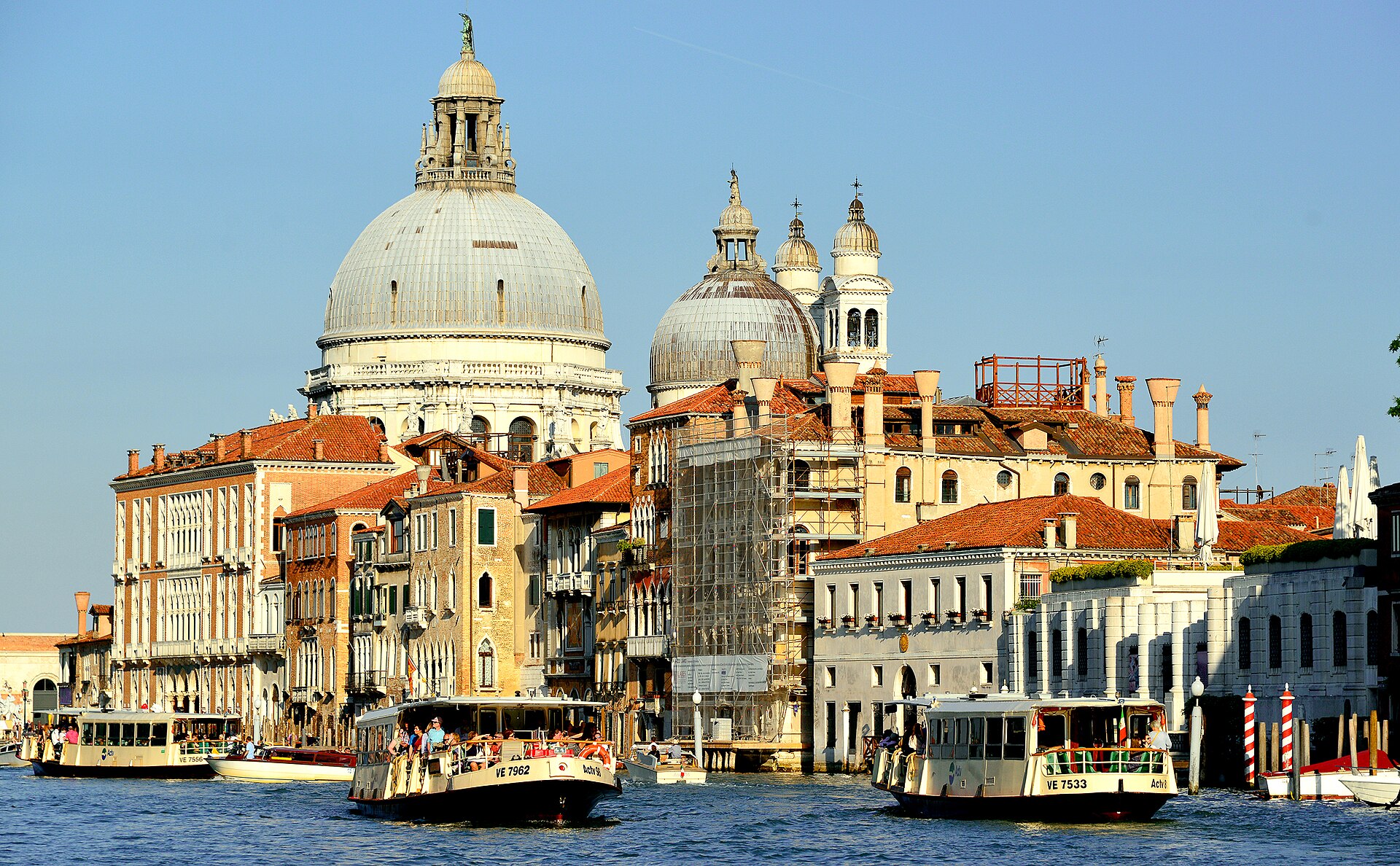
The Venice vaporetto is the city’s public water bus — a flat-bottomed orange-and-white boat that stops at floating pontoons up and down the Grand Canal and out to the islands. If you are arriving for the first time, here is the short answer you actually need: buy a multi-day travel card rather than single tickets. A single ride costs around 9.50 euros as of 2026, but a 24-hour pass is around 25 euros and a 48-hour pass around 35 euros. If you board more than twice in a day — and you will — the pass pays for itself before lunch.
This guide is for anyone planning a Venice trip who wants to understand the water bus system from scratch: which ticket to buy, where to buy it, which lines go where, and how to get in from Marco Polo Airport without overpaying or wasting an hour at the wrong dock.
Vaporetto Tickets and Passes: The Fast Version
Before diving into each option, here is the pricing table. All figures are approximate as of 2026 — fares are set by ACTV and can change, so always check veneziaunica.it or actv.avmspa.it before you travel.
| Ticket / Pass | Approximate Price (2026) | Best For |
|---|---|---|
| Single ticket (75 min) | ~9.50 EUR | One isolated trip, e.g. arrival transfer only |
| 24-hour pass | ~25 EUR | Day-trippers doing 3 or more rides |
| 48-hour pass | ~35 EUR | Two full days in Venice |
| 72-hour pass | ~45 EUR | Three days (or ~27 EUR with Rolling Venice Card) |
| 7-day pass | ~65 EUR | A full week on the lagoon |
| Rolling Venice Card (ages 6-29) | ~6 EUR | Unlocks 72-hr youth discount |
The math is simple. At around 9.50 euros per single, three rides already cost more than the 25-euro day pass. Most visitors to Venice take far more than three rides in a day. The pass is almost always the right call.
Understanding ACTV and Venezia Unica
ACTV is the public transport operator that runs the vaporetto network, the mainland buses, the tram, and the People Mover cable car in Venice. Venezia Unica is the city’s integrated ticketing platform — the place where you can buy passes online in advance and load them onto a card or a QR code on your phone.
The passes sold through both are identical in what they cover: unlimited travel on all ACTV vaporetto lines and mainland buses for the duration of the pass. They do not include Alilaguna (the airport boat service, covered below), the Fusina line, or the Clodia line. They do not cover private water taxis.
For most tourists, the cleanest approach is to buy a pass through the Venezia Unica website before you travel, then either pick up a physical card at a ticket counter on arrival or use the mobile QR code directly.
How to Buy Vaporetto Tickets
You have several options, and none of them is particularly complicated.
ACTV ticket offices and machines. There is a ticket office and automated machines at the main transport hubs: Piazzale Roma (where buses arrive from the airport), Ferrovia (the Santa Lucia railway station), and San Marco. The machines accept credit cards and take about thirty seconds.
Venezia Unica website and app. Buy online in advance. You can print a paper ticket, load a QR code to your phone, or collect a Venezia Unica card at the machine. This is the smoothest option if you want everything sorted before you land.
Newsstands and tobacconists. Many tabacchi (look for the blue-and-white “T” sign) and newsstands throughout Venice sell single vaporetto tickets. Useful if you are deep in the city and need a top-up.
On the boat — with caveats. If you arrive at a stop with no ticket machine and no nearby tobacchi, you can technically buy a ticket on board from the conductor using a card. Cash is no longer accepted for on-board ticket purchases. However, ACTV policy on this has been inconsistently enforced, and there are reports of inspectors fining tourists even when they tried to pay on board. Do not rely on this option if you can avoid it.
Tap-to-Pay (contactless card). ACTV has introduced a “Tap to Pay” system at validators that lets you pay with a contactless credit or debit card. It includes a “Best Fare” feature that automatically caps your charges at the day-pass rate once you have tapped enough times to make it worthwhile. If you forget to buy a pass, this is a good safety net — but check the ACTV website to confirm which stops and lines currently support it before depending on it.
How to Validate Your Ticket
This is the single most common mistake tourists make, and inspectors fine heavily for it. Validation is not optional and it is not assumed.
At every vaporetto stop, there is an electronic card reader — usually a yellow or orange box on a post near the entrance to the floating platform. Before you step onto the gangway, tap your ticket or pass firmly against the reader. Hold it for about 1.5 seconds until you see a green light. For contactless cards, the same reader works.
For multi-day passes, you validate once to activate the pass — your 24 or 48 hours starts from that moment, not from midnight — and then you must tap again at the start of every subsequent journey. The pass does not mean you skip the validator. You still tap every single time.
Inspectors board at random stops, and they check everyone. Fines run to several times the cost of the pass. Validate every time, without exception.
The Key Vaporetto Lines
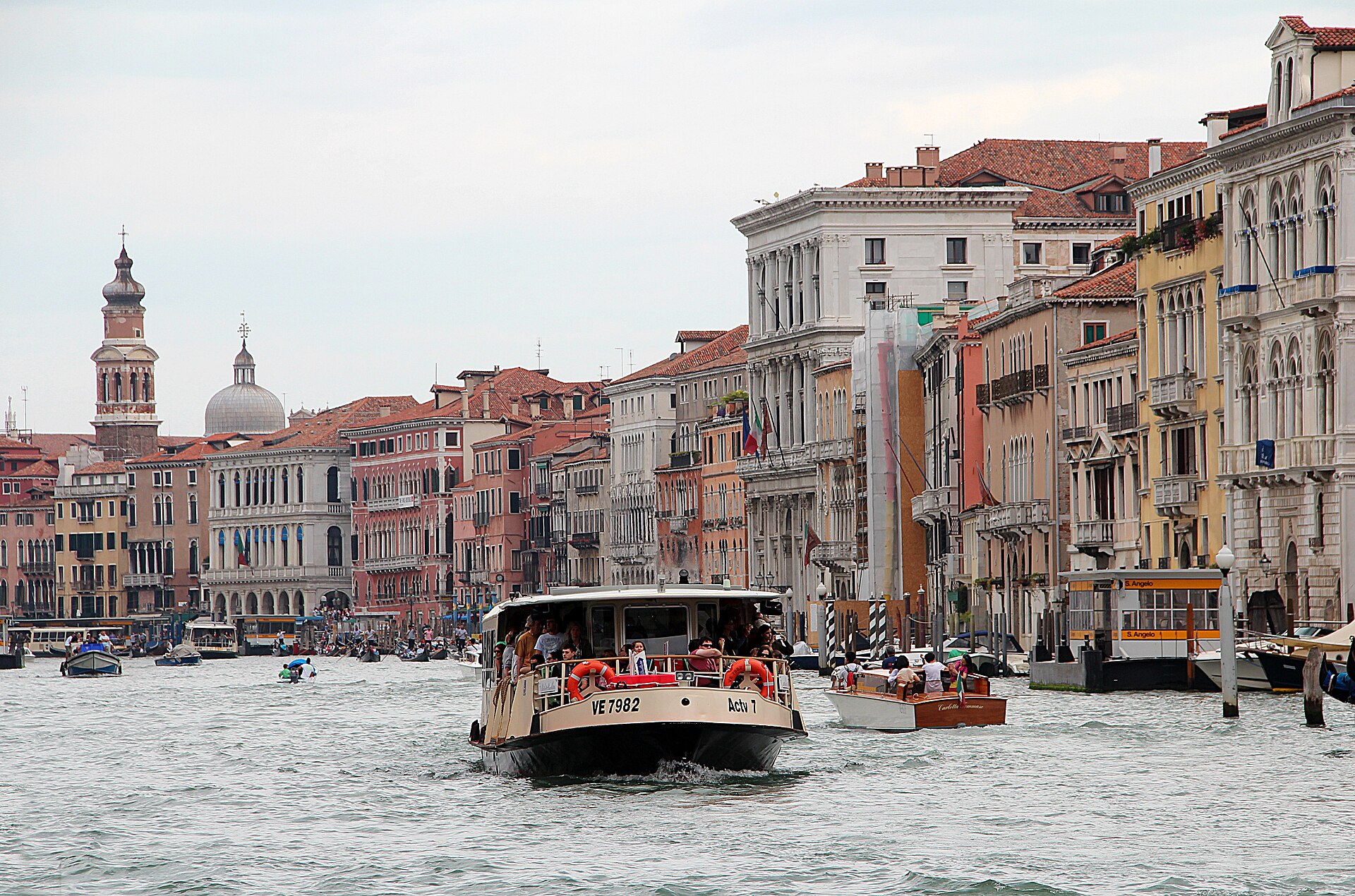
The ACTV network runs about twenty lines, but for most visitors, five or six cover everything you actually need. Here is an honest line-by-line breakdown.
Line 1: The Grand Canal, All Stops
Line 1 is the classic. It travels the entire length of the Grand Canal from Piazzale Roma and Ferrovia down to San Marco and the Lido, stopping at roughly every pontoon along the way. The trip takes about 45 to 50 minutes from Ferrovia to San Marco. It is slower than Line 2, but that slowness is partly the point — you pass under the Rialto Bridge, stop outside Ca’ d’Oro, glide past palazzi that you cannot see any other way.
Most tourists, especially first-timers, should take Line 1 at least once without trying to rush anywhere. Pick a seat or a spot at the bow, and just watch the canal go by.
The practical limitation: it is always busy. Peak season means you will often stand, and boarding from the middle stops can be a scramble. Boats run every 10 to 12 minutes during the day.
Line 2: The Grand Canal Express
Line 2 covers the Grand Canal but skips many intermediate stops, making it faster — roughly 25 to 30 minutes from Ferrovia to San Marco via Rialto. It also loops round through the Giudecca canal, connecting Tronchetto and Piazzale Roma on one side with San Marco and San Zaccaria on the other.
Use Line 2 when you have somewhere to be. Use Line 1 when you want to see.
Lines 4.1 and 4.2: The Murano Circular
These two lines run in opposite directions on a circular route that takes in Murano, the Fondamente Nove area, and other points around the northern edge of Venice. The 4.1 and 4.2 are the primary way to reach Murano from central Venice without switching boats. From Ferrovia to Murano Colonna takes about 45 minutes on the 4.1.
If you are planning a Murano and Burano day trip, these lines are your route onto the northern lagoon.
Lines 5.1 and 5.2
The 5-series lines also run a circular route, connecting Piazzale Roma and Ferrovia with San Zaccaria via the Lido. They are useful for reaching the Lido beaches in summer and for getting between the station end of Venice and the San Marco end without going along the Grand Canal.
Line 12: Out to the Islands
Line 12 is the workhorse for longer island trips. It departs from Fondamente Nove and goes to Murano, then Mazzorbo, Burano, and (seasonally) Torcello. The trip from Fondamente Nove to Burano takes about 45 to 50 minutes. This line is why a full-day island trip genuinely benefits from a 24-hour pass — between the rides from your hotel to Fondamente Nove, the ferry to Burano, a stop at Murano, and the return, you will use the pass four to six times easily.
Line 14: The Lido Direct
Line 14 runs from San Zaccaria (above Piazza San Marco) directly to the Lido. In summer it uses a larger vessel called a motonave, and you can buy a day-return beach ticket specifically for this route at around 16 euros. It is faster than going via Line 5.
Night Service (Line N)
Between roughly midnight and 5am, most daytime lines stop and the Night boat (Line N) takes over. It runs from Piazzale Roma and Ferrovia along the Grand Canal to San Zaccaria, Lido, and back. Frequency drops to every 30 minutes or so. Regular passes are valid on the night service.
Getting to and from Venice Marco Polo Airport
This section gets more Google searches than almost anything else about Venice transport, because the options are genuinely confusing and the prices vary significantly. Here they are, clearly.
Option 1: Alilaguna Water Bus (Airport Boat)
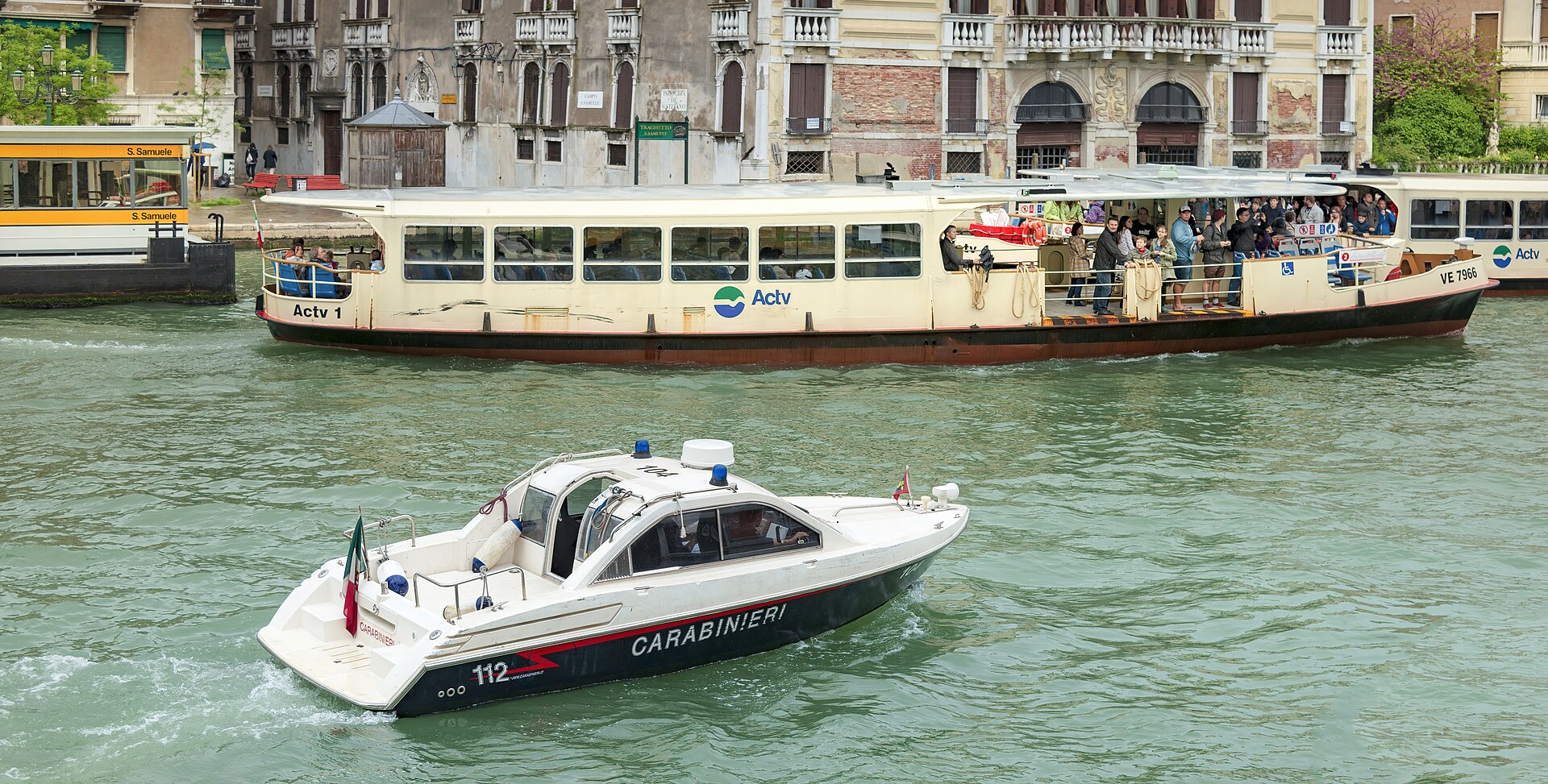
Alilaguna is a separate private company that runs water buses between Marco Polo Airport and various points in Venice. It is not ACTV, and your ACTV vaporetto pass does not cover it. Tickets are sold separately, either at the airport or online via alilaguna.it.
As of 2026, a single Alilaguna ticket costs around 18 euros — check alilaguna.it for current prices and book online to confirm availability. The journey takes between 60 and 90 minutes depending on your line and destination. There are three main Alilaguna lines from the airport:
Blue Line (Linea Blu): Runs from the airport via Murano to the Fondamente Nove, then down the eastern edge of Venice to San Zaccaria (near San Marco), then through Giudecca to Tronchetto and the railway station. This is the most direct water option if you are staying near San Marco or the railway station.
Orange Line (Linea Arancio): Runs from the airport along the north shore of Venice and down through the Grand Canal, stopping at Guglie, Rialto, and Santa Maria del Giglio. Slower overall, but drops you closer to the heart of things if you are staying in Dorsoduro or San Polo.
Red Line (Linea Rossa, seasonal): Operates mainly in summer as a faster version of the Blue Line route.
The Alilaguna boat is genuinely enjoyable on the way in — your first view of Venice from the water is a travel memory that will last. If you have luggage and your hotel is within easy walking distance of an Alilaguna stop, the boat makes sense even at the premium price.
Option 2: ATVO Airport Coach (Land Bus)
The ATVO Espressa coach runs directly from Marco Polo Airport to Piazzale Roma, the main bus and road terminus at the edge of Venice. The journey takes around 20 minutes and costs approximately 10 to 12 euros as of 2026. You buy tickets at the ATVO booth in arrivals or from the driver. Check atvo.it for current fares.
From Piazzale Roma, you hop on a vaporetto — or walk if your accommodation is nearby. This two-step approach is cheaper than Alilaguna and gets you to the transport hub faster, but you arrive at Piazzale Roma rather than at San Marco or the railway station directly.
Option 3: ACTV Aerobus (Land Bus)
ACTV also runs a bus from the airport to Piazzale Roma. The fare is separate from your ACTV vaporetto pass — there is a surcharge of around 7 euros each way. It is generally less comfortable than the ATVO coach and not particularly cheaper, so most people prefer the ATVO.
Option 4: Water Taxi
A private water taxi from the airport to central Venice costs between 120 and 160 euros depending on your exact destination, time of day, and number of bags. It is fast, glamorous, and completely appropriate if you are travelling in a group of four or five and can split the cost — at that point you are paying roughly 30 to 35 euros per person, which is competitive with Alilaguna. Solo travellers should probably save the splurge for something else.
The Honest Verdict on Airport Transfers
For most solo travellers or couples: take the ATVO bus to Piazzale Roma, then jump on a vaporetto into the city. It is faster, cheaper, and you will have the full vaporetto experience in Venice itself rather than on the open lagoon. For families with strollers and heavy bags, or anyone staying near an Alilaguna stop like San Marco or the railway station, the water bus makes more logistical sense. Book it online in advance for the best price.
If you are working out the wider costs of getting around Italy, the Italy transportation guide covers trains, ferries, and buses across the country, and the Italy travel budget guide will help you factor everything in.
The Traghetto: Venice’s Two-Euro Gondola
There is a type of gondola ride in Venice that costs about 2 euros and lasts roughly three minutes. It is called the traghetto, and most tourists who spend 80 euros on the tourist gondola have no idea it exists.
The traghetto is an unadorned gondola — big, black, no decorations, no singing — that ferries passengers across the Grand Canal at points between the three main bridges. There used to be more than a dozen crossing points; as of 2026, around five operate regularly. Common crossings include Santa Sofia (near the Ca’ d’Oro), San Toma, and Santa Maria del Giglio.
You pay in cash — around 2 euros, exact change preferred. Your ACTV pass does not cover traghetti. Traditionally, you stand during the crossing. If you want to sit, you can ask, but most locals stand.
The traghetto is a practical shortcut across the canal, and it is also a genuinely Venetian experience. You share a gondola with grocers, school kids, and people who have been making this crossing for decades. That three-minute standing ride has more authenticity in it than an hour of the tourist gondola circuit.
Common Tourist Mistakes on the Venice Water Bus
After several visits to Venice and a lot of time watching what goes wrong at vaporetto stops, here are the mistakes worth knowing about before you make them.
Not validating the pass. Covered above, but worth repeating: you must tap the card reader every time you board, even if you have a 7-day pass and even if the boat is right there and leaving in ten seconds. The fine is substantial.
Buying single tickets when a pass would cost less. The math is simple and unfavourable. If you are staying more than one day and plan to move around at all, buy a pass. Two singles already cost around 19 euros, and the 24-hour pass is 25 euros. Three singles and you have already overspent.
Thinking the vaporetto pass covers Alilaguna. It does not. Many people buy an ACTV pass and then board an Alilaguna boat from the airport expecting it to be covered. The ticket inspector will not be sympathetic. This is a genuine and expensive mistake.
Boarding the wrong direction on Line 1. The Grand Canal is long, and Line 1 stops at every pontoon. If you board heading away from your destination, you could add 45 minutes to your journey. The stop signs show the direction and next stops — check before you board. This catches a remarkable number of experienced travellers, not just first-timers.
Assuming you can always find a seat. In high season, vaporetti on Lines 1 and 2 are standing-room only during much of the day. If you have mobility issues or are travelling with young children, board early in the morning or late in the afternoon, and consider Line 2 which is slightly less overcrowded.
Waiting for a less-crowded boat on Line 1 at peak times. The next one will be equally full. This is just Venice in summer. Accept it and stand near the railing for a better view.
Not checking the ACTV website for service changes. Lines are periodically modified for maintenance, special events (Carnival, the Biennale, the Film Festival, flooding). The ACTV app and website post service alerts. Worth a quick check the night before any critical journey.
Ignoring the pass validity start time. The 24-hour pass starts from the moment you first validate it — not from midnight. If you validate at 8pm, it expires at 8pm the following day. Plan accordingly. If you will arrive late and start properly the next morning, do not activate it until then.
For a broader list of things that catch travellers off guard across Italy, the Italy travel mistakes guide covers the patterns that come up again and again.
Venice Vaporetto and the Rest of Your Trip
The vaporetto is not just a way to get from A to B — it is the connective tissue of a Venice trip. Every major decision about where to stay, which day trips to take, and how to structure your time is shaped by how the water bus network works.
If you are still building your itinerary, the Venice and Veneto travel guide is a good starting point. For accommodation, the tradeoffs between the different neighbourhoods — from the Grand Canal to Dorsoduro to the quiet Cannaregio end — are covered in the where to stay in Venice guide. Both will help you work out which vaporetto stop matters most to you.
For day trips, the Murano and Burano guide explains exactly how to do the islands on a single day and which lines get you there. If you are working with a short trip, the 2 days in Venice itinerary routes everything around the water bus so that you do not waste time backtracking across the city.
If Venice is one stop on a longer Italian journey, the full Italy travel guide covers the country end to end.
Final Thoughts
The Venice vaporetto is one of the best public transport systems I have ever used — not because it is fast (Line 1 is emphatically not), but because every ride is a good one. You are on the water, in a city that exists nowhere else, watching the light change on the facades as you move through it. Buy the pass that matches your stay, validate every time, and do not let the crowds at peak hours put you off. The boat is the city. Use it.
For current fares, timetables, and pass options, always check veneziaunica.it and actv.avmspa.it directly — this guide reflects 2026 pricing but the operators update fares periodically.
Questions travellers ask
Is the Venice vaporetto pass worth it?
Almost always, yes. The single fare is around 9.50 euros for 75 minutes. A 24-hour pass costs around 25 euros, which means it pays off from just three journeys. Most visitors take six to ten rides in a day once you factor in getting to the Rialto, going back to the hotel, heading to dinner, and returning again. Run the numbers for your specific trip, but the pass almost always wins.
Does the vaporetto pass cover the Alilaguna airport boat?
No. The ACTV vaporetto pass — including the 24-hour, 48-hour, 72-hour, and 7-day versions — covers ACTV lines only. Alilaguna is a separate company with its own fares. You buy Alilaguna tickets separately at the airport, online at alilaguna.it, or at ticket offices in Venice. Budget around 18 euros each way as of 2026, and always check the official Alilaguna website for current fares before travel.
What is the difference between Line 1 and Line 2?
Line 1 travels the full Grand Canal with stops at almost every pontoon — slow, scenic, and always busy. Line 2 is faster, skips several intermediate stops, and also loops through the Giudecca canal. Use Line 1 for sightseeing from the water and Line 2 when you need to get somewhere efficiently. Both are covered by the standard ACTV travel pass.
How do I get from Marco Polo Airport to central Venice?
Two main options: the ATVO coach bus (about 10 to 12 euros, around 20 minutes to Piazzale Roma, then a vaporetto into Venice) or the Alilaguna water bus (around 18 euros, 60 to 90 minutes direct to San Marco or the railway station). The bus is faster and cheaper; the boat is more atmospheric and better if your hotel is near an Alilaguna stop. Always verify current prices at atvo.it and alilaguna.it before travel.
What is a traghetto and how does it work?
A traghetto is an unadorned gondola that crosses the Grand Canal at a handful of points between the main bridges. It costs around 2 euros, cash only, exact change preferred, and the crossing takes about three minutes. You typically stand. It is a practical shortcut and a genuine local experience — far cheaper and more authentic than the tourist gondola circuit. Your ACTV pass does not cover it.
Can children travel free on the vaporetto?
Children under 6 travel free on ACTV vaporetti. Children aged 6 and older pay the full adult fare. There is a Rolling Venice Card (around 6 euros) for travellers aged 6 to 29 that unlocks a discounted 72-hour pass at around 27 euros instead of the standard 45 euros. Worth buying if you are in that age range and staying three days.
What happens if I forget to validate my vaporetto pass?
You can be fined. Ticket inspectors board at random stops and check everyone on board. Claiming you forgot to validate, or showing a valid pass you did not tap, typically does not avoid the fine. The amount is substantially more than the cost of the pass itself. Get in the habit of tapping the yellow validator before stepping onto the gangway — every single time, including the first journey that activates your pass.
Is it better to walk or take the vaporetto in Venice?
It depends on distance, luggage, and mobility. Venice is compact enough that many journeys — even ones that look far on a map — take 20 to 30 minutes on foot and route you through some of the best streets in the city. The vaporetto makes more sense for reaching islands (Murano, Burano, the Lido), for crossing the length of the Grand Canal, or when you have heavy luggage. If you are travelling light and have time, walking often wins and always rewards.