Amalfi Coast, Naples & Campania
Sorrento Travel Guide: The Best Base for Campania?
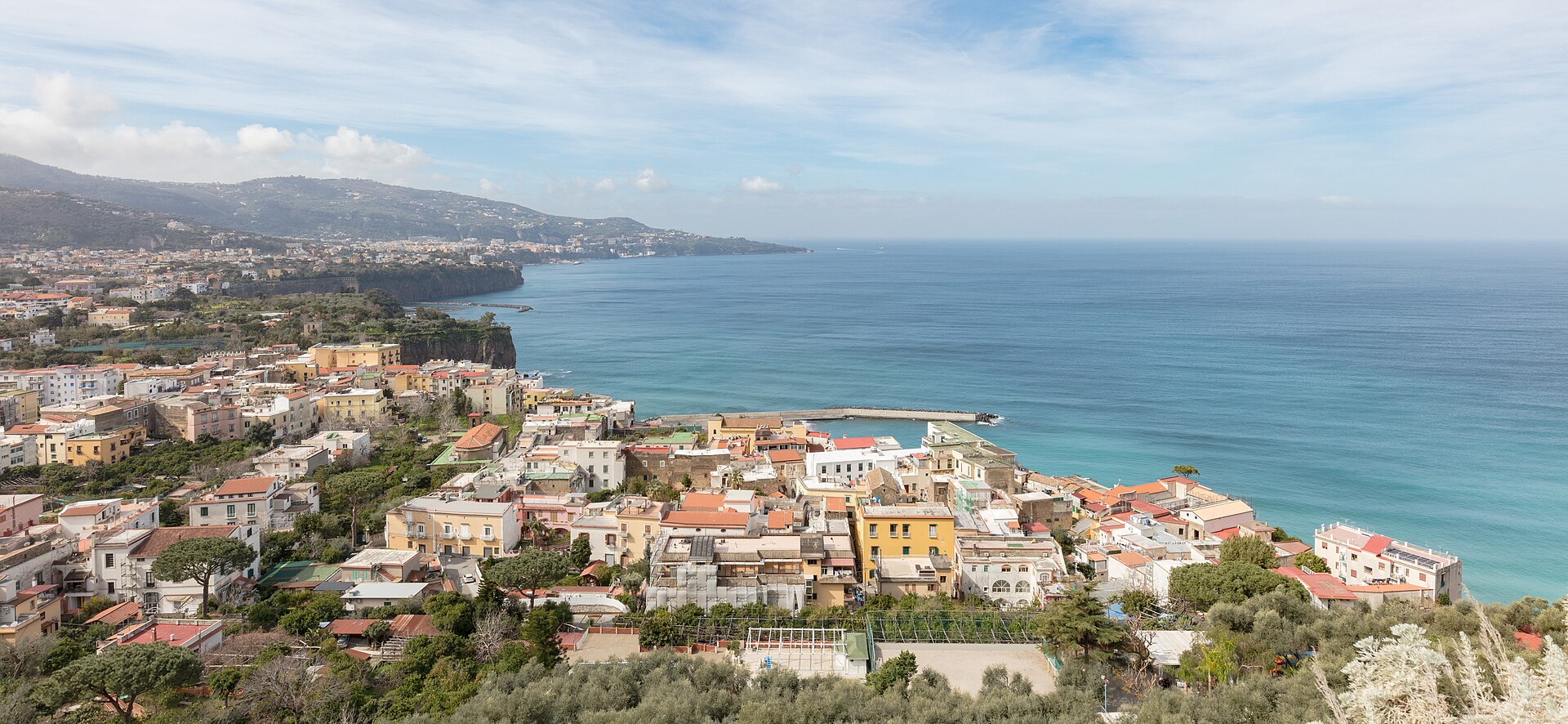
Sorrento Travel Guide: Why This Clifftop Town Is the Smartest Base in Campania
If you are trying to see Naples, Pompeii, Capri, and the Amalfi Coast in one trip — and you would rather not rent a car — Sorrento is the answer. It sits at the end of the Circumvesuviana rail line, directly across from Capri, and at the western tip of the Amalfi Coast ferry network. You can reach four major destinations from a single hotel room. That is the short version.
The longer version is this: Sorrento is a genuinely enjoyable place to be based. It has a real historic centre, good food, cliffside walks, lemon groves you can actually walk through, and a sunset from the Villa Comunale terrace that justifies at least one quiet evening doing nothing else. It is not a museum town. It is not a party town. It is a mid-sized Italian resort with excellent bones and unbeatable logistics — and for most travellers planning a car-free swing through Campania, it earns its keep in a way that nowhere else in the region quite matches.
One thing to be honest about upfront: Sorrento is not on the Amalfi Coast. It sits on the Sorrentine Peninsula, on the opposite side of a mountain range. The Amalfi Coast proper begins around Positano. This distinction matters — it means Sorrento’s streets are flatter, its accommodation more plentiful, its public transport links stronger, and its prices (slightly) lower than what you will find once you cross into the cliff-hanging villages further east. If you want to wake up and walk directly onto an Amalfi Coast beach, you will need to choose a different base. But if you want to do the whole region efficiently and affordably without a car, Sorrento is where you should sleep. This guide covers everything.
Getting Around from Sorrento: Your Transport Hub at a Glance
This table is the main reason to base yourself here. No other single town in Campania gives you this range of connections without a car.
| From Sorrento | Destination | How to get there | Approx. journey time |
|---|---|---|---|
| Sorrento station | Naples (Garibaldi) | Circumvesuviana train | 65–75 min |
| Sorrento station | Pompeii Scavi | Circumvesuviana train | 28–35 min |
| Sorrento station | Herculaneum | Circumvesuviana train | 45–50 min |
| Marina Piccola port | Capri (Marina Grande) | Hydrofoil / ferry | 20–25 min |
| Marina Piccola port | Positano | Ferry (seasonal, Apr–Oct) | 35–45 min |
| Marina Piccola port | Amalfi town | Ferry (seasonal, Apr–Oct) | 1 hr 15 min |
| Sorrento (Piazza Tasso) | Positano by road | SITA bus | 50–70 min |
| Sorrento (Piazza Tasso) | Amalfi town by road | SITA bus | 1 hr 30–50 min |
Prices fluctuate with season and operator. As a rough guide (verify before you travel): Circumvesuviana fares run roughly €3–4 to Pompeii and around €4 to Naples central. Hydrofoils to Capri from Marina Piccola cost approximately €20–25 each way. Seasonal ferries to Positano and Amalfi run €12–18 depending on the company and how far down the coast you go. The Amalfi Coast without a car guide goes deeper on all of this.
Why Base Yourself in Sorrento Italy?
The Circumvesuviana Changes Everything
The Circumvesuviana is a regional railway that runs from Naples (Porta Nolana or Garibaldi stations) along the Bay of Naples coast, past Herculaneum, past Pompeii, and all the way to its terminus at Sorrento. The line has a reputation — it is old, it gets crowded, and in summer you should keep an eye on your bag. But it works, it runs roughly every 30 minutes from early morning to around 10pm, and the fares are some of the cheapest transport bargains in Italy.
From Sorrento, the implications are significant. Pompeii is under 35 minutes away, making it an easy half-day. You can be standing in Naples’ Spaccanapoli district — eating pizza at a counter lunch — within 75 minutes of leaving your hotel. Herculaneum, the smaller and less visited of the two buried Roman cities, sits about halfway along the line. None of this requires a pre-booked tour, a taxi negotiation, or a car on a mountain road. You buy a ticket at the station window (cash is the safe option; machines can be unreliable), validate it at the turnstile, and go.
If you prefer a seat and fewer stops, look at the Campania Express: a faster, tourist-oriented service that runs the same route with fewer stops and guaranteed seating. It costs more but is worth it on busy summer days.
The Ferry Network Points in All the Right Directions
Sorrento’s Marina Piccola is the ferry port sitting at the base of the cliffs, reached from the town centre by a lift or a steeply stepped lane. From here, hydrofoils to Capri depart regularly — roughly every 30–60 minutes in high season — and the crossing takes around 20–25 minutes. You step off a boat, and you are in Capri’s main harbour, with the full day ahead of you. That is genuinely hard to beat as a day-trip proposition. See the Capri day trip guide for what to do when you arrive.
From mid-April through October, seasonal ferries extend east along the Amalfi Coast to Positano and, further on, to Amalfi town itself. This is the most scenic way to travel that stretch — the view of the terraced coastline from the water is why most people make the trip in the first place. The road version (SITA bus) is equally valid and runs year-round, but it is slower and considerably more vertiginous.
Sorrento Is Bigger, Flatter, and More Practical
Compared to Positano, Ravello, or even Amalfi town itself, Sorrento is a functioning mid-size city with a proper supermarket, multiple pharmacies, ATMs that work, a wide range of accommodation from budget hostels to boutique hotels to large resort hotels with pools, and streets that are — by Campanian standards — navigable without rock-climbing instincts.
Positano is beautiful, but it is essentially a vertical village built into a cliff. Every step from your accommodation to the ferry is either uphill or downhill. Ravello is peaceful and jaw-dropping but quite isolated for anyone who wants to move around. Amalfi town itself is lovely but smaller than it looks in photographs, and getting anywhere from there involves the same winding coast road either way. If you are travelling with anyone who finds steep uneven steps difficult, or if you simply want a base that does not exhaust you logistically before you have even left for the day, Sorrento wins. The full comparison is in the where-to-stay guide.
Things to Do in Sorrento: Beyond the Day Trips
One of the most persistent myths about Sorrento is that there is nothing to do in the town itself. That is wrong. It is true that Sorrento is not Pompeii or Capri for sheer spectacle. But two or three days spent actually in Sorrento, rather than just departing from it, will leave you better fed, more pleasantly surprised, and considerably more relaxed than most guides suggest.
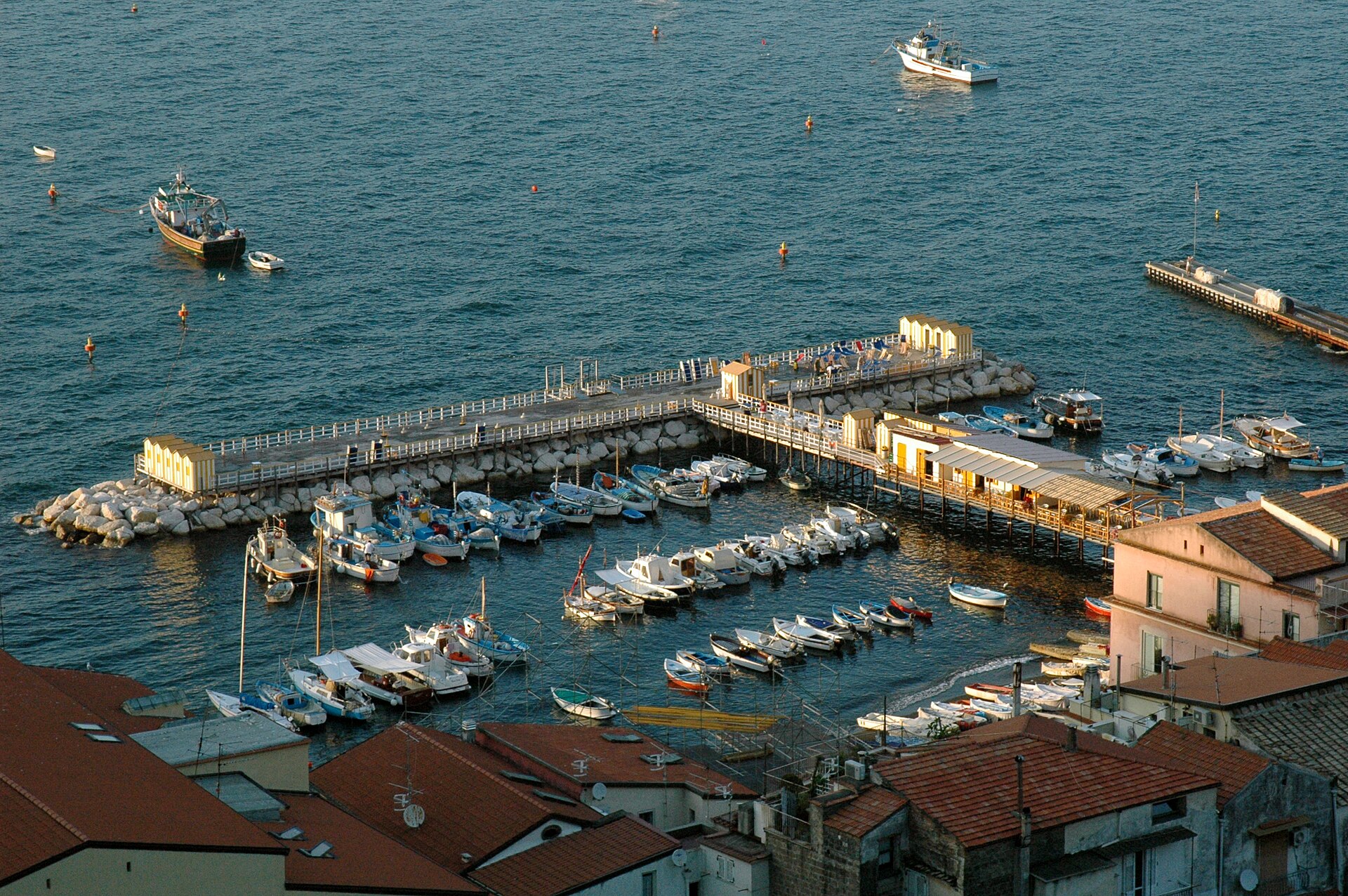
Marina Grande: The Town’s Other Face
Most visitors to Sorrento stay firmly on the clifftop. Marina Grande sits below, reachable on foot via Via Marina Grande down a ramp from the old town walls, and it is a genuinely different place. The buildings are painted in faded ochre and terracotta. There are actual fishing boats moored alongside the pleasure craft. The handful of restaurants here — eating on wooden decking a metre or two from the water — serve some of the most straightforward fish dishes in the area without the markup of the central piazza.
It is not a grand attraction. There is no beach to speak of — the shore is stone and concrete platforms. But it is the most authentic corner of Sorrento and worth the twenty-minute walk down (and the more effortful walk back up).
Piazza Tasso and the Historic Centre
Piazza Tasso is the heart of Sorrento: a wide, traffic-channelled square named after the 16th-century poet Torquato Tasso who was born here. The statue of Tasso himself stands at one end; a stream of mopeds, taxis, and buses passes through on all sides. It is louder than you might expect. But it is also the social centre of Sorrento, and sitting at a café table here in the early evening, watching the passeggiata unfold, is one of those uncomplicated Italian pleasures that never gets old.
Behind the piazza, the historic centre (the old town grid) is the best part of Sorrento for walking. The lanes are narrow, the shops sell real things — limoncello, inlaid wood, ceramics, food — and the noise drops considerably once you are two streets back from the main tourist circuit. The Cattedrale di Sant’Agostino is worth a glance for its carved wooden choir stalls and the richly patterned marble interior that contradicts the plain Romanesque exterior. Free to enter.
The Cloisters of San Francesco
The Chiostro di San Francesco is one of those places that photographs well and feels even better in person. The 14th-century cloister — archways covered in bougainvillea, interlaced columns from two different architectural periods, a small courtyard where pigeons and tourists coexist — adjoins an active church and in summer frequently hosts evening concerts. Entry to the cloister is free. It takes perhaps twenty minutes to see properly, and it is one of the more genuinely atmospheric spots in the town.
The Villa Comunale Terrace and Sunset
The Villa Comunale is a small public park right at the cliff edge, immediately south of San Francesco. It is unremarkable as a park — a few benches, some planted beds, a kiosk — but it sits directly above the Bay of Naples with nothing between you and the water 50 metres below, and on a clear evening you can watch Vesuvius take on its full theatrical silhouette against an orange sky. There are better sunset terraces in Italy, but not many that come free and require no planning.
Lemon Groves and Limoncello
The lemons grown around Sorrento are a specific variety — sfusato sorrentino — larger, less acidic, and more fragrant than supermarket lemons, grown under the pergola-style arbours you see climbing the hillsides. Limoncello production here predates its current fame; the drink was essentially a farmhouse tradition before it became a global export.
Several working lemon groves on the outskirts of Sorrento offer guided visits with tastings, usually lasting an hour to ninety minutes and costing around €25–35 per person. This is one of those activities that sounds mildly gimmicky and turns out to be genuinely interesting — partly for the grove itself (the scale of the lemons on the trees is startling), partly for the explanation of how the liqueur is made, and partly because the tasting at the end involves several small glasses of cold limoncello and the kind of unhurried conversation that only happens in the middle of a citrus grove in the afternoon sun.
You can also buy limoncello virtually anywhere in Sorrento. The bottles along Via San Cesareo range from the genuinely excellent to the tourist-grade sweet. If you are buying to take home, ask which brands are locally produced and avoid anything in a novelty bottle shaped like a lemon.
Intarsia: The Inlaid Woodwork Tradition
Sorrento has been producing intarsia sorrentina — inlaid woodwork — since at least the 16th century. The tradition involves setting different-coloured woods (and sometimes bone, shell, or metal) into decorative panels, producing detailed geometric patterns and landscape images. The Museo Bottega della Tarsia Lignea on Via San Nicola houses a collection tracing the craft from the Renaissance to the present, displayed in an 18th-century palazzo. Admission is around €8 and the museum is small enough to absorb fully in under an hour.
More interesting, for most visitors, is watching craftspeople at work in the workshops around the historic centre. A few botteghe still operate with traditional techniques rather than CNC machines, and the craftspeople are usually happy to answer questions. The shops on Via Luigi de Maio and the lanes just off it tend to be more authentic than the souvenir outlets on the main drag.
Bagni della Regina Giovanna
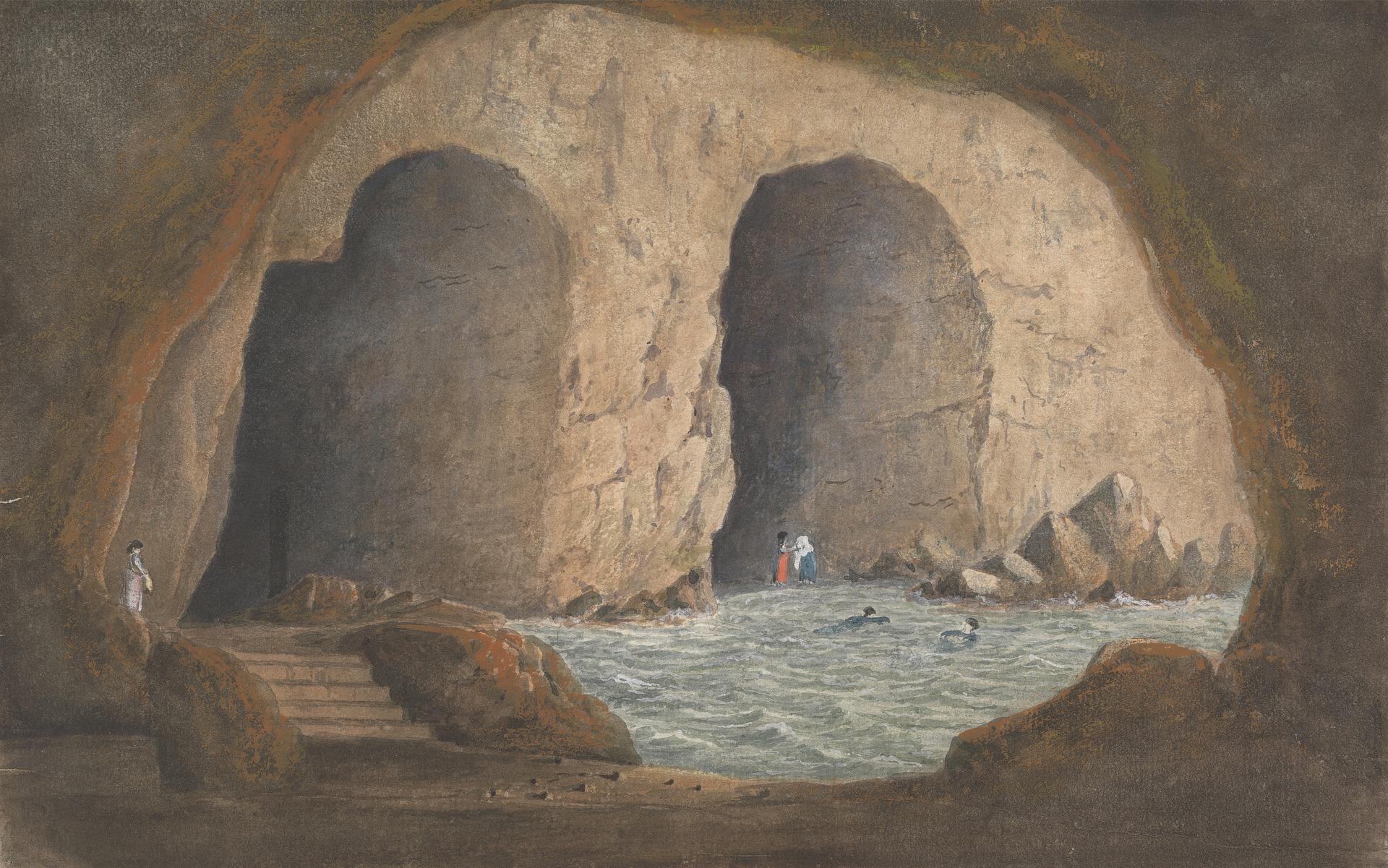
About 3 kilometres west of central Sorrento along a path that winds through scrubland and former lemon terraces is a natural swimming pool that most visitors to Sorrento never find. Bagni della Regina Giovanna — the Baths of Queen Giovanna — is a cove sealed from the open sea by a Roman arch, the remains of the 1st-century Villa di Pollio Felice. The water is clear, the colour shifts from green to blue depending on the light, and the ruins visible above the waterline give the place an atmosphere that the organised beach clubs in town entirely lack.
You can walk there in about 45 minutes from Piazza Tasso (the path is signposted, though not always clearly). There are no facilities. Bring water, shoes that can handle rocky access, and arrive before midday in summer.
Day Trips from Sorrento
Pompeii
Pompeii is the obvious first day trip and the most visited. The Circumvesuviana deposits you at the Pompeii Scavi station, directly at the main entrance to the archaeological site. From Sorrento, you can be inside the ruins in under 40 minutes door-to-door. Allow a full morning — three to four hours minimum — to cover the main streets and houses without feeling rushed; the site covers 44 hectares and in high summer it becomes very hot by midday. Admission is around €22. Booking tickets online in advance is recommended in July and August, when the queues at the gate can be long.
Herculaneum is smaller, better preserved in many ways, and far less visited. If you have done Pompeii before or want something quieter, it makes an excellent alternative or addition. It sits on the Circumvesuviana line between Sorrento and Naples at the Ercolano Scavi stop.
Naples
Naples from Sorrento is underrated as a day trip precisely because the city has a reputation that puts some travellers off. But arriving by Circumvesuviana into the Garibaldi district and then walking or taking the metro across the city reveals something more layered: the archaeological museum (home to much of what was excavated from Pompeii and Herculaneum, including the famous mosaics), Spaccanapoli’s dense historic lanes, the best pizza in Italy at prices that feel implausibly low, and the Capodimonte museum up in the hills for those who want one of Southern Italy’s finest art collections. A full day in Naples from a Sorrento base is genuinely feasible — and genuinely good.
Capri
The hydrofoil from Marina Piccola to Capri takes around 20 minutes and runs frequently enough that you do not need to plan tightly. The island rewards either a focused visit — Blue Grotto, Augustus Gardens, the chairlift to Monte Solaro — or a completely unstructured one: swim somewhere, eat fish, walk the paths above the sea. It gets extremely crowded in summer. The Blue Grotto queue can be an hour or more, and the chairs at the Piazzetta cost the price of a main course for a coffee. Go early, leave before the midday crowds solidify, or accept that Capri in high season is as much a social spectacle as a natural one. The Capri day trip guide covers routing, timing, and what to skip.
The Amalfi Coast by Ferry or Bus
You can do a half-day or full day on the Amalfi Coast from Sorrento without staying there at all — which is exactly what makes Sorrento such an effective base. The ferry from Marina Piccola stops at Positano (about 45 minutes) and continues to Amalfi town. You can take the ferry one way and the SITA bus back, or vice versa, giving you the coastal view in both directions. The Amalfi Coast itinerary lays out how to structure this in detail, including which beaches to stop at along the way. For the full beach breakdown, see the Amalfi Coast beaches guide.
Where Sorrento Wins Against Staying on the Amalfi Coast
This is a comparison worth being direct about, because many travellers agonise over it and most guides hedge rather than commit.
Stay in Sorrento if:
– You are doing Naples and/or Pompeii alongside the coast (the Circumvesuviana is invaluable)
– You are travelling without a car and want flexibility
– You have four or more nights in the region and want to move around rather than stay in one spot
– You are travelling with older family members or anyone who finds steep steps difficult
– Your budget is moderate — accommodation in Sorrento is meaningfully cheaper than in Positano or Ravello for comparable quality
– You want to be able to walk to dinner, a supermarket, a pharmacy
Stay on the Amalfi Coast if:
– You want to wake up looking directly at the coast, not across the bay
– You are making a single focused trip to one or two towns and not trying to cover the whole region
– You are prepared to rent a car, hire transfers, or accept that moving around will take effort
– Budget is not a primary constraint
There is no objectively correct answer, but there is a practical one for most first-time visitors covering the region in a week or less: base in Sorrento, day-trip the coast. The where-to-stay guide goes deeper on Positano, Praiano, Ravello, and Amalfi town as alternatives.
Getting Around: Practical Notes
On Foot in Sorrento
The central Sorrento plateau — Piazza Tasso, the historic centre, Villa Comunale, San Francesco — is compact and walkable in about 20 minutes end to end. The cliffs mean that most of the action is on one level, which makes navigation straightforward. The main challenge is the descent to either marina (Marina Grande to the north, Marina Piccola to the south): both require either steep steps, a ramp, or in the case of Marina Piccola, an elevator that can queue in summer.
The Circumvesuviana: What You Need to Know
The railway operates under EAV (Ente Autonomo Volturno) and is separate from Trenitalia, meaning national rail passes do not cover it. Buy tickets at the station window or use the GoEav app. Validate your ticket before boarding. In summer the trains are busy and can attract pickpockets — keep your bag in front of you. The rolling stock is old and the air conditioning is inconsistent. None of this should put you off; the line is reliable and the price-to-destination ratio is genuinely exceptional. For a fuller picture of moving around the country by rail, the Italy transportation guide covers the national network.
SITA Buses
SITA buses run along the SS163 coastal road connecting Sorrento to Positano, Amalfi, and Salerno year-round. The buses are cheap (fares roughly €1.30–€8 depending on distance), run fairly regularly, and the coastal road views are dramatic. The trade-off: the road is narrow, the buses are full in summer, and the journey can take significantly longer than expected when traffic is heavy. Book ferries for the scenic coastal stretches when they are running (April–October) and use buses as a backup or off-season option.
Ferries
Marina Piccola is the main departure point. The main companies include SNAV, NLG (Navigazione Libera del Golfo), Alilauro Gruson, and Laser Capri. Ferries and hydrofoils are different services with different journey times and prices — hydrofoils are faster and cost more. Buy tickets at the port ticket windows, arrive at least 15 minutes before departure, and check schedules directly with the operators rather than relying solely on third-party booking sites for accuracy. For the full car-free movement picture across the region, see the Amalfi Coast without a car.
Best Time to Stay in Sorrento
The shoulder seasons — late April to early June, and September to mid-October — are the sweet spot. Temperatures sit in the 22–27 degrees Celsius range, the ferries are running, and the peak-season crowds (and prices) have not yet fully arrived or have begun to thin. September is particularly good: the sea is at its warmest, Pompeii is slightly less punishing in the midday heat, and the hillsides around the Sorrentine Peninsula shift into harvest colours.
July and August are busy, hot (regularly above 32 degrees Celsius), and expensive. Accommodation books out months in advance. The Circumvesuviana is packed. The Blue Grotto queue on Capri requires patience. None of this makes summer a bad time to visit — many people do it and love it — but it requires early planning and a willingness to embrace the crowd as part of the experience.
November through March is quiet. Most hotels remain open, prices are lower, and the town has a more local feel. The coast road is still dramatic and the archaeological sites are easier to move around without queuing. The ferry to Capri runs year-round, though less frequently. The main loss in winter is the seasonal ferry service to Positano and Amalfi. For more on timing a broader Italy trip, the best time to visit Italy guide covers the regional picture.
Final Thoughts
Sorrento earns its place. It is not the most dramatic place you will visit in Campania — Positano’s vertical gardens beat it on spectacle, Capri on glamour, Pompeii on sheer historical weight. What Sorrento offers is something more practical and, honestly, more valuable for most travellers: the ability to reach all of those places without a car, without stress, and without spending a disproportionate chunk of your budget on accommodation and transfers.
The town itself rewards more time than most visitors give it. Walk down to Marina Grande on an evening when the tourist crowds have thinned. Spend an hour in the San Francesco cloister. Find a table at the Villa Comunale terrace just as the light goes golden. Sorrento at its own pace, rather than Sorrento-as-departure-lounge, is a different and better experience.
For the broader shape of a Campania trip, the Amalfi Coast itinerary is the logical next read. And if you are still deciding whether to stay in Sorrento or push further into the coast towns, the where-to-stay guide lays out the honest trade-offs for each. This region rewards the traveller who plans thoughtfully — and Sorrento, more often than not, is where that plan begins.
Part of the Amalfi Coast, Naples & Campania travel section. For the full picture of Italy trip planning, start with the Italy travel guide.
Questions travellers ask
How many days do you need in Sorrento?
Two nights is the practical minimum if you are using Sorrento as a base and want to cover a day trip (Pompeii or Capri) alongside some time in the town itself. Three to four nights gives you room for both a day trip to Capri and a day trip to either Pompeii or Naples, plus a proper evening in Sorrento’s historic centre. Five or more nights works well if you are also running a full Amalfi Coast day from the ferry, giving each day trip room to breathe.
Is Sorrento on the Amalfi Coast?
No — and this distinction matters practically. Sorrento sits on the Sorrentine Peninsula, on the north-facing side of the same mountain range that the Amalfi Coast descends from on its south-facing side. The Amalfi Coast proper begins around Positano, roughly 12 kilometres east by road. Sorrento is an excellent base for the Amalfi Coast, but it is not on it. The character of the two areas is also different: Sorrento is a larger, more practical town; the Amalfi villages are more dramatically scenic and less convenient for transport.
Is Sorrento worth visiting for its own sake, or is it only good as a base?
Both, genuinely. The town has enough — the historic centre, Marina Grande, the lemon groves, Bagni della Regina Giovanna, the cliff walk at sunset — to fill two good days without leaving. But the reason most people come, and the reason it earns its place at the top of an itinerary, is the transport hub function. You are not choosing between Sorrento-as-a-destination and Sorrento-as-a-base. The two reinforce each other, and most visitors who allow time for both leave more satisfied than those who use it purely as a launchpad.
How do I get from Naples airport to Sorrento?
There is no direct train from Naples Capodichino airport to Sorrento. The most common public transport route takes the Alibus airport shuttle (around €5) to Naples Garibaldi station, then the Circumvesuviana from there. The combined journey takes roughly two to two-and-a-half hours. Private transfers from the airport to Sorrento cost significantly more but take around 50–80 minutes depending on traffic. The Italy transportation guide covers current options and how to compare them.
Is the Circumvesuviana safe?
It is a safe, functioning commuter railway used by thousands of tourists every day. Petty theft — bag snatching, pickpocketing in crowded carriages — does happen, particularly in summer. Keep your bag zipped and in front of you, avoid leaving a phone on the seat beside you, and be aware of your surroundings at the Naples end of the line. This is a reasonable precaution, not a reason to avoid the train.
What is the best day trip from Sorrento?
Capri, if you have not been and the weather is clear. The crossing is short, the island is genuinely beautiful, and a full day there — Blue Grotto in the morning before the queues build, a walk to the Gardens of Augustus, lunch above the sea — is one of the finest days you can have in southern Italy. Pompeii is the better choice if you have already done Capri or if you want archaeology over scenery. Naples edges ahead if you want to eat well, move at a city pace, and feel the energy of a real Italian metropolis rather than a resort.
Can you visit Sorrento without a car?
Completely. Sorrento is arguably the best car-free base in all of Campania — the Circumvesuviana, the ferry network, and the SITA bus service between them cover every major destination in the region. A car would give you flexibility for secondary roads and smaller villages, but it is not needed and in high season can actively work against you on the narrow coastal roads. The Amalfi Coast without a car guide covers the full logistics.
Where should I stay in Sorrento?
The centre of town — within walking distance of Piazza Tasso — is the most convenient base for transport and evening life. Properties on or near Via Correale and the eastern side of the old town tend to have better views over the bay. Budget travellers have a couple of decent hostels near the station. Mid-range options run from B&Bs in the old town to standard three-star hotels with pools on the cliff edge. For a detailed breakdown of options across the Campania region, the where to stay on the Amalfi Coast guide covers everything from Sorrento to Ravello.