Florence & Tuscany Travel Guide
Best Things to Do in Florence: The Complete First-Timer’s Guide
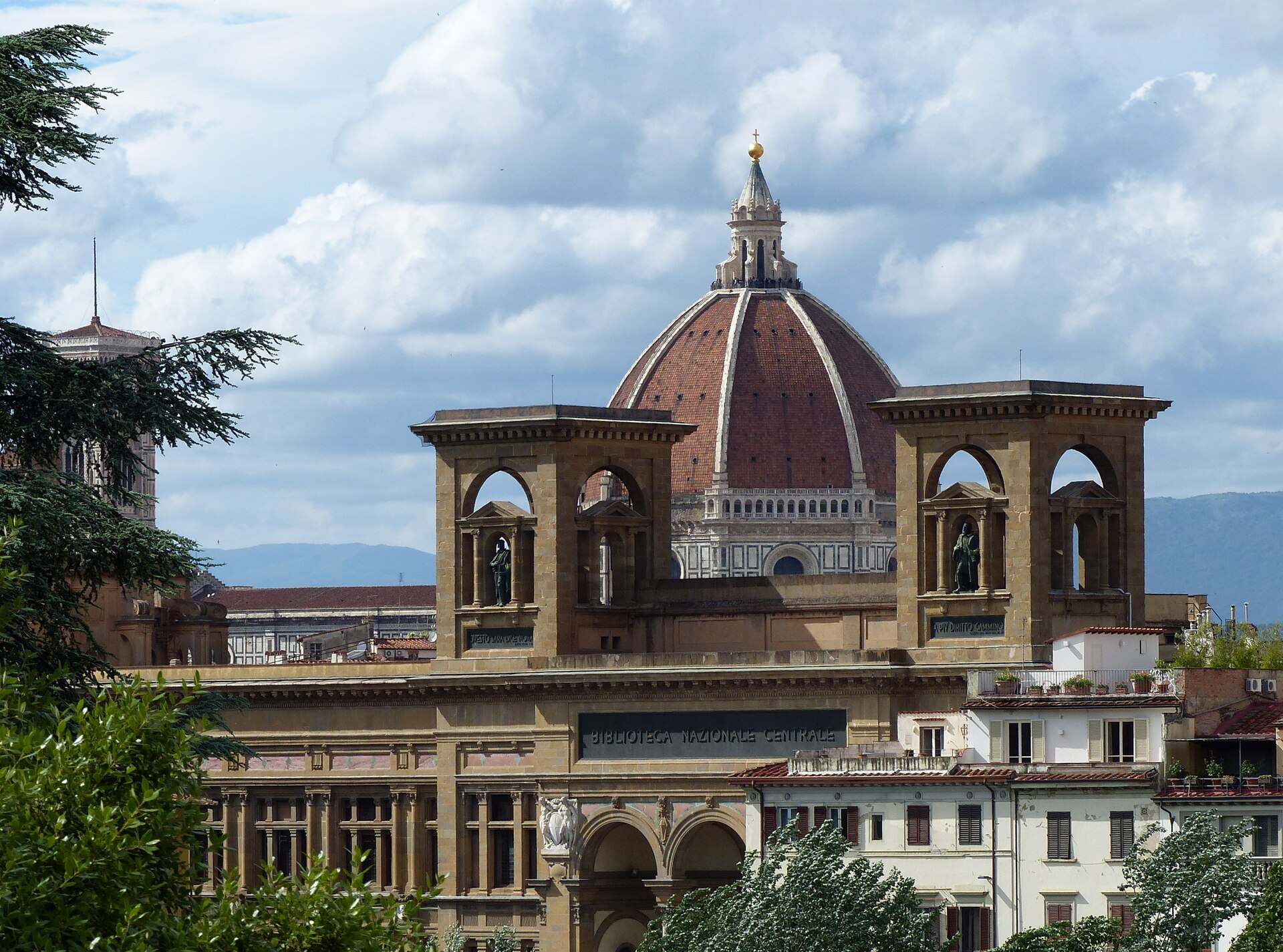
Florence is the kind of city that breaks people’s plans in the best possible way. You arrive intending to spend two days and leave wondering how you’ll survive without coming back. The things to do in Florence are not just numerous—they are genuinely among the most important cultural experiences in the world. Brunelleschi’s dome. Botticelli’s Venus. Michelangelo’s David. Ponte Vecchio at seven in the morning before the tour groups arrive. These are not hype. They are real.
If you are visiting Florence for the first time, here is the honest short answer: spend at least three full days, pre-book the Uffizi, the Accademia, and the Duomo climb before you leave home, and make sure you cross the river at least once into the Oltrarno. Everything else is gravy. Which side of the river you sleep on shapes the trip too, and our Florence neighbourhood guide compares the options.
This guide is organized the way Florence actually works—thematically, by neighborhood cluster—not as a flat list of forty things. For the day-by-day sequence, see our 3-day Florence itinerary. For full Uffizi ticket strategy, see our Uffizi tickets guide. For where to sleep, see our guide to accommodation in Florence.
At a Glance: Florence Attractions Worth Your Time
| Sight | Why Go | Pre-book? | Time Needed |
|---|---|---|---|
| Brunelleschi’s Dome (climb) | Greatest engineering feat of the Renaissance, stunning views | Yes — sells out weeks ahead | 1.5–2 hrs |
| Uffizi Gallery | Botticelli, da Vinci, Titian, Caravaggio in one building | Yes — essential | 2–4 hrs |
| Galleria dell’Accademia (David) | Michelangelo’s David, original marble; nothing else comes close | Yes — books out months ahead | 1–1.5 hrs |
| Baptistery of San Giovanni | Ghiberti’s Gates of Paradise; gold mosaic ceiling | Included with Duomo pass | 30–45 min |
| Giotto’s Bell Tower | Best view of the Duomo itself; wired viewing platforms | Included with Duomo pass | 1–1.5 hrs |
| Bargello | Best sculpture museum in Italy that nobody talks about | No | 1–2 hrs |
| Piazza della Signoria | Outdoor sculpture gallery, free; Loggia dei Lanzi | No | 30–45 min |
| Ponte Vecchio | Medieval bridge lined with goldsmiths; free to walk | No — just arrive early | 20–30 min |
| Pitti Palace & Boboli Gardens | Medici royal apartments; 11-acre formal gardens | Online recommended | 2–3 hrs |
| Brancacci Chapel | Masaccio’s frescoes — where the Renaissance learned to paint | Yes — timed entry | 45–60 min |
| Piazzale Michelangelo | Best free panoramic view of Florence | No | 30–60 min |
| San Miniato al Monte | Romanesque hilltop church; best at sunset | No | 45 min |
| Mercato Centrale | Food stalls, truffle pasta, fresh produce, Florentine lunch | No | 1–2 hrs |
The Duomo Complex: Florence’s Cathedral and Everything Around It
Every first-time visitor to Florence gravitates here, and rightly so. The Cathedral of Santa Maria del Fiore—everyone calls it the Duomo—is not just a church. It is a complex of five interconnected monuments on a single piazza, and you could spend an entire morning without leaving the square.
A single pass (around €30 as of 2026, check the official site for current pricing) covers the cathedral interior, the crypt, the Museo dell’Opera del Duomo, and your choice of the dome climb or the bell tower climb. Buy it in advance.
The Cathedral Interior: Free, But Go Inside
The cathedral nave is free to enter, though you should expect a queue. Go anyway. The interior is darker and more austere than the flamboyant exterior promises, but the Giorgio Vasari fresco inside the dome—the Last Judgment, painted on 38,000 square feet of concave ceiling—is something you have to crane your neck to take in properly.
Climbing Brunelleschi’s Dome
Here is the practical truth that most guides avoid saying directly: when you climb the dome, you do not see the dome. You are inside it. The 463-step ascent rewards you with one of the finest rooftop panoramas in Italy, but the Duomo’s famous terracotta silhouette will not be in any of your photos because you are standing on top of it.
The interior spiral staircase between the two shells of the dome is claustrophobic and remarkable. You pass within arm’s length of Vasari’s fresco from the inside. That alone is worth the climb.
Book early. On busy spring mornings, slots can sell out four or five days ahead.
Giotto’s Bell Tower: The Better View?
Here is my actual recommendation: if you can only do one climb, do the bell tower. It is 414 steps, there are three rest platforms on the way up, and from the top you get a direct, full-face view of Brunelleschi’s dome. That is the postcard photo. The chicken-wire viewing platform is not glamorous, but your phone camera fits through it fine.
The bell tower is also meaningfully safer for children—it is fully enclosed at the top where the dome has open parapets.
Both climbs use the same Duomo pass. If you have the legs and the time, do both on the same morning.
The Baptistery of San Giovanni
The octagonal building to the west of the cathedral is over a thousand years old and easy to underestimate from the outside. Do not skip it. The gold mosaic ceiling inside—a vast Byzantine Last Judgment—is one of the most arresting interiors in Florence. And then there are the doors.
Lorenzo Ghiberti’s east doors, the so-called Gates of Paradise, took him 27 years to complete. Michelangelo reportedly gave them their nickname. What you see on the building are high-quality reproductions; the originals are protected in the Museo dell’Opera del Duomo next door.
The Baptistery is included with your Duomo pass.
Museo dell’Opera del Duomo
Tucked behind the cathedral, this museum is consistently underrated and consistently wonderful. It houses Ghiberti’s original bronze panels, Donatello’s wooden Mary Magdalene (harrowing and extraordinary), and a detailed explanation of how Brunelleschi engineered the dome without centering—the greatest unsupported masonry dome ever built. Give it an hour if you can.
The Great Art: Uffizi, David, and the Bargello
Florence has more world-class art per square kilometer than anywhere else on earth. The question is not whether to see it, but how to pace yourself so you do not burn out before lunch on day two.
Uffizi Gallery
The Uffizi is not Italy’s largest art museum. It is arguably its most important one. Commissioned by the Medici as magistrates’ offices in the 16th century and converted to a public gallery in 1769, it holds the world’s greatest concentration of Renaissance painting under one roof.
The headline works are Botticelli’s The Birth of Venus and Primavera—both in room 10–14, both genuinely shocking in person for their scale and condition. But the Uffizi rewards wandering. Room 15 has three early Leonardo da Vincis. There is a Titian Venus that stops people cold. There is Artemisia Gentileschi’s Judith Slaying Holofernes—painted by a woman in 1612 with a fury that predates its story by centuries.
Plan two hours minimum. Three if you want to linger. Book tickets weeks in advance; see our Uffizi tickets guide for the best booking strategy, how to beat the queues, and whether a guided tour is worth it. Admission runs around €25–30 as of 2026; check uffizi.it for current prices.
One practical note: the downstairs galleries are significantly quieter than the famous long corridor upstairs. Start downstairs if the main hall feels overwhelming.
Galleria dell’Accademia and Michelangelo’s David
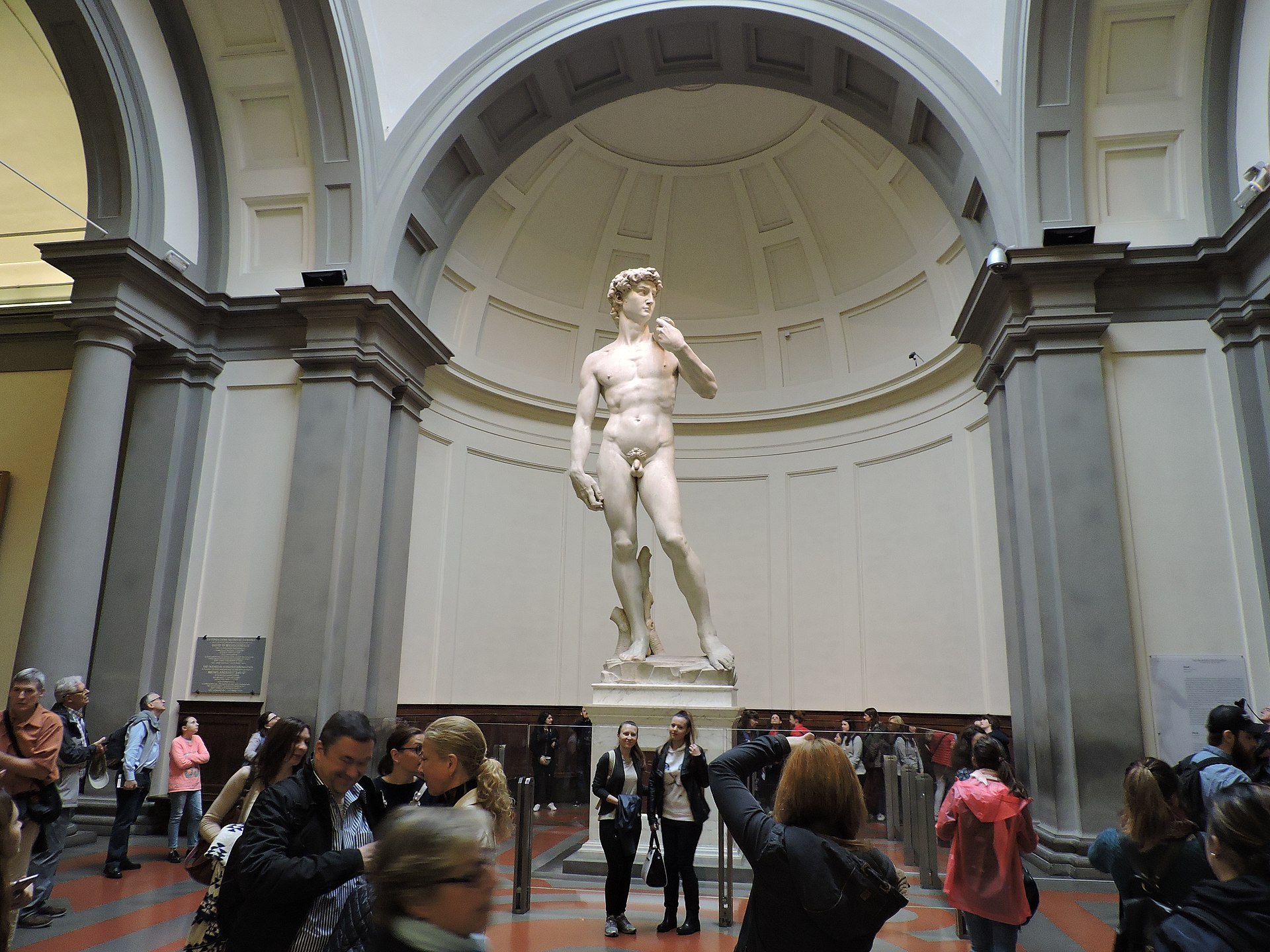
The Accademia is a small museum with one reason to exist: Michelangelo’s David. That is not a criticism. The David is arguably the greatest single sculpture in Western art, and standing in front of it—in the round, under the skylit rotunda built specifically for it—is a different experience than any photograph prepares you for.
The statue is over five meters tall. Michelangelo carved it when he was 26. The tension in the neck, the veins in the hands, the slight turn of the head as David faces Goliath—it is not decorative art. It is anxiety and resolve in marble.
Book as far in advance as possible. The Accademia regularly sells out two or three months ahead on the official site (galleriaaccademiafirenze.it). If official tickets are gone, third-party operators often have allocation. Admission is around €15–20 as of 2026, or less for the early-morning slot.
While you are here, do not walk past the Prisoners—Michelangelo’s four unfinished slaves, partially emerging from their blocks of marble, lining the corridor to David. They are not an afterthought. They are among the most moving things in Florence.
The Bargello: Florence’s Best-Kept Secret
If the Uffizi is Florence’s most famous museum, the Bargello is its most undervalued. This former prison and courthouse holds the finest collection of sculpture in Italy outside the Vatican. Donatello’s bronze David (the first freestanding nude male statue of the Renaissance), his St. George, and his marble Marzocco are here. Verrocchio’s David is here. Ghiberti’s and Brunelleschi’s competing trial panels for the Baptistery doors—the two bronzes that launched the Renaissance—are displayed side by side.
There is rarely a queue. Admission is modest (around €10–12 as of 2026). It is one of the best hours you will spend in Florence. Browse the Bargello’s official page for current hours.
Piazzas and Bridges: The Free Half of Florence
Not everything worth seeing costs money or requires advance booking. Some of the most important Florence attractions are the streets themselves.
Piazza della Signoria
This is the civic heart of Florence—it has been since the 14th century. The piazza is flanked by the Palazzo Vecchio on one side and opens onto the Loggia dei Lanzi on another, a free outdoor sculpture gallery containing Cellini’s Perseus with the Head of Medusa and Giambologna’s Rape of the Sabine Women. Both are originals, standing in the open air, free to walk up to.
There is also a copy of Michelangelo’s David in the spot where the original stood until 1873. Do not be fooled—it is a decent copy, but next to what you will have seen at the Accademia, the difference is obvious.
The Palazzo Vecchio itself is worth exploring if you have time. Climb the Arnolfo Tower for a close-range, oblique view of the Duomo that you cannot get from anywhere else—it is arguably the most underrated viewpoint in the city. Book tower tickets separately at ticketsmuseums.comune.fi.it.
Ponte Vecchio
Florence’s oldest bridge has spanned the Arno at this point since Roman times (the current structure dates to 1345). The goldsmiths who line it today are there because of the Medici—specifically Cosimo I, who in 1565 had the tanners and butchers who previously occupied the bridge evicted, replacing them with jewelers. His reason was practical: the Vasari Corridor, the elevated private walkway connecting Palazzo Vecchio to Palazzo Pitti, passes directly above the bridge, and the Medici did not want to smell what was underneath.
The bridge survived World War II because the German commander reportedly refused to follow orders to destroy it—instead, the buildings at both ends were demolished to block the crossing. Look closely at the Oltrarno approach and you can see where the medieval urban fabric was rebuilt after the war.
Walk across it early morning or just after rain. Midday in summer it is packed. It is free, it is beautiful, and the shops are genuinely interesting even if the prices are inflated versus goldsmiths elsewhere in the city.
The Oltrarno: Florence’s Other Half
Cross the Arno at any bridge and you are in the Oltrarno—literally, “beyond the Arno.” This is the neighborhood where Florence feels most like a city rather than a museum. The streets are narrower, the workshops still actually make things, and the trattorie have fewer laminated tourist menus. Plan at least a half-day here.
Pitti Palace and Boboli Gardens
The Medici eventually found the Palazzo Vecchio too cramped and moved across the river to the Pitti Palace, a building of almost incomprehensible grandeur. The Palatine Gallery inside holds a second extraordinary collection of Renaissance and Baroque paintings—Raphael, Titian, Rubens—in rooms still decorated as a royal residence. The effect is overwhelming in a different way than the Uffizi: here, the art is hung floor to ceiling in silk-walled rooms, the way the Medici actually lived with it.
Behind the palace lie the Boboli Gardens—11 acres of formal terraced gardens, fountains, grottos, and statuary laid out from the 1550s onward. The views from the upper terraces over Florence are excellent and uncrowded. Combined Pitti Palace and Boboli admission runs around €22–25 as of 2026; check uffizi.it for details. Book online to avoid queues.
Brancacci Chapel
One stop on this side of the river that most first-timers skip—and should not: the Brancacci Chapel in the Church of Santa Maria del Carmine. The frescoes painted here by Masaccio in the 1420s are the direct origin of Renaissance painting. Everything that came after—Michelangelo, Raphael, Leonardo—descends from what Masaccio figured out in this small chapel about light, shadow, and the human body in space. Michelangelo himself came here as a young man to sketch from these walls.
Entry is timed and limited (around €10 as of 2026; book ahead at musefirenze.it). Spend forty-five minutes here and you will understand the Uffizi better afterward.
Piazza Santo Spirito and the Oltrarno Neighborhood
The neighborhood around the Basilica di Santo Spirito—Brunelleschi’s austere masterpiece of a church—is where many people fall in love with Florence. The piazza fills with locals in the evening. The Sundays bring a small artisan market. The Basilica interior is free and undervisited, its rational grey-stone geometry a deliberate contrast to the Duomo’s exuberance.
Eat lunch or dinner here. The restaurants on and around Piazza Santo Spirito are better value and more locally oriented than anywhere within a ten-minute walk of the Duomo.
Viewpoints: Where to Actually See Florence
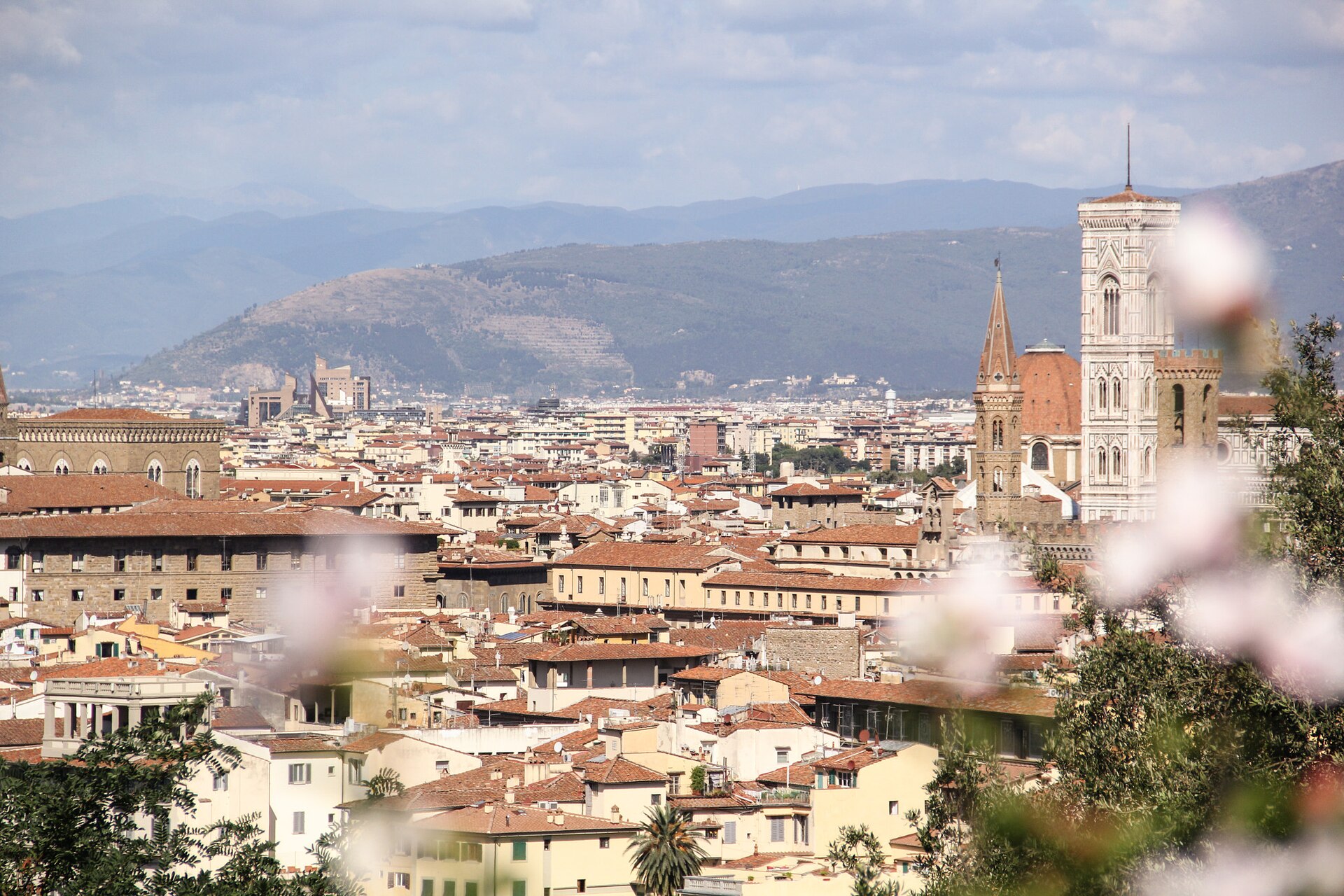
Every guide will tell you about Piazzale Michelangelo. That does not make it wrong.
Piazzale Michelangelo
This broad hilltop esplanade on the south bank of the Arno is, without argument, the most complete single view of Florence. You can see the Duomo, Giotto’s Bell Tower, Palazzo Vecchio, Ponte Vecchio, and the full stretch of the Arno valley in a single glance. There is a bronze copy of David at the center. The view is spectacular at any time of day; at sunset it is extraordinary.
It is free. The walk up from Ponte Vecchio takes about twenty minutes on foot, or you can take the number 12 or 13 bus. The piazza itself is touristy and the bar has mediocre coffee, but none of that matters when you are standing in front of that view.
San Miniato al Monte
Ten minutes’ walk up the hill above Piazzale Michelangelo, San Miniato al Monte is a Romanesque basilica begun in 1018 and barely changed since. The black-and-white marble facade glows gold at sunset. The interior has a geometric marble inlay floor, a luminous crypt, and a sacristy decorated by Spinello Aretino. There is almost never a crowd.
Arrive just before sunset. The Benedictine monks who still live here sing vespers at around 5:30 PM (check seasonally—times vary). If you catch it, you will remember it.
Markets, Food, and the Street Life of Florence
Florence’s food is Tuscan food at its most refined: bistecca alla Fiorentina (the massive T-bone, served rare, no exceptions), ribollita (hearty bread-and-vegetable soup), lampredotto (tripe sandwich from a street cart—try it before you decide), and everywhere, pici pasta with wild boar ragù. The wine is Chianti Classico or Morellino di Scansano. The gelato from serious shops (look for pastel rather than piled-up neon mounds) is unlike anything you can get outside Italy.
Mercato Centrale
The iron-and-glass central market near San Lorenzo is Florence’s best food market. The ground floor sells raw produce, meat, cheese, and pasta from permanent vendors—it is a working market, not a food court. The upper floor is a food hall open into the evening, with stalls selling truffled pasta, lampredotto, pizza, fried food, and wine. Lunch here costs €10–15 and is excellent. It is busy but not aggressively touristy.
For a quieter version, Mercato Sant’Ambrogio on the east side of the centre is smaller, older, and largely local—a real neighborhood market that opens in the morning and closes by early afternoon.
Where to Eat Near the Duomo (Without Getting Ripped Off)
The restaurants immediately ringing the Duomo and on Via dei Calzaiuoli are almost universally designed for tourists: large menus, laminated photos, mediocre food, inflated prices. Walk two streets in any direction and things improve immediately. Cross the Arno and they improve further.
For specific neighborhoods, neighborhoods to look: Via dei Benci and Borgo San Jacopo in the Oltrarno, the streets around Mercato Sant’Ambrogio, the university area near Sant’Apollonia. Consult our broader guide to Florence and Tuscany for current restaurant recommendations.
What to Skip (Or at Least Temper Your Expectations)
All’Antico Vinaio: The sandwiches are genuinely excellent. The line can stretch an hour long in peak season. Worth it once, maybe, if you have no other priorities that afternoon. There are other good sandwich shops in the city without the wait.
The shops on Ponte Vecchio: Buy gold here if you want the experience and the memory—the prices are real, the jewelry is real—but gold from the same Florentine workshops in other parts of the city will cost 10–20% less without the premium for location.
Piazzale Michelangelo at Sunset (in July or August): The view is still spectacular. The crowd at peak summer sunset is extraordinary. If you are there in high season, the same view at 7 AM is just as good and you will share it with maybe twenty other people.
The Medici Chapels without context: The New Sacristy with Michelangelo’s tomb sculptures (Night, Day, Dawn, Dusk) is genuinely important. The opulent Cappella dei Principi feels excessive even by Medici standards. If your time is short and you have already seen the Bargello, the Brancacci Chapel will give you more.
A cooking class on day one: Every itinerary suggests booking a cooking class. They are fun. But do the museums first while your energy is high, and save the cooking class for an afternoon when your feet ache.
Practical Notes for First-Timers
Booking: The Accademia, Uffizi, and Duomo dome climb sell out regularly. Book all three before you leave home. See our 3-day Florence itinerary for a sequenced booking strategy.
Getting around: Florence’s historic centre is almost entirely walkable. The main sights cluster within a 20-minute walk of each other. The Oltrarno requires crossing a bridge; Piazzale Michelangelo requires either a bus or a walk uphill. A taxi or rideshare is useful for arriving with luggage.
When to visit: April through June and September through October offer the best balance of weather and manageable crowds. July and August are genuinely hot (35°C+ is not unusual) and the city is crowded. January and February are cold and quiet, with shorter museum hours. See our best time to visit Italy guide for more detail.
How it fits in a wider Italy trip: Florence sits between Rome and Venice on the main rail line. See how it connects to the rest of a two-week trip in our Italy itineraries guide and how to reach Siena, the Val d’Orcia, and the Chianti in our Florence day trips guide.
Final Thoughts
Florence asks more of you than almost any other city. It asks you to slow down in front of things that deserve it, to book ahead so you are not standing in a line while the thing you came to see closes, to eat where the food is actually good rather than merely convenient, and to cross the river at least once and see the city from the other side.
The things to do in Florence could fill a month. For a first visit, three days done properly—with pre-booked tickets and at least one afternoon in the Oltrarno—will give you something that stays with you. For everything else, you will just have to come back.
Start planning your wider Tuscany trip with our Florence and Tuscany travel guide, or explore Siena and other towns on a day trip from Florence.
Questions travellers ask
How many days do you need in Florence?
Three full days is the honest minimum for a first visit that covers the major sites without feeling rushed—day one for the Duomo complex and Accademia, day two for the Uffizi and Piazza della Signoria, day three for the Oltrarno and viewpoints. Two days is doable if you are ruthless about priorities and book everything in advance. One day produces anxiety more than memories. See our 3-day Florence itinerary for the full sequence.
What are the top Florence attractions for first-time visitors?
The non-negotiables are Brunelleschi’s Dome (or Giotto’s Bell Tower), Michelangelo’s David at the Accademia, the Uffizi Gallery, the Baptistery, Piazza della Signoria, and Ponte Vecchio. Add Piazzale Michelangelo for the panorama and at least one Oltrarno afternoon. The Bargello is the most rewarding bonus if you have extra time.
Should I climb the Duomo dome or Giotto’s Bell Tower?
Both if possible. If forced to choose one: the bell tower gives you the better external view—including a full-face look at Brunelleschi’s dome that you cannot get from inside it. The dome climb is more architecturally dramatic (you pass between the two shells) and the panorama is slightly wider. The bell tower is better for families with children. Both are covered by the same Duomo pass.
What to see in Florence in one day?
Start with David at the Accademia (book the first slot), walk to the Duomo complex (enter the cathedral for free, then the Baptistery), have lunch near Mercato Centrale, spend the afternoon at the Uffizi (pre-book), walk Piazza della Signoria and Ponte Vecchio at golden hour, and cross to Oltrarno for dinner. You will be exhausted. It is worth it.
Is the Uffizi Gallery worth it?
Unambiguously yes. The Botticellis alone justify the entry price and the advance booking effort. Plan two hours minimum; three if you want to do justice to rooms like the Leonardo corridor and the Caravaggio gallery. Crowds can be intense midday—book a morning slot. Our Uffizi tickets guide covers everything about buying tickets and what to see first.
Is Florence safe for tourists?
Florence is one of the safest cities in Italy for tourists. The main risks are pickpocketing in crowded areas (Ponte Vecchio, the Duomo queue, busy buses) and aggressive restaurant touts near major sights. Keep a close eye on bags in crowds, eat away from the obvious tourist strips, and you will have no problems. The city centre is lively and well-lit well into the evening.
How does Florence compare to Rome for a first-time Italy visitor?
They serve different purposes. Rome is layered history across 2,800 years—ancient, medieval, and Baroque all colliding. Florence is the Renaissance concentrated: a smaller, more manageable city where a specific 200-year explosion of art and architecture is still visible in nearly every street. Most two-week Italy itineraries include both. If you can only visit one, that depends on whether you want breadth (Rome) or depth (Florence). See our Rome travel guide and Italy travel guide for more.
What’s the best free thing to do in Florence?
The view from Piazzale Michelangelo costs nothing. The exterior of the Duomo complex costs nothing. Piazza della Signoria and its outdoor sculpture gallery—Cellini’s Perseus, Giambologna’s Sabine Women, the copy of David—are free. The Oltrarno streets and Piazza Santo Spirito are free. Florence rewards walkers who look up.
1 comment
Comments are closed.