Florence & Tuscany Travel Guide
Florence Day Trips: Siena, Chianti, Pisa, Lucca and More
The Best Florence Day Trips — Quick Answer
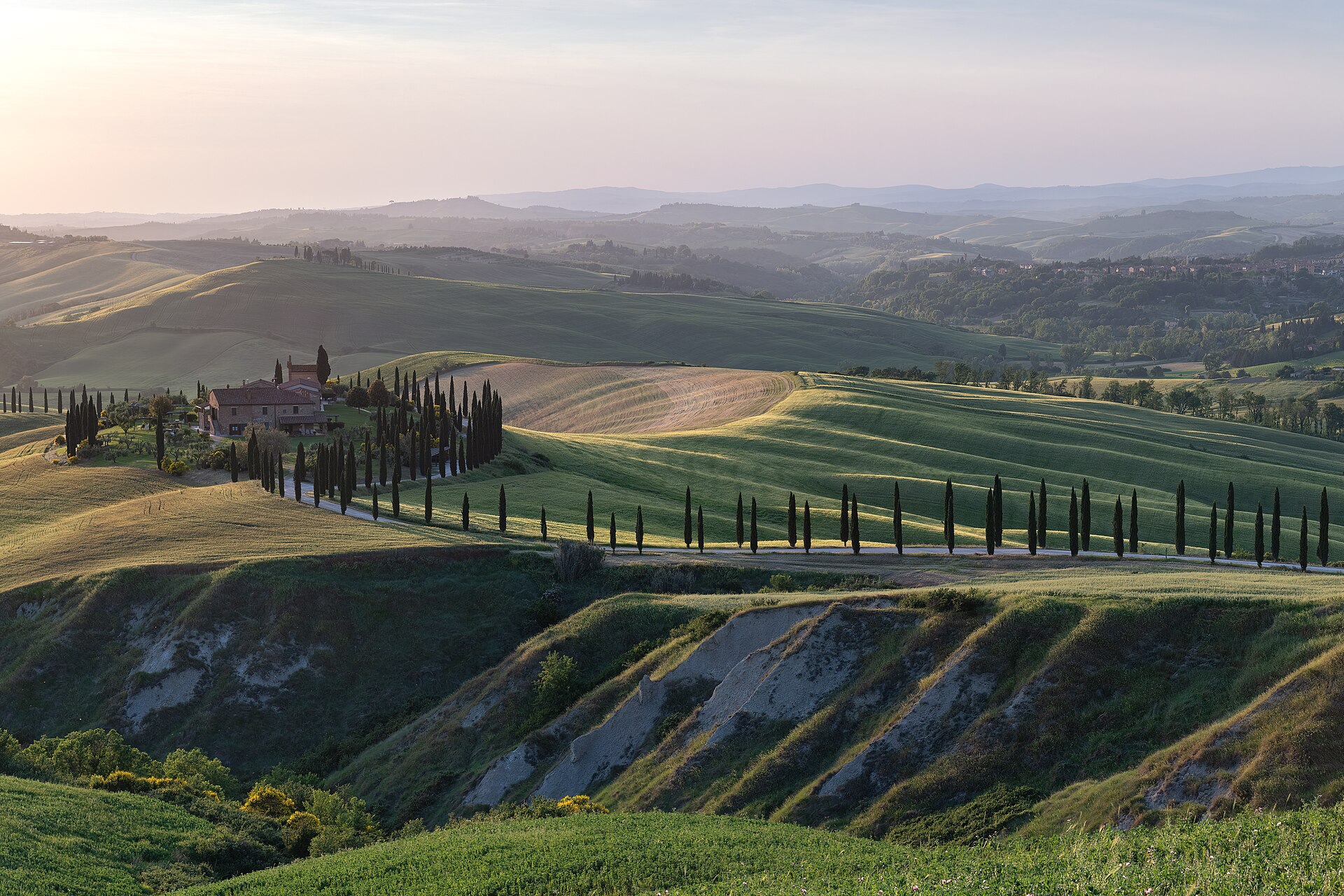
Florence day trips are one of the best reasons to base yourself in the city for a week. Within two hours you can reach medieval hill towns, a UNESCO-listed landscape, five coastal villages, and Italy’s food capital by fast train. The easiest trips by train are Pisa (around 50 minutes), Lucca (around 1 hour 20 minutes), and Bologna (as little as 37 minutes on the Frecciarossa). Siena is best by bus, not train. Chianti and Val d’Orcia genuinely need a car or a guided tour. Cinque Terre is doable by train but long — budget the full day. This guide covers eight destinations, tells you exactly how to get to each, how long you actually need, and whether the trip is worth the effort.
This is for you if you have a Florence base and want to make smart choices about where to spend your out-of-city days — rather than just grabbing whatever group tour poster you see in your hotel lobby. Choosing that base is its own decision, and the best areas to stay in Florence covers it properly.
Florence Day Trips at a Glance
| Destination | How to Get There | Travel Time (one way) | How Long You Need | Worth It? |
|---|---|---|---|---|
| Pisa | Direct train | ~50 min | Half day (3–4 hrs) | Yes — if you stay past noon |
| Lucca | Direct train | ~1 hr 20 min | Full day or half | Absolutely |
| Siena | Direct bus (not train) | ~75 min | Full day | One of the best |
| Chianti | Car or tour | ~30–45 min | Half to full day | Yes, with wheels |
| San Gimignano | Bus (change at Poggibonsi) | ~75 min | Half day | Yes, go early |
| Val d’Orcia | Car or private tour | ~2 hrs | Full day | Worth every minute |
| Cinque Terre | Train (change at La Spezia) | ~2.5–3 hrs | Full day | Yes, but commit |
| Bologna | Frecciarossa | ~37–40 min | Half to full day | Underrated gem |
Pisa
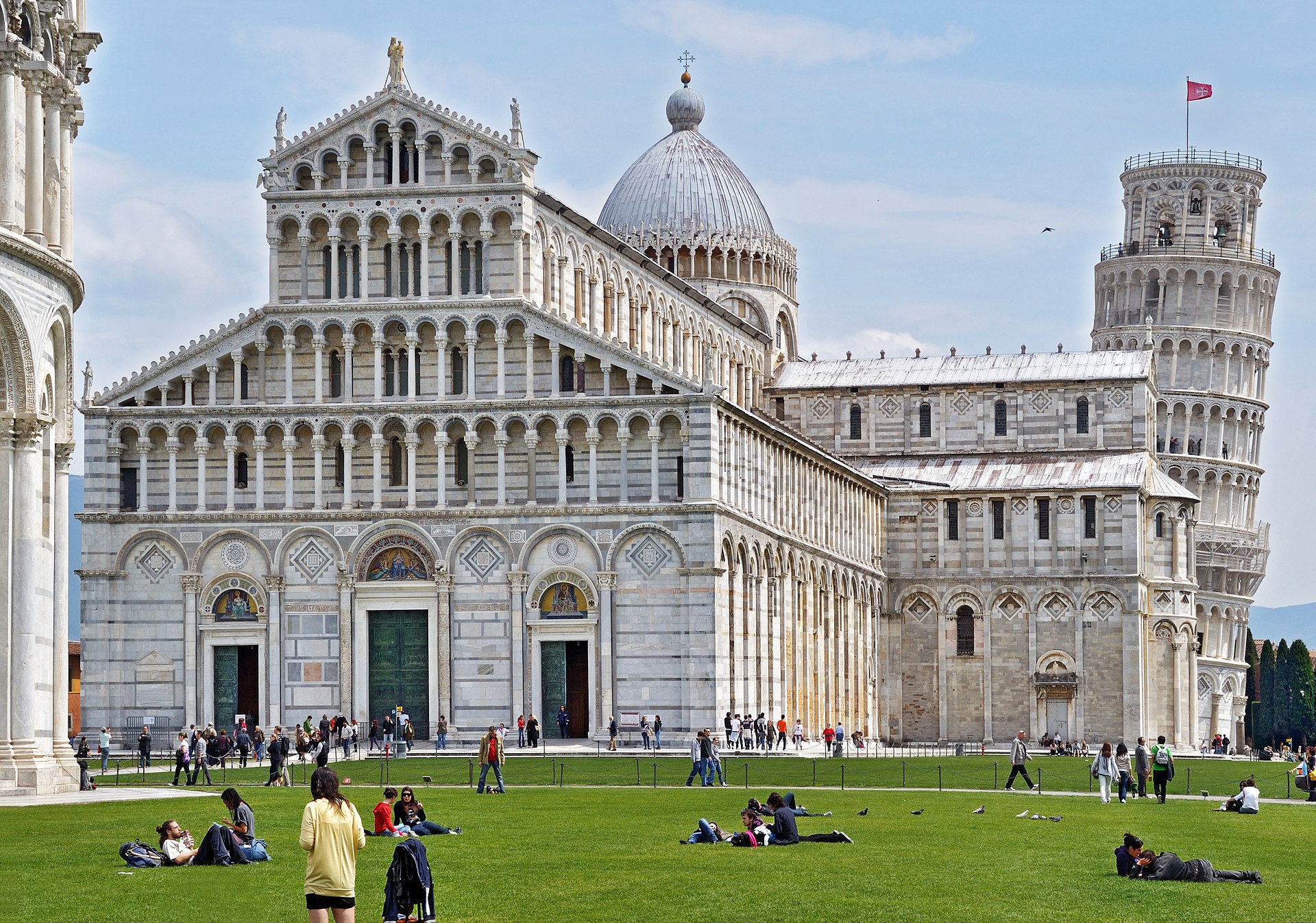
Pisa has a reputation problem. Too many visitors fly in, photograph the tower in two minutes, and leave before lunch. The result is a Campo dei Miracoli (officially the Piazza dei Miracoli) packed with tour groups between 10am and 3pm — and a genuinely beautiful medieval city that most people never bother to see.
Here is the honest version of Pisa: the Leaning Tower is extraordinary in person. More extraordinary than you expect, frankly. But the 11th-century Duomo standing next to it is one of the finest Romanesque churches in Italy, and the Baptistery is spectacular. The rest of the old city — the Arno riverfront, the university quarter, the small enotecas — is quietly lovely.
Getting there
Direct regional trains run from Firenze Santa Maria Novella to Pisa Centrale every 15–30 minutes, taking around 50–60 minutes as of 2026. Tickets cost around €9–10 on regional services, which you can buy at the station (no booking required). From Pisa Centrale, the Campo dei Miracoli is a 20-minute walk or a 10-minute ride on the LAM Rossa bus — get off at the “Torre” stop.
The Frecciarossa/Frecciargento high-speed trains do the route faster (around 48–50 minutes) but cost more and require advance booking. For a spontaneous day trip, the regional train is fine.
If you want to climb the Leaning Tower, book ahead. Space is capped and timed slots sell out days in advance, especially in summer. Check the Opera della Primaziale Pisana site directly.
How long you need
Pisa is genuinely a half-day city. Three to four hours covers the Campo dei Miracoli thoroughly, gives you time for lunch, and lets you walk through the old town. If you stay for the evening — the riverbanks at sunset are worth it — you can add another few hours easily.
Tip: The crowd sweet spot is either arriving before 9:30am or arriving after 3pm when the tour buses start leaving. The walk from the station at dusk with almost nobody around is one of the better experiences in Tuscany.
Smart combo: Lucca is only 25 minutes from Pisa by train. Spend the morning in Lucca and the late afternoon in Pisa — you dodge the worst crowds at both. More on that below.
For deeper reading on Italian train logistics, see our guide to trains in Italy.
Verdict: Go. Just don’t go at 11am on a Tuesday in August without a tower booking.
Lucca
Lucca might be the most underrated city in Tuscany. It lacks Siena’s drama and Florence’s overwhelming weight of masterpieces, and that turns out to be the point. Lucca is a place you actually enjoy rather than just absorb.
The city is encircled by its Renaissance-era walls — 4 kilometres of red brick ramparts wide enough at the top to walk, cycle, or picnic on. Inside the walls, the medieval streets are car-free, the churches are beautiful without being exhausting, and the Piazza dell’Anfiteatro (an oval piazza that literally traces the outline of a Roman amphitheatre buried beneath it) is one of the most charming public spaces in Italy.
Lucca is also the birthplace of Giacomo Puccini, and the city takes that seriously — you’ll find his home turned into a small museum and his name on half the restaurants.
Getting there
Trains from Firenze Santa Maria Novella run roughly twice an hour to Lucca, taking around 1 hour 20 minutes. The station is directly outside the city walls at Porta San Pietro — walk through the gate and you’re immediately in the medieval centre. Tickets cost around €8–10 on regional trains.
There’s no need to book ahead. You can buy at the station and go.
How long you need
A full day is ideal but half a day works well, especially if you’re pairing Lucca with Pisa (see the Pisa section above for the combined-day logistics). If you have a full day: walk or rent a bike on top of the walls in the morning, explore the churches and piazzas after lunch, and linger over an Aperol Spritz somewhere in the old centre before your train home.
Bike rental is available from several shops near the station walls for around €4–6 per hour — it’s genuinely the best way to see the walls.
Verdict: One of the most pleasant days out from Florence, and easy enough that even a short Florence stay can fit it in.
Siena
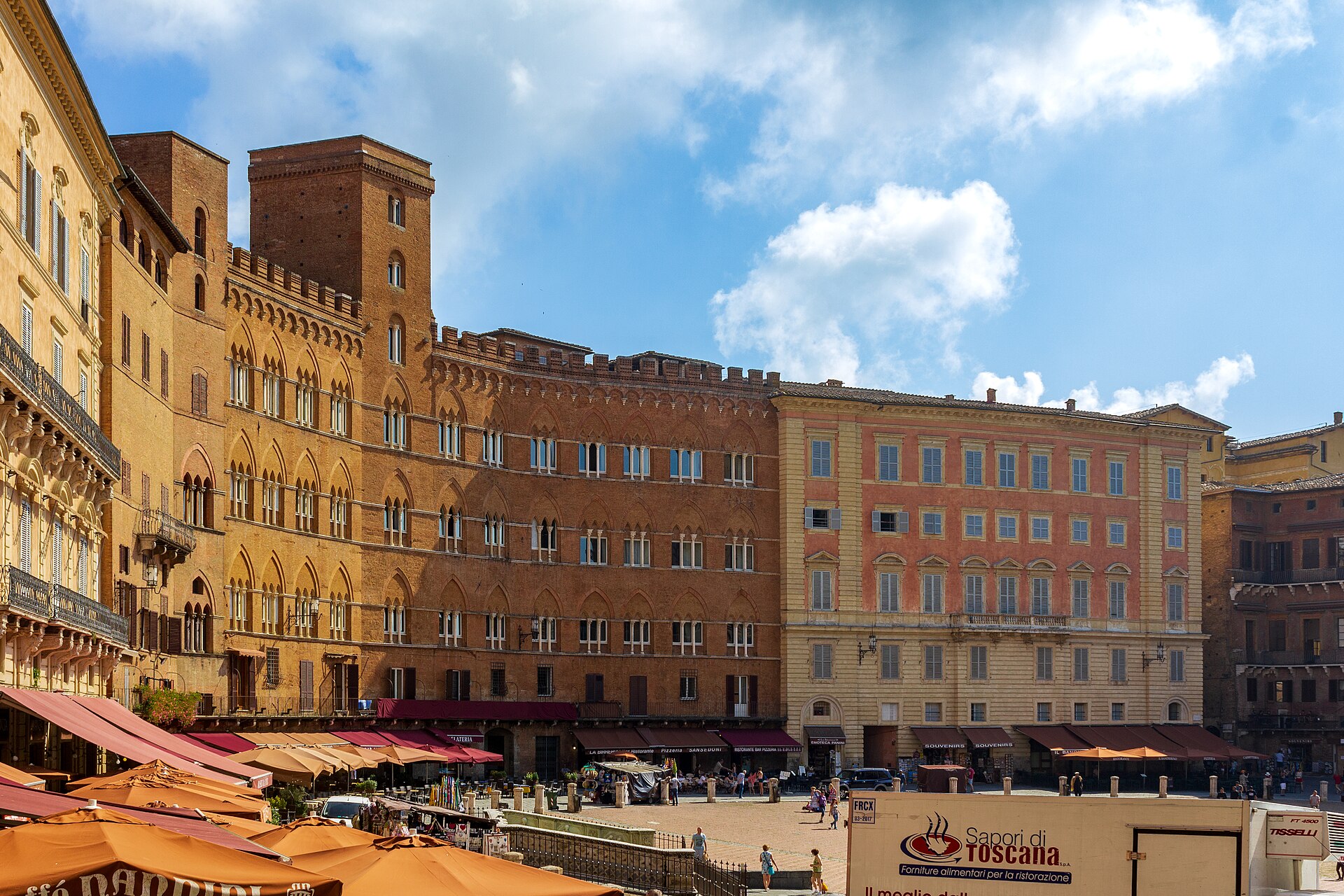
Siena is Florence’s ancient rival — and in many ways its equal. The city sits on three hills, its medieval streets converging on the Piazza del Campo, a scallop-shaped square that is one of the most beautiful public spaces in Europe. You eat gelato on sloping brick pavement, watch the world lean toward the centre of the shell, and feel the physics of the space in a way that photographs never quite capture.
The Siena Duomo is a serious contender for the most visually overwhelming church in Italy. The striped marble interior, the inlaid marble floors covered with narrative scenes, the Piccolomini Library covered floor-to-ceiling in Pinturicchio frescoes — it’s genuinely a lot. Allow at least 90 minutes here alone.
For the full story on what to see and do, see our dedicated Siena travel guide.
Getting there
Go by bus, not train. This is the single most important practical note about Siena. Siena does have a train station, but it sits nearly 1.5 miles below the city centre and requires either a half-hour uphill walk or a local bus. The train journey from Florence also requires a change and takes 90 minutes or more door-to-door.
The direct SITA/FlixBus/Autolinee Toscane buses from Florence leave from outside Santa Maria Novella station and take around 75 minutes, dropping you at Piazza San Domenico — a five-minute flat walk from the Campo. Buses run roughly every 30 minutes. As of 2026 tickets cost around €8–10 each way and can be bought at the bus station or from a tabaccaio nearby.
How long you need
A full day, comfortably. The Duomo and its attached Museo dell’Opera, the Campo, the Palazzo Pubblico, and a proper sit-down lunch will absorb six to seven hours without difficulty. If you’re pressed for time, four hours lets you see the Campo and the Duomo at a reasonable pace.
Verdict: Among the best day trips from Florence for culture and atmosphere. Siena rewards an overnight stay even more — but a full day by bus is entirely worth the trip.
Chianti Wine Region
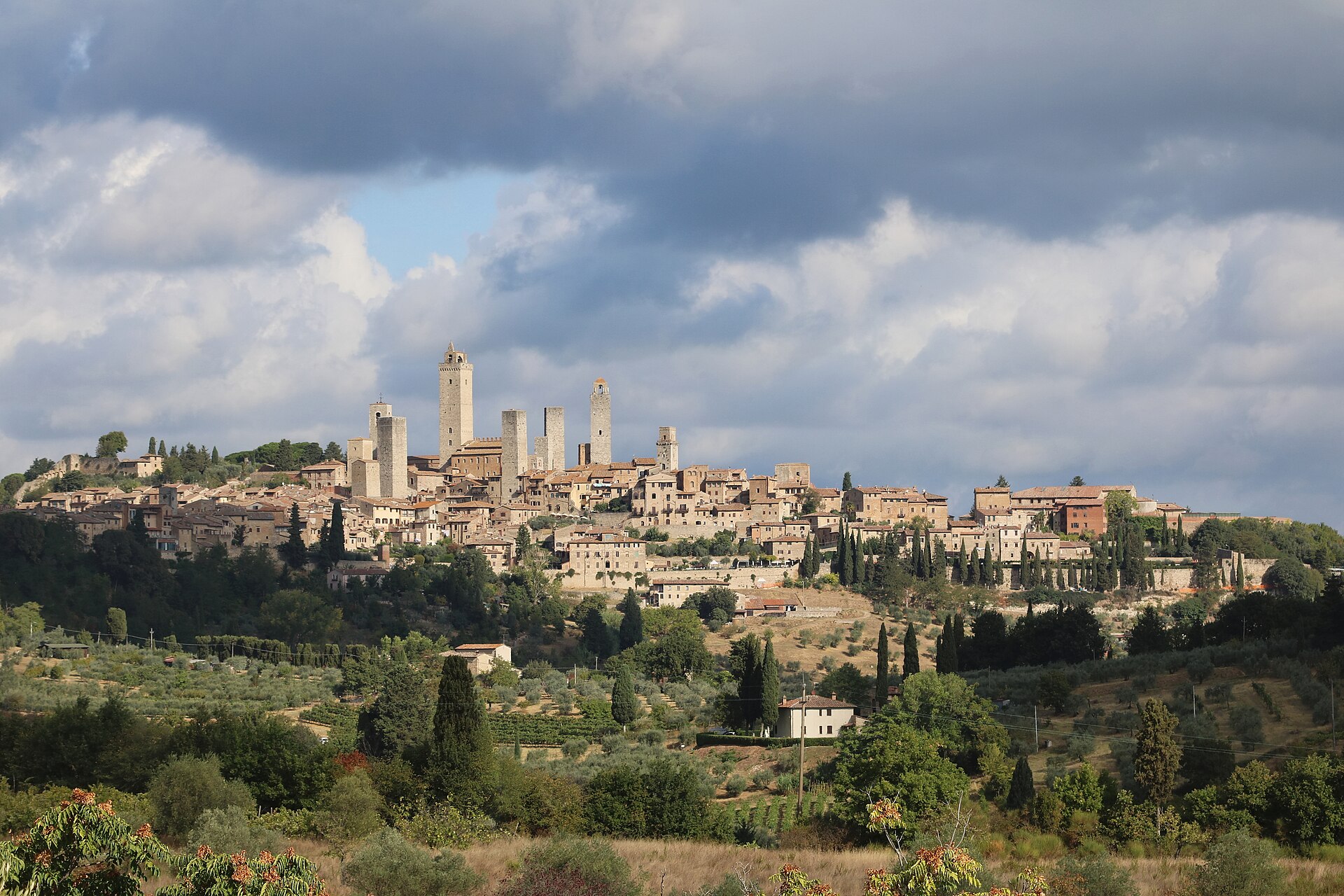
Chianti sits just 30 minutes south of Florence by car, which makes it both the most convenient wine region and the most visited. The rolling hills, olive groves, stone villas, and vineyard after vineyard along the SR222 (the Chiantigiana road) are exactly what people picture when they imagine Tuscany. That’s partly because this landscape practically invented the idea.
Small towns like Greve in Chianti, Panzano, and Gaiole make good stopping points. The wine — Chianti Classico, with its black rooster seal — ranges from affordable daily-drinking red to expensive single-vineyard bottles that belong in a serious cellar.
For comprehensive coverage of the region, its wines, and the best estates to visit, see our Chianti wine region guide.
Getting there
A car is strongly recommended for Chianti. Public transport can get you to a few towns on the main bus routes, but the whole point of the Chianti landscape is the back roads between the hilltop villages — and those are inaccessible without wheels.
If you don’t want to drive, a guided day tour from Florence is the right call. You get to drink the wine without worrying about driving back, and a good guide will take you to estates that don’t self-promote heavily. Half-day afternoon tours are widely available; full-day tours that combine Chianti with Siena or San Gimignano are popular.
If you are renting a car for a broader Tuscany self-drive, see our Tuscany road trip guide for a full driving itinerary through Chianti and beyond.
How long you need
Half a day covers two or three wineries and lunch. A full day lets you poke through smaller towns and get properly lost on the back roads, which is the real experience.
Verdict: Essential if you have a car or are willing to take a tour. The landscape alone justifies the trip — the wine is a bonus.
San Gimignano
San Gimignano is the medieval Manhattan: a small hill town that once had 72 towers built by competing noble families as displays of wealth and power. Fourteen survive. From a distance, on a clear morning, the silhouette against the Tuscan countryside is genuinely arresting.
Inside the walls, the Piazza della Cisterna and the Piazza del Duomo are beautiful, the Collegiate Church (the Duomo) has extraordinary frescoes inside, and the Vernaccia di San Gimignano — the local white wine — is worth trying cold in the afternoon heat. The gelato here is also, by general consensus, the best in Tuscany.
The honest caveat: San Gimignano gets extremely crowded between 10am and 4pm, especially in summer. Arriving before 9:30am or after 5pm gives you a completely different experience of the place.
Getting there
No direct bus from Florence. Take a FlixBus or Autolinee Toscane bus from Santa Maria Novella bus station to Poggibonsi (around 50 minutes), then a connecting bus to San Gimignano (around 25 minutes). Total journey time is around 75–90 minutes. Change times are generally short and well-organised, but check the timetable before you go.
By car, San Gimignano is about 50–60 minutes from Florence, and the drive through the Chianti hills is part of the pleasure. Most operators running Chianti tours also include San Gimignano as a stop.
How long you need
Three to four hours is comfortable. San Gimignano is small — you can walk the whole walled centre in under an hour. Two churches, a tower climb, lunch, and wine tasting fills a half day well.
Verdict: Worth visiting, but go early. The town is genuinely spectacular before the tour buses arrive.
Val d’Orcia
The Val d’Orcia is what most people have in mind when they think of Tuscany but have never been. The cypress-lined roads, the rolling wheat fields turning gold in June, the lone stone farmhouse on a hilltop, the medieval towns of Pienza and Montalcino and Montepulciano sitting above the valley — it’s all real, and it’s all here.
The valley is a UNESCO World Heritage Landscape, which is a rare distinction for an inhabited agricultural region. It earned that status because the 15th-century landowners, including the Piccolomini family of Pienza, deliberately shaped the landscape according to Renaissance ideals of beauty. You are literally looking at a 600-year-old designed landscape.
Getting there
Val d’Orcia genuinely requires a car or a private tour. There is no practical public transport that lets you explore the valley itself. The towns of Montalcino and Montepulciano can be reached by bus from Florence via Siena, but bus connections are infrequent and you can’t then move between them without a car.
If you’re renting a car for any part of your trip, this is where to use it. Allow two hours from Florence to reach the southern part of the valley. See our Tuscany road trip guide for a full self-drive route through the Val d’Orcia.
If driving in Italy is new to you, the driving in Italy guide covers the practicalities — ZTL zones, tolls, and road signs you’ll need to know.
Montalcino produces Brunello di Montalcino, widely considered Italy’s finest red wine, made from Sangiovese grapes grown on the hillsides. The town itself is a beautiful, quiet medieval hill town with far fewer crowds than San Gimignano. Several enotecas and cantinas offer tastings directly.
Pienza was rebuilt from scratch in the 1460s by Pope Pius II as a model Renaissance city. It’s tiny — the whole historic centre takes 20 minutes to walk — but beautifully proportioned, and the pecorino cheese made in the surrounding area is excellent.
Montepulciano is larger and livelier, producing Vino Nobile di Montepulciano, a DOCG red that’s been made here since the Middle Ages. The drive up through the town’s main street, past wine shops and food stores, ends at a piazza with an extraordinary view over the valley.
How long you need
A full day. Two hours each way of driving plus two or three town stops means you need the whole day to do it properly. A private tour that handles the logistics — and the wine — is genuinely worth considering here.
Verdict: The most beautiful day trip on this list. Not accessible without planning, but worth the effort more than almost anywhere else in Tuscany.
Cinque Terre
The five villages of the Cinque Terre — Riomaggiore, Manarola, Corniglia, Vernazza, and Monterosso al Mare — cling to the Ligurian coast about 120 kilometres northwest of Florence. They are technically not Tuscany. They are genuinely extraordinary.
The honest logistics: this is a long day trip. You’ll be out for 12 hours minimum. But it works well if you commit to it.
Getting there
Take a Frecciarossa or Frecciargento from Firenze Santa Maria Novella to La Spezia Centrale (around 1 hour 50 minutes to 2 hours 10 minutes with one change, or occasionally direct). From La Spezia, local Trenitalia trains run frequently between all five villages — each journey takes 3–10 minutes. A Cinque Terre Card (around €18–20 for a day pass as of 2026) covers unlimited train travel between the villages plus the coastal paths.
You can also take the ferry between some villages, which is worth doing at least one direction if the sea is calm — the coastal view from the water is different from the cliff-top view, and both are spectacular.
Leave Florence by 7:30–8am. This gets you to Monterosso or Riomaggiore by around 10:30am, which gives you five to six hours of exploring before you need to head back. Aim to board your return train from La Spezia no later than 6–6:30pm for a reasonable return to Florence.
For detailed Italy train booking advice, see our trains in Italy guide.
How long you need
The whole day — no question. Two to three villages explored properly (rather than photographed and walked through) is a better use of the day than rushing all five.
Candid note: The Cinque Terre gets extremely busy in high summer. Corniglia is the least visited of the five and rewards the extra effort of its (many) steps. Vernazza has the best natural harbour.
Verdict: One of the great experiences in northern Italy, and Florence is a reasonable base for it. Just don’t try to do it as an add-on to anything else.
Bologna
Bologna is the most underrated city in northern Italy, and the fact that it’s only 37–40 minutes from Florence by Frecciarossa high-speed train means most Florence visitors have no excuse not to visit.
The city is old — far older than most visitors realise, with a Roman street grid still visible in the modern layout. The Piazza Maggiore is one of the finest urban squares in Italy. The Basilica di San Petronio dominates one side of it, its unfinished facade still in brick 600 years later, which tells you something about how seriously Bolognesi take their time.
The university, founded in 1088 and the oldest in Europe, gives the city a young, lively energy that distinguishes it from more museum-like Tuscan towns. The porticoed streets — over 38 kilometres of covered walkways, now a UNESCO World Heritage Site — mean you can walk across the whole city without getting rained on.
And then there’s the food. Bologna is called La Grassa (the fat one) for good reason. Tagliatelle al ragù, mortadella, tortellini in brodo — these things originated here, and eating them in their home city is noticeably different from eating them anywhere else.
Getting there
Frecciarossa services from Firenze Santa Maria Novella to Bologna Centrale run roughly every 30 minutes, taking around 37–42 minutes. Tickets start from around €12–15 on advance booking; walk-up prices vary. Book on Trenitalia or Italo. The station is a short walk or metro ride from the centre.
This is one of the best value day trips you can do from Florence: a major, sophisticated Italian city that takes no more transit time than a suburban commute.
How long you need
Half a day gets you the essentials: Piazza Maggiore, a lunch of genuine tagliatelle al ragù, and a walk through the porticoes. A full day adds the Two Towers, the old university quarter, the covered market, and perhaps a second meal.
Verdict: Criminally underused as a Florence day trip. If you like cities rather than countryside, put Bologna at the top of your list.
By Train vs. Needs a Car (or Tour)
This question comes up constantly in Florence trip planning, so here it is direct.
Easy by train (no planning needed)
- Pisa — direct, 50–60 min, buy at the station
- Lucca — direct, 80 min, buy at the station
- Bologna — Frecciarossa, 37–40 min, book ahead for best prices
- Cinque Terre — 2+ hrs with a change at La Spezia; requires early start but no car
Bus is better than train
- Siena — take the direct SITA/Autolinee Toscane bus, not the train; the bus drops you in the city centre
Genuinely need a car or guided tour
- Chianti — the landscape is the back roads; buses reach a few towns but not the countryside experience
- Val d’Orcia — no practical public transport for exploring the valley
- San Gimignano — reachable by bus with a change at Poggibonsi, but easier by car; fits naturally into a Chianti driving day
For a full self-drive route that connects Chianti, San Gimignano, Siena, and Val d’Orcia, see our Tuscany road trip guide.
If you’re deciding whether to rent a car for your Italy trip at all, see our breakdown of driving in Italy — the ZTL restricted zones in Siena and other towns are worth understanding before you commit.
Final Thoughts
Florence rewards patience and time — and so do the places around it. The instinct to fill every day with a new destination is understandable, but some of the best days out from Florence come from choosing one place and really being there: cycling Lucca’s walls before the town wakes up, sitting in the Campo in Siena with a coffee at 9am, eating tagliatelle in Bologna in a place that’s been making it since before your grandparents were born.
Use this as a framework for making choices, not a checklist to complete. Pick two or three day trips that match how you actually travel — by train if you want ease, by car if you want the landscape — and leave room for the city itself to surprise you.
For the broader picture of planning a Tuscany trip, start with our complete guide to Florence and Tuscany. For planning an Italy itinerary that reaches beyond Tuscany, see our sample itineraries for Italy and Italy travel guide.
Questions travellers ask
What is the best day trip from Florence?
Siena and Lucca are the two strongest arguments for different reasons. Siena is more dramatic — the Duomo, the Campo, the hilltop setting are all extraordinary — and rewards a full day. Lucca is more relaxed and easier logistically, and pairs well with Pisa as a combined train day. If you have only one day for an out-of-city trip, Siena is the usual top answer; if you want an easier, more atmospheric day, choose Lucca.
Can I do a day trip from Florence without a car?
Yes, easily for several destinations. Pisa, Lucca, and Bologna are straightforward by train from Santa Maria Novella station. Siena is best by the direct bus. Cinque Terre is doable by train with a change at La Spezia. Chianti and Val d’Orcia genuinely require a car or guided tour to experience properly. See our italy transportation guide for a broader picture of getting around.
How many day trips can I do in a week in Florence?
Realistically, two to three day trips in a week is comfortable without exhausting yourself. Florence itself has enough to absorb two or three full days — the Uffizi alone warrants a morning. See our things to do in Florence guide for help balancing in-city days against out-of-city trips. One or two train trips (Pisa, Lucca, or Bologna) plus one car-based day (Chianti or Val d’Orcia) is a strong mix for a five-day stay.
Is it worth going to Pisa for a day trip from Florence?
Yes, with caveats. The Leaning Tower is more impressive in person than you might expect, and the whole Campo dei Miracoli is genuinely beautiful. But Pisa is a half-day destination, not a full day. Timing matters: the crowds between 10am and 3pm are dense. Go early or go late in the afternoon. If you want to climb the tower, book well in advance — slots sell out. Combining Pisa with Lucca in one train day is the smartest way to do it.
How do you get to Siena from Florence without a car?
Take the direct bus, not the train. Buses run from Florence’s main bus station alongside Santa Maria Novella station (operated by Autolinee Toscane and others) to Piazza San Domenico in Siena in around 75 minutes. Trains to Siena require a change, take longer, and arrive at a station 1.5 miles below the city centre. The bus is faster door-to-door and drops you in the right place. Tickets cost around €8–10 each way as of 2026.
Can you do Cinque Terre as a day trip from Florence?
Yes, but it’s a long day. The train journey takes around 2 to 2.5 hours each way, involving a change at La Spezia. Leave Florence no later than 7:30–8am. You’ll have around five to six hours in the villages before you need to start heading back. A Cinque Terre Day Card covers unlimited train travel between the villages. Two or three villages explored properly is better than rushing all five. It’s a full-day commitment — don’t try to add anything else.
What is the closest day trip from Florence?
Pisa is around 50–60 minutes by direct regional train, making it the closest major destination. Lucca follows at around 80 minutes. If you have a car, the Chianti hills begin just 30 minutes south of Florence and the first vineyard stops are less than an hour from the city centre. Bologna by Frecciarossa high-speed train takes only 37–40 minutes — making it the fastest journey to a major city on this list.
Should I take a group tour or go independently for Tuscany day trips?
It depends on the destination. For train-accessible places like Pisa, Lucca, and Bologna, going independently is easy and cheaper — you don’t need a guide. For Chianti and Val d’Orcia, a guided tour is worth it if you don’t have a car: you get to drink the wine, you see estates that aren’t on the obvious tourist circuit, and someone else handles the logistics. For Siena and San Gimignano, both options work — the bus is easy, but a tour that combines both towns in one day is efficient.