Florence & Tuscany Travel Guide
Chianti Wine Region Guide for First-Time Visitors
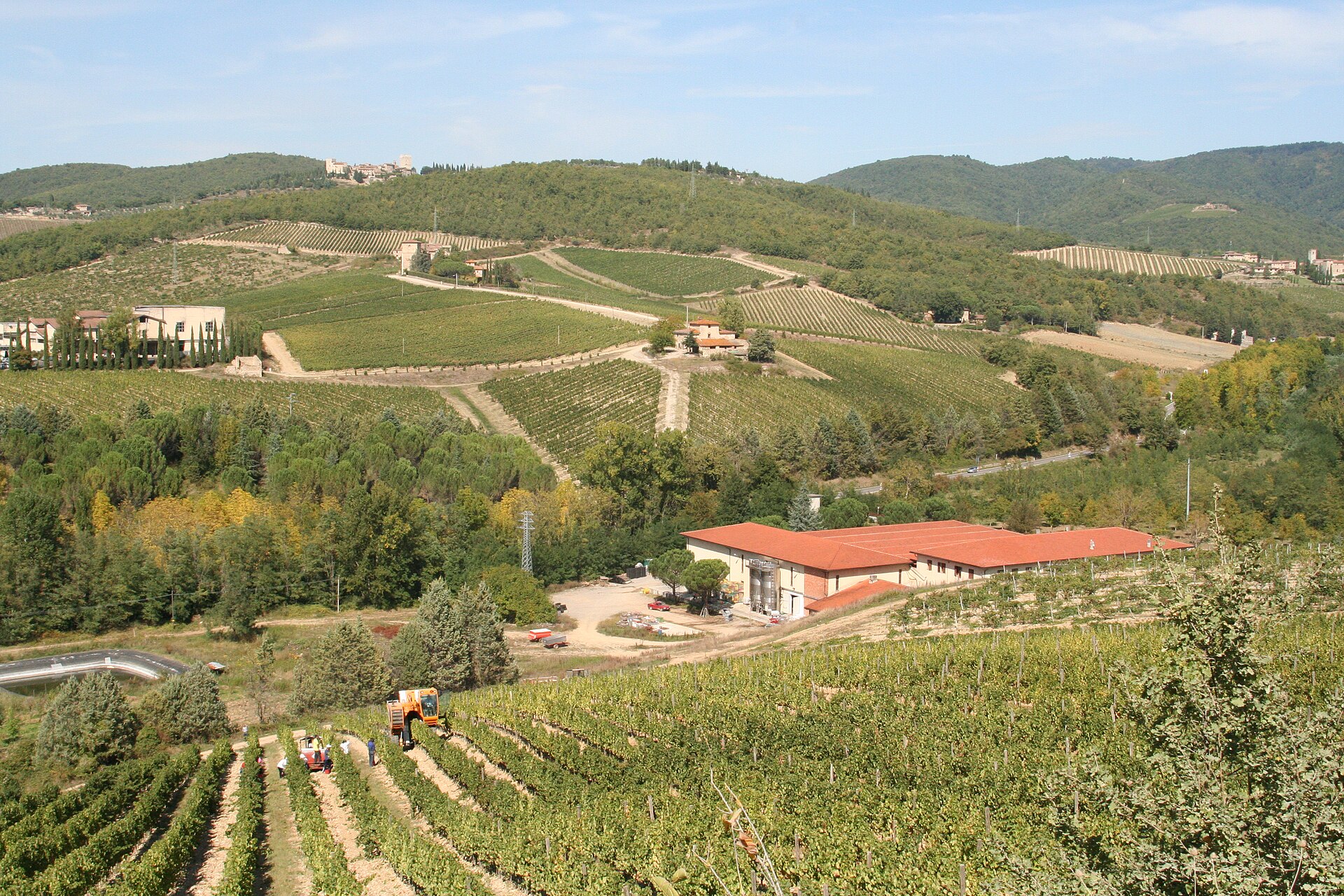
The Chianti wine region sits between Florence and Siena in the heart of Tuscany, roughly 30 to 60 kilometres from either city. It is a landscape of soft green hills, stone farmhouses, ancient cypress avenues, and an almost unbroken carpet of Sangiovese vines. You need a car or a guided tour to see it properly — public buses exist, but they are infrequent and do not reach the hilltop villages and vineyard estates that make the place worth visiting. If you are a first-time visitor who loves wine, food, and slow travel, Chianti is worth a dedicated day at minimum, and an overnight stay is even better.
The Chianti Wine Region at a Glance
| Town | Known for | Why visit |
|---|---|---|
| Greve in Chianti | Distinctive porticoed piazza, wine shops | Gateway town; best base for first-timers |
| Panzano in Chianti | Dario Cecchini’s butchery; views | The best bistecca in the region |
| Castellina in Chianti | Medieval castello, enoteca culture | Lively town centre; good range of restaurants |
| Radda in Chianti | Small, slow, authentically Tuscan | Less crowded; excellent small producers nearby |
| Gaiole in Chianti | Cycling country; Brolio Castle | Further south; feels wilder and less visited |
What is Chianti Classico — and what is the Gallo Nero?
This is worth getting straight before you arrive, because you will see the terms everywhere on bottles, in wine shops, and at estate gates.
Chianti (lowercase, loosely used) refers to a broader DOC zone that spreads across several Tuscan provinces. The wine is pleasant and everyday — often the carafe wine at a local trattoria.
Chianti Classico is different. It is the historic heartland, the DOCG zone running between Florence and Siena, and it follows its own stricter rules. Red wines must be at least 80% Sangiovese, aged for a minimum period depending on category, and they carry a specific quality guarantee. The Chianti Classico you find at a serious estate is a genuinely age-worthy wine.
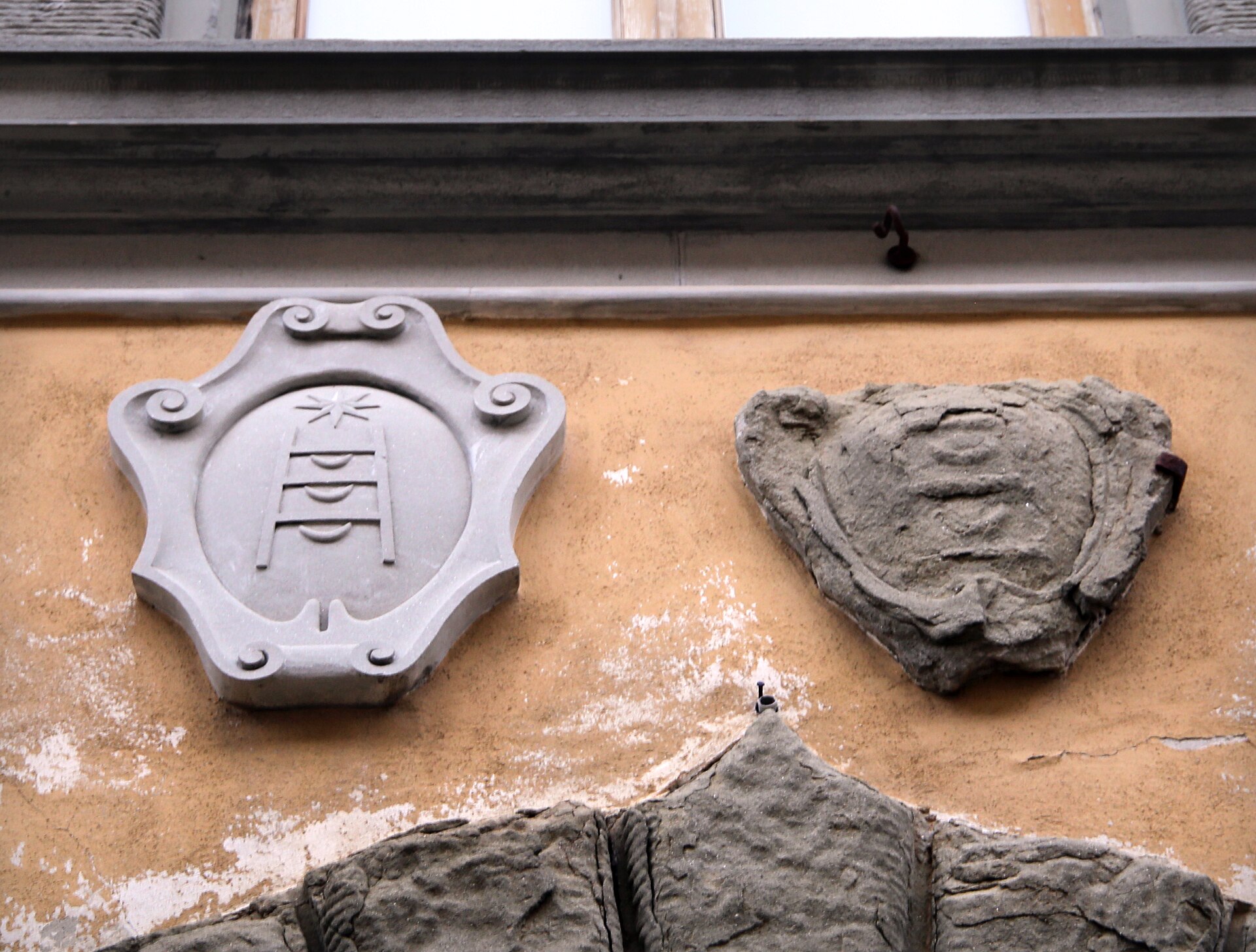
The Gallo Nero — the black rooster — is the emblem of Chianti Classico and has been associated with the region since the medieval Lega del Chianti. The story goes that a black rooster crowed before dawn on the appointed morning, giving Florentine riders a head start in a boundary-setting horse race against Siena. You will find the symbol stamped on bottle necks, estate signs, and shop windows all through the region. If you see the black rooster, you are in the right place for quality wine.
Within Chianti Classico there are three tiers to know. Annata is the entry-level vintage. Riserva is aged longer and carries more weight. Gran Selezione, introduced in 2014, is a single-vineyard or estate selection — the highest category and, as of 2026, among the most serious red wines Italy produces.
The main towns worth knowing
Greve in Chianti
This is where most first-time visitors start, and with good reason. Greve sits about 27 kilometres south of Florence on the SR222 and has an unusual triangular piazza — the Piazza Matteotti — lined with porticoed arcades. There is a butcher’s shop under those arcades that has been selling Chianina beef and local salumi for generations. The town has wine shops, a reasonable choice of restaurants, and enough accommodation to make it a practical overnight base. The medieval village of Montefioralle is a fifteen-minute walk uphill from Greve and gives you a quiet walled hamlet with vineyard views that look like a painting.
Panzano in Chianti
Panzano sits on a ridge between Greve and Castellina, and it would be a perfectly nice small Tuscan hill town — except that it is home to Dario Cecchini, the eighth-generation butcher whose Antica Macelleria Cecchini became internationally famous after appearing in the Netflix series Chef’s Table. Cecchini runs several dining experiences attached to his shop on Via XX Luglio: the Officina della Bistecca is a communal table where a wood-fire grill turns out thick Bistecca alla Fiorentina, and guests bring their own wine. Booking is essential and fills up weeks ahead. Even if you cannot get a table, stopping in to see the butcher’s shop itself is worth the detour.
The views from Panzano’s ridge over what locals call the “golden conca” — the bowl-shaped valley below — are among the best in the entire region.
Castellina in Chianti
Castellina is the most practical town in the Chianti Classico zone for an overnight stay or a full afternoon. It has a medieval fortress tower you can walk up for views, a long covered via delle volte running through the old town walls (a medieval tunnel-street with arrow slits cut through to the outside), and a concentration of good restaurants and enoteche that means you can eat well without any planning. It sits almost exactly midway between Florence and Siena, making it an easy stopping point on a north-south drive.
Radda in Chianti
Radda is smaller and quieter than Castellina, the kind of town where the piazza has a couple of old men on a bench and no particular tourist infrastructure. That is precisely why some people love it. The surrounding countryside around Radda is genuinely beautiful — narrower valleys, more forested hillsides, and a cluster of small family producers who do not necessarily have tour buses pulling up. If you are looking for a tasting appointment somewhere intimate rather than a big estate, the area around Radda rewards some research.
Gaiole in Chianti
Gaiole is the furthest south of the main Chianti towns and the least visited by casual day-trippers. This works in its favour. The surrounding landscape is wilder, more forested, and feels less manicured than the northern part of the zone. The main draw here is Brolio Castle (Castello di Brolio), seat of the Ricasoli family, who have been making wine on this estate since 1141 — making it one of the oldest continuously operated wineries in Italy. The castle is open to visitors and the grounds and cellar tours are worth making the trip south. Gaiole is also a hub for serious cyclists who tackle the annual Eroica sportive on vintage bikes.

How to visit Chianti: car versus guided tour
Let me be direct about this because it is the question that most first-time visitors get wrong.
You really need a car
The SR222 Chiantigiana is not a place you visit on foot or by rail. The wineries and hilltop villages sit away from any train line. Bus services from Florence (the SITA routes south to Siena) do stop in Greve and Castellina, but they run infrequently and will not take you to an estate gate or a village like Radda in useful timing. If you try to do Chianti by bus, you will spend most of your day waiting.
A car gives you freedom: you can time your own winery appointments, stop at a roadside lookout, eat lunch in Panzano and make it to Gaiole by mid-afternoon. The drive from Florence to Greve in Chianti takes around 45 minutes in normal traffic. From Siena to Castellina is around 25 minutes. Neither is complicated.
The one real constraint is wine tasting — you cannot drink and then drive yourself. If you are planning multiple tastings in a day, the best approach is to have one person driving who skips or minimises tastings, use an official driver hire, or book a half-day or full-day guided tour for the wine-drinking part and explore towns under your own steam separately.
For full self-drive route planning, including the best sequence of stops and overnight options, see our Tuscany road trip guide. For ZTL zones and Italian driving rules, see driving in Italy.
Guided tours from Florence or Siena
A guided tour is the right call if: you are travelling solo without a rental car, your group all want to drink freely, or you want the contextual knowledge of a good guide without the planning overhead.
Most reputable full-day tours from Florence depart around 9–10 AM and return by 6 PM. They typically include transport, visits to two or three wineries or estates, and often a lunch at an agriturismo. Prices as of 2026 range from around €90 per person for a group minibus tour up to €200+ for a private driver-guide day. The private option is worth considering for two people or more once you factor in that it is door-to-door.
Tours from Siena tend to be shorter since the Classico zone is closer to Siena’s southern gate, and they often combine Chianti with a Siena city visit. Check our Siena travel guide for the city side of that combination.
For broader day-trip options from Florence, including alternatives to Chianti, see Florence day trips.
Winery visits and tastings: what to expect
Book ahead — always
This is the single most important piece of practical advice. Most Chianti Classico estates do not accept walk-in visitors, and this applies whether you are visiting a large historic property or a small family operation. During harvest season (late September into October) and in the high summer months (July and August), appointment-only slots fill up days or weeks in advance. Book by email or through the estate’s website, clearly stating the date, time, number of people, and which tasting experience you want.
Big estate versus small family cantina
There is a real difference in what you get from each, and neither is better — they are different experiences.
A large estate — the kind with a visitor centre, a proper restaurant, a cellar tour route, and a tasting menu — gives you an organised, well-explained experience. You will taste multiple wines with food pairings, someone will walk you through the production process, and the whole thing is polished. These estates can absorb groups, have accessibility infrastructure, and usually sell directly from an on-site shop. The experience is more predictable, which is not a bad thing on a first visit.
A small family cantina — the kind where the owner’s daughter pours the wine at a wooden table in a room that smells of oak and stone — is messier but often more memorable. You might taste only three or four wines, but you will taste them with the person who made them. Conversation matters here. These visits work best if you have done a little research on the producer in advance, if you speak even a few words of Italian, and if you have made a clear email appointment rather than turning up and hoping.
A useful rough pattern for a first visit: book one large estate for the cellar tour and structure, and one smaller producer for an intimate sit-down tasting. Two appointments in a day is comfortable. Three is possible but tiring.
What a tasting typically involves
Most tastings offer a baseline of three to five wines — usually moving from a Chianti Classico Annata through a Riserva and sometimes a Gran Selezione. Many include a plate of local accompaniments: salumi, aged pecorino, unsalted Tuscan bread, sometimes bruschetta with olive oil from the estate’s grove. Expect to pay anywhere from around €20 to €60 per person depending on the level and the estate’s reputation. Higher-end experiences with full lunch pairings can run considerably more.
Take your time. Spit if you are visiting multiple estates and driving. Drink water. The Sangiovese in Chianti Classico tends to be high in acidity and tannin, especially in a Riserva — it can sneak up on you.
What to eat in Chianti
Food in this part of Tuscany is direct, ingredient-driven, and deeply seasonal. It is not fussy food, but it is very good food.
Bistecca alla Fiorentina
The T-bone steak cut from Chianina cattle is the signature dish of this region and of Tuscany more broadly. It is cooked over a very hot wood or charcoal fire, left rare in the centre, finished with nothing more than good olive oil, salt, and sometimes a little rosemary. It is sold by weight (per etto, meaning per 100 grams), and a proper bistecca for two will weigh around 1.2 to 1.5 kilograms. Panzano is the undisputed capital of bistecca in Chianti, courtesy of Dario Cecchini, but any serious restaurant in the zone will have a version worth ordering.
Do not ask for it well done. It is not that kind of steak.
Pici all’aglione
Pici is the thick, hand-rolled pasta of southern Tuscany — a fat, irregular spaghetti that takes some work to produce and holds sauce in a way that dried pasta cannot replicate. The classic pairing in Chianti is pici all’aglione, a sauce of crushed aglione garlic (a milder, less aggressive variety than regular garlic) slow-cooked in olive oil and tomato. Simple, satisfying, and exactly right with a glass of Chianti Classico.
You will also find pici with wild boar ragù (cinghiale), with a simple butter and sage sauce, or with a straightforward tomato. All of them work.
Other things worth ordering
Ribollita is the thick bean and vegetable soup, built on stale bread and cavolo nero (black kale), that has been feeding Tuscans through cold months for centuries. It is winter food but appears on many year-round menus. Crostini di fegatini — chicken liver pâté on toast — is the universal Tuscan antipasto and a good test of a kitchen. Pecorino di Pienza, the sheep’s milk cheese from the southeast of Tuscany, appears on almost every cheeseboard and pairs uncannily well with Chianti Classico.
The olive oil in this zone is worth paying attention to. Chianti Classico estate oil is typically a grassy, peppery DOP oil from Frantoio, Moraiolo, and Leccino olives. Buy a bottle if you see it at a winery.
The SR222 Chiantigiana: the road through Chianti
The SR222, officially the Strada Chiantigiana, is the main road through the Chianti Classico zone and runs roughly 60 kilometres between Florence and Siena. It is one of the most scenic drives in Italy, full stop.
The road winds south from Florence through Strada in Chianti, climbing steadily to Greve, then continuing south through the tighter bends above Panzano before dropping to Castellina and eventually Siena. It is a two-lane state road with curves and the occasional aggressive local driver, but it is not technical driving. A normal rental car handles it without difficulty.
Allow at least two hours to drive the full length without stopping — which is not how you should do it. Realistically, if you are making two winery stops and a lunch, the Florence-to-Siena route along the SR222 takes a comfortable full day.
The best viewpoints tend to be around Panzano (the ridge above the golden conca), between Greve and Panzano (open vineyards to both sides of the road), and on the approach to Castellina from the north. None of these require pulling off to a specific car park — the views appear as you drive. That is part of the pleasure.
For the full self-drive itinerary with route sequencing, overnight suggestions, and timing, see our Tuscany road trip guide.
When to go to Chianti
September and October: the best months
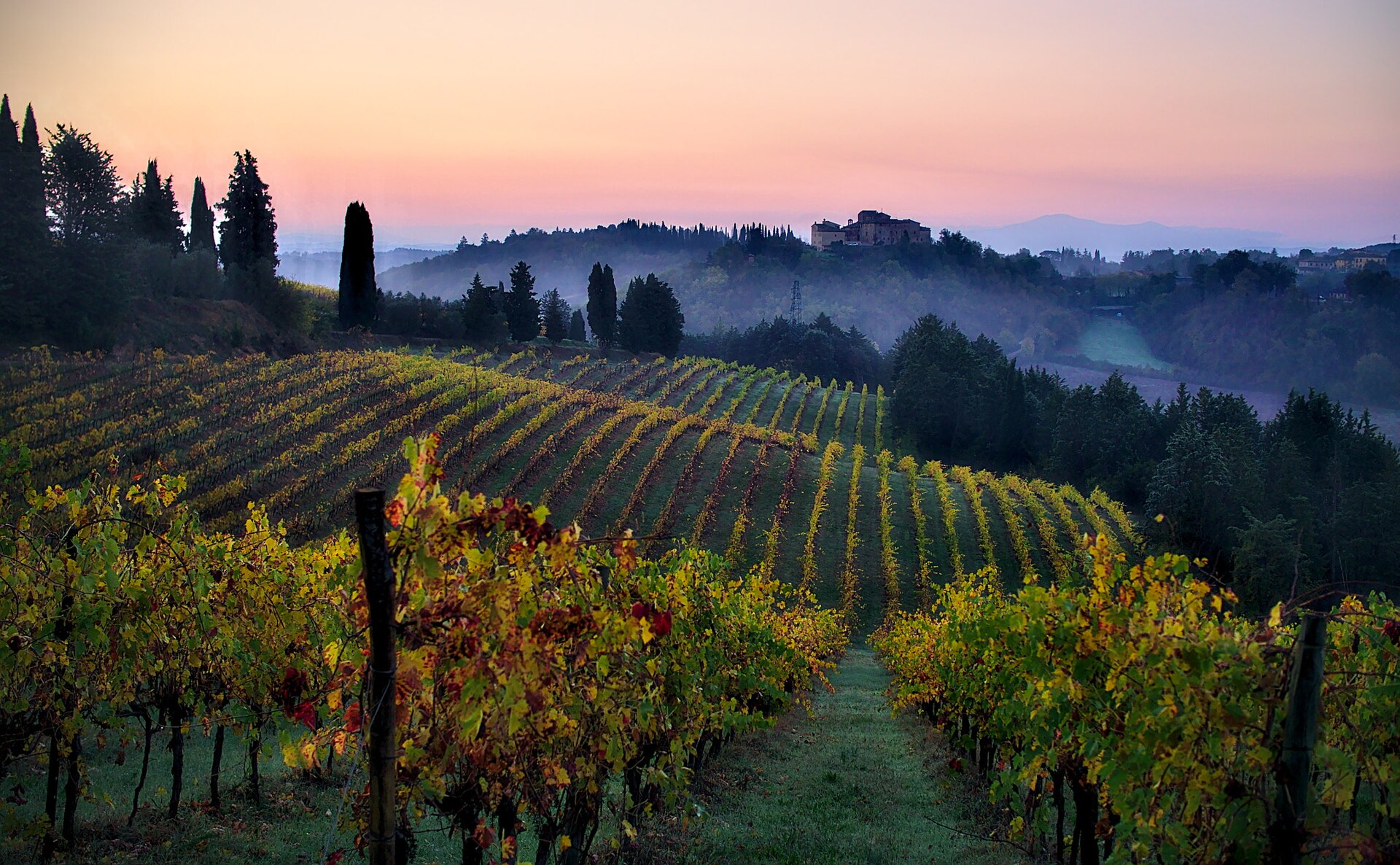
The harvest — vendemmia — typically runs from late September into October, though the exact timing shifts by a week or two depending on the year and the altitude of the vineyard. This is when the vines are at their most dramatic: heavy with dark Sangiovese grapes, leaves beginning to turn gold and copper. Many estates open their doors for harvest experiences, and there are local sagre (food and wine festivals) in most of the main towns.
The crowds thin noticeably after the August peak, the daytime heat becomes pleasant rather than oppressive (typically 20–25°C), and the quality of light in the late afternoon on those hills is something you will not forget. If you can only go once, go in October.
April, May, and June
Spring is the second-best window. The vines are just coming into leaf, the wildflowers are out along the roadsides, and the trattorie are not yet at full tourist capacity. May in particular is a sweet spot: good weather, shorter queues at the better estates, and the whole region still feeling a little uncrowded.
July and August
Possible, and you will still have a good time — but book everything well in advance. August is when much of northern Europe descends on Tuscany, and winery appointment slots disappear quickly. The heat in August can be serious (often 35°C+), which affects how much walking and hillside exploring feels pleasant. The late afternoon, from around 5 PM onwards, is the time to be outdoors.
November to March
Off-season Chianti is quiet, atmospheric, and occasionally cold. Some smaller estates and agriturismo close for winter. But if you like empty piazzas, a fire in the restaurant grate, and the chance to have a cellar all to yourself, a November or March visit can be unexpectedly good. Check opening dates individually before you go.
For broader Tuscany and Italy timing, see best time to visit Italy.
Final thoughts
The Chianti wine region does not need much selling. The combination of great wine, genuinely good food, medieval towns, and one of Italy’s finest driving roads makes it close to ideal for a first visit to Tuscany. The one mistake most people make is trying to rush it — booking three wineries in a day, racing between hill towns, treating it like a checklist.
Give it a day. Better yet, give it two. Stay somewhere small, eat slowly, book one good tasting and one memorable dinner. The region rewards exactly the kind of travel it is easiest to do here: unhurried, curious, and pointed at the next glass.
For more on planning the wider trip, start with our complete guide to Florence and Tuscany or browse suggested routes around Italy and Italy food and wine travel.
Questions travellers ask
What is the difference between Chianti and Chianti Classico?
Chianti is a wide DOC zone covering much of Tuscany, producing wine at various quality levels — it is what you often find by the carafe at lunch. Chianti Classico is the original, historic heartland between Florence and Siena with its own DOCG status and stricter rules: minimum 80% Sangiovese, longer ageing, and the black rooster emblem. When visiting the region for the first time, focus on Chianti Classico producers for the best quality.
Do I need to book winery visits in advance?
Yes, for almost all estates in the Chianti Classico zone. Walk-in visits are rare and increasingly uncommon even at larger properties. Book by email at least a week ahead outside peak season, and two to three weeks ahead from May through October. Most estates have English-language booking pages or respond readily to a brief email in English explaining your dates, group size, and the kind of experience you want.
Can you do Chianti as a day trip from Florence?
Easily, especially by car. Greve in Chianti is around 45 minutes from central Florence on the SR222. A day trip gives you time for one or two winery visits, lunch in a hill town, and a slow drive back. If you are joining a guided tour, most depart Florence in the morning and return by early evening. See our guide to Florence day trips for planning context. For the fuller self-drive route, see the Tuscany road trip guide.
What is the Gallo Nero symbol on Chianti Classico bottles?
The Gallo Nero (black rooster) is the official trademark of the Chianti Classico Consorzio and appears on every bottle of certified Chianti Classico wine. It traces back to a medieval legend about a boundary race between Florence and Siena: a black rooster, crowing before dawn, gave the Florentine rider an early start. Today it is a quality guarantee — if you see the black rooster on the neck label, the wine has met the production standards of the DOCG zone.
What is the best town to base yourself in Chianti?
For first-timers, Greve in Chianti is the most practical base: it has the widest range of accommodation, good restaurants, a central piazza with wine shops, and easy access to the SR222 in both directions. Castellina in Chianti is a close second if you prefer a slightly smaller, quieter setting with easy reach to the southern part of the zone. For a completely off-tourist-trail experience, Radda in Chianti rewards a stay but requires more planning around restaurant reservations and winery logistics.
When is the Chianti harvest?
The vendemmia (harvest) in Chianti Classico typically falls in late September to mid-October, though it varies year to year depending on weather conditions and vineyard altitude. Higher-altitude vineyards tend to harvest a little later. During harvest, many estates are actively working and the atmosphere is electric — but logistics matter: confirm your tasting appointment is still running before you go, and be aware that some smaller producers may be too busy to host visitors during the busiest picking days.
Is Chianti worth visiting for non-wine-drinkers?
Absolutely. The landscape, the hill towns, the food, and the road itself are worth the trip independent of wine. Panzano is a destination for meat-eaters even without a tasting booked. Castellina’s medieval street tunnels and castle tower are genuine history. Brolio Castle near Gaiole is one of the most striking medieval fortresses in Tuscany. And driving the SR222 on a clear October morning with the mist still sitting in the valley below — that is an experience that has nothing to do with what is in the glass.
How does Chianti fit into a wider Tuscany itinerary?
Chianti sits at the heart of a natural Tuscany loop: Florence to the north, Siena to the south. If you are planning a Tuscany road trip, Chianti is the natural spine of the route. You can also pair it with a Siena day trip — drive the SR222 south in the morning, arrive in Siena for lunch and an afternoon in the Campo, and stay the night. For the full context of a Tuscany stay within an Italy trip, see the Florence and Tuscany travel guide and our Italy travel guide.