Amalfi Coast, Naples & Campania
How to Get from Rome to the Amalfi Coast: Every Route, Ranked
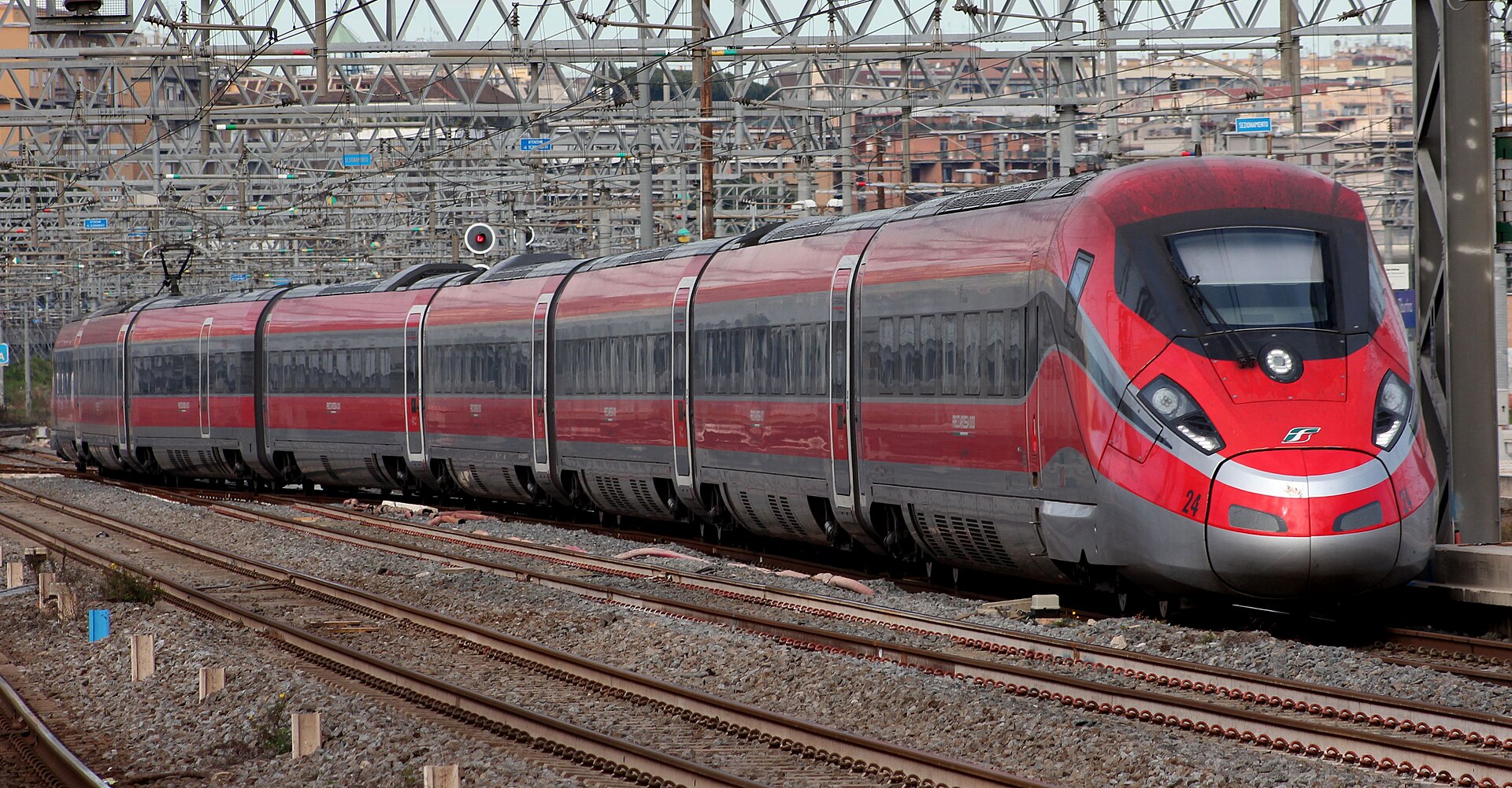
Getting from Rome to Amalfi Coast is one of the most satisfying travel problems in Italy — because every solution involves a high-speed train, a boat, or a coastal road that barely seems real. The short answer: take a Frecciarossa or Italo train from Roma Termini to Naples (roughly 1 hour 10 minutes on the fastest services), then connect onward by ferry, regional rail, or bus depending on exactly which town you are heading to. No single transfer is difficult on its own. The trickier part is understanding which combination makes sense for your destination and the time of year. That is what this guide is for.
This is a practical routing article for anyone standing at Roma Termini wondering how to get to Positano, Amalfi town, Ravello, or anywhere else on that famously narrow strip of cliff. It covers public transport, private transfers, the Salerno gateway that most guides underplay, and what you should actually do with your suitcase.
The Options at a Glance
| Route | Approx. Total Time | Cost Feel | Best For |
|---|---|---|---|
| Train to Naples + Circumvesuviana to Sorrento + SITA bus | 3.5–4 hrs | Budget | Positano, Praiano — low luggage |
| Train to Naples + ferry (seasonal) | 3–3.5 hrs | Mid | Positano, Amalfi — scenic arrival |
| Train to Salerno + ferry or SITA bus | 3–3.5 hrs | Budget–Mid | Amalfi town, Minori, Ravello, Maiori |
| Train to Naples + private transfer | 2.5–3.5 hrs | Premium | Any town — families, heavy bags |
| Direct summer bus Rome Tiburtina to Positano | ~4.5 hrs | Budget | Positano only, Jun–Sep |
| Private transfer Rome to coast door-to-door | ~4 hrs | Premium | Zero faff, any town, any season |
Note: journey times and pricing change seasonally. Always verify current schedules with Trenitalia, Italotreno, and individual ferry operators before you book.
Step One: The Train to Naples
Everything starts at Roma Termini. This is the one piece of the journey that is completely under control: Italy’s high-speed network runs Frecciarossa (Trenitalia) and Italo trains to Napoli Centrale dozens of times a day, every day of the year. On the fastest scheduled services the city-to-city leg takes around 1 hour 10 minutes. There are also slightly slower Frecciargento and intercity options at lower prices if you are flexible on timing.
Book early — especially for summer travel — and you will pay considerably less than if you walk up on the day. Seats sell well in advance and the cheapest fares disappear first. Check both Trenitalia and Italo for prices before committing, because they sometimes differ significantly on the same route. See our broader guide to trains in Italy for a step-by-step walkthrough of buying tickets and navigating Italian rail.
One thing worth knowing: trains departing Roma Termini are the most frequent, but some Italo services use Roma Tiburtina. Double-check the departure station when you book.

Should You Stop in Naples?
Absolutely, if your itinerary allows it. Naples is one of the great Italian cities — volcanic, chaotic, delicious, and completely itself. Even a half-day is enough to eat a proper pizza at its source and walk through the centro storico. If your schedule is tight and the coast is the goal, you can be through Naples and onto a ferry or train onward without ever needing to leave the station district. But it is a city worth at least one night. Our Italy travel guide covers the broader trip-planning logic if you are still sorting out your route.
The Four Ways Onward from Naples
The Circumvesuviana and Campania Express to Sorrento
This is the classic budget route to the western end of the coast — particularly relevant if you are heading to Positano or Praiano, since those towns are most easily reached from Sorrento.
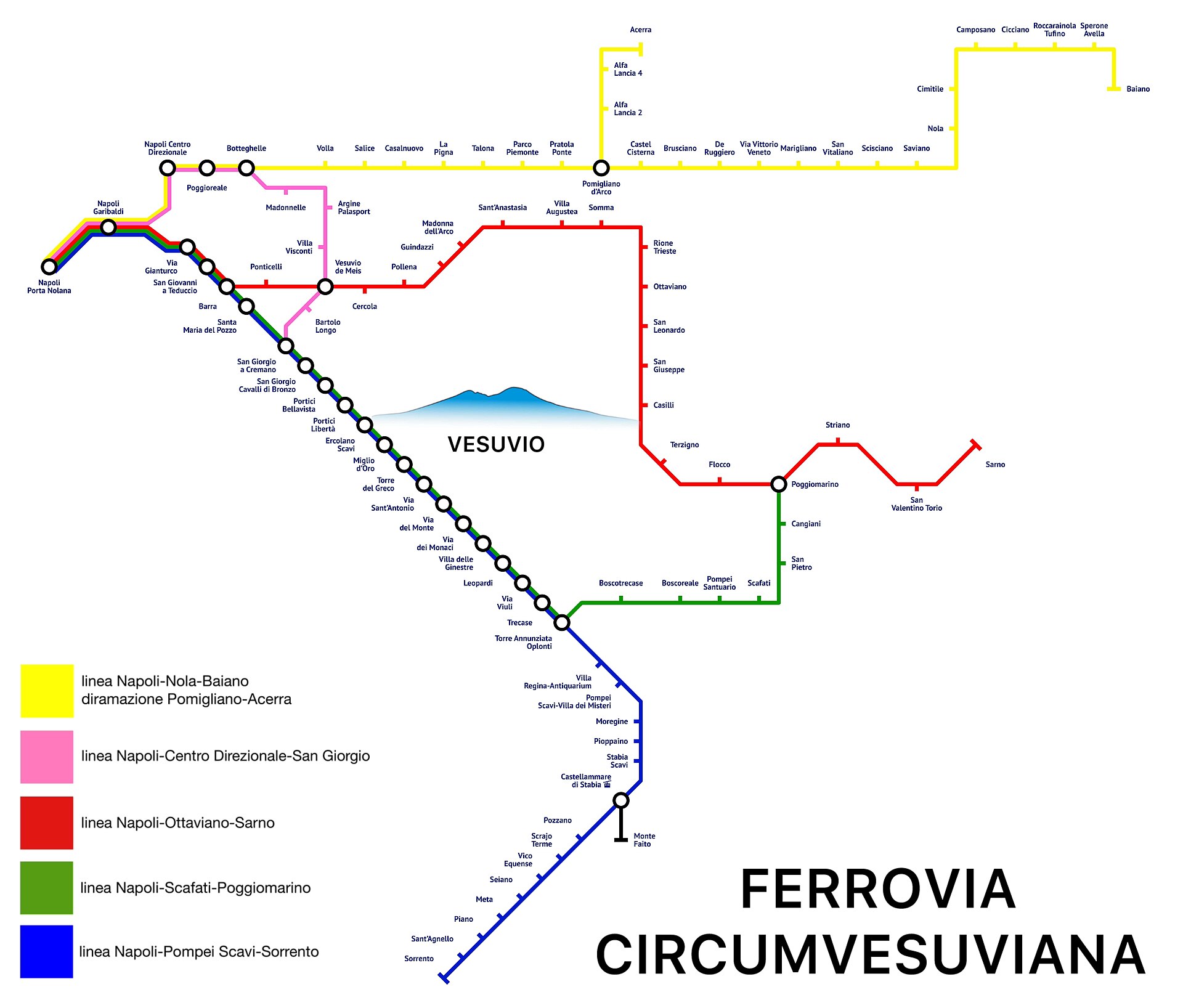
The Circumvesuviana is a regional rail line that runs from Naples (look for the lower-level platforms at Napoli Garibaldi, directly connected to Napoli Centrale) all the way to Sorrento. Trains run roughly every 30 minutes throughout the day. The journey takes around 60–70 minutes on a normal service, with dozens of stops along the way. It is inexpensive but honest: old rolling stock, no air conditioning on many trains, and it gets very crowded in peak summer, particularly around the Pompeii and Herculaneum stops.
If you are traveling between roughly mid-March and mid-October, the Campania Express is worth knowing about. This is a dedicated tourist service that runs on the same Circumvesuviana line but makes far fewer stops — hitting Herculaneum, Pompeii, Castellammare di Stabia, and Vico Equense before terminating at Sorrento. It has reserved seats, air conditioning, and actual luggage storage space. The trade-off is that it runs only a handful of times per day rather than continuously, and it costs more than the standard service. Check current timetables directly with EAV (the operator) for up-to-date schedules, since times and seasonal windows shift each year. If you are stopping at the ruins on the way through, sort your Pompeii entry in advance — the same-day queue is the slow part.
Once in Sorrento, you are not yet on the Amalfi Coast proper — Sorrento sits on the Sorrentine Peninsula on the other side of the mountains from the coast. From Sorrento, SITA buses run along the winding SS163 coastal road to Positano, Praiano, and on to Amalfi town. The bus to Positano takes around 40–50 minutes depending on traffic; to Amalfi town, allow up to 90 minutes. This leg of the journey is jaw-dropping and also potentially nauseating — the road is narrow, the hairpin bends are relentless, and the driver will seem unnervingly casual about all of it. Tickets for SITA buses are sold at tabacchi shops or sometimes on board; note that you cannot pay by card on most services.
For more detail on moving around once you arrive, see our dedicated guide to getting around the Amalfi Coast without a car.
The Ferry from Naples (Seasonal)
Between roughly April and October, ferries depart from the Molo Beverello port in Naples to Sorrento, Positano, and Amalfi town. This is genuinely one of the better ways to arrive on the coast — you come in from the sea, the cliffs build above you, and the towns appear exactly as they look in photographs. If you have the choice in good weather, take the ferry.
The main operator from Naples is Alilauro, with services to Sorrento taking around 35–40 minutes and onward connections to Positano and Amalfi. Journey times and frequency vary by route and season. The trip from Naples directly to Amalfi town runs about 1.5 hours. NLG also operates on some routes. Prices and schedules are seasonal — verify current fares with the operators directly, as they adjust year to year. For a full picture of Italy’s coastal ferry network, see our Italy ferries guide.
Getting from Napoli Centrale to Molo Beverello requires a short journey by taxi, metro (Line 1, Municipio stop), or on foot. Allow 20–30 minutes. If you are coming directly off a high-speed train with luggage, a taxi or rideshare makes the transfer smoother.
The Salerno Gateway — The Route Most Guides Underplay
Here is a routing choice that makes a real difference depending on where exactly you are staying on the coast.
Salerno is the city at the eastern end of the Amalfi Coast, reachable from Rome by the same high-speed services that go to Naples but with an extra 45–50 minutes of travel time. The journey from Roma Termini to Salerno takes roughly 1 hour 55 minutes to 2 hours 20 minutes on the fastest trains. Both Trenitalia and Italo run direct services to Salerno throughout the day.
Why does this matter? Because the Amalfi Coast runs roughly east to west. If you are staying in Amalfi town, Atrani, Minori, Maiori, or Ravello, Salerno is your closer gateway and far simpler to work from than Naples. The ferry from Salerno to Amalfi town takes around 30–35 minutes and is operated primarily by Travelmar and NLG (seasonal, roughly April–October). The SITA bus from Salerno runs year-round and reaches Amalfi in about 75 minutes, stopping at Vietri sul Mare, Cetara, Maiori, and Minori along the way.
There is also a UNICOCostiera integrated ticket that covers SITA buses across the entire coast — genuinely practical if you plan to hop between multiple towns in a single day. Ask at the Salerno bus station (a short walk from the train station) or at any tabacchi.
One note: the Salerno ferry pier (Piazza della Concordia) is almost directly opposite the train station, which makes the transfer from train to boat unusually smooth. Arrive in Salerno and you can be on a ferry to Amalfi in minutes if you time it right.
If you are heading to Positano specifically, though, Salerno is not the better gateway — the ferry and road distances still favour Naples or Sorrento for the western towns.
Naples to Amalfi Coast by Private Transfer
A private transfer from Naples to anywhere on the Amalfi Coast solves most practical problems in one move. Your bags go in the boot, you go in the back seat, and the driver handles the road. This is especially sensible if you are travelling as a family, carrying more than one or two pieces of luggage, or arriving on a tight schedule where missing a bus connection would be genuinely disruptive.
Several reputable operators run door-to-door transfers from Napoli Centrale or Capodichino airport. Pricing varies considerably by operator, group size, and destination — get a couple of quotes before committing. One honest word of warning: even with a private driver, the coastal road in peak summer can be very slow. A transfer that should take 90 minutes from Naples might stretch to two hours or more on a Saturday afternoon in August. Your driver knows this, and the good ones will advise on the best departure timing.
For a full door-to-door transfer straight from Rome — bypassing Naples entirely — private operators run directly from Roma Termini or Fiumicino airport to your Amalfi Coast accommodation. It costs more, but for groups of four or more it can be competitive on a per-person basis, and the convenience factor is hard to argue with.
Routing by Destination Town
All routes are not equal, and the right choice depends on where you are actually sleeping. Here is how to think about it:
Rome to Positano
Positano is most practically reached via the western approach — Naples, then either the Circumvesuviana or Campania Express to Sorrento followed by the SITA bus, or the ferry from Naples directly to Positano (seasonal). The direct summer bus from Rome Tiburtina (operated by Marozzi) departs early morning and arrives in Positano late morning — a single clean transfer if the timing suits you, but it operates roughly June through September only and runs limited times per day.
Private transfer from Naples is the most stress-free option with luggage, particularly important because Positano has no flat roads anywhere in town. Your bags will need to be hauled up or down steep steps to reach most accommodation, so arriving already exhausted from a complicated multi-stage transfer is not ideal. For accommodation help, see our where to stay on the Amalfi Coast guide.
Rome to Amalfi Town
Amalfi town sits in the geographic middle of the coast. The Salerno route works very well here — train to Salerno, then ferry or SITA bus. The Naples route via private transfer or taxi also works, coming in from the western side of the coast road. Journey times from Salerno are shorter and more predictable than navigating the full length of the SS163 from Sorrento.
Rome to Ravello
Ravello sits above the coast on its own high ridge, accessed from Amalfi town by a winding road. Get to Amalfi first — the Salerno gateway is cleanest for this — then take a local SITA bus or taxi up to Ravello. The distance is short; the road takes its time. Most accommodation in Ravello will advise on how to reach them specifically, since the town is not easy to navigate without prior knowledge.

The Luggage Problem (Say It Plainly)
The first page of search results on this topic is oddly quiet about this, so here it is directly: the Amalfi Coast is a physically demanding destination for heavy luggage.
The SITA bus has almost no dedicated luggage space. The Circumvesuviana in peak season is standing-room only, and overhead space is limited. The ferry has no baggage storage. And once you arrive, the towns have no flat ground — Positano descends hundreds of meters of stairs and steps from top to bottom; Amalfi’s medieval streets are narrow; Ravello requires a climb regardless of how you arrive.
What this means practically: pack lighter than you think you need to for this leg of the trip. If you have already spent a week in Rome and accumulated bags, consider using luggage storage at Roma Termini or Napoli Centrale before you travel onward — both offer services, check Trenitalia’s Deposito Bagagli or third-party options like Radical Storage. You can also use a luggage porter service on the coast itself: Rosal and similar operators will collect your bags from an accessible point and deliver them directly to your accommodation, which is a genuinely useful service on a coast where your hotel might be up 80 steps from the nearest road.
For anyone with significant luggage or any mobility considerations, private transfer is not a luxury here — it is the sensible choice. The driver handles loading, the vehicle drops you as close to your accommodation as the road permits, and a porter or host can meet you at the nearest accessible point from there.
What About Driving?
You can drive from Rome to the Amalfi Coast. It takes roughly 3.5–4 hours without traffic (approximately 278 km), and more realistically 5 hours or more on a summer weekend. The motorway south to Salerno is straightforward; the SS163 Amalfi Drive itself is extraordinary; parking in any of the main towns in summer is a serious and expensive problem.
Driving the Amalfi Coast road is not recommended unless you are comfortable in a small vehicle on single-lane roads with tour buses and camper vans coming the other way. ZTL restricted traffic zones apply in several towns, and fines for entering without permission tend to arrive by post months later with no advance warning. If you want the flexibility of a car for the rest of Campania, a practical strategy is to drive as far as Sorrento or Salerno, park there, and use public transport or ferries for the coast itself. See our Italy transportation guide for more on navigating Italy by road.
Connecting with the Wider Region
The Amalfi Coast sits within Campania, a region that rewards a few extra days. Naples is an essential city in its own right. Pompeii and Herculaneum are a short train ride from both Naples and the Sorrento line. Capri is easy to reach by ferry from either Sorrento or Amalfi town — our Capri day trip guide covers how to make that connection cleanly.
If you are building an itinerary that takes in Rome, Naples, the coast, and possibly Sicily or Puglia, our Amalfi Coast itinerary guide and the Amalfi Coast, Naples and Campania hub will help you sequence it sensibly. For the bigger picture on getting around Italy as a whole, see our Italy transportation overview — it covers trains, ferries, regional buses, and the decisions that tend to trip people up.
And before you leave Rome: if you still have days to fill before heading south, our Rome tourism guide covers the city properly.
Final Thoughts
The journey from Rome to the Amalfi Coast is not one transport leap — it is a chain of small, well-trodden connections that add up to one of the better travel days Italy can offer. The high-speed train south is comfortable and fast. The Circumvesuviana, for all its roughness, is an experience in itself. And arriving at the coast by ferry, watching Positano stack up on the hillside as you come in from the water, is something you will remember for a long time.
Pick the chain that fits your destination, your budget, and how many bags you are carrying. For the western towns, come from Sorrento. For the central and eastern coast, come from Salerno. And whatever combination you choose, book the Rome-Naples train in advance — it is the one segment where early booking makes a real difference in price and comfort.
For more on exploring this part of Italy, start with our Amalfi Coast, Naples and Campania hub and let the planning get enjoyable from there.
Questions travellers ask
How long does it take to get from Rome to the Amalfi Coast?
Expect a total journey of 3 to 4 hours on the faster combinations. The Rome-Naples train leg takes roughly 1 hour 10 minutes on the quickest services. Add 60–90 minutes for the Naples-to-coast leg by ferry or regional rail, plus local transfers. With a private transfer from Naples the onward leg can be tighter, but summer traffic on the coastal road regularly pushes total journey time to 4–5 hours on busy days.
What is the best Rome to Amalfi Coast train route?
There is no direct train to the coast itself. The best public-transport chain depends on your destination. For the western coast: Frecciarossa or Italo from Roma Termini to Napoli Centrale, then Circumvesuviana or Campania Express to Sorrento, then SITA bus. For Amalfi town, Minori, or Maiori: train to Salerno then ferry or SITA bus is cleaner and faster. Book your Rome-Naples segment in advance for the best prices. Our trains in Italy guide covers ticketing in detail.
Can I get from Rome to Positano without a private transfer?
Yes. The most direct public-transport route is the seasonal direct bus from Roma Tiburtina to Positano (Marozzi operator, approximately 4.5 hours, June–September only, limited daily departures). Year-round, take the high-speed train to Naples, then Circumvesuviana to Sorrento, then SITA bus to Positano. It is manageable but not quick, and genuinely difficult with heavy luggage given Positano’s steep topography.
Do the Naples to Amalfi Coast ferries run year-round?
No. Ferry services from Naples to the Amalfi Coast towns are broadly seasonal — typically April or early May through October, though exact start and end dates change annually. Services from Salerno to Amalfi operate on a similar seasonal basis. Outside those months, the SITA bus from Salerno or Sorrento is the main public option. Always verify current schedules with Travelmar, Alilauro, and NLG before planning around a specific ferry departure.
Is a private transfer from Rome to the Amalfi Coast worth it?
For families or anyone with more than two bags, the answer is usually yes. A door-to-door private transfer removes every connection anxiety, handles luggage, and delivers you from Roma Termini or Fiumicino directly to your accommodation. It costs considerably more than the train-and-bus route, so shop around for quotes. If there are four people splitting the cost, the per-person figure often becomes competitive with premium train fares plus onward connections — and the comfort gap is significant.
Where should I stay — Positano, Amalfi town, or Sorrento?
Each suits a different kind of trip. Positano is the most photogenic and most expensive; it suits people who want to sit on the western coast and do not mind steep walks. Amalfi town sits in the middle of the coast and is the better base for exploring east toward Ravello and Atrani. Sorrento is technically not on the Amalfi Coast but has better transport connections and lower prices — practical as a base if you are doing day trips to several towns rather than staying in one place. Our full breakdown is in the where to stay on the Amalfi Coast guide.
What is the Campania Express and is it better than the Circumvesuviana?
The Campania Express is a dedicated tourist train that runs on the Circumvesuviana line between Naples and Sorrento, with far fewer stops and reserved, air-conditioned carriages with actual luggage space. It operates roughly mid-March to mid-October. It is more comfortable and slightly faster than the standard Circumvesuviana, but runs only a handful of times per day and costs more. In July and August when the standard trains are packed to the doors, the upgrade is worth it. Check current schedules directly with EAV, since times and seasonal availability change each year.
Can I do the Amalfi Coast as a day trip from Rome?
Technically yes, but it is a long day. A day trip from Rome to Positano or Amalfi town means leaving Roma Termini before 8am and returning late in the evening, with much of the day consumed by travel. If you want to actually experience the coast — not just photograph it from a bus window — two to three nights is the minimum that makes the journey worthwhile. See our Amalfi Coast itinerary for ideas on how to structure those days properly.