First Time in Italy: Where to Go and What to Skip

Planning a trip to Italy is not hard because there is too little to do. It is hard because there is too much — and the pressure to “see it all” turns what should be a dream trip into a series of frantic check-ins at world-famous places you barely had time to feel. If you are reading this before your first visit, you are already ahead: the single most useful thing you can do is decide, upfront, what you are not going to do.
The short answer: For a first time in Italy itinerary, start in Rome (3–4 nights), add Florence (2–3 nights), and finish in Venice (2 nights). That is your spine. Everything else — Amalfi Coast, Cinque Terre, the Tuscan countryside, the Lakes — is a smart add-on for the right traveler, or a regret-free skip for a second trip. This article tells you which is which, and why. With a spare day in the capital, our guide to day trips from Rome is the natural next read.
This is for you if you have 7–14 days, are visiting Italy for the first time, and want honest direction — not a list of 47 things you could theoretically squeeze in.
For help working out exact trip length, see our Italy trip-length guide. To avoid the most common planning errors, see Italy travel mistakes to avoid. This article focuses purely on where to go and what to save.
The Core First-Timer Route at a Glance
| Destination | Why it works for a first trip | Recommended nights | Skip if… |
|---|---|---|---|
| Rome | Unmatched density of ancient history, iconic landmarks, world-class food | 3–4 | You genuinely dislike cities — but this would surprise me |
| Florence | Compact, walkable, best Renaissance art in the world, great train base | 2–3 | You have under 7 days total and must choose just one city |
| Venice | Completely unlike anywhere else on earth; best experienced overnight | 2 | You are on a very tight budget — daytime is fine, but pricey |
| Cinque Terre | Dramatic coastline, manageable crowds vs. Amalfi, good rail access | 1–2 | You are not a walker or are travelling in July–August peak |
| Amalfi Coast | Jaw-dropping scenery; best for slow, indulgent stays | 3–4 min. | You have under 10 days, or hate navigating crowded buses |
| Tuscany countryside | Rolling hills, Siena, hill towns, wine; best with a car | 2–3 | You cannot drive or do not want to rent a car |
| Italian Lakes | Como, Maggiore — tranquil, scenic; pairs well with Milan arrival | 1–2 | You are short on time; save for a second trip |
| Milan | Worth a half-day transit stop; not a first-trip priority | 0–1 | You are not flying in or out of here |
Rome: Your First Stop, Full Stop
If you only land in one Italian city on your first trip, make it Rome. I know that sounds obvious, but I have met first-timers who skipped Rome in favour of a slower coastal vibe, and almost all of them said they felt like they had missed something foundational. Rome is overwhelming and loud and occasionally maddening — and it is also extraordinary in a way that no other city in Italy quite matches.
You can spend three days seeing the Colosseum, the Roman Forum and Palatine Hill, the Vatican Museums and Sistine Chapel, the Pantheon, and the Trevi Fountain, and still have evenings left to wander Trastevere and eat cacio e pepe at a table on a cobblestone street. That is three days well spent. Four nights gives you breathing room: a morning at the Borghese Gallery, an afternoon in the Jewish Ghetto, a day trip to Ostia Antica if you want ancient ruins without the school groups.
What to book in advance: Vatican Museums sell out weeks ahead in high season — as of 2026, timed entry is required. Book the Colosseum the moment you know your dates. Both have official ticketing at coopculture.it and museivaticani.va. Do not buy from third-party touts outside the entrances.
Where to base yourself: The historic centre (near the Pantheon or Campo de’ Fiori) puts you inside walking distance of most sights. Trastevere is quieter at night and has the best neighbourhood feel. Near Termini is cheaper and well-connected but charmless. For a full breakdown, see our Rome tourism guide.
A candid note on Rome’s size: Do not try to see Rome’s neighbourhoods in a day each. Choose one area per half-day and go slowly. The mistake is walking yourself into exhaustion trying to reach another landmark that is “only 20 minutes away” — in Rome, 20 minutes on the map is often 35 minutes on the ground, in the heat.
Florence: Two or Three Nights, No Less
Florence is the second city on most first-timer routes, and it earns its place. It is far more manageable than Rome — you can walk across the historic centre in 20 minutes — and it delivers the best concentrated collection of Renaissance art on earth. The Uffizi Gallery, Michelangelo’s David at the Accademia, the Duomo (book the cupola climb separately), and the Ponte Vecchio are all within easy reach of each other.
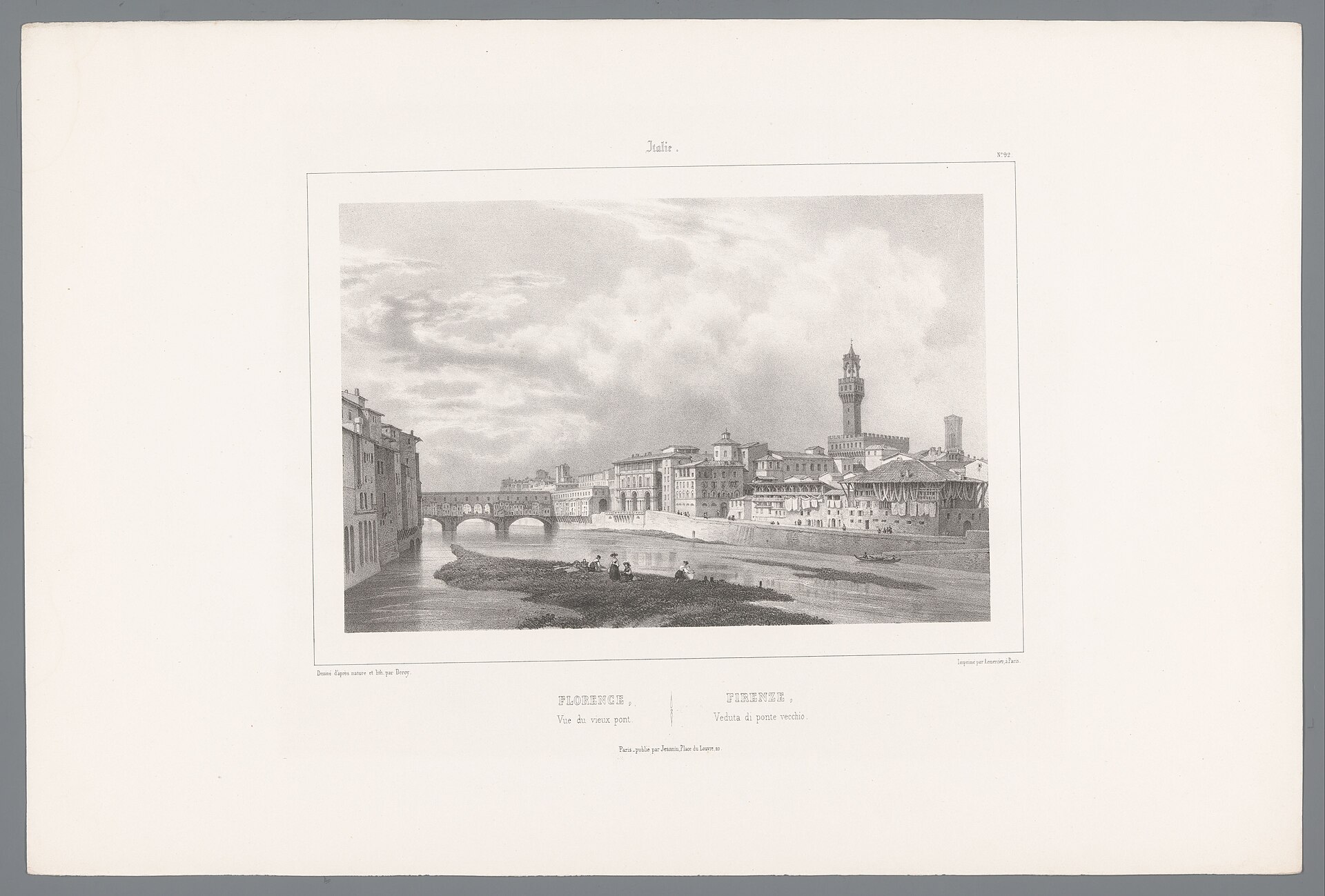
Two nights is the minimum to do Florence justice. Three nights is better if you want to do a day trip — Siena is 80 minutes by bus, Pisa is under an hour by train. Neither needs a full day; Siena’s Piazza del Campo and cathedral alone justify the journey. If you are weighing what to prioritise, our roundup of things to do in Florence ranks the sights by how much of your day each one really deserves.
The honest caveat about Florence: Some first-timers find it smaller and quieter than expected. It can feel like a giant open-air museum, especially in summer when tourist volumes peak. If you are the kind of traveller who needs a city’s energy as much as its sights, you might enjoy Rome more and find Florence satisfying in two nights rather than three. That is not a knock — it is a style question.
For everything Tuscany-adjacent — Siena, the Chianti hills, San Gimignano, Montepulciano — see our Florence and Tuscany guide.
Venice: Worth Every Night You Give It
Venice is the most polarising city in Italy for first-timers. People who stay one night (or none, on a day trip from Padua) often say it was crowded and overpriced. People who stay two nights often say it was one of the most memorable experiences of their lives. The difference is almost always time. If you do stay two nights, the nearby Veneto towns make good half-days — the best day trips out of Venice are all short hops.
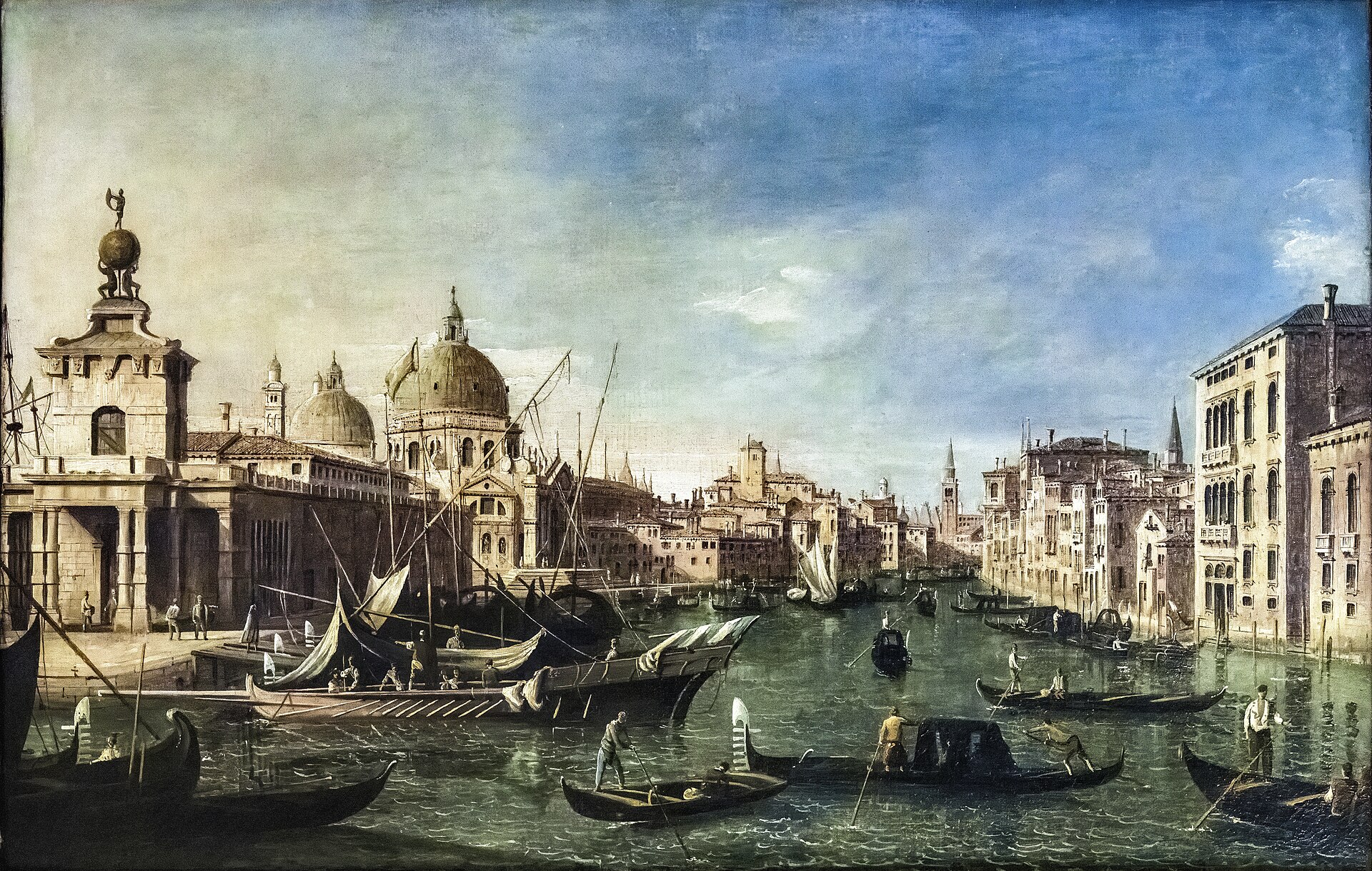
The crowds in Venice are worst between 10am and 5pm, when day-trippers from cruise ships and bus tours flood St Mark’s Square. If you are staying overnight, you can be at St Mark’s Basilica at 8:30am before the queues form, or walk the Dorsoduro neighbourhood at 7pm when it empties. That is a different Venice — quieter, stranger, genuinely magical.
Two nights is the sweet spot. Day one: St Mark’s Basilica (go early), Doge’s Palace, the Rialto Bridge and market, a slow walk back through the backstreets. Day two: the islands — Murano for glass, Burano for colour. Evening: a spritz in a canal-side bar and a cicchetti crawl through Cannaregio. You will not want to leave.
One honest note on cost: Venice is expensive. Hotels within the city run noticeably higher than Rome or Florence. A budget option is to stay in Mestre on the mainland (15 minutes by train) and come in for full days — not as romantic, but the savings are real. As of 2026, Venice also charges a day-access fee for day visitors on peak dates; overnight guests are exempt. Check the official Ciao Venezia portal for current dates and fee amounts before you go.
For the full picture on the Veneto region, see our Venice and Veneto guide.
What to Skip on a First Trip — And Why
This is where most first-timer guides go soft. They list every destination as “wonderful in its own way” and refuse to give you an actual opinion. I will not do that.
The Amalfi Coast: Skip It Unless You Have Time to Do It Right
The Amalfi Coast is one of the most beautiful places in Italy. It is also one of the most logistically punishing places in Italy for someone on a tight schedule. The coast road is a single, narrow, cliff-hugging lane shared by buses, taxis, scooters, and pedestrians. Buses run infrequently and fill up fast. Parking is nearly impossible. In July and August, Positano can feel like a luxury handbag boutique jammed into a cliff — beautiful, expensive, and very crowded.
My honest take: if you have 10 days or fewer, skip the Amalfi Coast on this trip. You will spend a disproportionate amount of time and energy getting there, navigating it, and leaving — time that could go to absorbing Rome or lingering in Florence. Save it for a southern Italy trip where you base yourself in Sorrento or Praiano for four or five nights and actually experience it rather than rushing through.
If you are determined to include it on a first trip, do it after Rome, base yourself in Sorrento (which has much better transport links), and allow at least three full nights. A single day on the Amalfi Coast is not worth the effort. For the full picture, see our Amalfi Coast and Campania guide.
Cinque Terre: A Smarter Coastal Option for Most First-Timers
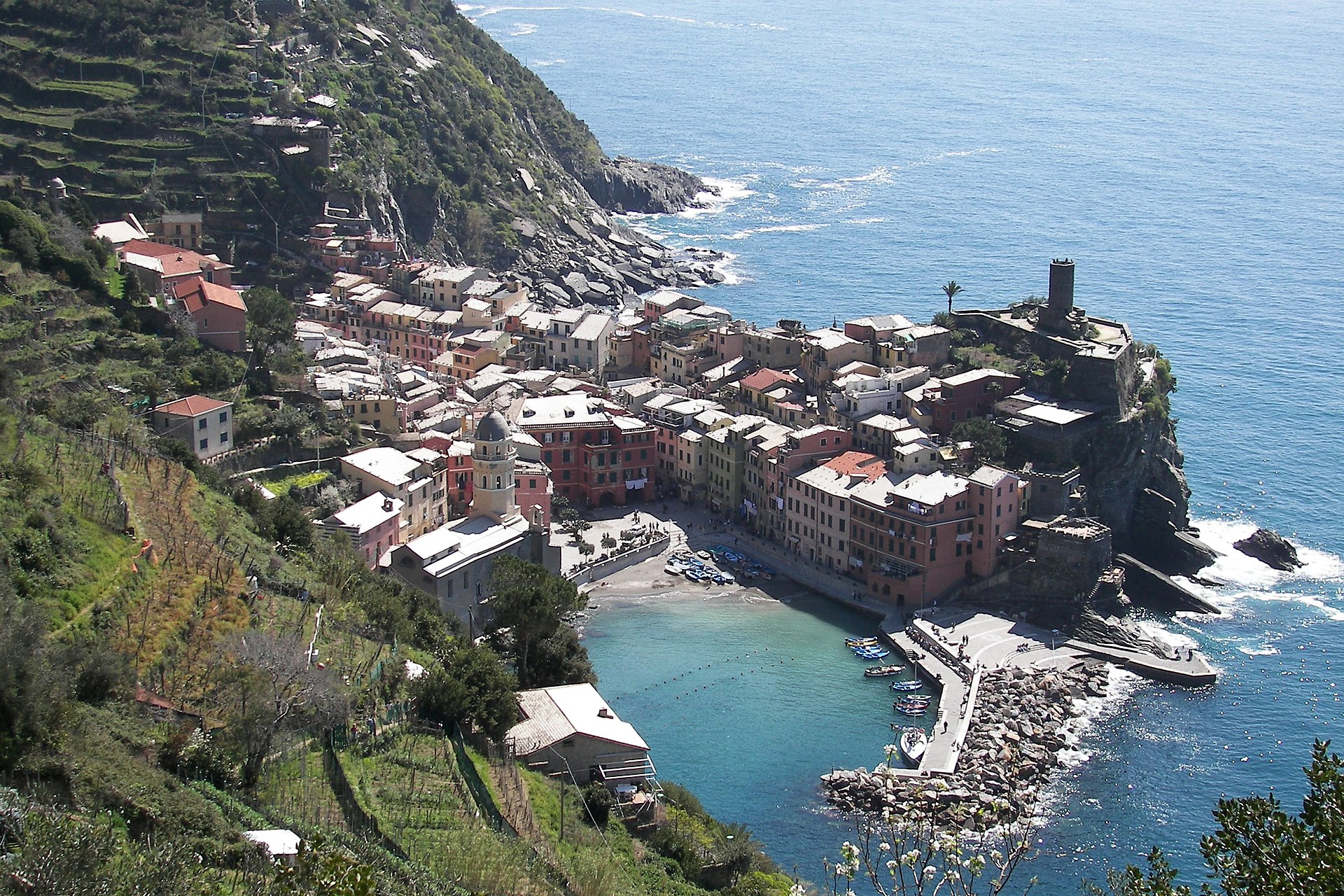
Cinque Terre is a better fit for a first trip than the Amalfi Coast for one simple reason: the train. The five villages — Riomaggiore, Manarola, Corniglia, Vernazza, Monterosso — are all connected by a frequent regional train, so you can move between them without a car or a bus ticket purchased from a specific tobacco shop. You can stay in Vernazza or Monterosso, walk the coastal paths on a clear morning, swim off the rocks, and take the train back to La Spezia and onward to Florence in under two hours.
When to skip Cinque Terre even on a first trip: July and August. The villages genuinely cannot absorb the summer crowds — some of the hiking paths are legally capacity-capped. Go in May, June, September, or October, and it is wonderful. Go in peak summer and the “secret coastal charm” you saw on Instagram is buried under matching luggage sets.
Milan: Half a Day at Most
Milan is Italy’s financial capital and design capital. It is also the least “Italian” city on the standard tourist circuit — it feels more like a northern European business hub than a Mediterranean destination. The Duomo is genuinely extraordinary (go to the rooftop), and the Galleria Vittorio Emanuele II next door is one of the most beautiful shopping arcades in the world. Leonardo da Vinci’s The Last Supper at Santa Maria delle Grazie requires booking weeks or months in advance through the official site.
For a first trip, unless you fly in or out of Milan (Malpensa or Linate), I would treat it as a transit stop rather than a destination. If you are starting or ending your trip there, one night to see the Duomo and have a proper Milanese aperitivo is fine. Two nights is probably too many.
The Italian Lakes: Beautiful, But Better the Second Time
Lake Como, Lake Maggiore, Lake Garda — all genuinely lovely, all worth a visit. None of them should be on a first-timer’s core itinerary unless you are based in Milan or flying through. They have a slower, resort-holiday pace that is wonderful when you have already seen Rome, Florence, and Venice. As a first trip detour, they tend to feel like a distraction from Italy’s more defining experiences.
Sample First Time in Italy Itinerary: 10 Days
This is not the only way to do it. But if you asked me to plan a first trip for a friend with 10 days and no strong preferences, this is what I would send them.
Days 1–4: Rome (3 nights)
Arrive and check in near the historic centre. Let yourself get disoriented — this is part of the experience.
- Day 1 (arrival): Recover from travel. Walk to the Pantheon, grab a coffee at a bar (stand at the counter, pay first at the cassa), find a decent trattoria for dinner. No sightseeing pressure.
- Day 2: Morning at the Colosseum and Roman Forum (pre-booked). Afternoon: Palatine Hill, then a slow walk through the Jewish Ghetto. Evening: Campo de’ Fiori for aperitivo.
- Day 3: Early Vatican (pre-booked for 8am entry). St Peter’s Basilica after. Afternoon: Castel Sant’Angelo and the Prati neighbourhood for lunch and gelato.
- Day 4 (travel day): Trevi Fountain early morning before crowds (worth it). Spanish Steps. Borghese Gallery if you pre-booked. Afternoon high-speed train to Florence (1.5 hours, book on Trenitalia or Italo).
Days 4–7: Florence (3 nights)
- Day 4 (arrival): Check in, walk to the Duomo, cross the Ponte Vecchio, find dinner in Oltrarno.
- Day 5: Uffizi Gallery (pre-booked first thing). Afternoon: Piazzale Michelangelo for the view, then the San Miniato al Monte church just above it. Evening: wine bar in the Oltrarno.
- Day 6: Accademia for David (pre-booked). Day trip to Siena by bus (SITA bus from near the SMN train station) or Pisa by train. Back for dinner.
- Day 7 (travel day): Climb the Duomo’s cupola if you have a booking. Mercato Centrale for lunch. Afternoon train to Venice (2 hours on high-speed).
Days 7–9: Venice (2 nights)
- Day 7 (arrival): Take the vaporetto from the train station to your hotel. Walk towards St Mark’s in the evening when it is quieter. First cicchetti at a bacaro in Cannaregio.
- Day 8: St Mark’s Basilica at 8:30am. Doge’s Palace mid-morning. Afternoon: get deliberately lost in Dorsoduro and Castello. Gondola if that is your thing (around €90 for a 30-minute ride; prices are regulated). Rialto Bridge at dusk.
- Day 9: Murano by vaporetto in the morning (watch a glass-blowing demonstration at one of the factories — they are free). Burano in the afternoon if you have energy (it is further; plan a full half-day). Return to Venice for a final dinner.
Days 9–10: Departure
Fly home from Venice Marco Polo, or take a morning train back to Rome for a late evening flight. Build in at least two hours before your train or flight — Italian infrastructure is mostly reliable but occasionally surprising.
By Trip Style: Adjusting the Core Route
The Rome–Florence–Venice spine works for almost everyone. But depending on your style, here is how to adjust it.
For Couples
Add Cinque Terre between Florence and Venice (1 night in Vernazza or Manarola). The coastal setting is romantic in a way that cities are not, and it breaks the itinerary nicely. For more ideas, see our Italy for couples guide.
For Families with Kids
Rome is fantastic for kids (gladiators at the Colosseum, throwing coins in the Trevi Fountain). Venice requires more patience — no strollers work well on the bridges, and the crowds are intense. Consider reducing Venice to one night and adding a day trip to Ostia Antica from Rome (great for children — ruins without the peak crowds). See our Italy family vacation guide for more.
For First-Time Solo Travellers
The classic route works perfectly solo — Italy’s cities are safe, well-connected, and easy to navigate alone. Bologna makes a strong one-night addition between Florence and Venice: it has a large university, a lively food scene (tortellini, tagliatelle al ragù), and a grittier, more local atmosphere than the tourist-polished big three. See our solo travel Italy guide.
For Food-Obsessed Travellers
Add Bologna — non-negotiably. One night is enough to eat very well at modest cost. You could also replace the Cinque Terre detour with a night in Parma (Parmigiano-Reggiano, prosciutto, a beautiful historic centre) or Modena (world-class trattorias, the Ferrari Museum nearby). These are food towns, not tourist towns, and the difference is palpable the moment you sit down for dinner.
For History and Archaeology Lovers
Extend your Rome stay to five nights and add a day trip to Pompeii. The train from Rome to Naples takes about 70 minutes on a high-speed service, then connect to the Circumvesuviana to Pompeii Scavi station — the whole journey takes around 2.5 hours each way, so an early start is essential. Pompeii itself needs at least three hours; give it four if you can. See our Rome travel guide for more on day trips from the capital.
When to Add the Amalfi Coast or Cinque Terre
Both are worth including eventually. Here is a cleaner decision framework:
Add Cinque Terre if:
– You have 9+ days
– You are going in May, June, September, or October
– You want a break from cities and can handle some walking
– You are travelling solo, as a couple, or with older teenagers
Add Amalfi Coast if:
– You have 12+ days and can spend at least 3 nights based in Sorrento
– You are going for a slower, more indulgent pace (it is not an itinerary-stacking destination)
– You do not mind paying more — accommodation and food cost noticeably more here than in northern Italy
– You are travelling as a couple or in a small group willing to navigate the logistics together
Save both for a second trip if:
– You have under 9 days
– You are travelling with young children who do not hike
– You are primarily motivated by art, archaeology, or urban culture
The Amalfi Coast rewards slow travel. Rushing through on a day trip from Rome — a popular package-tour option — gives you stunning views through a bus window and a lunch you paid too much for. That is not the Amalfi Coast; that is a photograph of the Amalfi Coast.
The Best Time to Visit Italy for a First Trip
The honest answer is that the best time is whenever you can go. But the honest refinement of that answer is: avoid August if at all possible.
August in Italy is simultaneously peak tourist season and when Italians themselves go on holiday. Many small restaurants and family-run shops close for two or three weeks in mid-August (Ferragosto). The cities are hot, crowded, and expensive. Venice in August in particular can feel like being slowly cooked inside a beautiful painting.
The sweet spots for a first trip:
– Late April to early June: Warm but not hot, lower prices than summer, wildflowers in the countryside, lighter museum crowds
– September to mid-October: The best weather of the year, harvest season in Tuscany and Umbria, manageable crowds, beautiful light
If you have no flexibility and August is your only option, go anyway — Italy is still Italy, and you can mitigate the crowds by booking everything in advance, visiting major sites at opening time, and giving yourself permission to spend afternoon hours in a cool bar rather than a hot piazza.
For a full seasonal breakdown, see our best time to visit Italy guide.
Getting Around Italy Without a Car
The Italian train network is one of the genuine pleasures of planning a first trip here. High-speed trains (Frecciarossa, Frecciabianca, Italo) connect Rome, Florence, Venice, Milan, Bologna, and Naples with journey times that beat flying when you factor in airport time. Rome to Florence: around 1 hour 30 minutes. Florence to Venice: around 2 hours. Rome to Naples: around 70 minutes. Our guide to Italy’s airports explains which arrival hub suits which route.
Key booking tips:
– Book high-speed trains as early as possible. Prices start low and rise as the train fills — the same journey that costs €25 six weeks out can cost €70 the week before.
– Trenitalia (trenitalia.com) and Italo (italotreno.it) are the two operators. Both are reliable; check both for prices.
– Always validate your ticket before boarding on regional (slow) trains. High-speed trains with assigned seats do not require validation.
– Do not try to drive in Rome, Florence, or Venice. You do not need to, and the ZTL (restricted traffic zones) will result in fines mailed to you weeks after you return home.
For a complete guide to trains, buses, and ferries, see our complete guide to Italian transport.
What to Save for a Second Trip
Being honest about this is one of the most useful things a travel guide can do. Here is what Italy has that can wait:
Sicily — genuinely one of the most compelling parts of Italy, with Greek ruins at Agrigento, Baroque Noto, the energy of Palermo, and a completely different cultural register from the north. It deserves a dedicated trip. Tacking it onto a Rome–Florence–Venice itinerary means rushing everything.
Puglia and the south — Lecce, Alberobello with its trulli, the Salento coastline. Stunning, unhurried, and increasingly popular. Better as a standalone trip or combined with Naples and the Amalfi Coast.
The Italian Lakes in depth — Lake Como is beautiful but better appreciated when you have time to take a ferry between villages and sit in a garden cafe for two hours without feeling like you are losing Rome time.
Bologna properly — I mentioned Bologna as an add-on for food lovers, and it works well as one night. But Bologna also has medieval towers, Europe’s oldest university, extraordinary porticoed streets (a UNESCO World Heritage site as of 2021), and a neighbourhood life that first-timers miss entirely. Give it a weekend on a second trip.
Umbria — Perugia, Assisi, Orvieto. Quieter than Tuscany, with extraordinary hill-town scenery and agriturismo farms where you can eat dinner with the family who grows the food. This is the trip for your third visit to Italy.
Final Thoughts
Italy has a way of making you feel like you have failed to see enough of it, no matter how much you see. You will leave Rome thinking about the things you did not get to. You will leave Venice before you are ready. That is not a planning failure — that is Italy working exactly as it should.
The trip worth planning for a first visit is not the one that covers the most ground. It is the one that leaves you certain you will come back. Rome, Florence, Venice, with honest additions or honest skips depending on your time and temperament: that is still the best first time in Italy itinerary, and it has been for a reason.
Use this guide to build the framework, then check our Italy itineraries hub for deeper route options, our Italy countdown checklist to make sure nothing is left unbooked, and our full complete guide to visiting Italy for everything else. Buon viaggio.
Questions travellers ask
Is 7 days enough for a first trip to Italy?
Seven days is enough to do the core route properly if you are disciplined about it: 3 nights in Rome, 2 in Florence, 2 in Venice. You will not do everything in any of those cities, but you will come away with a real feel for each. The key is to book trains and major attractions in advance and resist the urge to add a fourth stop. Seven days with three cities is better than seven days with five.
Should I go to Rome or Venice first?
Most people do better starting in Rome and finishing in Venice. Rome is the most intense city and you have the most energy at the start of a trip. Venice is smaller, slower, and a more atmospheric way to finish. Logistically, flying into Rome and out of Venice also avoids backtracking. If your flights work the other way, Venice first is perfectly fine.
Is the Amalfi Coast worth it on a first trip to Italy?
Only if you have 12 or more days and can base yourself in Sorrento for at least three nights. A day trip to the Amalfi Coast from Rome or Naples is not worth the logistics and will not give you the experience the coast is actually famous for. On a 7–10 day first trip, skip it and save it for a dedicated southern Italy visit.
Do I need to speak Italian?
No — but a handful of phrases will change how you are treated. Locals notice and appreciate it when you try. Learn: “Buongiorno” (good morning, used all day until late afternoon), “Grazie” (thank you), “Il conto, per favore” (the bill, please), “Parla inglese?” (do you speak English?), and “Mi dispiace, non parlo italiano” (I am sorry, I do not speak Italian). In tourist cities, almost everyone in hospitality speaks basic English.
How much does a first trip to Italy cost?
It varies enormously by season, travel style, and how far in advance you book. As a rough guide for 2026: mid-range hotels in Rome and Florence run around €100–€180 per night for a double room in a good central location; Venice runs higher, often €150–€250. Budget travellers staying in hostels and eating at neighbourhood trattorias can manage on €80–€120 per day; comfortable mid-range is more like €150–€220 per person per day including accommodation, food, transport, and entry fees. Book trains and museum tickets early — the savings are real.
Is Italy safe for first-time visitors?
Yes, Italy is a very safe destination for tourists. The main concern in major cities is pickpocketing in crowded tourist areas (around the Colosseum, on the Metro in Rome, in St Mark’s Square in Venice). Use a crossbody bag, keep your phone in a front pocket, and be aware in very crowded spots. Violent crime targeting tourists is extremely rare.
Should I rent a car for a first trip to Italy?
Not for the Rome–Florence–Venice route — you do not need one, and driving in Rome or Venice is actively harmful to your experience. A car becomes useful if you are exploring rural Tuscany, Umbria, or the south (Puglia, Sicily), where trains do not reach the small towns. For a classic first trip, trains are faster, cheaper, and far less stressful than driving.
What should I not miss on a first trip to Italy?
Rome: the Colosseum and Roman Forum, the Vatican Museums, the Pantheon, and at least one evening in Trastevere. Florence: the Uffizi, Michelangelo’s David, and the view from Piazzale Michelangelo at sunset. Venice: St Mark’s Basilica at opening time, getting deliberately lost in the back streets, and a drink beside a quiet canal at dusk. Those experiences are not about Instagram — they are the things that people still talk about 20 years later.