Best Things to Do in Sicily
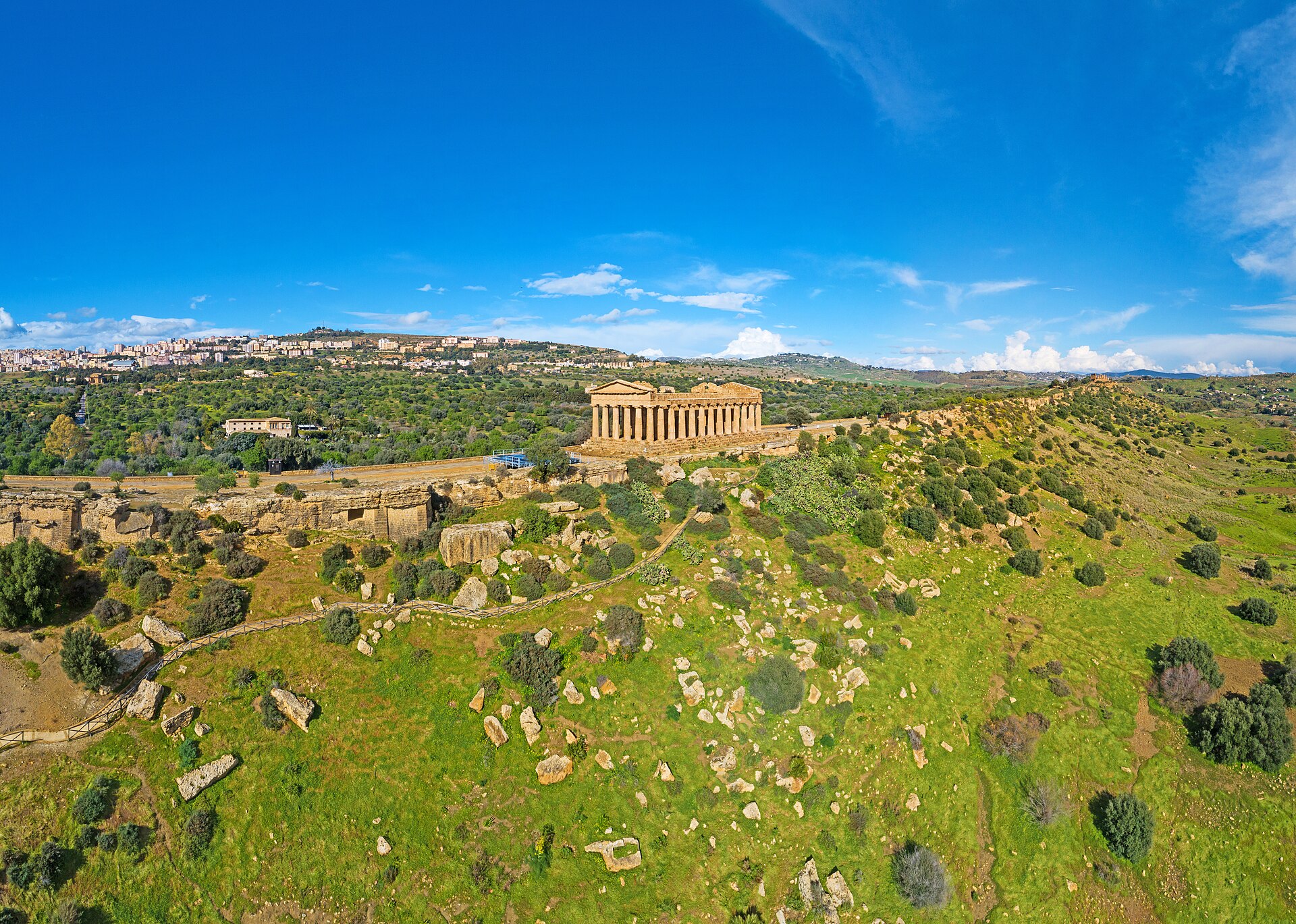
The first time we drove into Agrigento and saw the Temple of Concordia standing whole against a blue sky, I genuinely forgot to keep driving. Sicily does that. It is less an island and more a stack of overlapping civilizations with great beaches on top.
The best things to do in Sicily come down to five threads you can pull in any combination: the ancient Greek and Roman sites, Mount Etna and its volcanic landscape, the honey-colored Baroque towns of the southeast, the beaches and offshore islands, and the food. If you only have time for a few, do the Valley of the Temples, Ortigia in Syracuse, Etna, and one Baroque town. Everything else is a bonus.
This guide is for the planner trying to decide what actually earns a half-day. It is organized by interest, not by route, so you can build around what you care about.
The headline things to do in Sicily, at a glance
Here is the shortlist I’d hand a first-timer, with rough time and who each one suits. Prices and hours shift, so treat figures as “around, as of 2026” and check official sites before you go.
| Experience | Where | How long | Best for |
|---|---|---|---|
| Valley of the Temples | Agrigento (south coast) | Half day | Anyone; ancient history |
| Mount Etna | Above Catania | Half to full day | Nature, hikers, wine |
| Ortigia & Neapolis park | Syracuse (southeast) | Full day | Greek history, atmosphere |
| Baroque towns loop | Noto, Modica, Ragusa, Scicli | 1–2 days | Architecture, slow towns |
| Palermo monuments + markets | Palermo (northwest) | 1–2 days | Culture, street food |
| Taormina + Greek theatre | East coast | Half day | Views, glamour |
| Cefalù | North coast | Half day | Beach + cathedral combo |
| Aeolian or Egadi islands | Offshore | 1–4 days | Swimming, boats, escape |
| Segesta / Selinunte | West | Half day each | Temples without crowds |
| Villa Romana del Casale | Piazza Armerina (center) | 2–3 hours | Roman mosaics |
A quick orientation, because Sicily is bigger than people expect: it takes a real four hours to drive Palermo to Syracuse, and the island has two main airports, Catania in the east and Palermo in the west. If you’re still mapping the trip, our Sicily travel guide covers the regions and how they fit together, and the Sicily itinerary turns this list into a day-by-day route.
Sicily attractions: the ancient Greek and Roman sites
This is the category that surprises people. Sicily has more standing Greek temples than mainland Greece, and most of them sit in landscapes with almost no fences and very little fuss.
Valley of the Temples, Agrigento
If you do one ancient site, do this one. The Valley of the Temples (Valle dei Templi) is a ridge above Agrigento lined with Doric temples from the 5th century BC, when this was the Greek city of Akragas. The Temple of Concordia is the star, one of the best-preserved Greek temples anywhere, partly because it spent centuries as a church.
Give it a half day. It’s a large, mostly shadeless archaeological park, so go early or for the late-afternoon light, bring water, and wear real shoes. General admission runs around 12 to 15 euros as of 2026; the on-site Kolymbethra garden and the excellent regional archaeological museum cost a little extra and are both worth it. Skip the midday summer visit unless heat doesn’t bother you. Agrigento itself is workmanlike, not charming, so most people treat it as a temple stop rather than a long stay.
Ortigia and the Neapolis park, Syracuse
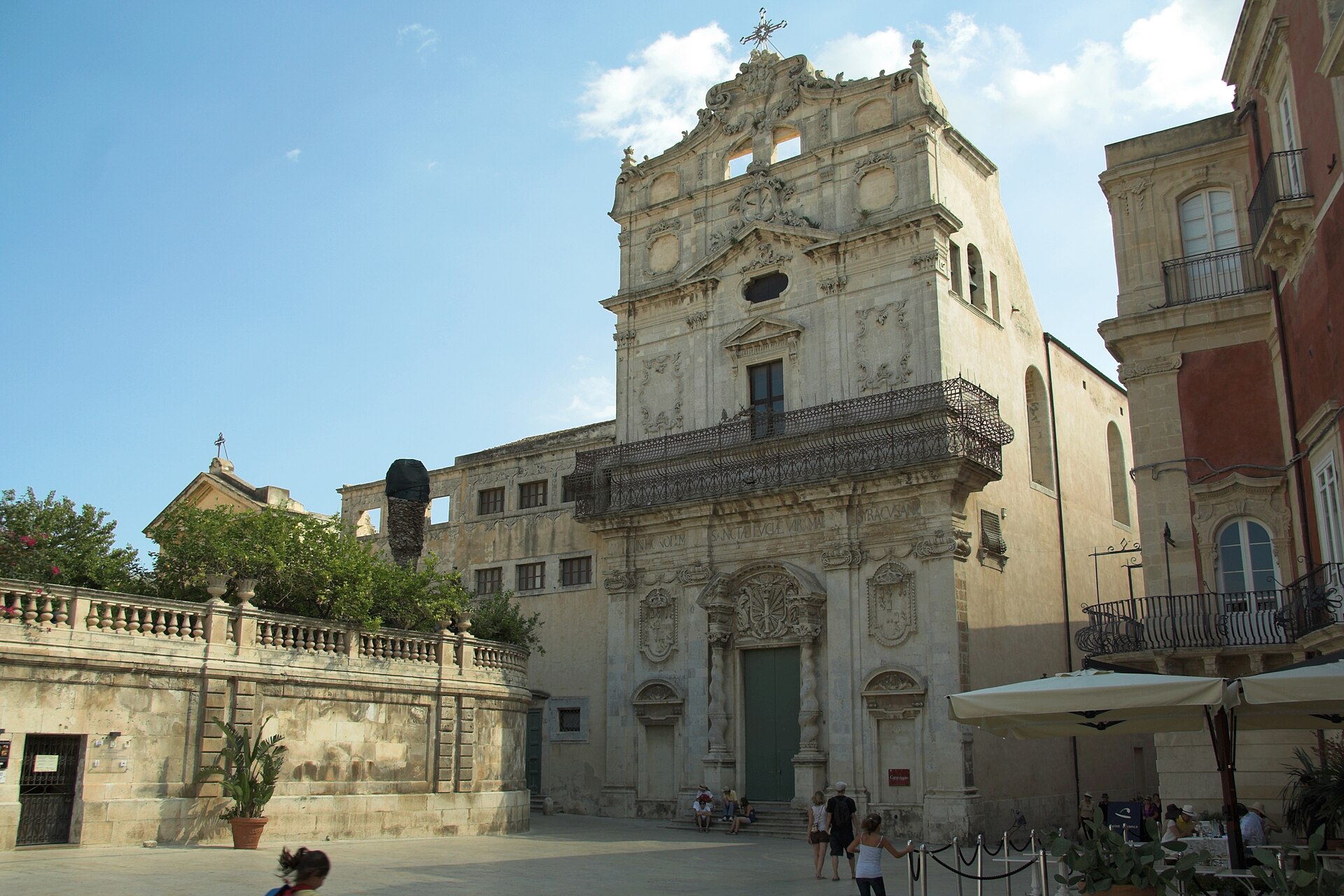
Syracuse was, for a while, one of the most powerful cities in the Greek world, and you feel it in two distinct places. Ortigia is the small island that forms the old town, all warm stone, sea light, a baroque cathedral built straight onto a Greek temple, and a morning market worth timing your visit around. It’s one of the most purely pleasant places to wander in Sicily, and a full day there never feels long.
A short walk away, the Neapolis archaeological park holds the Greek theatre carved into the hillside, the vast quarry called the Latomia del Paradiso, and the cave known as the Ear of Dionysius. Combine the two and you’ve got an easy, rich full day. We’ve gone deeper on the city’s layout and the best places to stay in the Syracuse and east-coast write-ups, but Ortigia alone justifies the detour.
Segesta, Selinunte, and Taormina’s theatre
For the western temples, Segesta gives you a single golden Doric temple alone on a hill, plus a Greek theatre up the slope with views to the sea, and a fraction of Agrigento’s crowds. Selinunte, further south, is enormous, a whole field of temple ruins right above the beach, and it rewards anyone who likes to roam. Each is a half-day, and they pair naturally with the Trapani side of the island.
The Greek theatre at Taormina is more about the setting than the archaeology. You’re looking through ancient columns to the sea and, on a clear day, Etna smoking in the distance. It’s the most photographed view in Sicily for a reason, and yes, it’s busy. Go right at opening or for the late slot, and consider it part of a Taormina half-day rather than a destination on its own.
Villa Romana del Casale, Piazza Armerina
This one’s Roman, not Greek, and it’s the odd-one-out geographically, sitting inland near the middle of the island. It’s worth the detour for one thing: roughly 3,500 square meters of 4th-century mosaic floors, preserved because a medieval landslide buried them. The famous “bikini girls,” the hunting scenes, the sheer scale of it, all viewed from raised walkways. Budget two to three hours including the drive in. It slots best between Agrigento and the southeast, which is exactly where a sensible route puts it.
What to see in Sicily for volcanoes and nature
Sicily is one of the few places in Europe where you can stand on an active volcano in the morning and swim in the afternoon. Etna is the headliner, but the volcanic theme runs all the way out to the islands.
Mount Etna
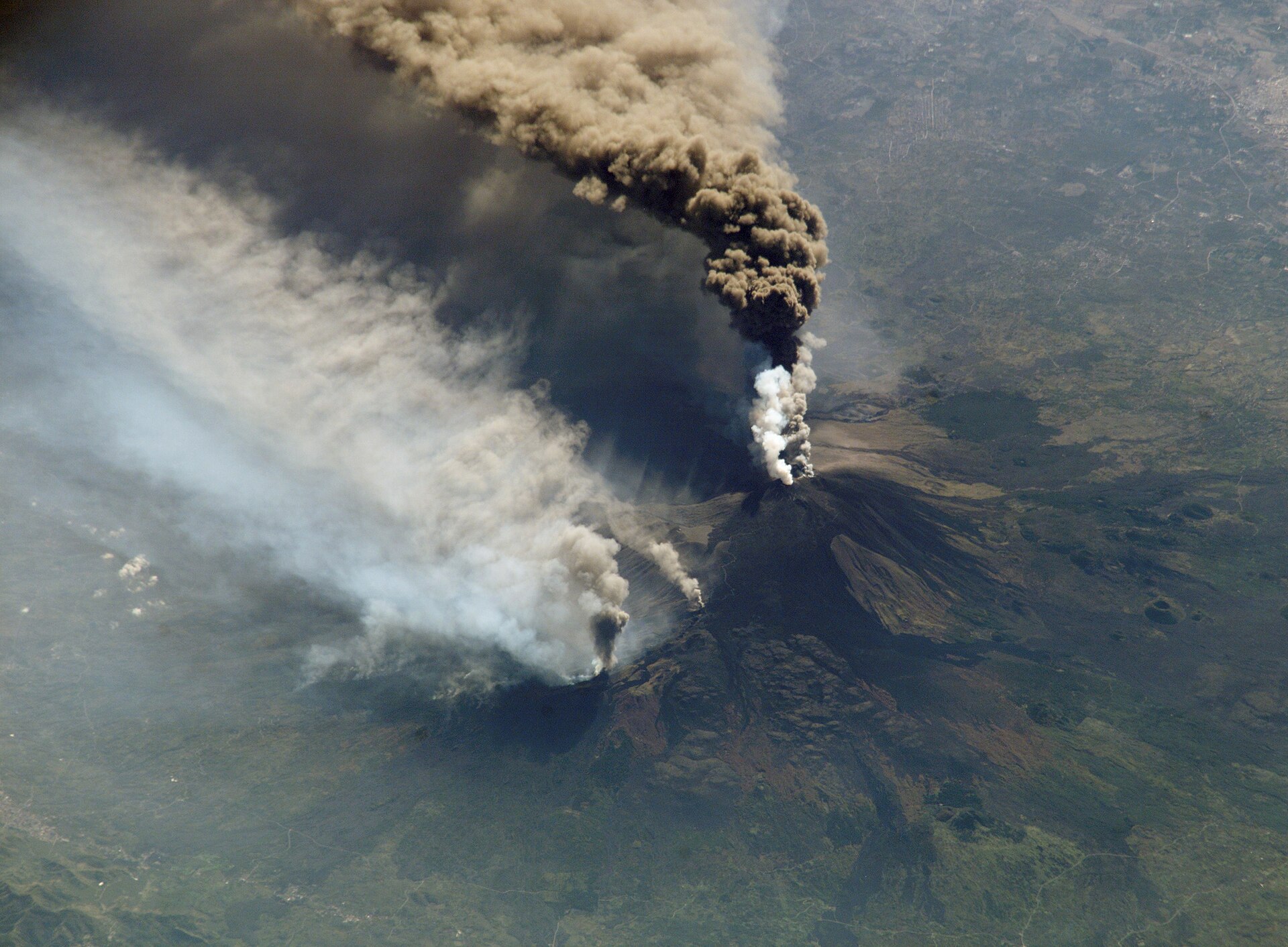
Etna is the tallest active volcano in Europe and the centerpiece of a national park, and there’s a version of it for every energy level. The low-effort version: drive or take the AST bus from Catania up to Rifugio Sapienza at around 1,900 meters, walk the accessible craters near the base, and call it a morning. The medium version: take the cable car and a 4×4 higher up toward the summit zone, which costs a meaningful chunk (think roughly 60 to 75 euros all-in as of 2026) and is weather-dependent. The committed version: a guided hike to the upper craters with a volcanological guide, which is the only legal way to go high and the most rewarding.
Whatever you pick, bring layers; it can be summer at the coast and genuinely cold and windy up top. Etna is also wine country now, with vineyards on the volcanic slopes producing some of Sicily’s most interesting bottles, and a tasting pairs beautifully with a half-day on the mountain. Because Etna is most easily reached from the east coast, we’ve put the full breakdown of tours, transport, and timing in the Catania travel guide.
The Aeolian Islands
Off the northeast coast, the seven Aeolian Islands are volcanic, dramatic, and a complete change of pace. Lipari is the practical base with the most beds and a good archaeological museum. Stromboli is an active volcano you can watch erupt at night, with guided evening hikes and boat trips that sit offshore to see the lava glow. Vulcano has sulfur mud baths and easy walks; Salina is greener, calmer, and the foodie favorite. You reach them by hydrofoil from Milazzo, with longer ferries for cars. Give the Aeolians at least two nights to make the boat journey worth it; a single day trip from the mainland is a long haul for a short payoff.
Scala dei Turchi
The white marl cliff near Agrigento, blindingly bright and stepped like a natural staircase down to the sea, is one of Sicily’s signature images. Important update: after years of closures for erosion, the cliff itself reopened to walkers under a timed-ticket system, around 5 euros for a one-hour slot booked online, as of 2025 to 2026. Access can shut without notice for wind or instability, and there are footwear rules to protect the soft rock. Even when the staircase is closed, the view from the adjacent beach is excellent, so it’s still worth the stop. Pair it with the Valley of the Temples in a single Agrigento day.
Sicily attractions in the Baroque southeast
After a catastrophic 1693 earthquake, a cluster of towns in the southeast were rebuilt all at once in a single, theatrical Baroque style, and they were collectively named a UNESCO site. Wandering them is one of the most relaxing things to do in Sicily, and they’re close enough together to string into a loop.
Noto, Modica, Ragusa Ibla, and Scicli
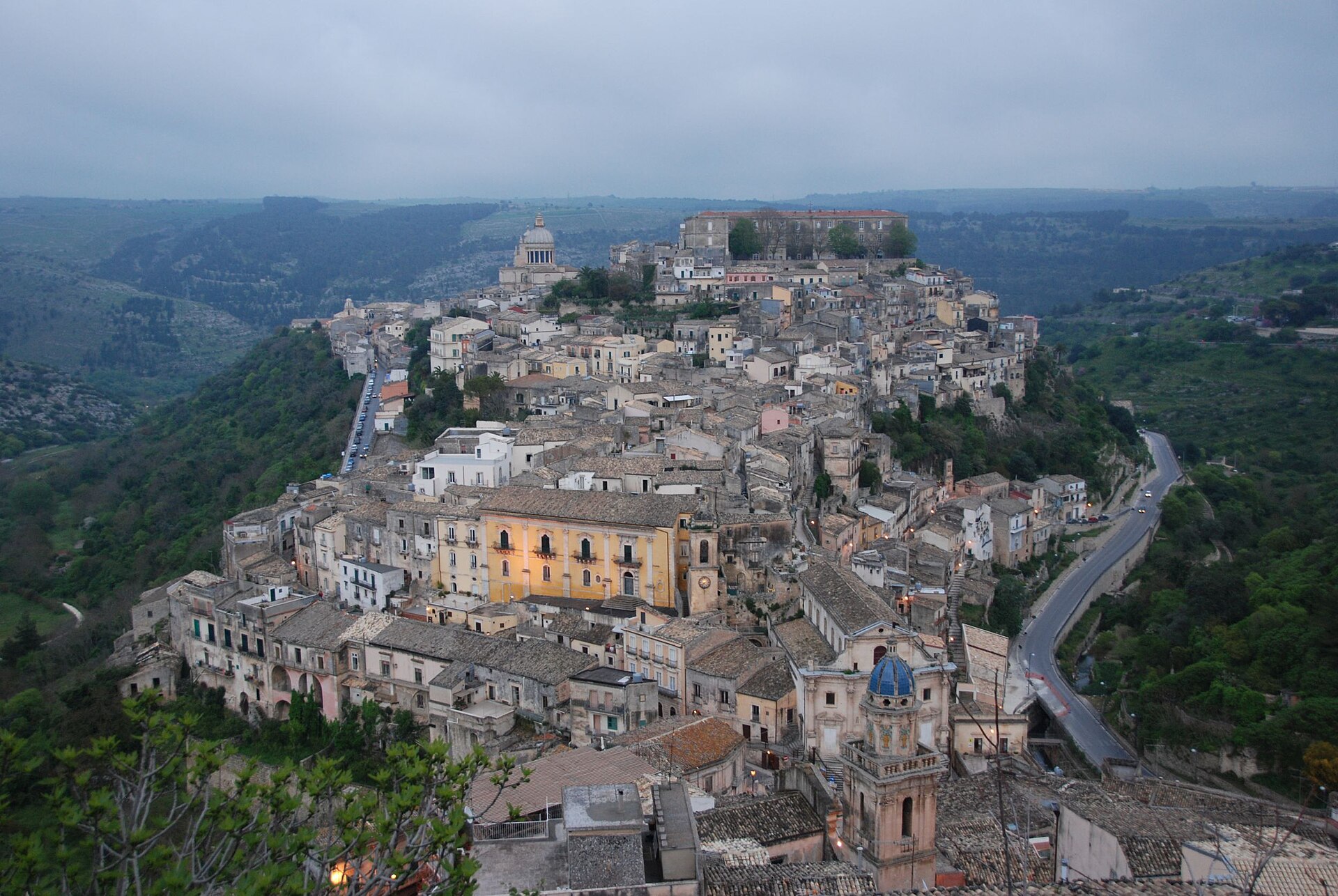
Noto is the showpiece: a single honey-stone main street of churches and palaces that turns gold at sunset, plus some of the best granita on the island. Modica drapes down a gorge in two halves and is famous for grainy, cold-worked chocolate made by a method that dates to Spanish rule, which you should absolutely taste at a historic chocolatier. Ragusa splits into the modern upper town and Ragusa Ibla below, the old quarter that tumbles down a hillside to a domed cathedral; the walk between them, or down the staircases, is half the pleasure. Scicli is the smallest and least crowded, a film-set of a town that fans of Inspector Montalbano will recognize.
You can sample two of these in a busy day, but they deserve one or two nights based in Ragusa or Noto so you can be there in the early evening when the tour buses leave and the stone glows. This is the part of Sicily where doing less is the whole point.
Palermo, Cefalù, and the Arab-Norman northwest
The northwest is louder, grittier, and more layered than the polished southeast, and Palermo is the engine of it.
Palermo’s monuments and markets
Palermo rewards anyone curious about how Arab, Norman, and Byzantine worlds collided. The Cappella Palatina inside the Norman Palace is a small room blanketed in gold mosaics that genuinely stops conversation. The cathedral, the Martorana church, and a day trip up to Monreale, where the cathedral interior is a near-complete wall of golden mosaic, make up the Arab-Norman highlights, several of them grouped under a UNESCO listing.
Then there’s the street life. The historic markets, Ballarò, Capo, and the Vucciria, are loud, theatrical, and the best place to eat your way through Palermitan street food: arancine, panelle, sfincione, and braver choices like spleen sandwiches if you’re game. A guided street-food walk is one of the better-value experiences on the island. Give Palermo a minimum of a full day, ideally two, and don’t try to drive in the center; park the car and walk.
Cefalù
An hour east of Palermo by train sits Cefalù, which packs a medieval old town, a twin-towered Norman cathedral with more Byzantine mosaics, and a proper sandy town beach into one tidy package. It’s the easiest beach-and-culture combination in Sicily and a genuinely good day trip from Palermo if you don’t have a car. Climb the Rocca above town if you want the view; otherwise, alternate the cathedral with the beach and a long lunch.
Beaches and islands: the swimming side of Sicily
Sicily’s coast does everything from white sand to pebble coves under cliffs, and the offshore islands have the clearest water. I’ll keep this short because we’ve gone deep elsewhere, but the headline swims belong on any list of what to see in Sicily.
San Vito lo Capo in the northwest has the postcard white-sand-and-turquoise look. The adjacent Zingaro nature reserve trades sand for a string of clear pebble coves reached on foot along a coastal trail, no road, no crowds beyond the first cove. On the east coast, Isola Bella below Taormina is the famous one, pretty but small and busy. And the Egadi Islands off Trapani, especially Favignana with its quarried swimming spots like Cala Rossa, have some of the most vivid water in Italy and are an easy hydrofoil hop. For the full rundown of sand, coves, and how to reach each, see our guide to the best beaches in Sicily.
Food experiences worth planning around
You can eat well in Sicily by accident, but a few experiences are worth treating as actual plans.
Granita and brioche is the one to internalize: a semi-frozen cup of almond, lemon, pistachio, or coffee, scooped into a soft sweet bun, eaten for breakfast. Noto and the southeast do it especially well. Street food is its own event in Palermo and Catania, best on a market walk. Sweets run deep here too, from cannoli filled to order to Modica’s gritty chocolate to the marzipan fruit of Palermo’s old convents.
On the drinks side, Etna’s volcanic wines (look for Nerello Mascalese reds and Carricante whites) and the fortified Marsala from the west are the two regional signatures, and a cellar visit on Etna’s slopes doubles as a scenic afternoon. If food is a main reason you’re coming, our Sicily food guide goes dish by dish, and the broader Italy food and wine section sets it in context.
One more western experience that blends food, landscape, and history: the salt pans between Trapani and Marsala, where shallow pink-and-white evaporation flats and old windmills line the coast. Late afternoon, when the light turns the water gold and the salt mountains glow, is the time to go, ideally paired with a Marsala tasting.
How to fit it together, and what to skip
A few honest planning notes, because the mistake everyone makes is trying to do all of it.
Distances are real. Sicily is the size of a small country, and the interior roads are slow. Pick a base or two per region rather than changing hotels every night. Most people split their time between the east (Catania, Taormina, Syracuse, Etna) and the west or southeast, and use a single transfer day to cross.
A car unlocks the temples, the Baroque loop, the salt pans, and the quieter beaches. If you’d rather not drive, the east coast and Palermo work well on trains and buses, with day-trip excursions for Etna; we’ve mapped a no-car version in visiting Sicily car-free. For where to base yourself in each zone, see where to stay in Sicily.
What I’d skip if pressed for time: a single rushed day trip to the Aeolians (do it properly or not at all), driving into central Palermo, and forcing Villa Romana del Casale into a day where it adds two hours of backtracking. And don’t over-index on Taormina at the expense of Syracuse; Taormina is gorgeous and busy, while Ortigia gives you more soul per hour.
On timing the whole trip, spring and early autumn are the sweet spot for these attractions: open sites, swimmable sea, and none of the August furnace. Our overview of the best time to visit Italy applies cleanly to Sicily, and the regional Italy itineraries help if Sicily is one leg of a longer trip.
Final thoughts
The honest secret of Sicily is that the highlights are spread out, and that’s a feature, not a bug. Each thread, the temples, the volcano, the Baroque towns, the islands, the food, could anchor its own trip. Pick the two or three that pull at you, give them room to breathe, and let the granita stops and slow evenings fill the gaps. That’s how Sicily rewards you. When you’re ready to turn these picks into a route, the Sicily itinerary and the wider Italy travel guide will get you the rest of the way.
Questions travellers ask
What is Sicily most famous for?
Sicily is most famous for Mount Etna, Europe’s tallest active volcano, and for having more standing ancient Greek temples than Greece itself, above all the Valley of the Temples at Agrigento. It’s equally known for its food, granita, cannoli, street food, Marsala and Etna wines, and for the Baroque towns of the southeast.
How many days do you need in Sicily?
Plan five days minimum to scratch the surface, seven to do it without rushing, and ten to two weeks to actually circle the island. With a week, most people pair the east (Etna, Syracuse, Taormina) with either Palermo and the northwest or the Baroque southeast, using one transfer day. Less than five days, and you should pick a single region.
What are the must-see attractions in Sicily?
The non-negotiables are the Valley of the Temples in Agrigento, Mount Etna, and Ortigia in Syracuse with its Neapolis archaeological park. Add at least one Baroque town (Noto, Modica, or Ragusa Ibla), Palermo’s Arab-Norman monuments and markets, and Villa Romana del Casale’s Roman mosaics if your route allows.
Is Sicily worth visiting?
Yes, emphatically. Few places pack this much into one island: active volcanoes, world-class ancient ruins, distinct Baroque towns, clear-water islands, and some of Italy’s best, most distinctive food, often at gentler prices than the mainland. The catch is size and slow roads, so the trick is choosing regions rather than chasing everything.
Do you need a car to see Sicily?
A car makes the temples, Baroque loop, salt pans, and quieter beaches far easier and is the standard way to tour the island. But you can do a satisfying trip car-free by basing in Palermo and the east coast, where trains and buses connect Cefalù, Catania, Taormina, and Syracuse, and joining guided excursions for Mount Etna and the islands.
When is the best time to visit Sicily?
Late April to June and September to October are ideal: archaeological sites and towns are open and comfortable, the sea is warm enough to swim, and you avoid the brutal July and August heat and crowds. Winter is quiet and mild on the coast but cold on Etna, and some island ferries and seasonal spots wind down.
Can you climb Mount Etna?
Yes. You can walk the lower craters near Rifugio Sapienza on your own, ride the cable car and a 4×4 higher, or, to reach the upper summit zone legally, join a guided hike with a licensed volcanological guide. Everything is weather-dependent and can close at short notice, and you’ll want warm layers even in summer.
Is Scala dei Turchi open?
As of 2025 to 2026, the Scala dei Turchi cliff reopened to walkers after years of closure, under a timed-ticket system costing around 5 euros for a one-hour slot booked online. Access can be suspended without notice for wind or erosion risk, and there are footwear rules. Even when the staircase is closed, the view from the neighboring beach is worth the stop.